10 famous home styles that are impossible to maintain
Photo credit: Pexels
Some home styles look incredible in photos but become a full-time job to keep up once you move in. Between constant cleaning, complicated materials, and design details that don’t age well, certain architectural trends demand way more time, effort, and money than they’re worth.
If you’ve ever wondered why some of the most “iconic” homes stay picture-perfect only on magazine covers, it’s because they take nonstop upkeep most people don’t have the patience—or budget—for.
Mediterranean villas
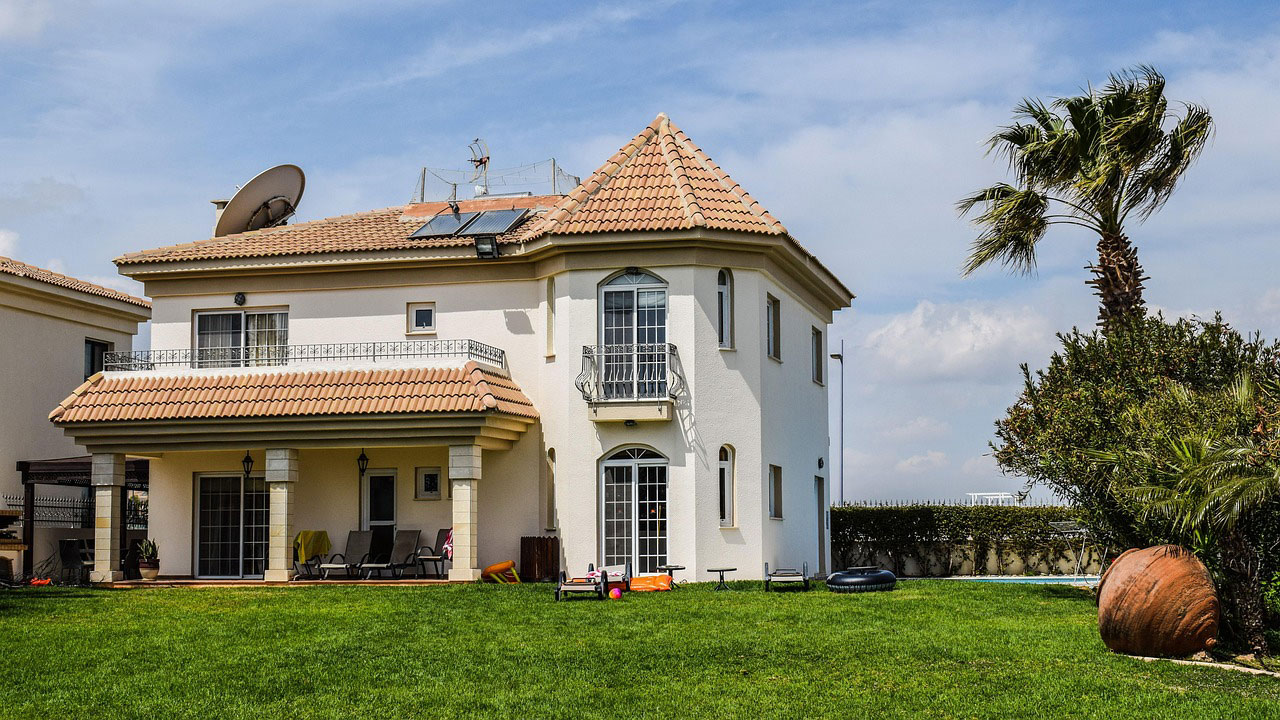
Mediterranean-style homes look beautiful with their stucco walls, red-tile roofs, and iron accents, but they’re built for dry climates. In humid or rainy areas, those materials wear fast. Stucco cracks, clay tiles shift, and moisture creeps into walls, causing mildew and flaking paint.
Even in the right climate, you’ll spend a fortune maintaining that perfect white exterior and keeping the roof moss-free.
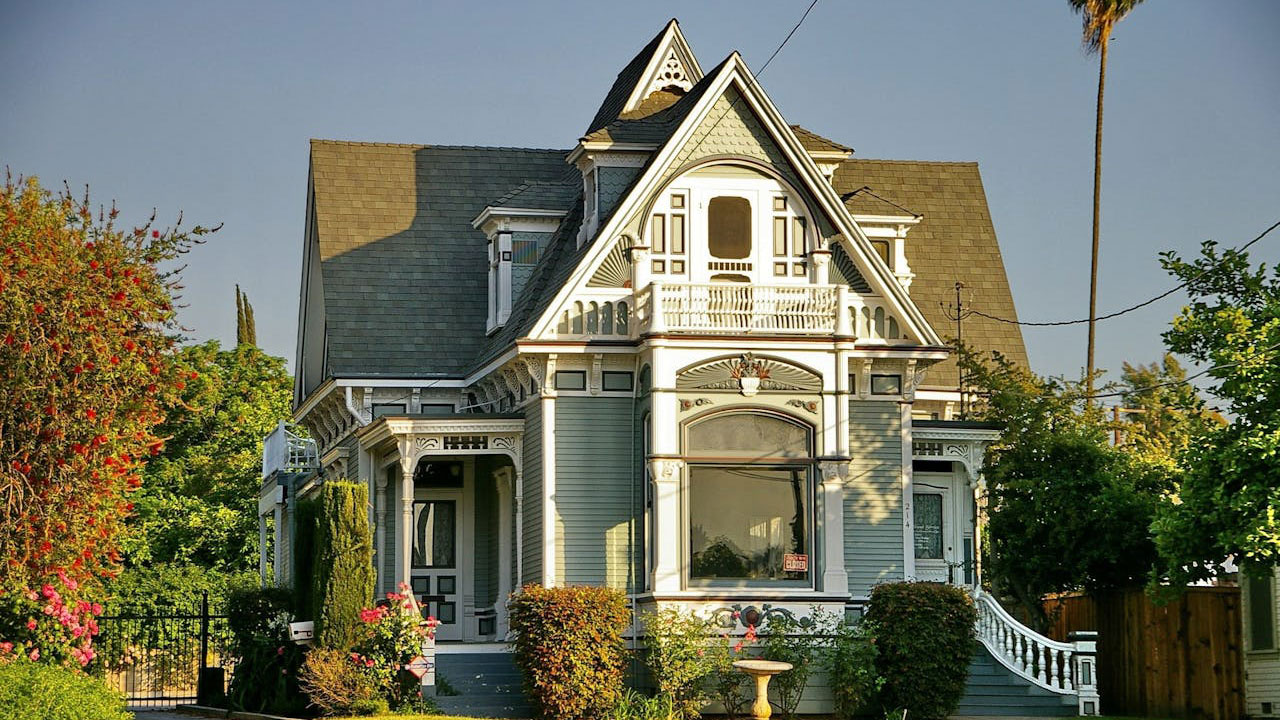
Victorian houses
Victorian homes are full of charm, but their ornate trim, steep roofs, and wood siding are a maintenance nightmare. Every detail needs constant scraping, painting, and sealing to protect against rot and pests.
Original wood windows often leak air and require expensive restoration. The craftsmanship is beautiful—but it comes with never-ending repairs that few homeowners are ready to take on.
Modern glass houses
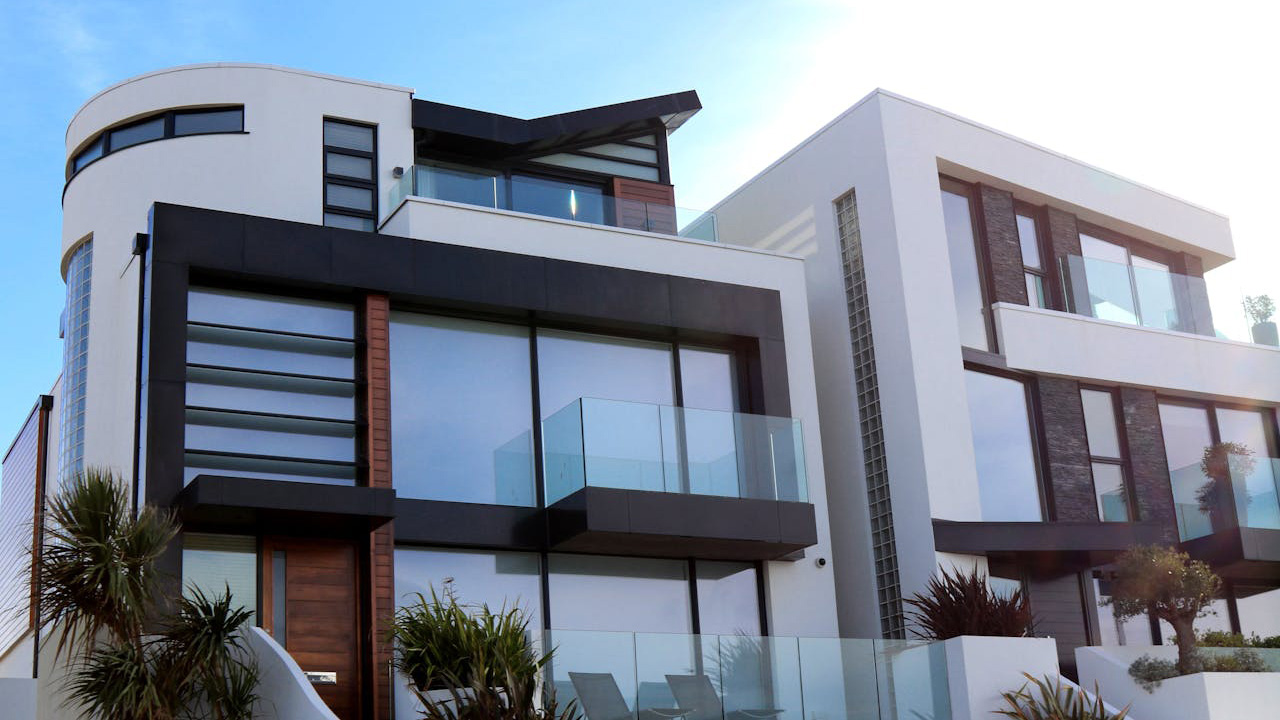
All-glass homes might look sleek and minimalist, but the upkeep is brutal. Every smudge, dust speck, and fingerprint shows instantly. Large panes of glass also make heating and cooling expensive, especially in extreme temperatures.
You’ll be cleaning year-round just to keep it from looking dirty, and replacing a single panel costs thousands. It’s a design that looks better in theory than in real life.
Colonial-style homes
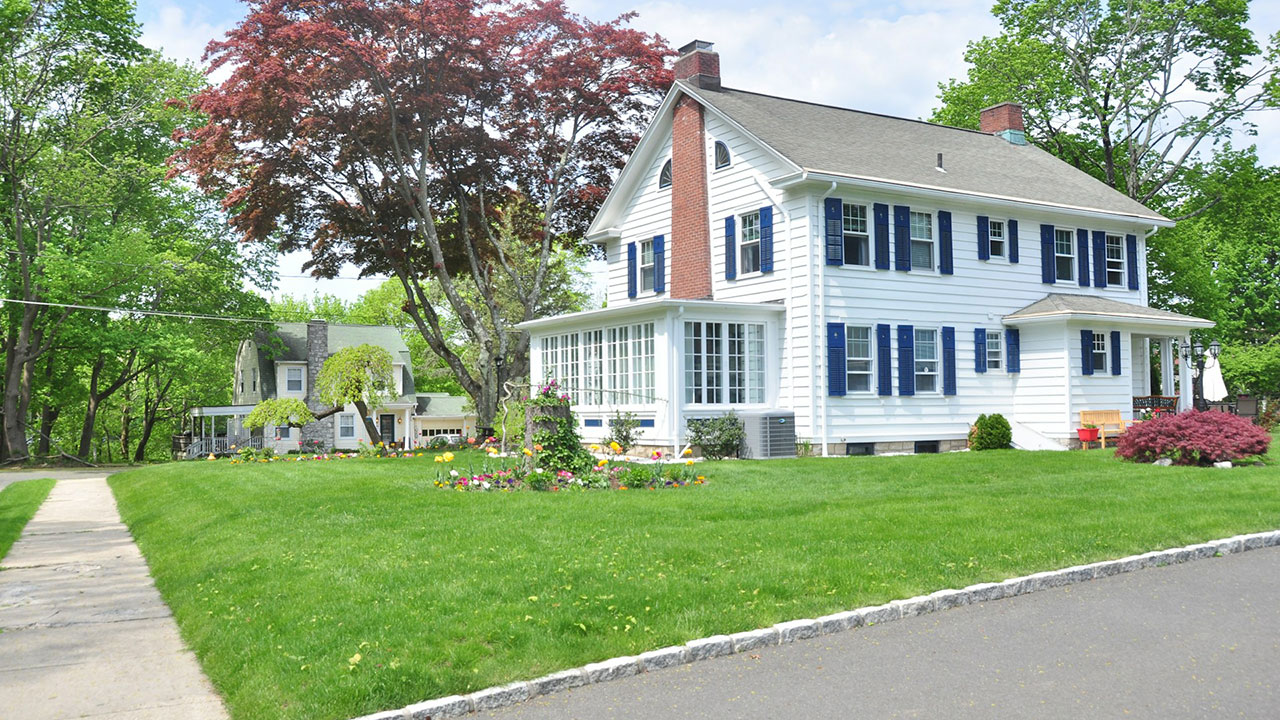
Colonial homes are classic, but their symmetrical design and wooden exteriors demand ongoing care. The siding, shutters, and window trim all need regular painting to keep weather damage at bay.
Their traditional layouts also make insulation and wiring updates tough, which means you’ll be paying higher energy bills unless you gut and modernize the inside.
Mid-century modern homes
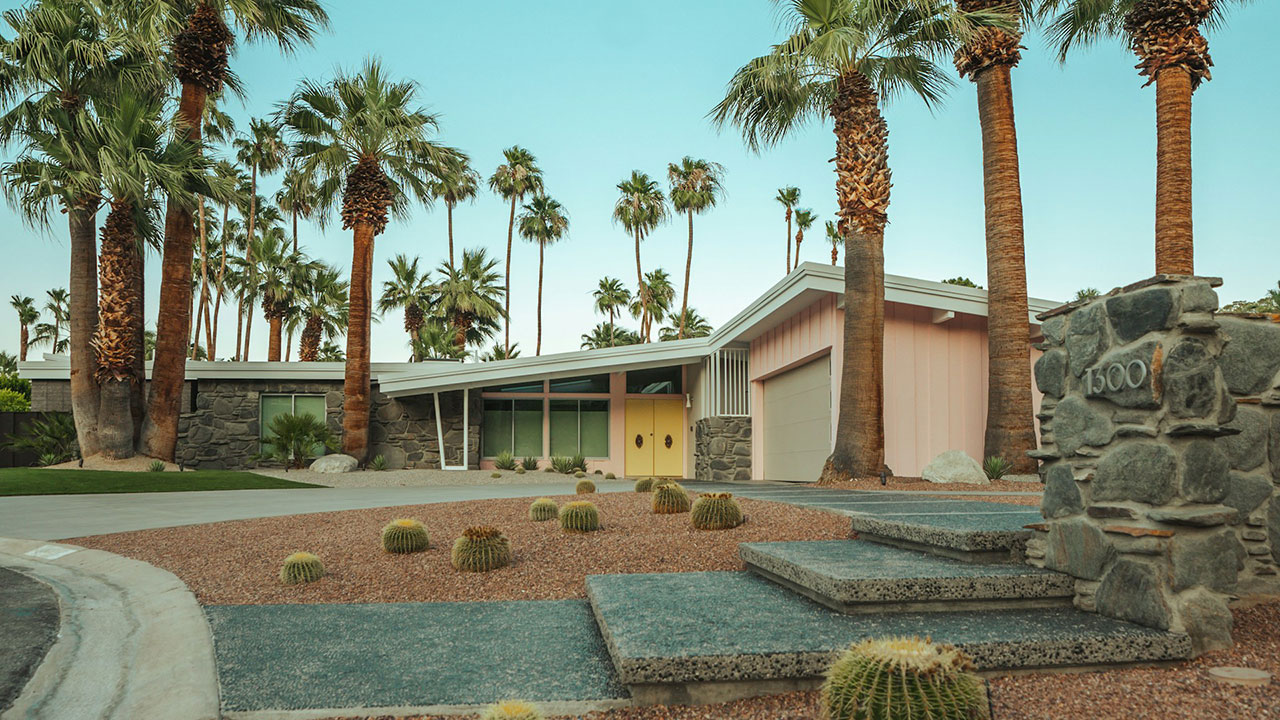
Flat roofs, open layouts, and massive windows make mid-century modern homes architectural icons—but they’re tough to maintain. Flat roofs often leak, single-pane glass lets out heat, and those sleek lines leave no room to hide ductwork or insulation upgrades.
What feels “timeless” in photos can be an expensive puzzle when you’re trying to live in it comfortably.
Tudor-style houses
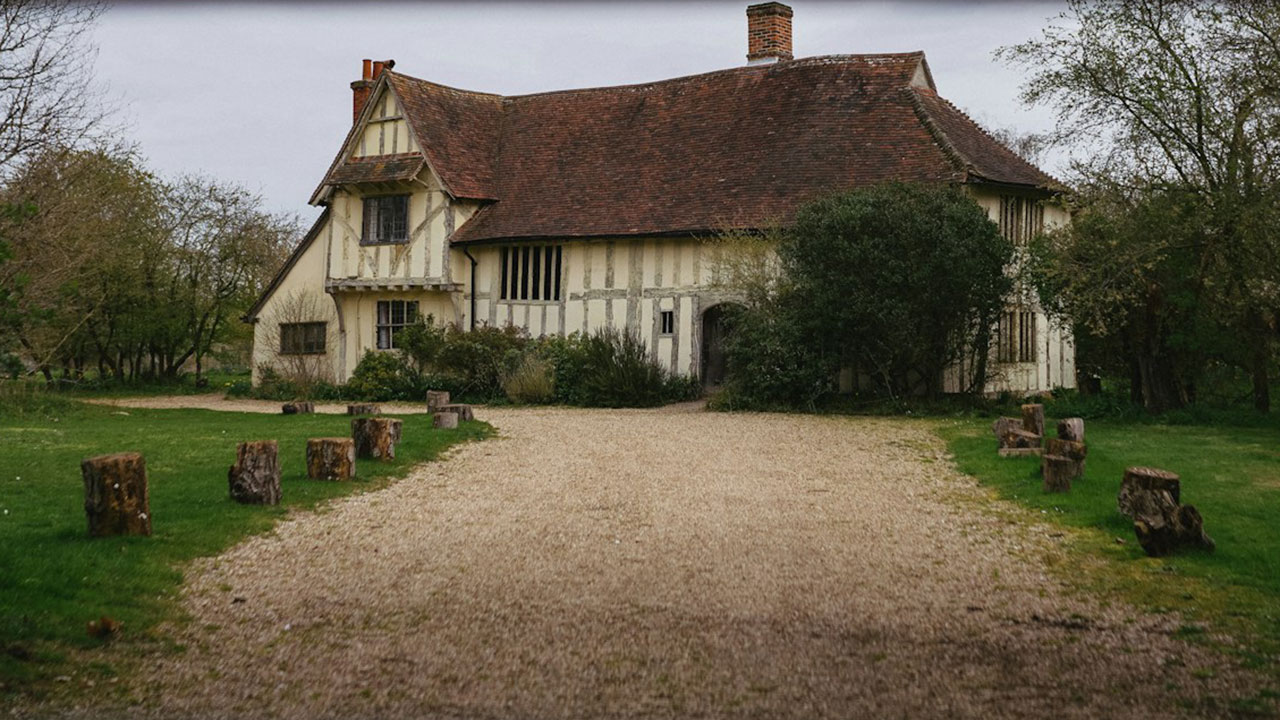
The timber framing and stucco panels of Tudor homes are beautiful but high-maintenance. The wood trim needs constant painting or sealing to prevent rot, and the steep roofs can make repairs dangerous and pricey.
Moisture loves to sneak into the decorative plaster, leading to cracks and water stains that never stop reappearing. They’re striking homes that require old-fashioned upkeep few people have time for.
Craftsman bungalows
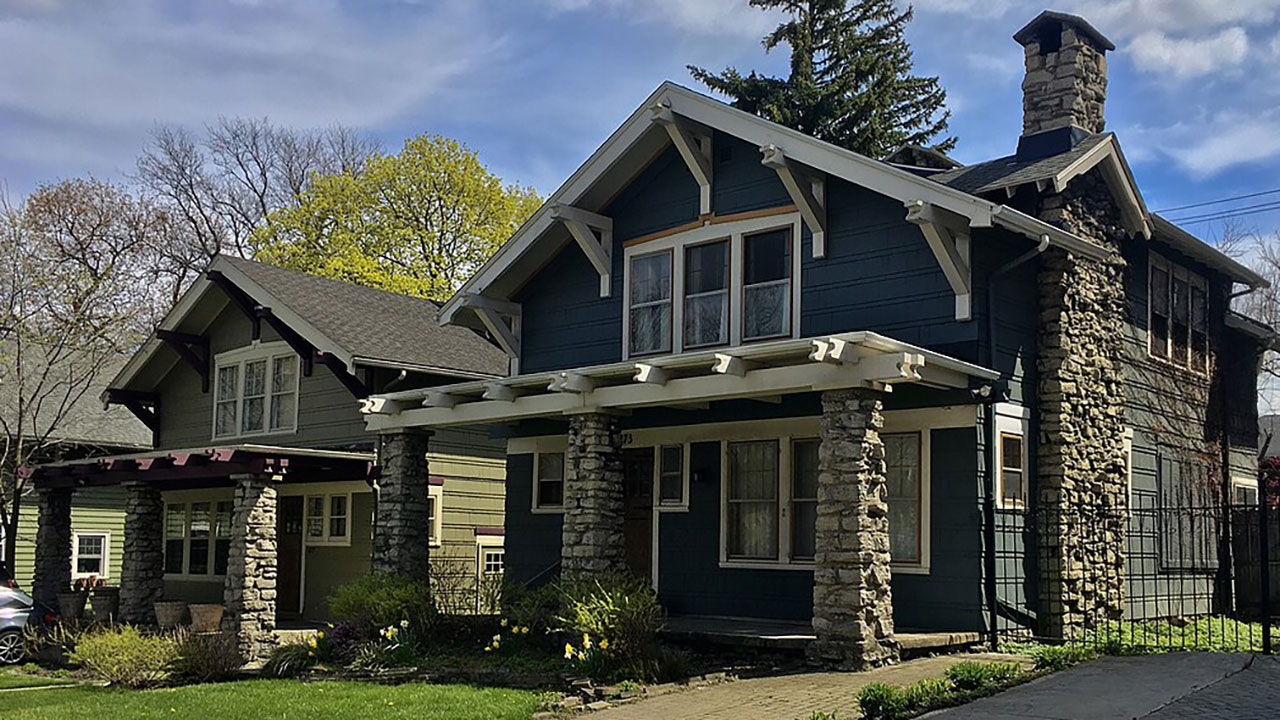
Craftsman homes have gorgeous details—wood beams, custom built-ins, and stonework—but that’s exactly what makes them a lot of work. Every material needs a different kind of care, and natural finishes show wear fast.
If you want to preserve the look, you’ll be sanding, staining, and sealing regularly. Skipping it even once leads to fading and water damage that spreads quickly.
French chateau-style homes
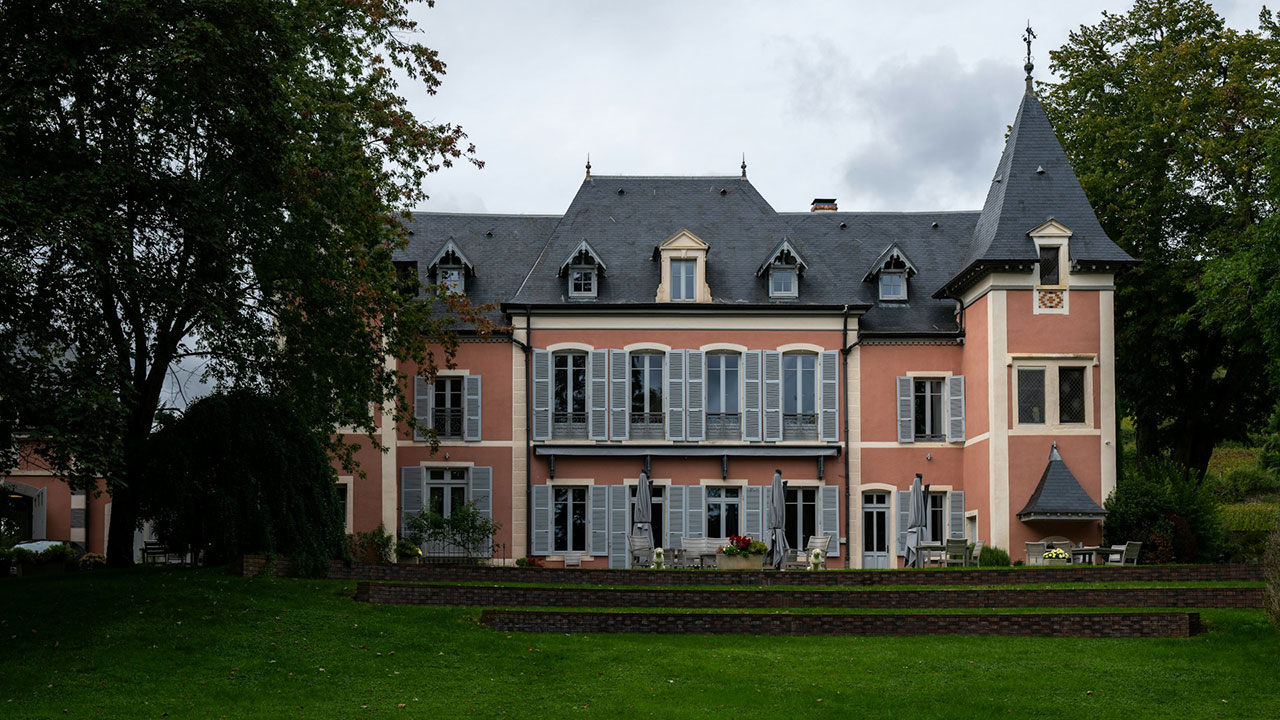
Chateau-style homes have stone exteriors, steep roofs, and ornate details that look impressive, but they’re extremely expensive to maintain. The materials weather unevenly, the rooflines trap debris, and intricate stonework can crack or stain easily.
Between cleaning, sealing, and roof upkeep, these houses can cost as much to maintain as smaller homes cost to buy.
Farmhouse-style homes
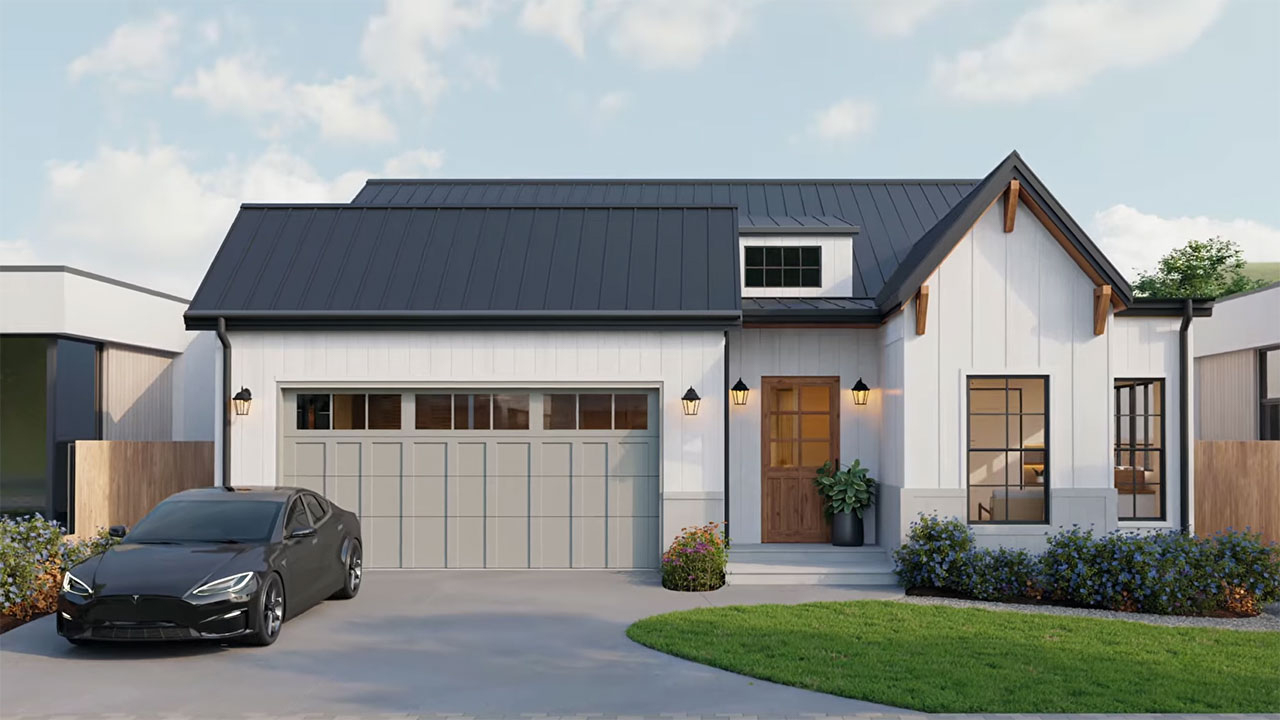
Modern farmhouse homes might look low-maintenance, but their features don’t hold up well outdoors. Board-and-batten siding traps moisture, matte black hardware fades, and metal roofs dent easily in hail.
Inside, all-white walls and finishes stain fast. It’s a style that looks effortless but needs constant attention to stay that way.
Contemporary concrete homes
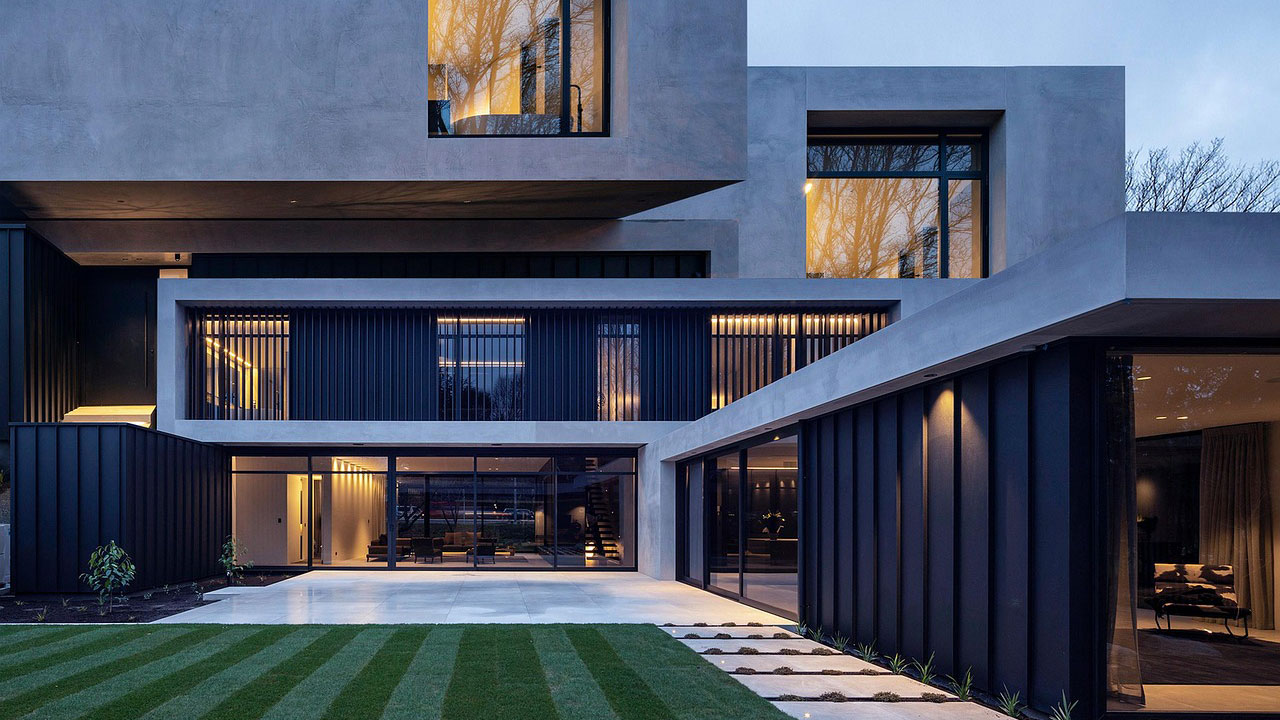
Concrete houses seem like they’d be durable forever, but exposed concrete cracks, stains, and discolors over time. Temperature changes cause expansion and contraction that’s hard to control.
Fixing cosmetic flaws means sealing or resurfacing large sections, and moisture can seep in through tiny pores. Without regular maintenance, the clean, modern look quickly turns patchy and uneven.
*This article was developed with AI-powered tools and has been carefully reviewed by our editors.