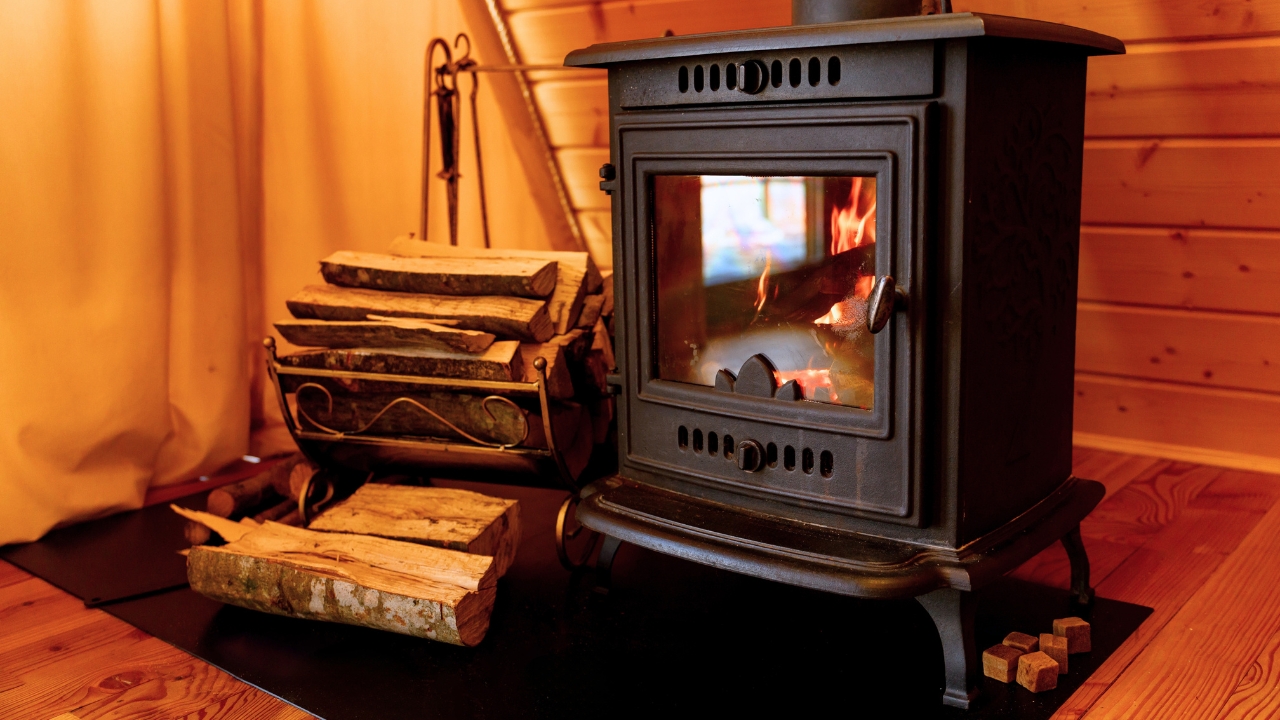
10 Fire Hazards Hiding Around the Wood Stove
Photo credit: Serhii Shkriabii/Shutterstock.com
A wood stove is simple, but the area around it turns into a little work zone all winter. Stuff gets set down “for a minute,” habits creep in, and heat does what heat always does, it dries, warps, and finds the weak spot. A few small fixes now beat a smoky surprise later.
1. Firewood Stacked Inside the Clearance Zone
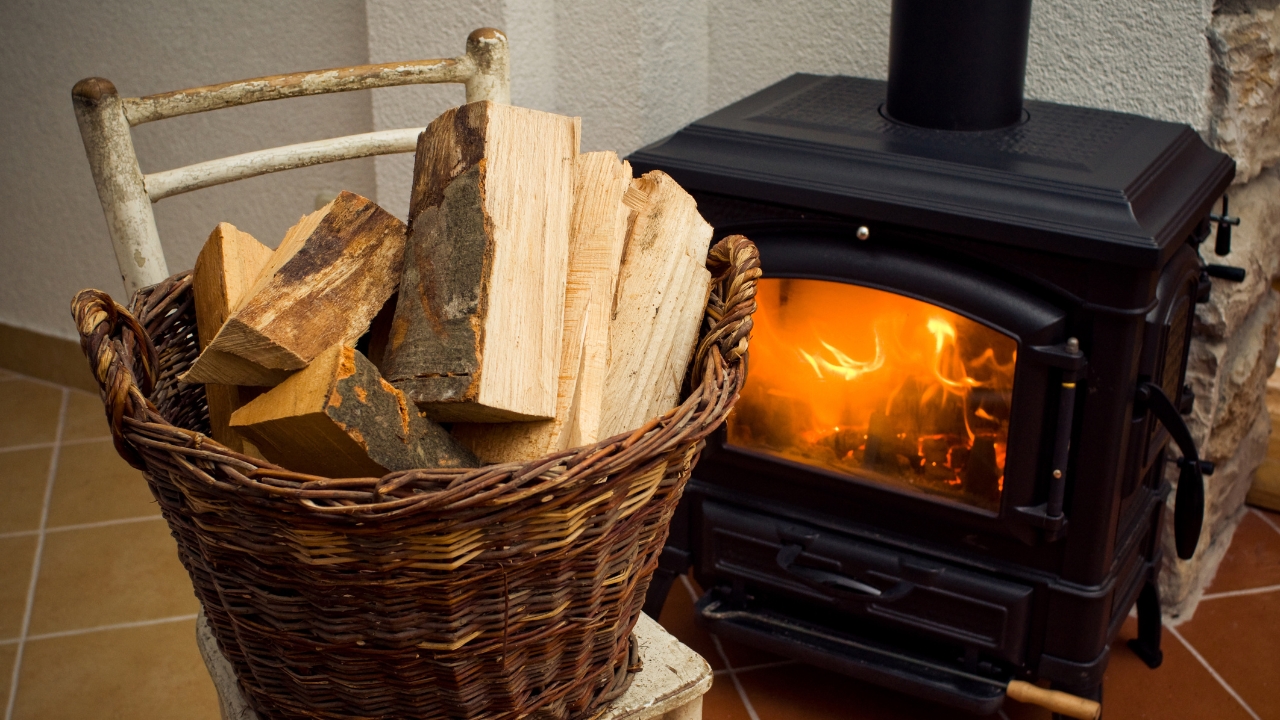
The common slip is piling a day’s worth of splits right beside the stove so you don’t have to go back out. That pile bakes all day, drops bark and dust near coals, and crowds the airflow you need around the appliance. If your stove manual calls for a certain clearance to combustibles, treat that number like a hard line, not a suggestion.
Keep the bulk of your wood several feet away and use a small rack or carrier for what you’ll burn that evening. If you’re short on space, store wood in a metal bin with a lid well outside the clearance area. You’ll also cut down on bugs and debris that can end up in the ash bucket.
2. Kindling, Paper, And Boxes By The Stove
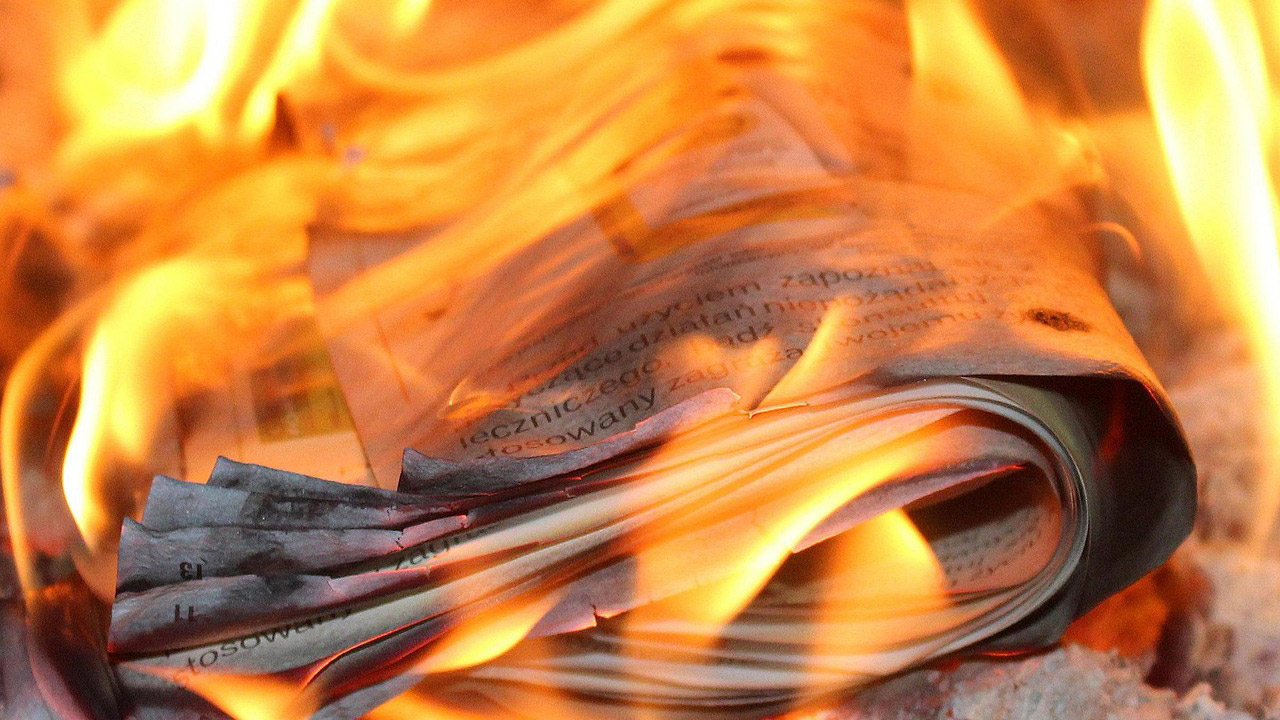
Cardboard and newspaper drift toward the stove because they’re handy, and because they “seem harmless.” They’re also light, dry, and easy to catch from a stray ember when the door cracks open. Those empty boxes waiting to be broken down are basically pre-cut fuel.
Move all of it to a tote with a lid, or a metal can, and park it across the room. One honest exception, a small, closed metal kindling bucket a safe distance away is fine, and it beats a messy pile. What’s not fine is a cardboard stack you keep “meaning to deal with.”
3. Ash Bucket Left On A Wooden Floor
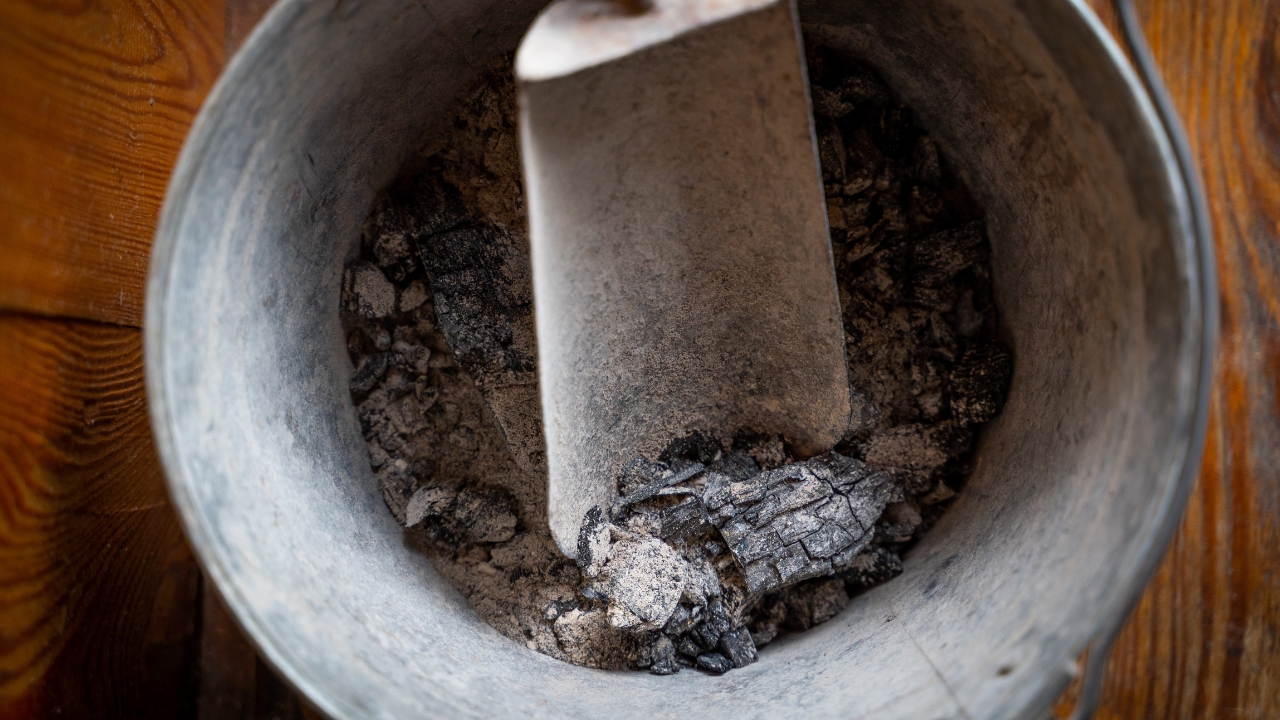
Ash looks dead long before it is. You can scoop what feels like cold, gray powder and still have a live coal hiding in the middle that stays hot for hours. Set that bucket on a wood floor or a porch board, and you’ve built a slow-motion ignition.
Use a metal bucket with a tight-fitting lid, and set it on a noncombustible surface, concrete, bricks, a metal tray. Don’t dump ashes into a paper bag or plastic bin. If you have to carry it outside, do it in daylight so you can see where you’re setting it down.
4. Rugs And Mats Creeping Too Close

It starts with a throw rug that “just fits better” a few inches closer, or a hearth pad that’s barely big enough. Then winter boots drag the edge in, kids scoot it, the vacuum catches it, and suddenly you’ve got fabric right where sparks land. Some rugs also off-gas when they get cooked, which is a headache you don’t need.
Check the required hearth extension for your stove and meet it with something rated for the job. If you’re using a manufactured hearth pad, keep it flat and intact, no curled corners. If you’re building one, follow local code and the stove manual, and don’t guess on materials.
5. Overheated Stovepipe From Overfiring
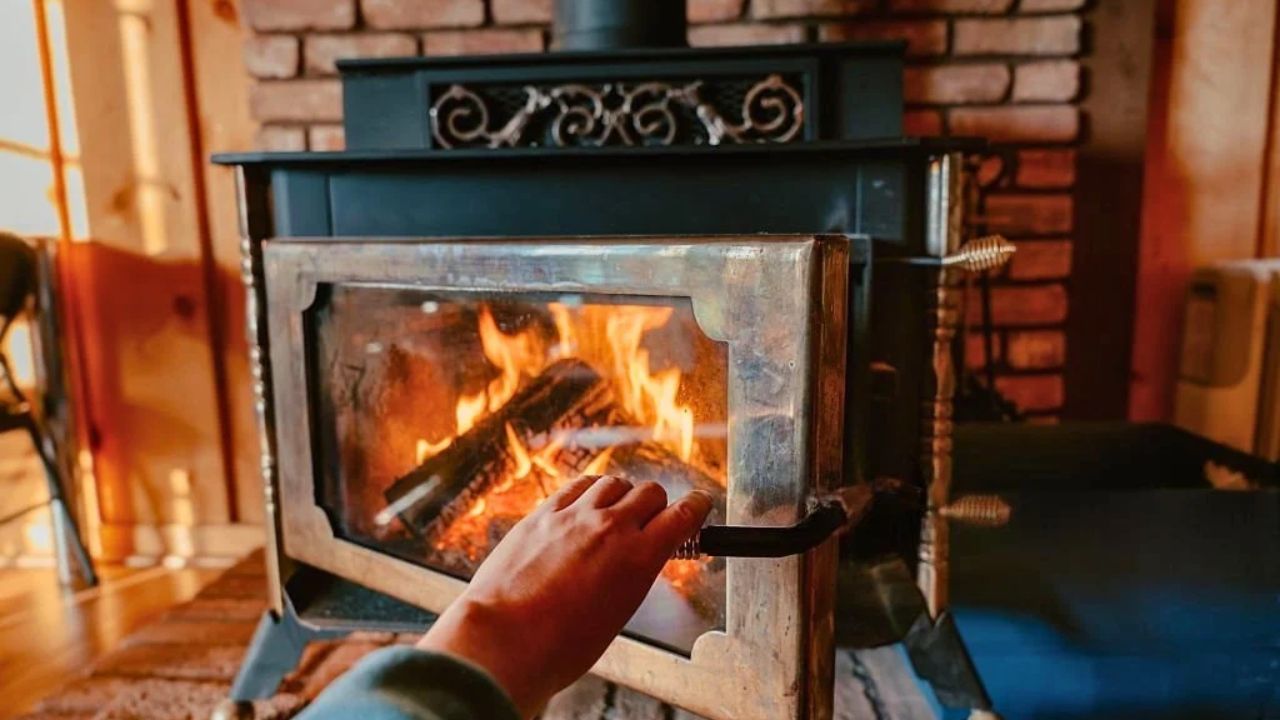
Everyone loves a quick warm-up, so the air gets left wide open and the stove gets run like a blast furnace. You’ll hear the pipe “tick” loudly, see the stove top climbing fast, and sometimes watch the stovepipe discolor over the season. Overfiring can damage the stove, warp parts, and in the worst case, start a chimney fire.
A stovepipe thermometer helps because it keeps you honest, and it’s cheap. Once the fire is established, turn the air down per your stove’s instructions and let it cruise. If you can’t keep temperatures reasonable without smoking the house, the problem is usually wet wood, poor draft, or a setup issue that’s worth a pro look.
6. Creosote Buildup From Wet Or Punky Wood
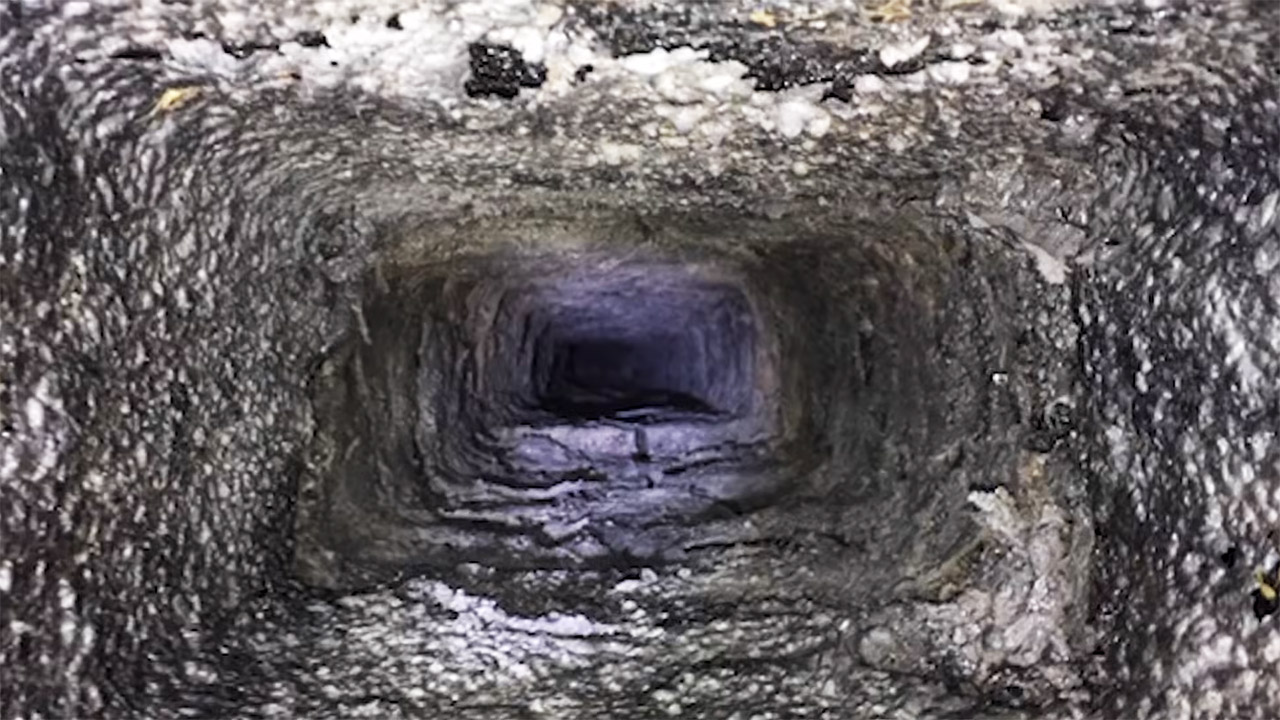
The “free wood” pile is tempting, especially when it’s half-rotten rounds from the back fence line. Burn wet wood and you get a lazy fire, a sooty glass, and that dark, shiny buildup in the flue. Creosote is fuel in the wrong place, and it doesn’t take much to make trouble.
Split and stack wood under cover with airflow, and plan at least a season ahead. If you’re stuck with marginal wood, mix it with good, dry splits and keep the fire hotter, not smoldering. A quick look up the chimney with a bright light is fine, but sweeping is dirty, awkward work, and paying a certified sweep once in a while is money well spent.
7. Single Wall Pipe Too Close To Walls
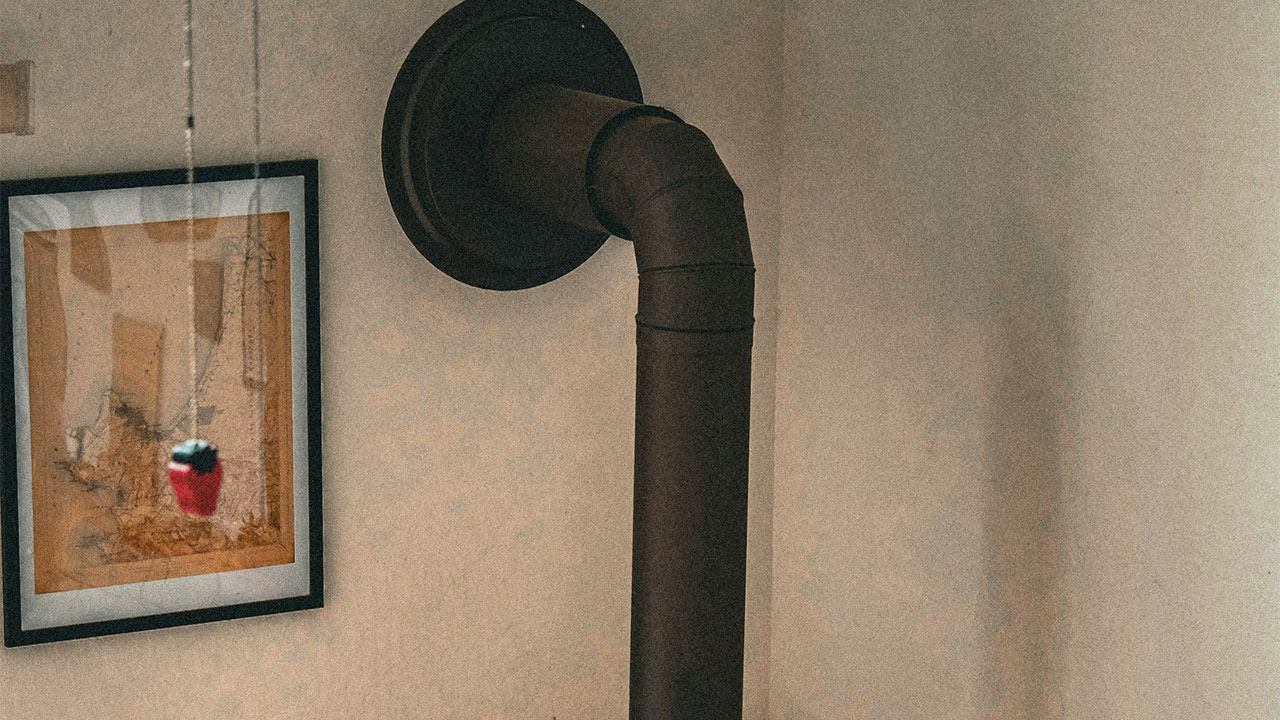
Single wall stovepipe throws a lot of heat sideways. If it runs near drywall, paneling, a stud bay, or a ceiling, that nearby material gets cooked a little more every day. Over time, wood can dry out and become easier to ignite, even if it never actually touched the pipe.
Measure real clearances, not eyeballed ones, and compare them to the pipe type you have and what your stove manual calls for. If the layout is tight, switching to listed double wall pipe or adding an approved heat shield can solve it, but it has to be done to code. If you’re unsure, this is a solid place to bring in a pro, because the fix is cheaper than repairing a room.
8. Cracked Door Gasket And Air Leaks
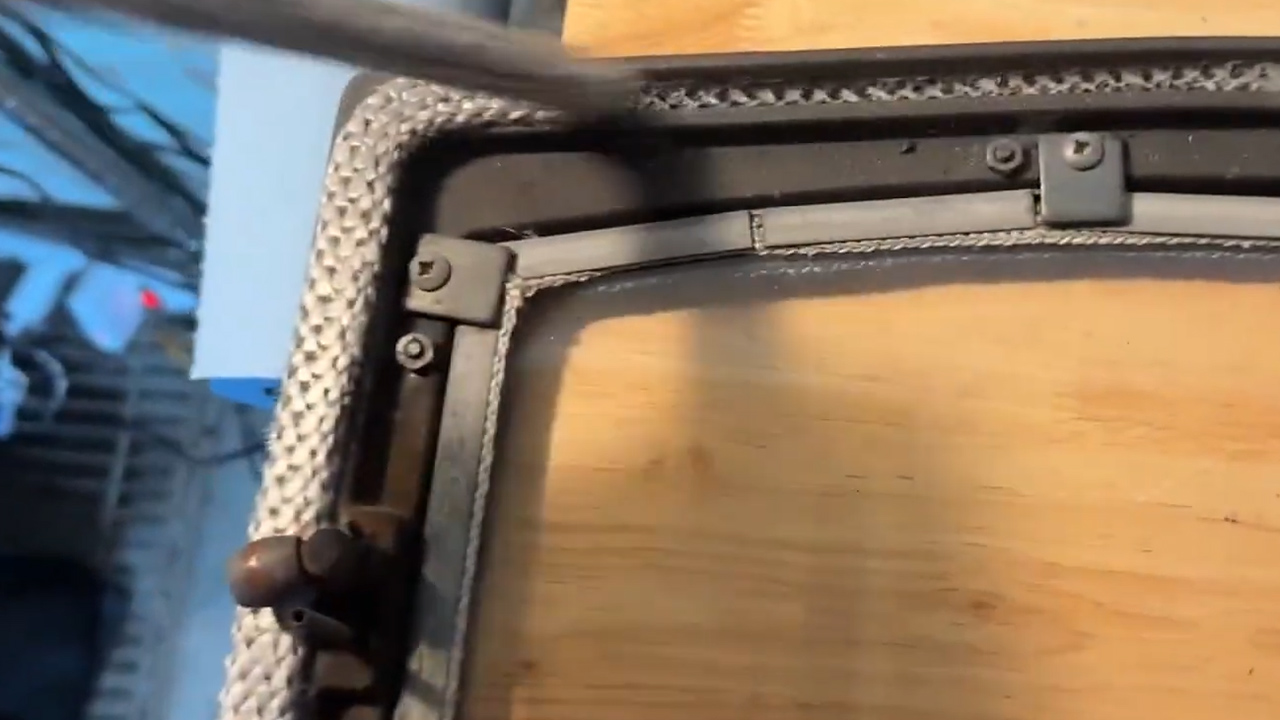
A tired gasket lets extra air in, and the stove stops behaving. You’ll fight it one night, then the next night it runs away from you, even with the air control turned down. That’s a wear-and-tear problem that turns into a fire hazard when it makes overfiring easy.
Do the simple dollar-bill test, close the door on a bill and tug. If it slides out with no resistance in spots, it’s time. Replacing gasket rope and cement is a basic DIY job with a wire brush, scissors, and patience, just buy the correct diameter for your stove model.
9. Heat-Peeling Power Cords And Strips

Space heaters, fans, phone chargers, and holiday lights all seem to migrate toward the warm corner of the room. Cords drape near the stove, insulation gets stiff and brittle, and power strips collect dust bunnies right where the air is hot and dry. This one isn’t dramatic until it is.
Route cords away from the stove path and keep outlets and strips out of the heat plume. If you need a fan, set it across the room blowing cool air toward the stove, not right beside it. If you see cracked insulation or a plug that looks browned, toss it and replace it.
10. Storing Aerosols And Solvents Nearby
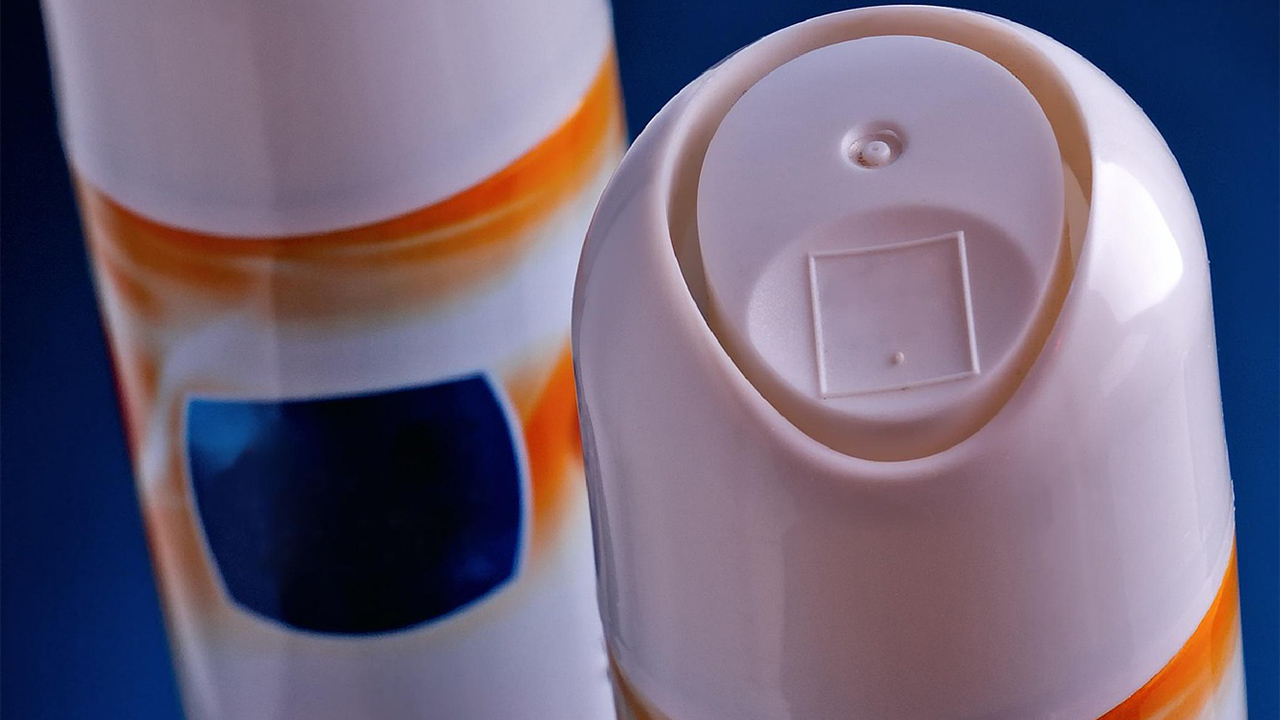
Spray paint, brake cleaner, linseed oil, gas cans, and even some stove-polish products don’t belong in the same warm zone. Heat raises pressure in aerosol cans and speeds up vapor release from solvents. That’s a garage problem that sneaks indoors when winter projects move into the living space.
Store flammables in a cool, dry spot away from the stove, ideally in a metal cabinet if you have one. Oily rags are their own mess, lay them flat to dry outdoors where they can’t heat up in a pile, then dispose of them according to local rules. If you smell solvent near the stove, stop and relocate the stuff before you light again.
Do a quick walk-around before the first real cold snap, then repeat it mid-season when clutter has a way of building back. A few minutes with a tape measure, a flashlight, and a hard rule about what gets stored where will keep the stove doing its job without adding new problems.
Like Fix It Homestead’s content? Be sure to follow us.
- Man Says He Found Out the Fence He Paid For Wasn’t Actually on His Property
- Woman Says Her Neighbor Started Taking Mulch From Her Delivery Pile Before She Could Even Spread It
- I made Joanna Gaines’s Friendsgiving casserole and here is what I would keep
- What Caliber Works Best for Groundhogs, Armadillos, and Other Digging Pests?