10 Genius Ways to Keep Your Driveway Stain-Free
It doesn’t take much to make a driveway look grimy. One oil drip, one leaf pile, or one rust ring, and suddenly the whole thing looks neglected. But with a few easy habits and smart tools, you can keep your driveway looking clean way longer—without pressure-washing it every weekend. Here’s what actually works.
Use a Driveway Mat Under Vehicles
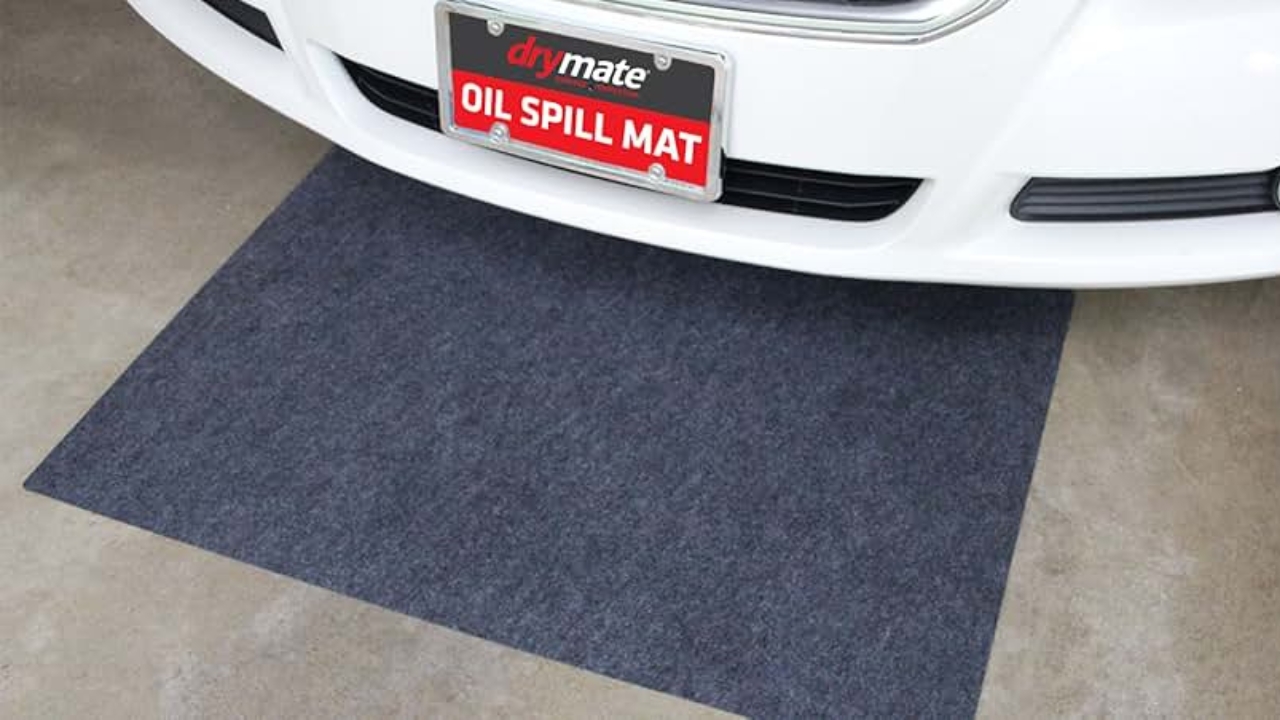
Even newer cars can drip fluids, especially after long drives or oil changes. A good driveway mat catches leaks before they hit the concrete. It’s way easier to rinse off a mat than to scrub a stain that’s soaked in.
You can use a dedicated oil drip mat or even a cut-up tarp or piece of carpet remnant. Just make sure it stays flat and doesn’t hold water underneath. That way you’re not trading one stain for another.
Sweep More Often Than You Think You Need To

Dust, leaves, pollen, and debris build up fast—especially in the summer. And when it rains or the sprinklers run, all that organic matter can stain your driveway in no time.
A quick sweep once or twice a week keeps that buildup from turning into blotchy messes. You don’t need to make it spotless every time—just keep stuff from sitting long enough to leave a mark.
Rinse After Yard Work

After mowing, fertilizing, or trimming trees, give the driveway a fast rinse. That wash-off keeps grass clippings, fertilizer dust, or tannins from settling into the surface.
Use a garden hose with a sprayer or even a bucket of water if that’s all you’ve got handy. The point is to get those stain-causing leftovers off the surface while they’re still loose.
Avoid Parking on Freshly Sealed Asphalt

If your asphalt was sealed recently, give it time to fully cure before parking on it. Hot tires can peel the surface, and that damaged layer is more likely to absorb oil, dirt, or rust.
Check the label on the sealant, but most need at least 24–48 hours before heavy use. Parking too soon can undo the whole job and leave permanent tire marks.
Don’t Let Mulch Touch the Edges
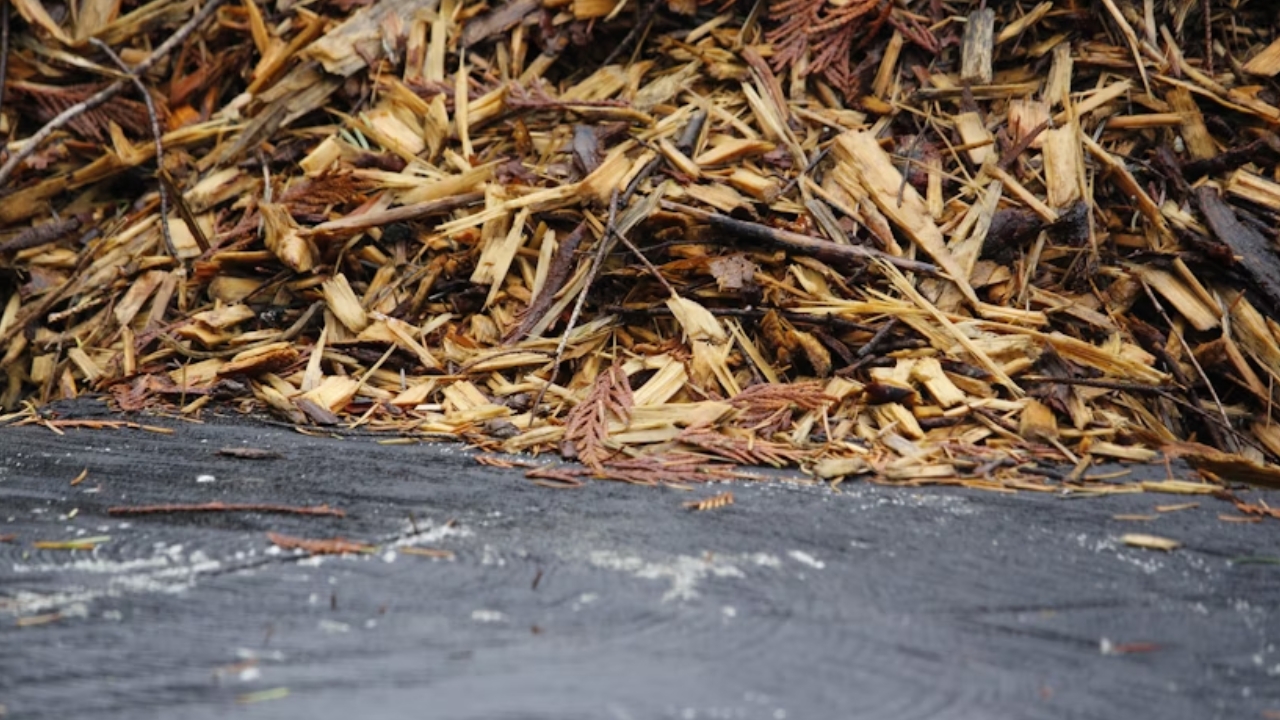
Mulch might seem harmless, but dyed varieties and even natural bark can stain concrete if the color leaches out with rainwater. And once it runs onto the driveway, it can leave streaks that stick around.
Install edging or leave a buffer zone of gravel between mulch and the driveway. That extra space gives you a little insurance when heavy rain starts moving things around.
Keep a Leaf Blower Handy

A leaf blower makes quick work of leaves, dust, and pollen—and it keeps you from having to sweep constantly. Use it to clear off your driveway a couple times a week or whenever you mow or trim.
You don’t need a fancy model. Even a corded or battery-powered blower can handle dry debris and help you keep ahead of the mess before it settles in and stains.
Treat Small Stains Right Away
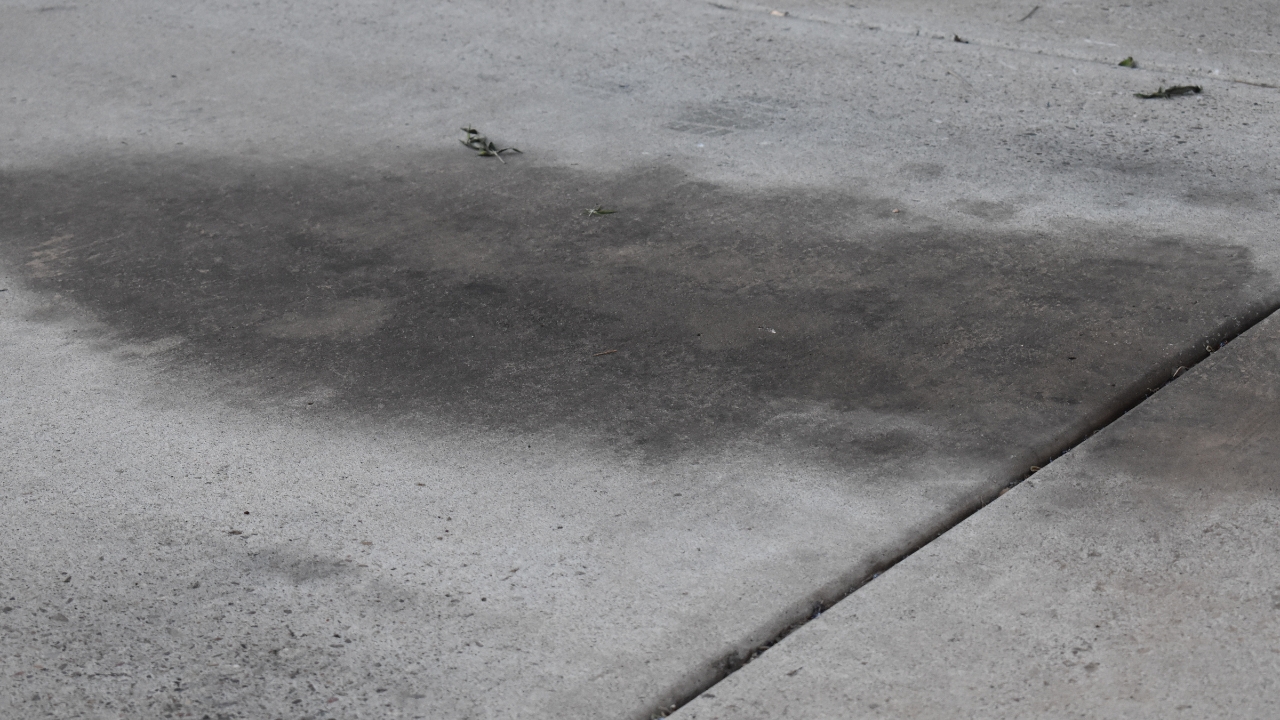
If you spot a fresh oil drip, fertilizer spill, or mystery smudge—deal with it as soon as you see it. The longer it sits, the deeper it sinks, and the harder it’ll be to get out.
Keep a scrub brush and a bottle of degreaser or dish soap in the garage so you can tackle it fast. You don’t need to go overboard, but a quick scrub while it’s still fresh saves a lot of trouble later.
Don’t Store Rusty Tools on Concrete

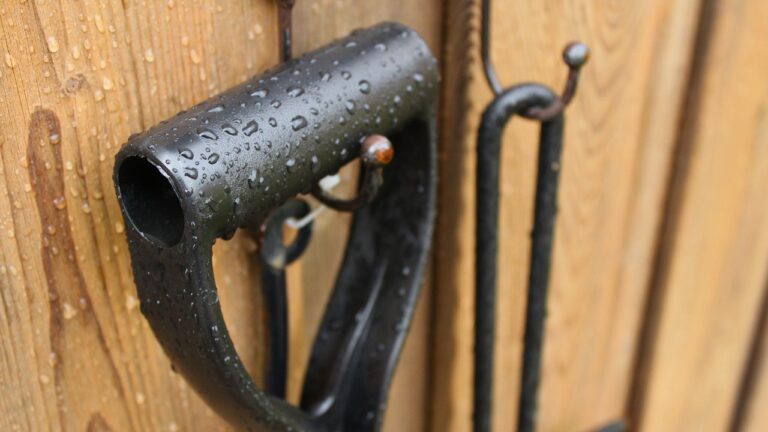
If something’s already rusting, it’ll stain concrete even faster in summer heat and humidity. That includes garden tools, folding chairs, wheelbarrows, or anything with metal legs or frames.
Stick a piece of cardboard, plastic, or a rubber mat under them—or better yet, store them on shelves or hang them up. You’ll save your driveway from a bunch of weird orange rings.
Keep Trash and Recycling Off the Surface
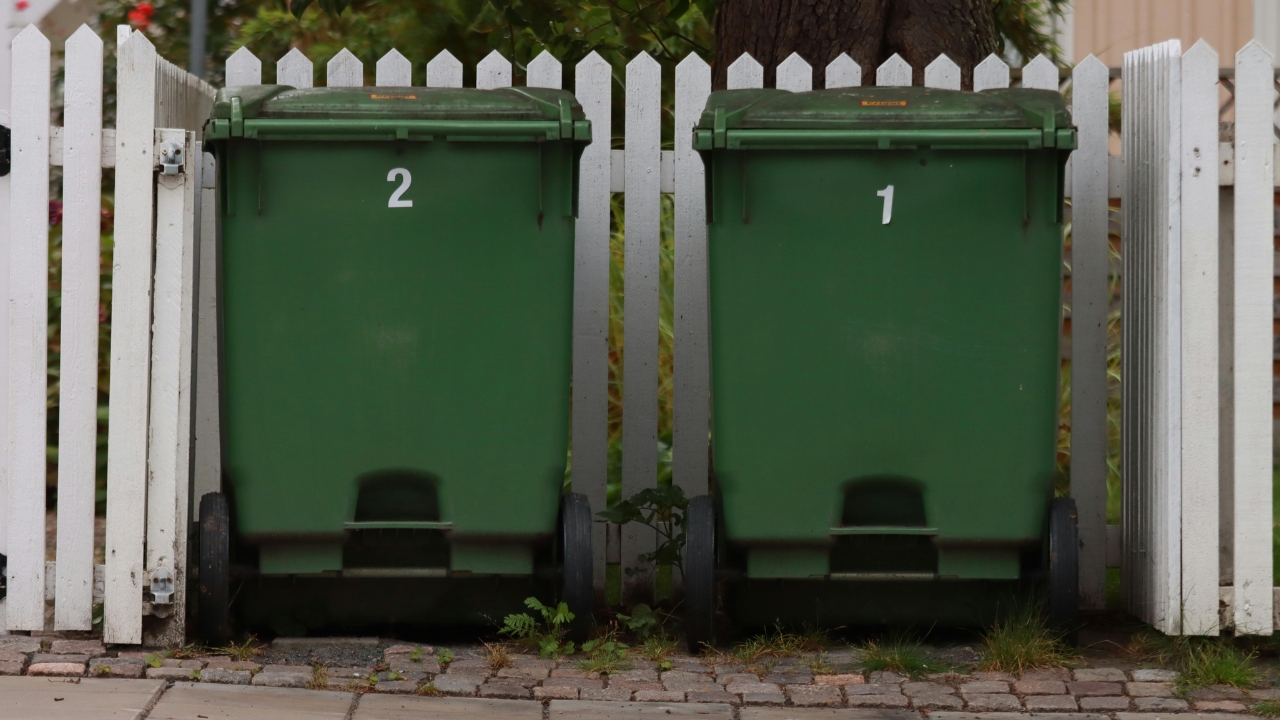
Trash bags and recycling bins leak more often than you’d think, especially on collection day. That goo can leave behind dark streaks that attract pests and stain concrete.
Set bins on top of a board or use a washable outdoor rug as a buffer. It doesn’t have to be fancy—just something to catch anything that drips or sweats in the heat.
Power Wash Before Stains Set In
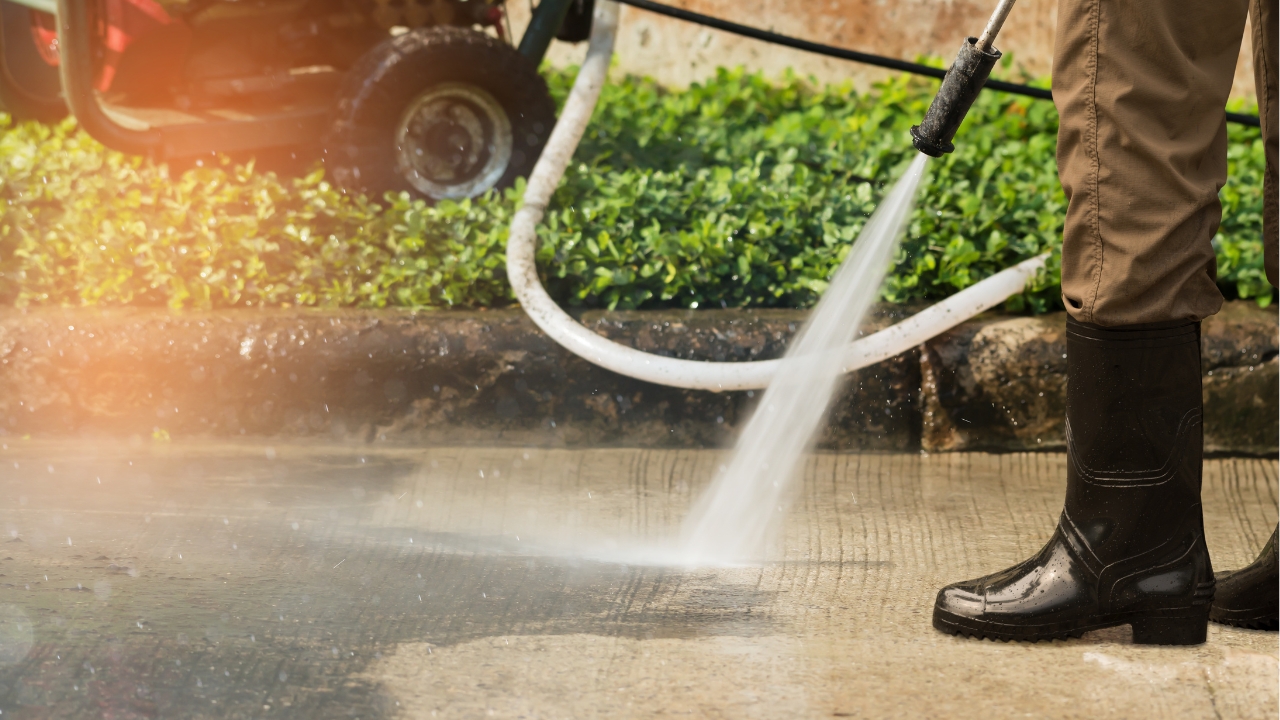
You don’t need to blast your driveway every weekend, but a light power wash once a season helps keep it looking fresh. Summer’s a great time to do it since everything dries fast.
If you don’t have a power washer, you can rent one or even borrow from a neighbor. Use a fan tip and don’t overdo it—too much pressure can damage the surface. Just enough to lift up old dirt before it turns into something permanent.
*This article was developed with AI-powered tools and has been carefully reviewed by our editors.