10 things you’ll wish you fixed before the first freeze
Photo credit: Goff Designs/Shutterstock.com
The first freeze always seems to sneak up sooner than you think. One week you’re wearing short sleeves, and the next you’re scraping ice off your windshield and realizing you missed a few key chores. Once temperatures drop below freezing, small issues—like leaky faucets or unsealed cracks—can turn into expensive repairs overnight.
If you want your home, pipes, and property to make it through winter without surprises, these are the things to take care of while the weather’s still on your side.
Outdoor faucets that aren’t drained
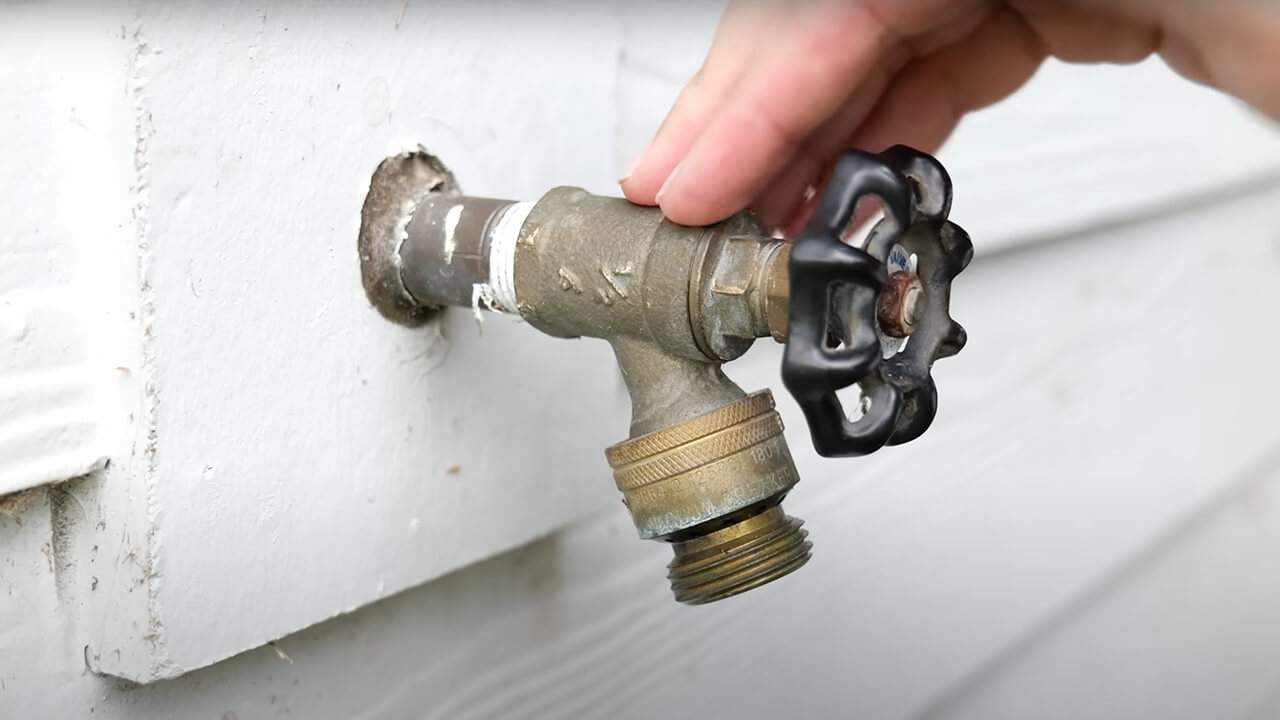
Leaving water in your outdoor spigots or hoses can lead to frozen lines and burst pipes. Even if you shut off the hose bib, leftover water inside can still expand and crack fittings when it freezes.
Before the first hard frost, disconnect all hoses, drain them, and store them inside. If your home has a shutoff valve for exterior faucets, close it and open the outdoor tap to release any trapped water. Insulated faucet covers add extra protection for just a few dollars.
Gutters packed with leaves
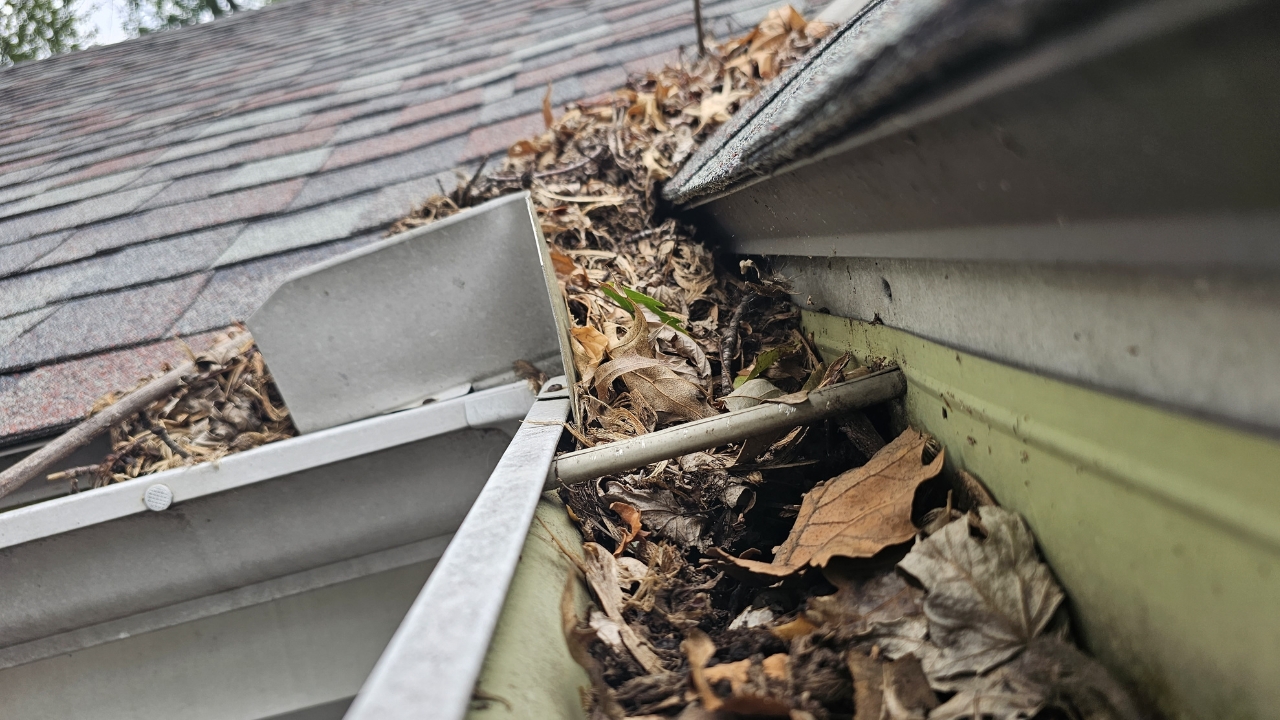
Clogged gutters don’t just overflow—they trap water that can freeze, expand, and pull the gutters away from your roof. Ice dams also form more easily when meltwater has nowhere to go, leading to leaks and damaged shingles.
Clean out debris before it gets cold and check that your downspouts extend several feet away from the house. A quick rinse with a hose after cleaning helps confirm water is flowing freely. It’s one of those jobs you’ll thank yourself for when the next cold front rolls in.
Cracks around windows and doors

Even small gaps around windows, doorframes, and siding can let warm air leak out and cold air rush in. That means higher energy bills and uncomfortable drafts you’ll notice all winter.
Walk around your house on a cool evening and feel for air movement. Use weatherstripping for movable joints and exterior-grade caulk for fixed gaps. The materials are cheap, and the savings on heating can easily pay you back in the first season.
Failing weather seals on garage doors
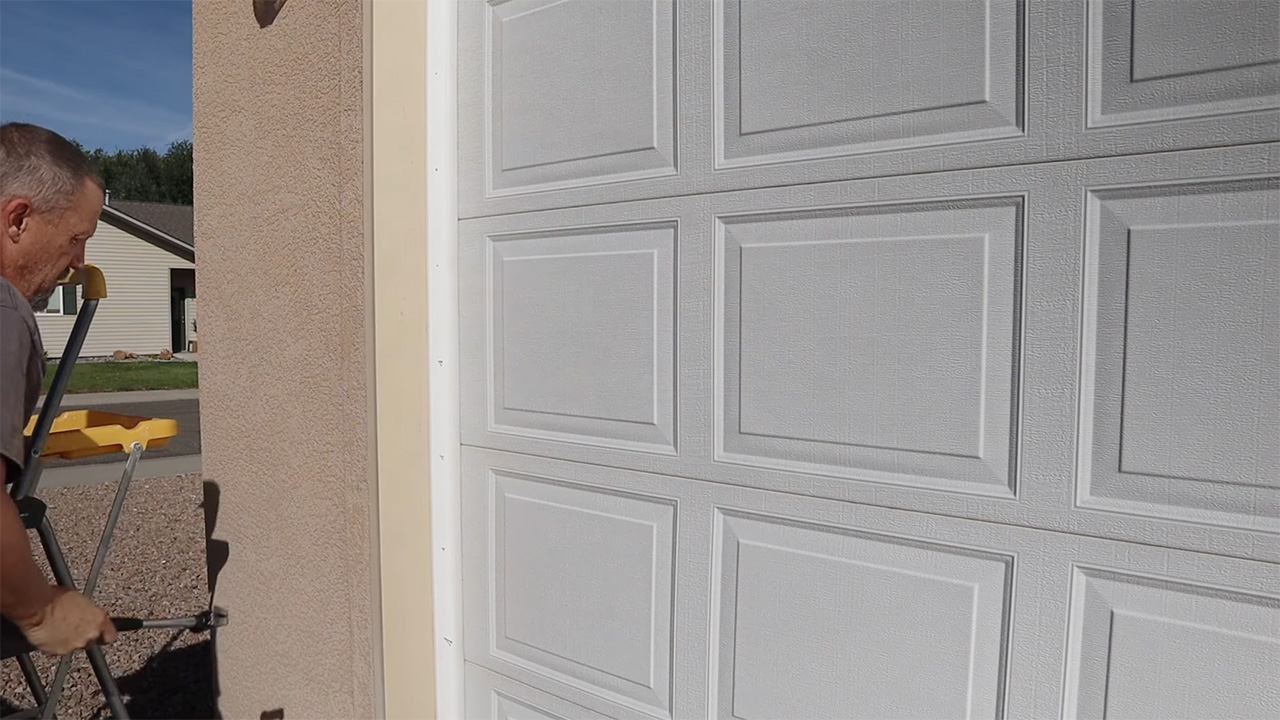
Garage door seals take a beating year-round, and once they start to crack or shrink, cold air pours in. That can make nearby rooms colder and even freeze pipes that run through shared walls.
Inspect the rubber gasket along the bottom of your garage door. If it’s brittle or no longer forms a tight seal, replace it before winter. While you’re at it, lubricate the moving parts to prevent the door from sticking in freezing weather.
Dirty furnace filters
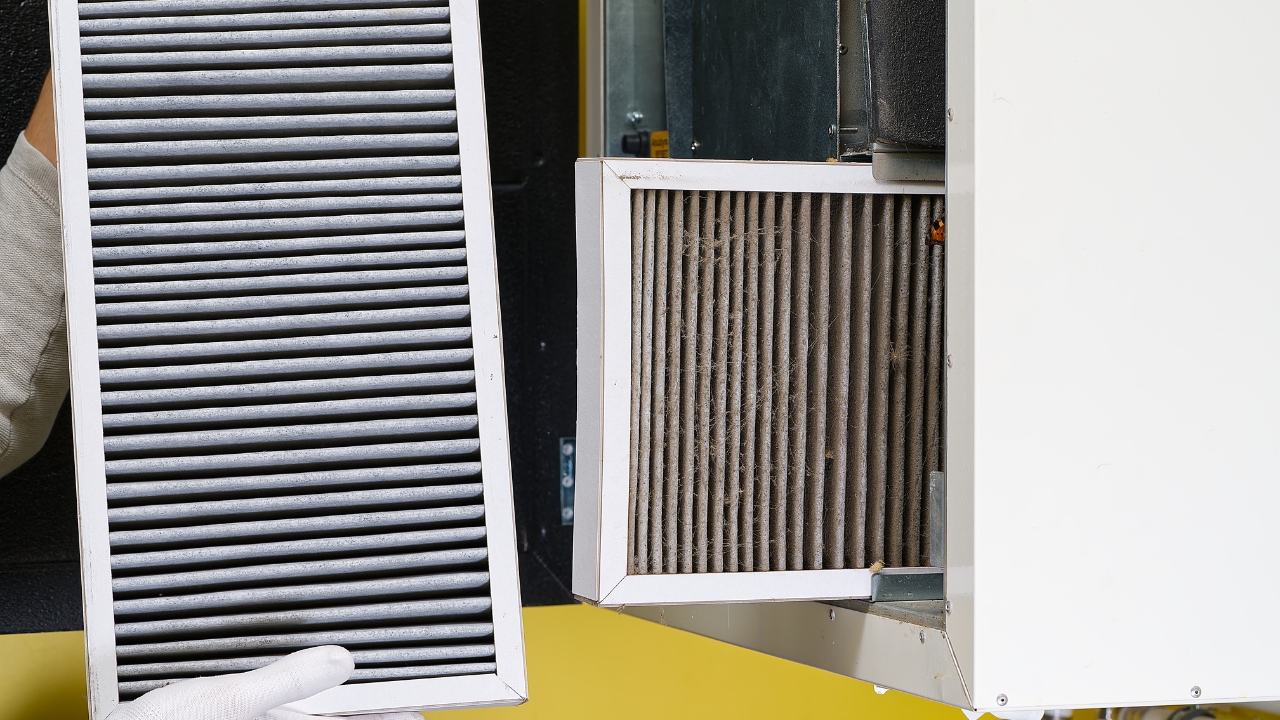
If you haven’t changed your furnace filter since spring, it’s time. A dirty filter makes your system work harder, raising your energy costs and shortening the life of your unit.
Most filters should be swapped every one to three months depending on use. Set a reminder before heating season starts so you don’t forget once you’re relying on it daily. A clean filter means better airflow, fewer breakdowns, and more consistent warmth.
Exposed outdoor pipes

Any exposed plumbing—especially around crawl spaces, basements, or exterior walls—can freeze and burst in a single night of hard frost. Even a small split can lead to flooding and hundreds in repairs.
Use foam pipe insulation on any visible runs, particularly near unheated areas. In severe climates, consider heat tape for extra protection. It’s a small investment that can prevent one of winter’s most expensive homeowner headaches.
Poorly sealed attic hatches
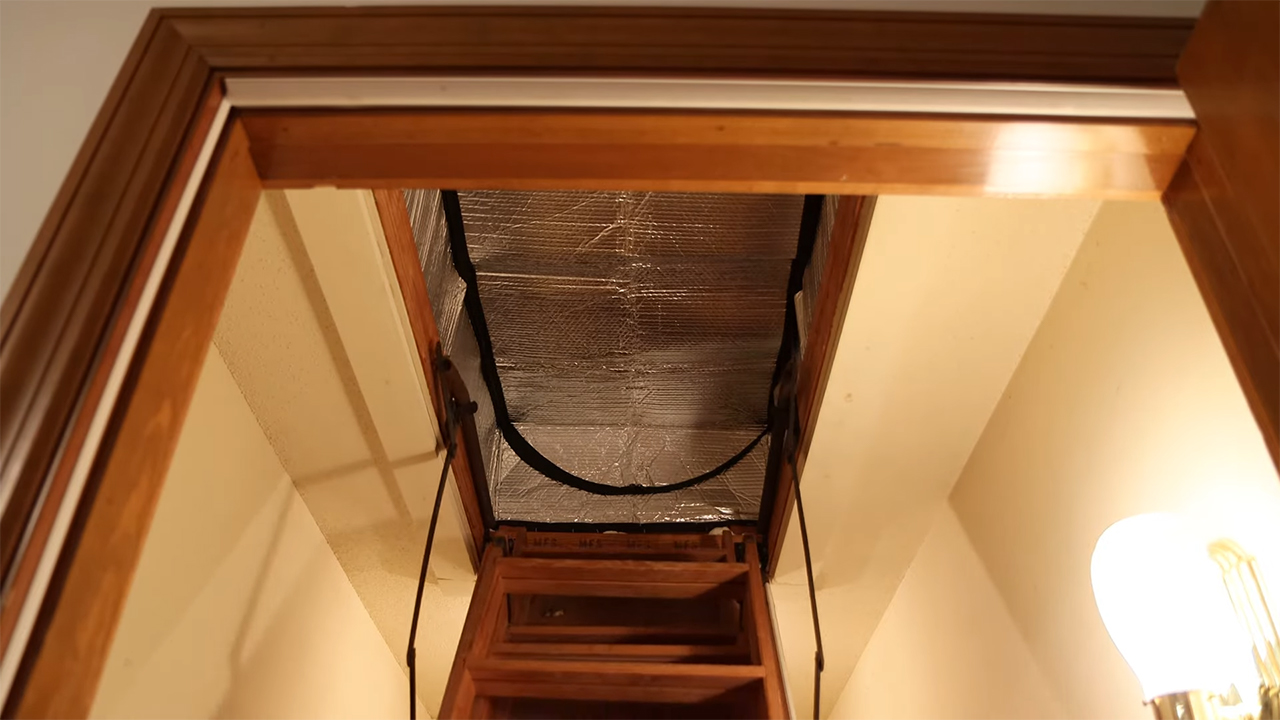
An uninsulated or poorly sealed attic hatch acts like a vent for all your warm air to escape. That heat loss can lead to higher bills and even ice buildup on your roof as snow melts unevenly.
Add insulation around the frame and use a weatherstrip seal so the hatch closes tightly. If your attic is easy to access, it’s also worth checking insulation depth—twelve to fifteen inches is ideal in most regions.
Drafty crawl spaces or foundation vents
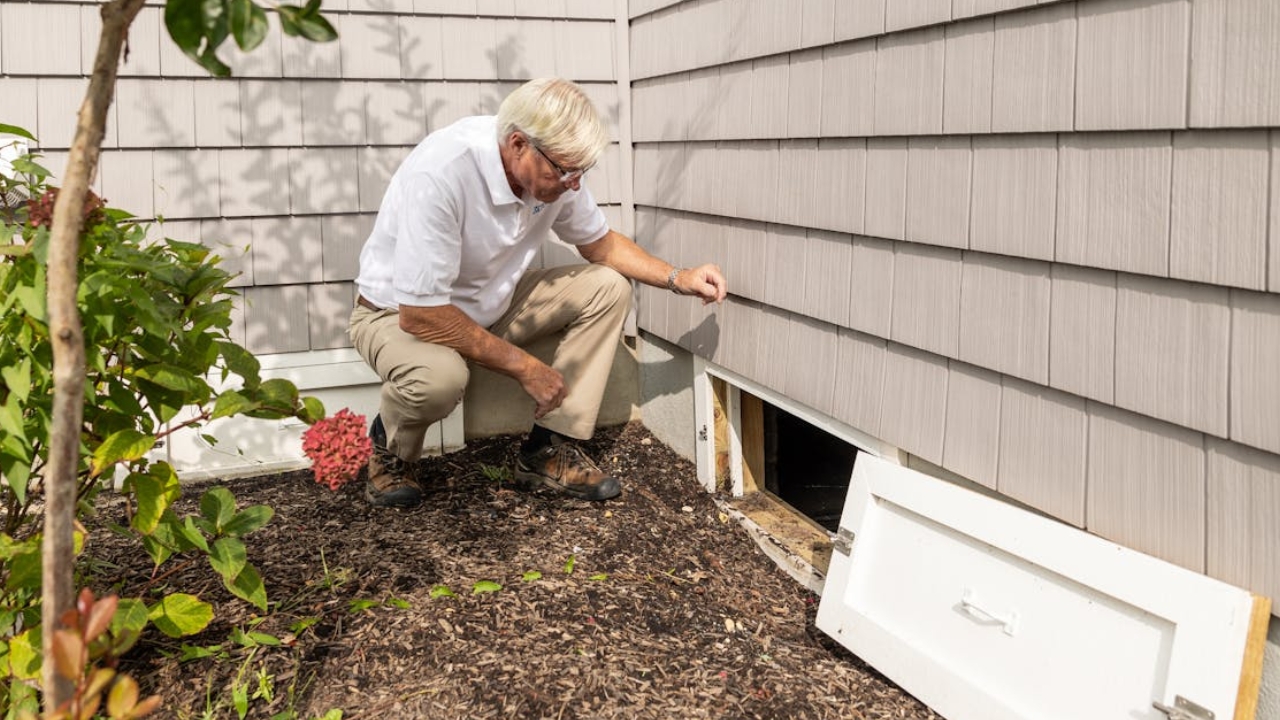
Leaving crawl space vents open through winter might seem harmless, but it can let cold air chill the floor above and freeze nearby pipes. It also lets pests sneak in looking for warmth.
Close or cover foundation vents before temperatures drop and check for gaps around entry points. In very cold regions, insulating the crawl space walls can make your whole home feel warmer and protect plumbing at the same time.
Roof shingles or flashing that need repair
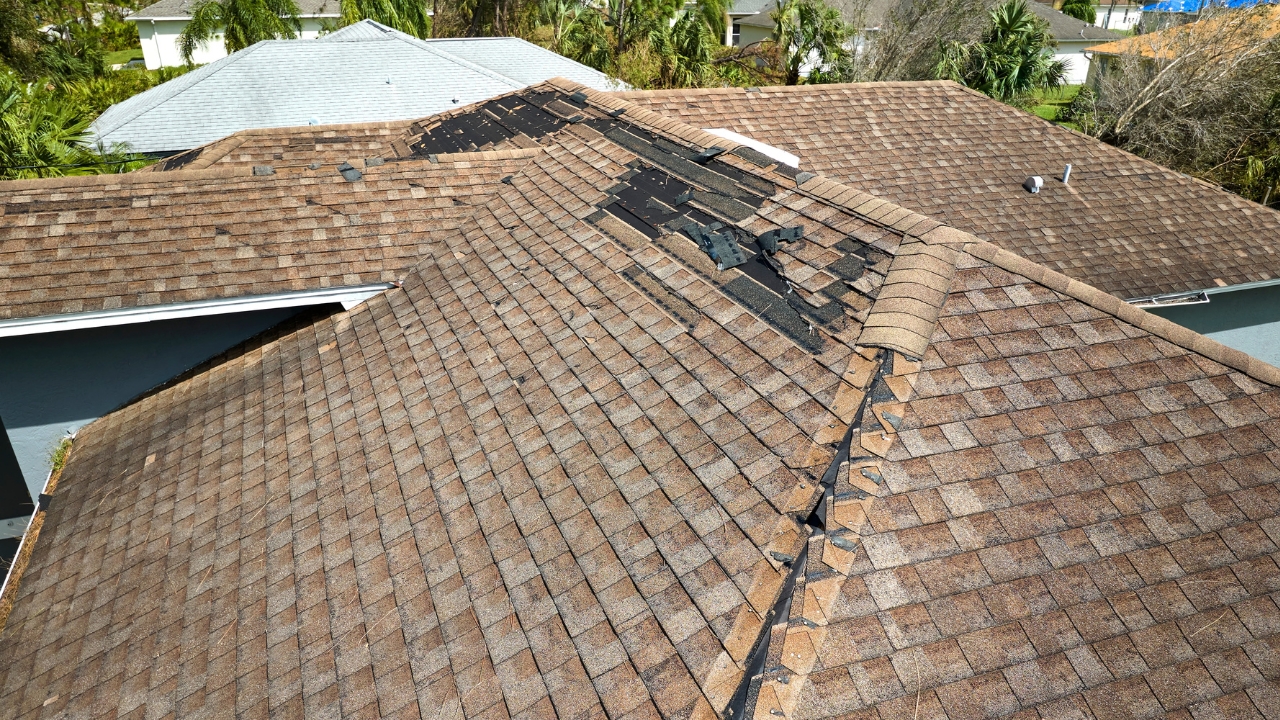
A missing shingle or cracked piece of flashing might not seem urgent, but once ice forms and melts repeatedly, small gaps turn into leaks. Water can seep into your attic or insulation long before you notice the damage.
Inspect your roof on a clear day with binoculars or hire a pro for a quick look. Catching loose shingles or rusted flashing now can prevent expensive roof repairs—or an emergency call—in the middle of a snowstorm.
Dead trees or heavy limbs near the house

Winter storms and ice can bring down weak branches fast. If they’re hanging near your roof, fence, or power lines, that’s an accident waiting to happen once the first freeze hits.
Walk your property and look for dead or leaning trees, cracks in trunks, or branches that hang over your house. Trimming or removing them before the cold season can save you from insurance claims and cleanup later.
*This article was developed with AI-powered tools and has been carefully reviewed by our editors.