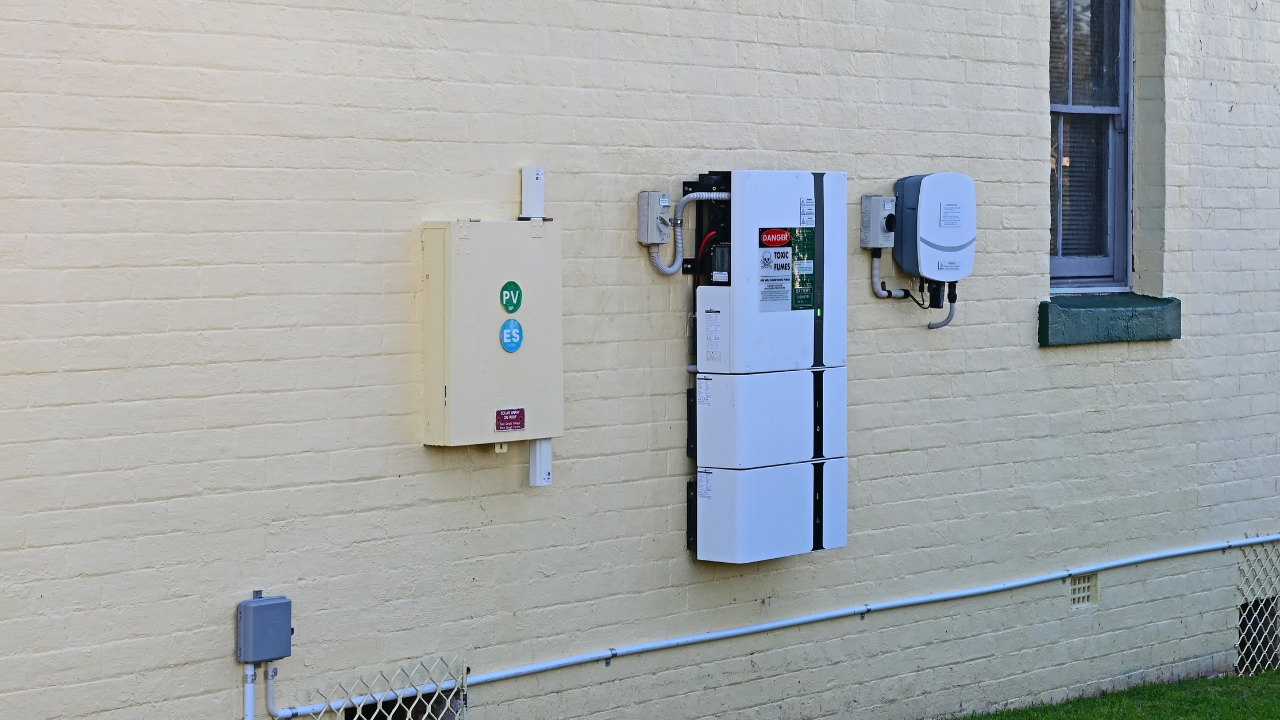
10 Home Backup Setups That Are Not Worth the Money
Photo credit: Douglas Cliff/Shutterstock.com
Buying backup gear feels smart right up until the first outage, when the cords don’t reach, the batteries are dead, or the “solution” only runs a phone charger. A lot of setups look good on a product page but fall apart in real houses with real loads. The goal is simple, keep heat, water, food, and lights going without spending money twice.
1. Tiny Solar Generator For Everything
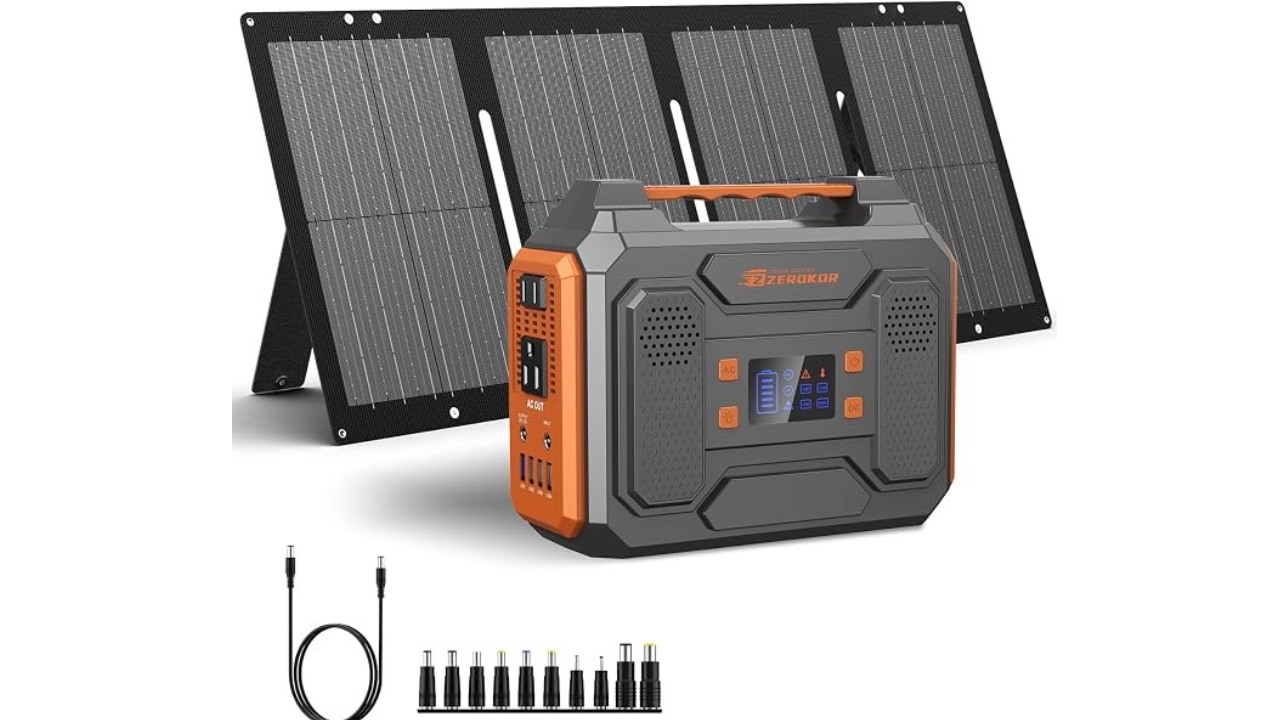
The first time the power drops and the fridge clicks off, that little “solar generator” starts beeping and dies fast. A small power station is fine for phones, a modem, maybe a CPAP, but it’s not a whole-home plan. Try to run a fridge, sump, or microwave and you’ll learn what surge watts are the hard way.
If you want battery backup, size it around the loads that actually matter and test them before storm season. A Kill A Watt meter helps you see what things really draw. Honest exception, a small unit is worth it if your plan is “keep phones and a few lights going” and you’re not pretending it will run appliances.
2. Whole-Home Battery Without Solar Or Generator
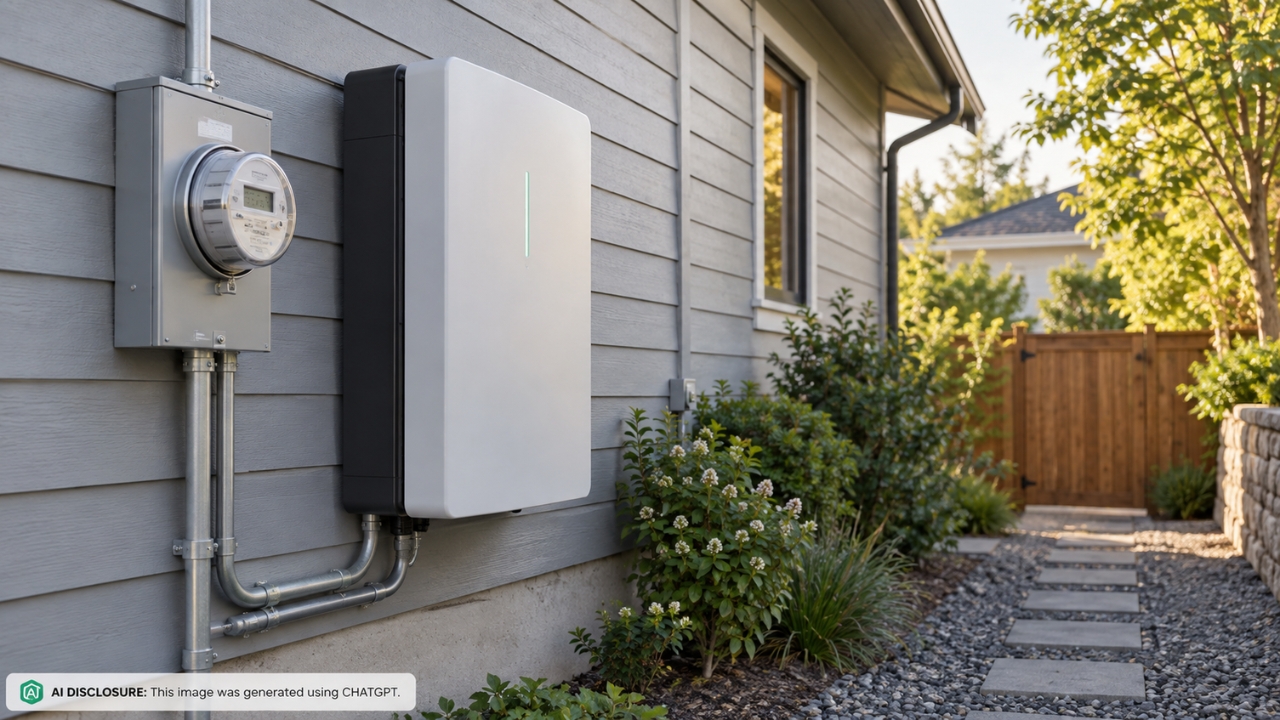
A big wall battery looks clean and quiet, then the grid goes down for two days and you’re rationing lights like it’s camping. Without solar to recharge or a generator to top it up, it’s a very expensive timer. It works best for short outages, not long ones.
If you live where outages last hours, not days, a battery can make sense, especially if you also want backup for medical gear or a home office. If you live rural and outages drag on, put the money into a properly installed generator setup or add enough solar to recharge during daylight. This is also permitting and licensed electrician territory in most places.
3. Cheap Transfer Switch Installed Wrong
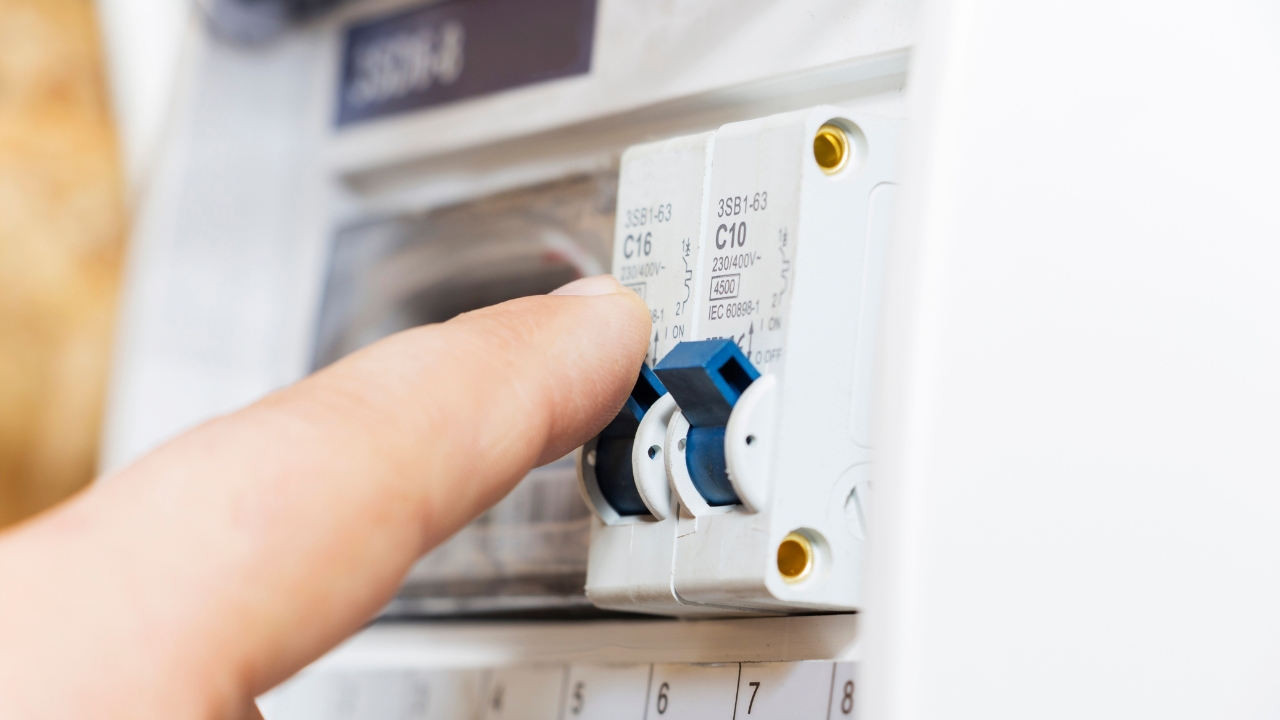
People buy a bargain transfer switch or interlock kit and then get tempted to “make it work” without pulling permits or getting the wiring right. That’s how you end up with a panel that’s mislabeled, overloaded circuits, or a backfeed situation that can hurt a lineman. It can also cook your generator when power comes back and you aren’t expecting it.
Do this the boring way. Get the correct interlock for your exact panel model, follow the listing, and have a licensed electrician handle the panel work if you’re not fully comfortable. Codes and inspections exist for a reason here, and a failed inspection later can wreck resale.
4. Extension Cord Spaghetti Through The House
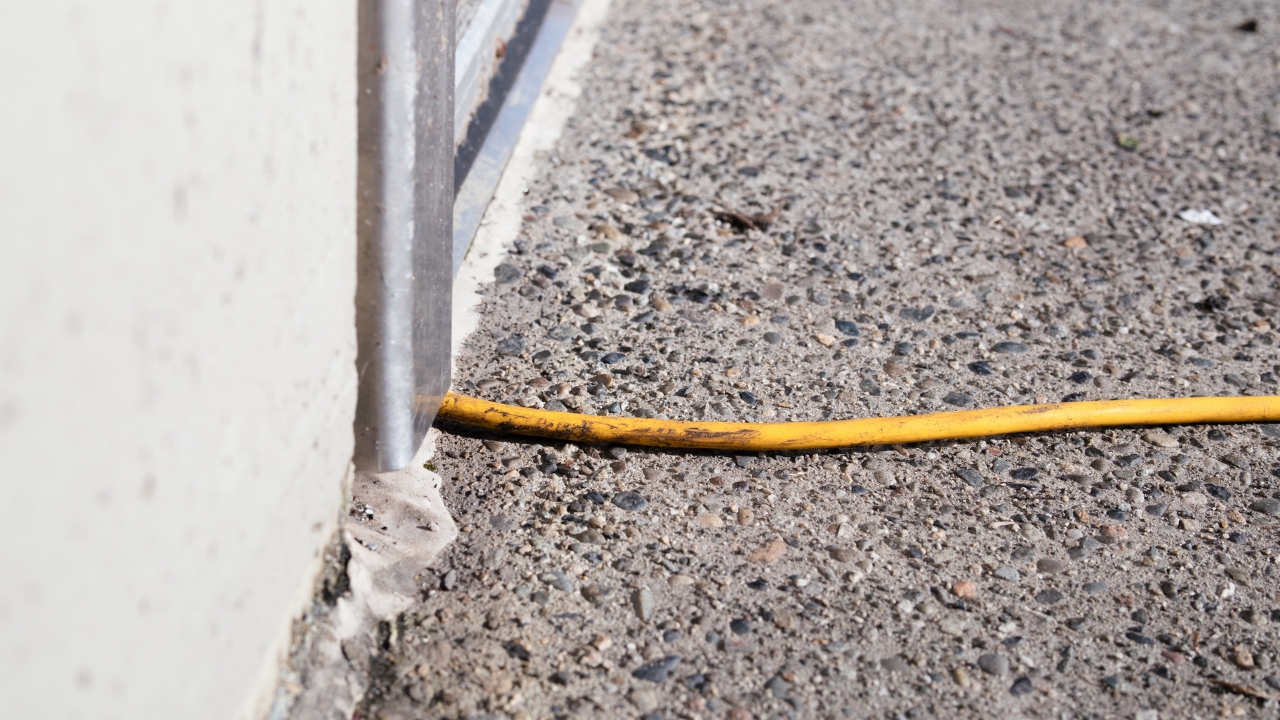
Dragging cords through doors and windows works once, then the next outage happens in freezing rain and you’re wrestling a stiff cord under a door that won’t shut. Cords get pinched, plugs get wet, and somebody trips in the dark. If you’re running a space heater or sump pump on a cord that’s too light, it gets warm fast, sometimes hot.
If you’re going to use cords, buy heavy gauge outdoor cords, keep them short, and label them for the loads they can handle. Better yet, pay for a small generator inlet and a transfer setup so you can run chosen circuits cleanly. You’ll still use a cord or two outdoors, but you won’t be living inside a knot.
5. Running A Generator Under A Carport
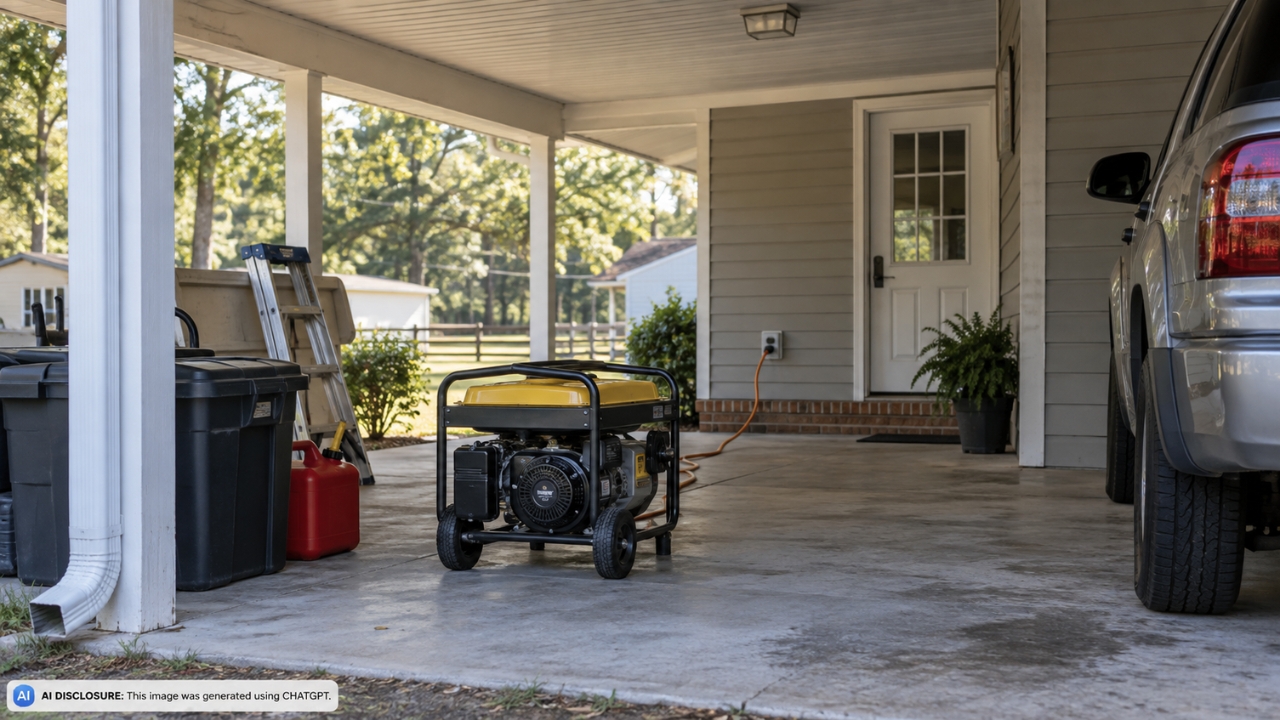
It’s a common move, “keep it out of the rain” by tucking it in a garage doorway, under a porch roof, or in a carport. That’s how carbon monoxide sneaks into the house, especially on still nights or when snow banks block airflow. People also melt siding or scorch a deck when the exhaust points the wrong way.
Run generators outside, well away from doors, windows, soffit vents, and crawlspace vents. Use a generator tent or canopy made for it if you need weather protection, and keep a battery CO alarm inside the house even if you think you’re being careful. This setup fails fast and the risk is not worth the convenience.
6. Off-Brand Power Inverter On Car Battery
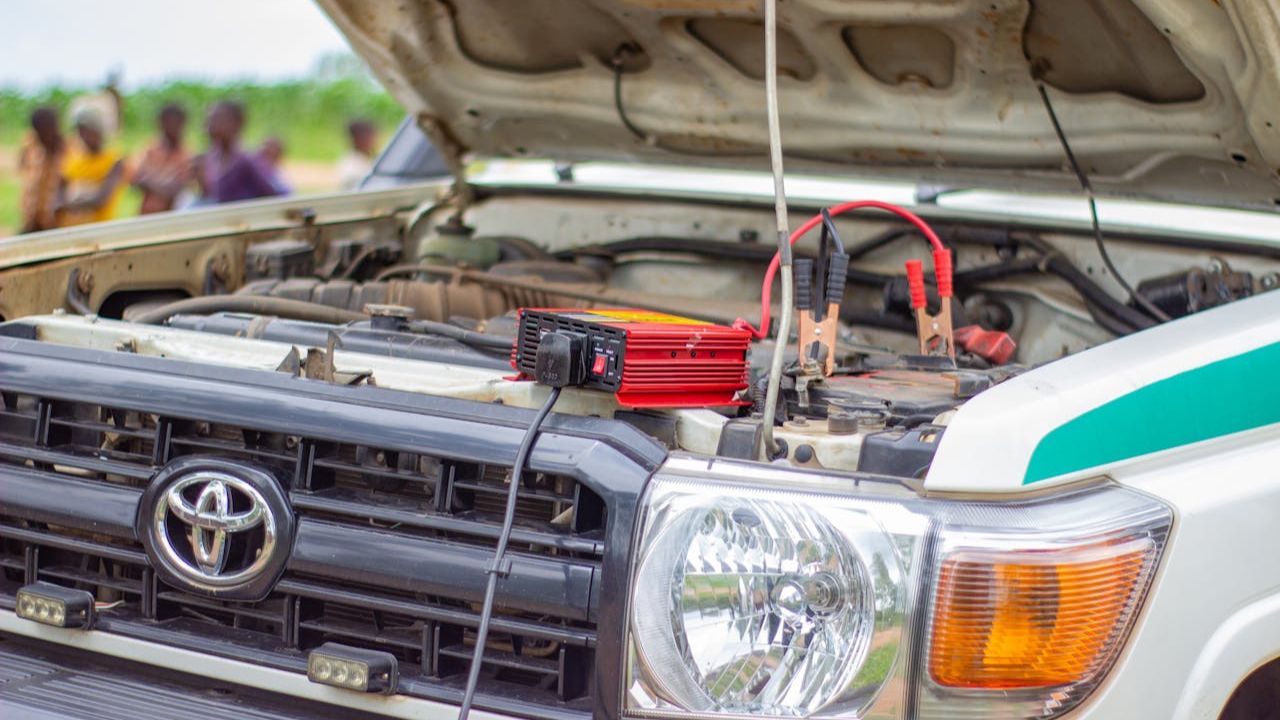
A $30 inverter clipped to a car battery sounds like a clever backup until it starts squealing or shuts off every time a load kicks on. Cheap inverters lie about wattage, have lousy surge handling, and can put out rough power that some electronics hate. Then you’re also stuck babysitting a battery so you don’t end up with a car that won’t start.
If you need an inverter plan, use a quality pure sine inverter sized for the job, with proper fusing and heavy cables, and keep it for small loads. For anything more, a small generator is usually the better spend. If you’re not comfortable with battery wiring, don’t guess, a shorted battery can turn a wrench into a brand.
7. Space Heaters As The Heat Plan

When the furnace won’t run, the knee-jerk buy is a stack of electric space heaters. During an outage they’re paperweights unless you have a generator big enough to run them, and most people don’t. Even if you do, heaters chew fuel fast and overload circuits easily.
Put money into heat that matches your house. A vented gas heater, a properly installed wood stove, or even a kerosene heater used with ventilation and CO alarms can keep one room livable without demanding huge generator capacity. Any new combustion appliance needs careful placement, clearance, and local code compliance.
8. Fancy Smart Home Backup That Needs WiFi
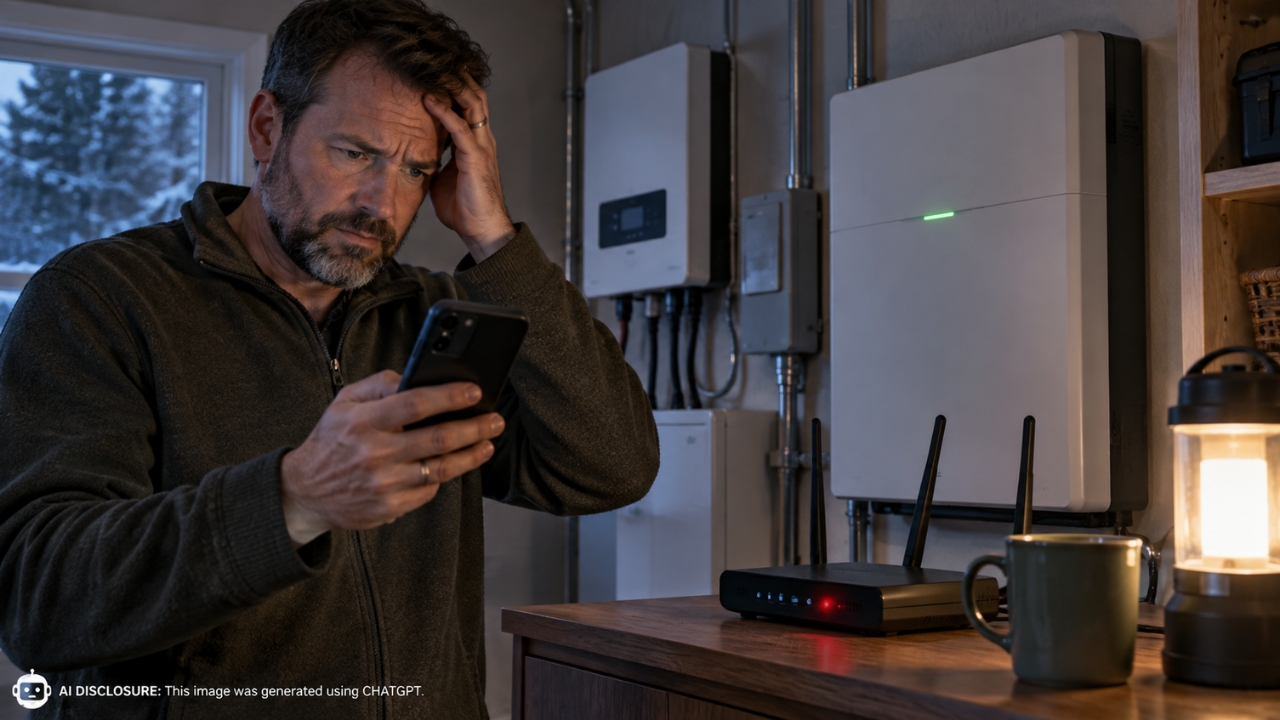
Some backup setups lean hard on apps, cloud dashboards, and smart switches. Then the cable line is down, the router is off, or the app server is unreachable, and you can’t control the stuff you paid for. Even “local control” gear often needs a working network and a clean shutdown to behave.
Keep manual options in the mix. Physical switches, a printed list of what to turn off, and a cheap plug-in lamp you can move around beat an app you can’t open. If you want smart monitoring, power the modem and router from a small UPS and test it twice a year.
9. Backup Sump Pump With One Battery
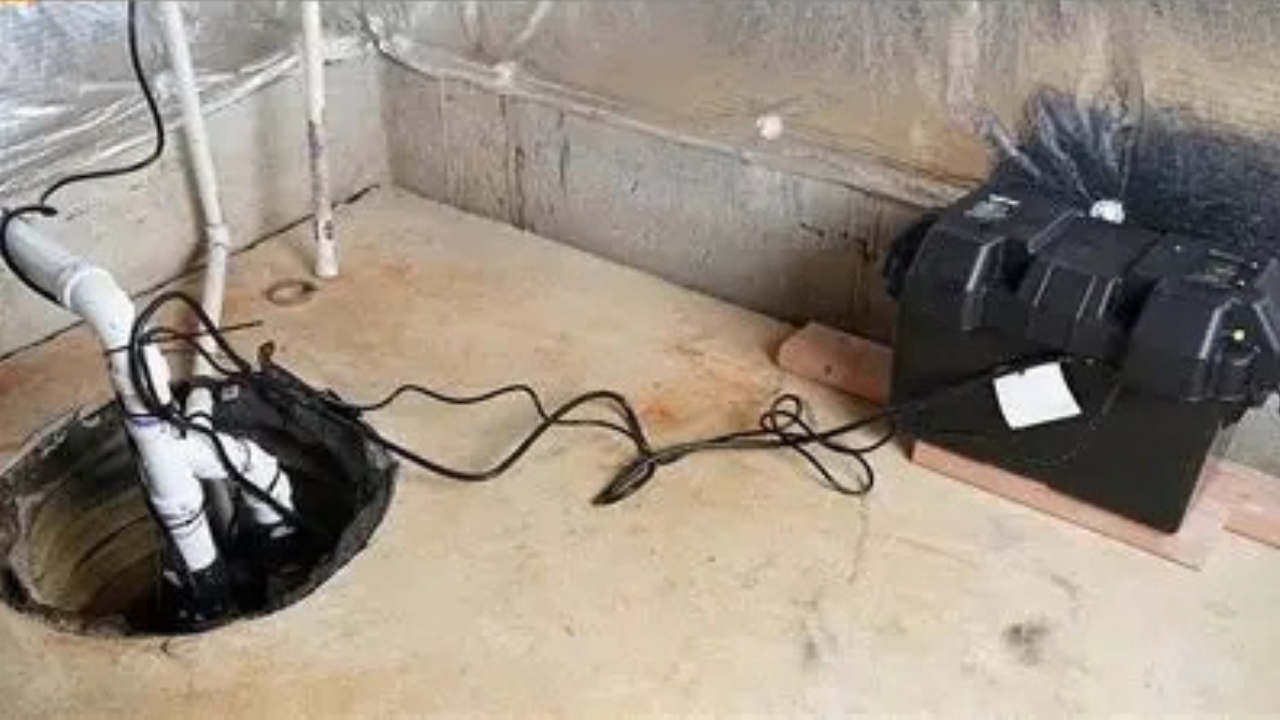
The marketing makes it sound set and forget, then spring rain hits and the backup pump runs until the battery is flat. If your power is out and the pit is taking water, a single small battery doesn’t last long. Worst case, you wake up to a basement that smells like mud and sewage because the pit overflowed.
Better plans depend on your site. Add a second battery, maintain them, and test the float, or consider a water-powered backup if you have municipal water pressure. If you’re on a well, a water-powered pump won’t help during an outage, so plan around generator power for the primary pump and the sump.
10. Storing Fuel For Years Without Rotation
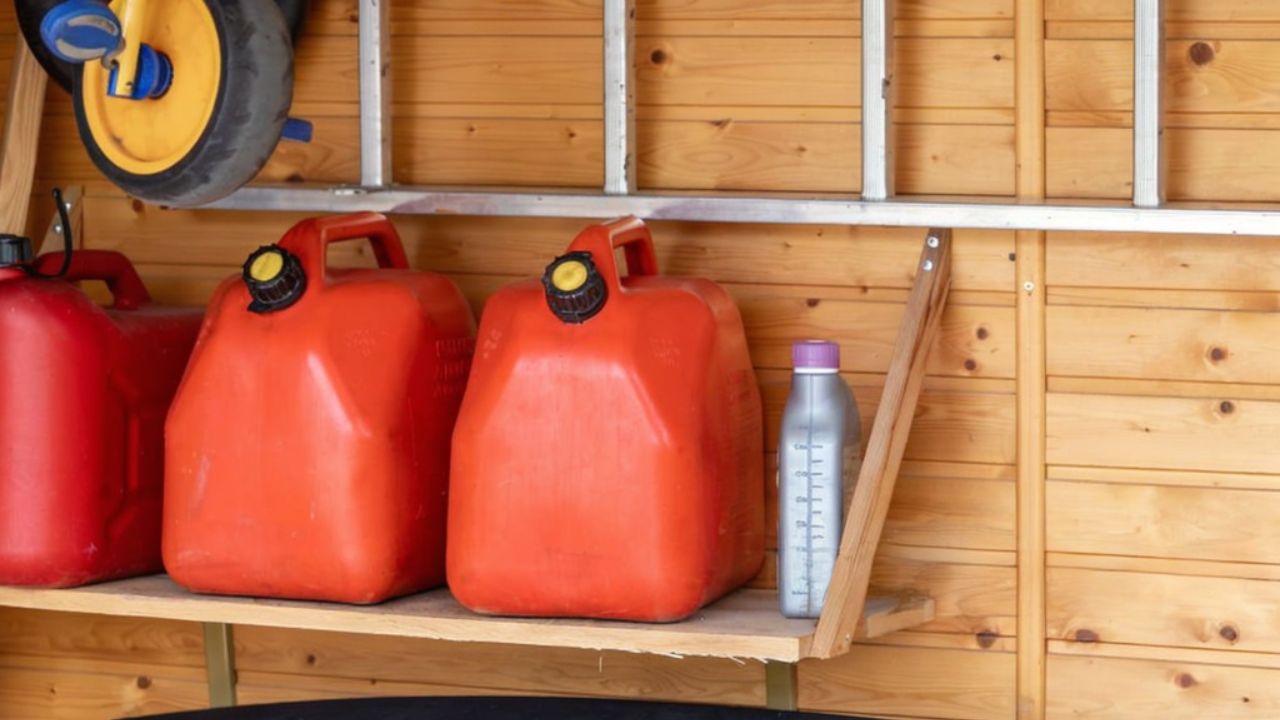
You buy a couple cans, stick them in the shed, and feel prepared. Two summers later, the generator runs rough, surges, or won’t start because the gas smells sour and the carb is gummed up. Now the “backup” requires a teardown right when you need it.
Keep only what you can rotate. Date the cans, use a stabilizer if you want, and pour older fuel into your vehicle or equipment on a schedule so nothing sits forever. If you store larger amounts, use approved containers, keep them away from ignition sources, and follow local rules.
A backup plan works best when it’s boring, tested, and sized to your real life. Pick a few loads, set them up cleanly, run a practice outage for an hour, and fix what annoys you while the weather is still nice.
Like Fix It Homestead’s content? Be sure to follow us.