10 Yard Features That Quietly Lower What Your House Is Worth
Photo credit: Muhammad Anas Raza/Shutterstock.com
A yard can look “fine” and still make buyers feel like the place has been neglected. Small outside problems read like bigger inside problems, even when that isn’t fair. A few weekends of targeted fixes can keep a quiet value leak from turning into a price cut.
1. Overgrown Shrubs Hugging The House

When bushes swallow windows and lean on siding, the first thought is moisture and bugs. It also makes the house look smaller and darker from the street, like it’s hiding. In wet climates, plants tight to the wall stay damp and invite rot at trim and sills.
Cut back to give the siding air and let light hit the glass. Leave a clear gap so you can see the foundation line and so you can get a ladder in there without fighting branches. Use sharp hand pruners for small stuff and loppers for thicker stems, then haul the cuttings out the same day so the yard doesn’t look like a storm hit.
2. Mulch Piled Against The Siding
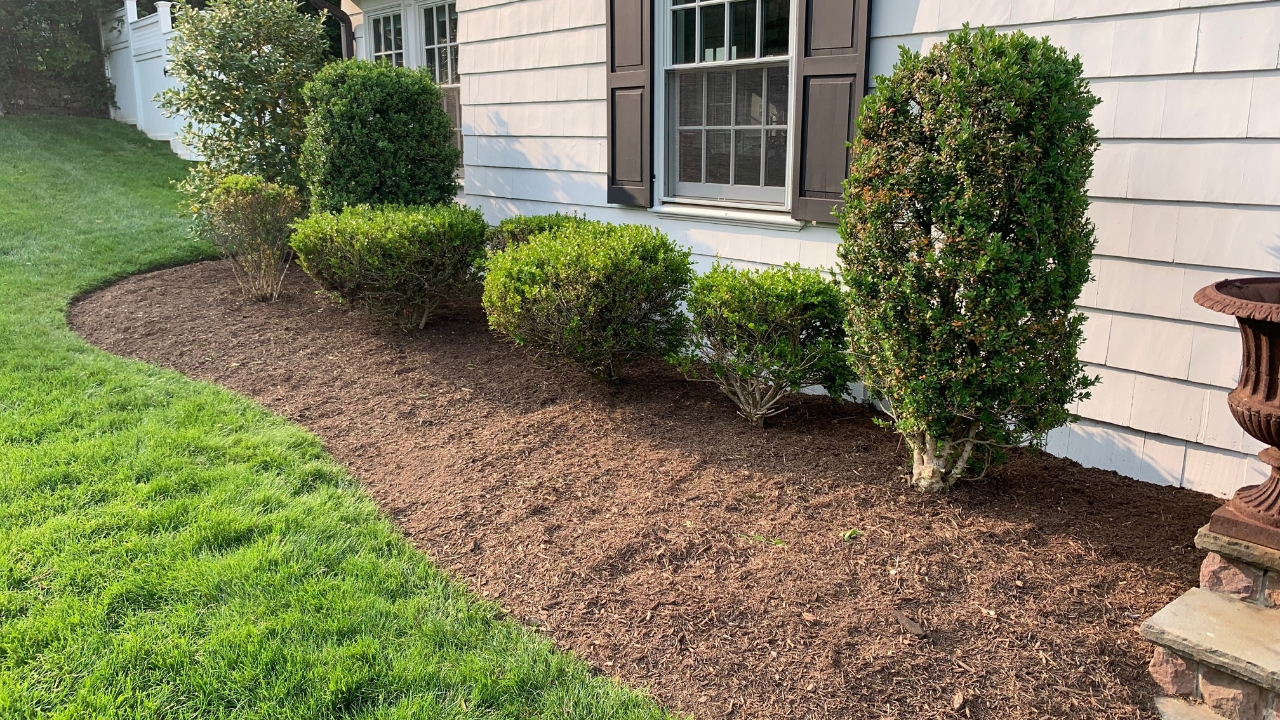
That neat, dark “volcano” of mulch looks tidy for about a week, then it becomes a sponge. Wet mulch against wood trim and siding is a slow rot machine, and it gives ants and termites a protected tunnel right where you don’t want them.
Pull mulch back so the bottom edge of siding stays visible. A flat rake and a stiff hand broom are plenty. If you need a border to keep it from sliding back, a simple edging strip or a shallow trench beats stacking mulch like a dam.
3. Standing Water In Low Spots
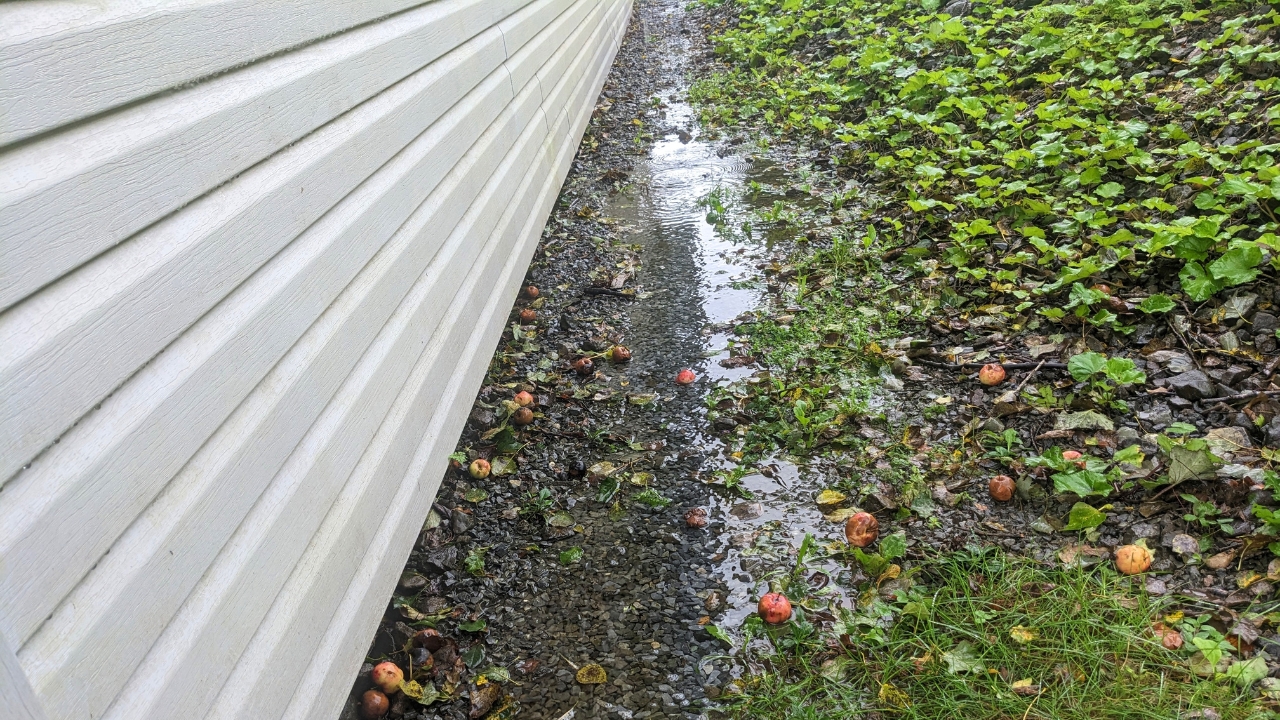
After a hard rain, puddles that linger for a day tell buyers your drainage is off. Even if your basement is bone dry, the yard looks like it wants to flood. Mosquitoes move in, grass thins out, and the whole place feels soggy.
Start with the easy check, make sure gutters aren’t dumping right at the foundation and downspouts kick water out several feet. For a yard low spot, topdressing with screened soil and reseeding often fixes mild dips. If water is flowing toward the house or pooling near a crawlspace, that’s when it’s worth paying a drainage contractor, because guessing wrong can make it worse.
4. Cracked Walks And Wobbly Pavers
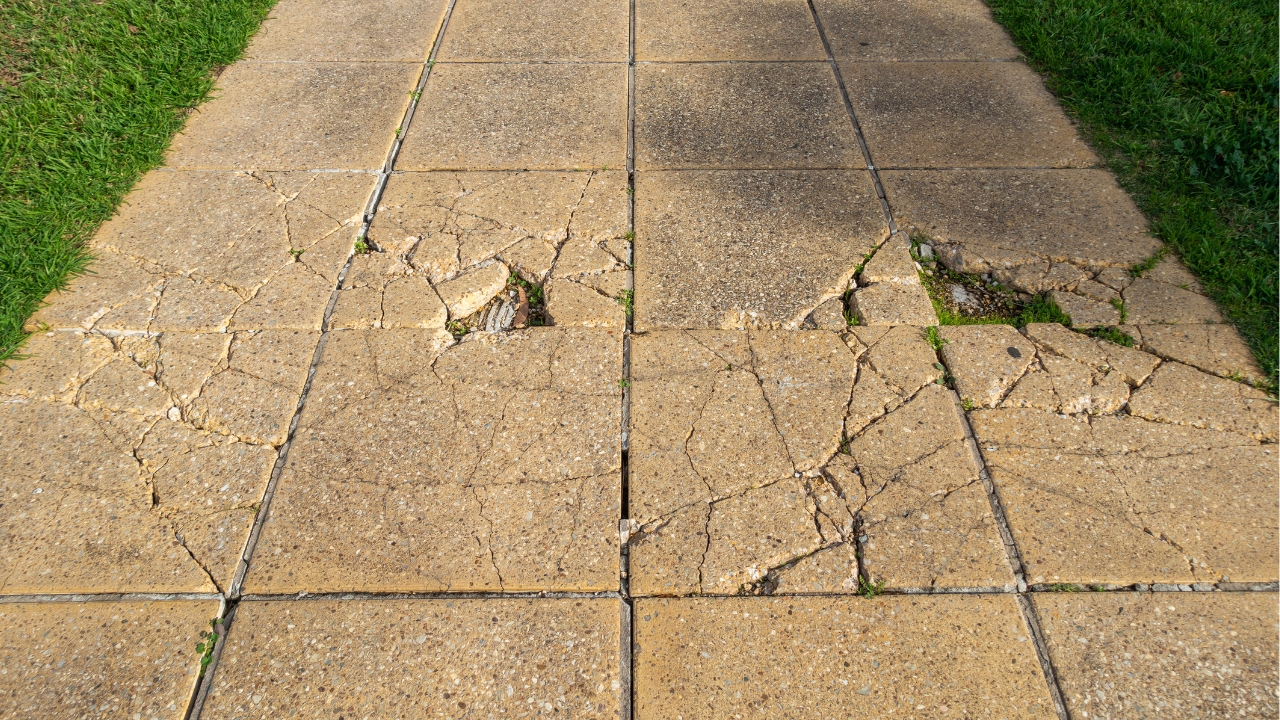
Nothing says “deferred maintenance” like a front walk that trips you. It’s also a liability issue, and buyers and agents notice it fast. Even small cracks read as bigger foundation worries, whether that’s true or not.
For concrete, patching small spalls and sealing is fine, but wide, heaved cracks usually need replacement or professional leveling. For pavers, pull the worst ones, add base material, compact, and reset them so they don’t rock. A rubber mallet, a level, and a bag of polymeric sand can clean up a lot of shame in an afternoon.
5. Dead Lawn Patches From Pet Runs
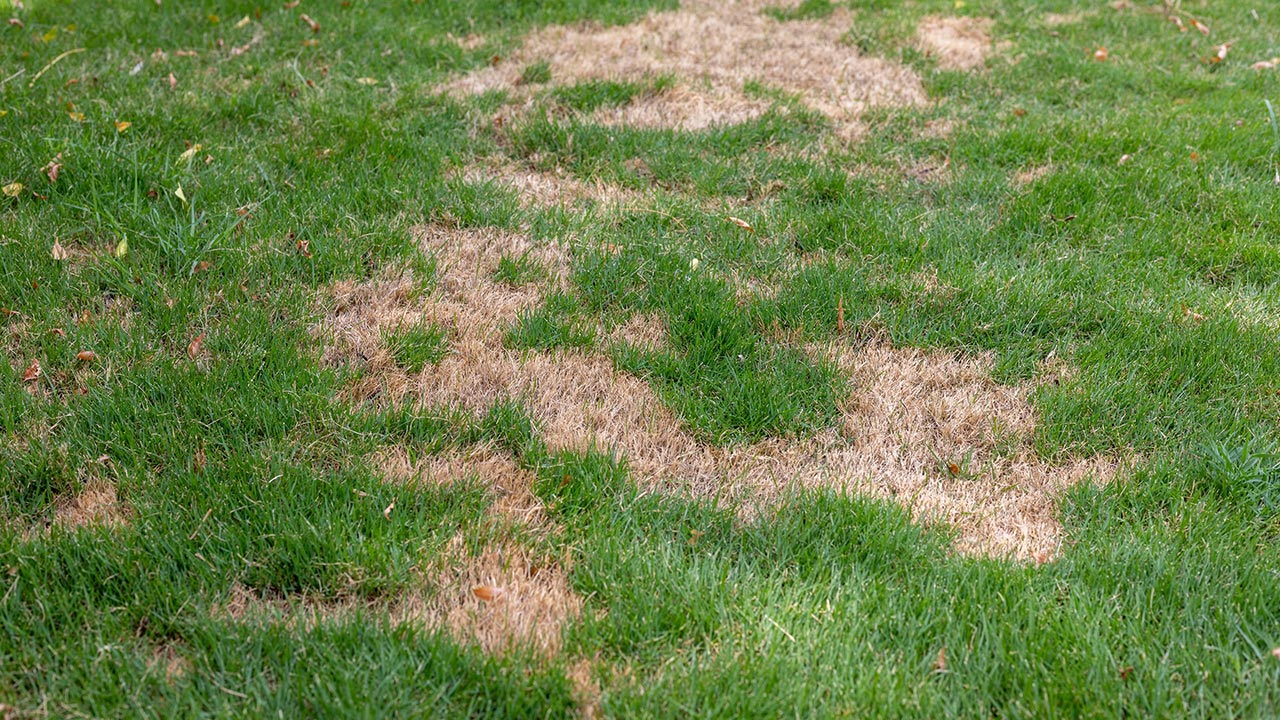
Dog paths and pee spots show up as yellow circles, bare dirt, or a muddy trench along the fence. Buyers with pets see the problem and do the math. Buyers without pets just see a yard that needs work right away.
Rake out the dead area, loosen the top couple inches, and seed with a tough mix meant for high traffic. Water lightly for two weeks so it establishes instead of washing away. If the pet run is staying, own it and make it look intentional with a defined gravel path and edging, because a planned “dog lane” looks better than a random dirt scar.
6. Leaning Fence And Sagging Gate
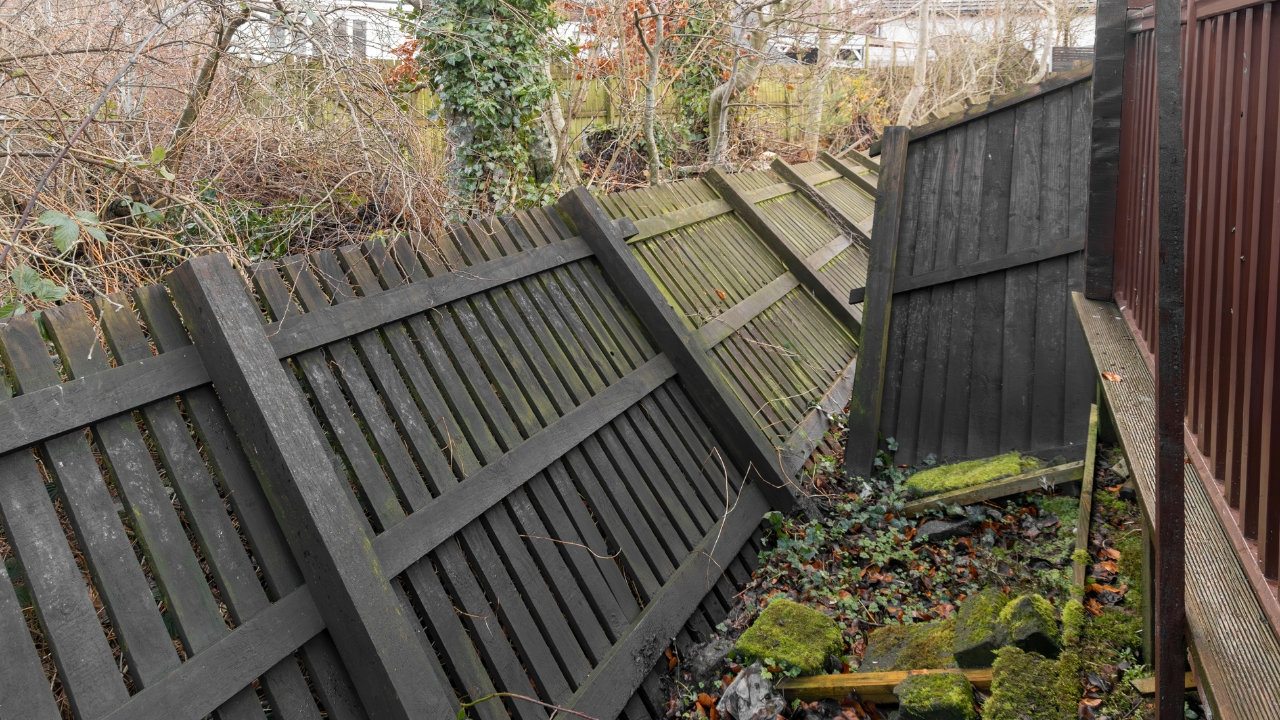
A fence doesn’t have to be new, but it has to stand straight and close right. A dragging gate screams “DIY that never got finished.” It also hints at shifting soil and loose posts.
Fix the gate first, because it’s the part people touch. Replace stripped hinges, add a gate wheel if the span is long, and set the latch so it clicks shut without lifting. If posts are leaning, resetting them in concrete is real work, and it’s worth doing before the ground freezes or after spring rains when the soil is workable.
7. DIY Fire Pit Too Close To Structures

A ring of random bricks in the grass can be cozy, but buyers also picture scorched siding and neighbor complaints. If it’s close to a deck, fence, or low branches, it reads like a risk. Some towns have clear rules on open fires, and buyers don’t want a surprise citation.
Move it to a safer spot and make it look deliberate, level base, proper block or a listed metal pit, and a simple gravel pad to stop mud. Keep wood storage away from flames and away from the house. If you live in a wildfire-prone area or your HOA bans it, removing the pit entirely is sometimes the smarter play.
8. Random Gravel And Weedy Rock Beds
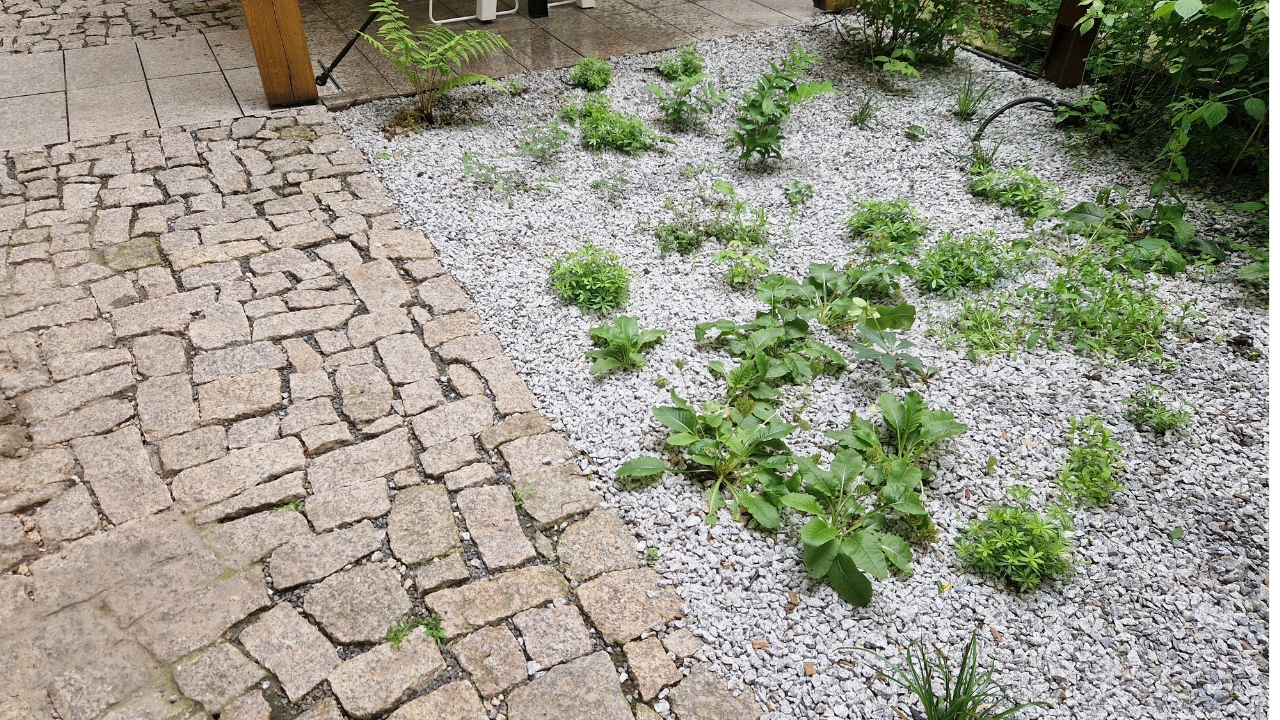
Dumped gravel and “temporary” rock beds age badly. Weeds poke through, the stones migrate into the lawn, and the yard starts to look like a parking lot. Worse, buyers assume there’s a drainage problem you tried to hide.
If you keep the rock, do it right, edge it so it stays put, use a proper landscape fabric under it, and pick one stone size instead of a mix. If you don’t love it, shovel it out and go back to mulch and plants. This is one spot where the cheap fix, a crisp edge and fresh fabric, can actually look clean without costing much.
9. Rusty Outbuildings And Tarp Roofs
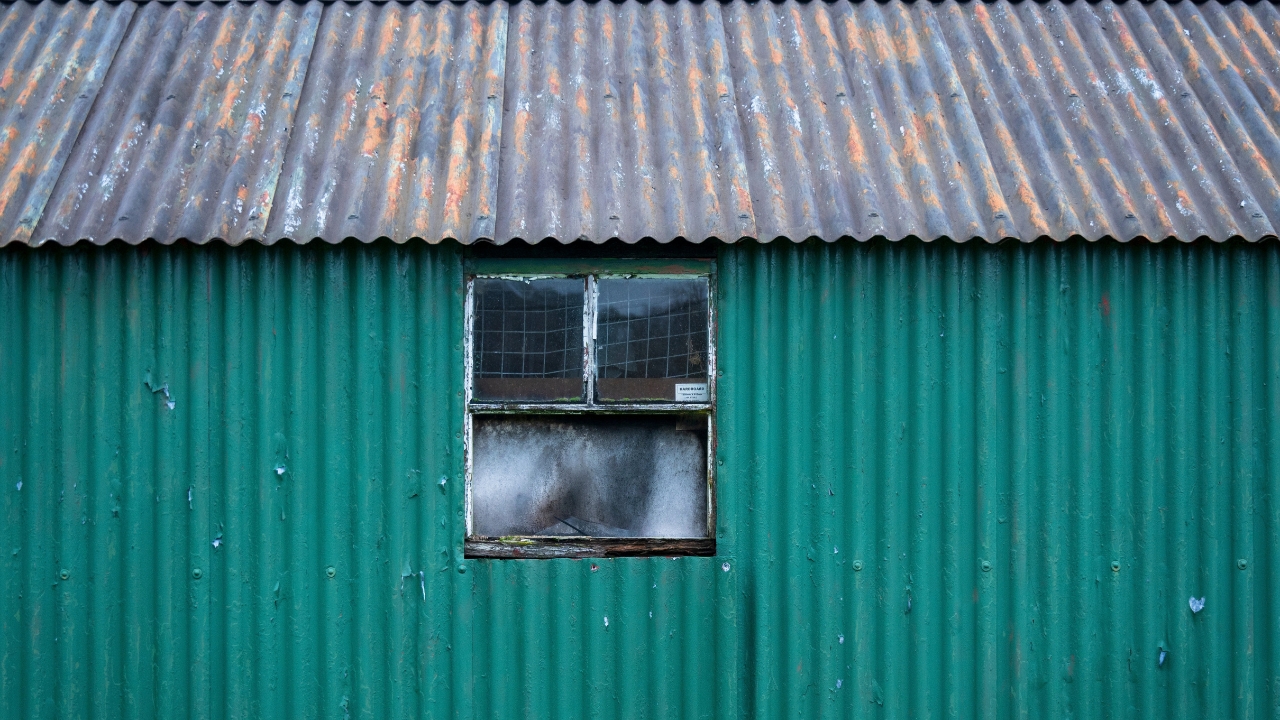
A shed with a curling tarp roof or rust streaks down the side tells a story. It says tools got stored wet, corners got cut, and the property has “projects.” Even if the house is solid, that vibe bleeds into the offer.
Either repair it cleanly or clear it out and remove it. A new set of shingles or metal panels is one thing, but a sagging frame or rotten skids is another, and that’s when replacement makes more sense. Check local rules before placing or removing large sheds, and don’t forget to deal with what’s inside, because junk around an empty pad looks worse than the shed did.
10. Front Lighting That Looks Afterthought
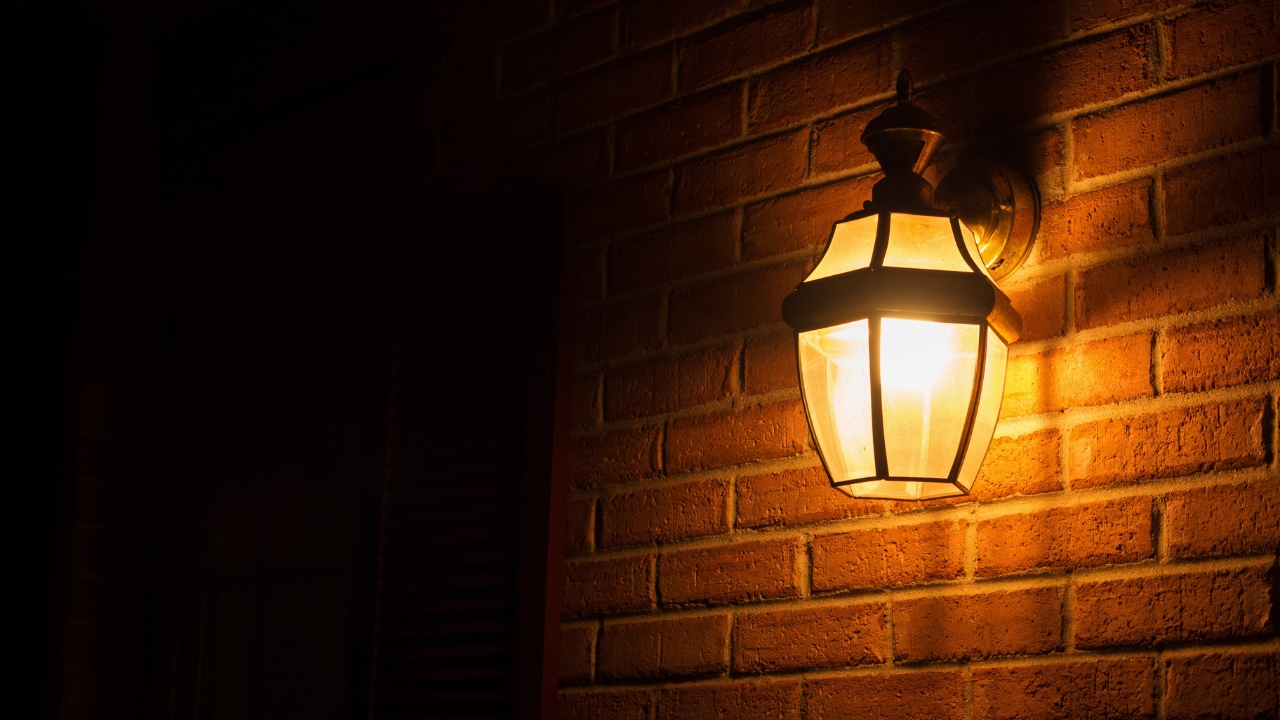
When the porch light is dim, mismatched, or hanging on by a wire nut, buyers read “nightmare wiring.” They also feel the house is less safe at night, which hurts first impressions at showings. Bugs swarming a harsh bulb by the door does not help.
Swap to a simple, weather-rated fixture that fits the scale of the entry and put in a warm LED. If the box is loose, the siding is rotten behind it, or the circuit acts up, stop and call a licensed electrician. Lighting is cheap compared to the doubts a sketchy fixture creates.
Pick the one or two things people see first from the street, then tackle the stuff that makes walking the property feel awkward or unsafe. A yard doesn’t need to be fancy, it just has to look cared for and predictable. That’s what keeps buyers focused on the house instead of the punch list.
Like Fix It Homestead’s content? Be sure to follow us.