10 Home Features Buyers Notice in the First Minute
Photo credit: Oneinchpunch/Shutterstock.com
You don’t get a warm-up lap when a buyer walks in. In the first few steps, they’re already judging how the place has been cared for, and they’re using quick clues that feel obvious once you see them. The good news is most of those clues are fixable in a weekend, and a few in an hour.
1. Front Door, Lock, And Hardware Feel
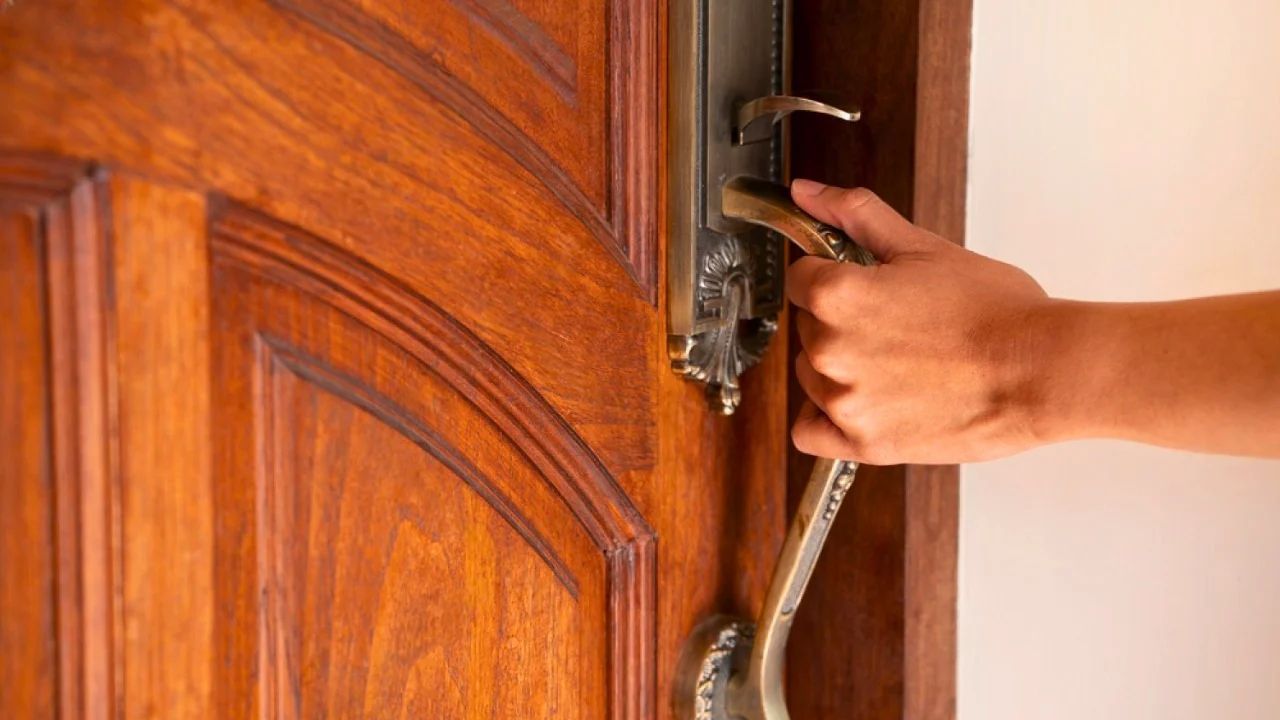
A sticky door or a loose handle reads like a bigger problem. If the knob wiggles, the deadbolt sticks, or the door scrapes the jamb, people assume the rest of the house has the same “almost works” vibe. You can feel it in your hand before you even look up.
Tighten the hardware, then deal with the real cause. Replace a worn latch, adjust the strike plate, and check the hinge screws for stripped holes (longer screws into framing often fix a sag). If the door rubs only in humid weather, a light sand on the binding edge and a fresh coat of paint on raw wood beats forcing it shut every showing.
2. Entry Lighting And Switch Response

Nothing says “cheap fix ignored” like flipping a switch and getting a slow flicker or nothing at all. Buyers will stand there clicking, staring at the ceiling, and wondering what else is unreliable. Even if it’s just a bulb, it plants a doubt fast.
Put bright, matching bulbs in the entry and porch light, and clean the fixture globes. If a switch crackles, feels warm, or the light cuts in and out, stop and call a licensed electrician. Swapping a decorative fixture is DIY for many people, but any sign of overheating or aluminum wiring is not a weekend learning project.
3. Smell At The Threshold
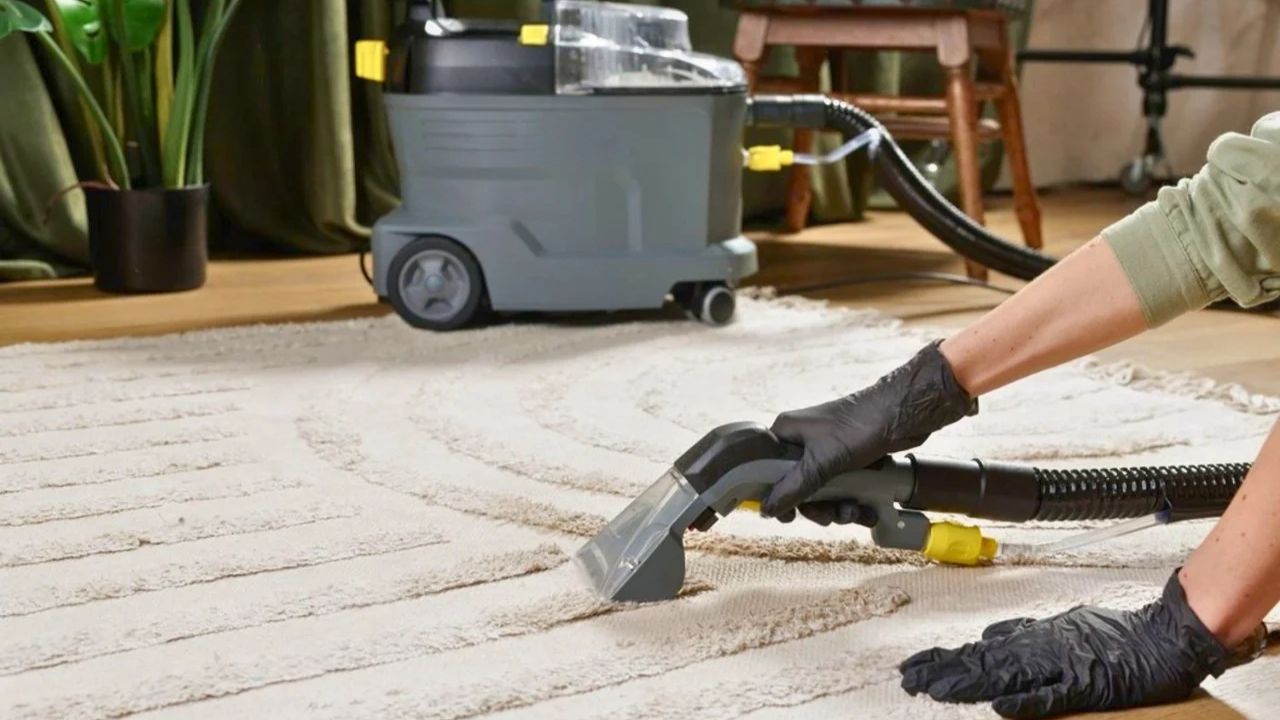
You can paint over a lot, but you can’t talk your way out of a smell. Pet odor, stale cooking grease, damp basement funk, or heavy air freshener all hit before the buyer has even seen the living room. If they wrinkle their nose, they start imagining hidden mold or soaked subfloor.
Skip the perfume approach and hunt the source. Wash hard surfaces, shampoo or replace a problem rug, and clean the inside of trash cans and the drip pan under the fridge. If the basement smells earthy, run a dehumidifier, check downspouts and grading outside, and look for damp cardboard or stored fabric holding moisture.
4. Floors At The Doorway Tell A Story
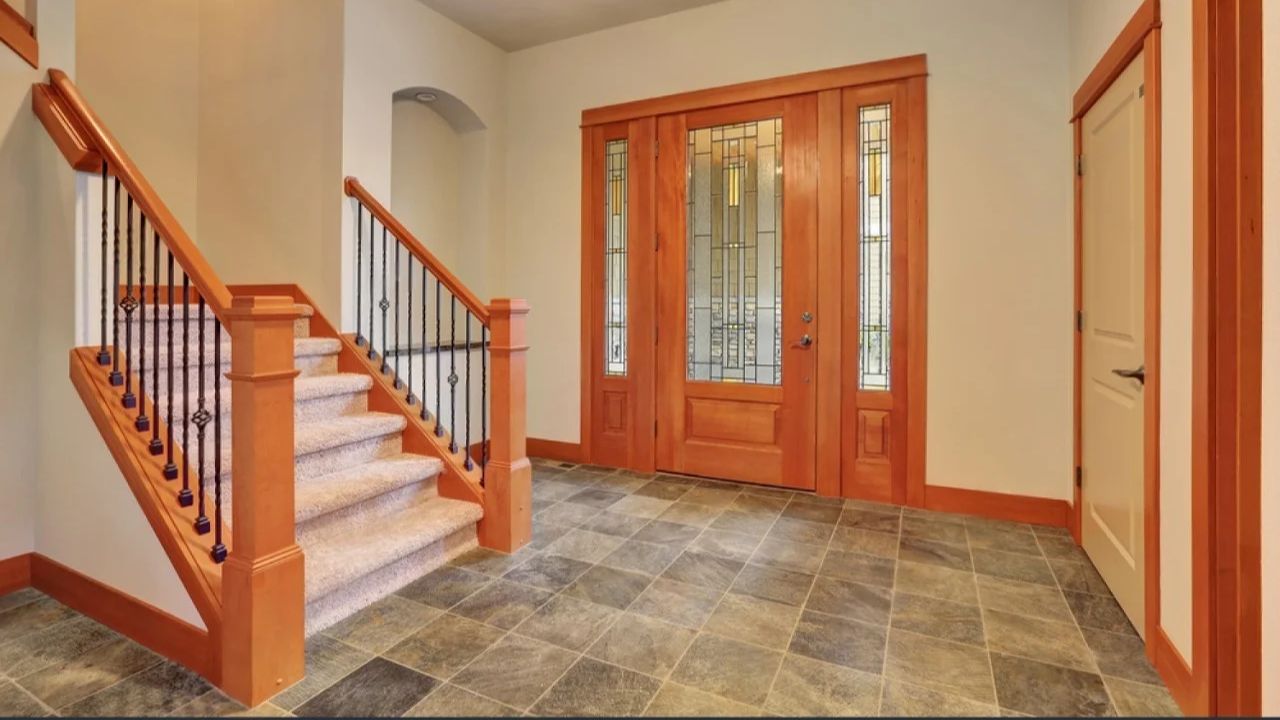
The first ten feet of flooring gets judged like a handshake. Grit in the corners, torn vinyl, or a transition strip that’s popping up makes the place feel worn out, even if everything else is fine. A squeak right at the entry is the soundtrack nobody wants.
Deep clean, then fix the little failures. Replace broken threshold pieces, secure loose transitions, and touch up scratches with a matching repair marker or filler. For squeaks in finished hardwood, a pro can often quiet it from below if there’s basement access, but don’t start drilling random holes through your nice floor five days before listing.
5. Wall Scuffs, Nail Pops, And Bad Patches
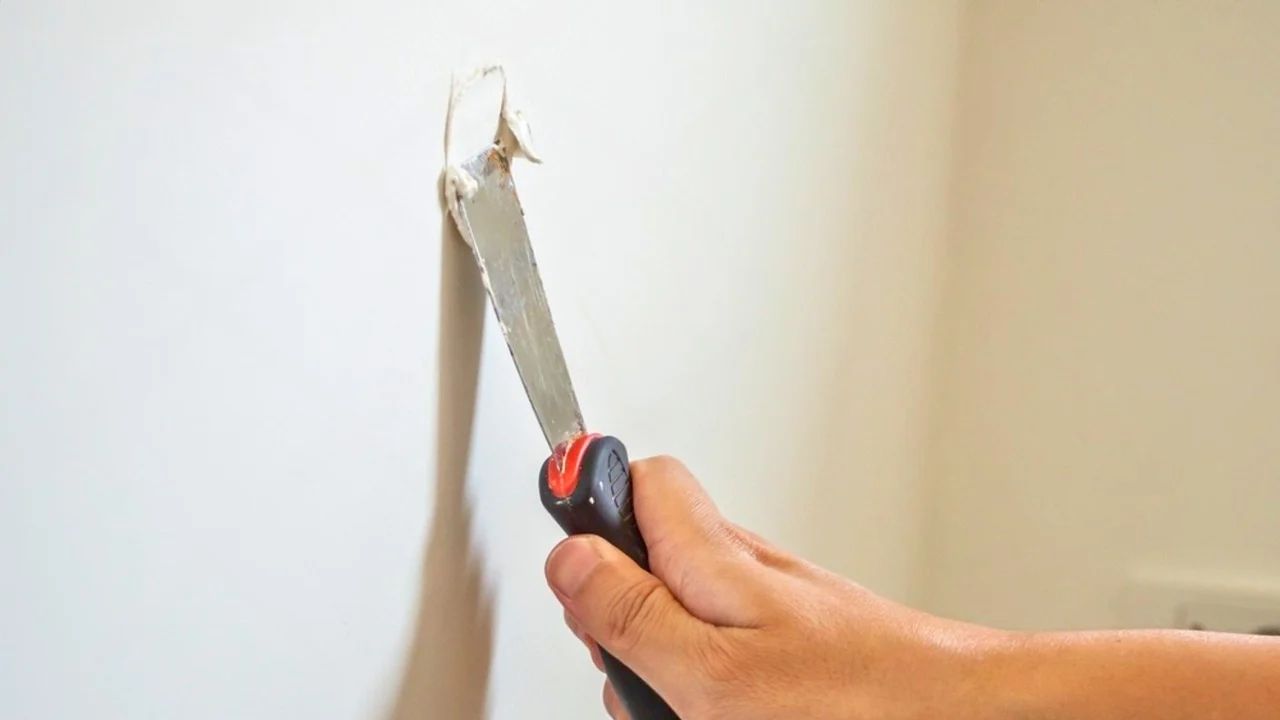
Most people don’t mind that a house has been lived in. What they mind is seeing repairs that look rushed, lumpy, or unfinished. A bright scuff at eye level, a sloppy patch, or nail pops along a ceiling line pull attention away from the room itself.
Walk in from the front door with the lights on and a side lamp if you have one, because raking light shows every bump. Fill small holes with spackle, sand smooth, and paint the whole wall if touch-ups flash. If you have a crack that keeps returning or a ceiling line that’s separating, that’s a different category, document it and get the right pro opinion before you smear more mud on it.
6. Window Light And Screen Condition

Grimy windows cut daylight and make rooms feel smaller, and buyers notice the dull haze right away. Bent screens, missing screens, or torn mesh reads like summer bugs and deferred upkeep. This one is simple, but it’s overlooked constantly.
Clean the glass inside and out, wipe the frames, and vacuum the tracks. Replace torn screen mesh with a spline tool and the right size spline, it’s a cheap fix with a clean result. Exception: if you’re selling in a cold season and screens aren’t used in your area, storing clean screens in the garage is fine, but don’t leave empty, bent frames half-hanging in the window.
7. HVAC Noise And Old Filter Guilt
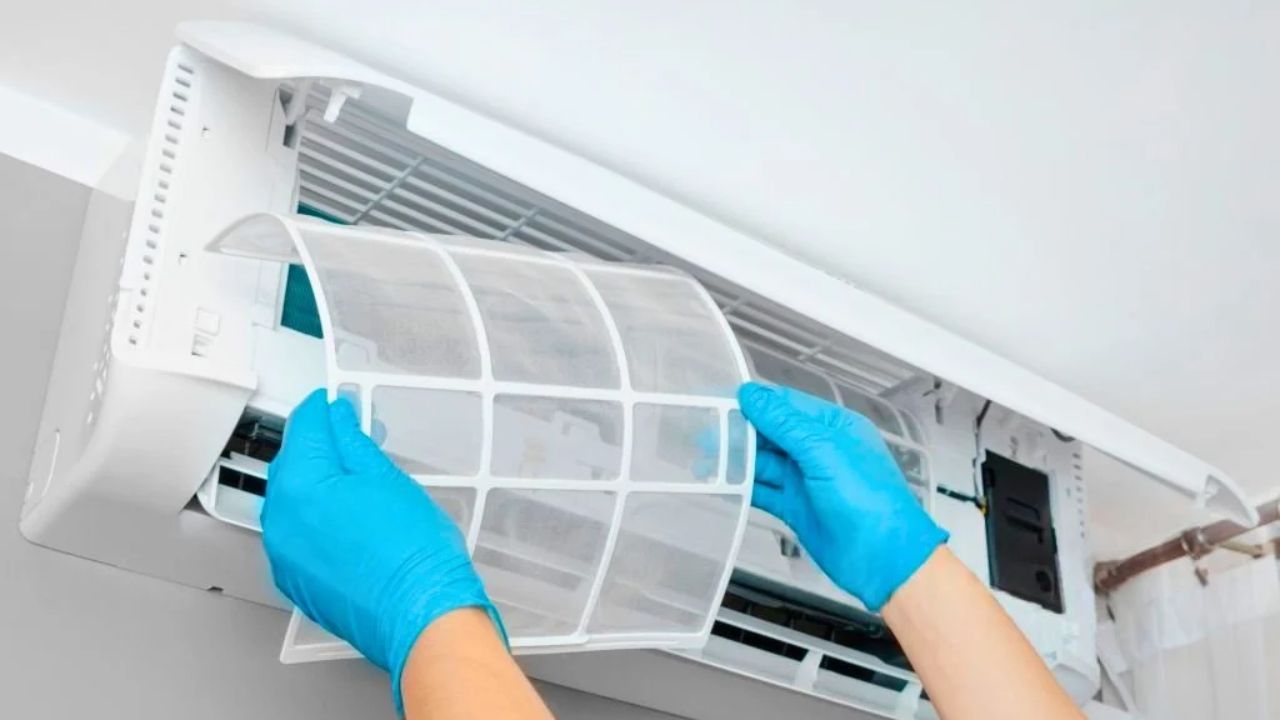
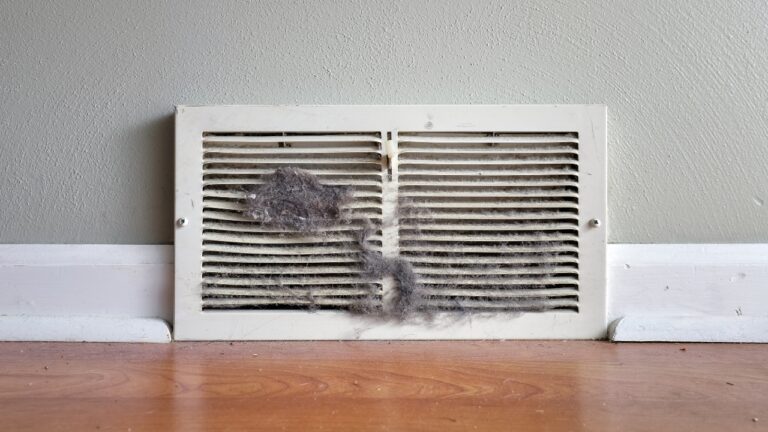
That first blast when the heat or AC kicks on can be a confidence builder or a red flag. A loud bang, a whistle, or a rattly return grille makes people think “furnace dying” even if it just needs attention. And a dirty filter is a silent confession that maintenance got skipped.
Change the filter, vacuum the return grilles, and make sure vents aren’t blocked by rugs or furniture. If you hear grinding, smell burning, or see water around the furnace or air handler, stop and schedule a licensed HVAC tech. This is one job where paying for a routine service call can calm a lot of worries without you guessing.
8. Kitchen Sink Drain Speed And Cabinet Base

Buyers turn on faucets. They watch where the water goes. A slow drain or a funky smell under the sink makes them picture rot, leaks, and weekend projects they didn’t budget for.
Clear the trap if it’s clogged and you’re comfortable with a bucket and basic hand tools, and tighten a loose P-trap slip nut if it’s dripping. Clean out the cabinet base, replace a swollen particleboard liner, and fix the leak instead of hiding it with a mat. If you see moldy, wet drywall or the shutoff valves won’t turn, a plumber is the smart call.
9. Bathrooms: Caulk Lines And Fan Function
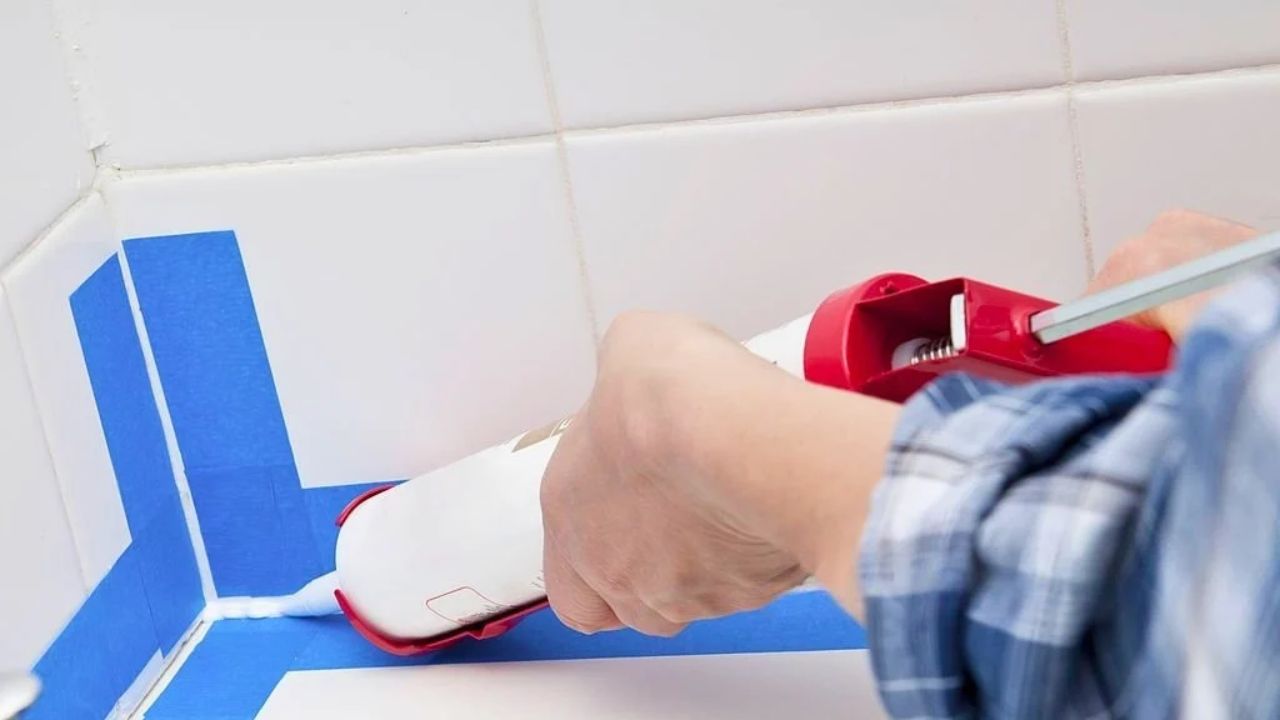
Bathrooms are judged fast and hard. Blackened caulk, peeling paint near the shower, and a fan that sounds like a box of rocks screams moisture problem. Even a clean bathroom feels neglected when the edges look rough.
Remove failing caulk, let the area dry, and re-caulk with a mildew-resistant bath product, then give it time to cure before using the shower. Clean the fan grille, and if the fan barely moves air, check the duct for a disconnected section in the attic. If the duct vents into the attic instead of outside, fix it properly and follow local codes, that’s moisture damage waiting to happen.
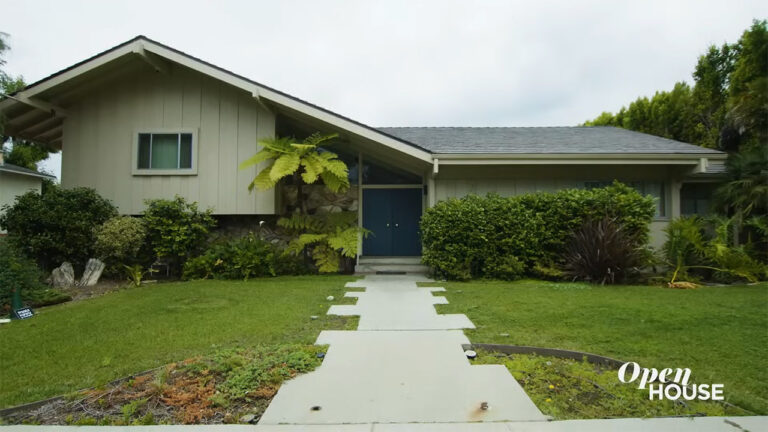
10. Yard Edge, Porch Steps, And First-Walk Safety
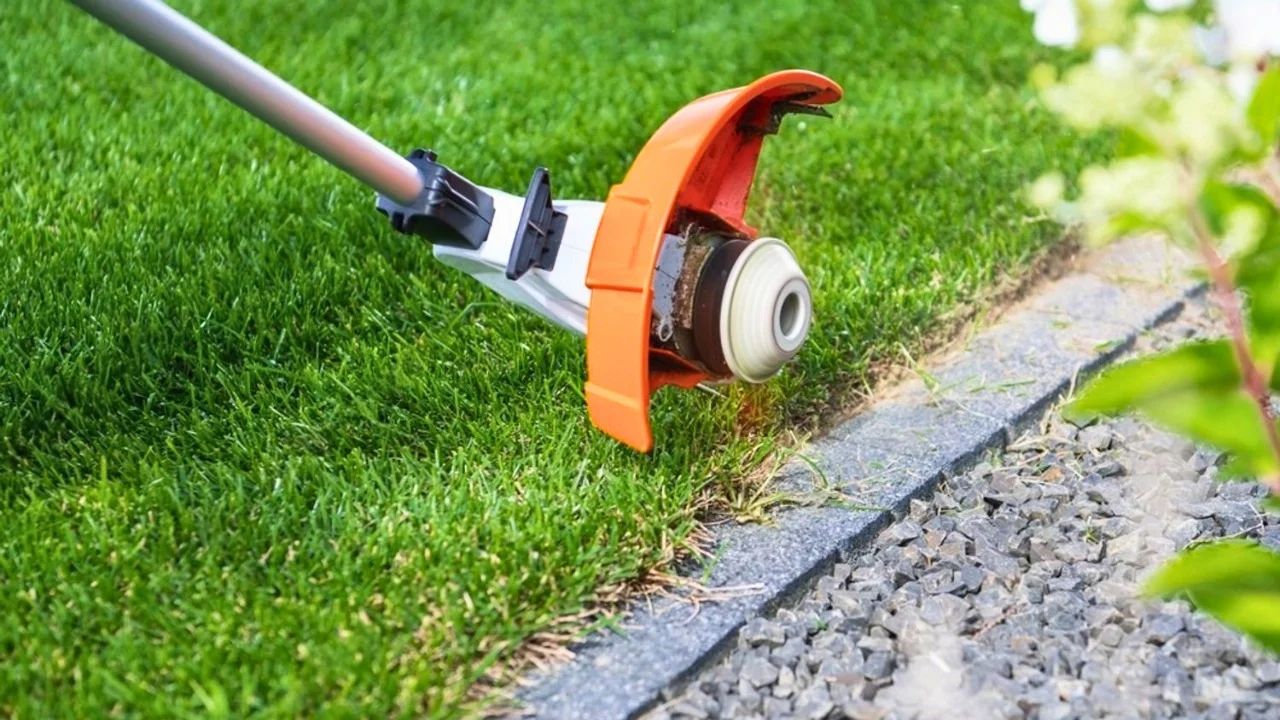
Before anyone touches a doorknob, they’re watching their footing. Wobbly porch rails, uneven pavers, slippery algae on steps, or a jungle of weeds along the walkway makes the place feel uncared for and, worse, risky. Nobody relaxes when they’re thinking about tripping.
Cut crisp edges along the walk, trim back shrubs from the path, and sweep the porch and steps. Tighten loose railings, replace missing screws, and pressure wash slick concrete, but don’t blast water up under siding or into door thresholds. If steps are sinking or heaving a lot, get a mason or contractor to look, a quick patch can make the hazard worse.
Pick a time to do a “first minute” walk like you’ve never been there before, then fix what your hands and nose report. Small repairs feel small to you because you’ve lived with them, but to a buyer they’re clues. Clean, solid, and quiet beats fancy every time.
Like Fix It Homestead’s content? Be sure to follow us.