10 Home Upgrades That Never Pay Back What They Cost
Photo credit: Wirestock Creators/Shutterstock.com
You can pour a lot of money into a house and still not get much back when you sell, or even when you live there day to day. Some upgrades wear out fast. Some are too personal. Some look good in photos but turn into upkeep you didn’t plan on.
1. Luxury Kitchen That Outruns The Neighborhood
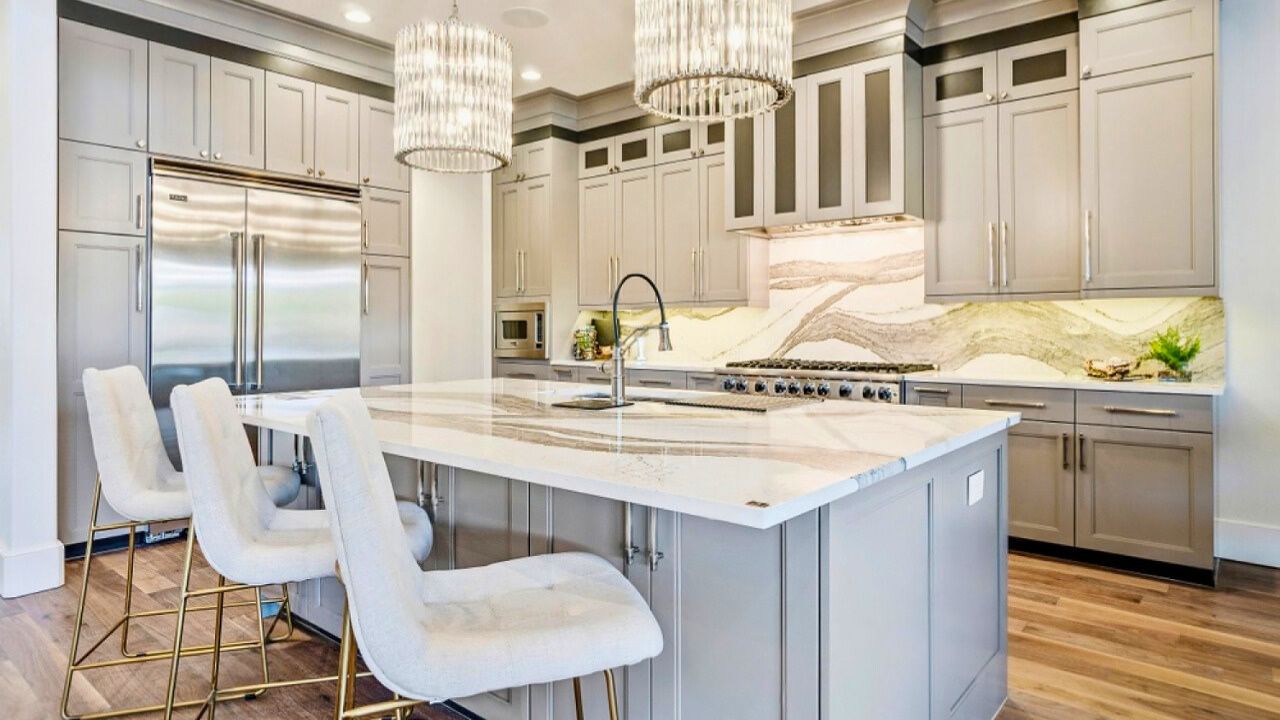
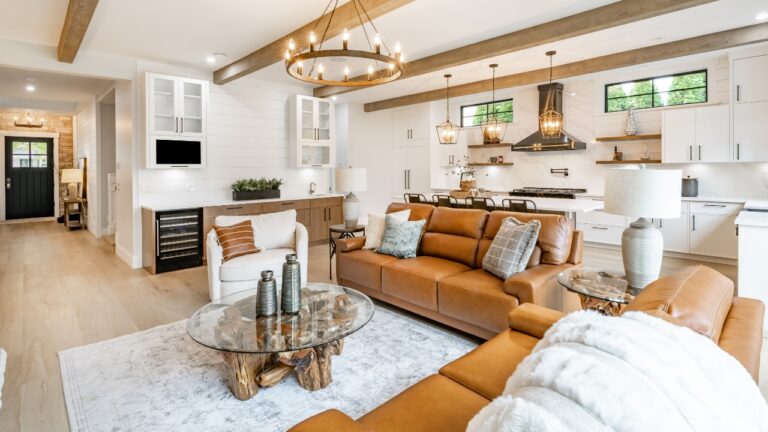
A full custom kitchen feels great until you realize buyers shop the whole street, not just your tile choice. High-end cabinets, pro-style ranges, and fancy stone can push your price past what nearby homes can support, even if the work is perfect. You’ll also take a hit the first time you scratch that soft marble or chip a specialty edge.
Do a kitchen refresh that matches local comps instead. Fix layout problems, add more light, and spend on the parts you touch daily, like good drawer slides and a quiet hood. If you want one splurge, pick the one thing that actually makes cooking easier, not a whole room of upgrades you’ll never “get back.”
2. Converting A Garage Into Living Space
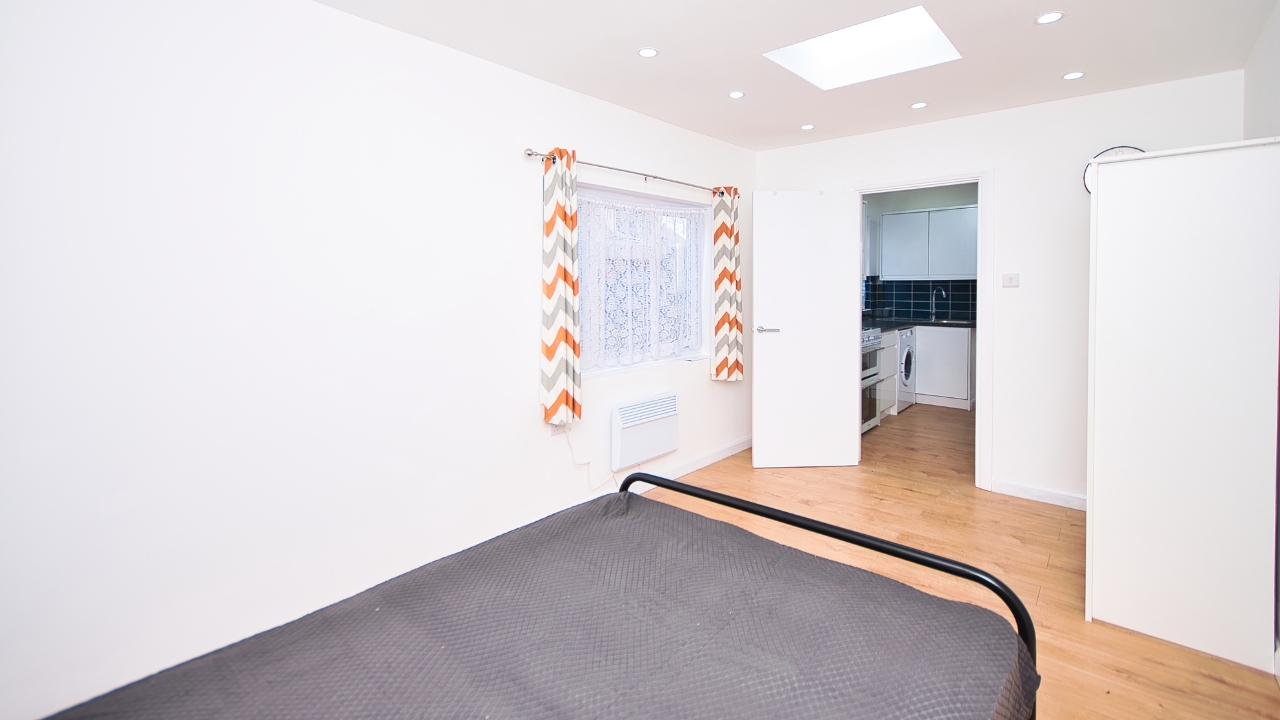
It’s tempting to grab that unused garage and turn it into a bedroom or den. The costs stack up fast, insulation, windows, proper heat, flooring, and usually a permit. Then you sell, and the first thing a lot of buyers notice is you took away the garage.
On a homestead or any place with tools, feed, and outdoor gear, covered storage is worth real money. If you need more space, look at a modest addition, finishing a basement the right way, or building a shed that keeps the garage doing its job.
3. Swimming Pool You Rarely Use

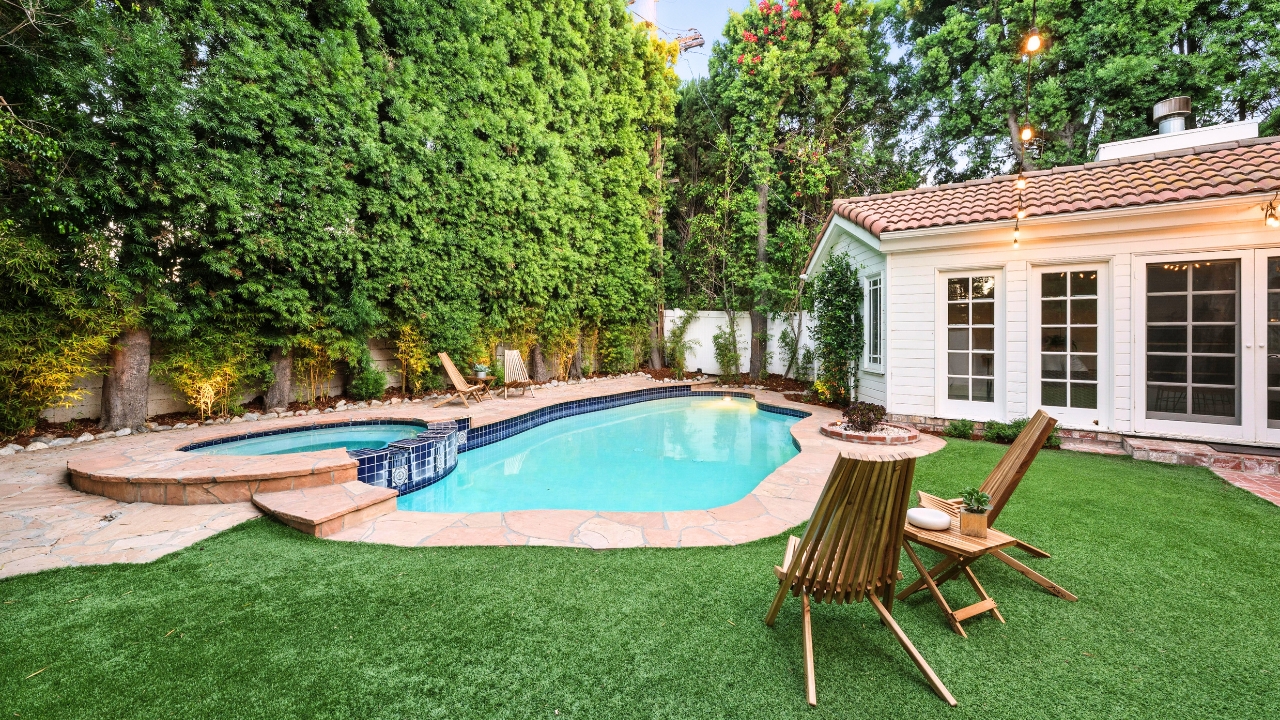
A pool isn’t just a hole with water. It’s fencing rules, pumps, filters, chemical storage, and a steady stream of parts that crack in the sun. You’ll pay again when it’s time to resurface or replace a liner, and those costs don’t care what you paid for the pool in the first place.
In some hot markets a pool helps, but it still doesn’t act like cash in the bank. If you mostly want summer fun, a good shade setup, a stock tank plunge, or an above-ground pool you can remove later keeps you from being married to it.
4. Hot Tub On A Deck Without A Plan
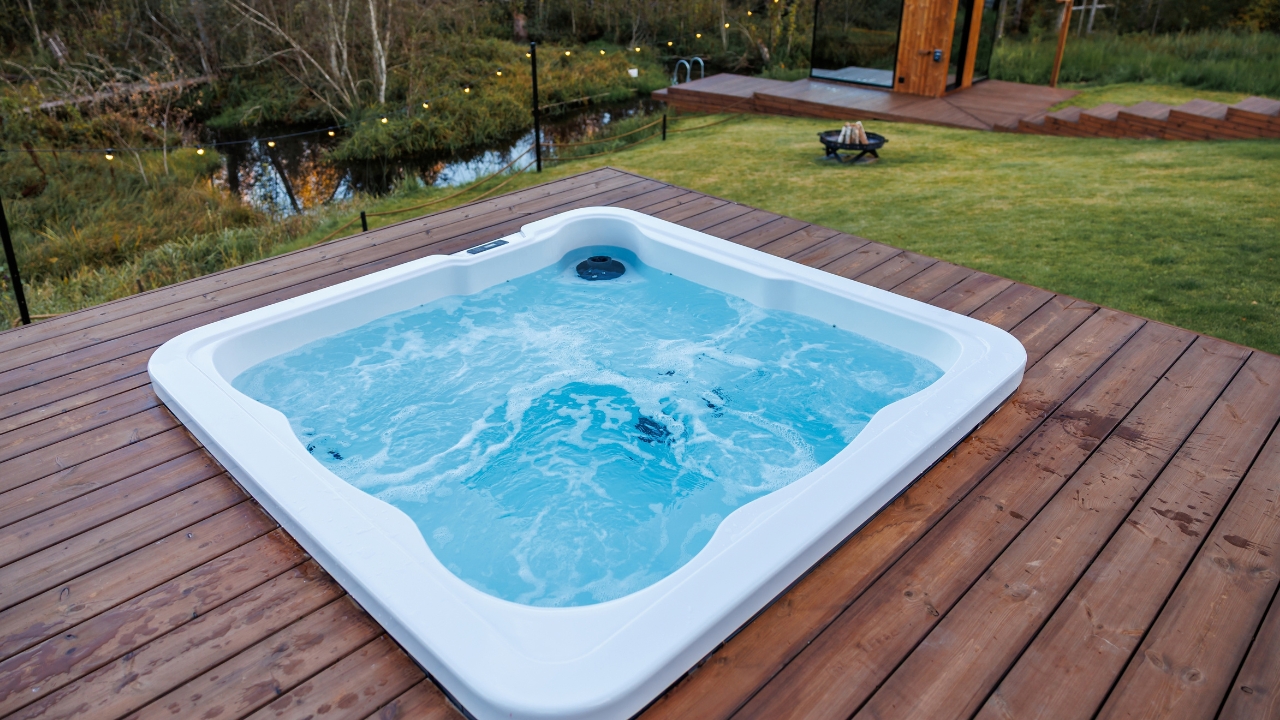
People buy a hot tub, then figure out where it goes. That’s backwards. A full tub is heavy, and a lot of decks were built for cookouts, not thousands of pounds parked in one spot all winter.
If you really want one, plan the base first. A concrete pad or a properly engineered deck with the right footings is the boring part that saves you from sagging beams, popped fasteners, and a warranty fight. Also plan the electrical, this is a job for a licensed electrician in most places.
5. Fancy Landscaping That Demands Daily Water
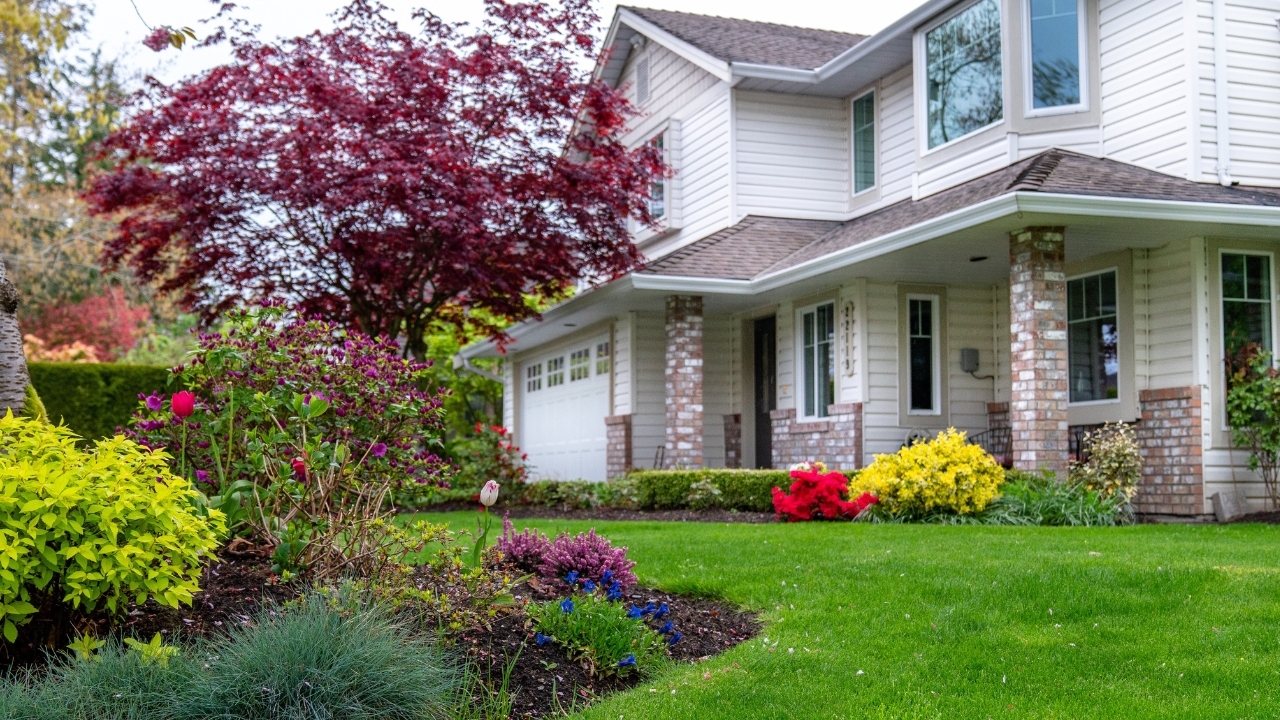
That lush, magazine lawn look costs you twice, once to install and again every week you keep it alive. Irrigation heads break, lines get cut by aerators, and a dry spell turns expensive plantings into crispy sticks. Then you spend your weekends chasing leaks and moving sprinklers instead of doing anything else.
Go for plants that want to live where you are. Native shrubs, hardy perennials, and a smaller “nice” lawn area near the house will look better with less effort. If you do put in irrigation, keep it simple, and add shutoffs and drain points so you’re not replacing sections after every hard freeze.
6. Smart Home Systems That Age Out Fast

A keypad on every wall and app control for everything sounds slick until the software updates stop. Some systems need a subscription to keep basic features. Others get flaky when your router changes, and suddenly you’re troubleshooting lights when you meant to make dinner.
If you want smart features, stick to the simple wins: a few solid motion lights, a programmable thermostat that works without the cloud, and smoke and CO alarms that meet code. Keep manual switches, too. Buyers like “works” more than “smart.”
7. Built In Entertainment Wall And Speakers

Big built-ins lock you into one layout, one TV size, and one style. The day you want to move furniture, you can’t. The day you sell, a buyer sees a giant wall that won’t fit their stuff.
Go modular. A nice media console, surface-run wire raceway, and a couple of well-placed outlets behind the TV do the job without turning your living room into permanent cabinetry. If you already have built-ins, paint and lighting can update them without ripping everything out.
8. High End Windows Installed For Payback
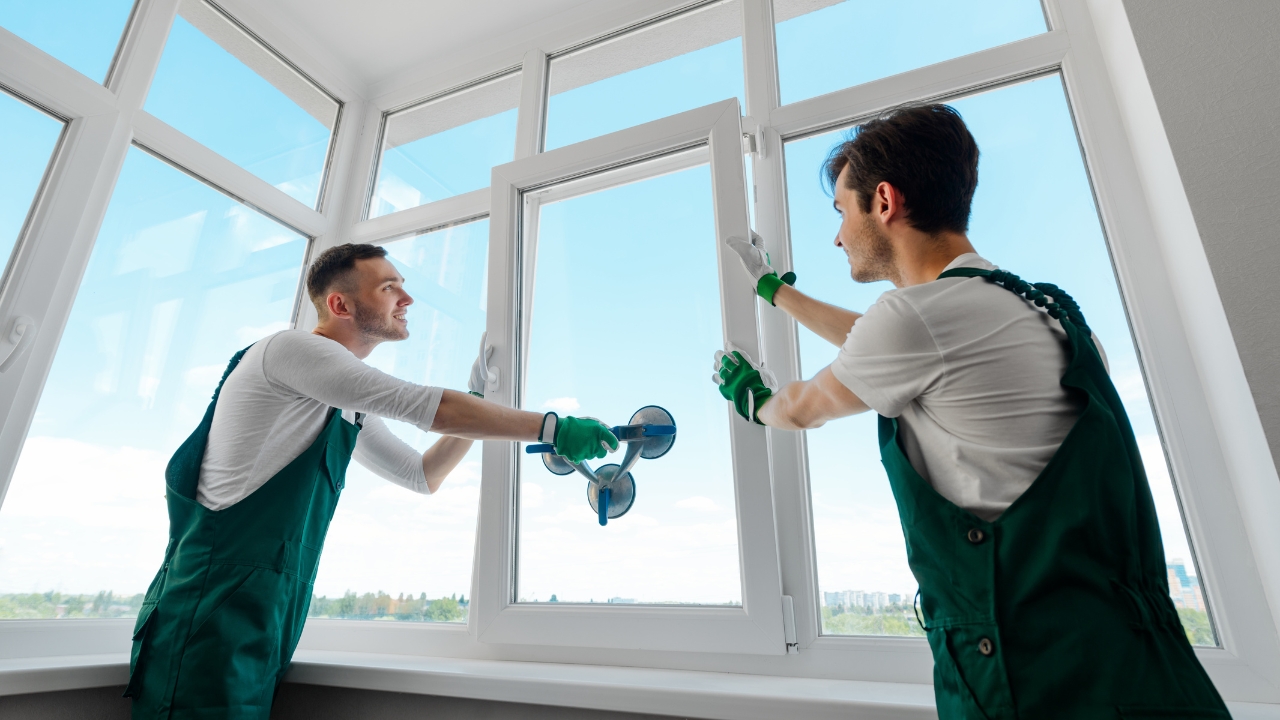
New windows can be a comfort upgrade, but they’re often sold like they’ll “pay for themselves.” That math usually falls apart once you factor the install cost and the fact that most homes leak air in a dozen other places first. You can drop a lot of money and still feel drafts because the attic hatch, rim joist, or old weatherstripping is doing the real leaking.
Here’s the honest exception: if your current windows are rotten, fogged, or won’t open, replacement makes sense even if the payback isn’t pretty. Otherwise, spend on air sealing and insulation before you buy premium glass packages. A blower-door test from an energy auditor can point you to the spots that actually move the needle.
9. Skylights That Turn Into Leak Chasing

Skylights look great right after install. Then a wind-driven rain shows you what bad flashing looks like, or a hard winter leaves a stain on the drywall. Even when they don’t leak, they can sweat and drip during cold snaps if the shaft isn’t insulated and air-sealed right.
If you want more daylight, consider solar tubes or adding a larger vertical window where it works. If you do install a skylight, spend money on proper flashing and roof integration, and don’t bargain-shop the installer. Roof work is where “close enough” turns into ceiling repairs.
10. DIY Additions And Remodels Without Permits
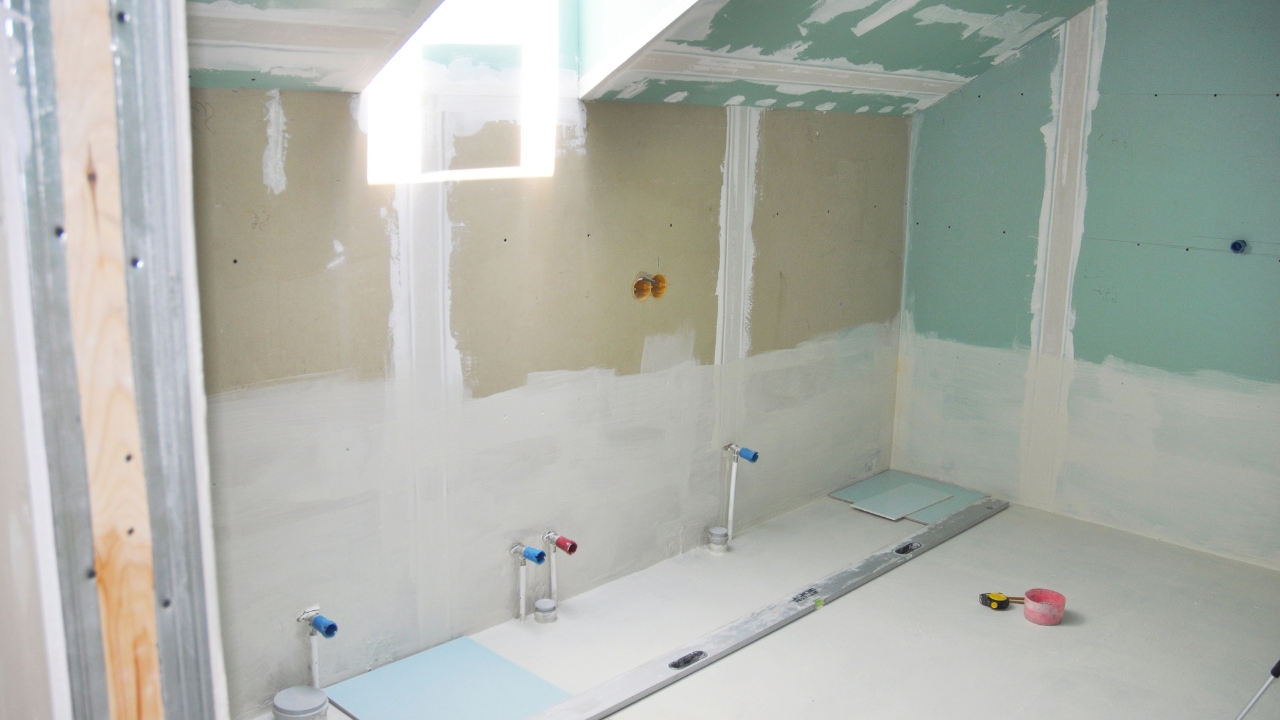
Unpermitted work can look fine until an inspector, an appraiser, or a buyer’s home inspector asks questions. Then you’re stuck opening walls, proving wiring and plumbing are right, or tearing parts out. It’s a lousy place to be, especially if you’re on a deadline to sell.
For structural changes, new circuits, gas work, septic, and anything that changes bedrooms or egress, pull permits and hire a licensed pro where required. Call 811 before you dig, and check local codes even for sheds and decks. The upgrade that “saved money” can become the one that costs you the sale.
If you want upgrades that feel good and still hold value, aim for boring improvements that stop damage: drainage, roof maintenance, air sealing, safe wiring, and solid exterior paint. The flashy stuff is fun, but the house rewards the work that keeps water out and systems running.
Like Fix It Homestead’s content? Be sure to follow us.