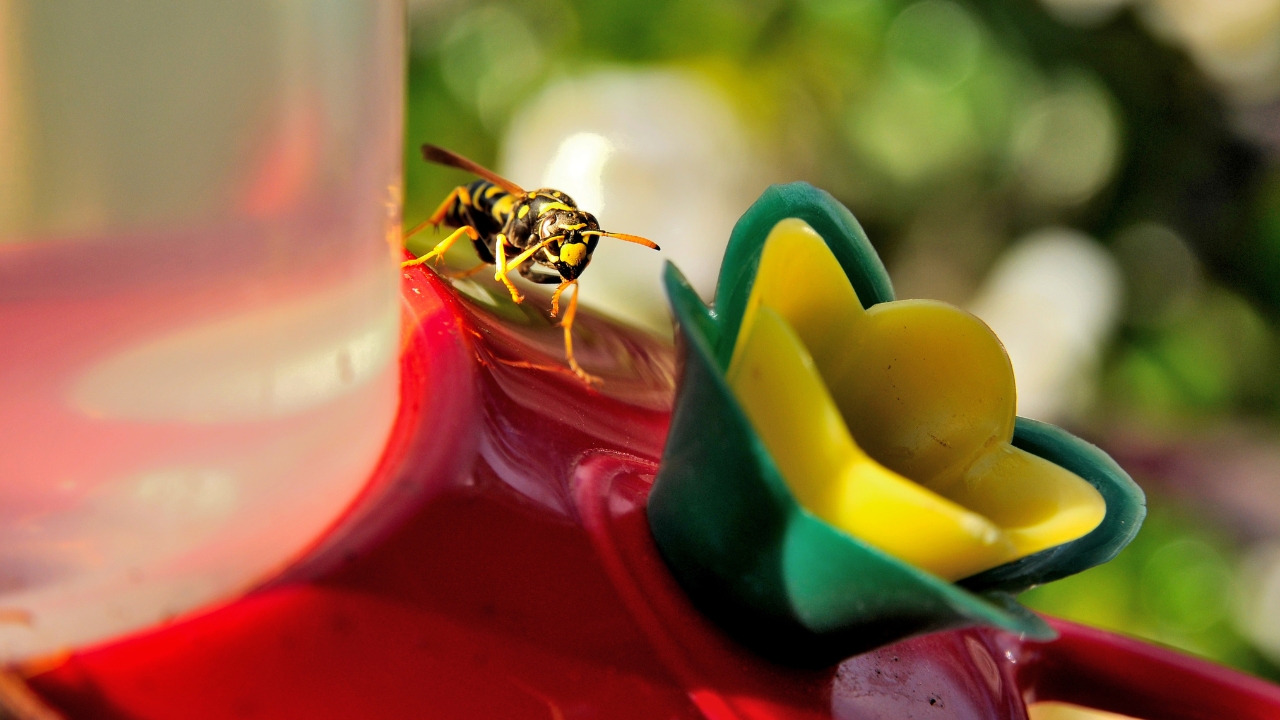
10 Yard Mistakes That Turn Your Property Into a Wasp Hotel
Photo credit: Jason Brubacher/Shutterstock.com
Wasps don’t need much of an invitation to set up shop in your yard—just the right mix of shelter, food, and water. And unfortunately, a lot of everyday yard habits make things way too comfortable for them.
These stinging pests don’t just hang around flowers—they’ll build nests in the eaves, swarm your outdoor meals, and even move into your lawn if the conditions are right. If you feel like your yard’s always buzzing with wasps, these are the things you’ll want to check first.
Leaving Out Sugary Drinks or Food
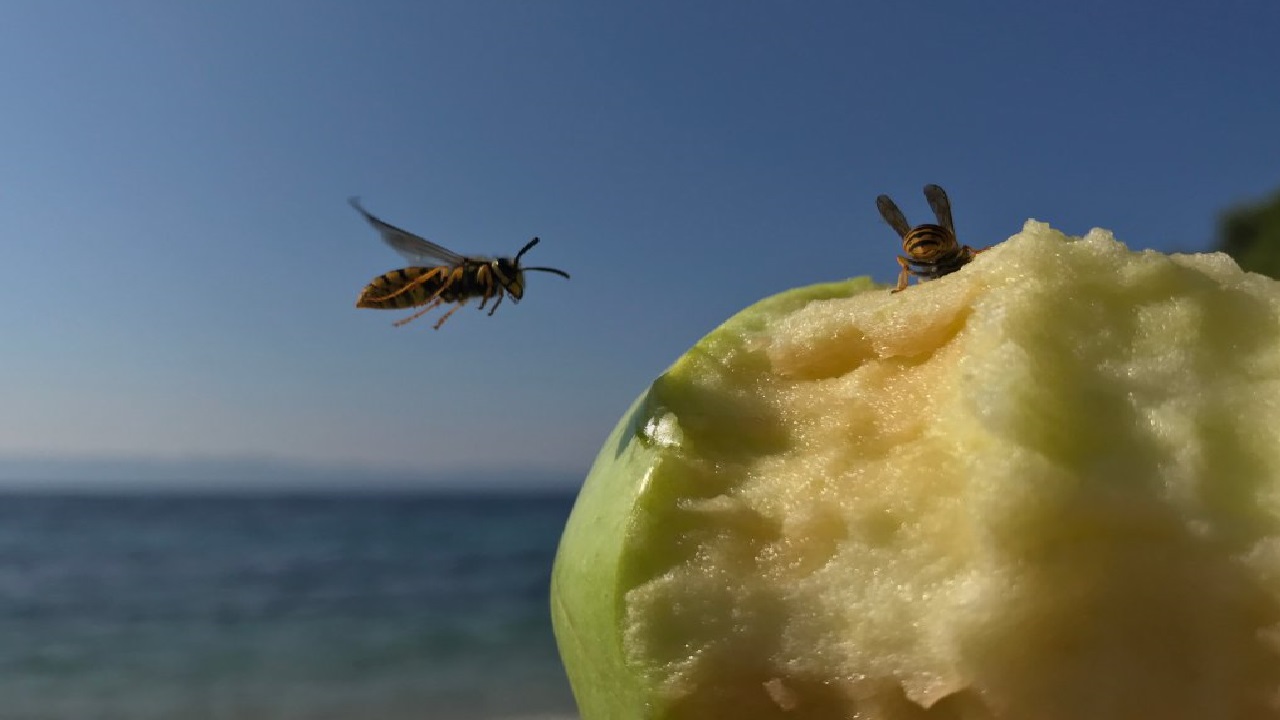
Wasps are drawn to anything sweet. If you’re leaving soda cans, juice boxes, fruit scraps, or even sticky plates on the patio, you’re inviting wasps in for a free buffet.
Even small spills or food trash tossed into an open bin can bring them in. Wipe down surfaces after meals and make sure your trash cans seal tight. The cleaner your outdoor space, the fewer reasons they have to hang around.
Skipping Nest Checks Under Eaves and Furniture

Wasps love quiet, undisturbed areas—especially corners, overhangs, and the undersides of things like porch furniture or playsets. It doesn’t take long for a small paper nest to turn into a bigger issue.
If you’re not checking regularly, you might not notice one until it’s full of angry tenants. Do a weekly sweep of all the shady, tucked-away spots where nests could form. Knock them down early before the colony gets established.
Ignoring Gaps in Siding or Fence Posts
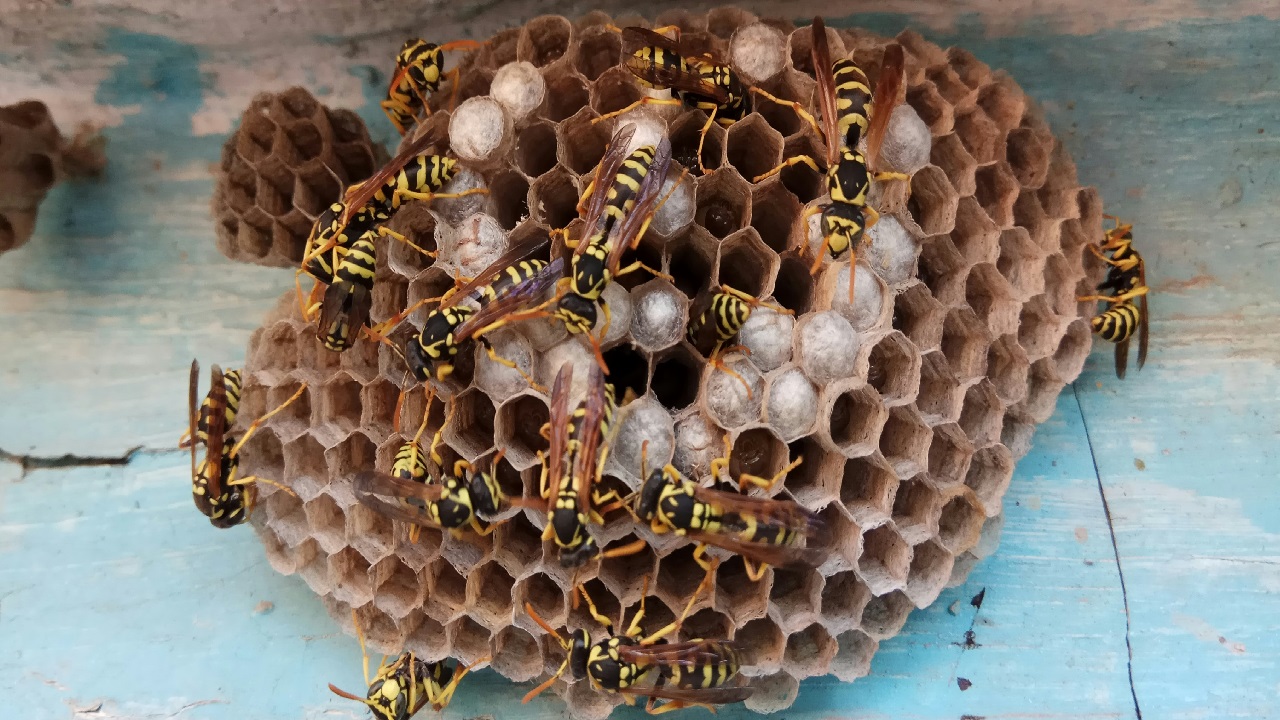
Tiny gaps in your siding, fence rails, or brickwork can give wasps a perfect nesting spot. They’ll crawl into tight crevices and build nests where you can’t easily reach them.
Caulk or seal up those gaps before they find them. Once they’re inside, getting rid of them is a lot harder—and usually more expensive.
Letting Fruit Trees Drop Ripe Fruit
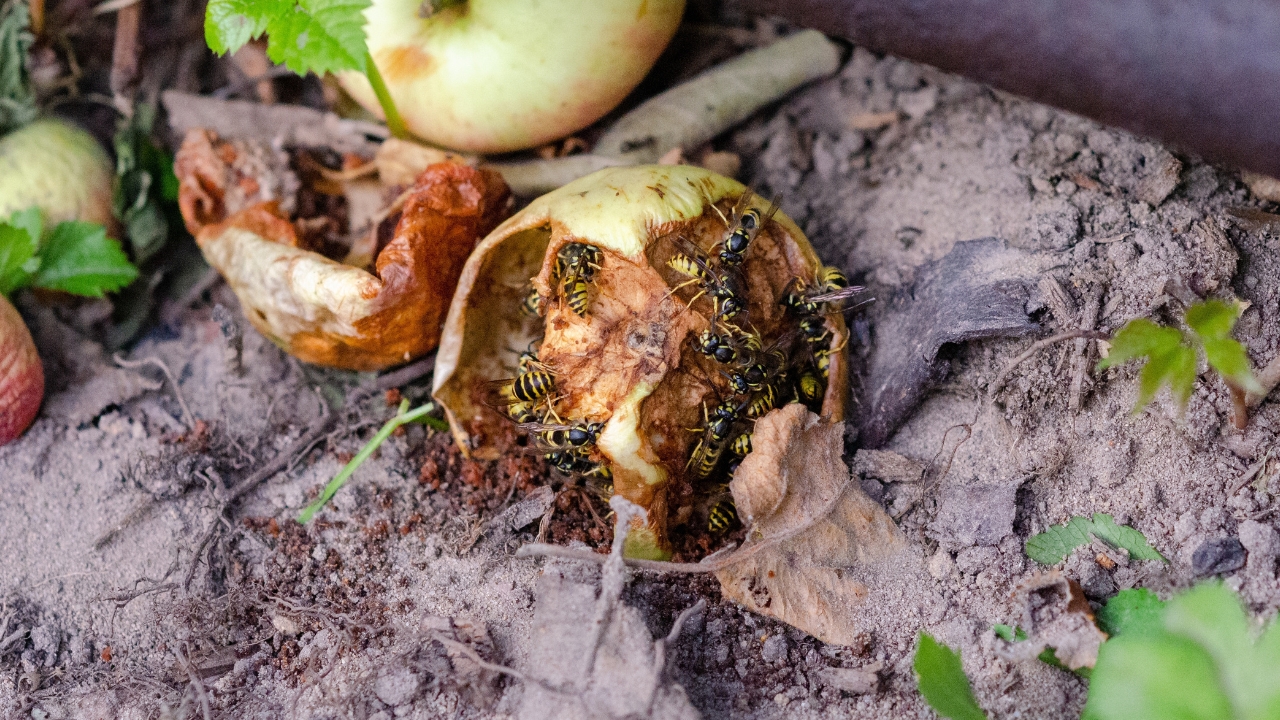
If you have fruit trees, you’ve got to stay on top of fallen fruit. Overripe or rotting fruit attracts wasps fast—and they don’t mind fighting other insects for it.
Pick up dropped fruit daily if you can, especially during the warmer months. Wasps will stick around as long as the food supply’s easy and steady.
Overwatering or Leaving Standing Water
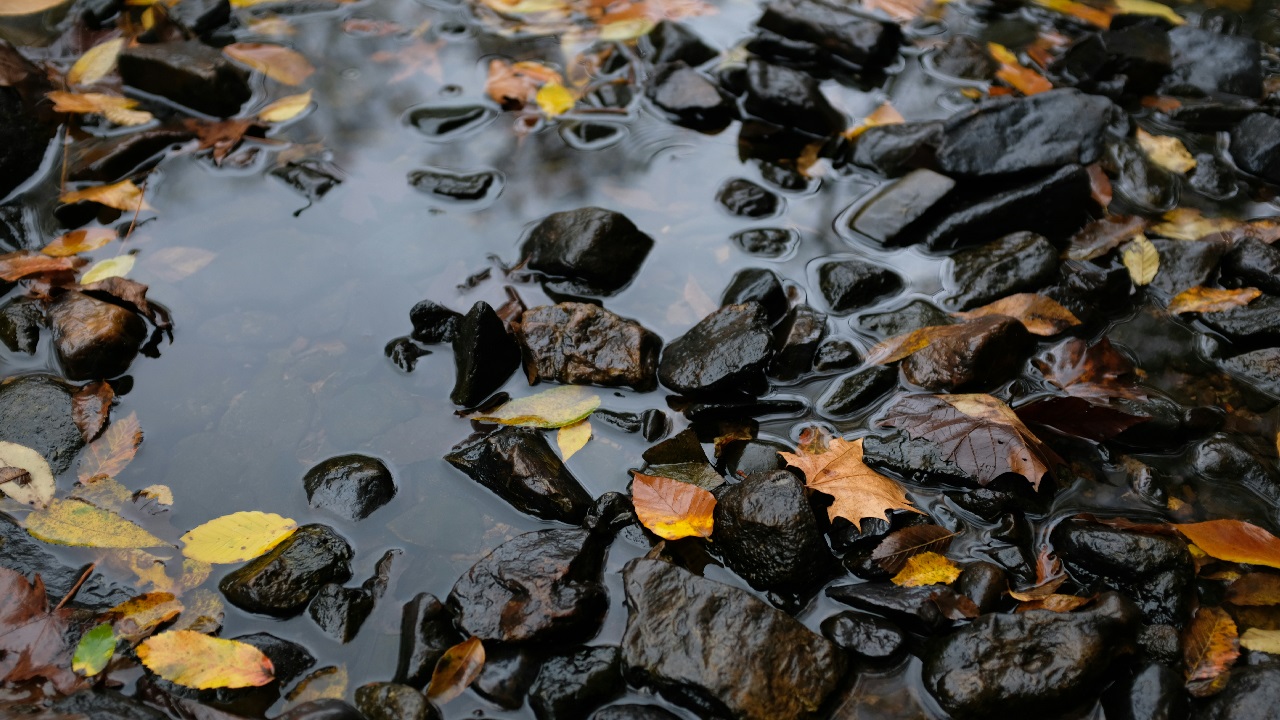
Wasps need water, too. Birdbaths, flower pot trays, and clogged gutters give them all they need to survive and thrive in your yard.
If you’re overwatering your lawn or ignoring puddles, you’re helping them out more than you think. Dump out standing water regularly and don’t let moist spots linger for days at a time.
Leaving Old Wood or Debris Piles Untouched
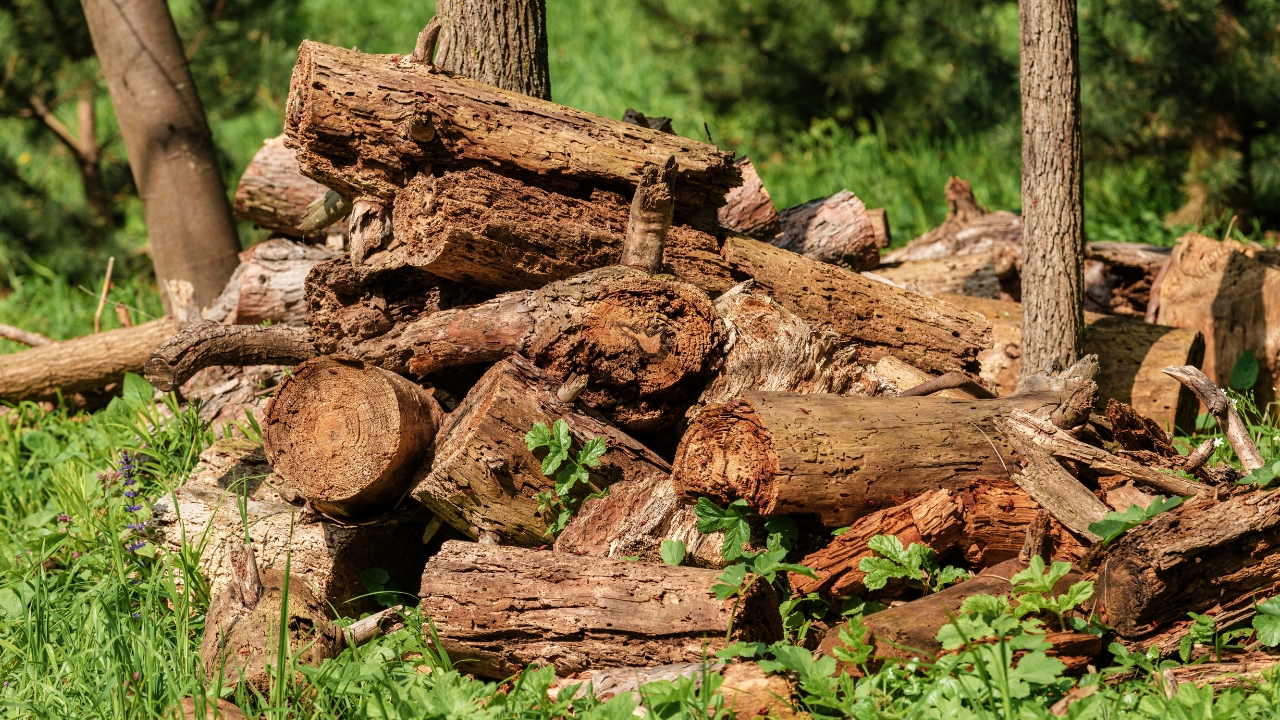
Piles of firewood, scrap lumber, or even that forgotten fence post can all become prime nesting areas. Paper wasps, especially, use old wood to build their nests.
Stack wood off the ground and cover it if possible. And get rid of random debris piles before they turn into long-term shelters for stinging insects.
Using Bright, Scented Outdoor Décor
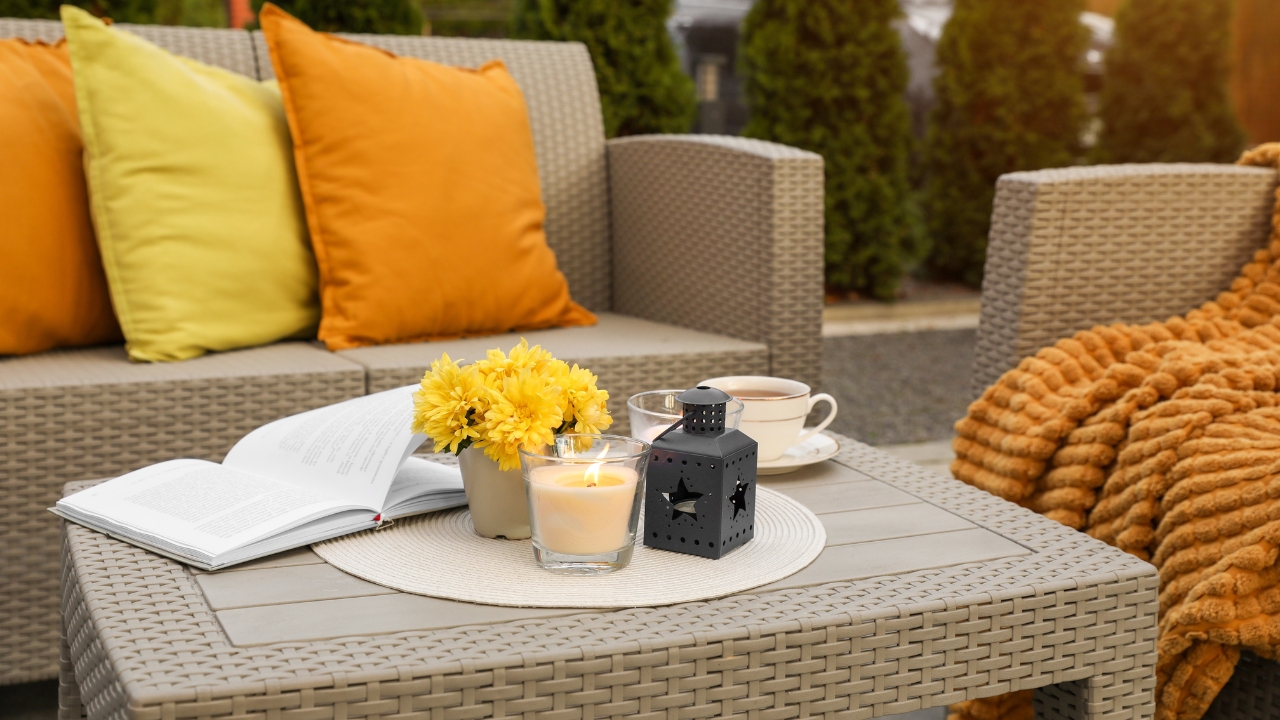
Bright colors and floral scents aren’t just attractive to humans. Wasps love them too. That flowery candle or neon cushion could be drawing them in like a magnet.
Stick to more neutral-colored outdoor gear and skip heavily scented candles, soaps, and sprays around your sitting areas. If something smells sugary or flowery, they’ll come check it out.
Letting Lawns Get Patchy or Overgrown
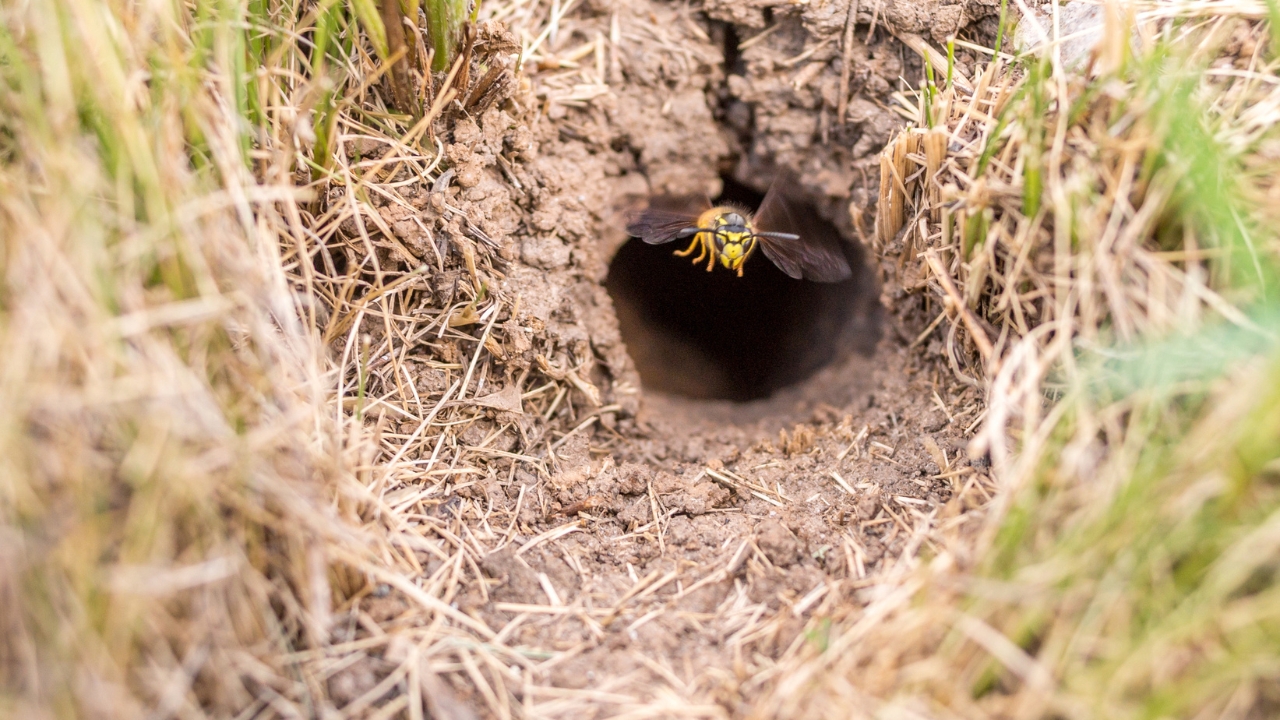
Cicada killers and ground-dwelling wasps don’t always build hanging nests—they’ll burrow into patchy or dry parts of your yard. If your grass is sparse or overgrown, you’re giving them a perfect place to dig in.
Keep your lawn healthy and trimmed, and don’t ignore thinning patches. Wasps are less likely to dig in if the grass is dense and well-kept.
Hanging Hummingbird Feeders Too Close to the House
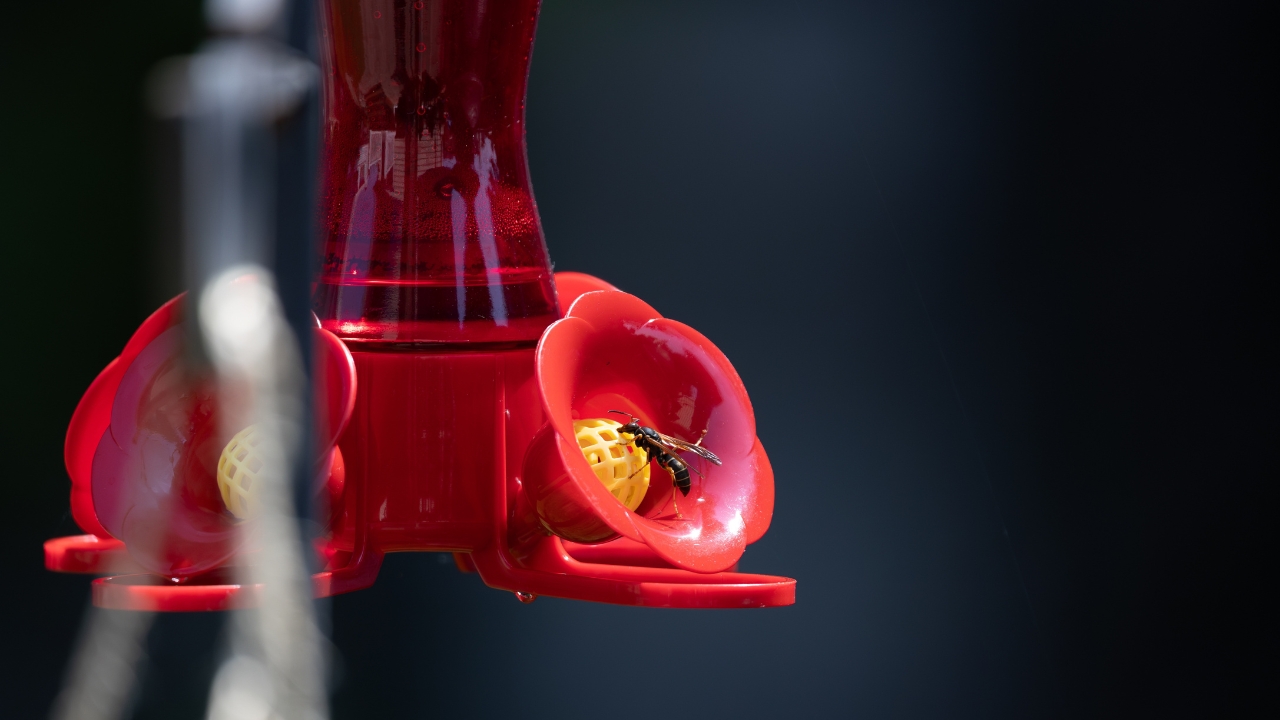
Hummingbird feeders are full of sugary nectar—and wasps know it. If your feeder is near the porch, you might end up with a steady stream of stingers joining your birdwatching setup.
Try moving your feeder farther out in the yard, away from where people sit or walk. You can also look for feeders that are less wasp-friendly, with bee guards or saucer-style designs.
Ignoring an Existing Wasp Problem
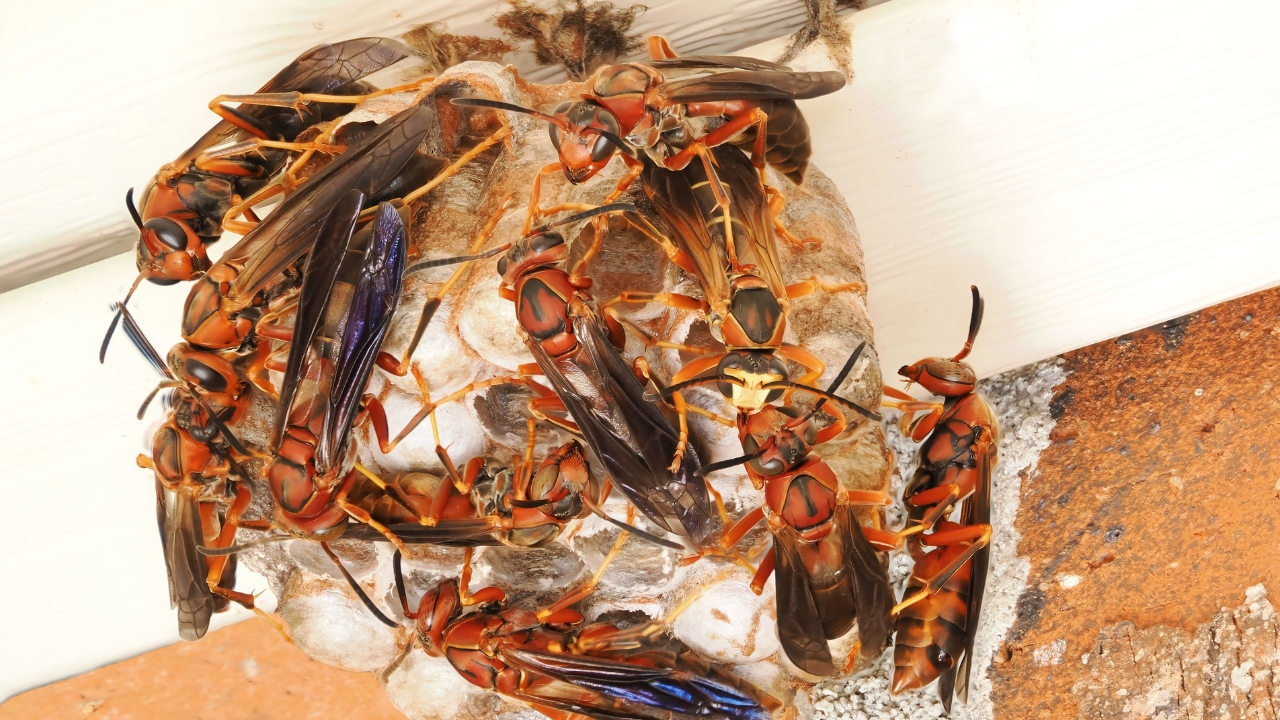
If you’ve spotted nests or noticed more wasps than usual, waiting it out isn’t going to make them leave. Once they’ve found a good spot, they’ll come back again and again.
Handle small nests early and carefully, or call a professional for larger ones. Leaving them alone sends the message that your yard is open for business—and they’ll keep moving in.
Like Fix It Homestead’s content? Be sure to follow us.