10 outdoor features that turn useless in bad weather
A nice backyard setup can make your property look polished—but that doesn’t mean it works year-round. Some outdoor upgrades look great until the first storm rolls in, then they become slippery, soggy, or flat-out unusable.
If you want an outdoor space that earns its keep, it needs to handle heat, rain, and wind, not just look good on a sunny day. These are the features that fall apart the second the weather stops cooperating.
Outdoor rugs that soak instead of drain
Outdoor rugs add warmth and texture, but many hold onto water instead of letting it drain. After one heavy rain, they become soggy, mildewed, and nearly impossible to dry without direct sunlight.
If you don’t want to roll up and replace them constantly, look for polypropylene rugs with open weaves and raised backing. Anything with a thick pad or cotton blend isn’t built for real weather—it’s built for a photo.
Pergolas without proper roofing
A pergola looks nice in fair weather, but once it rains, it’s useless. The slatted top doesn’t provide real shade or shelter, and unless you’ve added a solid roof or retractable cover, it won’t protect you from much more than light drizzle.
If you plan to use your patio year-round, go for a structure with a metal or polycarbonate roof. A good pergola should make bad weather bearable, not send you running back inside.
Metal furniture that rusts after one season
Most outdoor metal furniture looks sturdy, but if it’s not powder-coated or rust-resistant, it won’t survive long once the weather turns humid. Rain and morning dew start eating through paint, leaving stains on your deck or patio.
Aluminum or stainless steel handles moisture much better. If you already have metal sets, keep a can of rust-resistant spray paint handy and cover them before storms.
String lights that aren’t rated for the elements

Outdoor string lights make backyards look cozy, but most people hang the wrong kind. Indoor or “weather-tolerant” lights can short out fast when hit by moisture, leaving you with broken bulbs or tripped circuits.
Look for UL-rated outdoor lights with waterproof seals at every connection. Anything that can’t handle direct rain or snow isn’t outdoor lighting—it’s seasonal decor.
Fire pits with poor drainage
Wood-burning fire pits look great until they fill with rainwater and turn into mosquito ponds. Even gas pits struggle if the burners get clogged with debris after storms.
Drill small drainage holes at the bottom or cover your pit when it’s not in use. If it’s a permanent feature, add gravel or pavers underneath so it doesn’t sit in standing water.
Wooden decks without weatherproofing
A deck can make your yard look finished, but untreated or poorly sealed wood won’t hold up once the weather shifts. Rain seeps into cracks, boards warp, and eventually the surface starts to rot from underneath.
Annual sealing or staining makes all the difference. It might feel like maintenance, but it’s what keeps a deck from turning into a slippery mess every time it rains.
Cushioned furniture that can’t dry out
Outdoor cushions seem weatherproof until they get hit by real rain. Foam interiors soak up water and stay damp for days, leading to mildew and that musty smell you can’t get rid of.
Look for quick-dry foam and removable covers, or bring them in before storms. If you’re tired of babysitting your seating, swap to sling-style chairs or mesh materials that dry in hours, not days.
Patio umbrellas that can’t handle wind
Lightweight patio umbrellas are fine for shade—until a gust of wind hits. Once they tip, bend, or break, they’re more of a hazard than a help.
A weighted base, wind vents, and aluminum ribs go a long way toward keeping them upright. If you live somewhere with strong storms, retractable awnings or shade sails are safer long-term options.
Gravel walkways that wash out
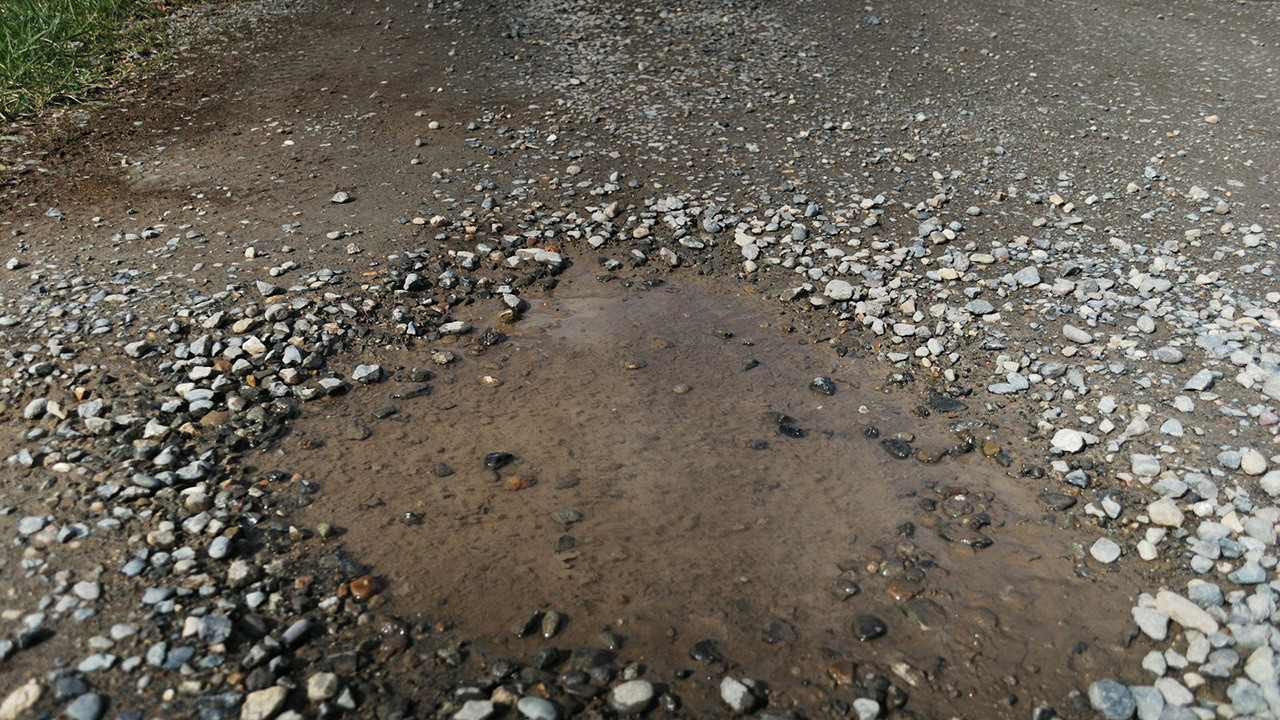
Gravel looks low-maintenance until the first downpour sends it scattering. Without proper edging or compacted layers beneath, the surface erodes fast and becomes uneven or muddy.
Lining your paths with pavers or using crushed stone that locks together keeps them in place through heavy rain. Otherwise, you’ll spend every spring refilling the same spots.
Outdoor kitchens with no cover
An outdoor kitchen is a big investment, but without a roof or enclosure, it turns useless in bad weather. Rain ruins appliances, wind blows debris into food prep areas, and sun exposure fades everything faster than you think.
Even a small pavilion or overhang can extend its life and make it usable through more than one season. If you’re going to spend money on an outdoor kitchen, protect it like you plan to actually use it.
Like Fix It Homestead’s content? Be sure to follow us.
- Man Says He Found Out the Fence He Paid For Wasn’t Actually on His Property
- Woman Says Her Neighbor Started Taking Mulch From Her Delivery Pile Before She Could Even Spread It
- I made Joanna Gaines’s Friendsgiving casserole and here is what I would keep
- What Caliber Works Best for Groundhogs, Armadillos, and Other Digging Pests?
*This article was developed with AI-powered tools and has been carefully reviewed by our editors.