10 Plants That Will Overtake Your Yard If You Let Them
When you’re trying to keep your yard tidy and manageable, a few aggressive plants can throw everything off. Some of them look innocent enough in the beginning, but once they take hold, they can spread fast and choke out everything else in their path.
If you’ve ever fought to reclaim a flower bed from something that “looked pretty at first,” you know what I mean. These are the plants you’ll want to keep an eye on—or avoid altogether—if you don’t want your yard turning into a full-time job.
Mint

Mint smells great and is easy to grow, but that’s part of the problem. Once it’s in the ground, it spreads like wildfire. It shoots out underground runners and pops up wherever it wants. If you’re not careful, it’ll take over your flower beds and lawn before you know it.
You’re better off keeping mint in containers, even if you’re planting it outside. Don’t trust edging or borders to stop it—this stuff will find a way. It’s a great herb, but a bad neighbor.
Bamboo

Bamboo seems like a cool idea until it starts taking over your yard, the neighbor’s yard, and maybe the street. Running bamboo sends out underground rhizomes that can travel feet away from the original plant, popping up wherever they feel like it.
Once it’s in, it’s a nightmare to get rid of. You’ll be digging up roots for years. If you want bamboo for privacy, look into clumping varieties and plant them in deep barriers—or better yet, skip it entirely.
English Ivy

English ivy might look classy climbing up a wall or tree, but it doesn’t know when to stop. It’ll smother trees, pull siding off your house, and spread across your lawn like it owns the place.
It’s incredibly hard to control once established. The vines root wherever they touch soil, and it takes constant pulling to keep it in check. If you want ground cover, there are safer options out there.
Wisteria
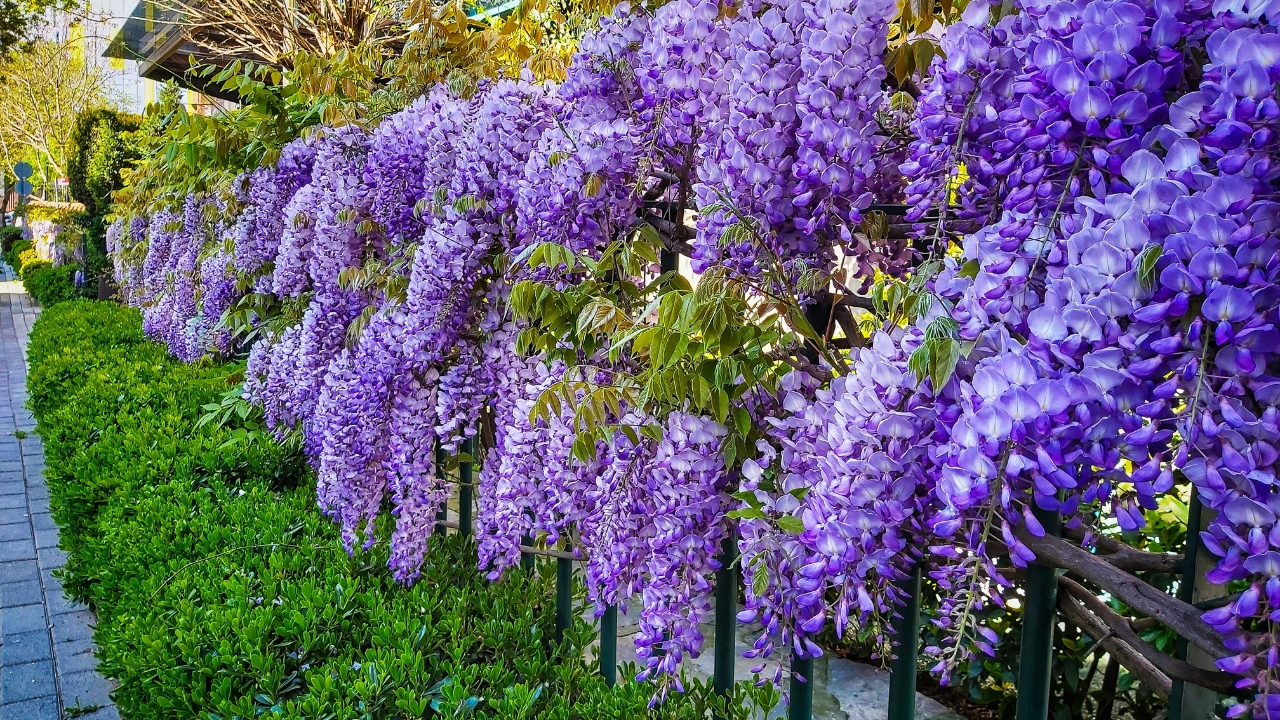
Wisteria puts out beautiful blooms, but don’t let that fool you. It grows fast, wraps around anything in its way, and sends out runners that root deep and wide. Left alone, it can crush fences, tear down trellises, and choke out nearby trees.
It takes a heavy hand to control it—pruning several times a year and keeping an eye on every shoot. If you’re not committed to managing it, you’re better off choosing something less aggressive.
Creeping Charlie

Also called ground ivy, creeping Charlie spreads through lawns and garden beds like a green carpet you didn’t ask for. It roots at every node and can thrive in shade, sun, wet, or dry.
Once it’s established, pulling it out isn’t enough—it comes right back. You’ll need to hit it with targeted treatments or risk it creeping into every part of your yard. It’s persistent and thrives in neglected corners.
Trumpet Vine

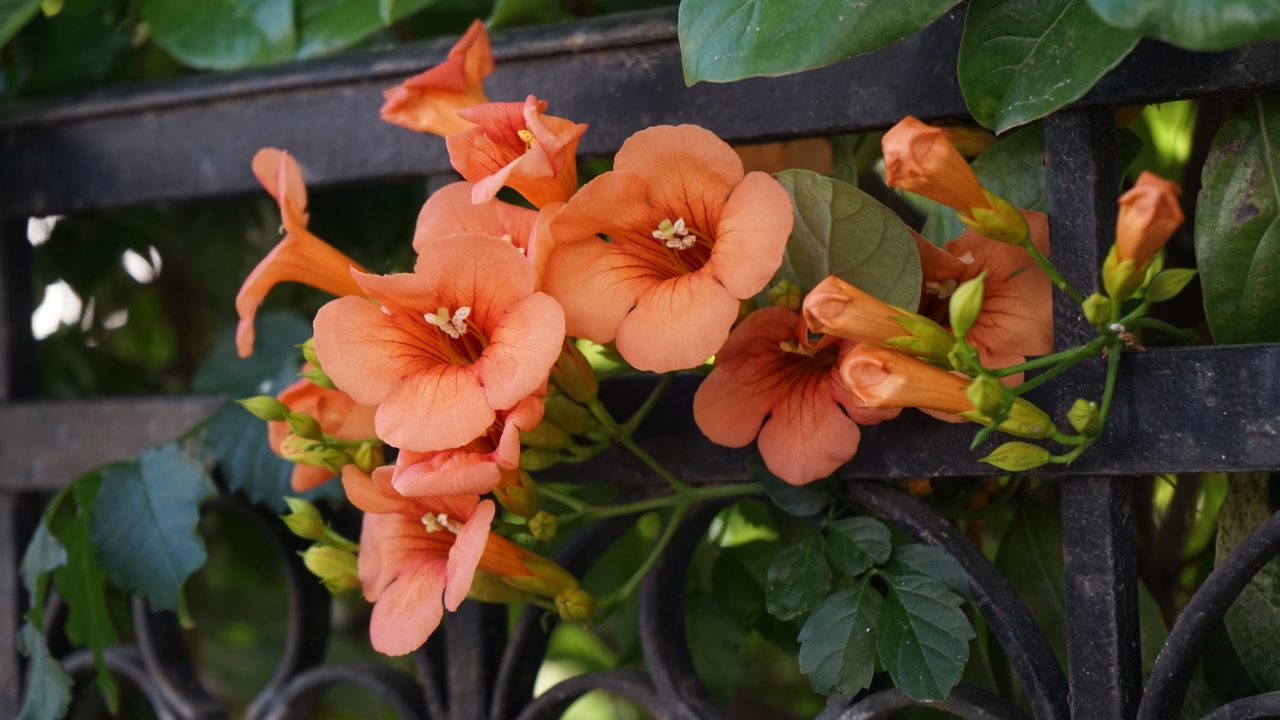
Trumpet vine brings in the hummingbirds, but it brings a lot of problems too. It climbs, spreads underground, and sends up new shoots far from the original planting spot. If you’re not careful, it’ll start popping up all over the yard.
It’s nearly impossible to get rid of once the root system is established. The vines are woody and tough, and the plant doesn’t respond well to being chopped back. Most folks regret planting it after a couple of years.
Morning Glory

Morning glories grow fast and look innocent, but they’ll wrap around everything in sight. They reseed like crazy, and once they’re in your soil, you’ll be pulling them for years.
Even if you pull the vines, any missed seeds will start the cycle all over again. It doesn’t take long for them to get tangled in shrubs, fences, and anything else nearby. They’re better in a pot or a hanging basket where they can’t escape.
Purple Loosestrife
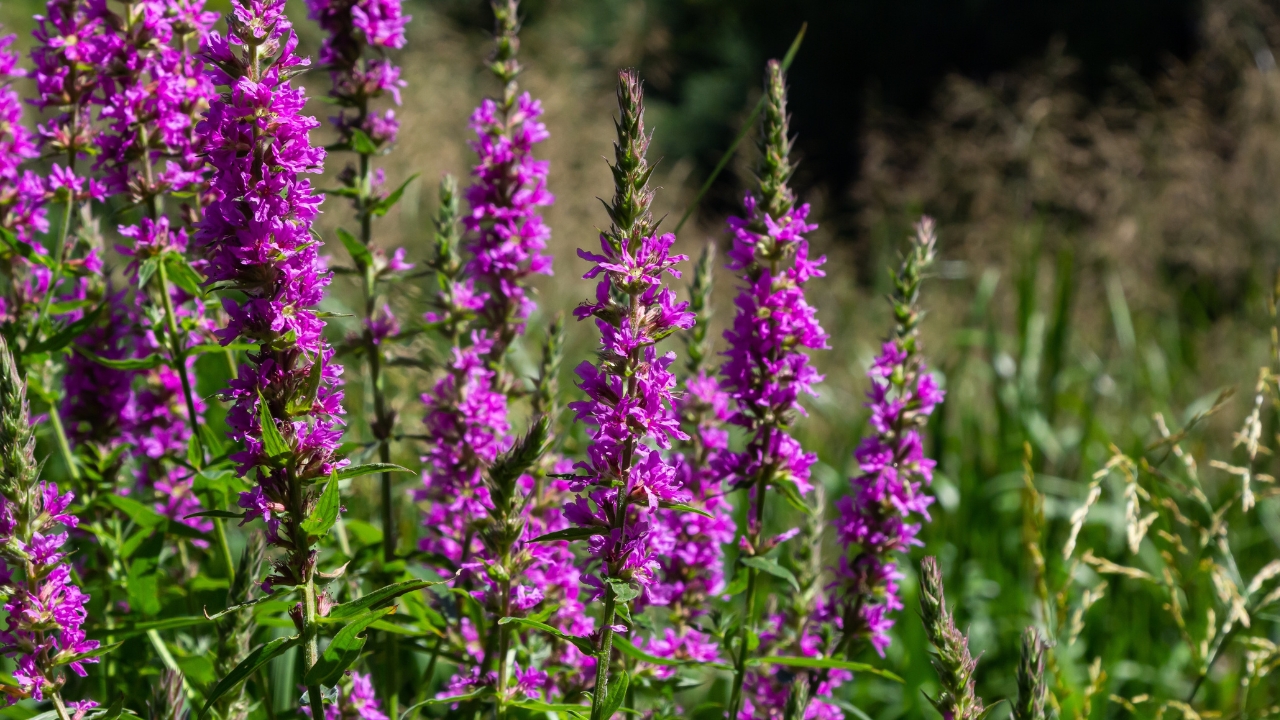
This one’s a problem in a lot of states. Purple loosestrife looks nice but spreads aggressively in wetlands, ditches, and anywhere damp. It’s even considered invasive in many areas because it pushes out native plants and messes with wildlife habitats.
Once it gets going, it forms dense stands that are hard to control. If you see it for sale, skip it. There are plenty of pollinator-friendly plants that won’t take over entire ecosystems.
Chinese Privet

Chinese privet has been used in landscaping for years, but it doesn’t stay where you put it. It spreads by seed and root suckers, growing into thick thickets that are hard to clear.
It’s invasive in a lot of southern states and crowds out native plants in forests, pastures, and even residential areas. Birds eat the berries and spread the seeds far and wide, which makes it hard to contain.
Periwinkle (Vinca)
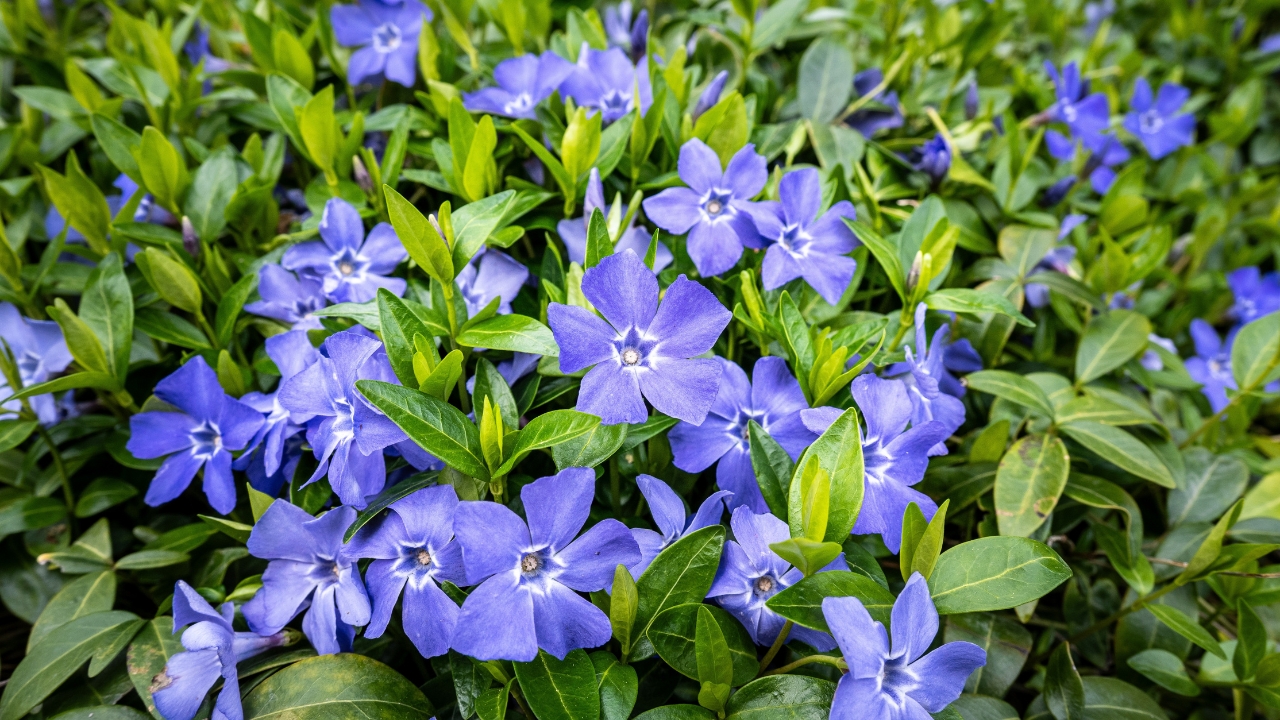
Periwinkle is another ground cover that seems harmless—until it isn’t. It roots as it spreads, forming dense mats that can outcompete just about anything else. Shade, sun, doesn’t matter. It’ll keep going.
It’s tough to pull and bounces back fast if you leave any behind. Even digging it out can be a long process. If you want something to fill in space, look for native ground covers that are a little easier to manage.
*This article was developed with AI-powered tools and has been carefully reviewed by our editors.