10 plumbing mistakes that can cost thousands
Photo credit: Maridav/Shutterstock
Plumbing problems often start small but snowball into expensive repairs if ignored. A dripping faucet or slow drain may not seem urgent, but the damage builds quietly behind walls and under floors.
Knowing which mistakes to avoid can save you from unexpected bills and major headaches later. These are the plumbing missteps that hit hardest on the wallet.
Ignoring Small Leaks
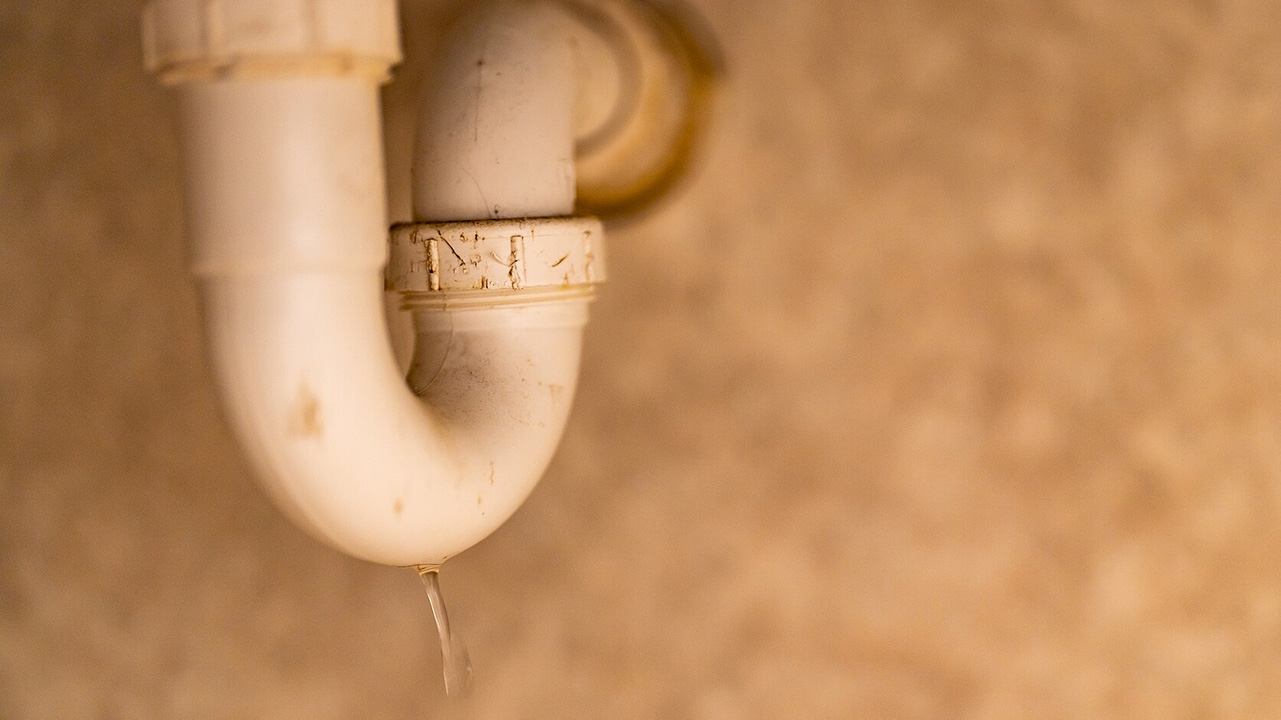
That steady drip under a sink might feel harmless, but over time it warps cabinets, breeds mold, and inflates your water bill. Even a slow leak can waste hundreds of gallons each year.
Leaks also hide damage you don’t see right away. Letting one linger often leads to replacing drywall, flooring, or entire sections of cabinetry down the road.
Overusing Drain Cleaners
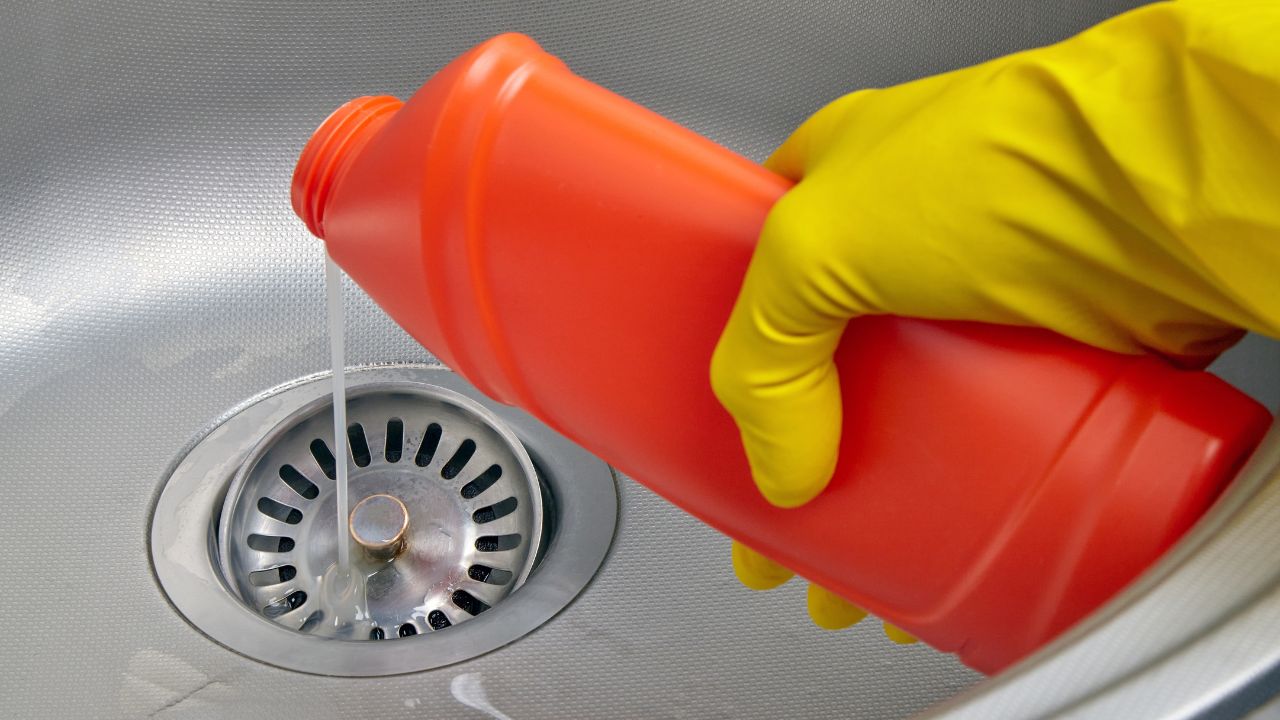
Pouring chemical drain cleaners down clogs may work temporarily, but they eat away at pipes. Plastic pipes in particular degrade quickly under harsh chemicals.
Instead, clearing clogs with a snake or plunger is safer and cheaper long-term. Relying on drain cleaners sets you up for costly pipe replacements later.
Flushing the Wrong Things
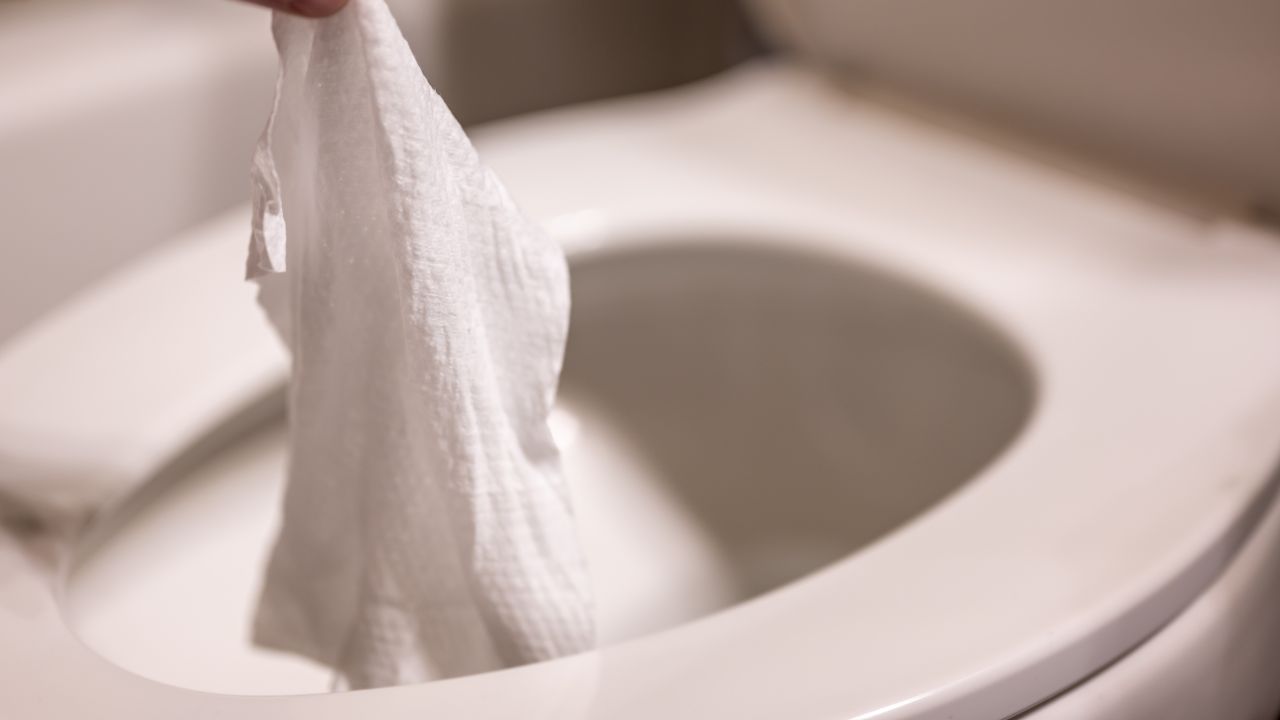
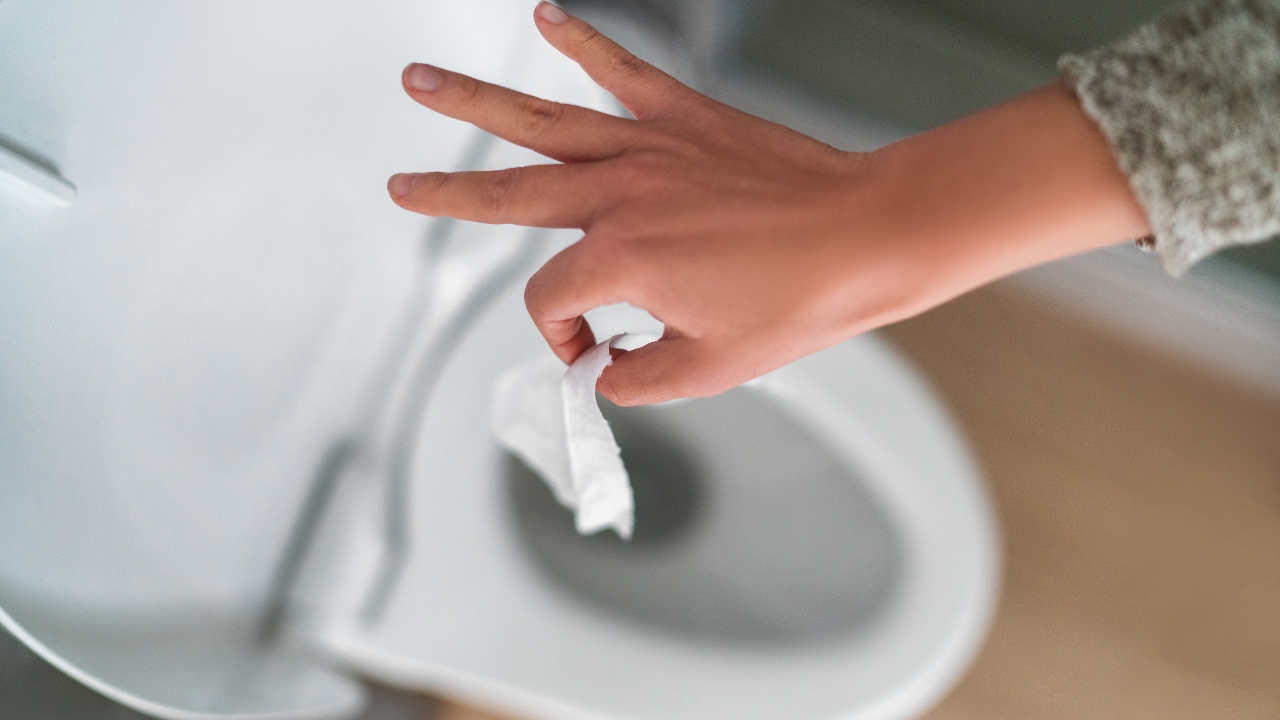
Toilets aren’t built to handle wipes, hygiene products, or paper towels—even if they claim to be “flushable.” These items clog pipes and strain septic systems.
Clearing major toilet clogs or repairing sewer line blockages can run into thousands. Treat toilets for waste and toilet paper only to keep pipes clear.
Skipping Shut-Off Knowledge

Many homeowners don’t know where their main water shut-off valve is. During an emergency, every second counts, and water damage spreads fast.
Taking a few minutes to locate and test the valve can prevent thousands in flood damage if a pipe bursts. It’s one of the most overlooked safeguards.
DIYing Beyond Skill Level

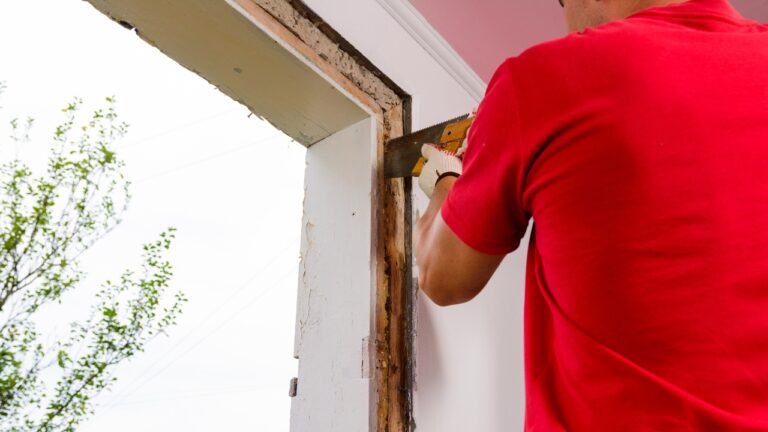
Fixing minor plumbing issues yourself is fine, but taking on complex projects—like moving pipes or installing new lines—often backfires. Mistakes with fittings or seals can cause hidden leaks.
By the time the damage is spotted, repairs usually cost far more than calling a plumber in the first place.
Ignoring Water Pressure Issues
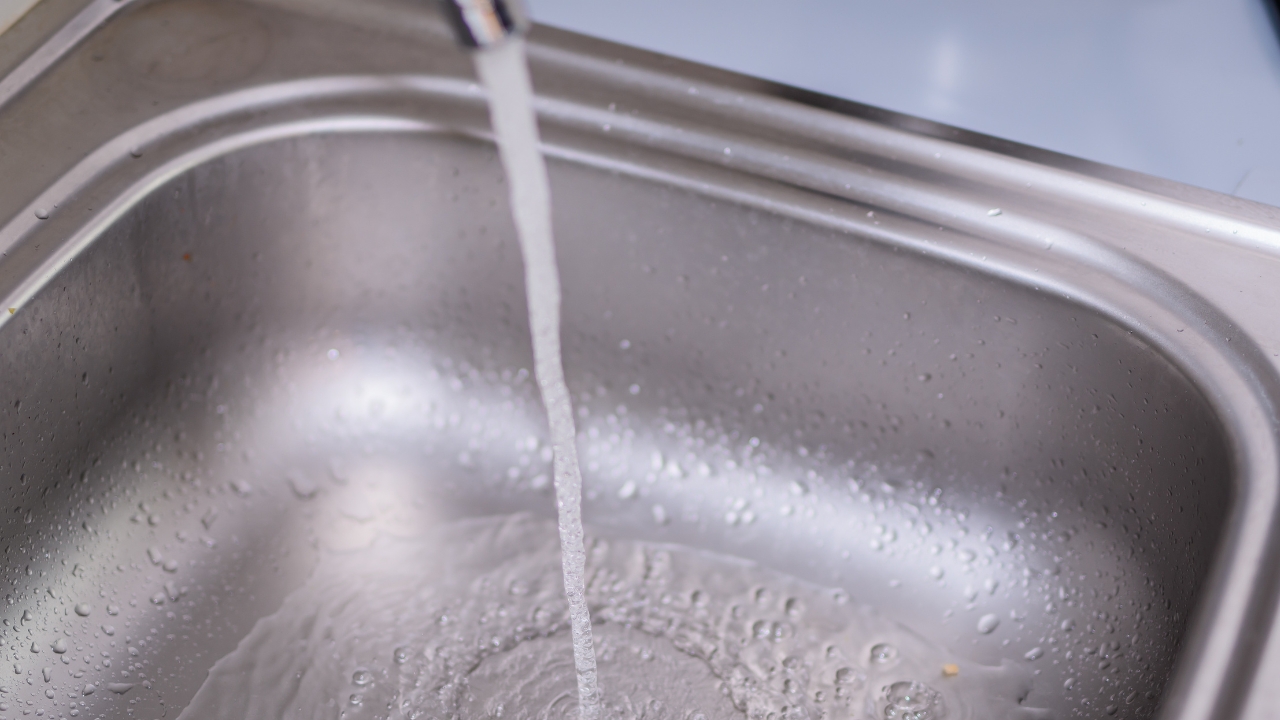
High water pressure may feel nice in the shower, but it strains pipes, fixtures, and appliances. That pressure often shortens the lifespan of everything it runs through.
Installing a pressure regulator keeps your system within a safe range and prevents expensive breakdowns.
Skipping Routine Maintenance
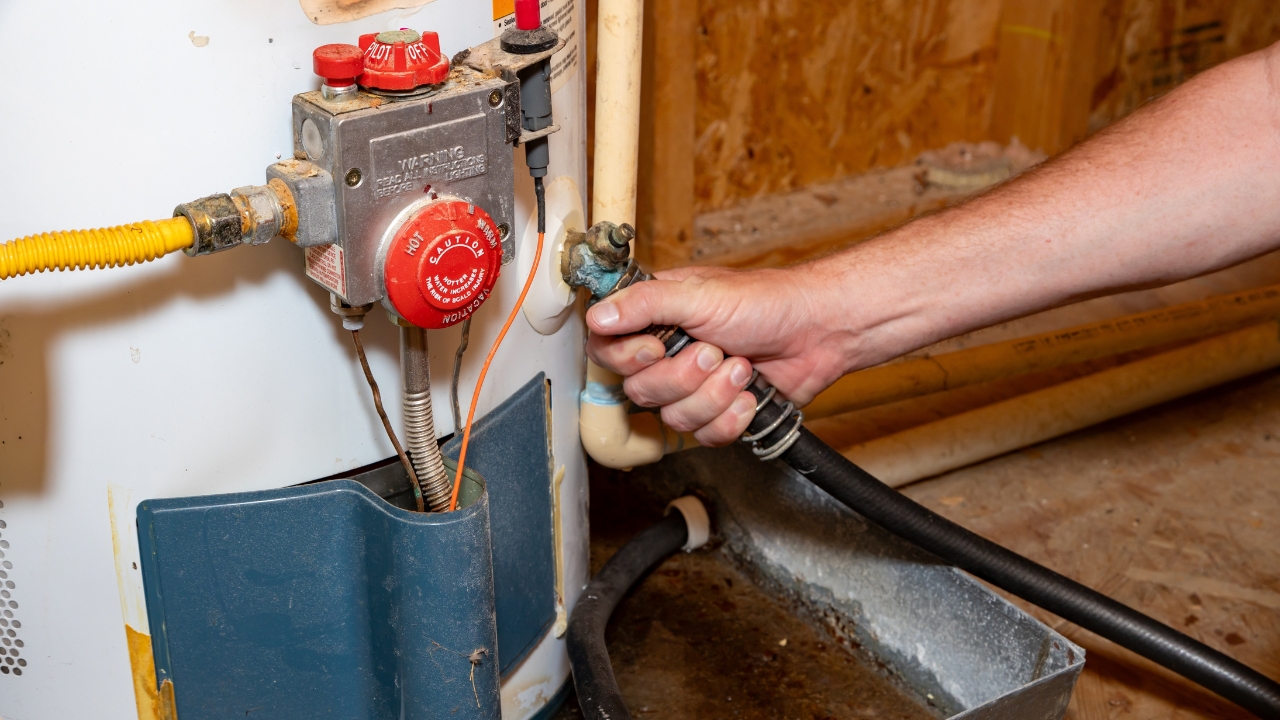
Water heaters, sump pumps, and supply lines all need routine checks. Ignoring them until something fails leads to bigger, more expensive issues.
A quick yearly inspection often catches small problems before they become emergencies that cost thousands to fix.
Using the Wrong Materials
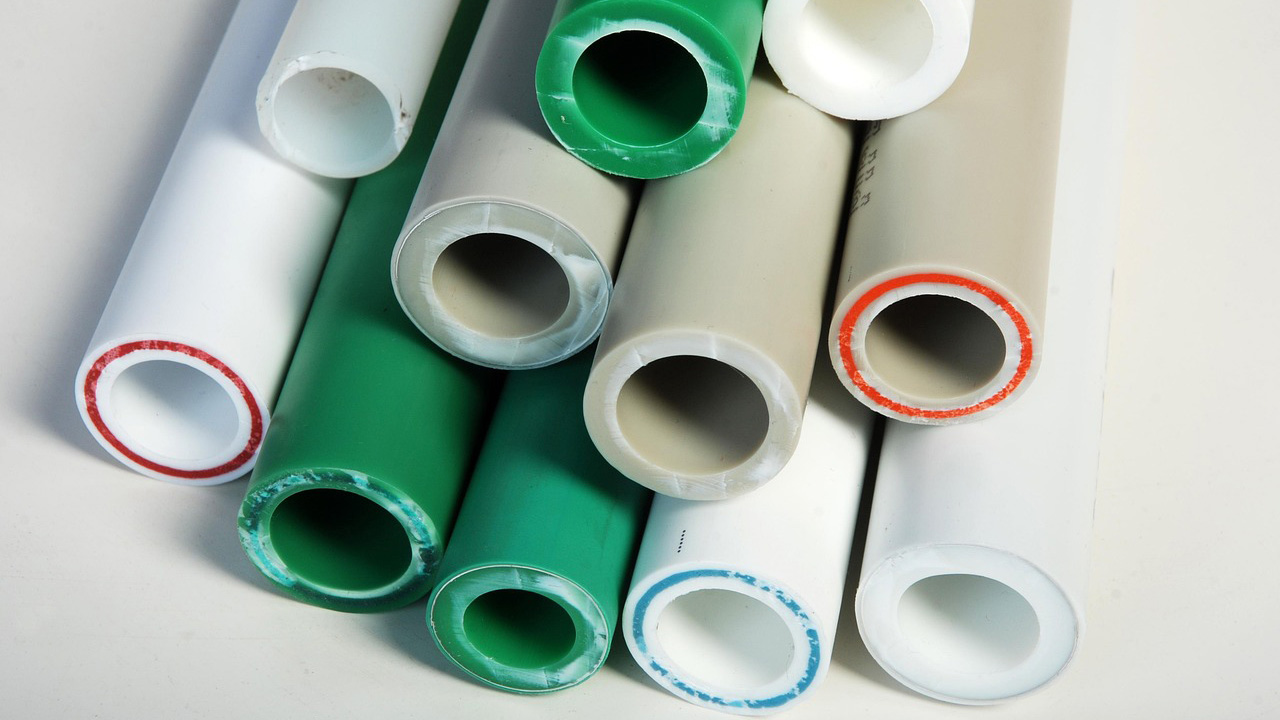
Mixing pipe materials without the proper connectors causes corrosion. For example, joining copper to galvanized steel directly creates electrolysis, which eats away at pipes.
Using the right connectors or sticking with uniform materials avoids premature leaks and replacements.
Forgetting to Winterize Pipes
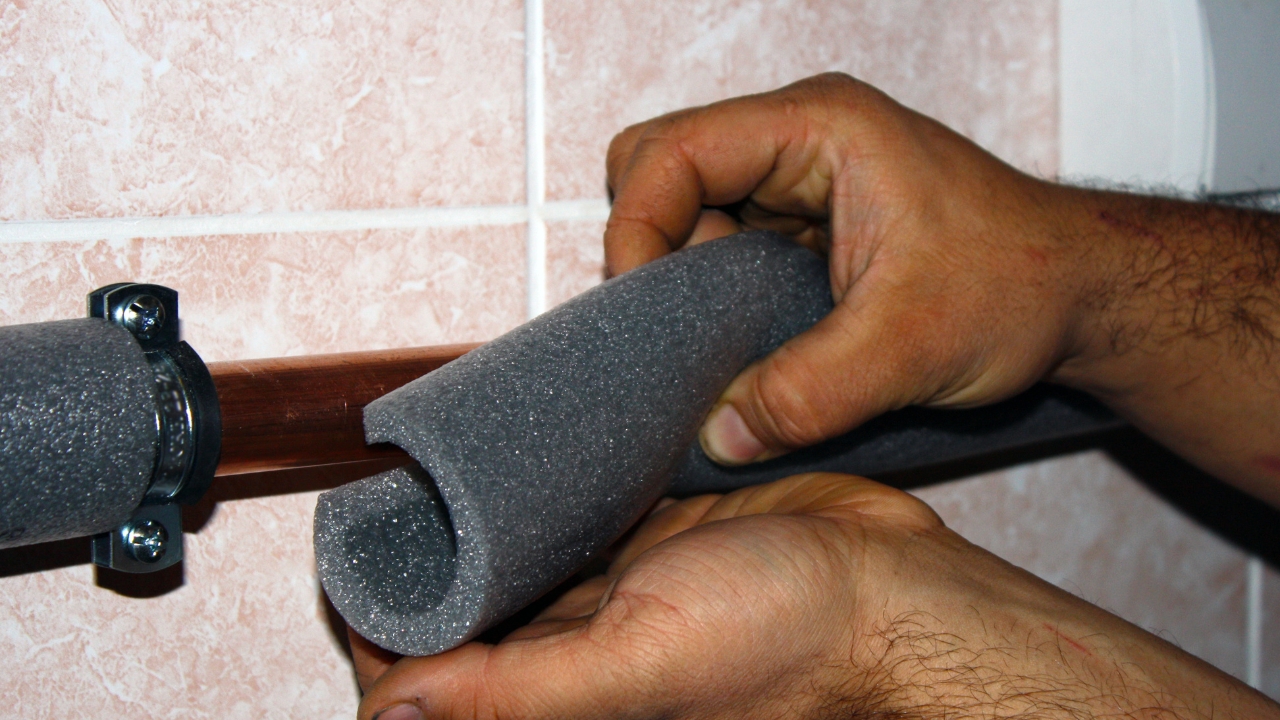
Exposed pipes in unheated areas freeze easily. One freeze-thaw cycle can burst a line, flooding entire sections of a house.
Insulating pipes and shutting off outdoor water before winter prevents one of the most common and costly plumbing disasters.
Neglecting Appliance Hoses
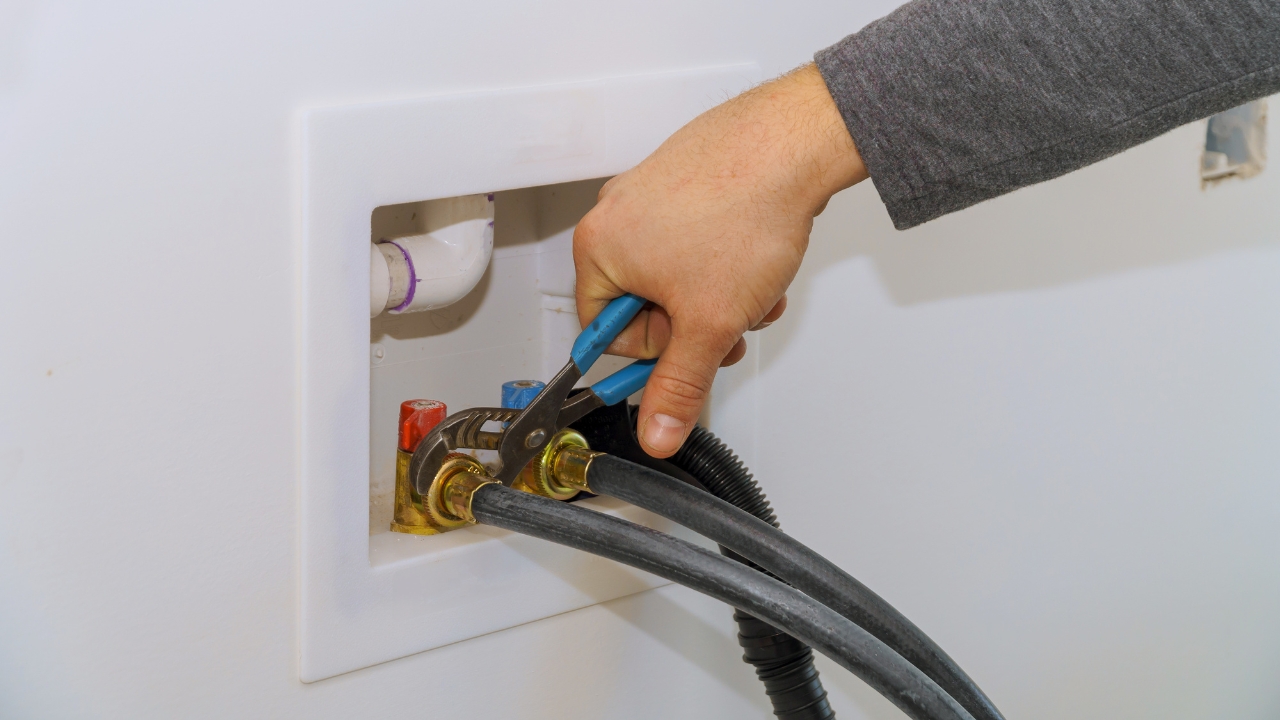
Washer and dishwasher hoses often go unchecked until they rupture. Old rubber hoses are prone to splitting and can flood entire rooms quickly.
Upgrading to braided stainless steel hoses and replacing them every five years keeps appliances from becoming major water damage risks.
*This article was developed with AI-powered tools and has been carefully reviewed by our editors.