9 Things You Should Never Caulk During a Heat Wave
Photo credit: ungvar/ Shutterstock.com
Caulking might seem like a warm-weather job, but there’s such a thing as too warm. When temperatures climb too high, caulk can cure too fast, dry unevenly, or fail to bond the way it should.
On top of that, materials like siding, trim, and concrete expand in the heat—so if you seal them when they’re swollen, gaps can reopen later when things cool off.
If it’s hot outside and you’re thinking of caulking, here are the spots you should hold off on.
Vinyl Siding Seams
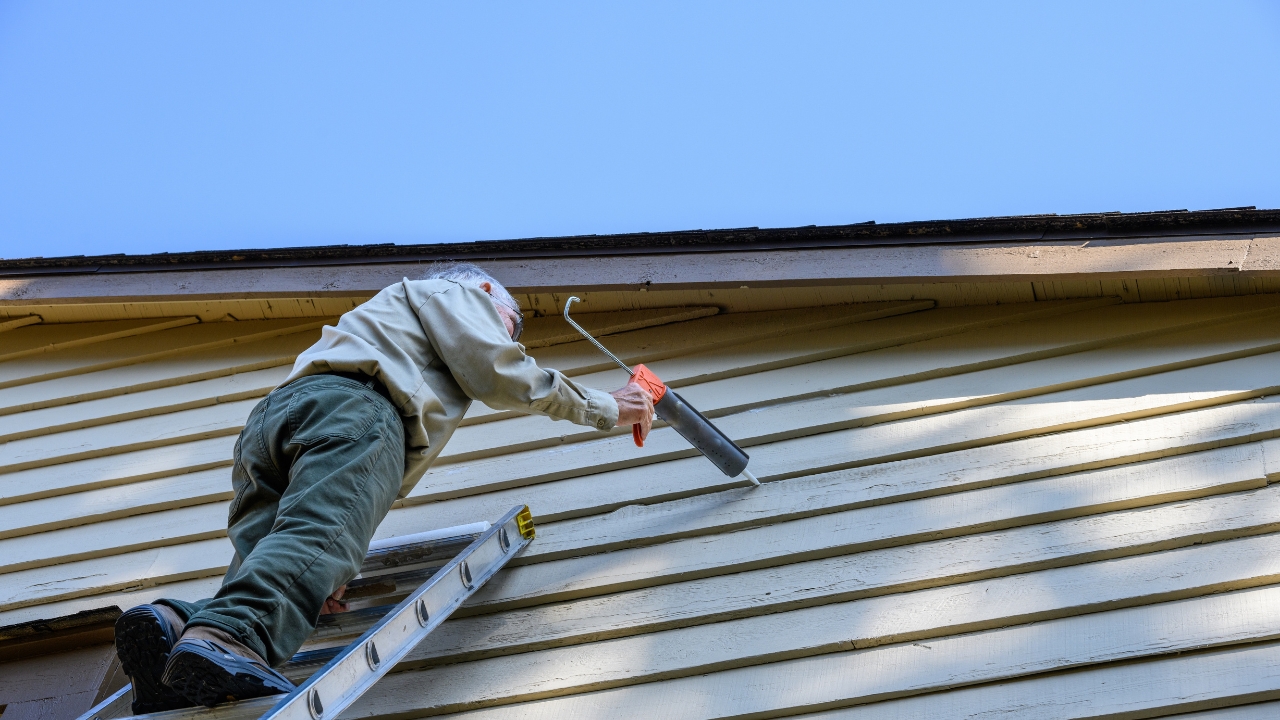
Vinyl siding expands in the heat and contracts as temperatures drop. If you caulk those seams when it’s hot, you’ll likely end up sealing them shut while they’re expanded. That sets you up for cracking or separation once they shrink.
Most vinyl siding is designed to move slightly. Sealing up the joints can cause pressure to build and lead to buckling or warping down the road. If you need to seal gaps, wait for a cooler day when the material is closer to its average size.
Concrete Expansion Joints
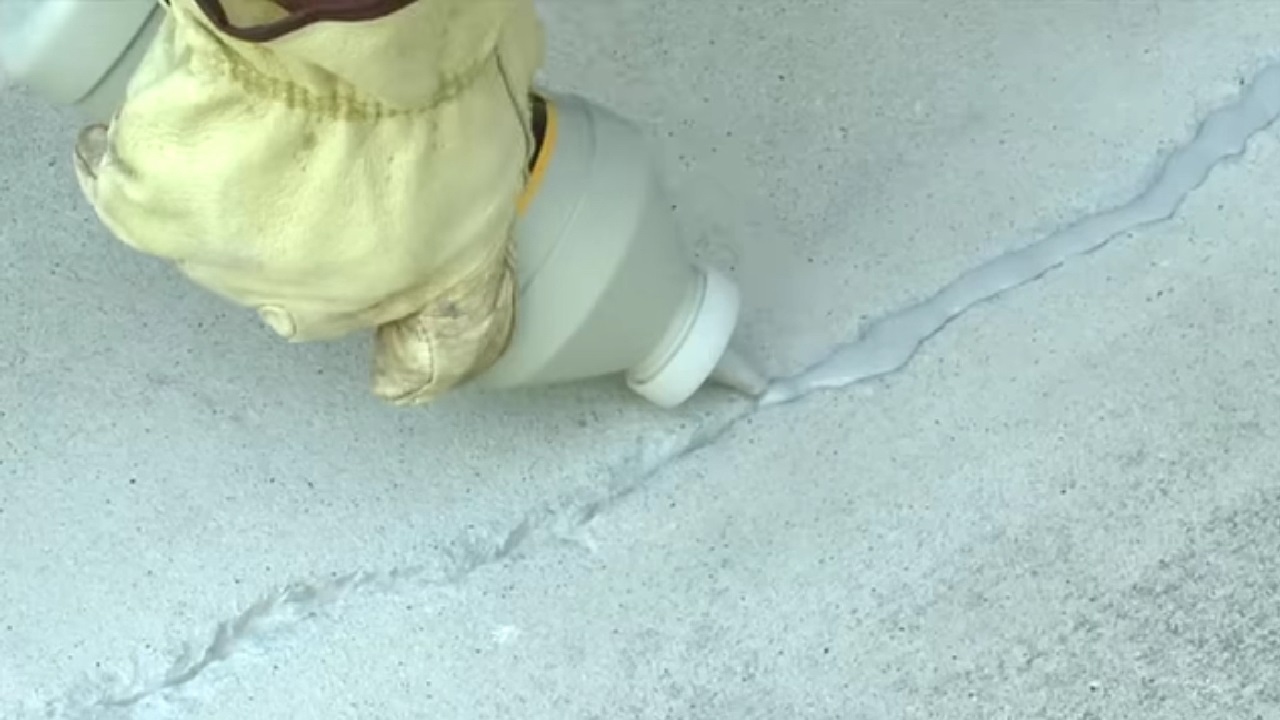
Caulking concrete joints during peak heat isn’t a good idea. Concrete expands when it’s hot, and if you fill the gaps while it’s expanded, you risk squeezing out the caulk or creating too much pressure in the joint.
Once temperatures drop, the concrete will contract and possibly pull the caulk apart, leaving a gap you thought you’d already handled. Stick to early mornings or cooler weather when the surface is more stable and less likely to shift.
Window Frames in Direct Sunlight
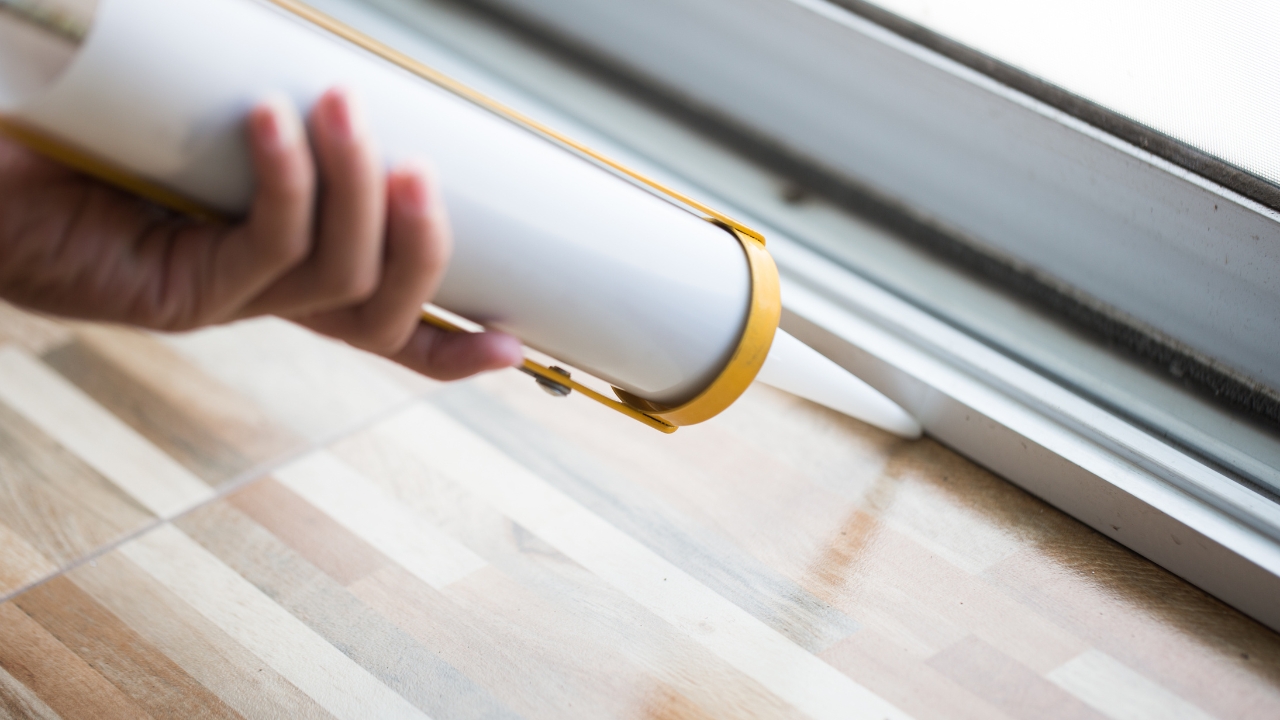
When the sun is beating down on window frames, they heat up fast—and so does the surrounding siding or trim. That heat makes the surface expand and can cause caulk to skin over too quickly, leading to weak adhesion or cracking.
Even if the label says the caulk is rated for high temps, it still needs time to cure evenly. Try to work in the shade or wait until that side of the house cools off in the late afternoon.
Metal Flashing or Trim
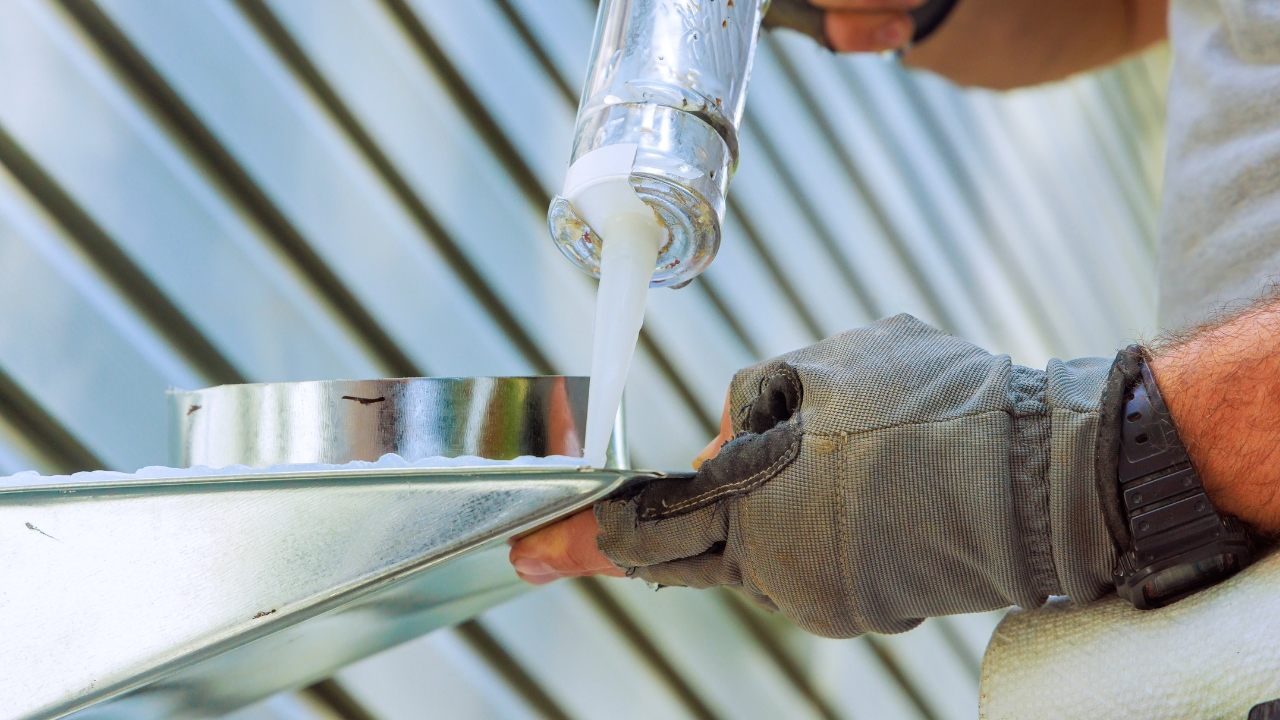
Metal heats up fast and holds that heat longer than wood or vinyl. Caulking metal flashing, trim, or gutters when they’re too hot to touch usually leads to poor bonding or bubbling as the caulk overheats.
You want the surface to be warm—not hot. Midday sun can easily push metal surfaces over 120°F, even if the air temp feels manageable. If you’re working with metal, wait for a shaded window to open up.
Gaps Around AC Units
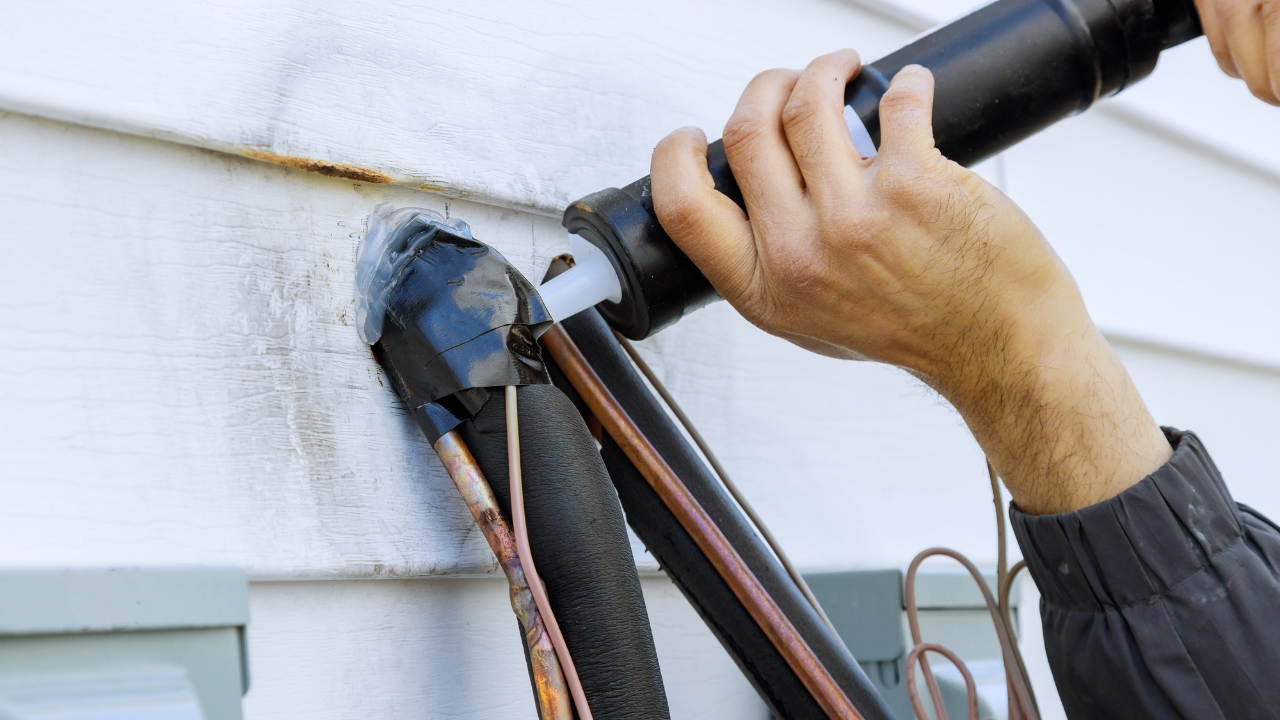
That area around your exterior AC unit gets hotter than most people realize. The unit itself gives off heat while it’s running, and the nearby surfaces can warm up fast. Caulk applied in this zone when it’s too hot often won’t cure right.
The best time to seal up those gaps is early morning before the unit kicks on and starts heating up the area. That way, the caulk has a chance to bond before the temps spike.
Roof Penetrations or Vents
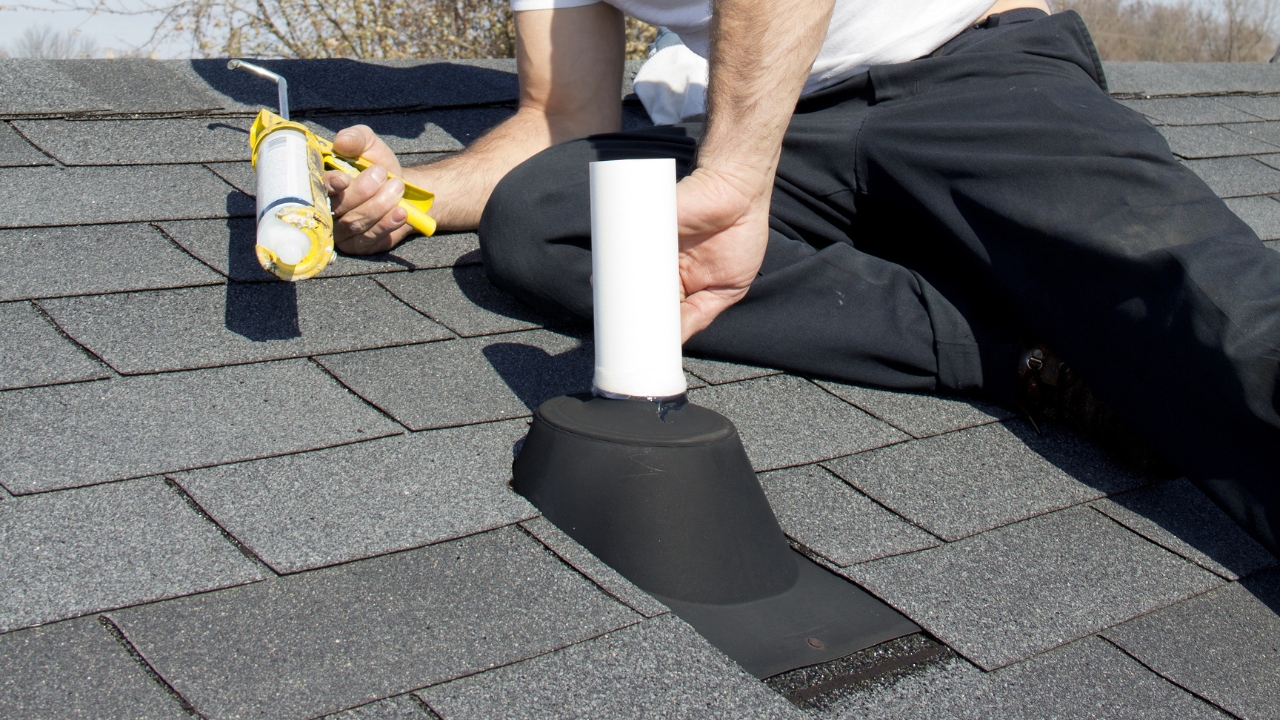
Caulking around roof vents, flashing, or pipe boots during a hot day can be risky. Roofing materials soak up heat fast, and if you’re working up there mid-afternoon, you’re likely dealing with surface temps well above 120°F.
High heat can cause the caulk to dry before it properly adheres, especially if the surface is dusty or already expanding. You’ll get better results tackling this kind of work in the early morning or evening when the roof cools off a bit.
Door Thresholds
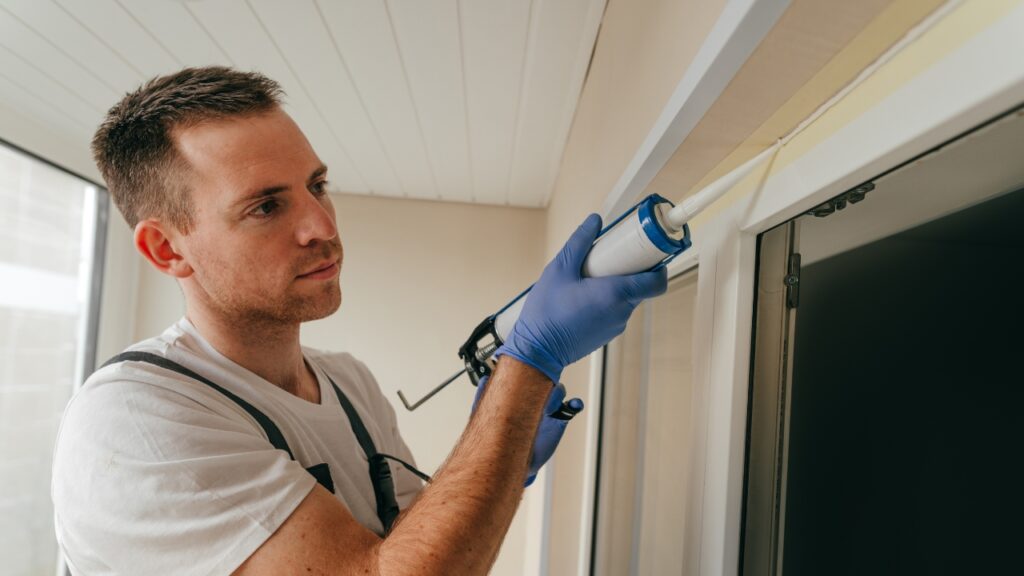
The threshold gets full sun exposure and absorbs more foot traffic than most other spots. Caulking here when it’s hot can lead to uneven drying or bubbling, especially if the material underneath is also expanding.
It’s better to caulk thresholds on a cooler morning or a shaded day so the surface is stable and clean. That gives the caulk a better chance to grip and cure without peeling or cracking later on.
Brick or Masonry Joints
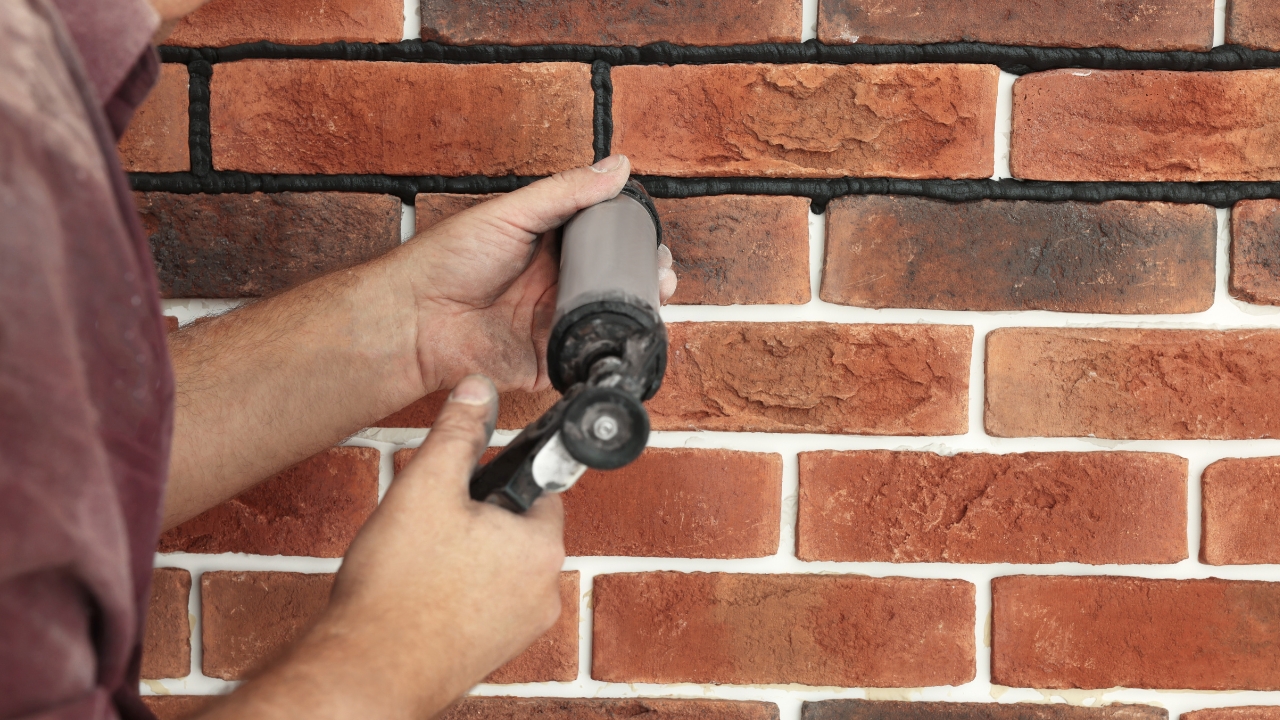
Brick and mortar retain a lot of heat, and that makes them tricky to seal when the sun’s been on them for a while. Caulk can dry too fast and fail to get into all the nooks and pores it needs to bond.
Wait until the brick cools down, or work on shaded sides of the house first. If you touch the surface and it’s too hot to keep your hand there, it’s too hot for caulking.
Gaps in Wood Siding or Trim
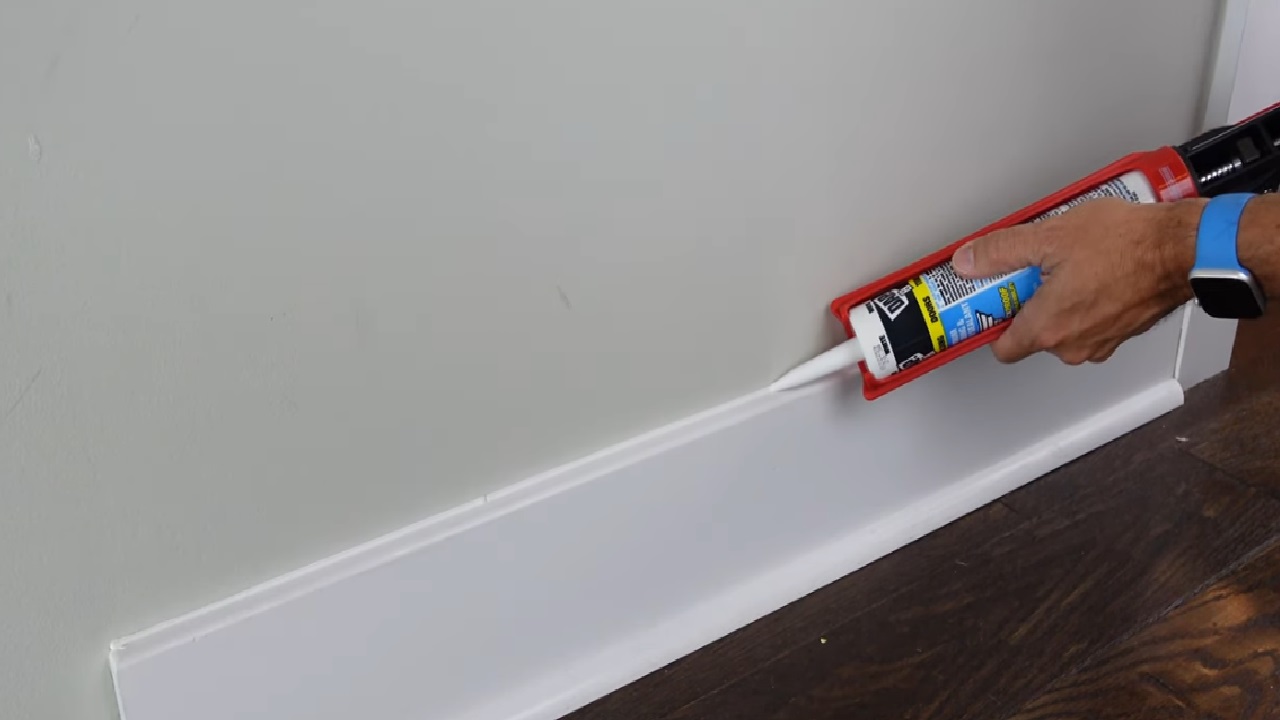
Wood expands and contracts with heat and humidity, and if you seal it while it’s swollen from summer heat, you’re locking it in the wrong position. That can cause cracking, gapping, or even force the caulk out as the wood shifts.
Caulk wood surfaces early in the day before the sun heats them up, or pick a mild day when the wood is at a more neutral state. That way the caulk stays flexible and holds its seal through the season changes.
Like Fix It Homestead’s content? Be sure to follow us.