7 Survival Crops You Should Be Growing in Your Backyard
Photo credit: Alter-ego/ Shutterstock.com
If you’re serious about self-sufficiency, growing the right crops is key. Some plants are just nice to have, but others can keep you fed no matter what’s going on in the world. Survival crops should be easy to grow, high-yielding, and packed with nutrition. If you’re prepping for an emergency or just want a reliable food source, these seven crops are worth planting in your backyard.
Potatoes

Potatoes are a survival garden staple for a reason. They grow well in most climates, take up little space, and provide a ton of calories per plant. A small plot can yield enough potatoes to feed a family for months. Plus, they store well, so you won’t have to worry about them going bad too quickly.
The best part? They’re easy to grow—even in buckets or bags if you’re short on space. Just make sure they get plenty of sun and well-drained soil. With a little care, you’ll have a solid stash of hearty, filling food ready when you need it.
Corn
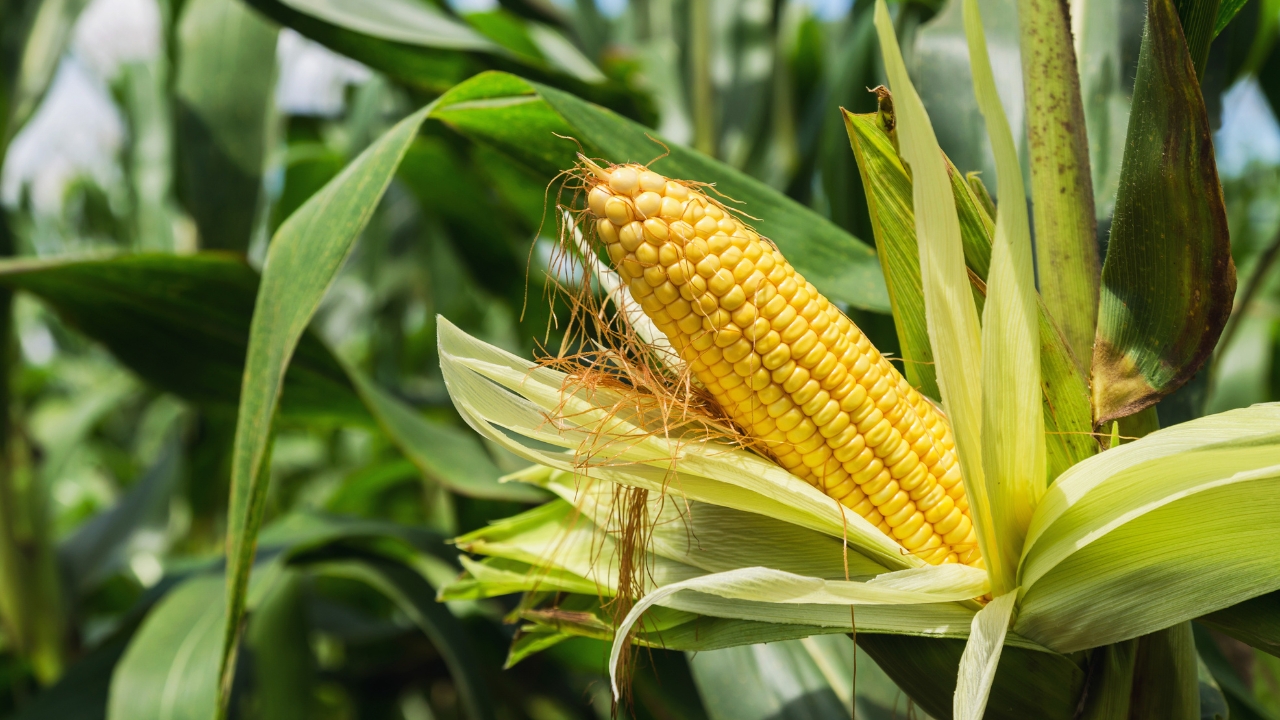
Corn is more than just a summer BBQ favorite—it’s one of the best survival crops you can grow. It’s high in carbohydrates, stores well when dried, and can be turned into everything from flour to animal feed. It also grows tall, making it a good natural privacy screen if you’re trying to keep your garden low-profile.
To get the most out of your corn crop, plant it in blocks rather than long rows so it can pollinate properly. If you’re short on space, try a three sisters garden—corn, beans, and squash growing together for maximum yield.
Beans

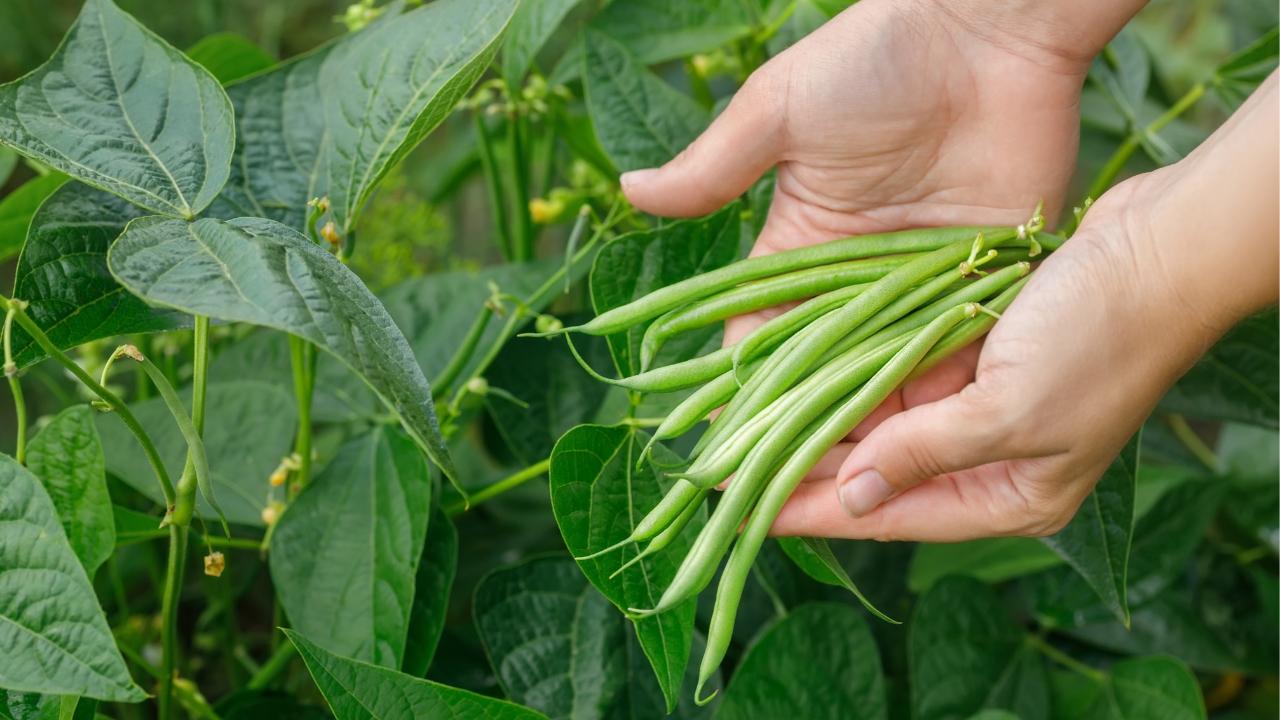
Beans pull double duty in a survival garden. Not only do they provide a steady protein source, but they also fix nitrogen in the soil, improving it for other plants. They’re one of the best long-term crops since dried beans last for years and can be replanted season after season.
Pole beans are great for vertical gardening, while bush beans take up more space but mature faster. Either way, they’re low-maintenance, drought-tolerant, and highly nutritious—exactly what you want when food security is a priority.
Sweet Potatoes
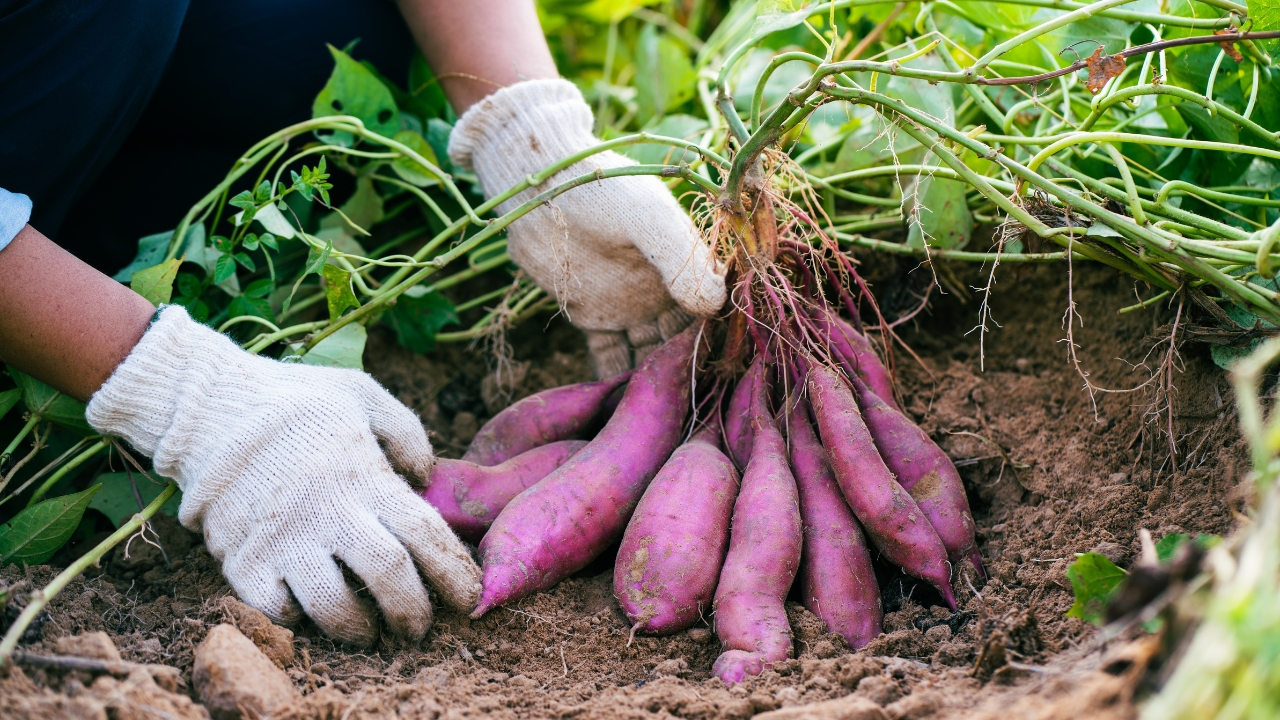
If you live in a warmer climate, sweet potatoes are a must-have survival crop. They thrive in poor soil, resist drought, and produce both edible roots and nutrient-packed leaves. Unlike regular potatoes, they store even longer and don’t need cool temperatures to last.
Sweet potatoes spread like crazy, so give them plenty of room. You can start them from store-bought tubers or slips, and once they take off, you’ll have a nearly endless supply of food with very little effort.
Squash
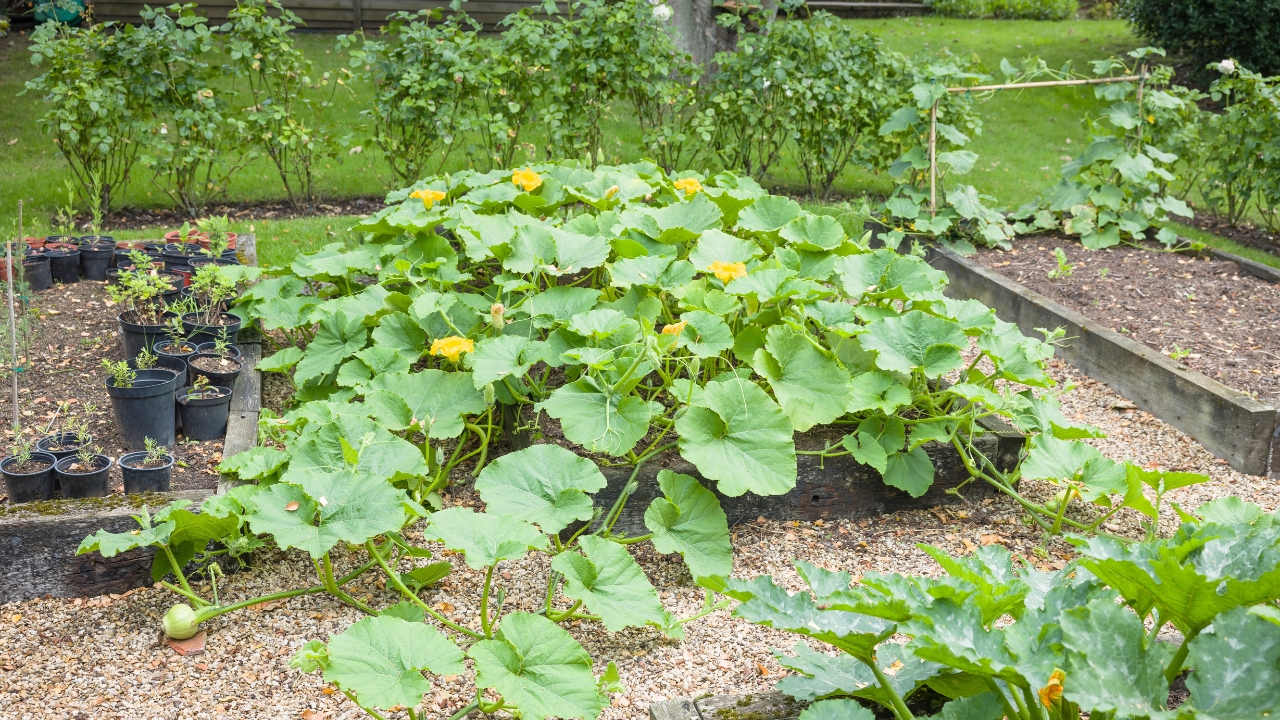
Squash, whether it’s summer or winter varieties, is a powerhouse in a survival garden. Summer squash like zucchini grows fast and produces a ton, while winter squash like butternut or acorn can last for months without refrigeration.
They also have thick vines that deter weeds and protect the soil, making them a great companion plant. Just be ready—one or two plants can produce more than you’d expect, so have a plan for storage or preservation.
Cabbage
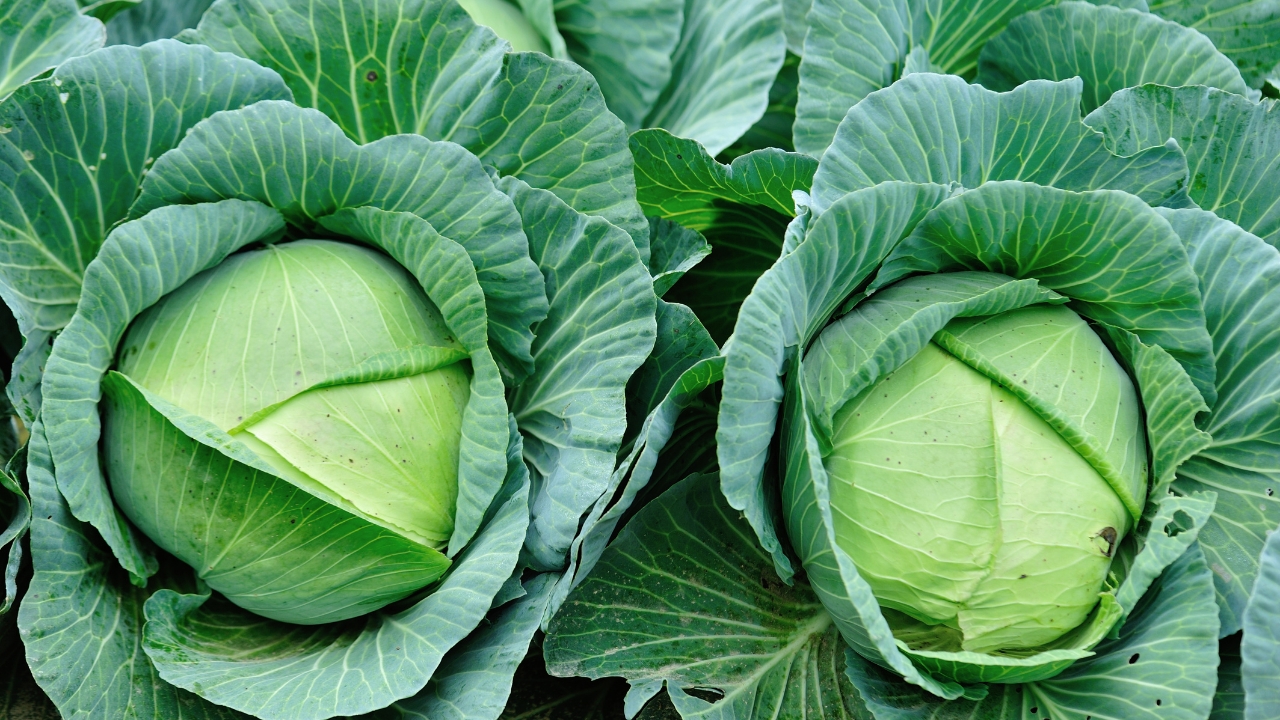
Cabbage is underrated in survival gardening, but it shouldn’t be. It grows well in cool weather, produces big, leafy heads packed with nutrients, and stores well after harvesting. It’s also a great candidate for fermentation—hello, homemade sauerkraut!
Another bonus? Cabbage is cold-hardy, meaning it can keep producing long after other crops have died off. If you plant it in succession, you can have fresh greens almost year-round.
Garlic
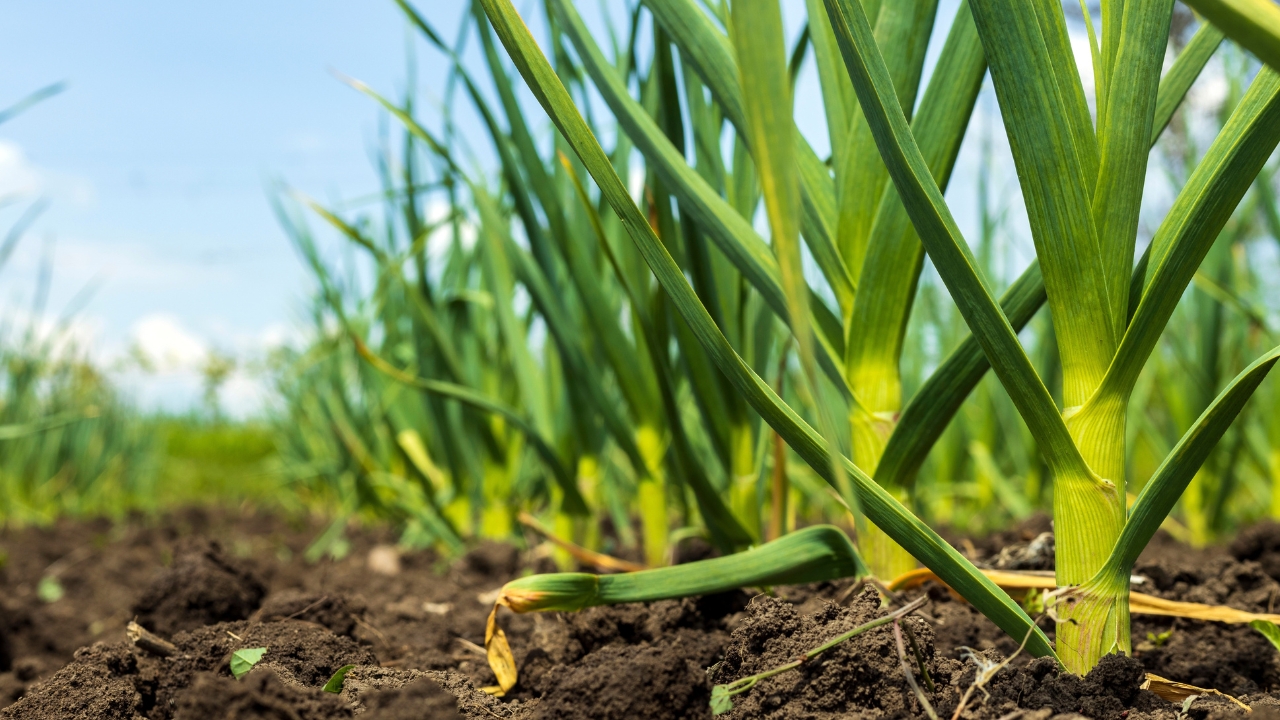
Garlic isn’t just for flavor—it’s a survival garden essential. It’s easy to grow, takes up very little space, and has natural medicinal properties that make it useful beyond the kitchen. Plus, it stores well and can be replanted over and over.
Plant garlic in the fall for the best results, and you’ll have fresh, homegrown bulbs by early summer. Even if you forget about it, it’ll usually still grow, making it one of the lowest-maintenance crops you can plant.
*This article was developed with AI-powered tools and has been carefully reviewed by our editors.