10 Reasons a Small Engine Will Not Start in Cold Weather
Photo credit: ads861/istock.com
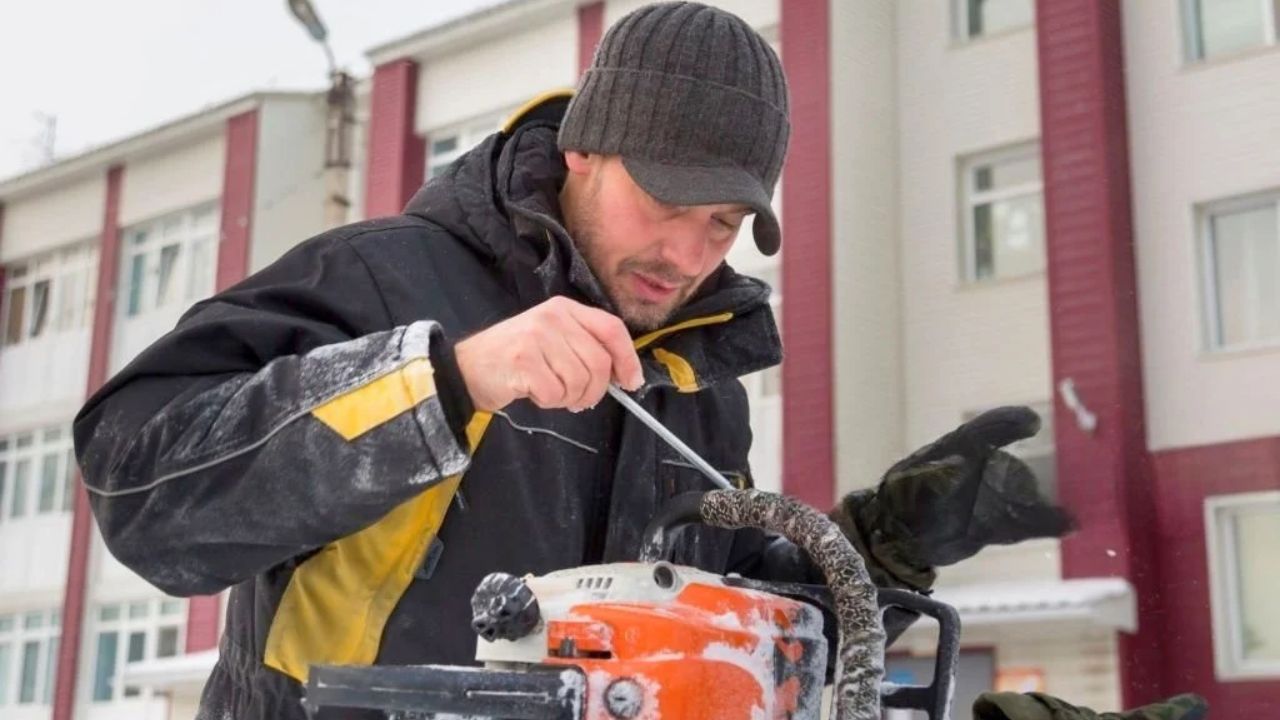
Cold mornings turn small engines into stubborn blocks of metal. You pull the cord until your shoulder complains, or you hit the key and get a slow groan. Most no-starts in winter come down to fuel, spark, air, or plain drag from thick oil and stiff parts.
1. Summer Gas Turned To Varnish
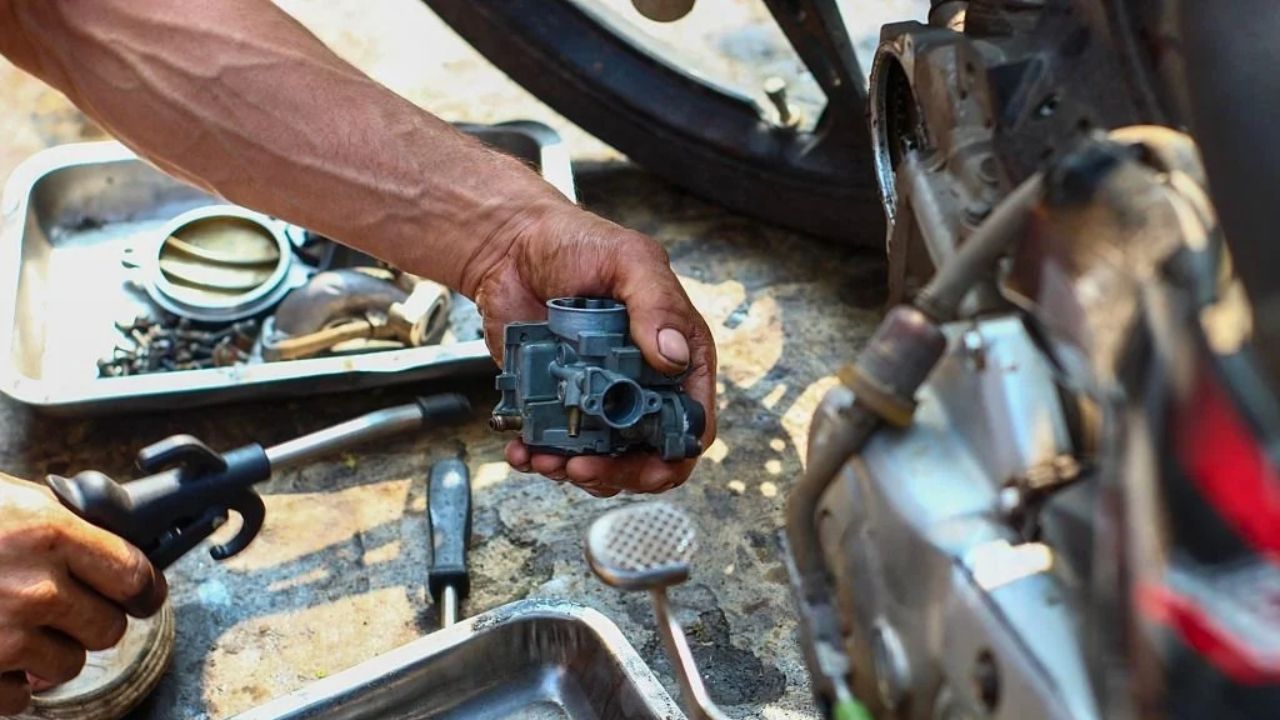
Old gasoline is the top cold-weather trap because it gets sticky, then it refuses to vaporize well when temperatures drop. The engine might cough once, smell like fuel, and never catch, or it might not fire at all because the jets and passages are partly glued shut.
Start by draining the tank and the carb bowl into a safe fuel container, then refill with fresh gas. If the machine sat more than a couple months, plan on cleaning the carburetor, at least the bowl and main jet, with carb cleaner and compressed air. Fuel stabilizer helps for storage, but it won’t reverse bad gas that already aged out.
2. Water Or Ice In The Fuel
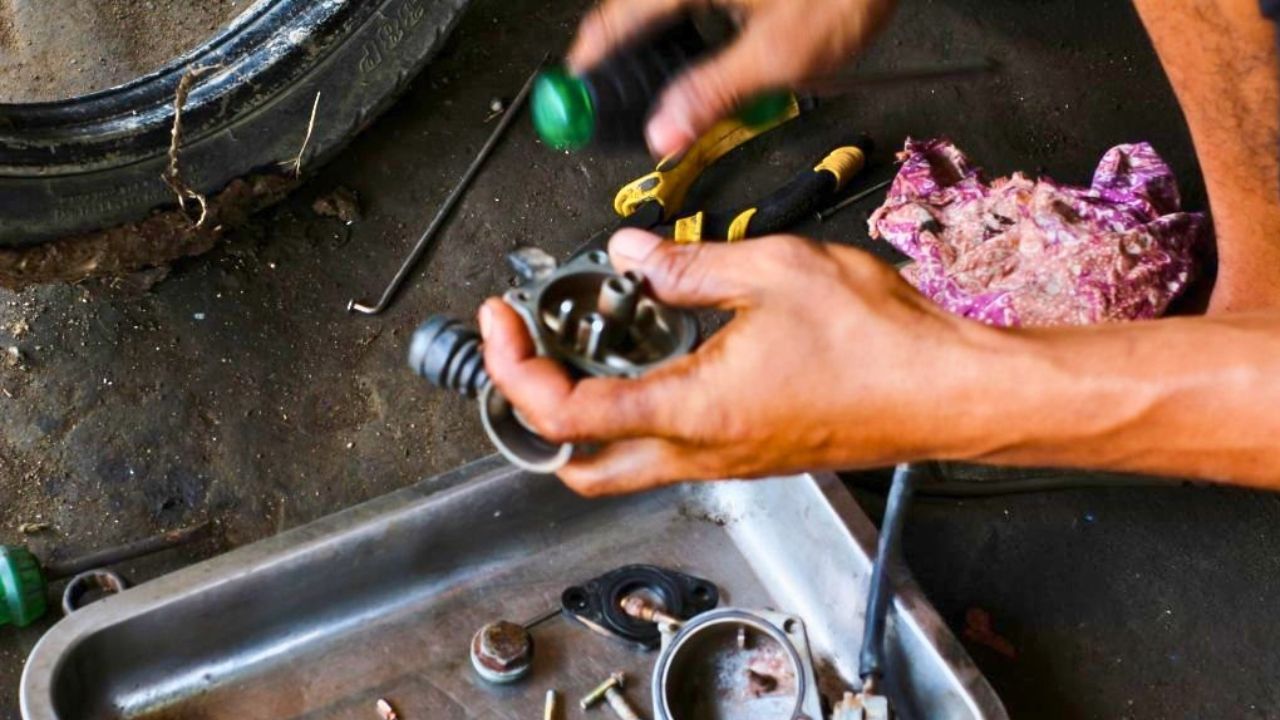
Sometimes the gas is “fresh” but it’s contaminated. A splash of water in the can, condensation in the tank, or a loose cap left in the rain can put enough water in the system to freeze in the fuel line or the carb.
Look for clear beads at the bottom of drained fuel, or a whitish slush when it’s really cold. Dump the bad fuel, dry the tank if you can reach it, and replace the inline fuel filter if it has one. Keeping the tank full during storage cuts down on condensation, and a good sealing cap matters more than people think.
3. Choke Used Wrong For Temperature
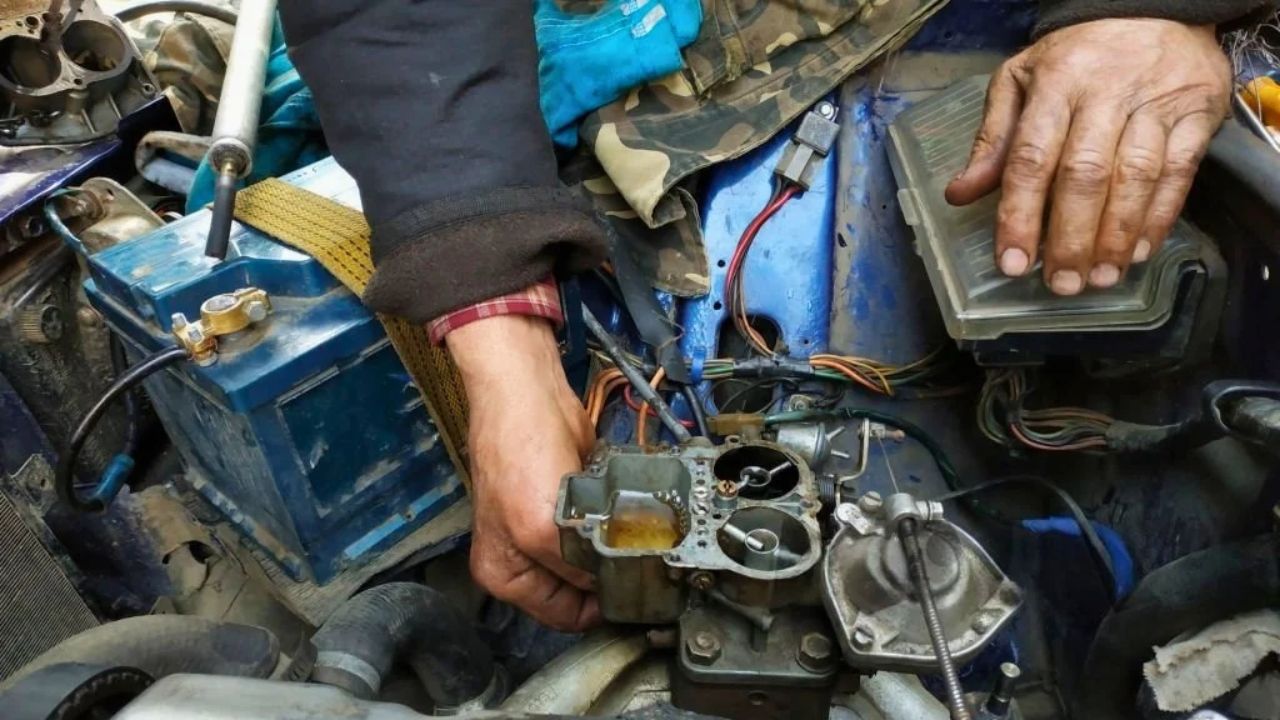
Do you leave the choke on too long because it “almost started”? That can flood the engine fast in cold weather, especially on small carbs, and then you’re pulling forever with a wet spark plug and raw fuel smell.
Set full choke for the first few pulls or the first couple seconds of cranking, then move to half choke as soon as it tries to fire. If it’s flooded, open the choke fully off, hold the throttle open, and crank a bit to clear it. The exception is some older engines that truly want full choke longer, but if you smell strong gas, stop and clear it instead of feeding more.
4. Thick Oil Dragging The Crankshaft
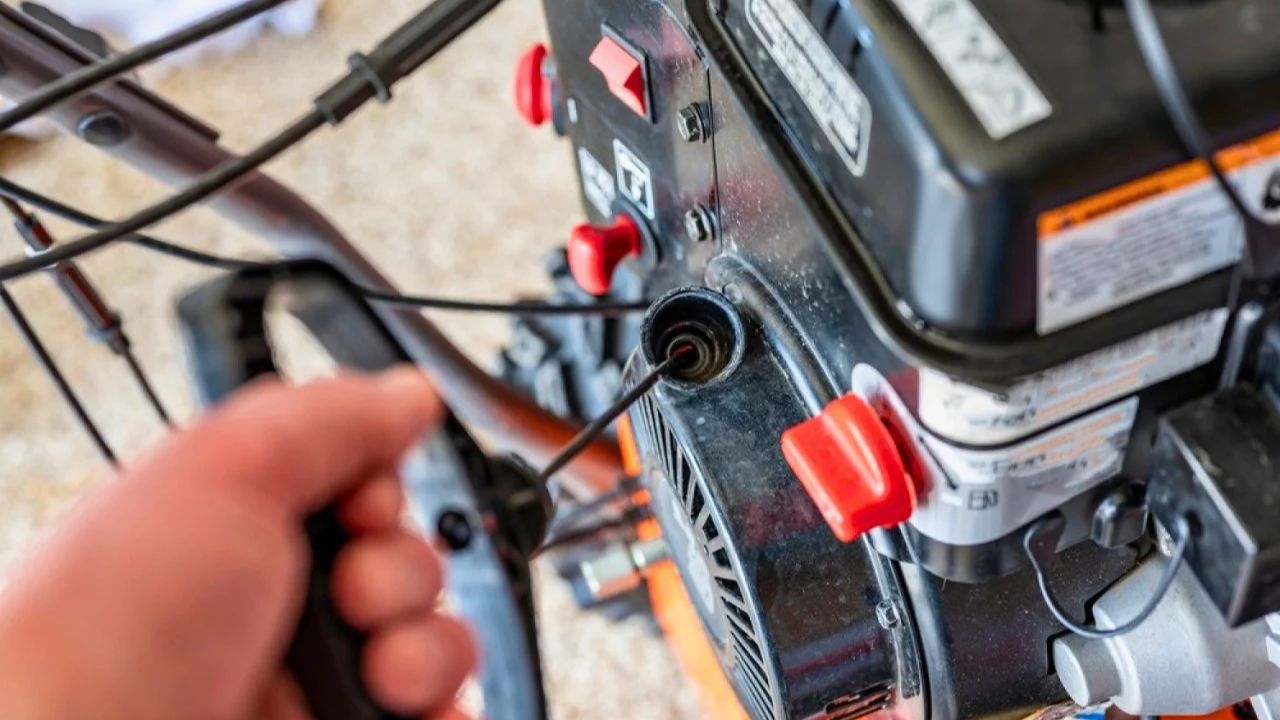
Cold oil turns into syrup. The starter rope feels like it’s stuck, or an electric starter slows down like the battery is dying, even when the battery is fine. That extra drag can drop cranking speed below what you need for good spark and compression.
Check the owner’s manual for winter oil weight and actually switch it, because 10W-30 at 10 degrees is not the same as 5W-30 at 10 degrees. If you don’t have the manual, look up the engine model number stamped on the shroud and find the spec. Don’t overfill, either, since too much oil adds drag and can foam.
5. Battery Weak From Sitting Cold
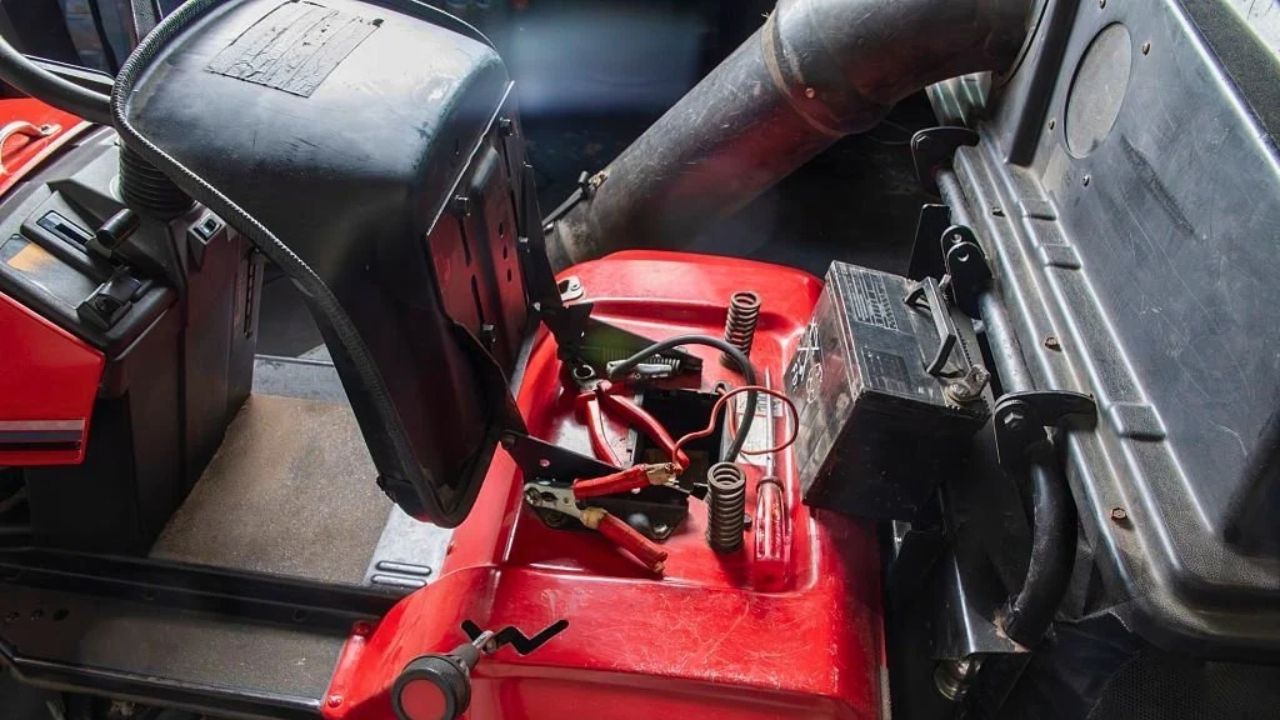
Electric-start equipment suffers in winter because batteries lose punch when they’re cold, and they self-discharge while they sit. The symptom is a click, a slow churn, or lights that dim hard when you turn the key.
Charge the battery with a proper charger, not a “boost” setting that cooks small batteries. Clean the posts until shiny, tighten the connections, and check the ground cable where it bolts to the frame. If the battery is several seasons old and won’t hold a charge overnight, stop fighting it and replace it.
6. Spark Plug Fouled Or Gap Off
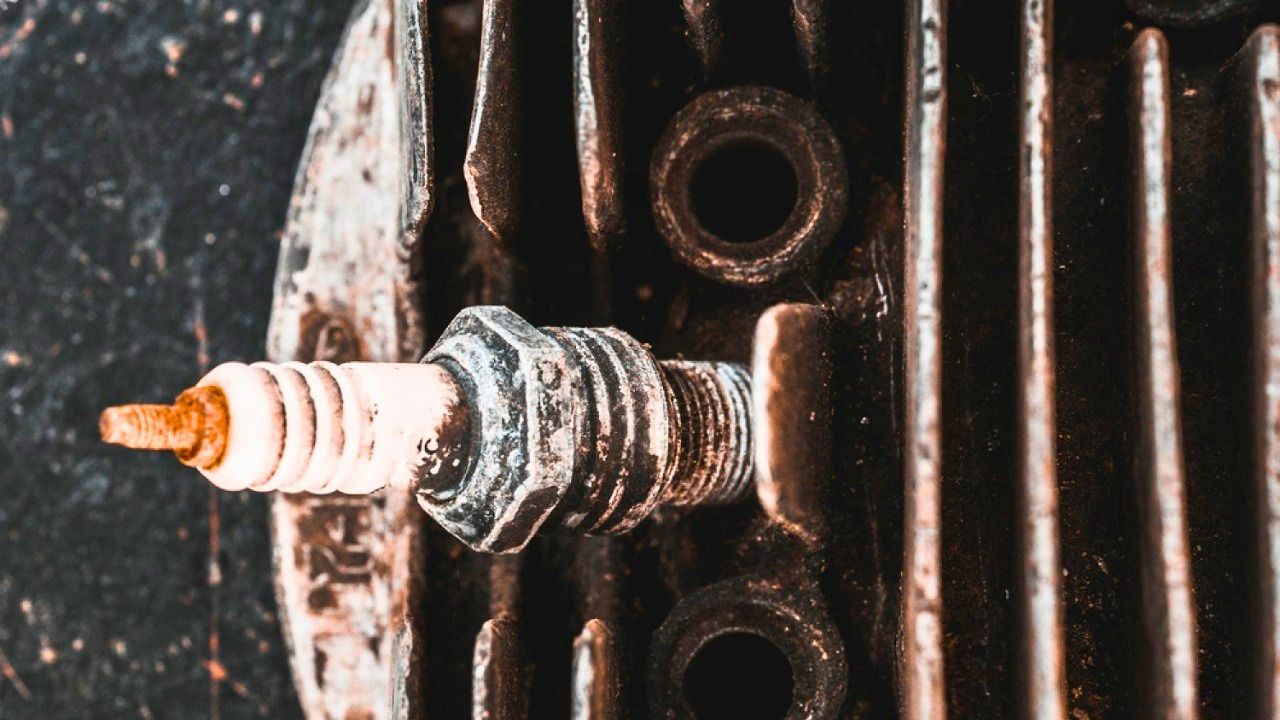
A plug that limped through summer can quit in winter. Carbon buildup, a cracked insulator, or a gap that opened up makes weak spark, and cold fuel needs a strong spark to light off.
Pull the plug with the right socket, look for wet fuel, heavy black soot, or a white crust. Clean and re-gap if it’s in decent shape, or just replace it since plugs cost a few bucks and save an hour of guessing. Make sure the boot snaps on tight when you reinstall it.
7. Intake Blocked By Snow Or Nest
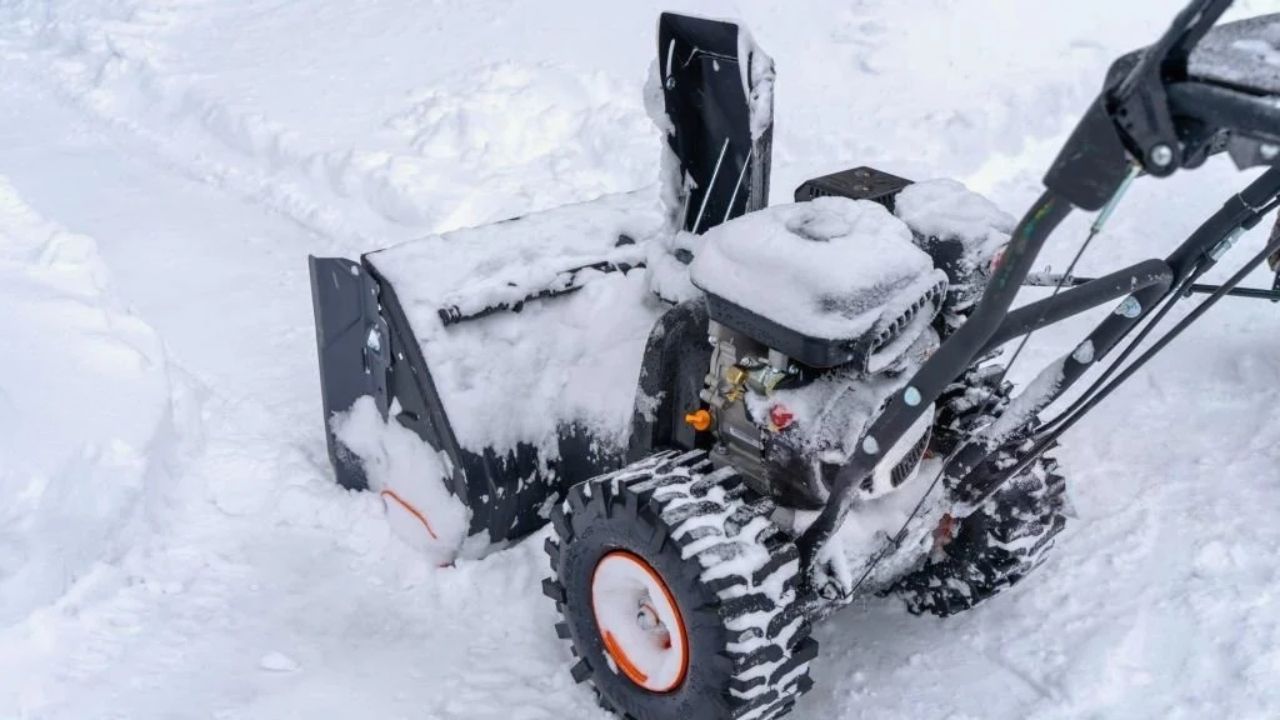
Not every no-start is fuel or spark. Snow can pack into the air intake on a snowblower, and mice love to stuff grass into shrouds, airboxes, and muffler areas once the weather turns.
Check the air filter and the intake path first, then look around the recoil housing and under covers for nesting. Replace a soaked paper air filter instead of trying to dry it in place, it often swells and stays restrictive. If you find a nest, take the time to clean the cooling fins too, because packed debris can overheat an engine later even if it finally starts.
8. Carburetor Jet Plugged By Tiny Debris
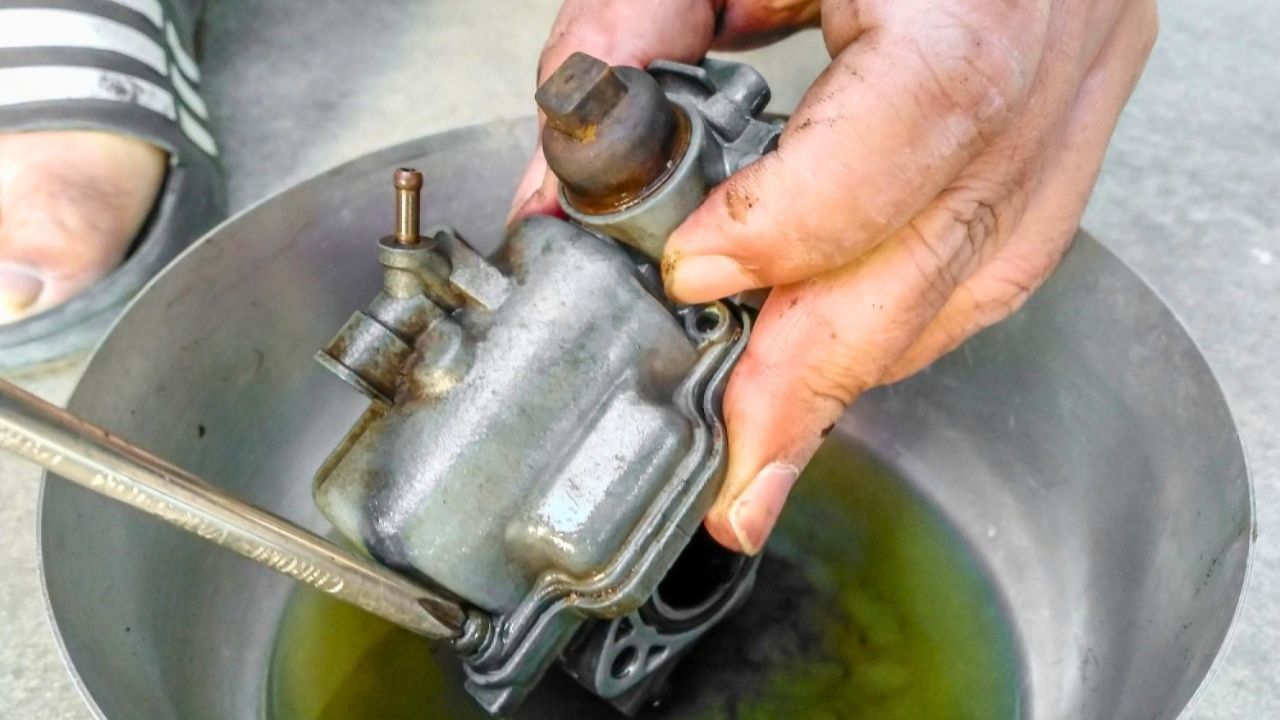
A machine can run “fine” in fall and still refuse to start once it’s cold. That’s because a partially blocked pilot jet or main jet flows just enough warm-weather fuel, but not enough for cold start enrichment.
If fresh fuel and correct choke use don’t do it, pull the carb bowl and inspect for grit. Clean the jets with carb cleaner and compressed air, and avoid ramming steel wire through brass jets since that can change the hole size and create a new problem. If the carb is badly corroded, replacing it is sometimes the smarter use of a Saturday.
9. Safety Interlock Not Fully Engaged
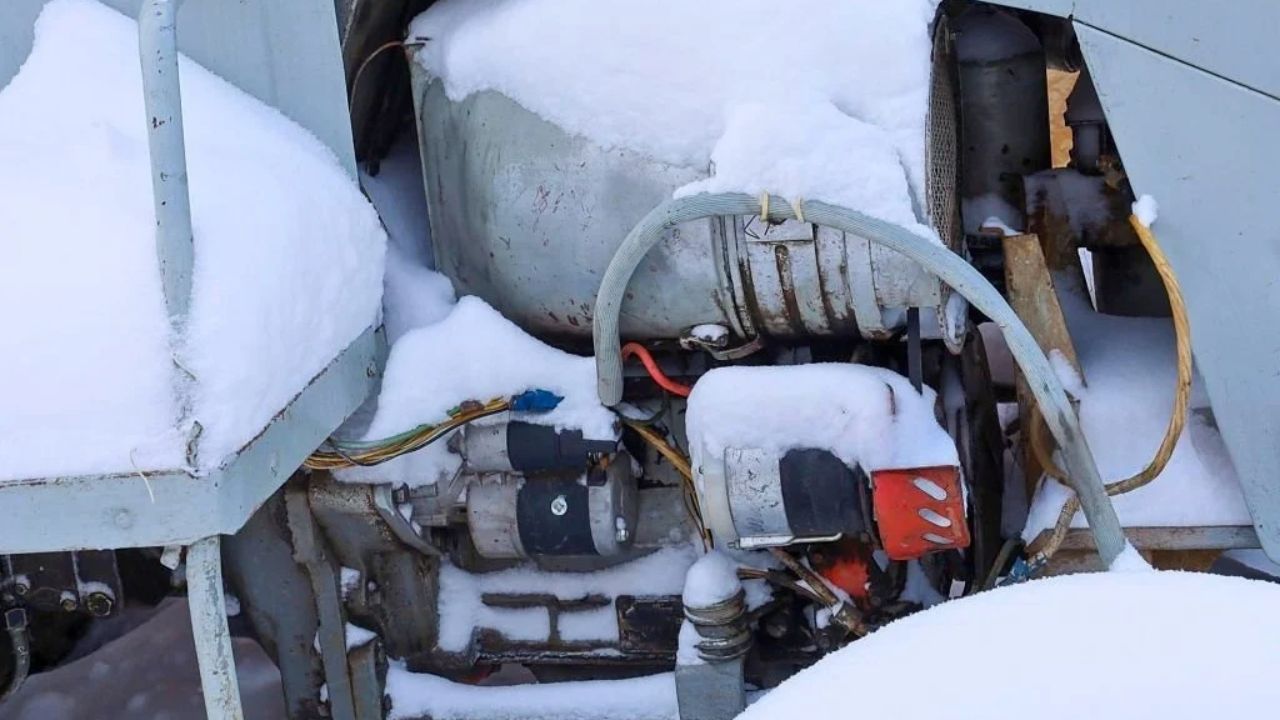
Cold gloves, stiff boots, and iced-up linkages make it easy to miss an interlock by half an inch. The engine won’t crank, or it cranks with no spark because a kill circuit is still grounded by a switch.
On mowers and riders, press the brake pedal hard, sit fully in the seat, and make sure the PTO is off. On snowblowers, check that the key is seated and the control levers return all the way. Don’t bypass switches, fix the linkage or adjust the cable so the machine starts the way it was designed to.
10. Compression Loss From Stuck Valve
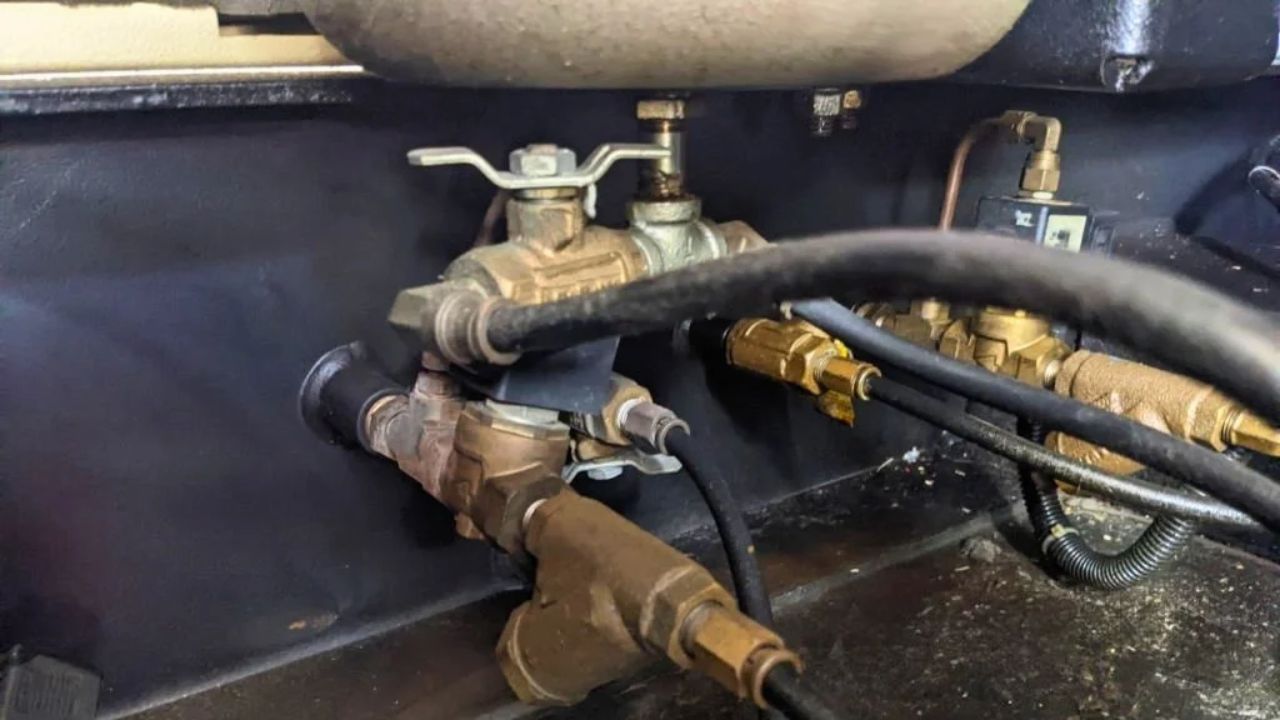
If the rope suddenly pulls too easy and the engine spins faster than normal, think compression. In freezing temps, a sticky valve or gummy valve stem can hang open just enough that the engine can’t build pressure to fire.
Sometimes warming the engine area helps, like rolling it into a warmer shed for a few hours. If it keeps happening, the right fix is valve service and cleaning, and that’s a fair job to hand to a small engine shop if you’re not comfortable pulling covers and setting clearances. Running the engine regularly in the off-season also keeps varnish from building up in places you can’t see.
When a cold start turns into a wrestling match, stop and diagnose instead of yanking the cord until something breaks. A fresh plug, fresh fuel, and the right oil solve a lot, and the rest usually shows up with a careful look at air, spark, and cranking speed.
Like Fix It Homestead’s content? Be sure to follow us.