10 Repairs That Add More Value Than a Kitchen Remodel
Photo credit: True Pixel Art/Shutterstock.com
Most buyers don’t fall in love with your backsplash. They notice the stuff that screams “this house has problems,” even if they can’t name it. The highest payback repairs usually aren’t pretty, they’re the ones that stop water, fire, rot, and surprise bills.
1. Fixing Roof Leaks Before They Stain
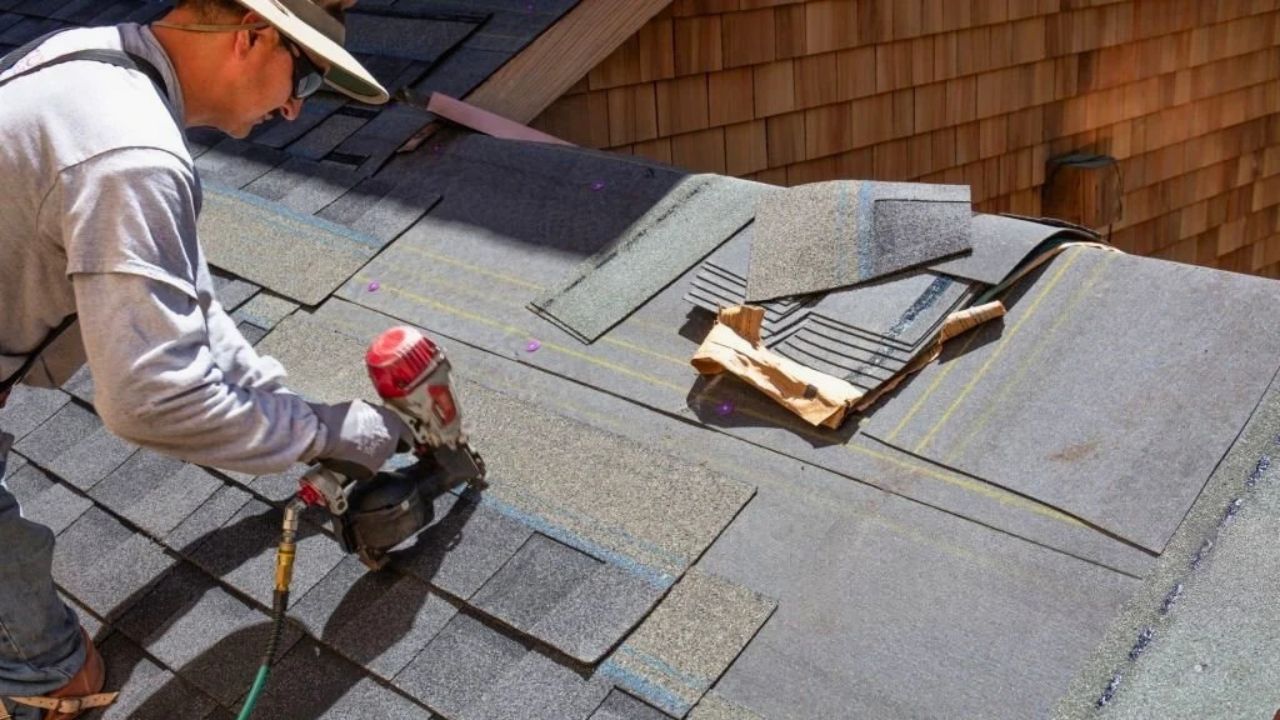
A small roof leak has a way of turning into a ceiling stain, soggy insulation, and a moldy smell that never leaves. That’s the kind of issue that makes buyers nervous and inspectors picky. Even if the kitchen looks new, water marks upstairs kill trust fast.
If you’ve got missing shingles, popped nails, cracked pipe boots, or flashing that’s pulled loose, handle it before the next hard rain. A competent roofer can often do a targeted repair in an afternoon, and it’s money better spent than cosmetic upgrades. If the roof is near the end of its life, price out a replacement and keep the paperwork, buyers love a straightforward story.
2. Stopping Basement Water At The Source
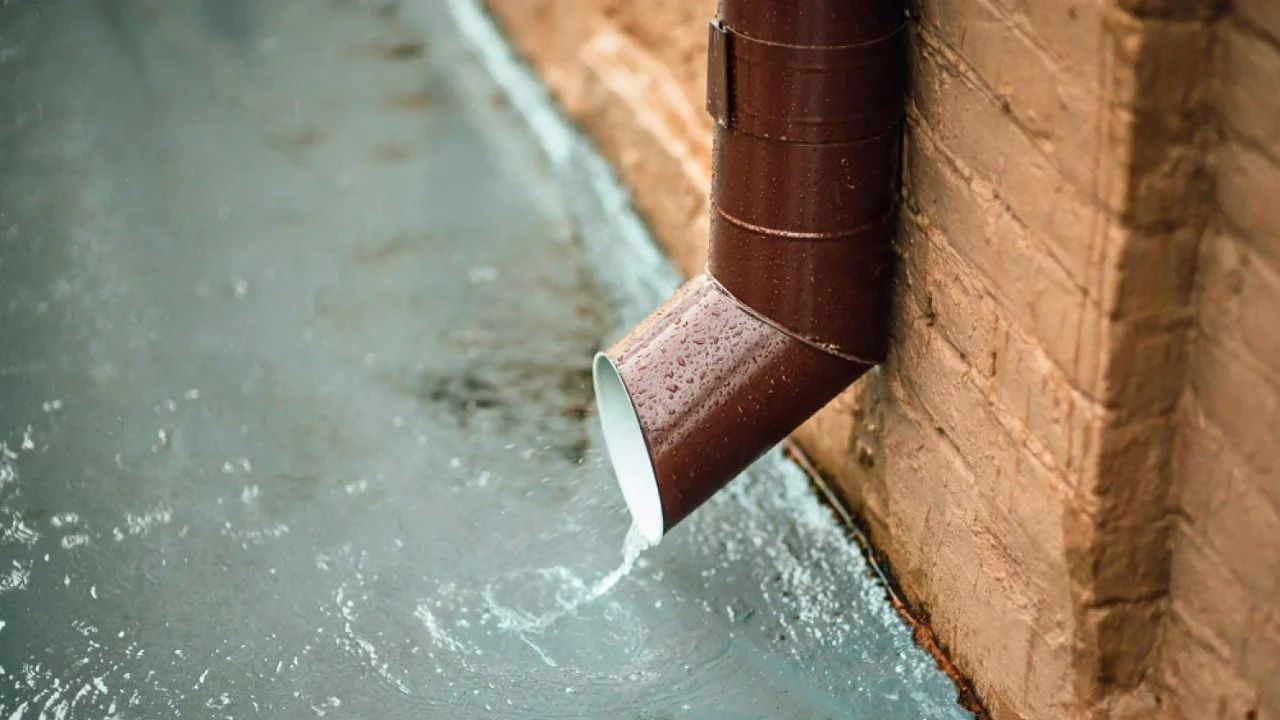
People spend a fortune finishing basements, then wonder why the carpet smells like a wet dog. Water almost always starts outside, bad gutters, bad grading, or downspouts dumping next to the foundation. Fix the cause and the basement suddenly “feels” better, even if nothing changed visually.
Clean and repair gutters, extend downspouts 6 to 10 feet, and slope soil away from the house. If you’re digging to add a drain line, call 811 before you dig and follow local rules. Interior sealants and paint-on “waterproofing” are fine for minor dampness, but they won’t stop real pressure, so don’t count on them to fix a wall that weeps every spring.
3. Replacing Rotten Trim And Siding Edges
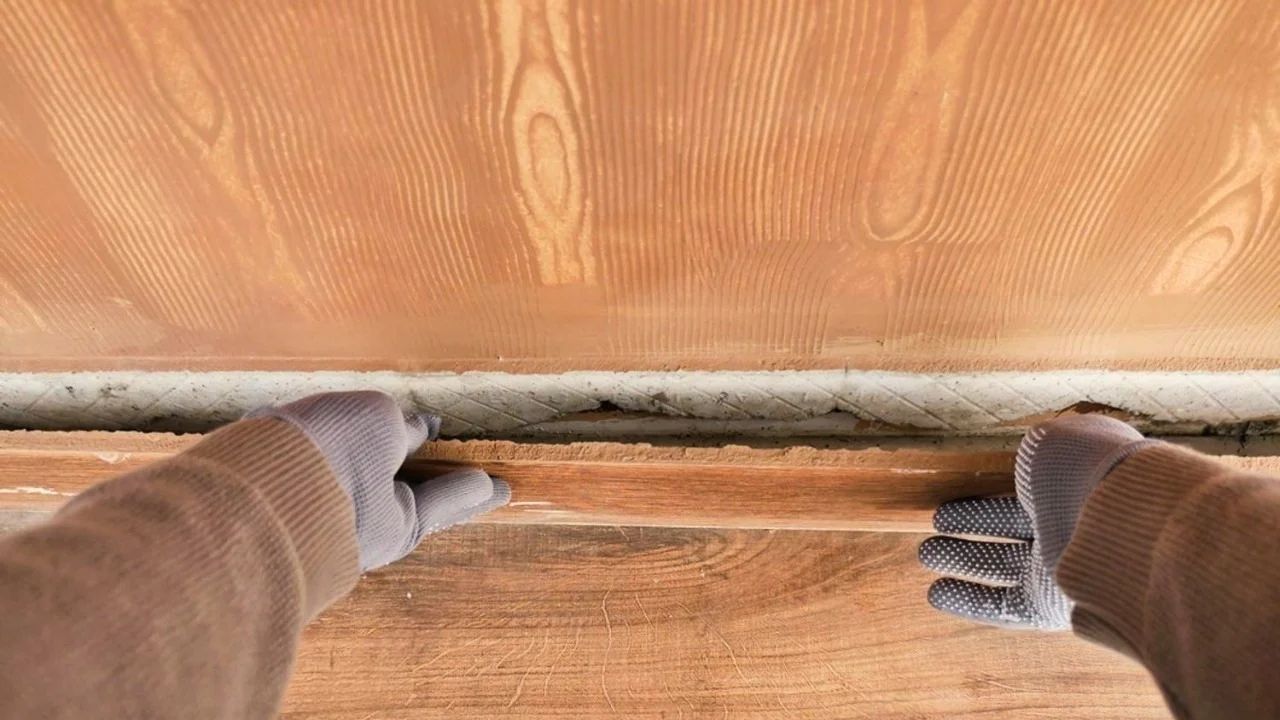
Rot around windows, doors, and the bottom edge of siding tells a buyer you’ve been ignoring water for years. It also invites ants and carpenter bees, and it spreads. A few soft spots turn into a full tear-out if you keep “painting over it.”
Probe with a screwdriver, if it sinks, you’re past cosmetic. Replace the bad boards, prime cut ends, caulk smartly, and repaint. If the rot is around a window, check flashing and drip cap while you’re there or the same spot will fail again next season.
4. Upgrading The Electrical Panel And Service
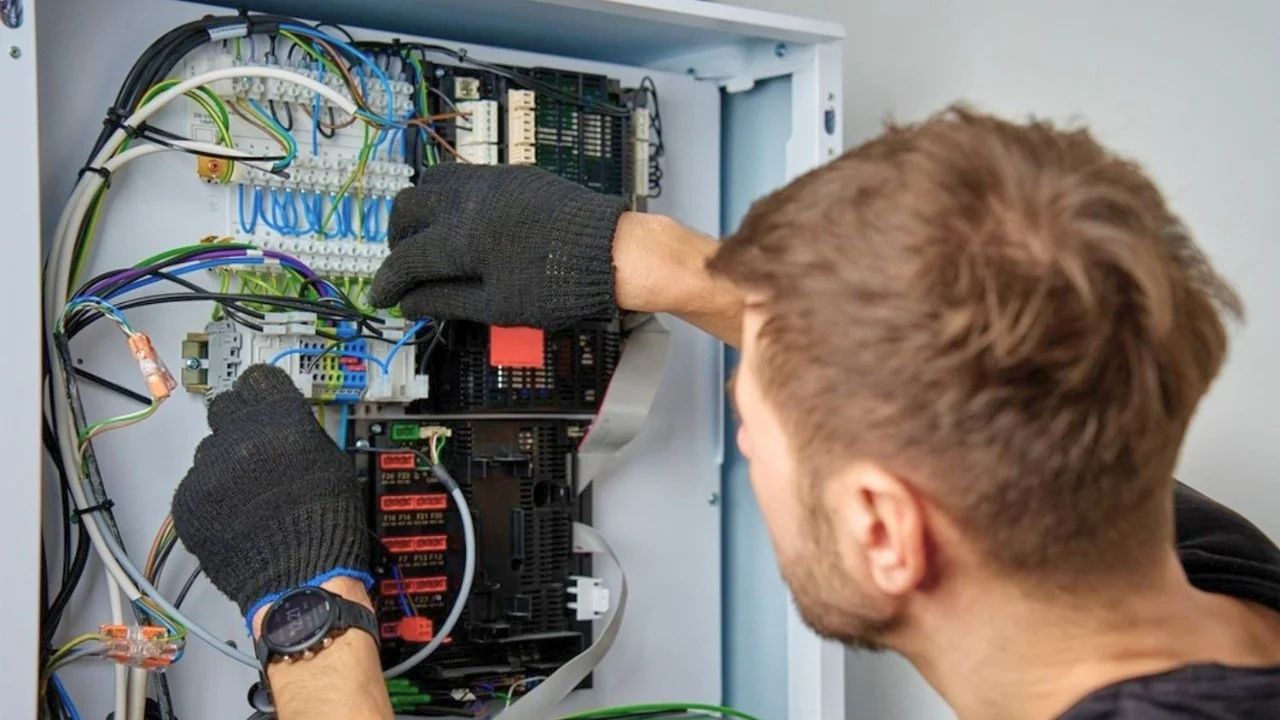
Old panels, double-tapped breakers, and scorched wires are a deal-killer in a way a dated kitchen isn’t. Buyers see “electrical,” then they picture fire, permits, and a long wait for an electrician. If your lights dim when the well pump kicks on, that’s a clue you’re pushing the system.
This is not a DIY flex. Have a licensed electrician evaluate the service size, panel condition, grounding, and any sketchy wiring, then pull permits as required. Even a simple, clean panel replacement and a few corrected hazards can calm the whole inspection report down.
5. Replacing A Failing Water Heater Right
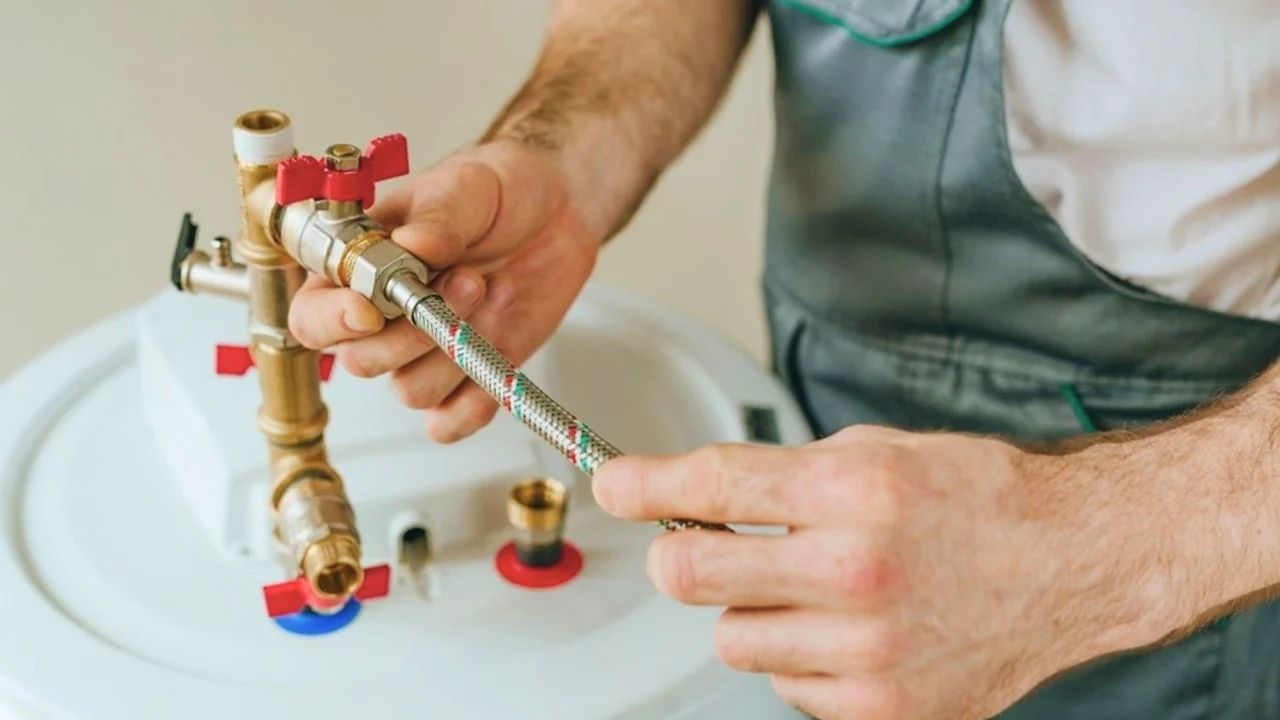
A water heater doesn’t have to look bad to be on borrowed time. When it goes, it doesn’t just stop making hot water, it can dump 40 gallons across your floor and into the next room. That kind of damage is expensive and it shows up at the worst moment, right before a showing or right after closing.
Look for rust at the bottom seam, water around the base, a burnt smell from the burner area, or popping sounds from sediment. Replacing it is usually a half-day job for a plumber, and you can keep the receipt and install date for buyers. If you’ve got a drain pan and a proper discharge line in the right place, even better.
6. Cleaning Up Attic Insulation And Air Sealing
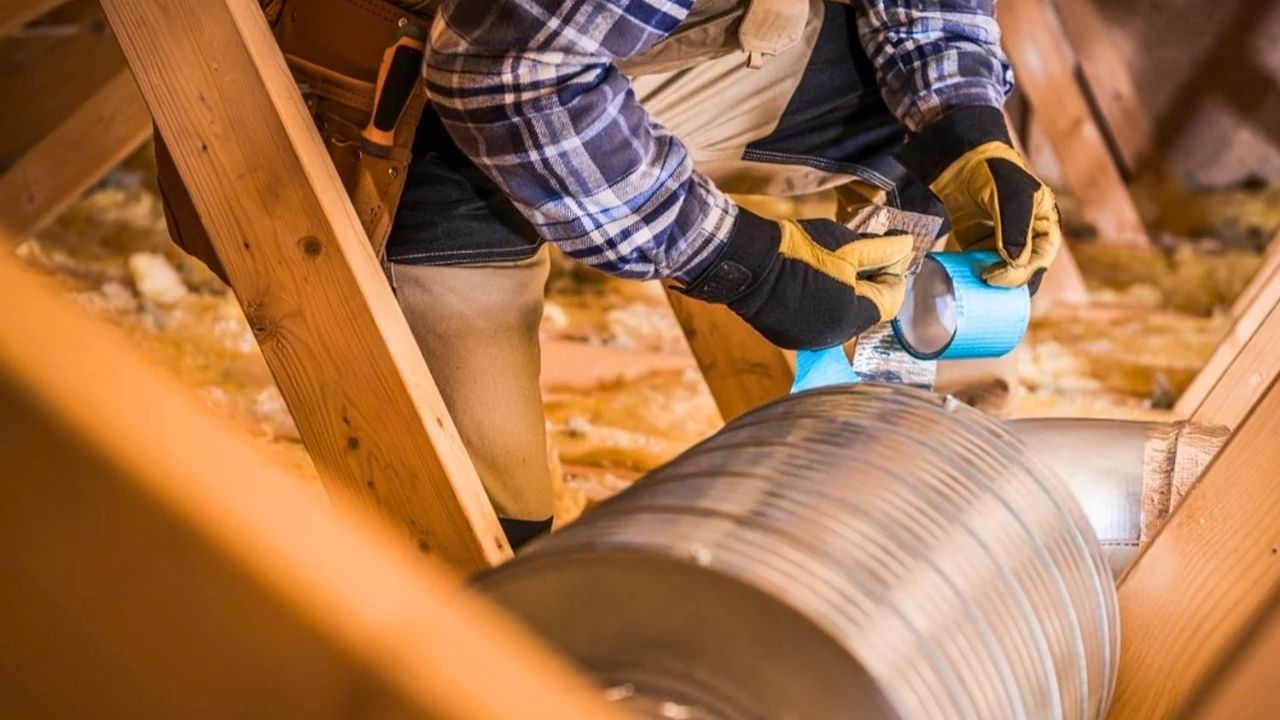
People chase fancy appliances while heat pours out through the attic hatch. Drafts, ice dams, and high winter bills often trace back to gaps around light fixtures, plumbing stacks, and top plates. This is one of the few upgrades you can feel the same day.
Air seal first, then add insulation, not the other way around. Use foam or caulk for small gaps and rigid foam or metal flashing for bigger holes, and keep clearances around chimneys and heat sources per code. If you see knob-and-tube wiring or damaged wiring, stop and call a pro before burying anything.
7. Fixing Slow Drains And Bad Venting
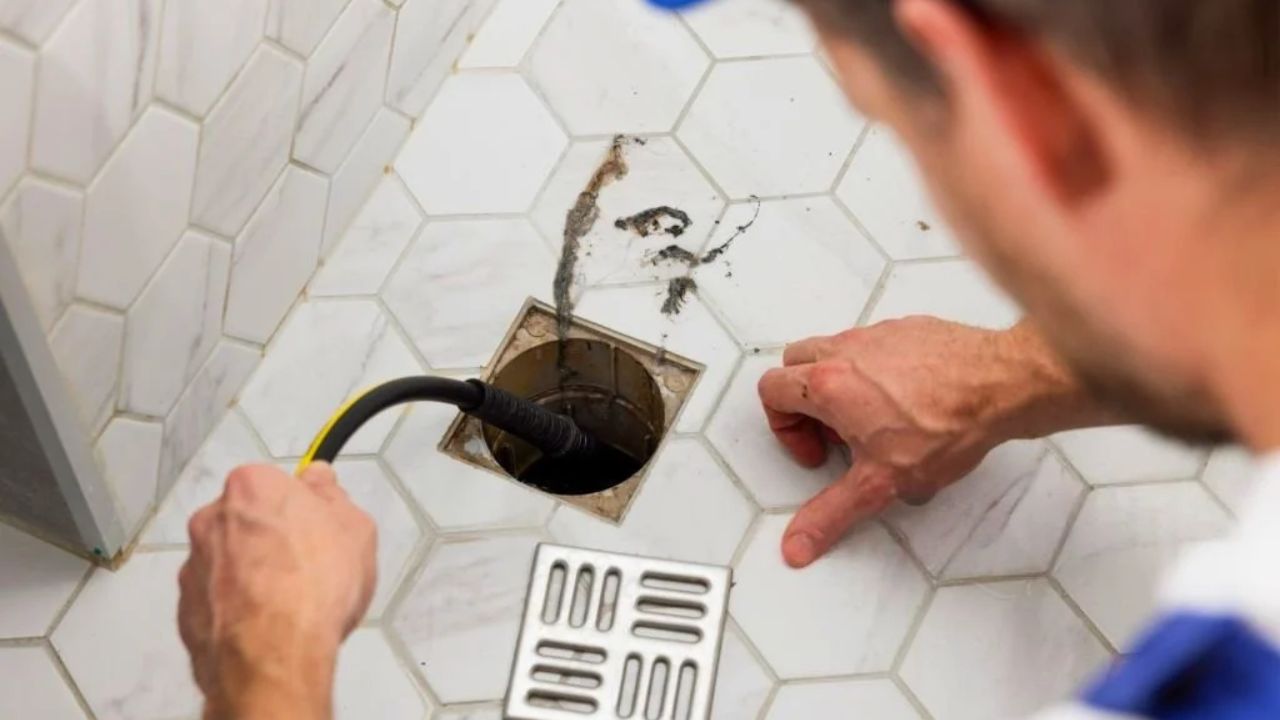
That sink that gurgles and the tub that drains like it’s thinking about it are small annoyances until an inspector runs every faucet. Slow drains suggest clogs, poor venting, or old pipes, and buyers hate mystery plumbing. A fresh kitchen remodel doesn’t help when the dishwasher backs up into the sink.
Start simple, clean the trap, pull hair from the tub, clear the pop-up, and snake the line. Skip harsh drain chemicals if you’ve got old metal pipes, they can eat what’s already thin. If multiple fixtures act up or toilets bubble when you drain a sink, call a plumber to check vents and main lines.
8. Servicing HVAC Before It Quits Mid-Season
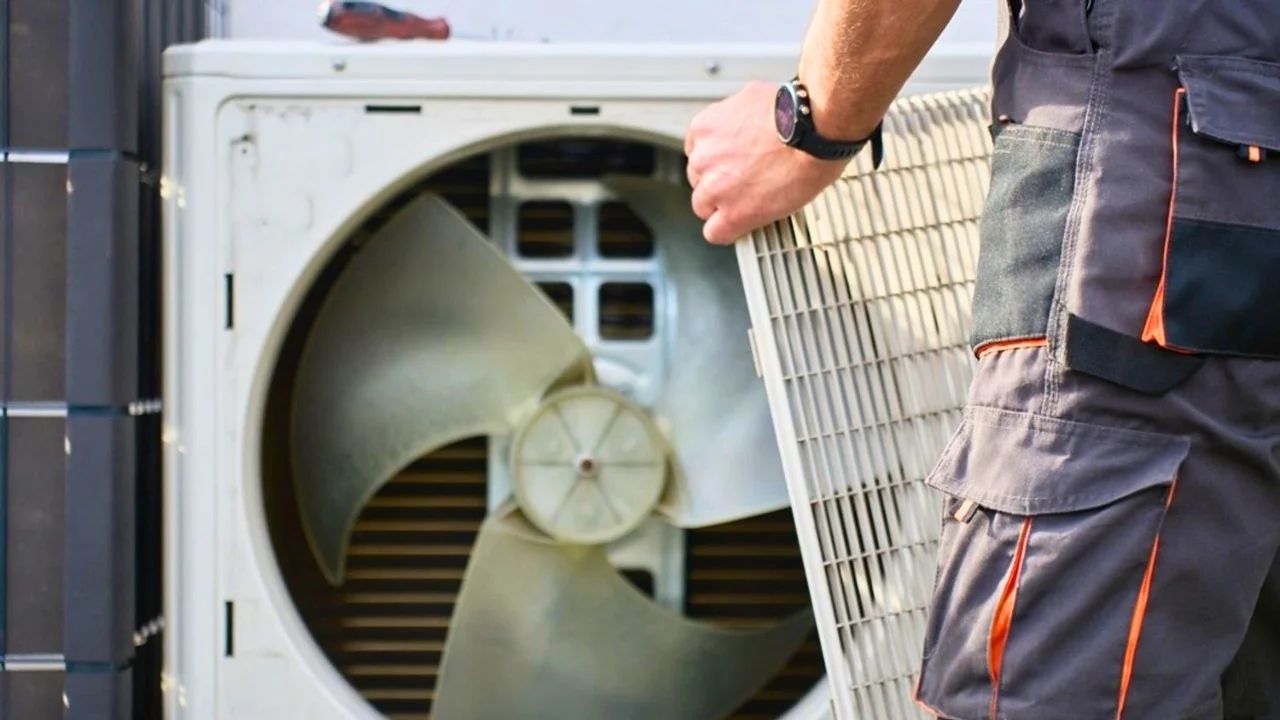
The first hot week of summer is when the AC quits, and that’s also when buyers start paying attention to comfort. A furnace that short-cycles, rattles, or smells like dust and fuel can spook people fast. Even if the unit is old, a documented service visit shows it’s been cared for.
Change filters, clean the outdoor condenser, and keep shrubs and junk away from it. For refrigerant issues, combustion problems, and anything involving gas, hire a licensed HVAC tech. If the system is truly at end-of-life, replacing it can beat a kitchen upgrade because it’s a “big scary” item that buyers don’t want to inherit.
9. Rebuilding A Safe Deck And Stairs
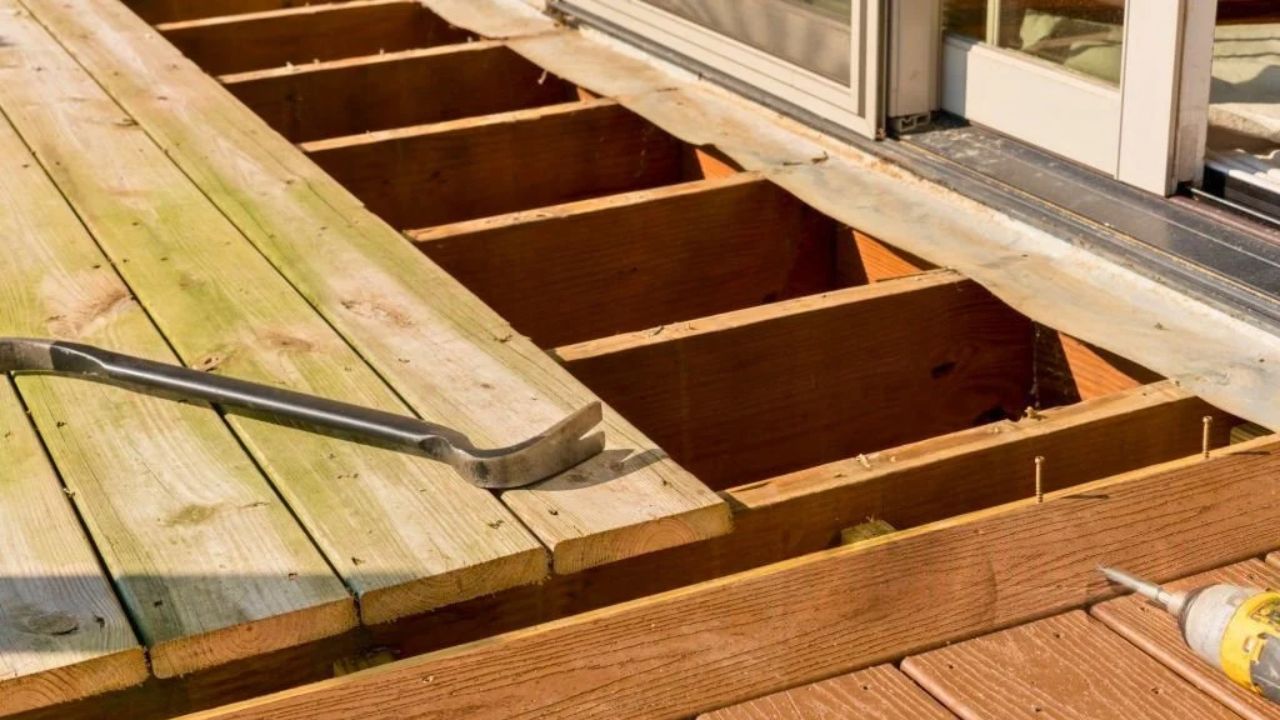
Wobbly rails and bouncy deck boards make a house feel neglected. It’s also a safety issue that an inspector can’t ignore. People step on a deck during a showing, and if it feels sketchy, they start wondering what else is sketchy.
Check ledger attachment, flashing, post bases, and stair stringers, not just the top boards. Use proper structural fasteners, not drywall screws, and follow local code for guard height and baluster spacing. If the deck is high off the ground or the structure is questionable, pay a pro, a bad deck rebuild is worse than an old deck.
10. Replacing A Tired Garage Door And Opener
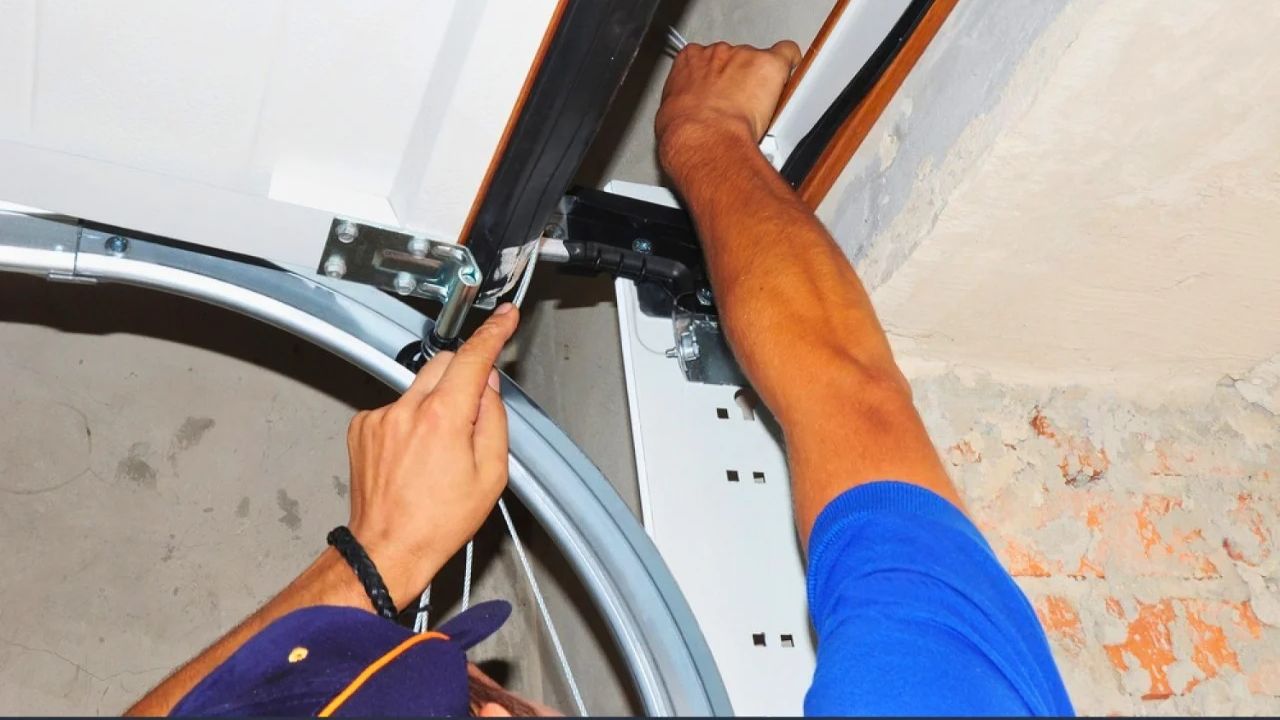
A dented, loud garage door is a daily irritation that buyers notice right away. It’s the biggest moving thing on the house, and when it shakes, bangs, or sticks halfway, it reads as “future repair.” Curb appeal isn’t only landscaping, it’s also the parts you touch.
New rollers, hinges, and weatherstrip can be a cheap win if the door is basically sound. The exception is torsion springs and lift cables, those are under serious tension and are worth paying a door tech for. If the door itself is rotted or bent, replacement makes the whole front of the house look cared for in one shot.
Pick repairs that remove doubt. When water stays outside, systems run quietly, and safety stuff looks solid, buyers relax and start noticing the nice touches you already have.
Like Fix It Homestead’s content? Be sure to follow us.