10 Things You Should Never Put Near a Propane Tank
Photo credit: Fotos593/Shutterstock.com
Propane sits there looking harmless, right up until something dumb happens nearby. Most tank problems start with heat, sparks, impact, or slow corrosion you never notice until the grill quits on a Saturday night. Give the tank a clean, boring zone and you’ll avoid the kind of mess that costs time, money, and nerves.
1. Gas Cans And Mixed Fuels
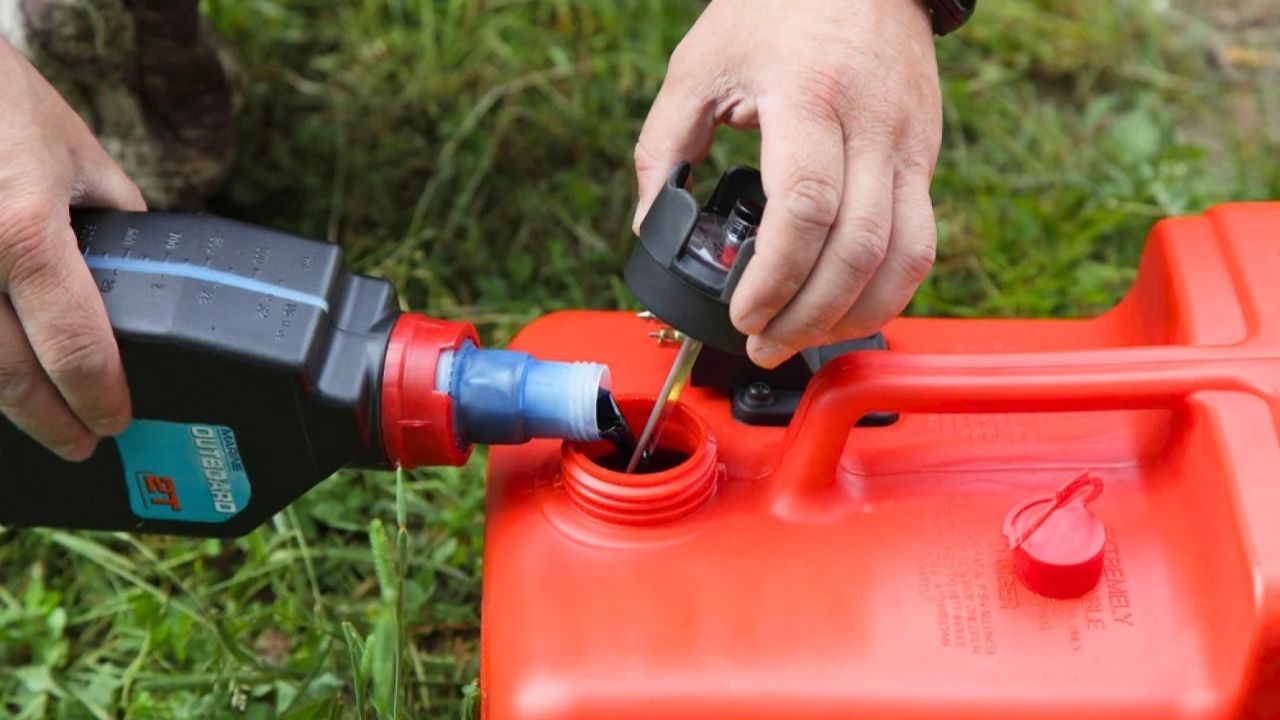
Setting a red gas can by the tank feels tidy, but it’s asking for a bad day. Gasoline vapors are easy to ignite, and the stuff tends to drip from spouts, caps, and funnels. If a valve is bumped or a regulator gets loosened, you’ve now got two fuels in the same spot.
Store gas and two stroke mix in a separate shed or a vented outdoor cabinet, away from any flame source and out of direct sun. If you only have one outbuilding, put fuel on the opposite wall from propane appliances and give it its own catch tray. Wipe spills right away, and don’t keep crusty old cans “until they’re empty.”
2. Firewood Stacks And Kindling Bins
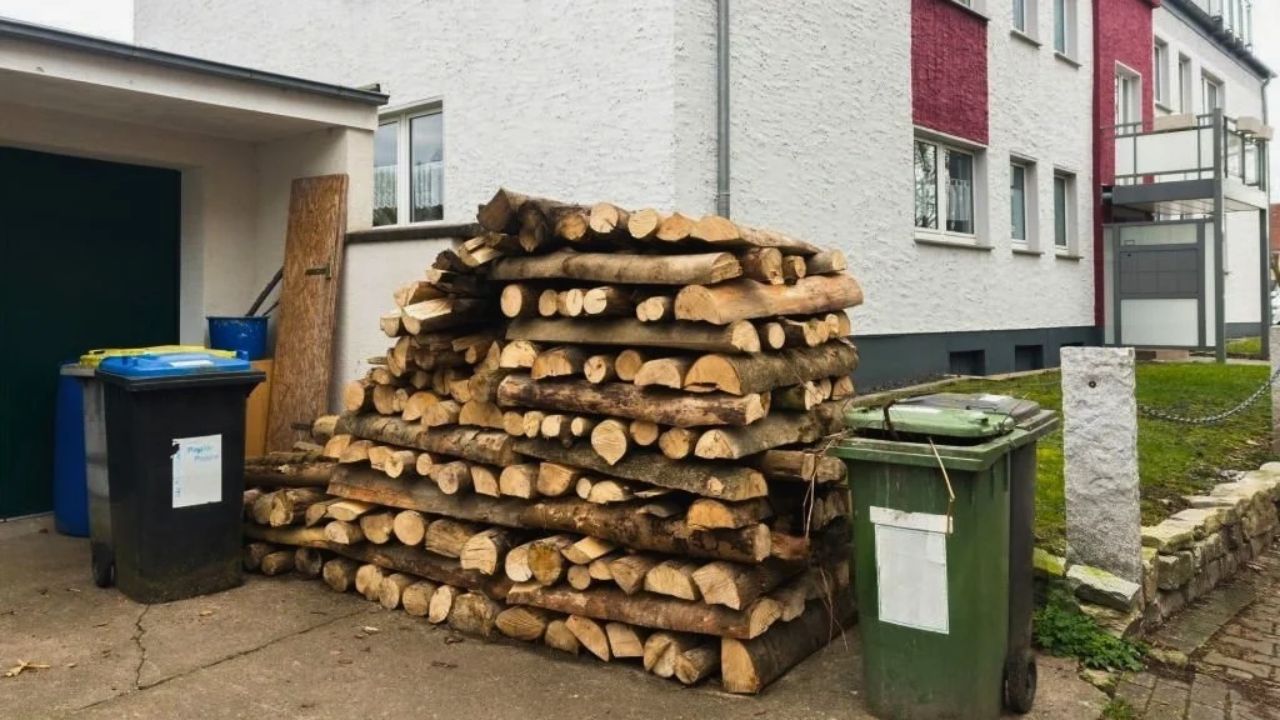
People stack wood where it’s handy, and “handy” often ends up being next to the tank or the grill. Wood is fuel, and a tall stack can trap leaves and trash, then light up fast if something flashes. It also blocks airflow, which makes it harder to spot rust and easier for moisture to hang around the tank base.
Keep wood at least several feet away and off the ground on runners or a rack. If you want convenience, keep a small indoor bin of kindling inside the house and keep the main pile out in the open. A clear view around the tank makes leak checks and deliveries smoother, too.
3. Burn Barrels And Leaf Piles
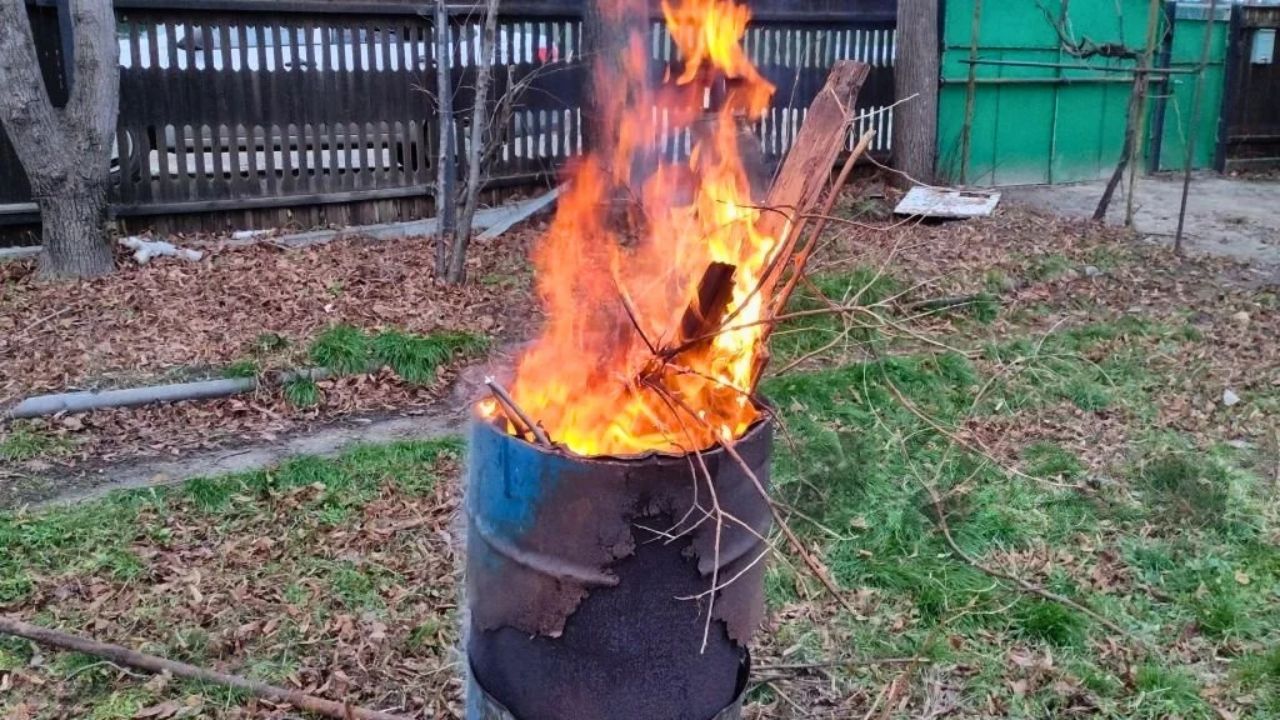
Fall cleanups are when tanks get treated like just another yard object. Burn barrels, brush piles, and those “I’ll burn it later” leaf heaps put radiant heat right where you don’t want it. Even if the flame never touches the tank, heat can mess with hoses and regulators and make a relief valve do its job at the worst time.
Burn only where it’s allowed, and do it well away from any propane storage and any structures. Wind shifts fast, and a floating ember can land in a pile of dry needles under the tank. If burning feels like a constant gamble, hauling to the dump or chipping brush starts looking pretty cheap.
4. Electrical Panels And Extension Cord Splices
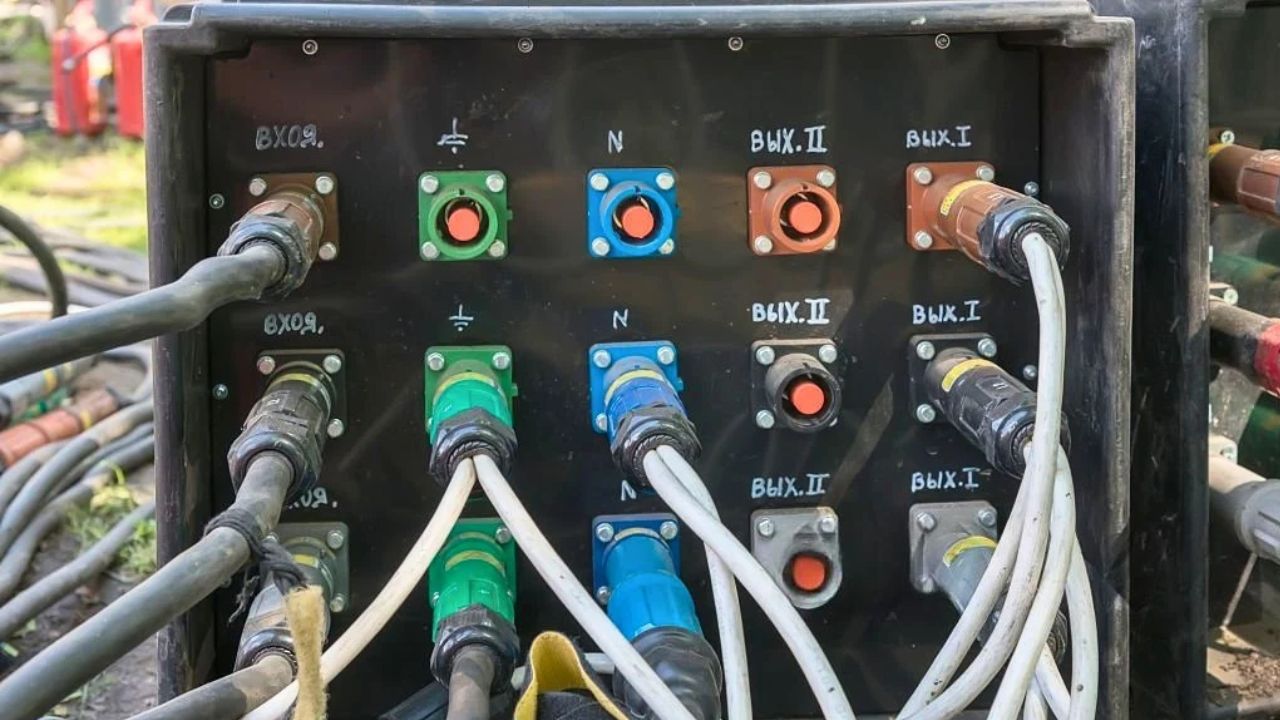
Don’t park a tank next to a breaker panel, meter base, or an outdoor disconnect. Those boxes can spark when switched, and they’re a magnet for DIY cord tangles and quick fixes. The same goes for extension cords with taped splices, cracked plugs, or a power strip living outside “just for the season.”
If you need power near a propane appliance, run a proper outdoor rated circuit and receptacle and keep cords in good shape. Any work at the panel is a licensed electrician job in most places, and it’s not the spot for learning. The cost of doing it right is usually less than one ruined freezer full of food after a bad short.
5. Weed Torches And Hot Work Tools
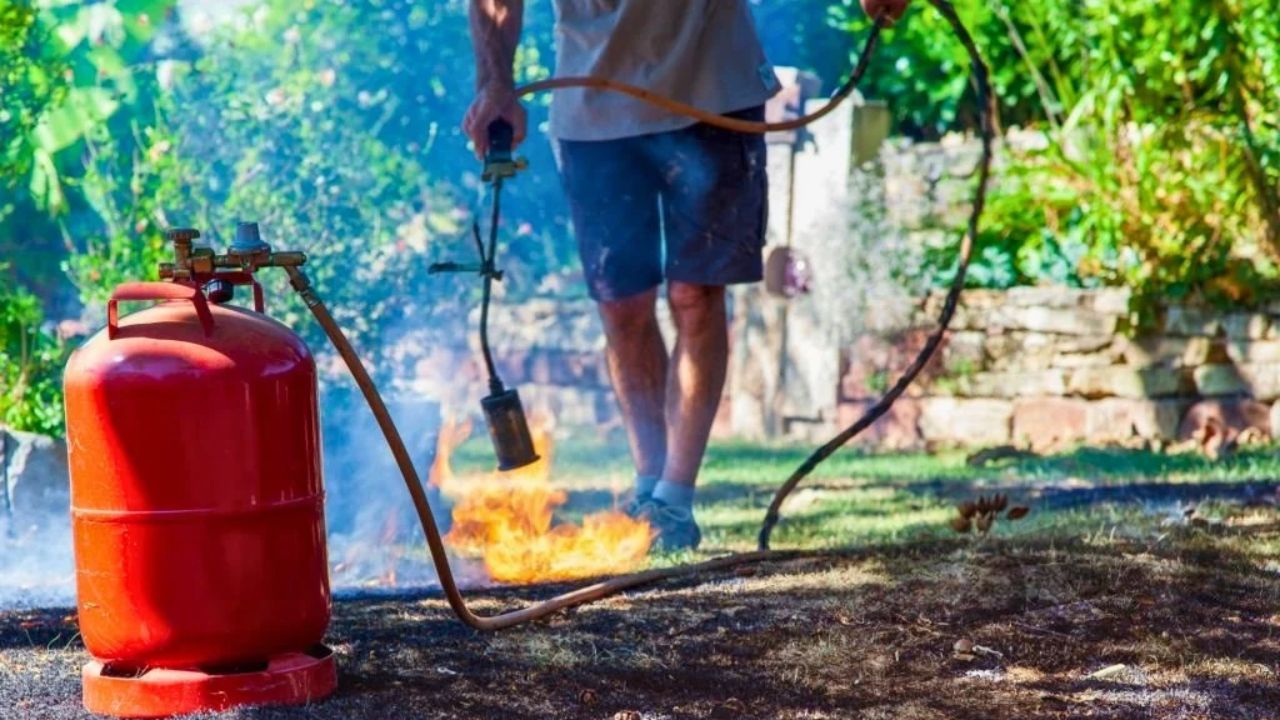
A propane weed torch near a propane tank is a hard no. So are grinders throwing sparks, torches for soldering, and cutting tools that heat metal until it glows. You’re mixing open flame with a storage vessel and often doing it while kneeling in dry grass.
Move hot work to a clear, nonflammable surface like bare soil or gravel, far from tanks, fuel cans, and buildings. If you must cut or weld, keep a fire extinguisher nearby and have a second person watch for stray sparks. A few minutes of setup beats hours of chasing a grass fire across the yard.
6. Mulch, Compost, And Fertilizer Bags
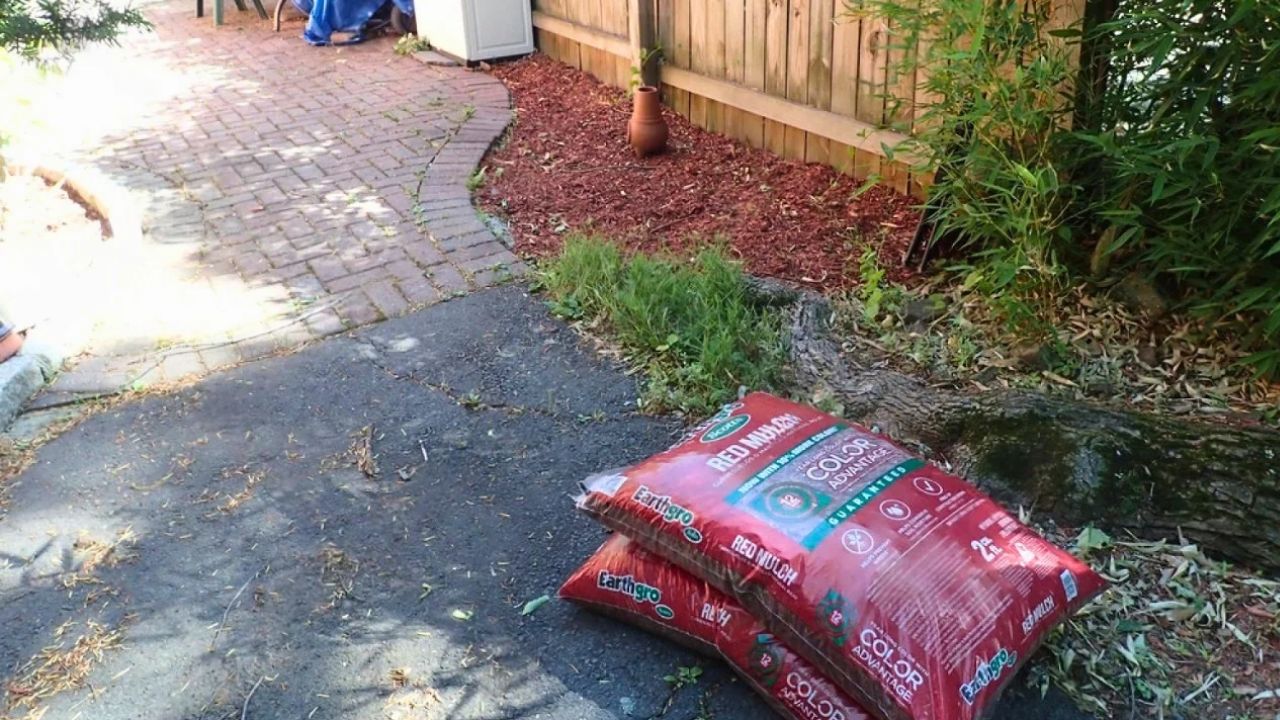
Mulch piled up around a tank looks neat, but it holds water against steel and hides rust. Compost can stay warm for a long time, and some bagged fertilizers are corrosive when they get damp. You don’t notice the damage until the paint blisters or the bottom ring starts flaking.
Keep the tank area on gravel or bare ground and sweep it out a couple times a year. Store fertilizer and pool chemicals in a dry spot away from metal tanks and valves. If you’ve already landscaped right up to the tank, pull it back and leave a simple buffer strip so you can inspect and service things without digging.
7. Pool Chemicals And Chlorine Storage
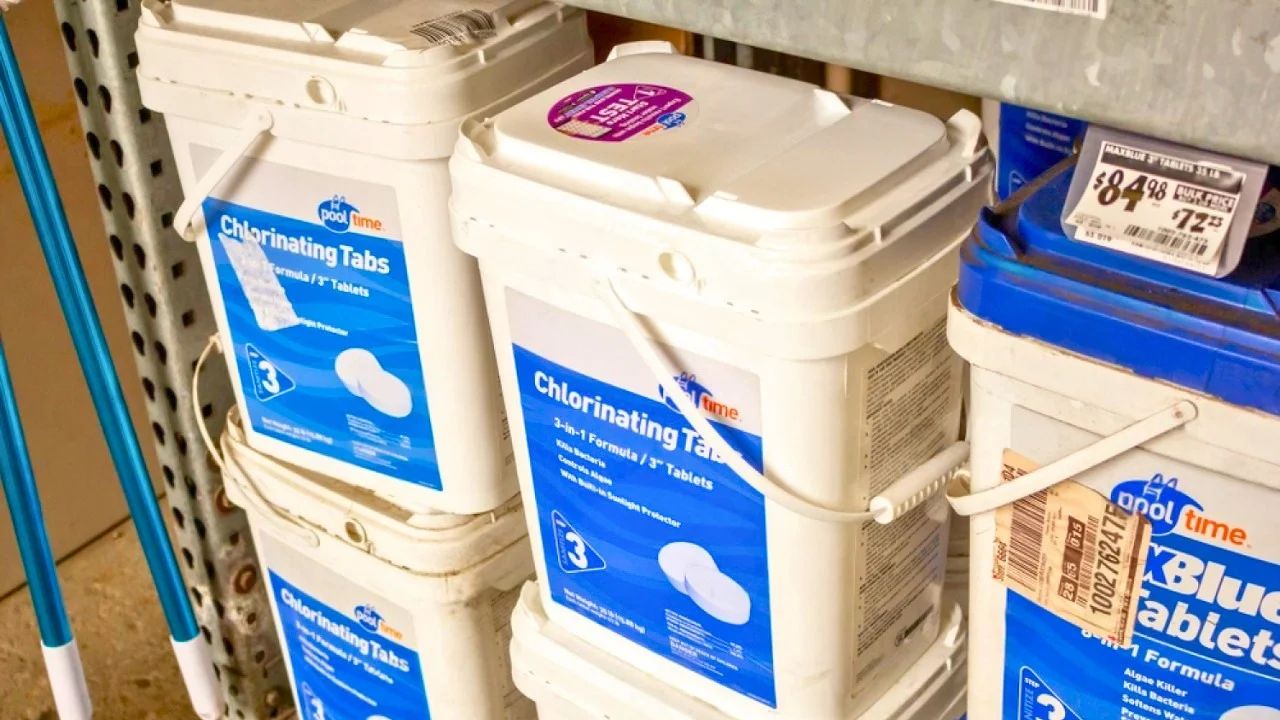
Chlorine tabs, shock, and muriatic acid do not belong anywhere near propane equipment. Fumes alone can chew up metal parts, and a spill can corrode fittings and valve hardware fast. Even if the tank is fine, the regulator and small brass pieces can get ugly in a season.
Store pool chemicals in a dedicated plastic bin in a well ventilated spot, away from anything metal and away from heat. Keep lids tight and never stack chemicals where they can fall onto the tank dome or valves. If you smell that sharp pool odor near the tank, you already waited too long.
8. Vehicles, Trailers, And Snow Plow Paths
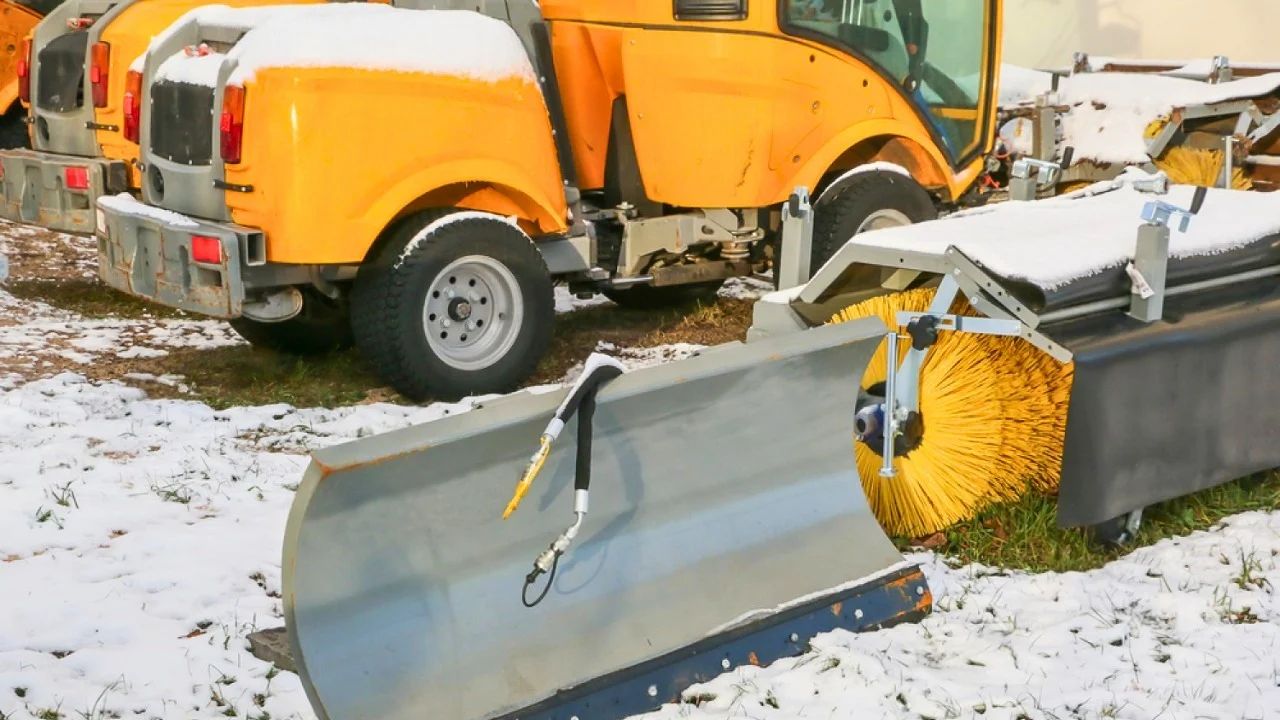
The tank isn’t a parking marker, but it gets treated like one. Backing a trailer corner into a tank guard, clipping the dome with a mower, or plowing a drift into the valves can break parts you can’t just duct tape back together. Sometimes the damage shows up later as a slow leak or a regulator that freezes up and starves the appliance.
Set visible markers, install a proper barrier if you have tight access, and keep the plow line wide. If a tank gets hit, stop and call your propane supplier. Don’t try to bend guards back or “snug up” fittings with a random wrench.
9. Spare Regulators And Random Hose Coils
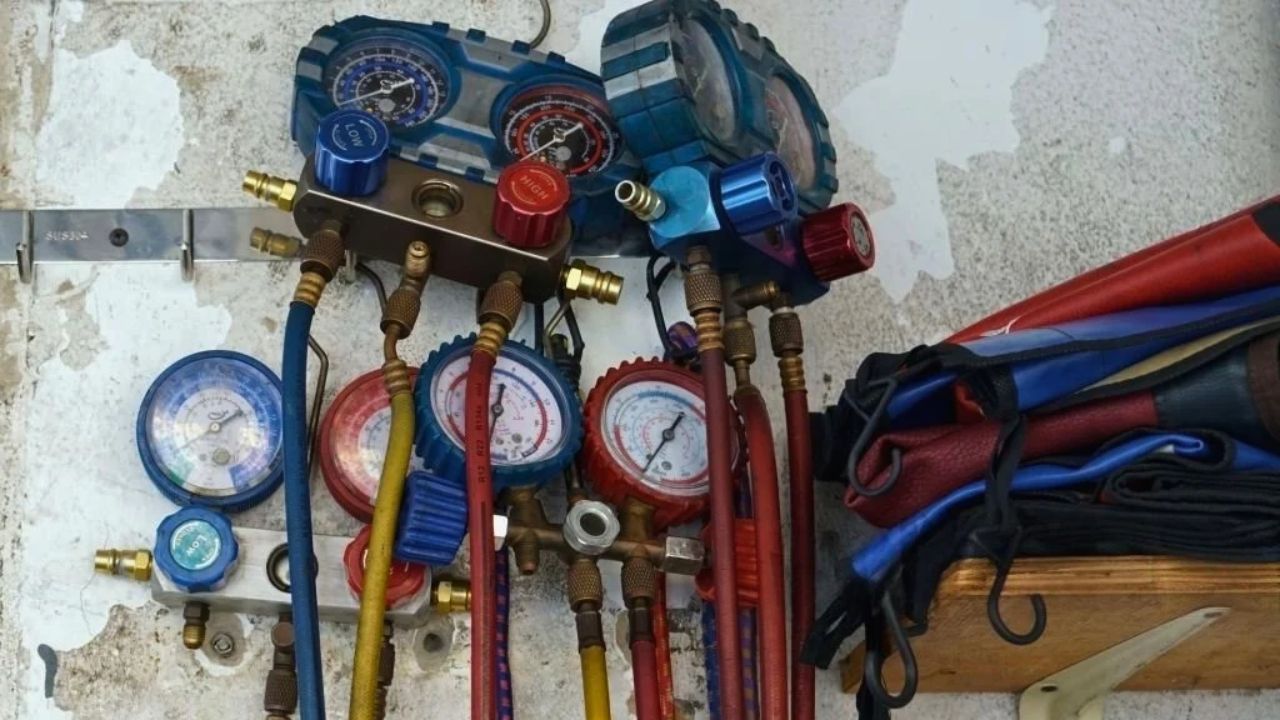
Stuff gets hung on the tank because it’s right there. Coiled hoses, spare regulators, and “extra parts” in a bucket collect water, attract mice, and invite someone to swap pieces without knowing what they’re doing. A kinked hose or a chewed line can turn into a leak you only notice when you smell it on a calm morning.
Keep hoses and regulators in a dry tote in the shed and label what they fit. If a hose shows cracks, stiffness, or chew marks, replace it, don’t rotate it to “less important” duty. Any change to regulators or piping is a job for a qualified tech, especially on fixed home systems.
10. A Simple Chain And Lock Setup
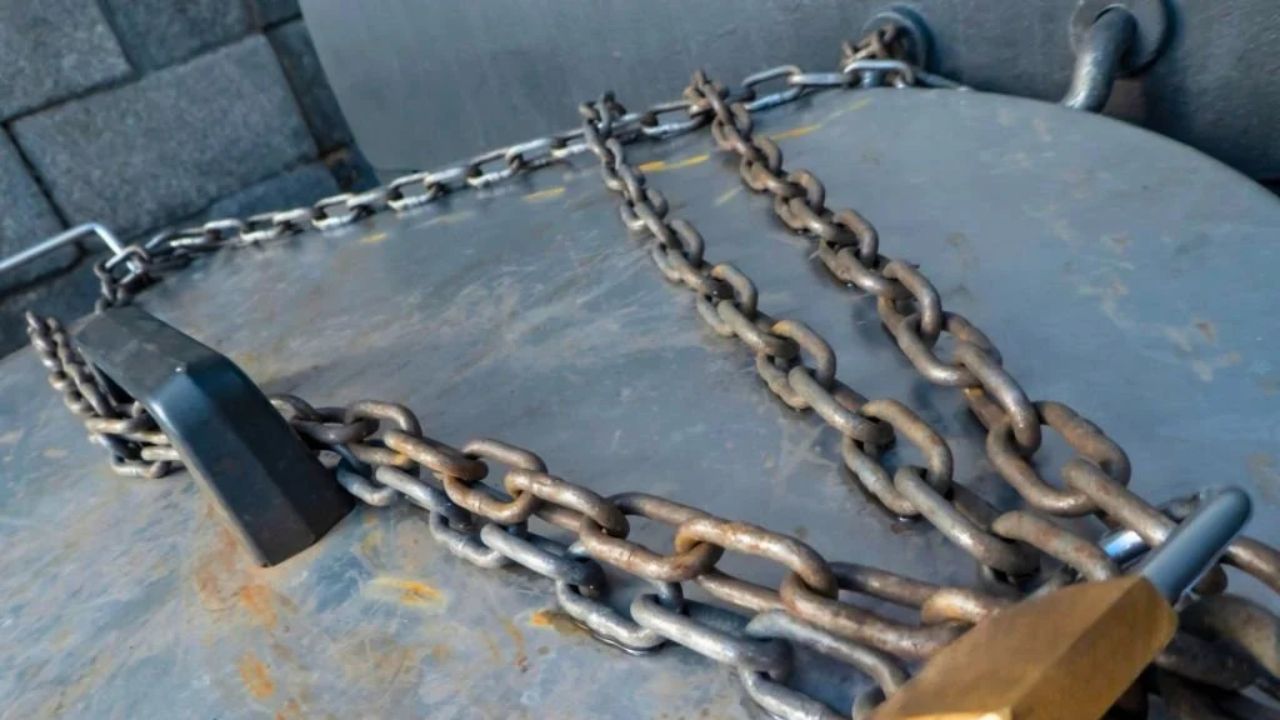
People love to chain a grill tank to a post to slow down theft. The problem is the chain can rub the cylinder, smack the valve, or turn into a lever if the tank tips. A padlock also makes it tempting to drag the tank by the handle, which can bend the collar over time.
Here’s the exception, a light deterrent can be fine if it doesn’t touch the cylinder and it won’t pull the valve if the tank shifts. Use a proper cylinder cage or a bracket made for tanks, or chain the grill cart frame instead of the tank itself. Keep it quick to remove so you’re not fighting hardware when you need to shut the valve fast.
A propane tank area should feel boring, open, and easy to walk around with nothing to trip over. When you’re setting up storage, think about what happens on the windiest day, the hottest afternoon, and the sloppiest winter thaw. If you keep the clutter and heat sources elsewhere, the tank will sit there for years doing its one job without drama.
Like Fix It Homestead’s content? Be sure to follow us.