10 Signs an Opossum Has Moved In Under the Deck
Photo credit: stockphotofan1/Shutterstock.com
Something starts scratching under the deck after dark, and suddenly the yard feels smaller. You smell something musky near the steps, and the dog won’t stop checking one spot. If an opossum decided your deck is safe housing, the sooner you confirm it, the easier it is to get your space back without wrecking the deck skirt or trapping yourself in a bigger mess.
1. Nighttime Scratching And Slow Shuffling
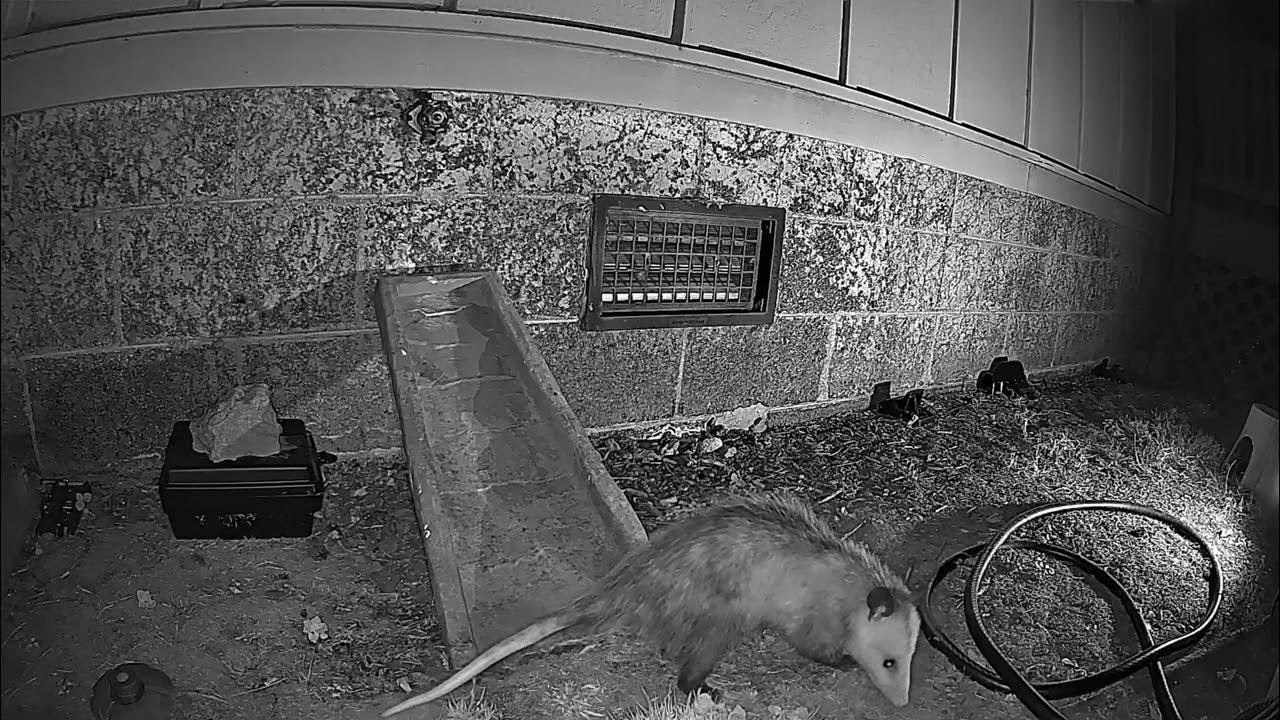
You’ll hear it when the neighborhood quiets down. It’s not the sharp scamper of a squirrel, it’s a dragging shuffle with short scratches, like something nosing along joists or moving bedding. Opossums are mostly nocturnal, so the sound shows up after dusk and can run in bursts for a few minutes at a time.
Stand inside with a window cracked and listen where the noise centers, then step outside and listen again so you’re not chasing echoes through the floor. Don’t start banging on the deck every night, that just teaches the animal to stay put until it’s quiet. Instead, plan a daylight check for openings, tracks, and droppings so you can work a real fix.
2. A New Musky Odor By One Corner

That stale, musky smell near one corner of the deck is a big clue, especially after rain or on warm evenings when odors lift. Opossums don’t spray like skunks, but their den can stink from urine, droppings, and whatever they dragged in. If the odor seems strongest at the same spot every time, you’re probably close to the entrance.
Don’t mask it with air freshener or dump bleach outside and call it good. Find the gap and deal with the cause, then clean after the animal is gone. Once the space is empty, a shovel, a rake, and an enzyme cleaner meant for pet messes usually does better than harsh disinfectant on porous wood and soil.
3. Dog Fixates On One Deck Spot
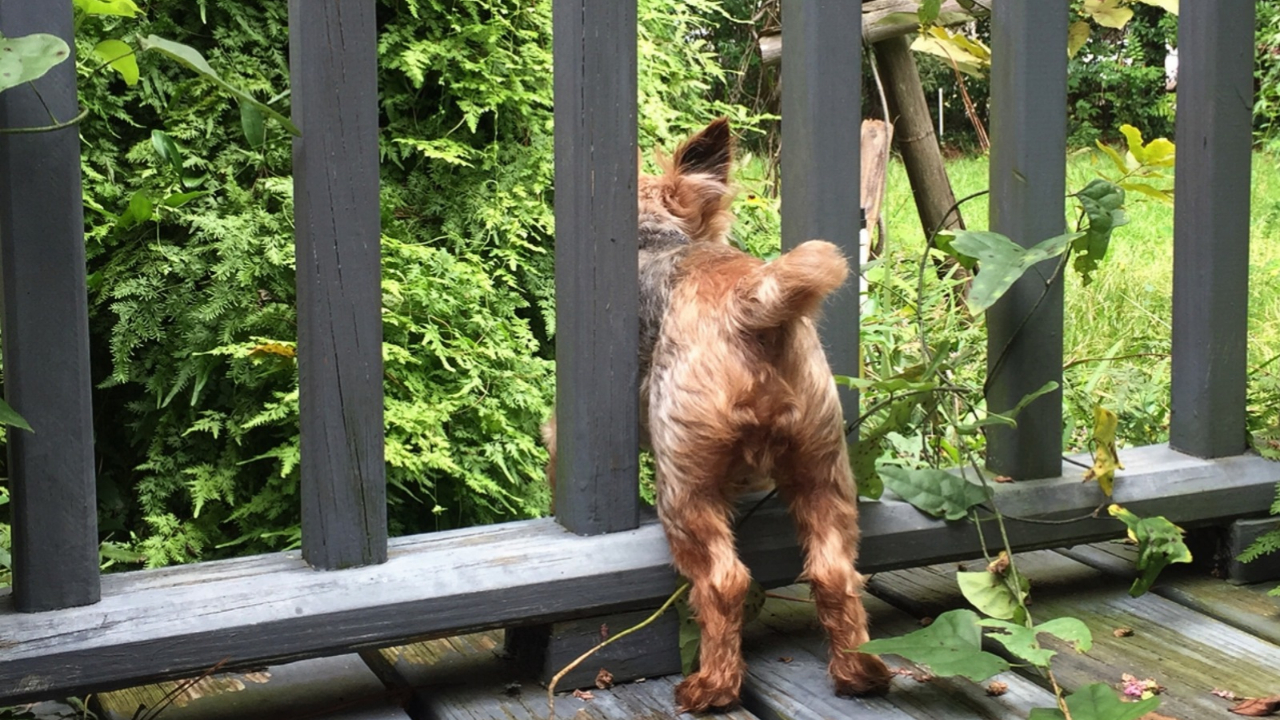
Pets act like a cheap motion detector. If your dog plants its nose at the same seam in the skirting, whines at night, or starts “patrolling” under the steps, it’s picking up fresh scent. Cats may sit and stare at the deck edge for long stretches.
Keep the pet away from the opening while you figure it out. A cornered opossum can bite, and a dog can get scratched up fast. If your dog is digging at the edge, lay down a temporary barrier like a scrap of plywood weighted with blocks until you can do a proper exclusion.
4. Muddy Handprints And Tail Drag Marks
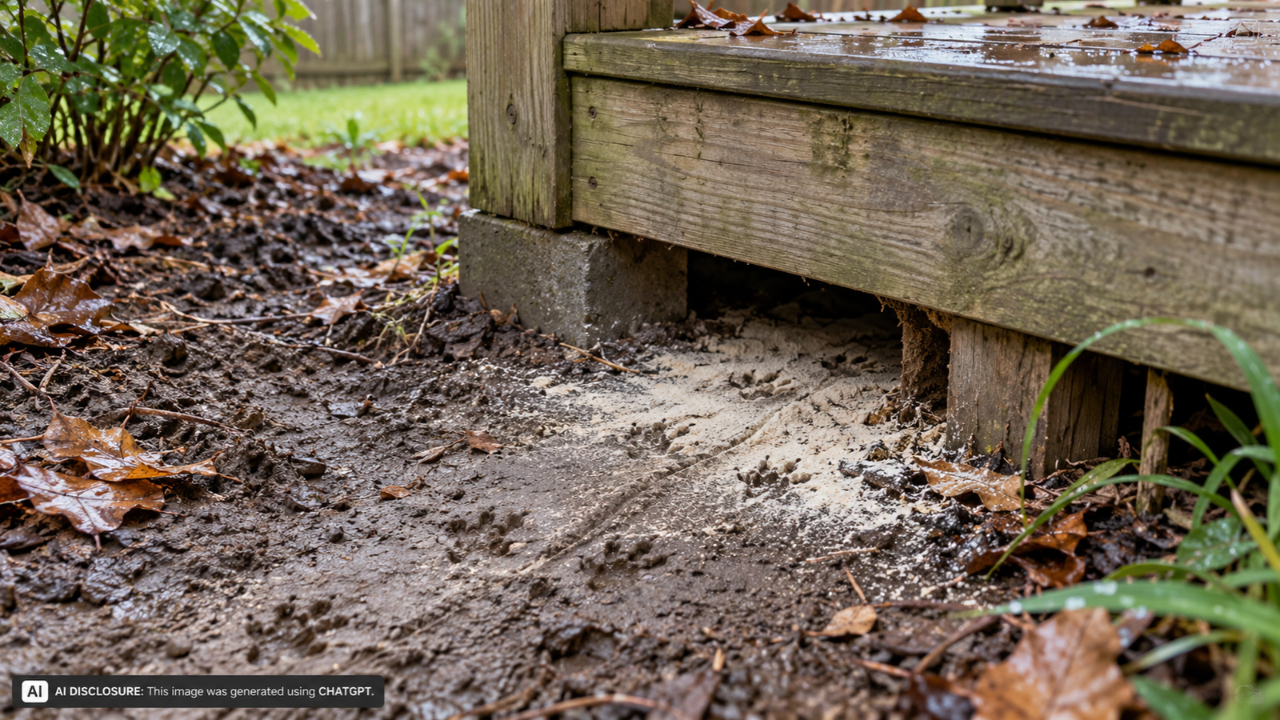
After a wet night, check for tracks where the ground meets the deck edge. Opossum prints look like little hands, five toes, with a thumb-like toe on the back foot. You might also see a thin tail drag line in soft mud or dust.
Sprinkling a light layer of flour or sand near suspected entrances can make tracks show up without any fancy tools. Do it in the evening, then check first thing in the morning. If you see hand-like prints going in and out of the same gap, stop guessing and start planning how to close that gap the right way.
5. Droppings In One Small Pile
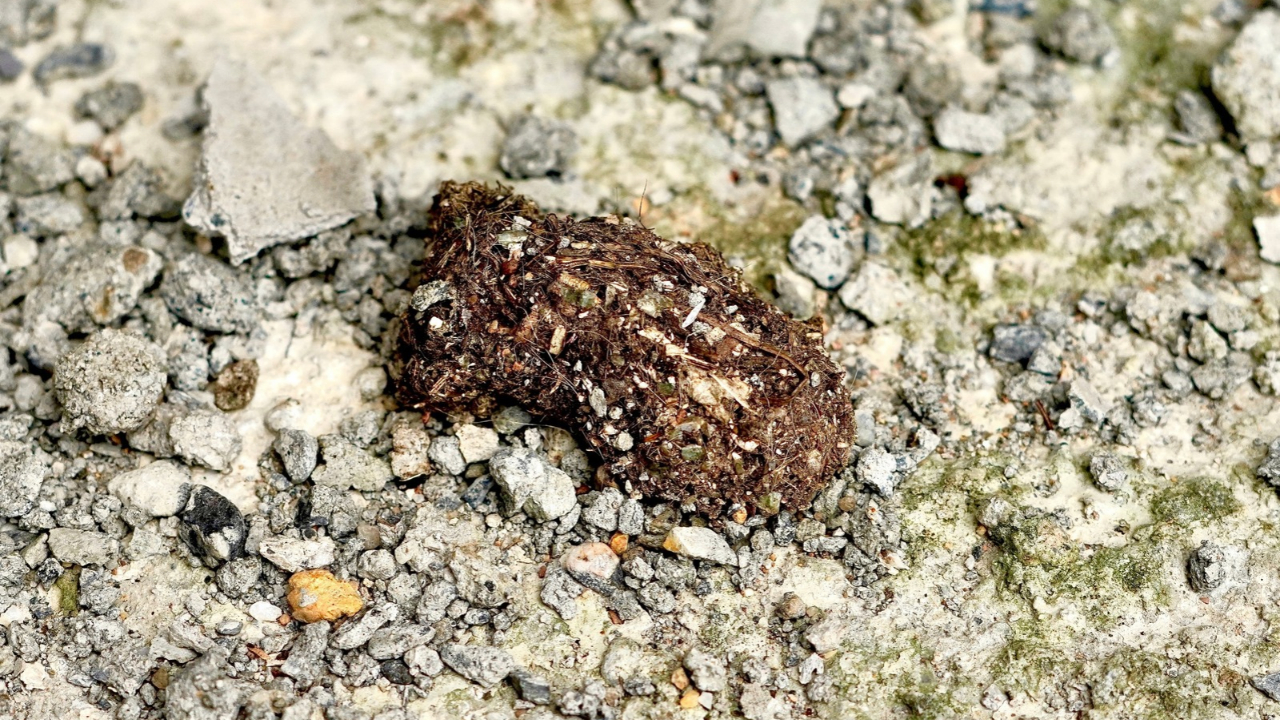
Opossums often leave droppings near travel paths and close to their den. The droppings are usually dark, smooth, and about the size of a large bean, sometimes curled. A small pile near a deck corner or along a beam can mean it’s using the area as a regular route.
Wear disposable gloves and a dust mask before you poke around, and keep kids out of the area until cleanup is done. Skip the shop vac. Pick up solids with a shovel or paper towels, bag them, then wet down and clean the spot so you’re not kicking dust into the air.
6. Fresh Digging At The Deck Edge
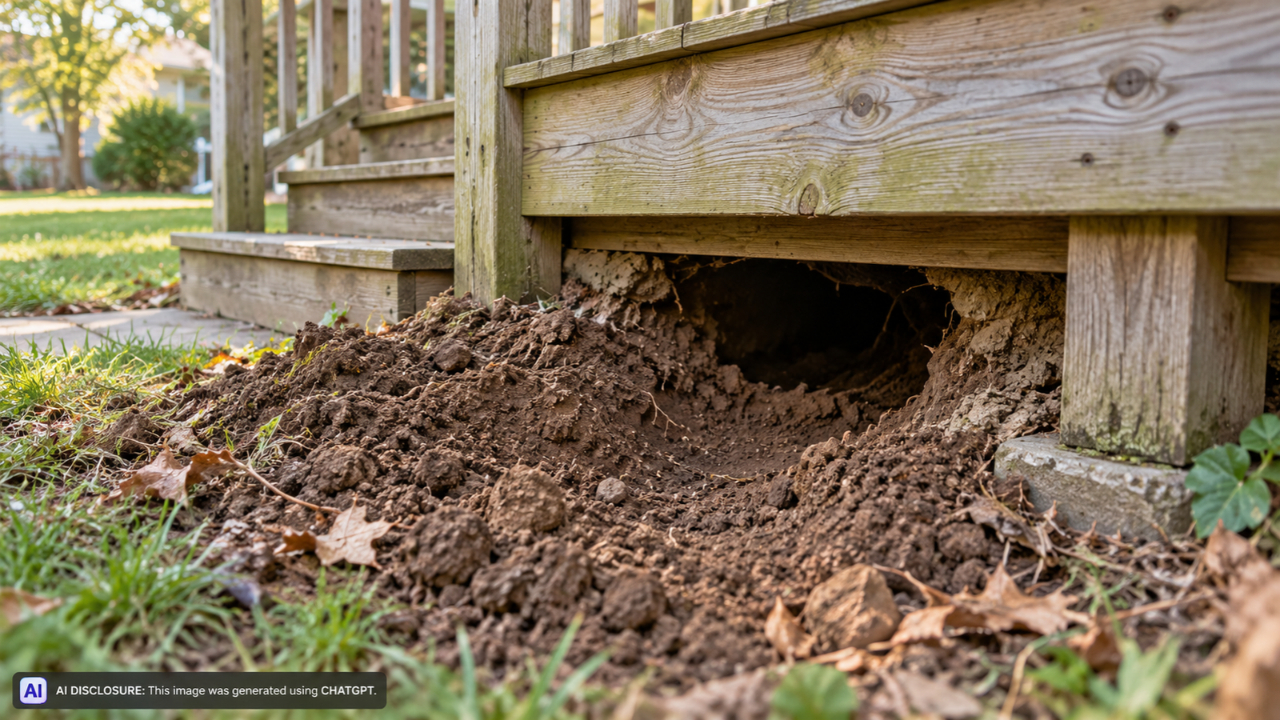
If the soil is dug out under one section, that’s often the “doorway.” Opossums don’t excavate like groundhogs, but they will enlarge a soft spot, especially under stairs or where water keeps the soil loose. Sometimes they just take advantage of an existing void caused by erosion.
Fixing it means more than pushing dirt back in. Address drainage so the soil doesn’t wash out again, then close the entry with hardware cloth, not chicken wire. Use 1/2 inch galvanized hardware cloth, bend it into an L-shape, and bury the bottom leg several inches so it can’t be pulled up.
7. Missing Fallen Fruit Or Garden Snacks

When apples, pears, plums, or dropped tomatoes disappear overnight, it’s easy to blame raccoons. Opossums will do it too, and they’ll keep coming back if the buffet is close to a safe den. Compost that smells sweet can pull them in the same way.
Clean up windfall fruit daily during peak season, and fence off compost if it contains kitchen scraps. If the only “food” is a few fallen crabapples, that alone may not be enough to keep an opossum under the deck, so treat this as a supporting sign, not proof by itself.
8. A Low Gap That Was Not There
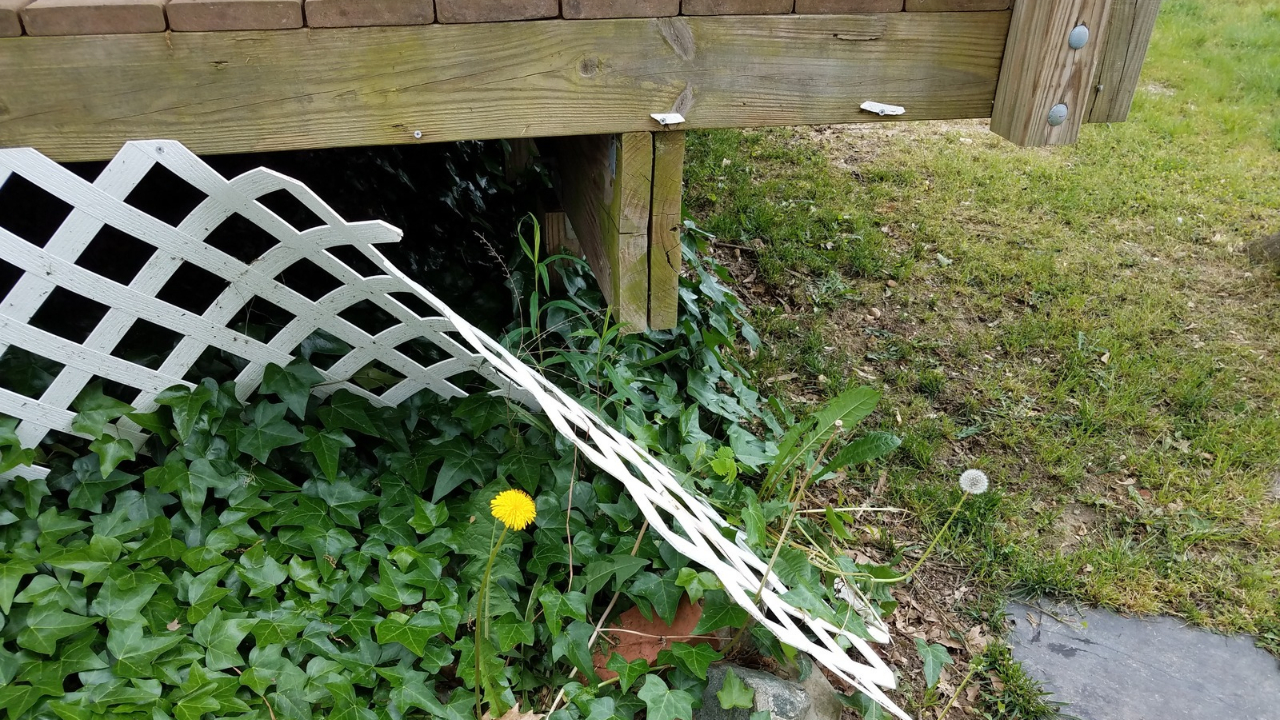
Deck skirting shifts. Lattice warps, staples pull out, and one kicked board can open a space just big enough for an animal with a flexible body. If you can fit your fist through the gap, an opossum can usually get through it.
Don’t waste money on flimsy plastic lattice patches. Use wood blocking or treated lumber to stiffen the edge, then cover openings with hardware cloth fastened with exterior screws and washers. If you’re adding posts or digging for a new barrier, call 811 for utility locates first and follow local code for any structural changes.
9. Late Winter Den Behavior Near Warm Vents
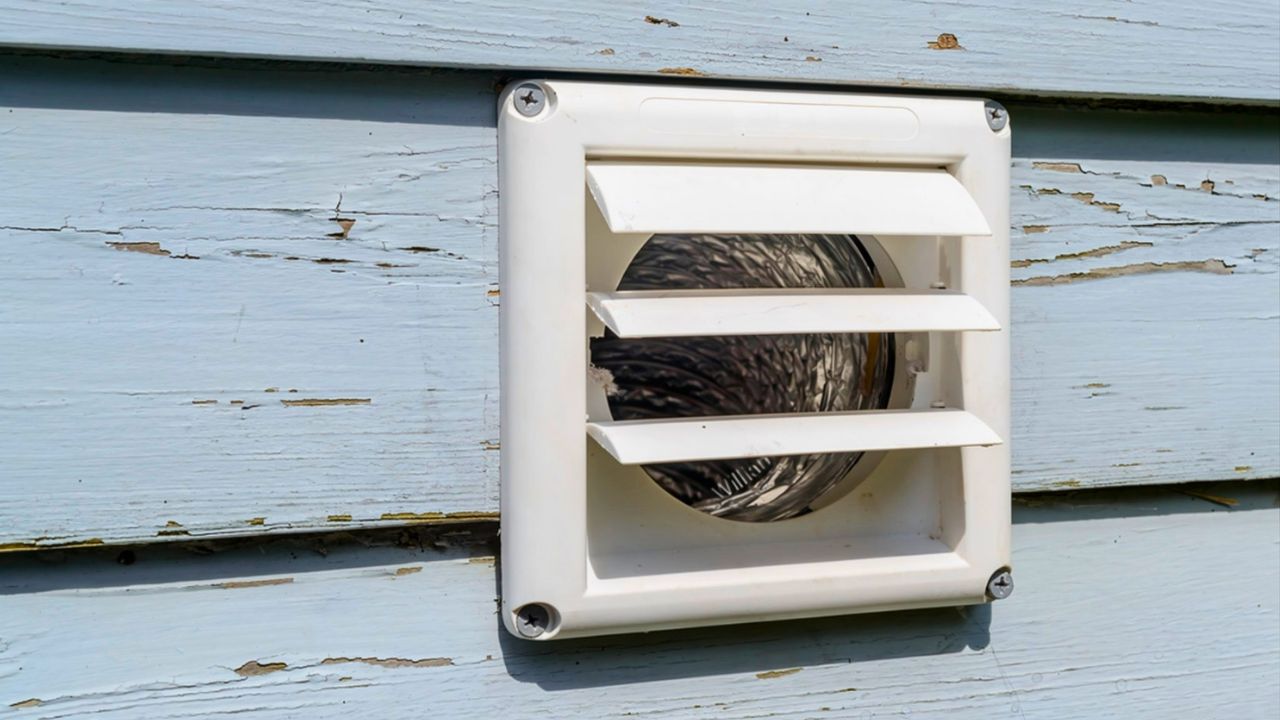
Cold snaps bring this problem to your doorstep. Opossums look for sheltered, stable temperatures, and a deck close to a dryer vent or a leaky crawlspace access becomes prime real estate. You may notice more activity on the mild nights that follow a hard freeze.
Check that dryer vents have a working flap and intact ducting, since lint and warm air attract critters and create a fire risk. If you find torn duct, crushed flex pipe, or signs the vent line runs under the deck, it’s worth calling a pro to correct it. Dryer vent routing and terminations are not a spot for guesswork.
10. Daytime Sightings Around The Steps
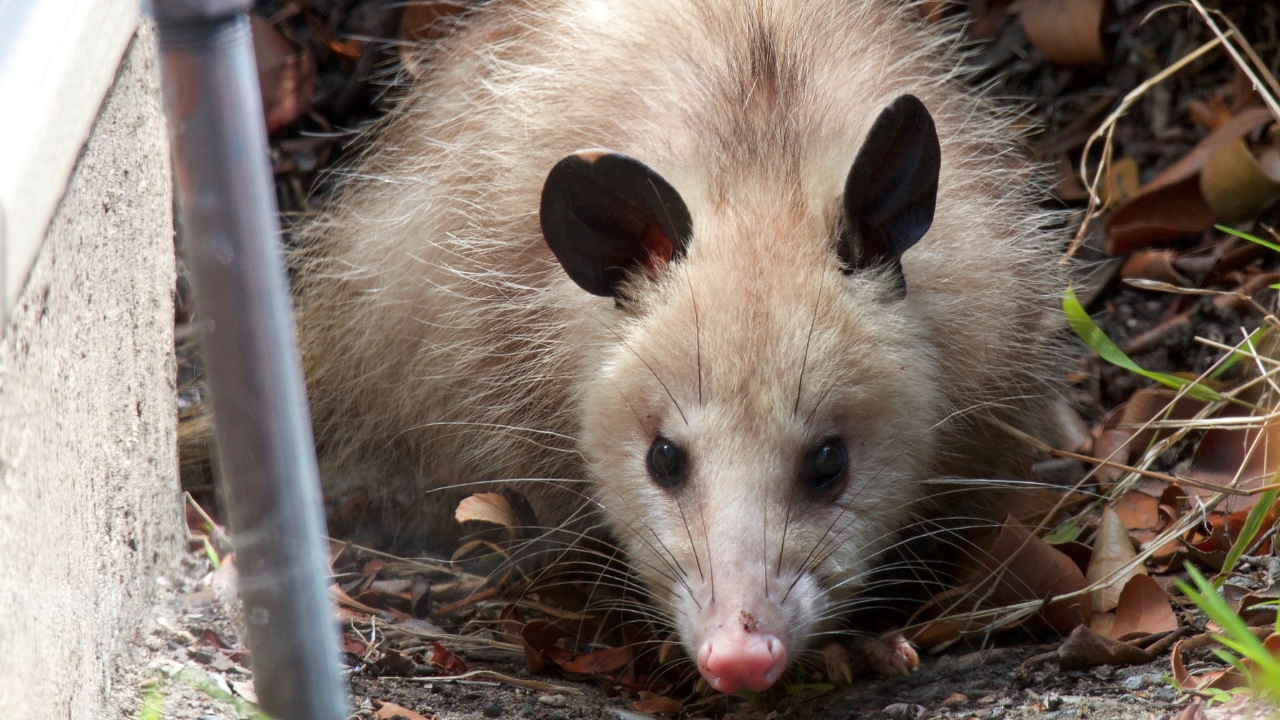
Seeing one in daylight doesn’t automatically mean it’s sick. A hungry animal, a nursing mother, or one that got spooked out of its den can show up mid-morning. Still, repeated daytime appearances near the same deck entrance usually means it’s living close.
This is also where the cheap advice can be wrong. Bright lights and blaring radios under the deck sometimes do nothing, and sometimes they just make the animal shift deeper into the space. The better approach is exclusion, but only after you’re confident there are no dependent young, which is when paying a licensed wildlife control operator is often money well spent.
Once you’ve confirmed the signs, pick a calm stretch of weather and deal with it in a planned way. Close food sources, identify every entry point, then do a one-way exclusion and seal up with hardware cloth and solid fasteners. You get your deck back, and the animal moves on without turning your yard into a long, noisy standoff.
Like Fix It Homestead’s content? Be sure to follow us.