10 Signs Your Crawl Space Is Costing You Money
Photo credit: Chad Robertson Media/Shutterstock.com
Crawl spaces are out of sight, so they turn into “later” projects. Meanwhile, they keep stealing comfort and cash a little at a time. If your floors feel off, your air smells weird, or your utility bills keep creeping up, the problem might be under your feet.
1. Musty Smell That Never Leaves

If the house smells damp no matter how much you clean, your crawl space is feeding that odor into the living space. Air moves upward, and a wet crawl space can push mildew smell through floor gaps, plumbing chases, and duct leaks. You’ll spend money on deodorizers and filters and still lose.
Start with your nose, then confirm with a flashlight. Look for damp soil, water stains on piers, and fuzzy growth on wood. Fix the water source first, then lay a sealed vapor barrier on the ground and run a small dehumidifier or add code-approved crawl space ventilation based on your climate.
2. Cold Floors And Drafty Baseboards

You turn up the thermostat, but your feet still feel like they’re on ice. That’s usually missing or falling insulation, rim joists leaking air, or open vents in winter when they shouldn’t be open. The furnace runs longer, and the warm air you paid for gets replaced by cold crawl space air.
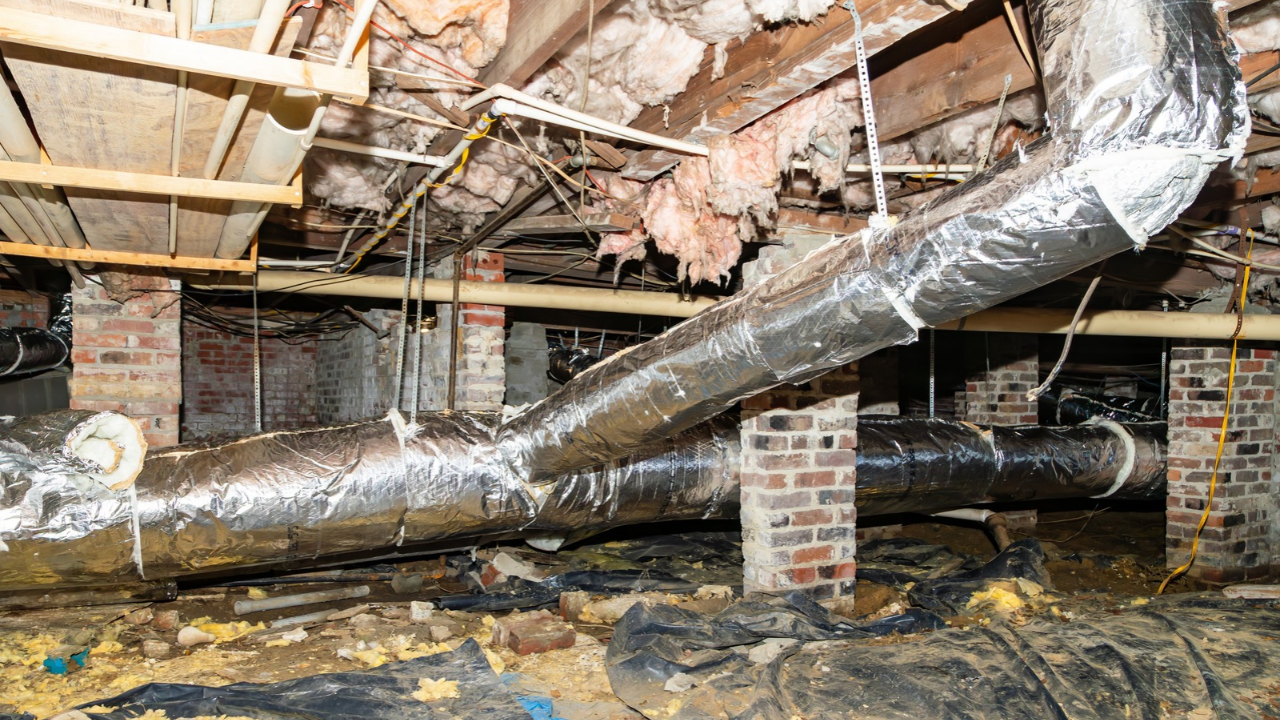
On a dry day, crawl under with a headlamp and check the band joist and sill area for gaps. Foam seal small cracks, and use rigid foam with fire-safe coverings where required by local code. If you have fiberglass batts hanging down, don’t just push them back up. Replace them and support them properly, or consider encapsulation if moisture is already an issue.
3. Standing Water After Heavy Rain
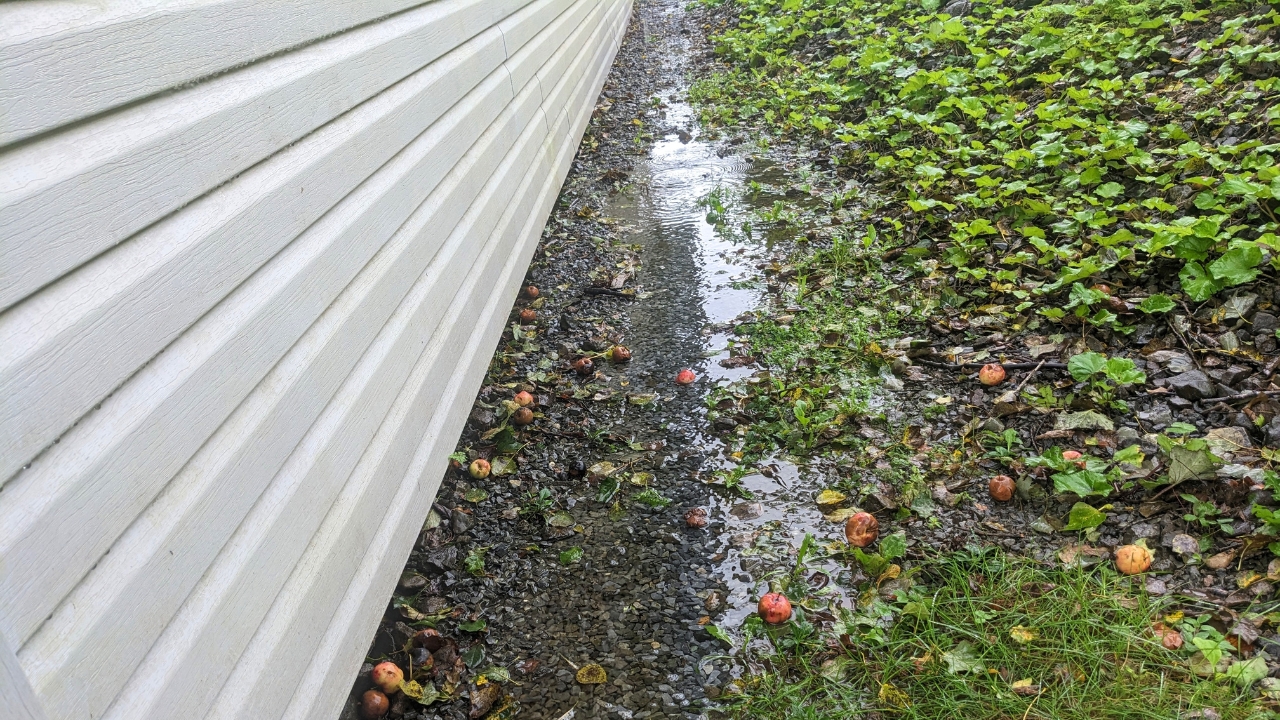
Water that hangs around for days is a money pit. It rusts HVAC parts, rots subfloor edges, and invites termites and ants. You can also end up paying for repeat mold cleanups that never stick because the crawl space keeps getting wet.
Before buying a sump pump, check the boring stuff outside. Clean gutters, extend downspouts well away from the foundation, and regrade soil so it slopes away. If the water is coming up from below or the site naturally holds water, a perimeter drain and sump can be worth paying a drainage contractor for, permits and all.
4. Ductwork Dripping Or Sweating In Summer
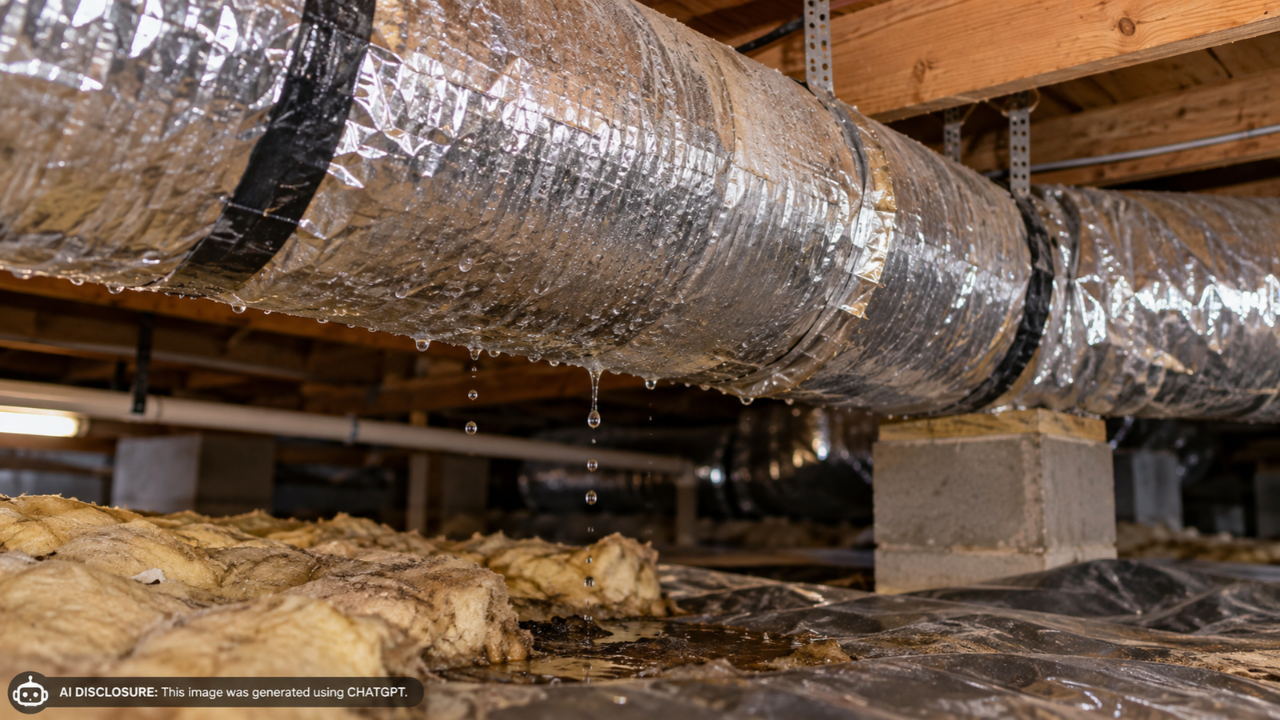
In humid weather, cold ducts can sweat like a glass of iced tea. That water drips onto insulation and wood, then you get odors, stains, and rot. It also means the system is wasting energy because the crawl space air is warmer and wetter than it should be.
Fix duct leaks first with mastic, not cloth “duct tape” that dries out and peels. Then insulate ducts to the right R-value for your area and seal the vapor jacket seams. If the crawl space stays humid, control the moisture instead of adding more insulation and hoping for the best.
5. Sagging Insulation Hanging Like Laundry
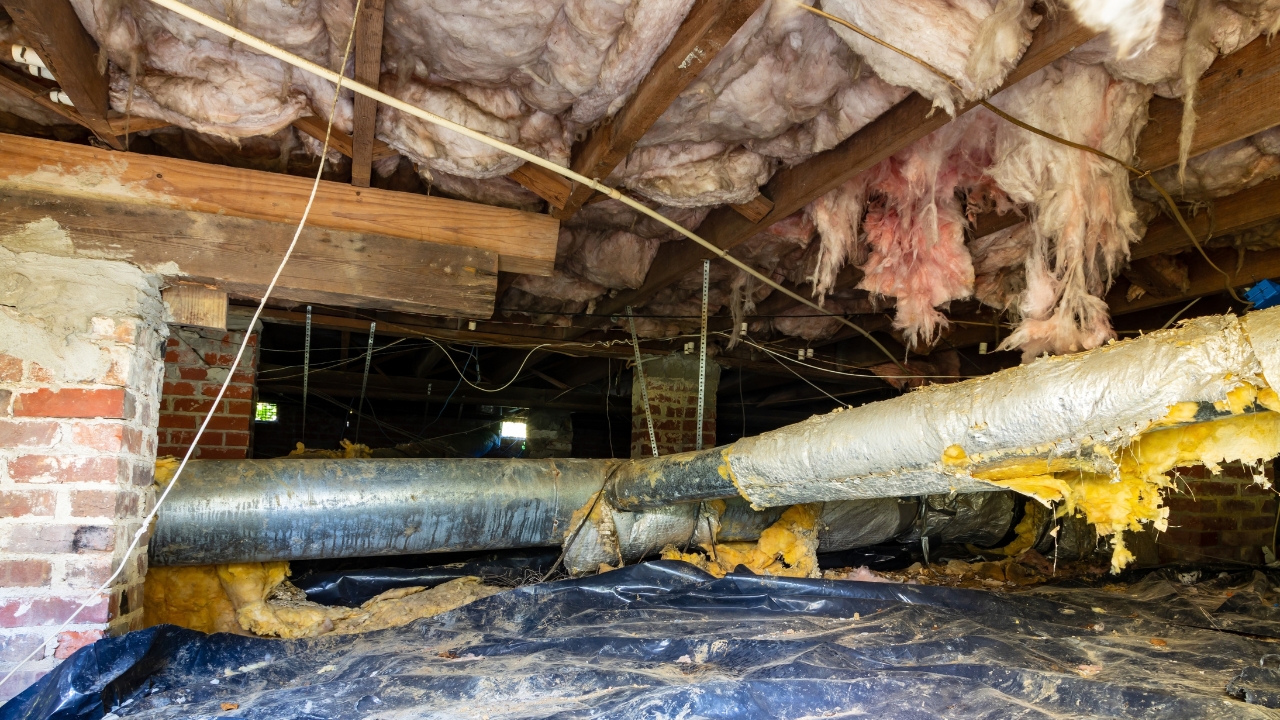
Fiberglass batts love to fall down in crawl spaces. Once they’re sagging, they don’t insulate well, and they can hold moisture against the subfloor. Rodents also shred them for nesting, which turns your “insulation” into a drafty mess.
Pull down wet or dirty batts and bag them up. Let the area dry, then reinstall insulation with proper supports like wire staves or netting made for the job. If your crawl space is damp most of the year, cheap batts aren’t a bargain. A sealed ground vapor barrier and conditioned crawl space often outlasts them.
6. Rusting Metal And Corroded Fasteners
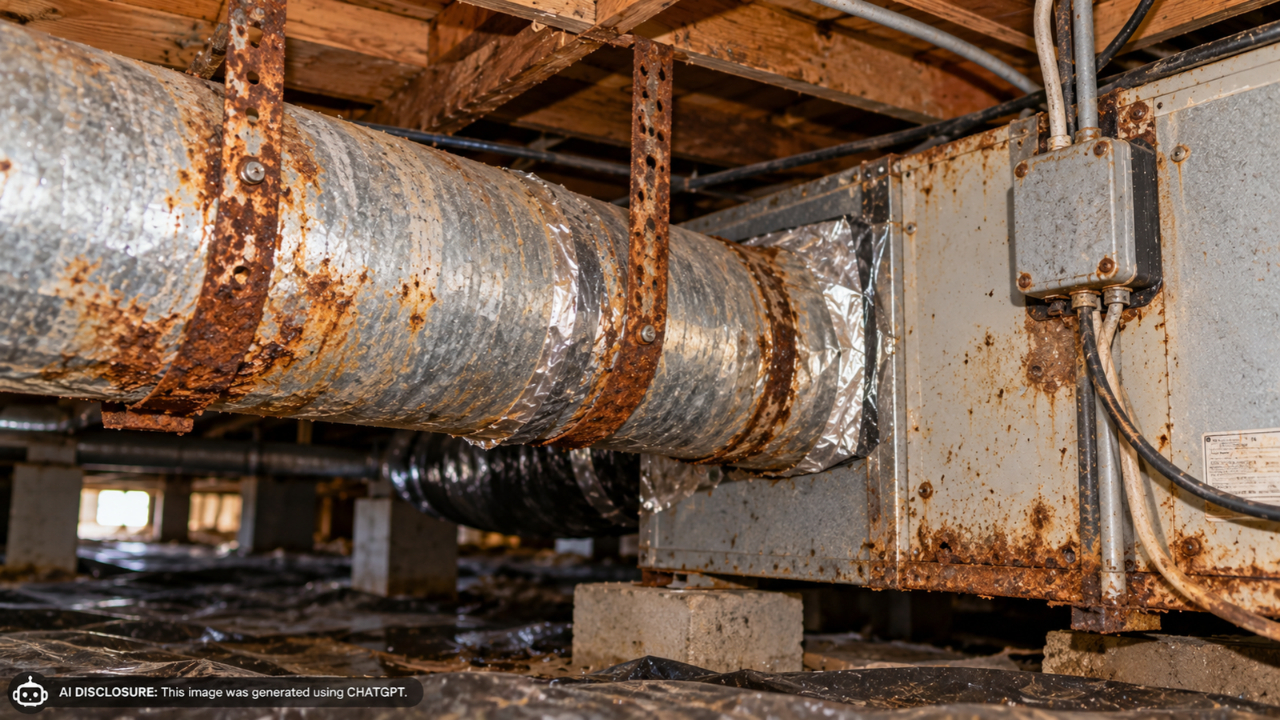
When you see rusty duct straps, rusty nails, or corroded HVAC housings, you’re looking at humid air doing damage 24/7. That shortens the life of equipment and hardware you don’t want to replace early. It also hints that electrical boxes and connections down there are living in a wet environment.
Knock down the humidity and the rust slows down. Seal ground moisture with a thick vapor barrier, tape seams, and seal to piers and walls. If you find corroded wiring, loose junction boxes, or sketchy splices, stop and call a licensed electrician. Moisture and bad wiring is not a DIY gamble.
7. Rodent Droppings And Chewed Plastic
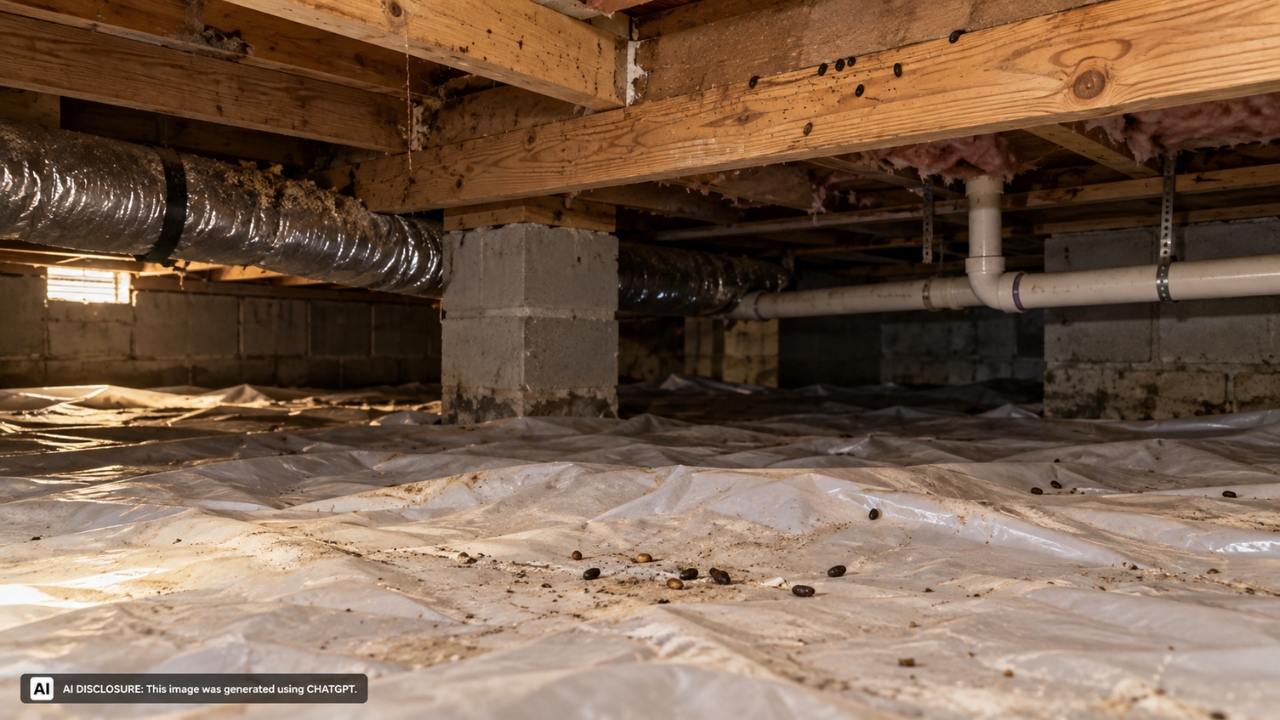
Mice and rats don’t just gross you out, they cost you money. They chew duct insulation, flex duct, vapor barriers, and sometimes wiring. You pay in heating loss, repairs, and the constant battle with traps because the crawl space is an easy highway under the house.
Seal entry points first. Use hardware cloth, metal flashing, and foam only as a backer, rodents chew through foam alone. Then deal with the attractants. Store bird seed and pet food in sealed bins, and keep crawl space access doors tight and latched.
8. Termite Tubes Or Soft, Dark Wood
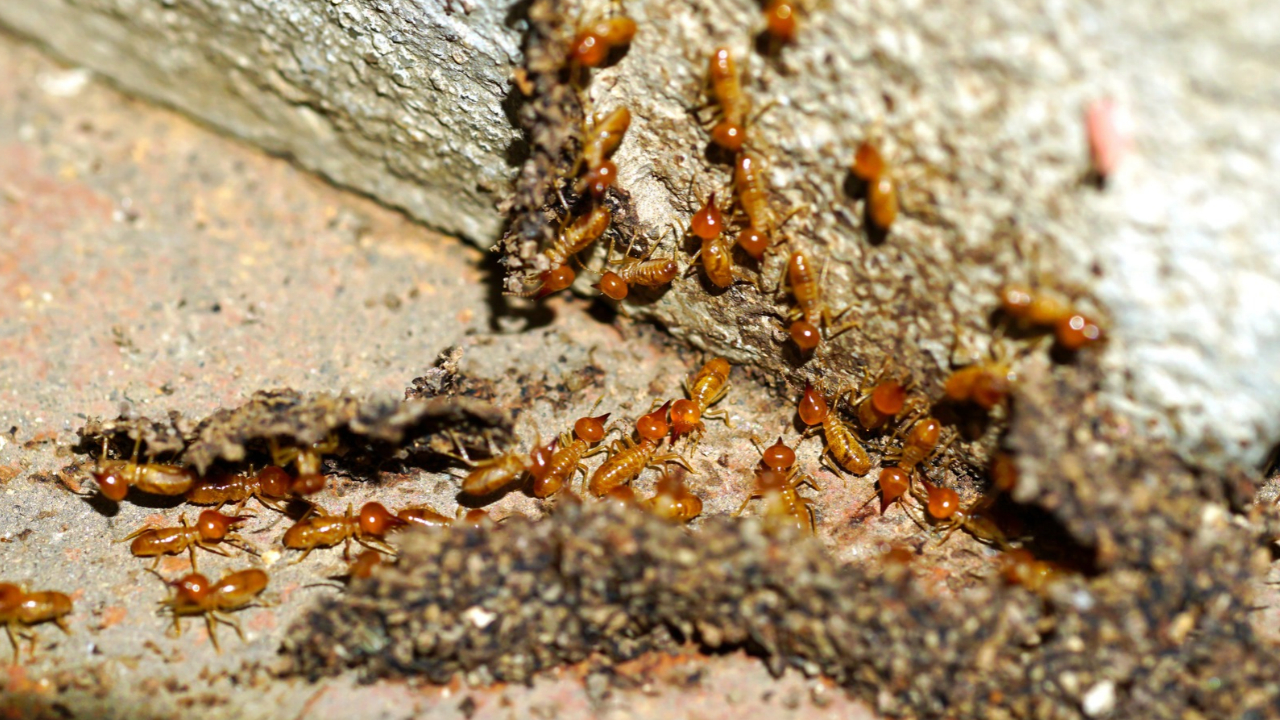
Termites and rot fungi both like damp wood. If you spot mud tubes on a foundation wall or a joist that dents with a screwdriver, the money loss is real, not theoretical. Structural repairs can get expensive fast, and buyers walk away when an inspection report gets ugly.
Don’t spray random chemicals and hope. Get a licensed pest pro to identify what you’re seeing and treat it properly, since baiting and soil treatments have rules and best practices. Your DIY role is moisture control and basic housekeeping: keep wood off the soil, fix leaks, and maintain clearance between soil and framing.
9. Plumbing Leaks You Only Find Late
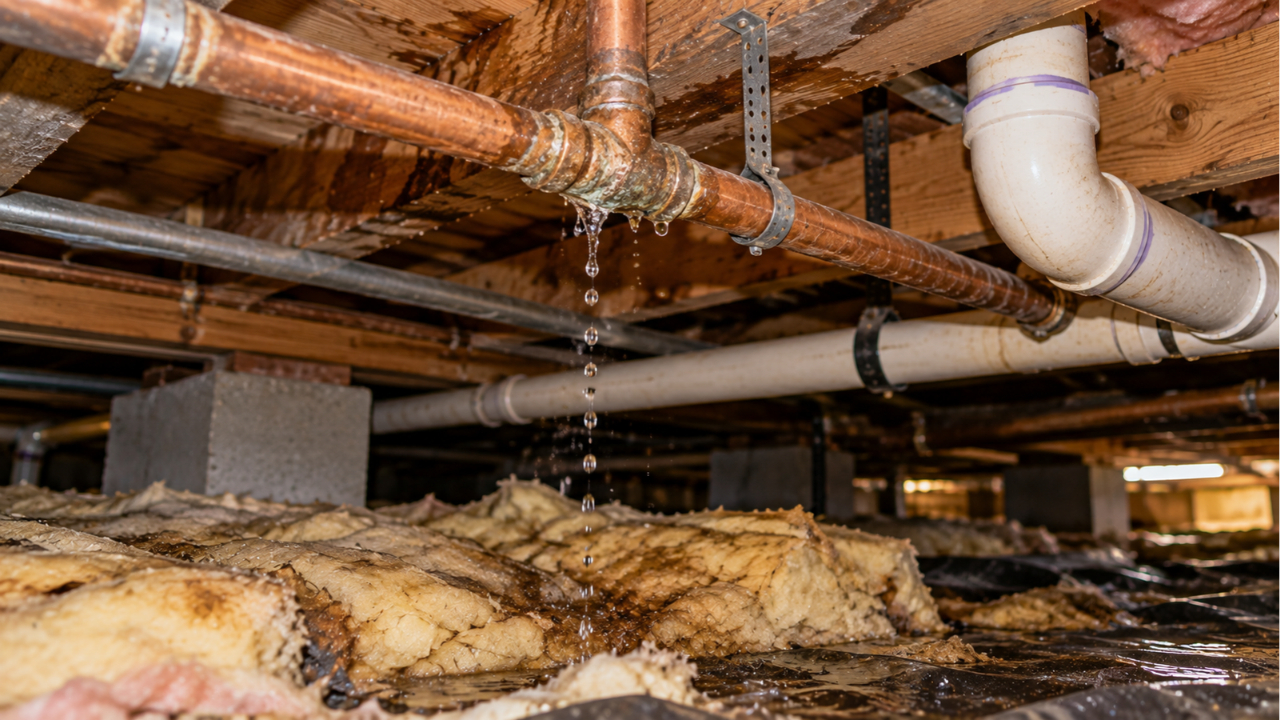
The slowest leaks cost the most because they run for months. A pinhole spray on a copper line, a dripping tub drain, or a sweating uninsulated pipe can soak insulation and swell subfloor before you notice anything upstairs. You end up paying for flooring fixes and mold cleanup that started as a five-dollar washer.
Take ten minutes twice a year, spring and fall, and look for stains, mineral crust, and wet insulation. Insulate cold water lines to cut condensation, and support pipes so joints aren’t under strain. If you have old galvanized or polybutylene plumbing, budgeting for a planned replacement beats emergency repairs at midnight.
10. Encapsulation That Was Done Wrong
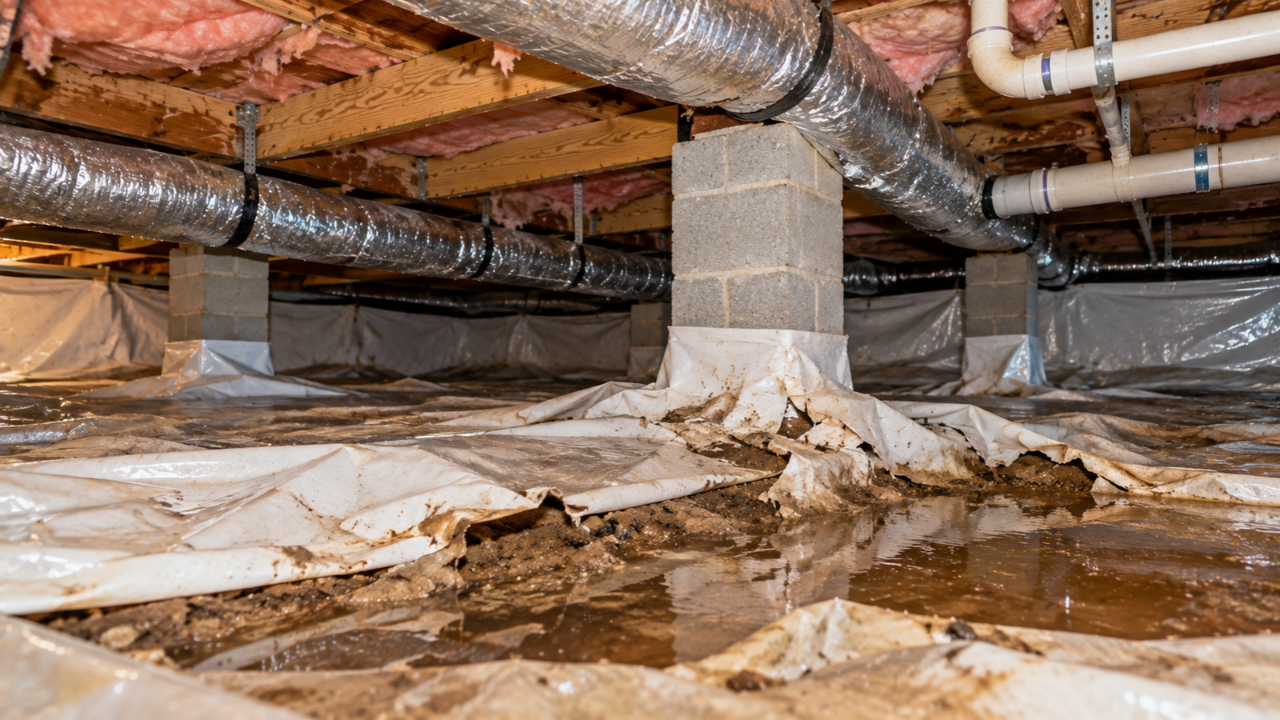
A sealed crawl space can save money, but a bad one can trap it. Thin plastic tossed on the ground, seams left open, and no plan for drainage can make humidity worse. Then you’re paying for dehumidifiers to fight a problem the “encapsulation” created.
The honest exception is that not every crawl space needs a full, expensive system. In some dry regions, a properly lapped vapor barrier and good drainage outside is enough. If you do seal it up tight, the details matter: thick liner, taped seams, sealed edges, and a way to manage bulk water. When contractors start talking fast, ask how they handle drainage and how they’ll condition the space to meet local code.
If you tackle the crawl space in the right order, water first, then air sealing, then insulation, you stop paying for the same problems over and over. Take photos down there and date them, it makes changes obvious and helps you decide when a DIY fix is holding and when it’s time to call in a pro.
Like Fix It Homestead’s content? Be sure to follow us.