10 Summer Yard Habits That Are Wasting Water
When summer rolls around, it’s easy to fall into yard habits that look helpful but actually drain more water than you realize. Between longer days and rising heat, your lawn and garden don’t need more water—they need smarter care. Wasting water doesn’t just hit your utility bill.
It also puts unnecessary stress on your plants and the environment. If you’re trying to keep your yard looking good without throwing water down the drain, these are the habits you’ll want to break.
Watering During the Hottest Part of the Day
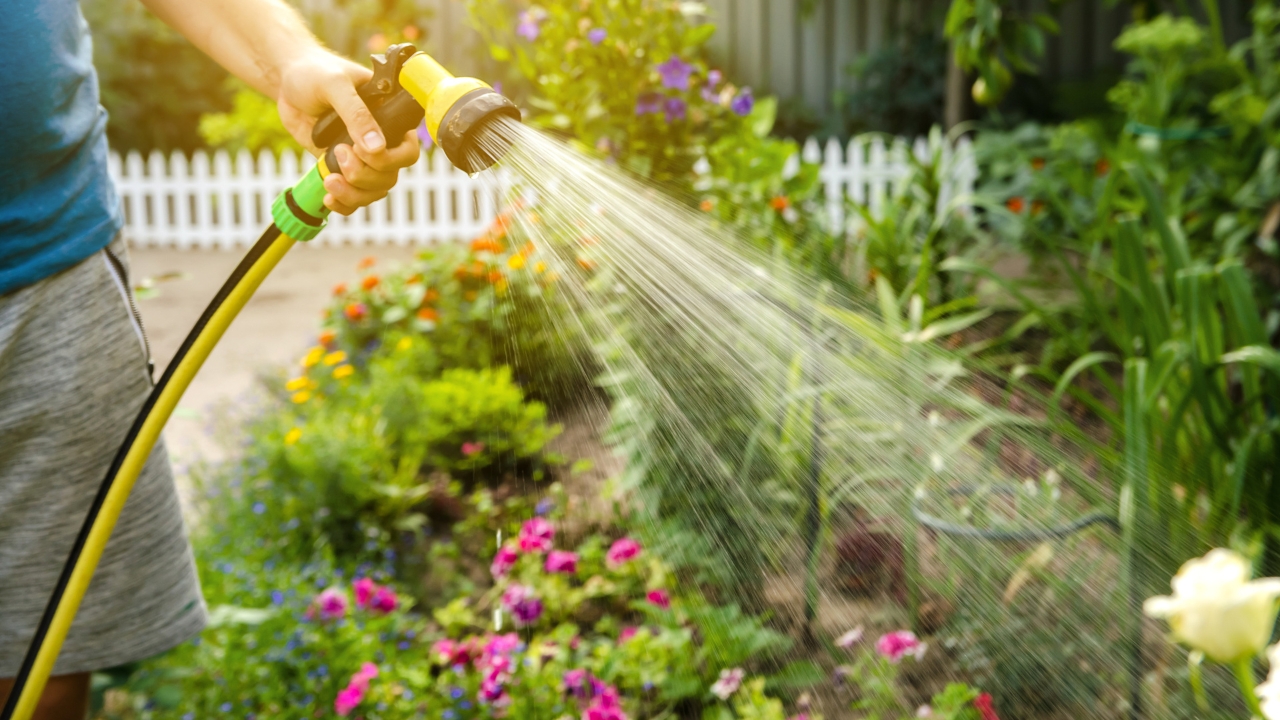
Watering in the afternoon sun might feel productive, but most of that moisture is gone before it reaches the roots. Evaporation kicks into high gear once temperatures climb, especially with direct sunlight beating down.
The best time to water is early morning, before 10 a.m. That gives your lawn and plants time to absorb what they need before the heat hits. Watering in the evening can work too, but it can also lead to fungus if things stay too damp overnight.
Using a Sprinkler on Windy Days
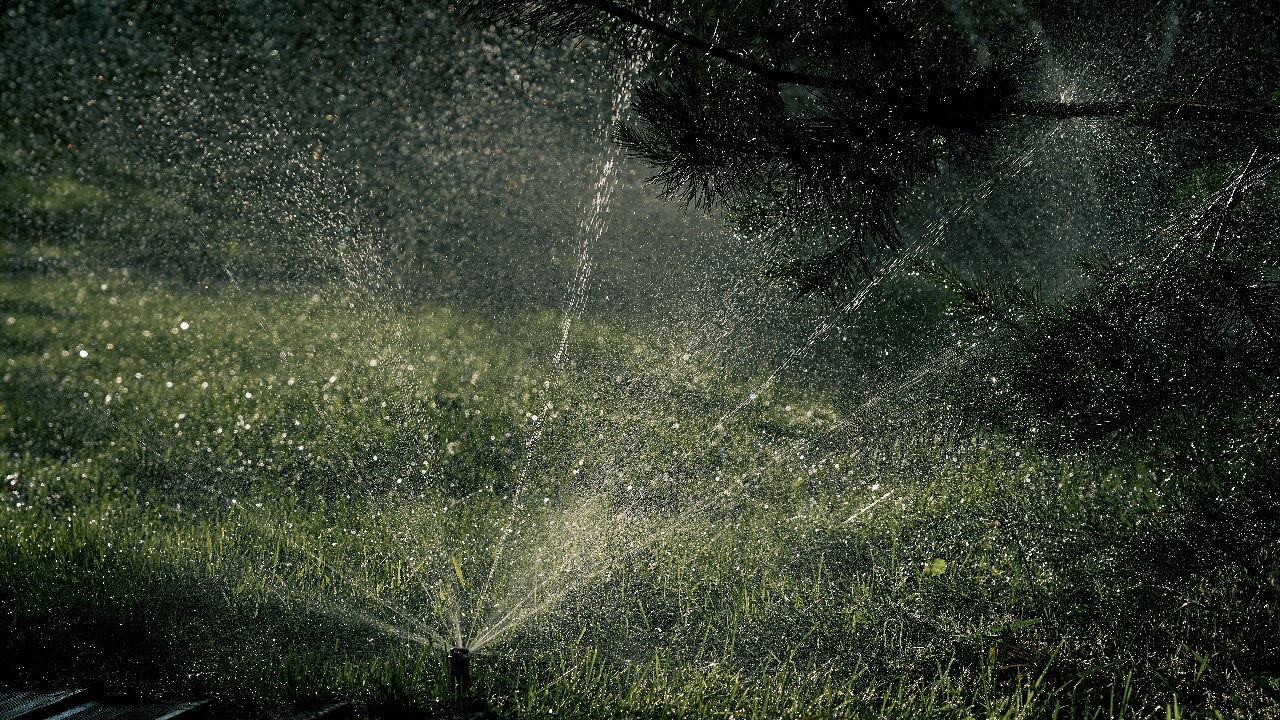
If you’re watering when there’s even a light breeze, you’re probably watering more sidewalk and driveway than lawn. Wind pushes the spray around, making coverage uneven and wasting gallons.
It’s not always obvious, especially if your system is set to run automatically. But taking note of weather conditions—or installing a wind sensor—can save a surprising amount of water over the course of a summer.
Watering Too Often

Many people water their lawns every day during summer, thinking more is better. But most grass actually prefers a deep soak two to three times a week. Frequent, shallow watering encourages weak, surface-level roots.
When you water deeply but less often, roots grow deeper, making your lawn more drought-resistant in the long run. You’ll use less water and end up with stronger, healthier turf.
Letting the Hose Leak
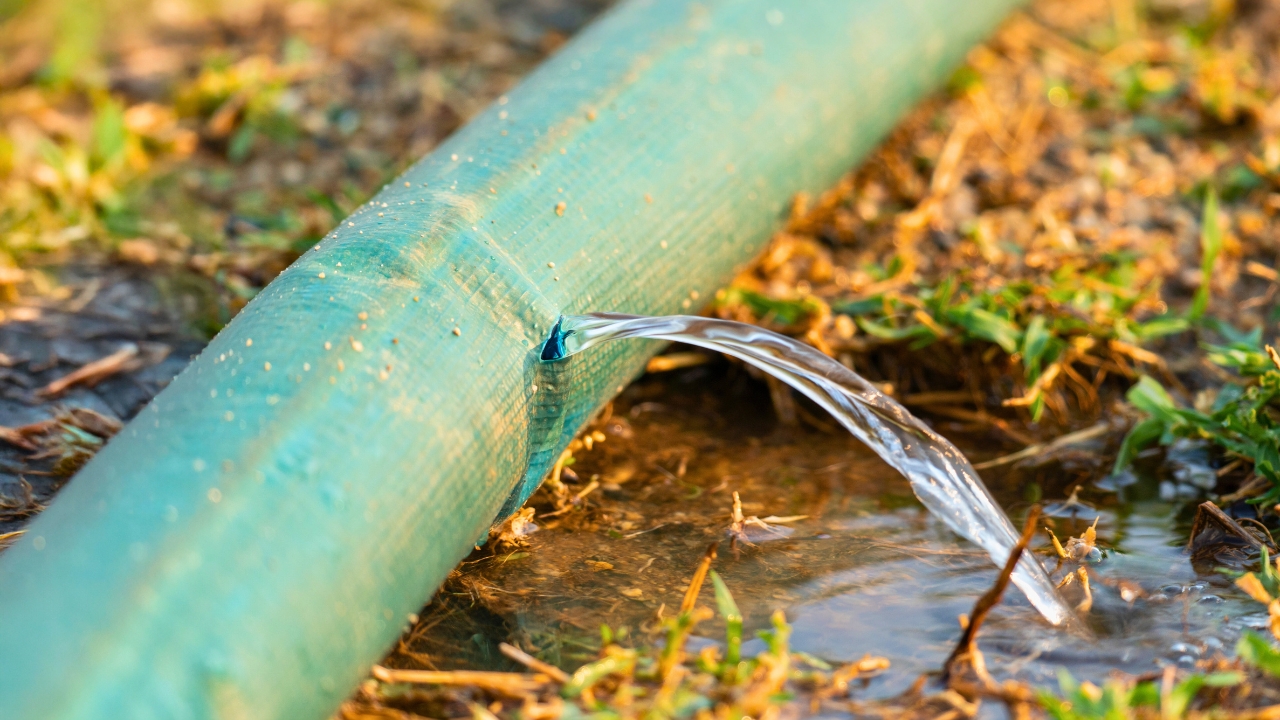
A slow drip might not seem like a big deal, but a leaky hose connection can waste hundreds of gallons over the season. It’s easy to overlook when you’re focused on the task at hand.
Check hose fittings and spigots regularly. Replacing a worn washer or adding a quick-connect fitting is cheap and takes less than a minute. If your hose is split or cracked, patch it or replace it before it turns into a water waster.
Ignoring Mulch in Your Garden Beds

Bare soil loses moisture fast. Without mulch, the sun bakes the surface, drying it out quicker and forcing you to water more often. Mulch helps lock in moisture and keeps roots cooler during peak heat.
A good layer of mulch—2 to 3 inches—is enough to slow evaporation and reduce how often your garden needs water. Organic options like bark, straw, or shredded leaves work well and break down over time to help your soil too.
Overwatering Landscaping
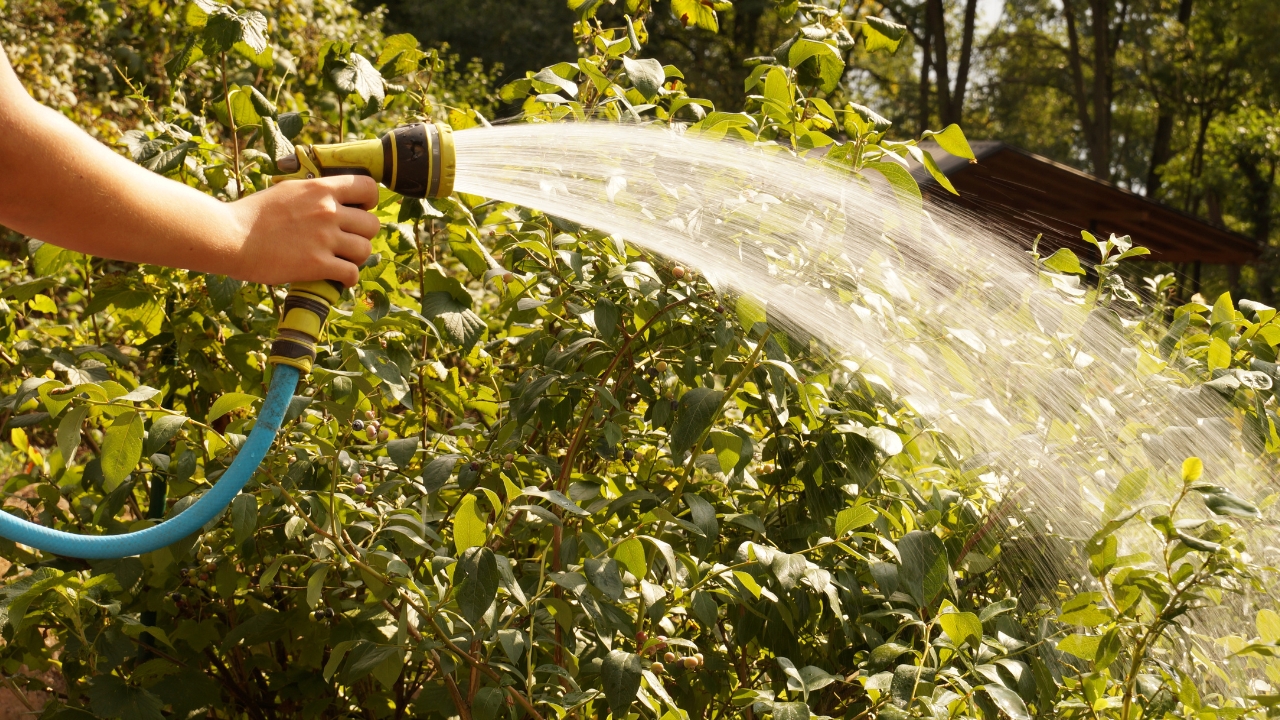
Many shrubs and established plants don’t need as much water as you think, especially native or drought-tolerant varieties. Overwatering not only wastes water but can drown roots and attract pests.
Check the soil before watering. If it’s still damp a few inches down, skip the session. Grouping plants with similar watering needs can also help avoid overwatering and make your irrigation more efficient.
Forgetting to Adjust Sprinkler Zones
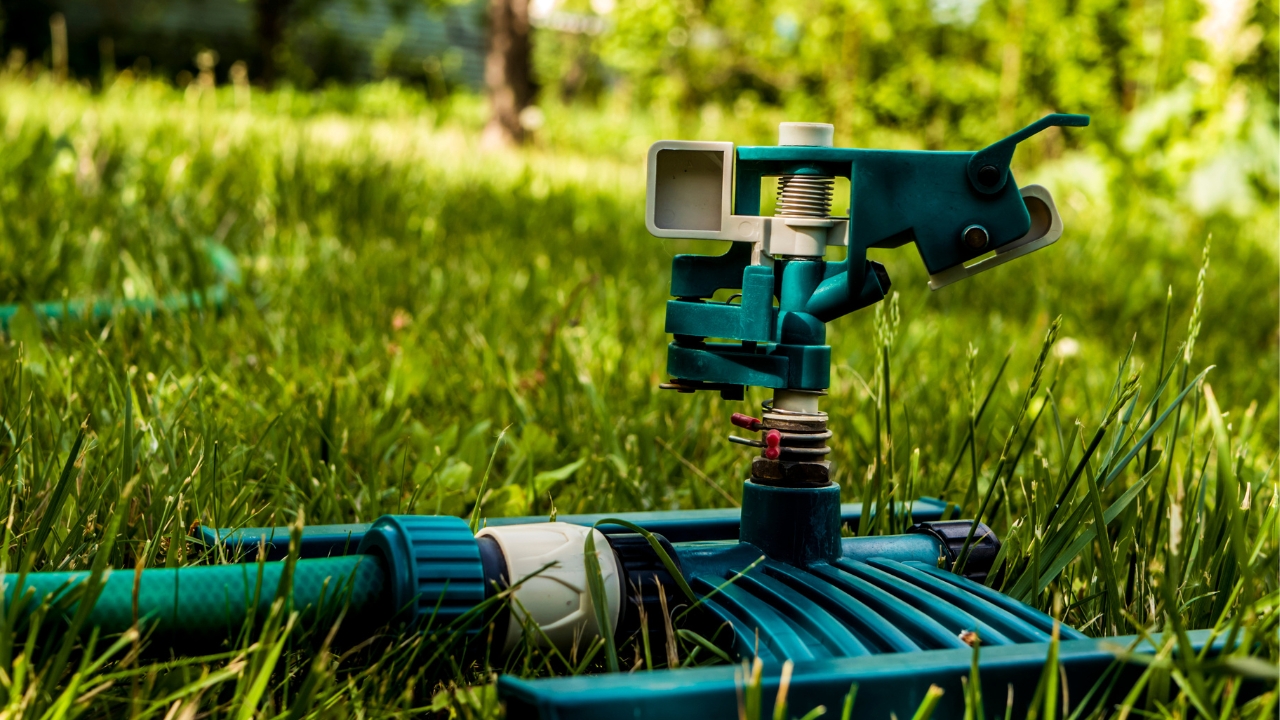
What worked in spring may be overkill once summer hits. Some areas of your yard might get more sun, others more shade. If your sprinkler timer is set the same across all zones, you’re probably wasting water.
Take time to tweak each zone based on its sun exposure and plant type. Adjusting timing and frequency by zone can make a big difference without sacrificing your lawn’s health.
Using the Wrong Sprinkler Type
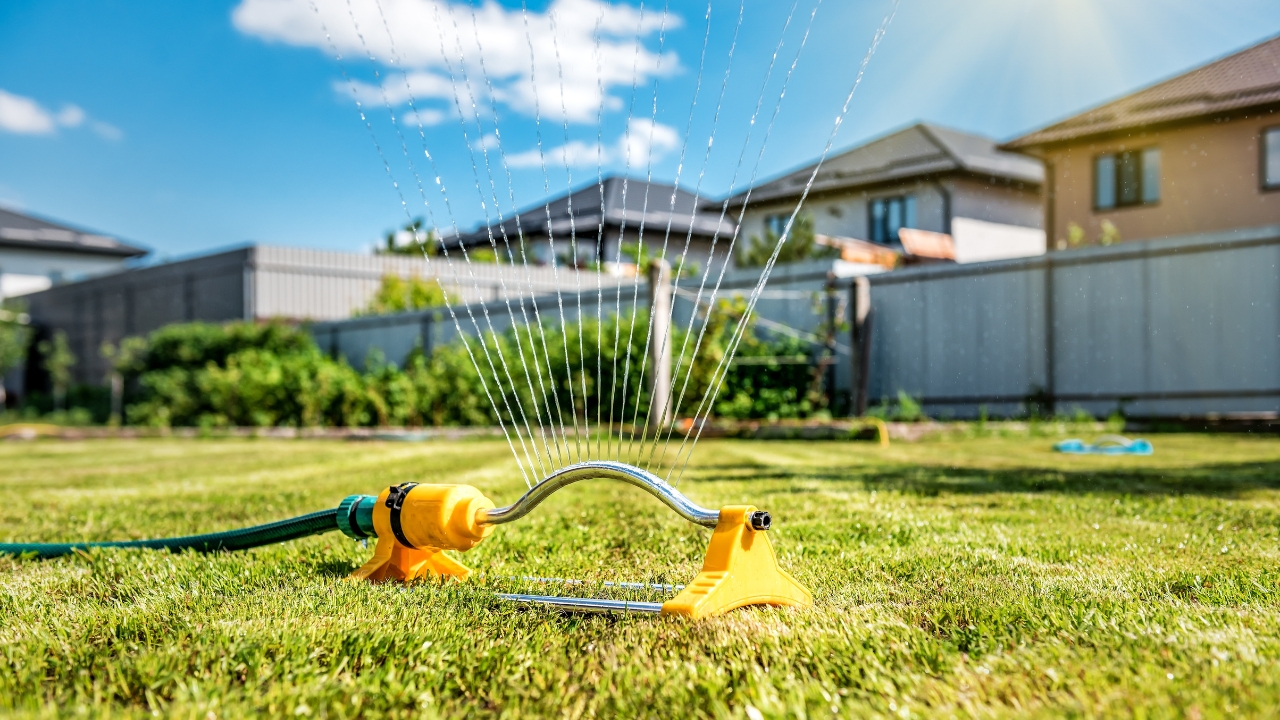
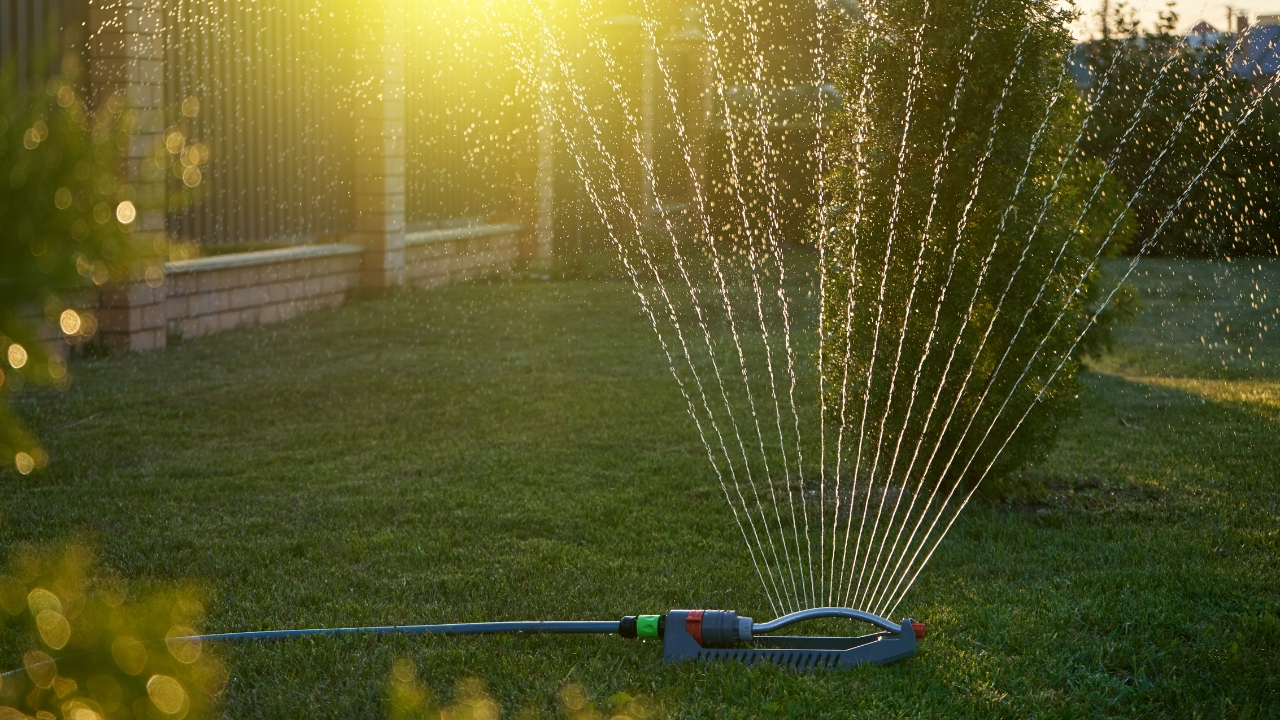
Oscillating and mist-style sprinklers might feel nostalgic, but they lose a ton of water to evaporation. Spray patterns also don’t always match your yard’s shape, leading to overspray and runoff.
Drip irrigation or soaker hoses are more efficient for gardens and flower beds. For lawns, rotating or pulsating sprinklers provide better coverage and less waste if set up correctly.
Watering Sidewalks and Driveways
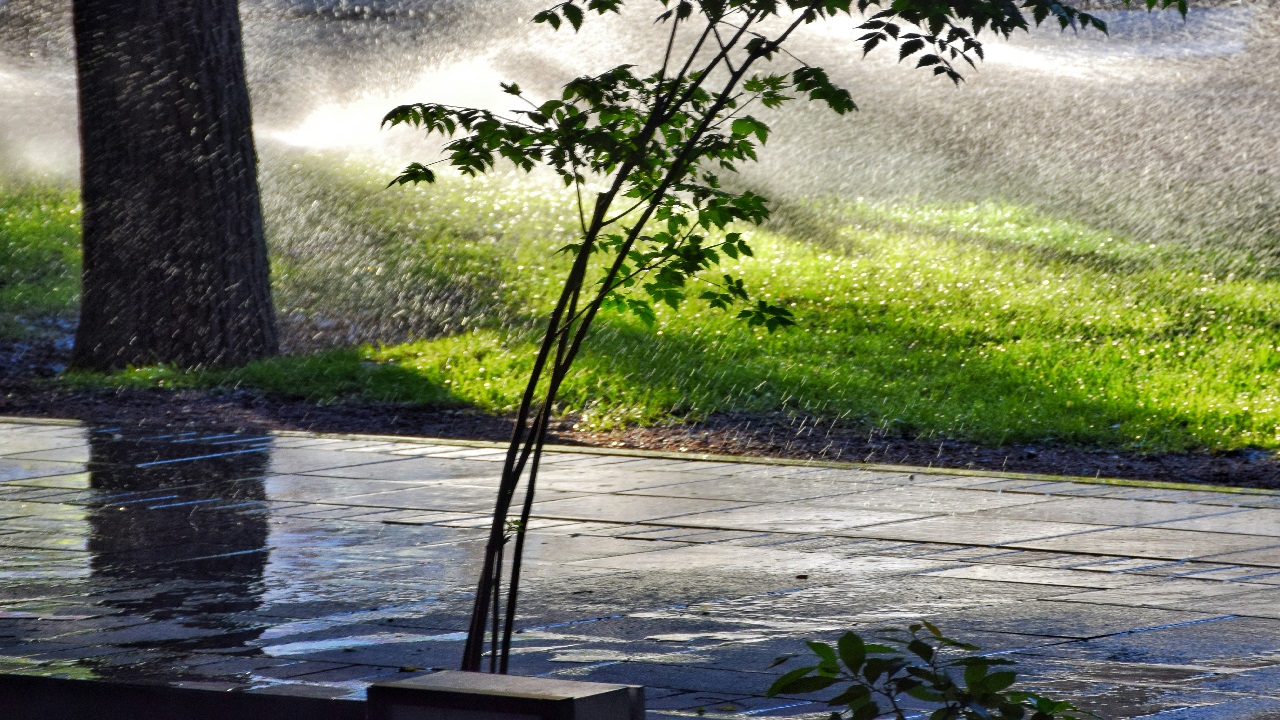
If your sprinklers are hitting more concrete than grass, they’re not doing their job. Overspray is one of the most common sources of wasted water in home irrigation systems.
Make sure your sprinkler heads are aligned and not clogged. If you notice consistent puddles or runoff, that’s a red flag that something needs adjusting. A quick check once a month can prevent gallons from going down the gutter.
Not Letting Grass Go Dormant

Some grasses naturally go dormant in the summer heat and come back when temps cool down. Fighting that with constant watering wastes water and stresses the lawn.
If your grass starts to brown, it might be going dormant, not dying. Letting it rest through the hottest stretch can actually be healthier long-term. Water once every couple of weeks to keep the roots alive, then pick up your routine again in the fall.
*This article was developed with AI-powered tools and has been carefully reviewed by our editors.