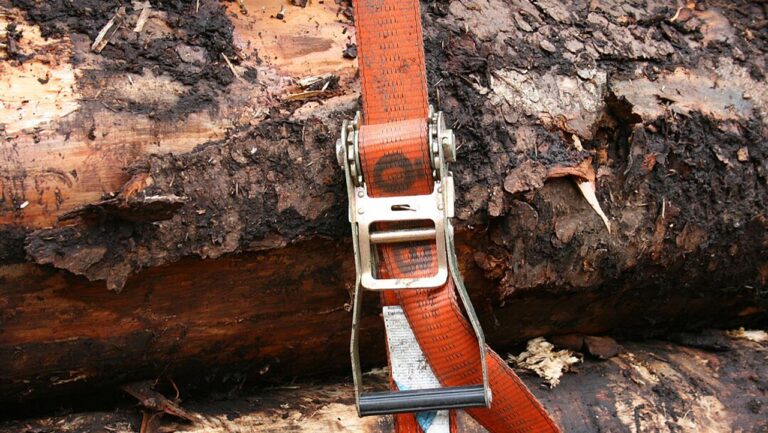
10 things pest control pros say not to keep near the house
Keeping pests away from your home is a constant battle, especially if you enjoy the great outdoors. While you might love the rustic charm of a woodpile or the serene sound of a bird feeder, these can be open invitations for pests.
Here are ten things pest control experts recommend keeping away from your house.
1) Firewood Piles
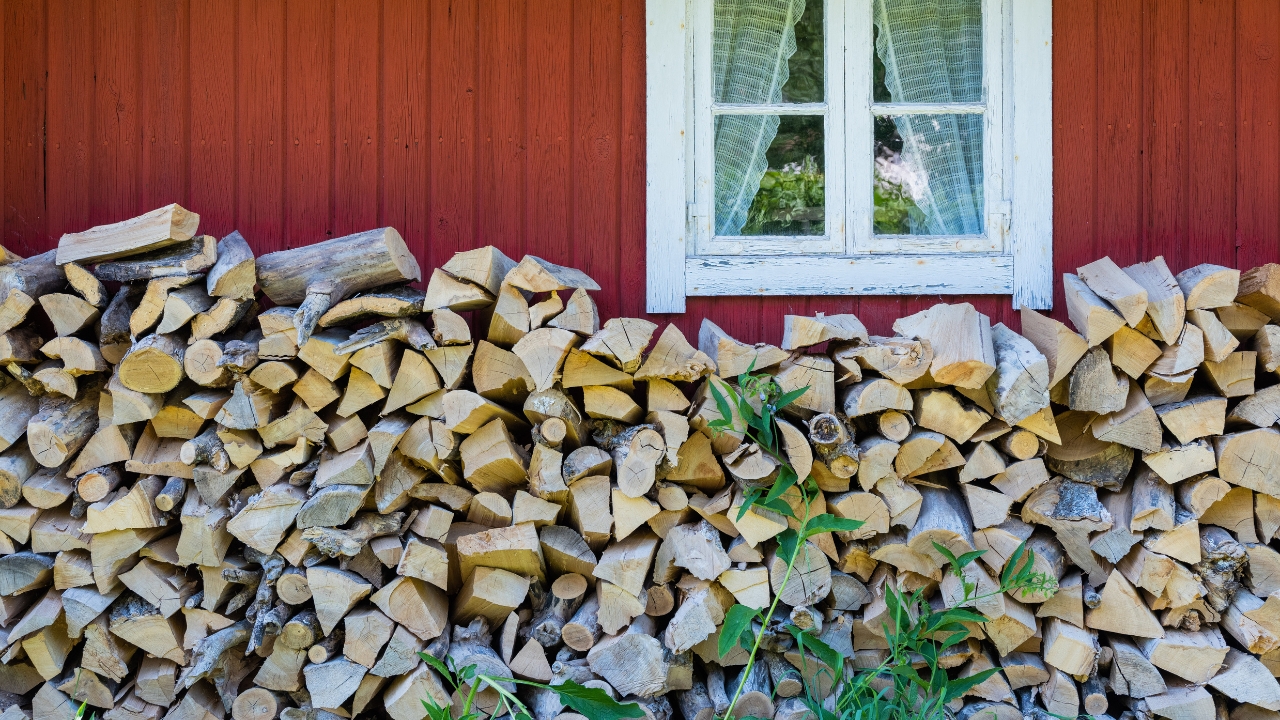
That charming stack of firewood by your back door might be more inviting than you think—especially to termites, carpenter ants, and other creepy crawlies. Firewood provides shelter and food for these pests, which can then make their way into your home. The experts at This Old House suggest storing firewood at least 20 feet from your home and elevating it off the ground to deter pests.
It’s easy to overlook this simple task, especially during the colder months when you want to keep your home warm and cozy. But by keeping firewood away from your house, you’ll reduce the risk of these pests finding an easy path inside.
2) Standing Water
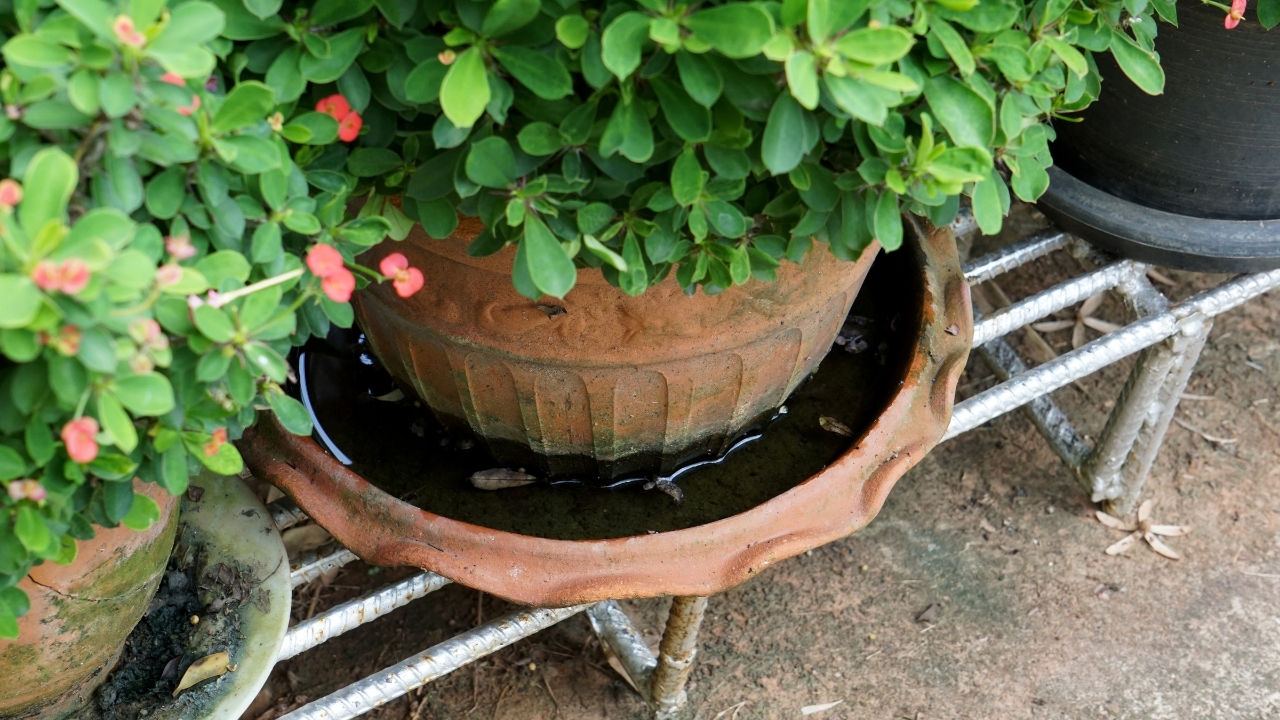
Standing water is a breeding ground for mosquitoes and other insects. Whether it’s a birdbath, a kiddie pool, or clogged gutters, any stagnant water source can lead to a mosquito infestation faster than you can say “bug spray.” The folks at Southern Living recommend regularly emptying and cleaning these items to prevent unwelcome guests.
Don’t forget about the less obvious places, like unused plant pots or backyard toys that can collect rainwater. With a little vigilance, you can keep your yard a mosquito-free zone.
3) Unsealed Trash Bins
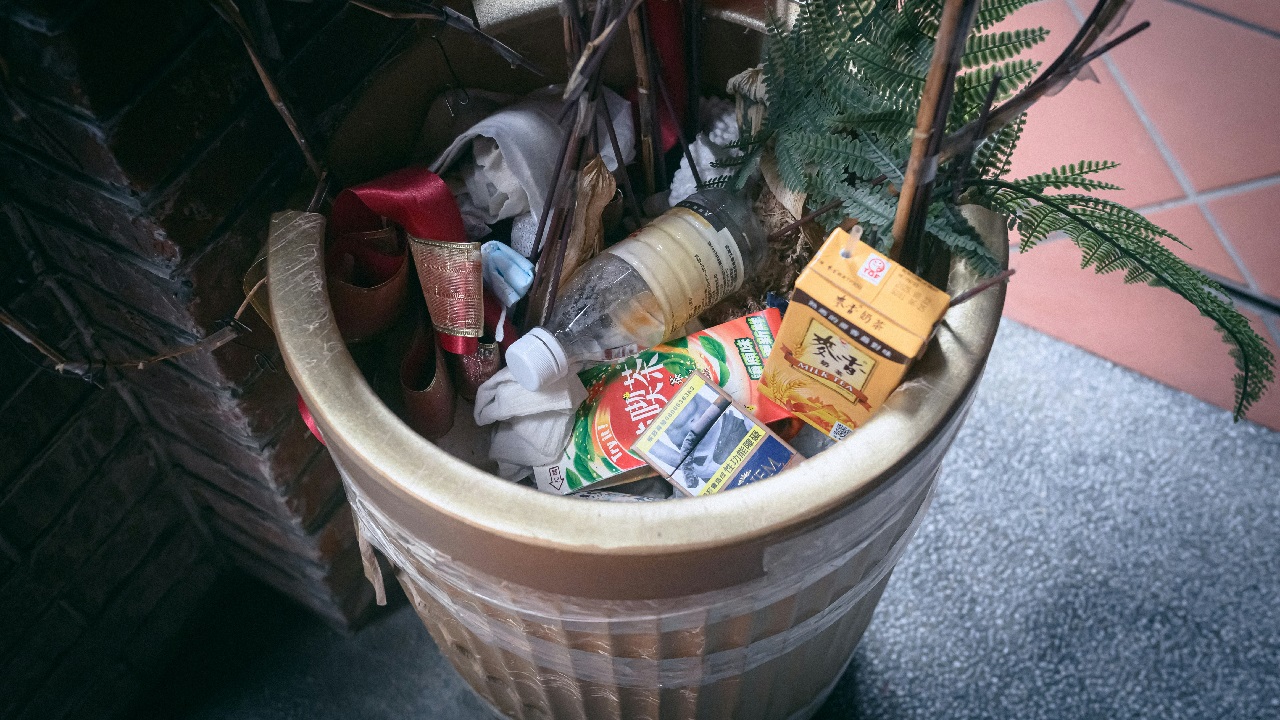
Unsealed trash bins are practically an all-you-can-eat buffet for pests like raccoons, rats, and flies. Make sure your trash bins have tight-fitting lids and are always closed. This simple step can significantly reduce the attraction of pests looking for an easy meal.
For added protection, consider using bungee cords to keep lids securely fastened. If the problem persists, try using a trash bin with a locking mechanism to keep even the most determined critters at bay.
4) Overgrown Vegetation
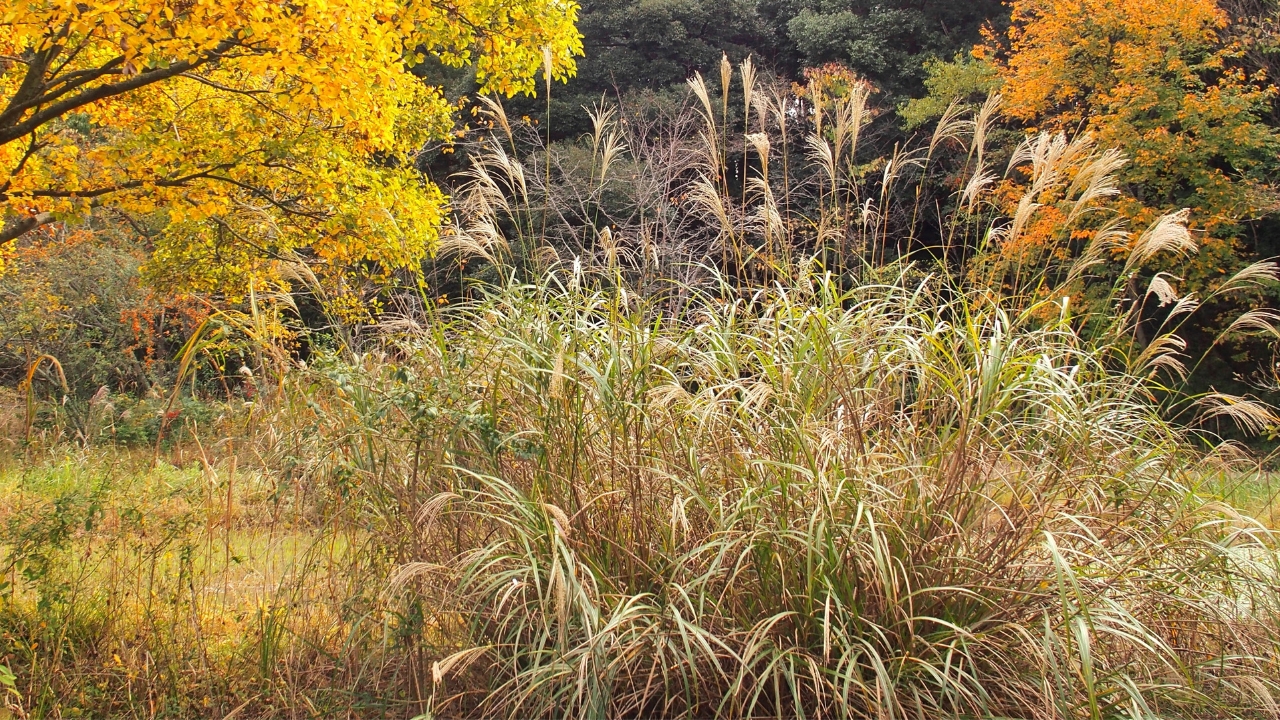
Overgrown bushes, trees, and other vegetation can serve as bridges for ants, rodents, and other pests to enter your home. Regular trimming and maintenance can prevent this issue. According to The Spruce, keeping branches at least a foot away from your home can make a big difference.
If you love the lush look, consider planting pest-repelling varieties like lavender or marigolds. These not only keep pests away but also add a splash of color to your garden.
5) Cluttered Yard Debris
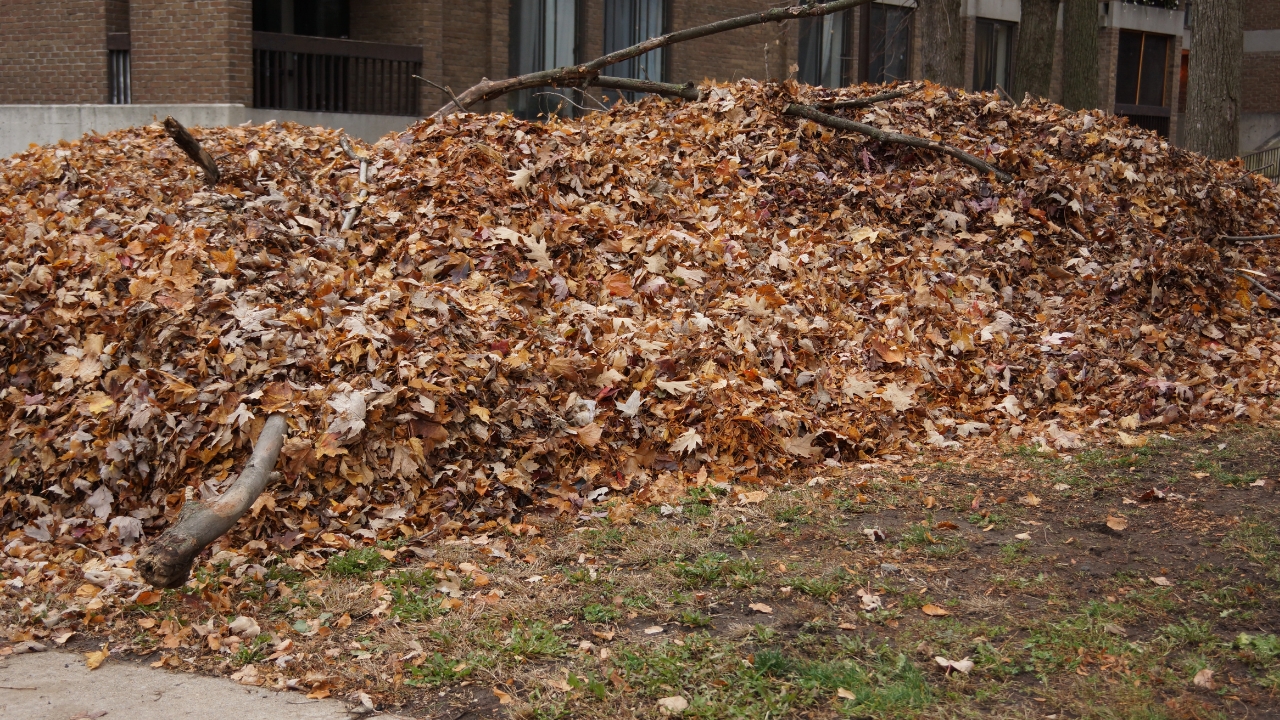
That pile of leaves you’ve been meaning to rake up? It’s a perfect hiding spot for pests. Cluttered yard debris can provide shelter for insects and rodents, who use it as a launching pad to explore your home. Make a habit of clearing debris regularly to keep your yard tidy and pest-free.
Don’t forget to check under decks and porches, where leaves and debris can easily accumulate. A little bit of effort goes a long way in keeping your home pest-free.
6) Bird Feeders
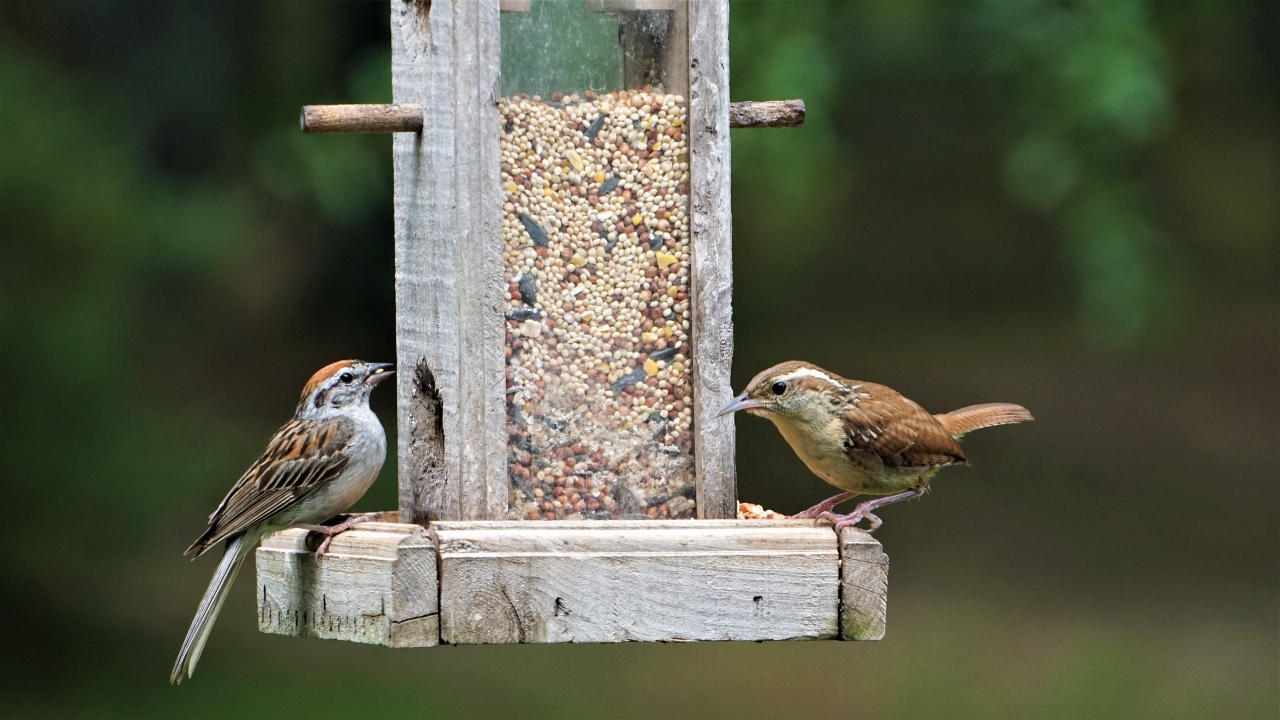
Birdwatching is a peaceful pastime, but bird feeders can attract more than just feathered friends. They can also attract squirrels, rats, and even bears if you live in an area with large wildlife. Consider placing bird feeders far from your home and using squirrel-proof designs to minimize unwanted visitors.
Additionally, regularly cleaning the area under the feeder can help prevent seed accumulation, which can attract other pests. A bit of strategic placement can keep your birdwatching hobby enjoyable and pest-free.
7) Compost Bins
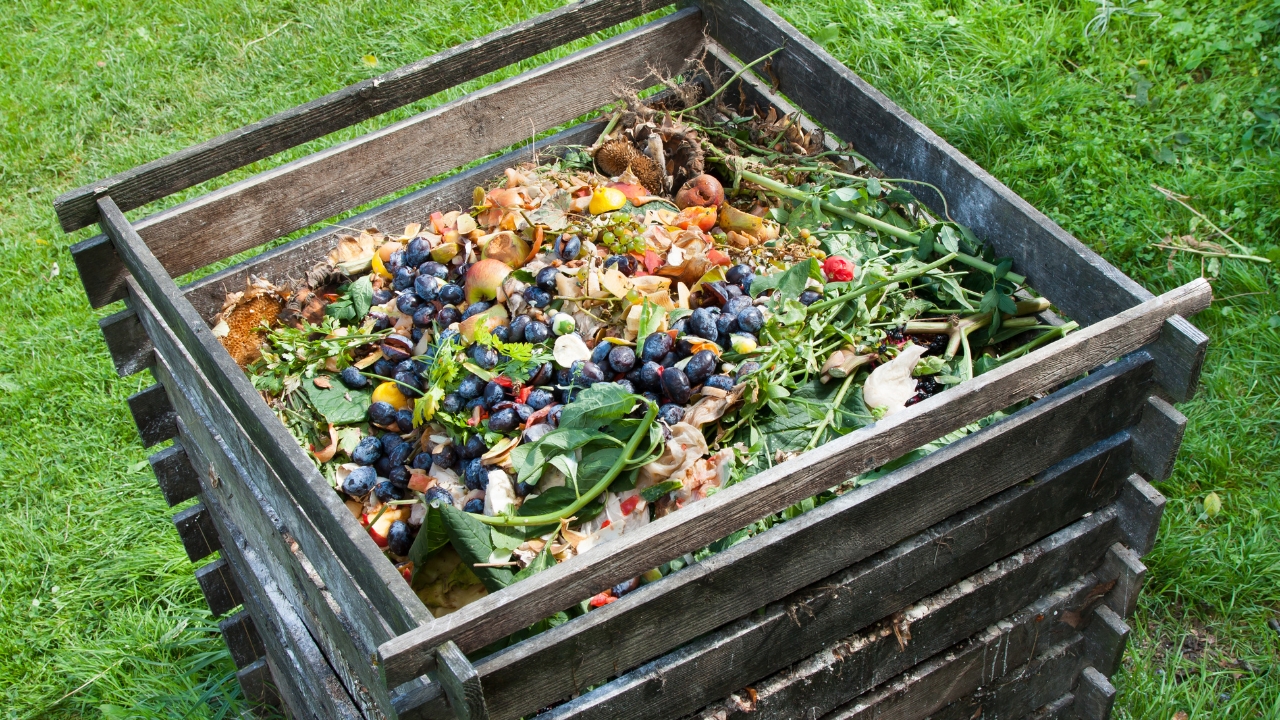
Composting is great for the environment but can invite pests if not done correctly. Make sure your compost bin is well-sealed and regularly turned to deter pests like rodents and insects. A properly managed compost bin should not have any foul smells, which can attract pests from afar.
Consider using a compost tumbler to keep critters out and speed up the decomposition process. This not only keeps pests at bay but also provides you with nutrient-rich compost more quickly.
8) Outdoor Pet Food Bowls
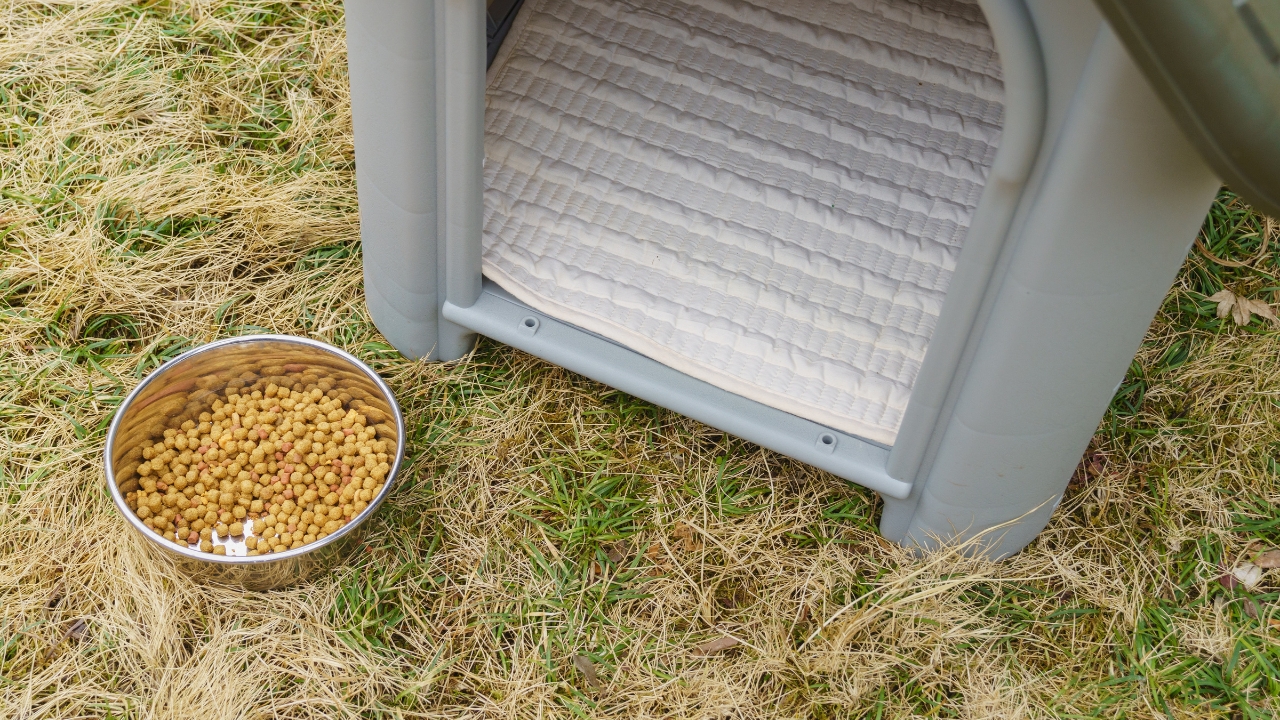
Leaving pet food bowls outside can be a magnet for all sorts of pests, from ants to raccoons. It’s best to feed your pets indoors or remove the bowls immediately after feeding. This simple action can prevent a host of pest problems.
If you must feed your pets outside, consider using elevated feeding stations and removing any uneaten food promptly. This reduces the chance of attracting unwanted visitors to your yard.
9) Unmaintained Gutters

Clogged or unmaintained gutters can lead to standing water, which, as we mentioned earlier, is a breeding ground for mosquitoes. Regularly cleaning your gutters and downspouts ensures proper drainage and keeps pests at bay.
In addition to cleaning, make sure gutters are securely attached and free of leaks. A well-maintained gutter system not only prevents pest issues but also protects your home’s foundation from water damage.
10) Old Building Materials
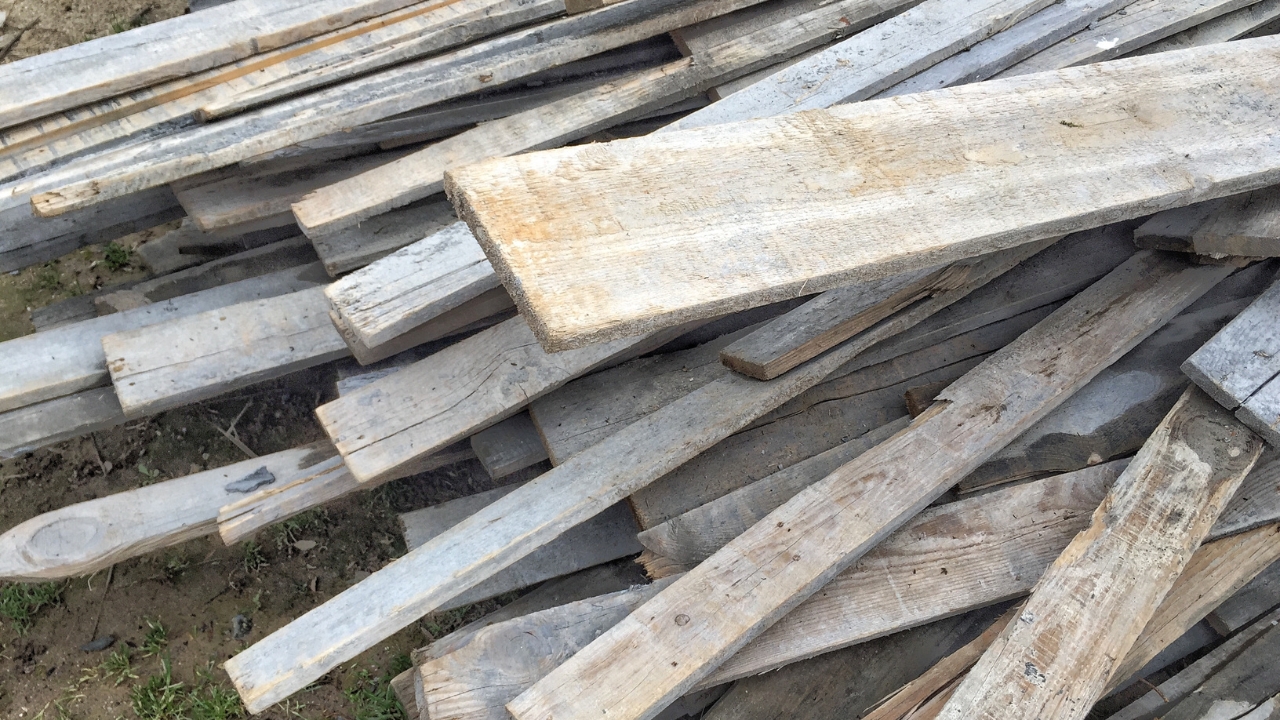
Stacks of old lumber, bricks, or other building materials can provide shelter for pests like termites and rodents. If you have leftover materials from a recent project, store them in a shed or garage rather than leaving them outside.
If storage space is limited, consider covering materials with a tarp and keeping them elevated off the ground. This reduces the likelihood of pests making a home in your construction leftovers.
*This article was developed with AI-powered tools and has been carefully reviewed by our editors.