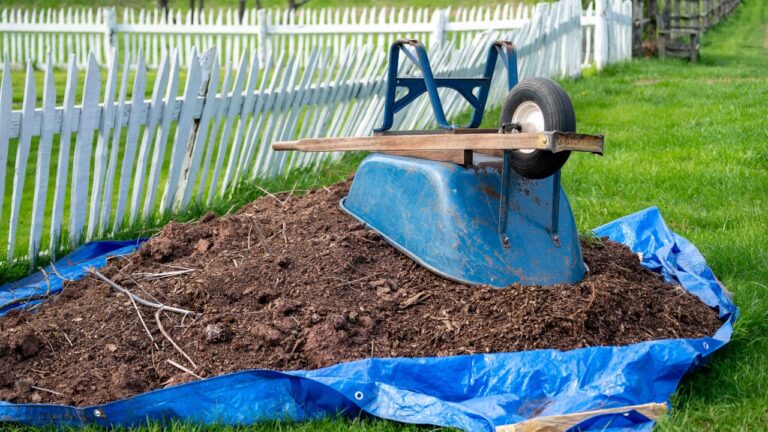
Experts say not to store these 10 things in the garage
Photo credit: Wormsmeat/Shutterstock.com
Garages are more than just a spot for your car; they’re often the go-to place for storing all sorts of things. However, not everything belongs there. From sensitive electronics to your grandma’s vintage quilts, some items need a more stable environment. Let’s walk through 10 things experts strongly advise against keeping in your garage.
1) Paint and Paint Supplies

Storing paint in the garage might seem convenient, but fluctuating temperatures can ruin it. According to the experts at Real Simple, extreme heat can cause paint to dry out, while freezing temperatures can cause it to separate or become lumpy. Instead, store your paint cans in a climate-controlled environment like a basement or interior closet to keep them fresh for your next project.
Not only does improper storage ruin the quality of the paint, but it can also pose a safety hazard. Old, dried-out paint cans can become a fire risk. So, before you stash those half-used cans of wall color in the garage, think twice about where they really belong.
2) Propane Tanks
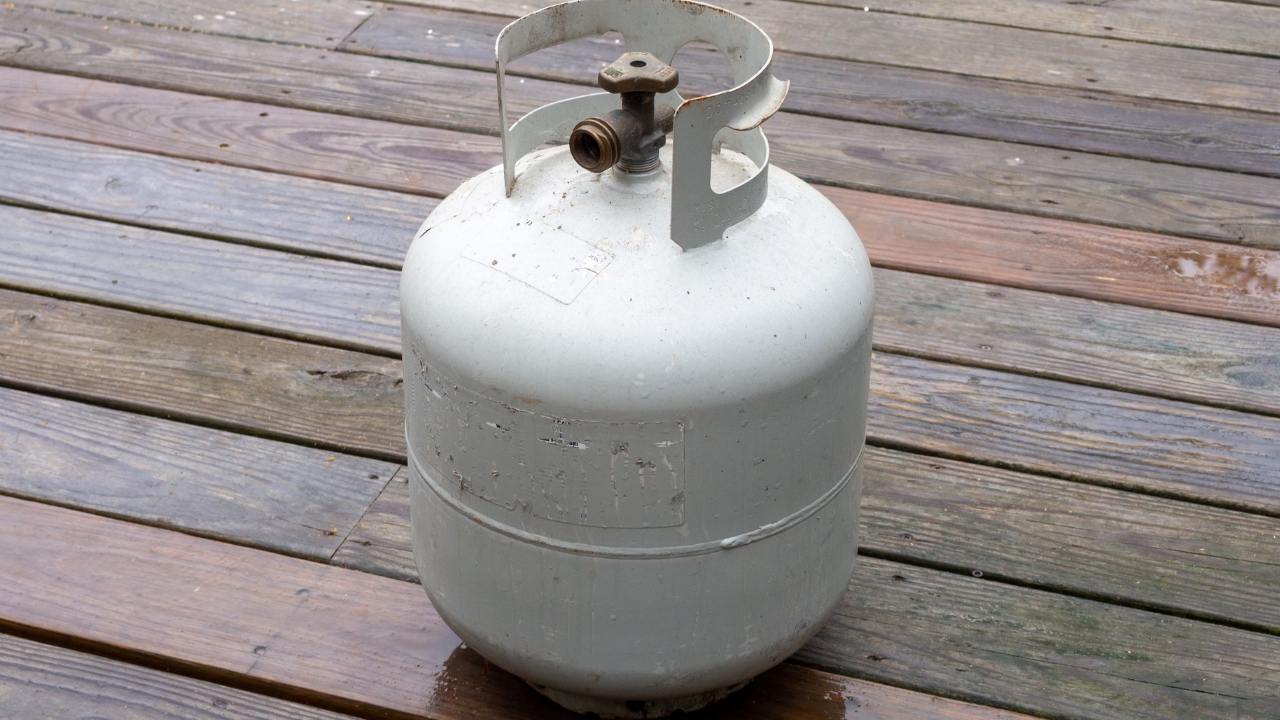
Propane tanks are a definite no-go for garage storage. The National Fire Protection Association warns that keeping propane tanks in enclosed areas can be dangerous. If the tank leaks, the gas can build up and potentially cause an explosion when exposed to a spark. This is why propane tanks should always be stored outside in a well-ventilated area.
Besides the obvious safety risks, storing propane tanks in the garage might also violate local fire codes. Always check your local regulations to ensure compliance and safety. Trust us, it’s better to be safe than sorry when it comes to flammable gases.
3) Important Documents
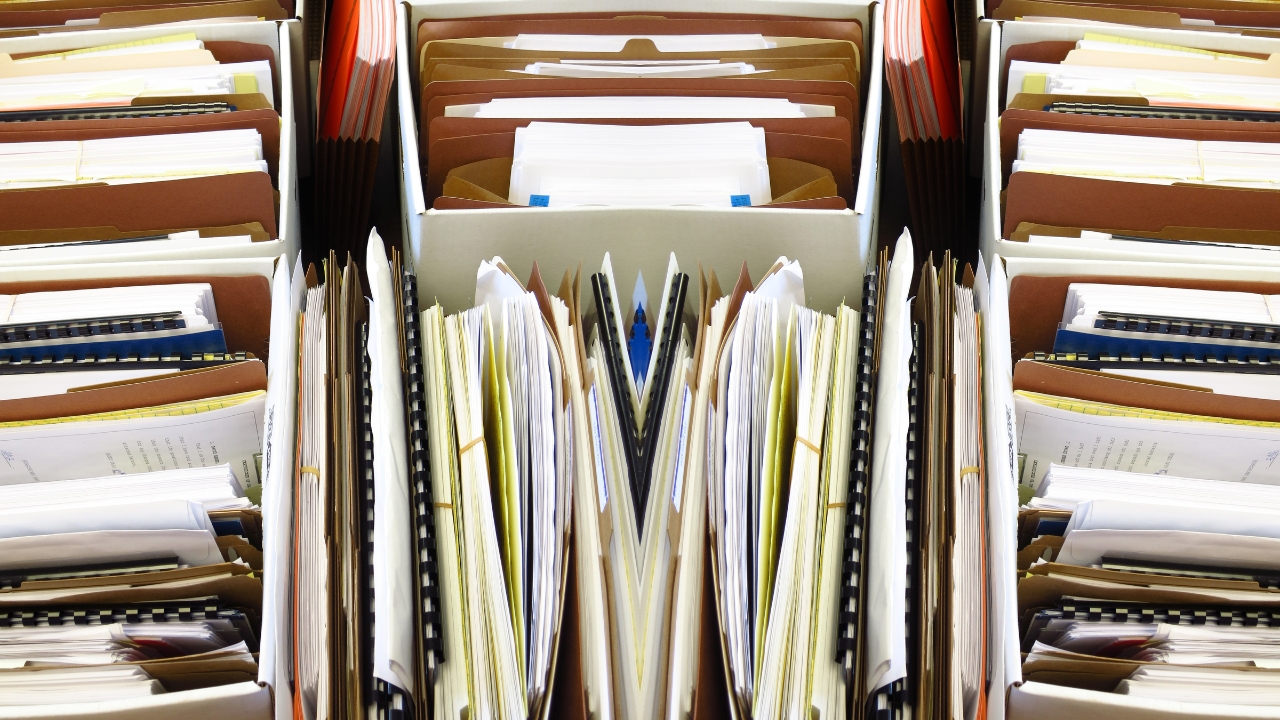
Your garage is probably not the safest spot for storing important documents. Humidity and temperature fluctuations can damage papers, causing them to yellow, curl, or even grow mold. According to Southern Living, it’s better to store documents in a safe, controlled environment.
Consider investing in a fireproof safe for your important papers. This not only protects them from environmental factors but also adds a layer of security against theft or fire. Keep those birth certificates, tax files, and other essential documents where you can easily access them when needed.
4) Electronics

Electronics and garages don’t mix well because of humidity and temperature swings. These conditions can cause internal components to rust or malfunction. If you’ve got old TVs or stereo equipment, keep them inside where the climate is stable. The experts recommend storing electronics in a dry, cool place to extend their lifespan.
If you must store electronics temporarily in the garage, make sure they are well-protected in sturdy boxes with silica gel packets to absorb moisture. Still, it’s always best to find a more suitable spot.
5) Pet Food
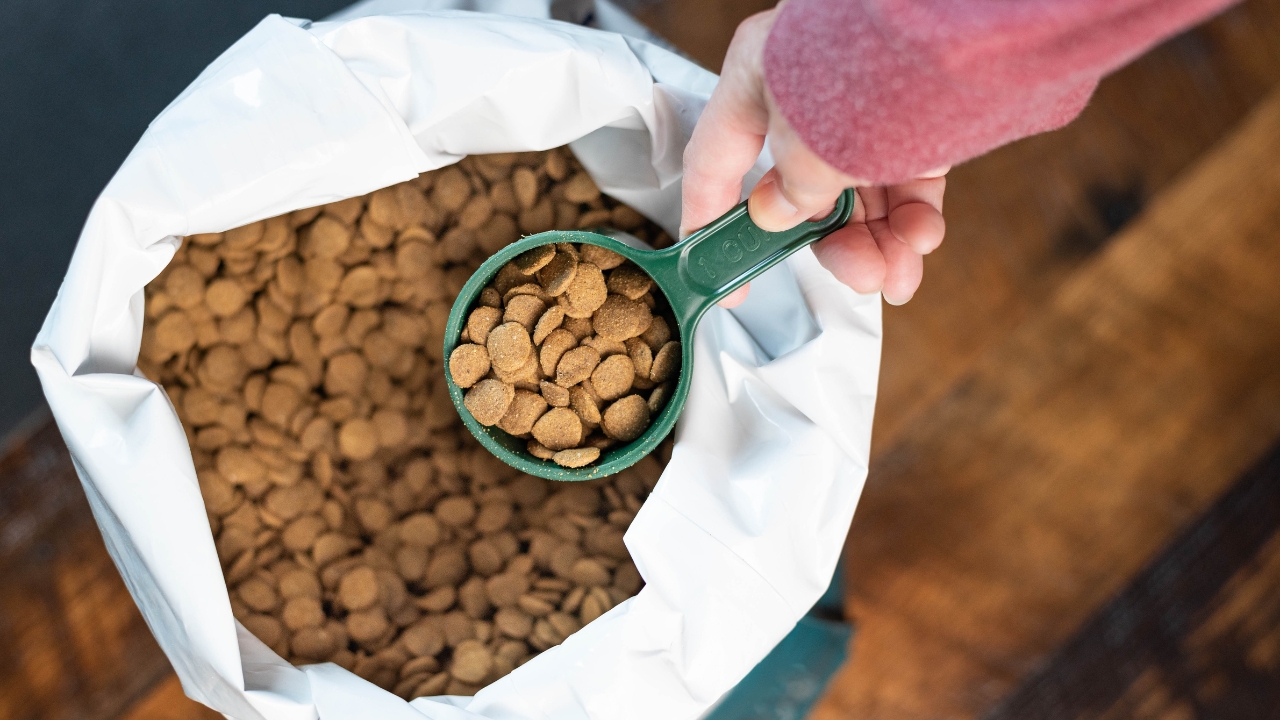
Leaving pet food in the garage can attract unwanted critters like mice and insects. The temperature fluctuations can also spoil the food quickly, leading to health issues for your furry friends. Experts from Lola Products suggest storing pet food in airtight containers inside your home.
By keeping pet food indoors, you’re not only protecting it from pests but also preserving its nutritional value. Make sure to check expiration dates regularly and store it in a cool, dry place to keep your pets healthy and happy.
6) Wine

Wine lovers, beware: your garage’s fluctuating temperatures and humidity levels are no friends to your precious bottles. According to wine storage guidelines, wine should be kept at a consistent temperature of around 55°F with 70% humidity. The garage simply doesn’t meet these criteria.
Instead, store your wine in a dedicated wine fridge or a cool, dark closet. This ensures that your wine ages gracefully and maintains its intended flavor profile. Trust us, your future self will thank you for taking the extra care.
7) Wooden Furniture

Wooden furniture might seem sturdy, but it’s particularly susceptible to damage in a garage environment. Fluctuating humidity can cause wood to warp and crack, ruining its appearance and structural integrity. Experts recommend storing wooden furniture in a stable, climate-controlled environment to maintain its beauty and durability.
If you need to store wooden pieces temporarily, consider using protective covers and placing them on a raised platform to minimize exposure to moisture. However, for long-term storage, find a more suitable space to preserve your furniture’s quality.
8) Clothing and Bedding

Storing clothing and bedding in the garage is a recipe for disaster. Moisture, pests, and temperature changes can lead to mildew and moth infestations. According to experts, it’s better to store these items in vacuum-sealed bags or airtight containers inside your home.
If space is tight, consider under-bed storage solutions or closet organizers to keep your textiles safe and sound. This way, they’ll be fresh and ready to use whenever you need them, without any unpleasant surprises.
9) Food and Pantry Items
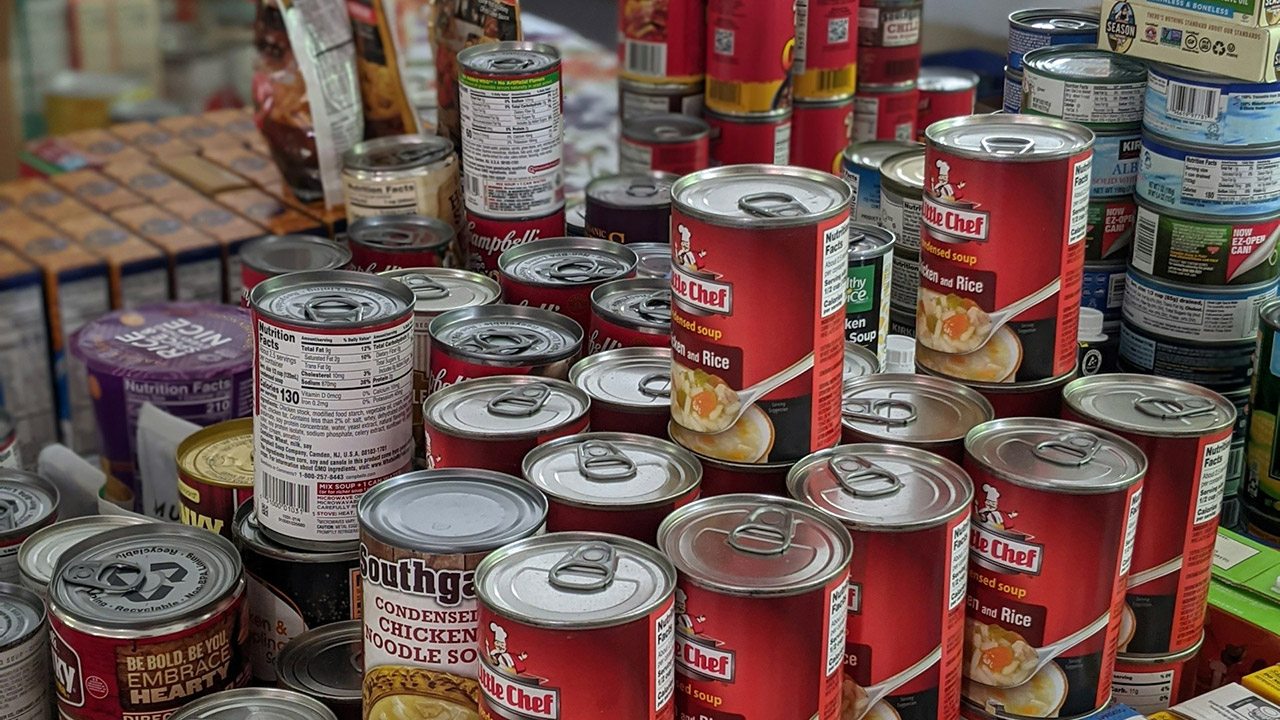
Just like pet food, human food should never be stored in the garage. The fluctuating temperatures can cause spoilage, and the open environment is an invitation for pests. Experts at Real Simple emphasize that food items should be kept in a controlled, pest-free environment.
Instead, use your kitchen pantry or a dedicated food storage area with stable temperature and humidity levels. This not only preserves the quality of your food but also ensures it remains safe to consume.
10) Photographs and Family Heirlooms
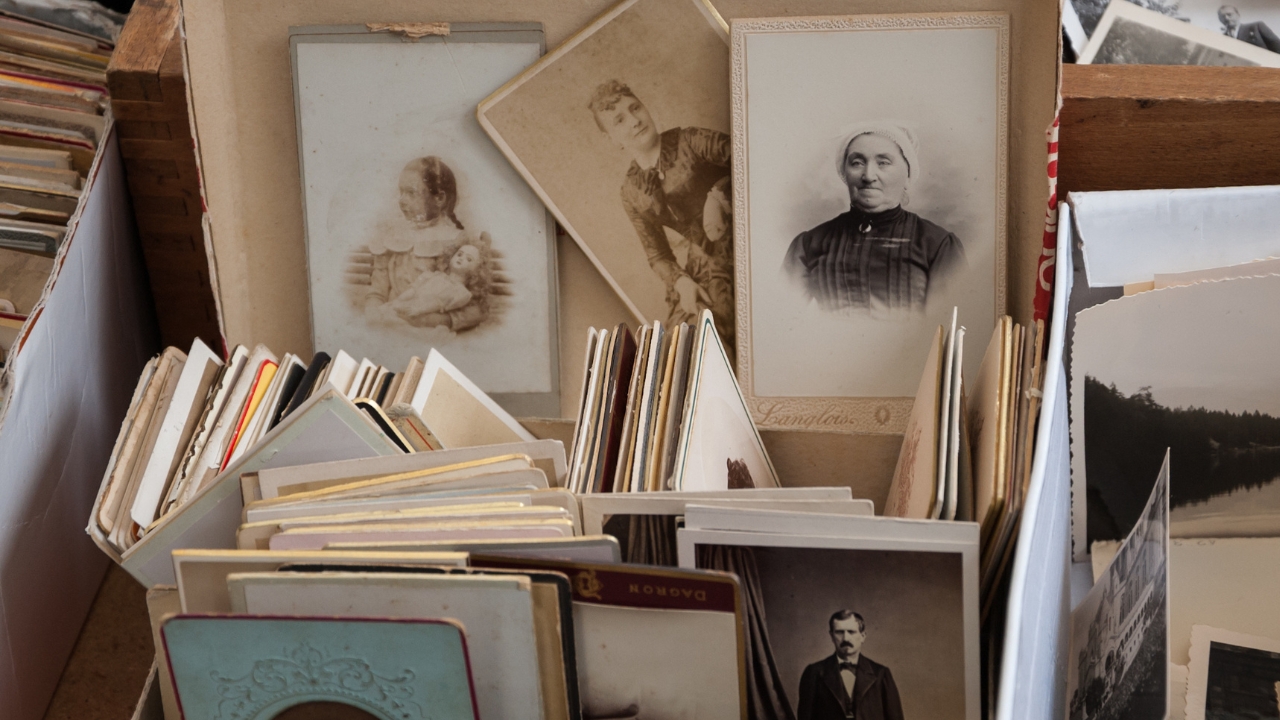
Your cherished memories and family heirlooms deserve better than a garage shelf. Humidity and temperature fluctuations can cause photographs to fade and heirlooms to deteriorate. According to experts, these items should be stored in acid-free boxes inside your home.
Consider creating a dedicated storage space for your precious belongings, complete with archival materials to protect them. By keeping these items in a stable environment, you’ll ensure that future generations can enjoy them just as much as you do today.
*This article was developed with AI-powered tools and has been carefully reviewed by our editors.