10 Things That Make Your Flower Beds Look Like a Weed Farm
Photo credit: Ozgurcoskun/Shutterstock.com
Your flower beds can frame your home like a tailored suit or drag it down like an overgrown lot. Small design and maintenance choices determine whether visitors see a cared‑for garden or something closer to a weed patch. Once you understand the specific habits that create that “weed farm” effect, you can trade them for simple routines that keep beds sharp, intentional, and genuinely welcoming.
1. Letting the garden outgrow you
Few things make a planting bed look wild faster than letting it expand and mature without a plan for how you will keep up. You might start with tidy edges and a few perennials, then, a couple of seasons later, find plants flopping over paths, volunteers popping up everywhere, and shrubs swallowing windows. Experts warn that when you allow beds to spread faster than your time and budget, you create the perfect conditions for weeds to slip in and for the whole space to read as neglected rather than lush. That is the core of the problem described as letting the garden, where the scale of the planting simply exceeds your ability to manage it.
Prevent that by sizing beds to your actual maintenance capacity and editing plants every year. Removing seedlings you do not love, dividing perennials before they form dense mats, and cutting back shrubs that creep into sightlines all stop the slow slide into chaos. When you match the footprint of your flower beds to the time you can realistically spend weeding, deadheading, and edging, you avoid the weedy, overrun look that makes even good plants feel like part of a problem.
2. Ignoring the mess makers: weeds, debris, and clutter
Weeds are the most obvious reason a flower bed starts to resemble a vacant lot, but they are not the only culprit. Gardeners point out that weeds, messy paths, all work together to make a space feel unkempt, even if your favorite plants are blooming. Stray toys, broken pots, and random tools left in beds signal that no one is really in charge. When you let fallen leaves cake over plants long after they have done their job, or you leave dead stems leaning at odd angles through summer, the bed starts to read as abandoned, not naturalistic.
Change that impression by treating cleanup as part of the design, not an afterthought. A quick weekly loop with a trug and hand fork to pull visible weeds, pick up debris, and straighten edging keeps the whole area looking intentional. When you tidy paths, clear away broken branches, and remove items that do not belong in the bed, you allow the eye to settle on the plants you chose instead of the clutter that crept in. That simple discipline is often the difference between a garden that looks curated and one that looks like a patch of ground no one claims.
3. Skipping the basics: mowing, edging, and transitions
Your flower beds do not exist in isolation; they sit inside a larger frame of lawn, hardscape, and house. If that frame looks rough, your beds will too. Letting the grass around your borders grow ragged or cutting it too aggressively both undermine the effect you are trying to create. Guidance on common yard mistakes singles out mowing too low as habits that weaken turf and invite weeds, which then creep right into your beds. Uneven or missing edging blurs the line between lawn and planting, so the whole area reads as one fuzzy, weedy mass instead of a crisp composition.
Avoid that by treating the transition zones as design features. A consistent mowing height, a clean strip of edging, and a clear line where grass stops and mulch or groundcover begins make your flower beds look deliberate even before a single plant blooms. Simple tools like a half‑moon edger, a string trimmer used carefully, or a defined border of brick or steel give your beds a finished outline. When passersby can see exactly where the bed starts and the lawn ends, they read the area as a garden, not as an overgrown corner of the yard.
4. Bare soil and thin mulch that invite weeds
Open patches of soil are essentially invitations for weed seeds to move in. Many gardeners learn the hard way that a bed with scattered plants and lots of exposed dirt quickly fills with opportunistic seedlings, which then compete with your flowers and make everything look untended. Practical advice from home gardeners emphasizes how a thin mulch layer fails to stop this process; one gardener explains how they clean a bed, sprinkle a weed control product, then add coarse pine straw, and warns that weeds will still pop thru a if you skimp.
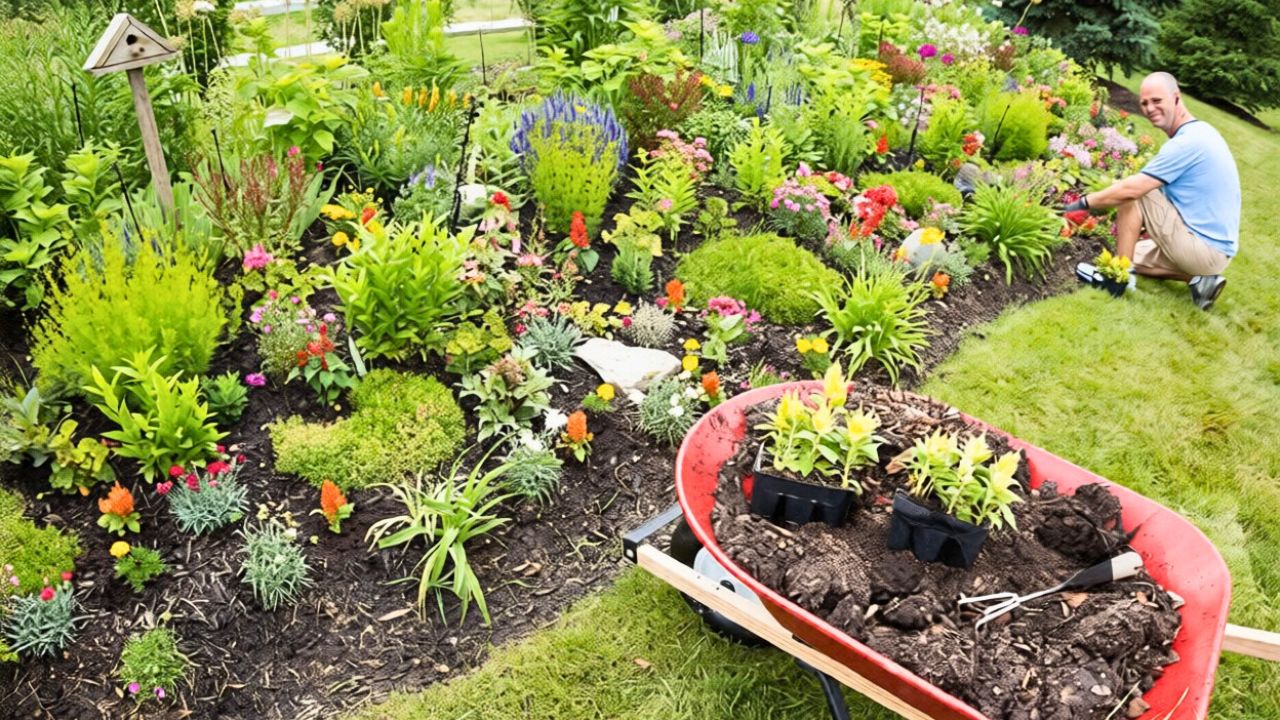
You can avoid the weed farm effect by either covering soil with living plants or with a proper layer of mulch. A continuous two to three inch depth of shredded bark, pine straw, or similar material blocks light from reaching weed seeds and also gives the bed a unified, finished look. Where you prefer a fuller planting, low groundcovers and spreading perennials can knit the soil surface together so there are simply fewer open spots for weeds to germinate. In both cases, the goal is the same: eliminate the patchy bare ground that makes beds look half built and half abandoned.
5. Random plant choices with no plan
Buying plants one impulse at a time, without any thought for how they will mature together, sets you up for chaos. Experts describe this as planting without a, a habit that leads to clashing colors, mismatched heights, and awkward gaps that weeds are quick to fill. You might tuck a tall, airy grass in front of a low rose, or scatter sun lovers into a shady corner, and within a season the bed looks like a collection of orphans rather than a designed space. The result can resemble a patch of mixed weeds, because there is no repeating pattern or rhythm to reassure the eye.
Bring order to that visual noise by stepping back and sketching even a simple layout before you dig. Grouping plants in odd‑numbered clumps, repeating a few key species along the bed, and matching each plant to the light and soil it prefers all contribute to a more coherent look. Guidance on common design errors highlights how using the wrong plant in the wrong place and spacing plants incorrectly both undermine long‑term success, which is why resources that focus on wrong plant, wrong and poor spacing are so valuable. When you edit your beds so that each plant has a clear role and enough room, the whole area shifts from haphazard to intentional.
6. Overcrowding that turns beds into thickets
Even when you choose good plants, you can still create a weed farm look by cramming in too many. Over time, overcrowded beds become dense thickets where air and light cannot move freely, which stresses plants and makes them more vulnerable to disease. Detailed guidance on common errors calls out overcrowding as a key mistake that forces plants to compete for resources and eventually decline. As that happens, gaps open up, weak stems flop, and opportunistic weeds find their way into the tangled growth, which makes the entire bed look like a neglected hedgerow.
Prevent this by respecting mature sizes on plant tags and thinning aggressively once plants reach those dimensions. Instead of filling every inch on day one, allow room for growth, using short‑term annuals or mulch to cover the soil while perennials and shrubs expand. Regularly lifting and dividing clumping perennials keeps them from forming impenetrable mats, while pruning shrubs to maintain their natural form avoids the heavy, blocky shapes that can dominate a bed. When each plant has breathing space, you see individual forms and textures instead of an undifferentiated mass that reads as overgrowth.
7. Neglecting soil health and drainage
Even the best‑designed bed looks rough if the soil underneath is compacted, waterlogged, or starved of organic matter. Poor soil leads to stunted, yellowing plants that struggle to fill their space, leaving plenty of room for tougher weeds to take over. Recent guidance on common flower bed problems outlines flower bed soil such as ignoring drainage, skipping soil tests, and relying on thin layers of bagged soil over hard subsoil. When roots cannot penetrate or access nutrients, your chosen plants falter while weed species that tolerate poor conditions thrive, which quickly makes the bed look like an untended strip of ground.
Shift that dynamic by treating soil preparation as the first step, not an optional upgrade. Removing existing turf, loosening the top few inches with a fork or rented rototiller, and blending in compost before planting all help your flowers outcompete weeds. Practical discussions about budget beds suggest that you can pull up the, then work organic matter into the exposed soil, even if you are keeping the planting simple. When your soil drains well and holds nutrients, your chosen plants fill in strongly, which leaves less visual and physical space for weeds.
8. Forgetting curb appeal and sightlines
Your flower beds are part of the story your home tells from the street. When beds block windows, obscure the front door, or clash with the style of the house, they can make the property feel smaller and less cared for. Design professionals stress that landscaping and your to curb appeal, especially around the entry. Oversized shrubs that lean into walkways, tall plants that hide architectural details, and random ornaments scattered through the bed can all contribute to a visual clutter that feels more like a thicket than a welcoming frame.
Improve that impression by editing with the street view in mind. Standing across the road and looking back at your house helps you see which plants interrupt key lines to the door, windows, or porch. Removing or relocating anything that blocks those features, and repeating a few strong, healthy plants along the front, creates a rhythm that reads as deliberate. When the approach to your home feels open, balanced, and clearly maintained, even a relatively simple bed looks intentional instead of wild.
9. Treating weed control as a one‑time job
Weed control is not something you do once in spring and forget. Seeds arrive constantly on the wind, in bird droppings, and on your shoes, so a bed that looks perfect in May can resemble a weed farm by August if you stop paying attention. Garden educators who specialize in low‑weed gardens emphasize a series of consistent steps, explaining in one tutorial that there are four key actions to achieve a nearly weedless space, which they outline while walking through how to create. The message is clear: you need a system, not a single cleanup day.
Build that system with small, repeatable habits. A quick weekly pass to remove young weeds by hand, refresh mulch where it has thinned, and check for any bare patches keeps problems from escalating. Seasonal tasks such as cutting back spent perennials, dividing overcrowded clumps, and re‑edging beds help reset the space before weeds take advantage of the transition. When you treat weed control as part of your regular routine rather than a rescue mission, your flower beds keep their structure and clarity, and no one mistakes them for a field that has been left to fend for itself.
Like Fix It Homestead’s content? Be sure to follow us.
Here’s more from us:
- I made Joanna Gaines’s Friendsgiving casserole and here is what I would keep
- Pump Shotguns That Jam the Moment You Actually Need Them
- The First 5 Things Guests Notice About Your Living Room at Christmas
- What Caliber Works Best for Groundhogs, Armadillos, and Other Digging Pests?
- Rifles worth keeping by the back door on any rural property
*This article was developed with AI-powered tools and has been carefully reviewed by our editors.