10 Things You Don’t Notice in an Old House Until You Move In
Old houses have character, but they also come with surprises—usually the kind you don’t catch until you’re knee-deep in boxes and wondering why your outlets smell weird. Even if the place looked solid during the walkthrough, there’s a good chance a few issues are hiding in plain sight. Some are small annoyances, others can turn into expensive fixes if you’re not ready for them.
Here are the things you’re more likely to notice after move-in than during a quick tour.
Outlets in All the Wrong Places
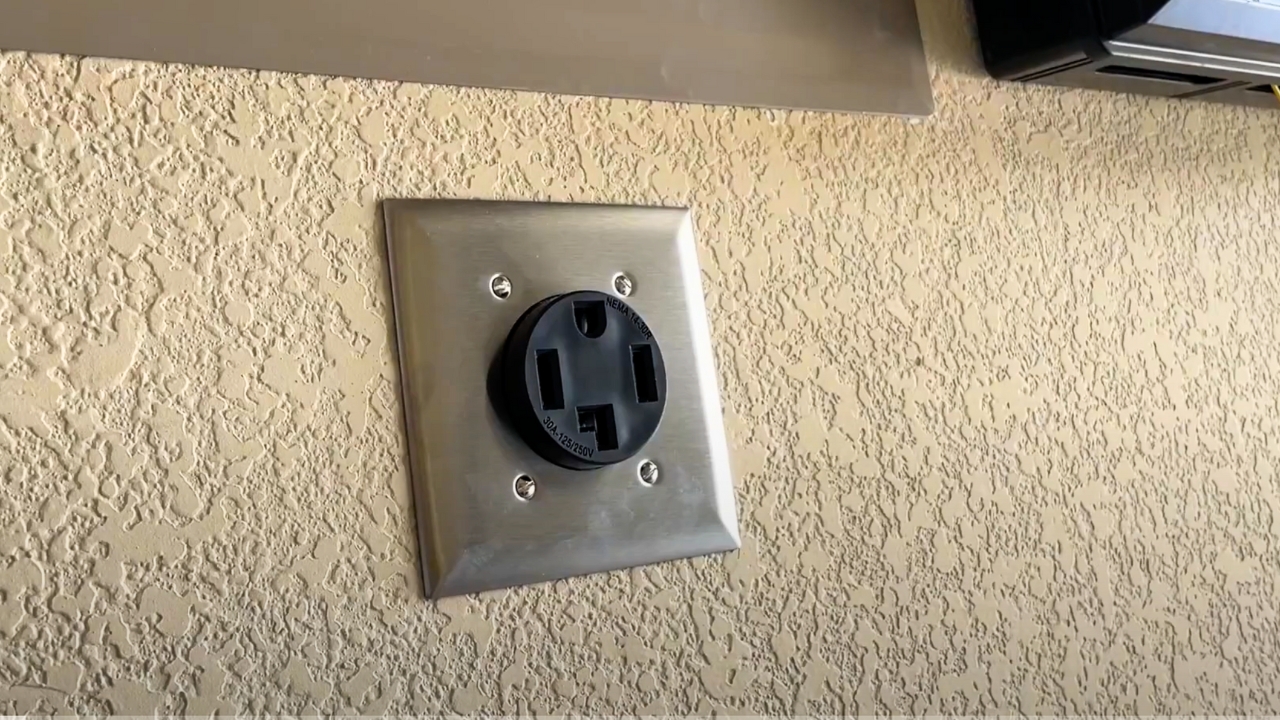
Old houses were built before we plugged in half our lives. So unless the wiring’s been updated, you’re probably working with a few outlets per room—usually placed in the least convenient spots.
You’ll end up needing more extension cords than you thought, or furniture might not sit where you planned. If you’ve got plans for a home office or anything with a heavy plug load, this one shows up fast.
Strange Drafts You Didn’t Feel Before
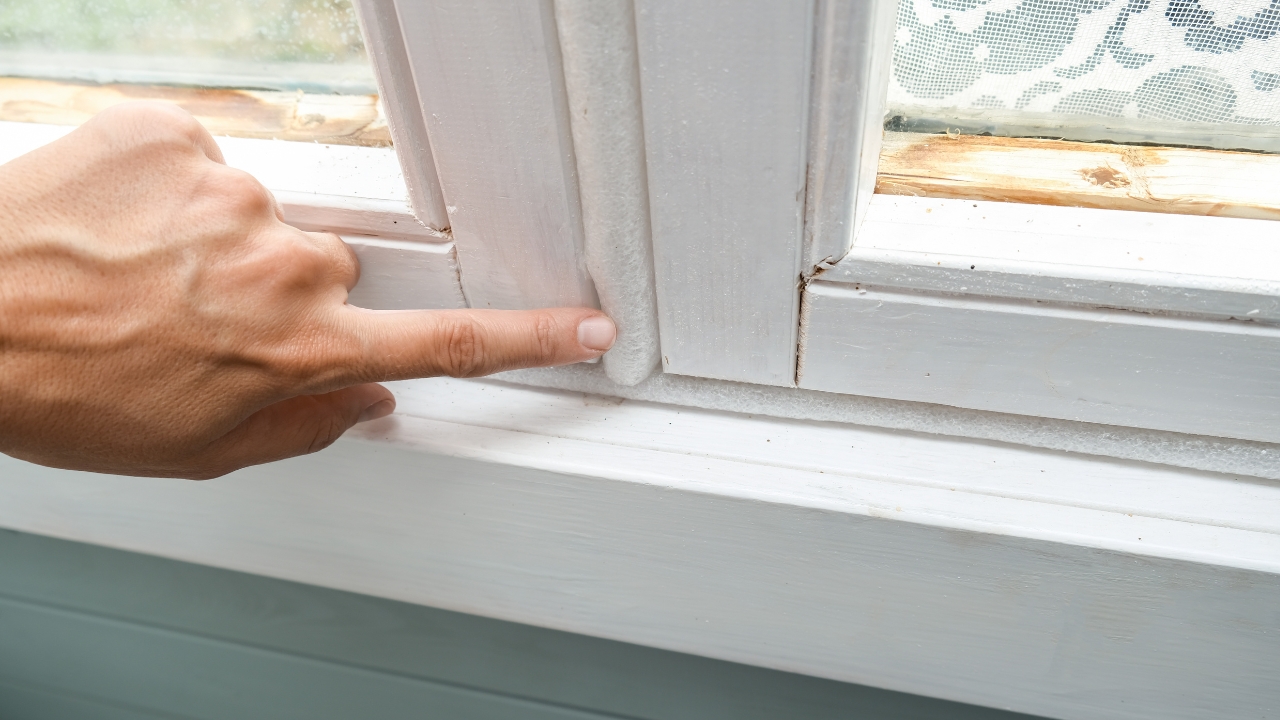
A lot of old homes weren’t built with insulation in mind, or it’s settled over the years. Once you’re in, you start noticing the draft by the baseboards, or that one room that’s always colder than the others.
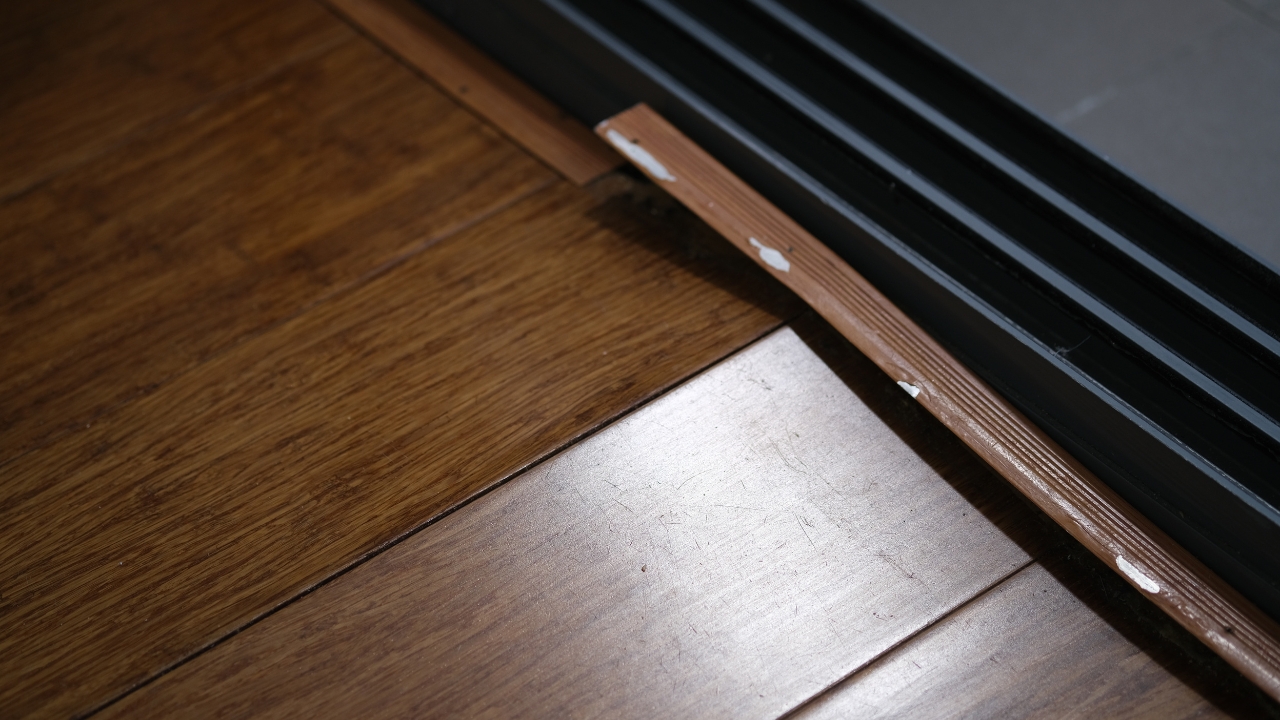
Even small gaps around windows or outlets can mess with your indoor temperature. You might end up sealing more than you expected—or dealing with higher energy bills if you ignore it.
Doors That Don’t Stay Shut (or Won’t Close at All)

During a quick tour, it’s easy to overlook a door that doesn’t quite line up or swings open on its own. Once you’re living in the house, it becomes a daily frustration.
This usually ties back to the foundation settling or uneven floors, which are common in older homes. You might be able to adjust the hinges, but sometimes it’s a deeper issue that points to structural shifting.
Low Water Pressure Surprises
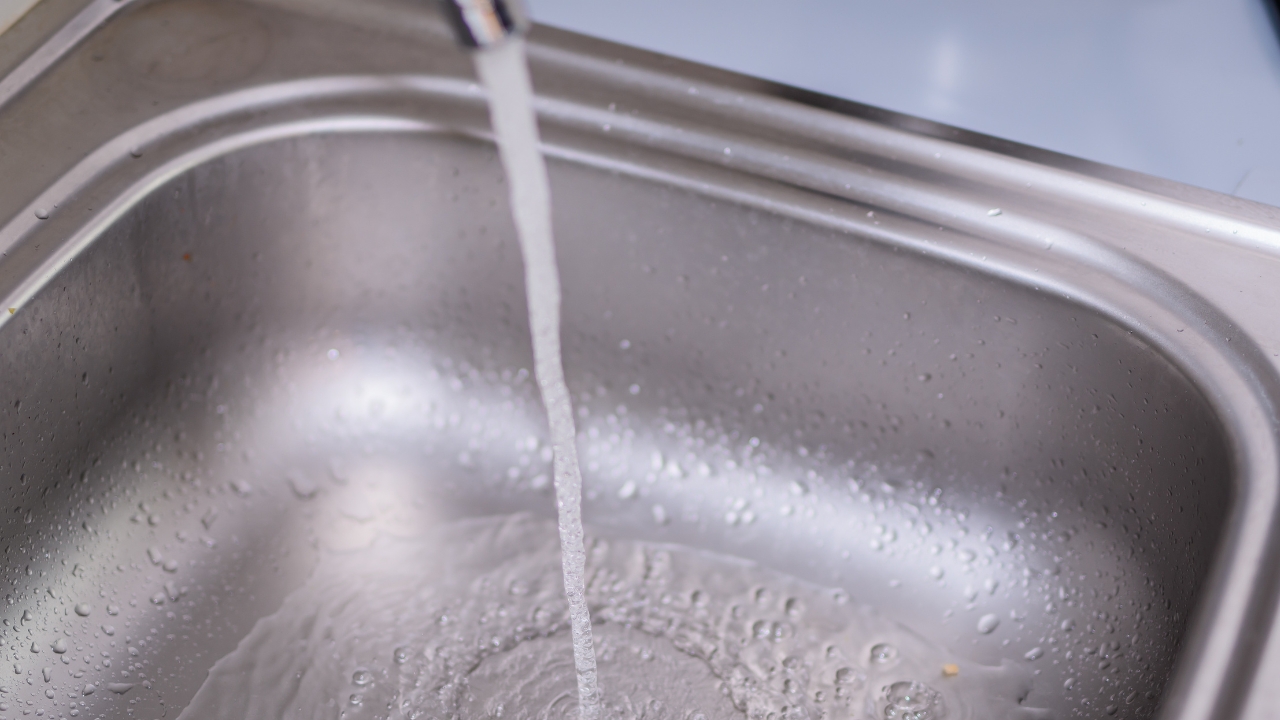
You won’t know how that shower feels until you actually use it. Old plumbing lines can narrow from mineral buildup or corrosion, and it can tank your water pressure without warning.
Sometimes the problem’s in the pipes, other times it’s an old showerhead or outdated fixture. Either way, it’s something you won’t fully notice until it’s part of your daily routine.
Squeaky Floors Everywhere

You hear the first one and shrug it off. Then by day three, it’s all you hear—creaks, groans, and mystery pops every time someone walks by.
Older subfloors or boards that weren’t fastened properly over time are usually to blame. You’ll either learn to live with it or start hunting for ways to tighten things up from underneath.
Questionable Smells That Linger

Open house air fresheners and new paint can cover a lot. Once the scent fades, though, old smells tend to creep in—musty basements, stale ducts, or something funky from behind the walls.
It’s often tied to age-old carpet, poor ventilation, or past water issues. If the smell sticks around after a few cleanings, it might take more digging to fully fix.
Windows That Don’t Quite Work Right
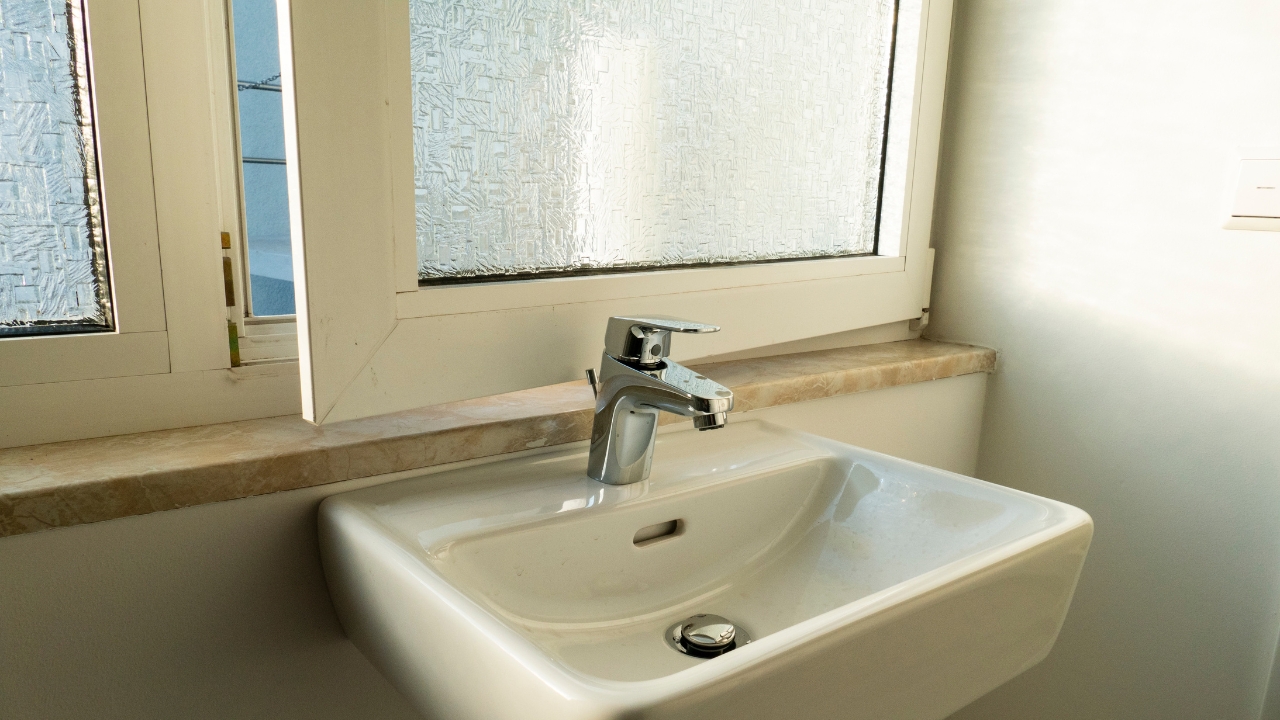
They looked fine during the walkthrough, but now you realize they don’t open, or worse, they won’t stay open. Sometimes they’ve been painted shut, other times the hardware’s worn out.
Old wood frames can swell or shrink with the seasons, which adds another layer of trouble. You’ll likely have to decide whether to repair or eventually replace them altogether.
Poor Lighting Where You Need It
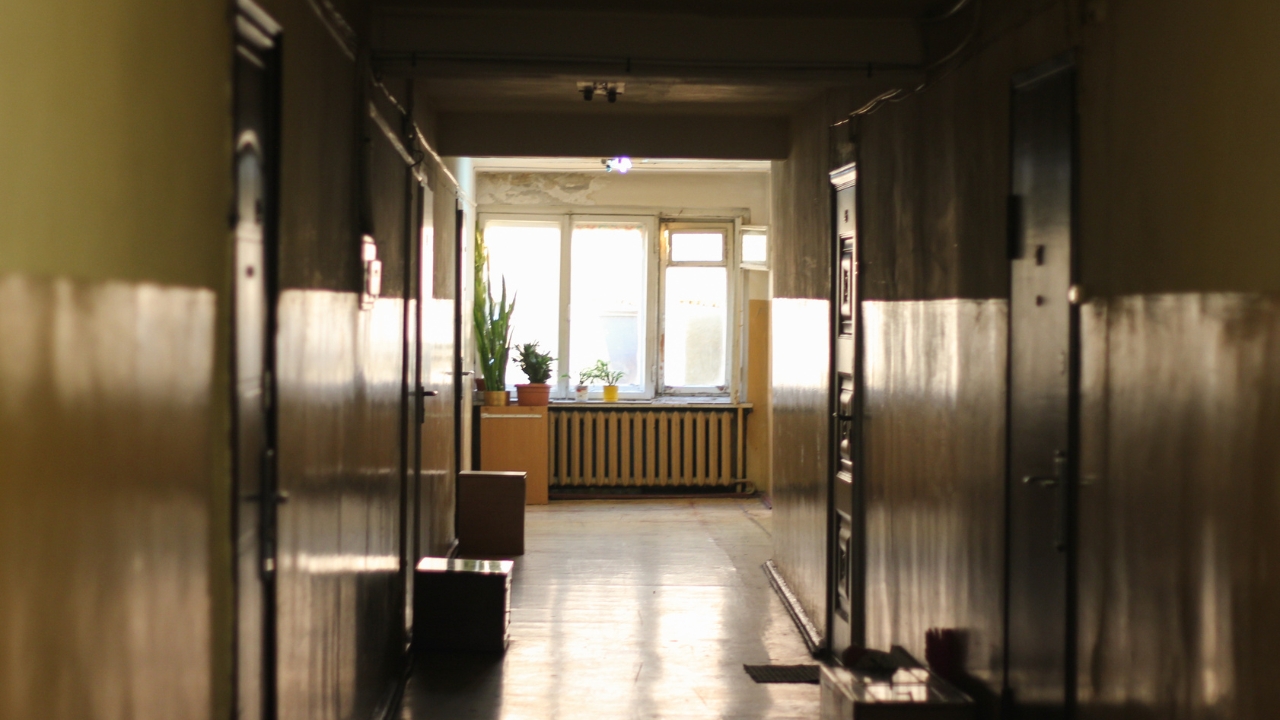
Older homes weren’t wired with overhead lighting in mind, especially in bedrooms or hallways. You don’t fully notice it until you’re walking around with a flashlight trying to find a place to plug in a lamp.
You might need to invest in better lamps or hire an electrician to install overhead fixtures. Either way, the lighting plan probably needs some rethinking once you move in.
Paint That Was Doing a Lot of Covering

Fresh paint can hide a whole lot of wall damage. Once you start moving furniture or hanging shelves, you might uncover cracks, patchy drywall, or spots where the paint is already peeling.
This happens a lot in homes with older plaster walls or past moisture issues. A little touch-up can turn into a bigger repair if the wall underneath wasn’t prepped right to begin with.
Floors That Aren’t Level
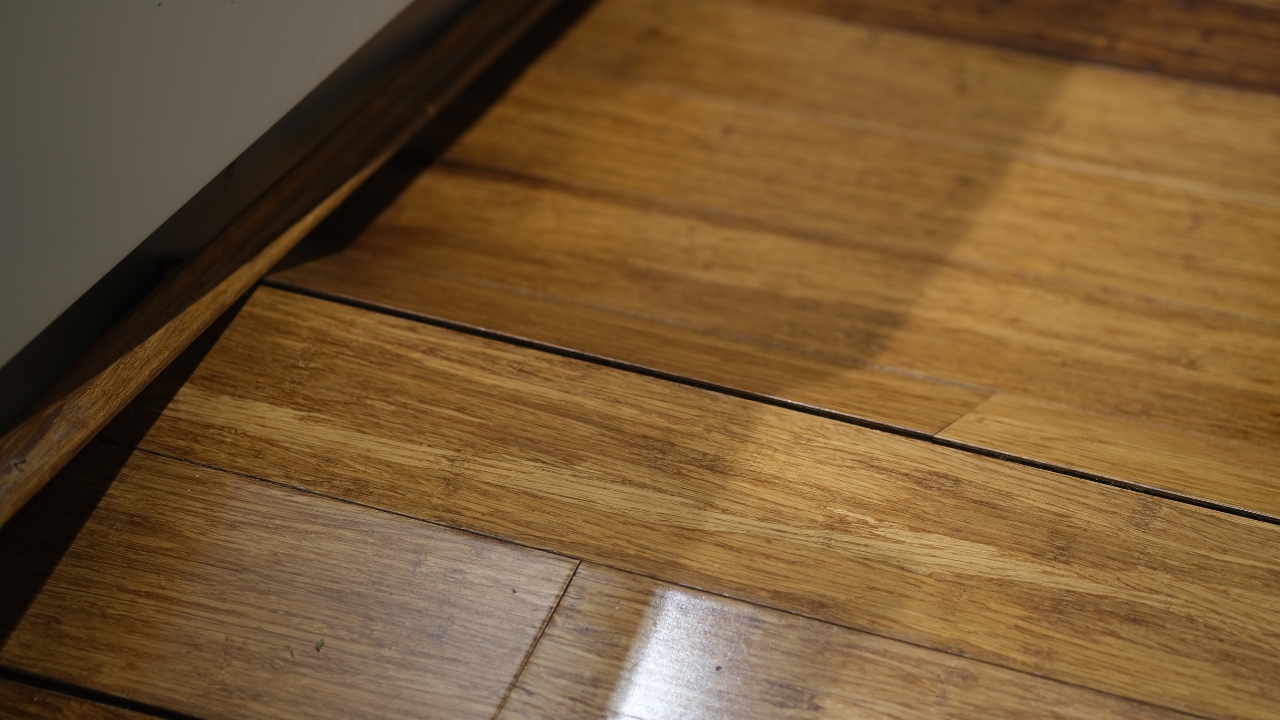
It’s hard to catch this unless you’re really paying attention, but once you start setting up furniture, you’ll see it. Dressers lean, closet doors don’t shut right, and marbles roll across the floor.
Most of the time, it’s from settling over decades. It doesn’t always mean there’s a major problem, but it can definitely throw off your plans—and might require some creative fixes.
*This article was developed with AI-powered tools and has been carefully reviewed by our editors.