10 Ways to Make Money from Your Farm Animals
Photo credit: Rawpixel.com/ Shutterstock.com
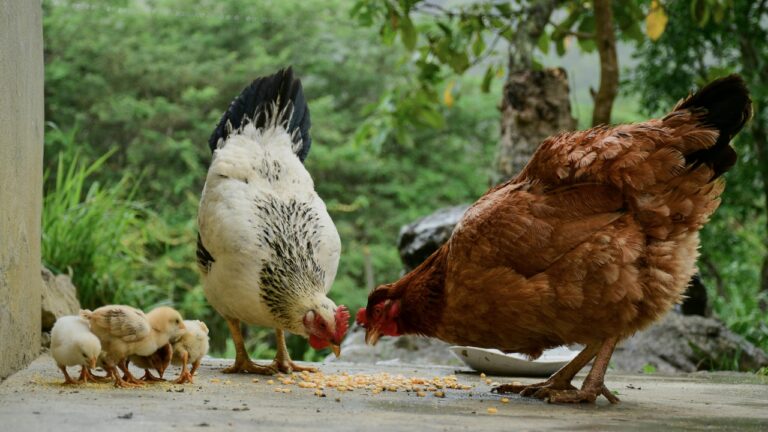
If you’re raising livestock, they should be working for you—not just eating up feed and costing you money. Farm animals can be a solid source of income, but only if you have a plan. Whether you’re selling eggs, breeding stock, or even manure, there are plenty of ways to turn your animals into a profitable operation.
Success comes down to choosing the right market and managing your livestock efficiently. Some income streams take minimal effort, while others require more time and investment. But if you’re willing to put in the work, your animals can more than pay for themselves—and bring in steady cash year after year.
Selling Eggs
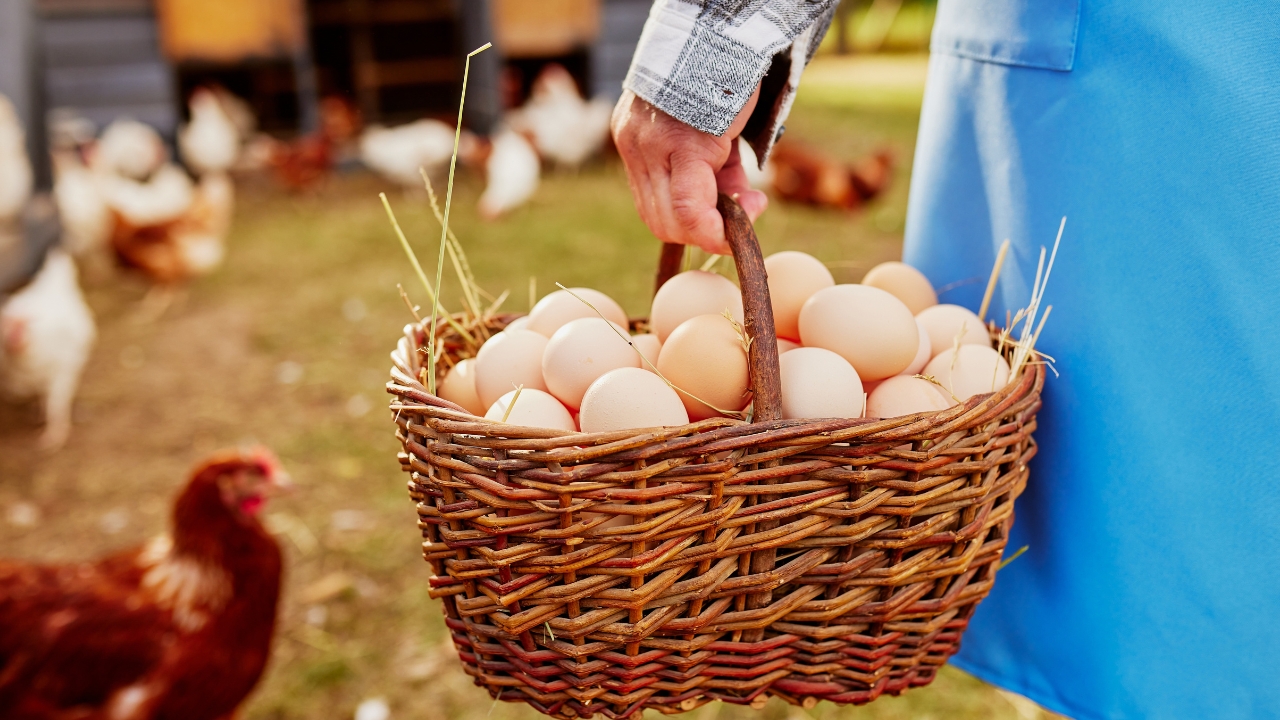
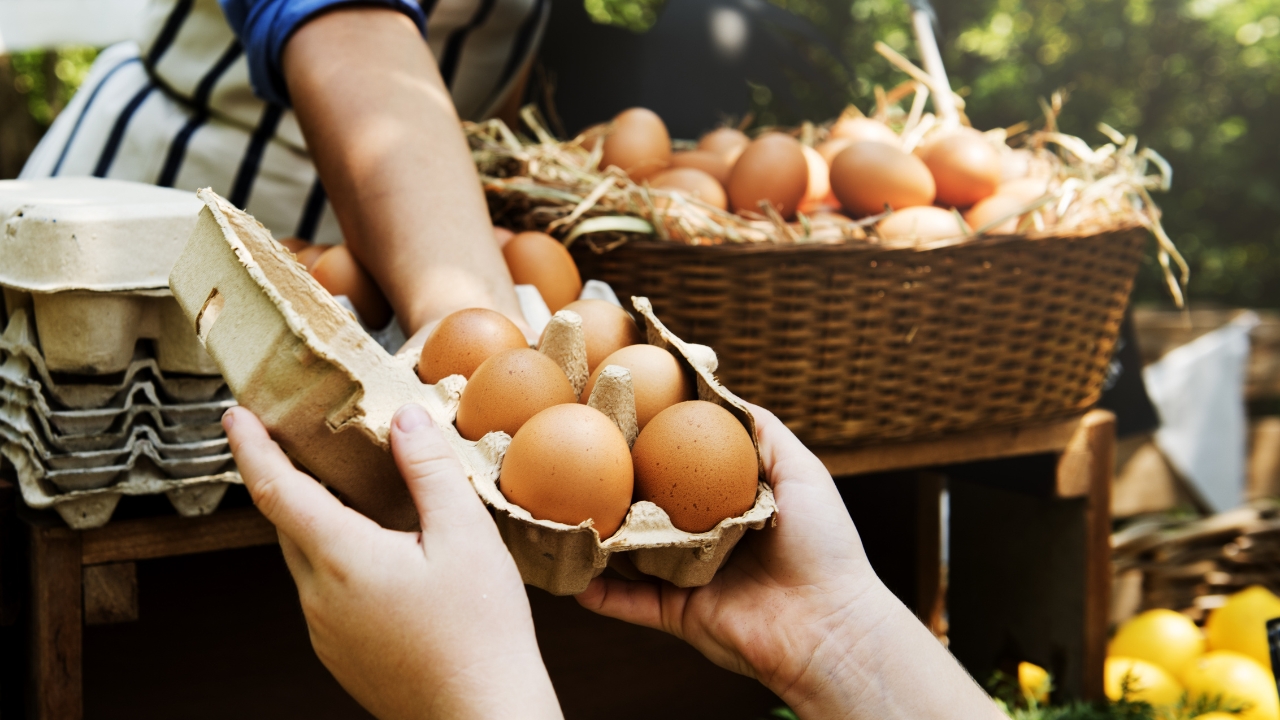
A solid flock of laying hens can turn into a steady source of income, especially if you focus on quality over quantity. Farm-fresh eggs sell well at farmers’ markets, local co-ops, and even straight from your property. People are willing to pay more for eggs from pasture-raised chickens compared to store-bought.
To maximize profit, focus on breeds with high egg production like Rhode Island Reds, Leghorns, or Australorps. Keeping your birds healthy with good feed and free-range time will improve egg quality and shell strength. You can also sell duck or quail eggs for a specialty market, where prices tend to be even higher.
Raising and Selling Meat Animals
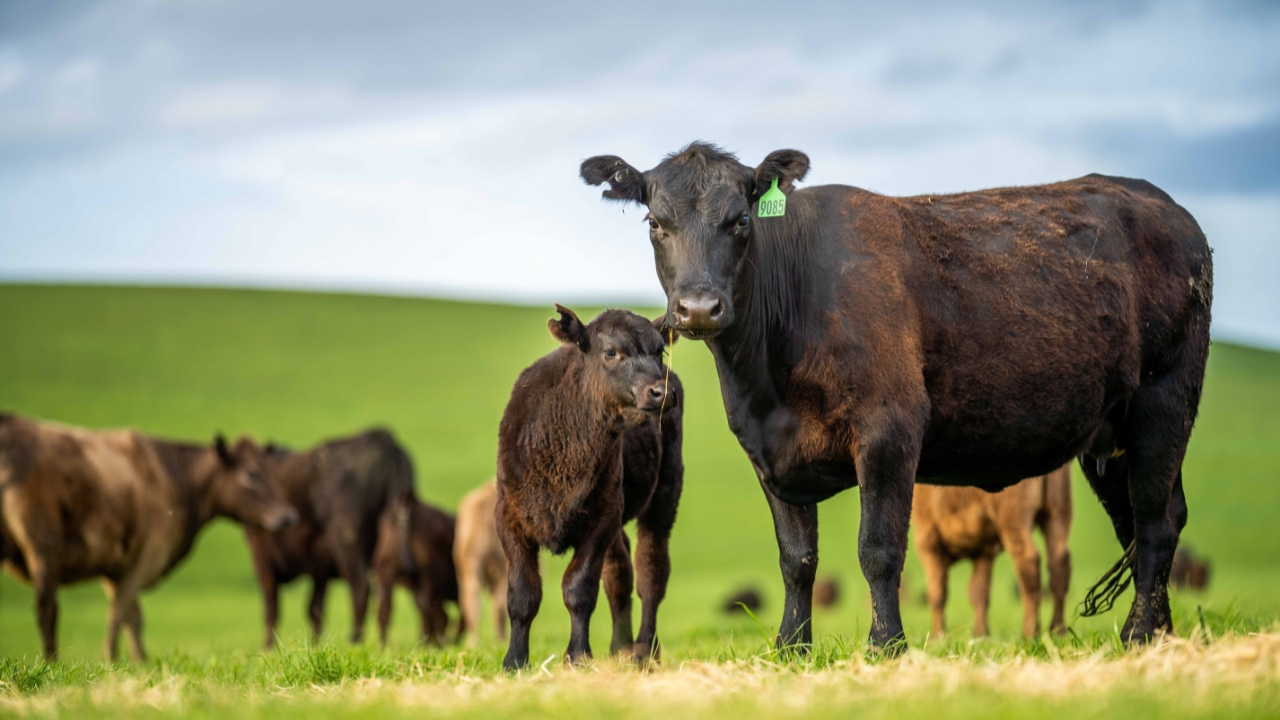
Raising meat animals takes more work upfront, but it can be a great way to bring in real money. Chickens, pigs, cattle, and even rabbits are all solid options, depending on your space and resources. Customers will pay a premium for locally raised, pasture-fed meat that hasn’t been pumped full of hormones or antibiotics.
Selling whole or half animals directly to consumers brings the best returns, but you’ll need to follow local laws regarding processing. Working with a USDA or state-certified butcher ensures your product is legal to sell, and many will even package it for you. If you’ve got enough land to raise livestock the right way, there’s a strong market for quality farm-raised meat.
Breeding and Selling Livestock
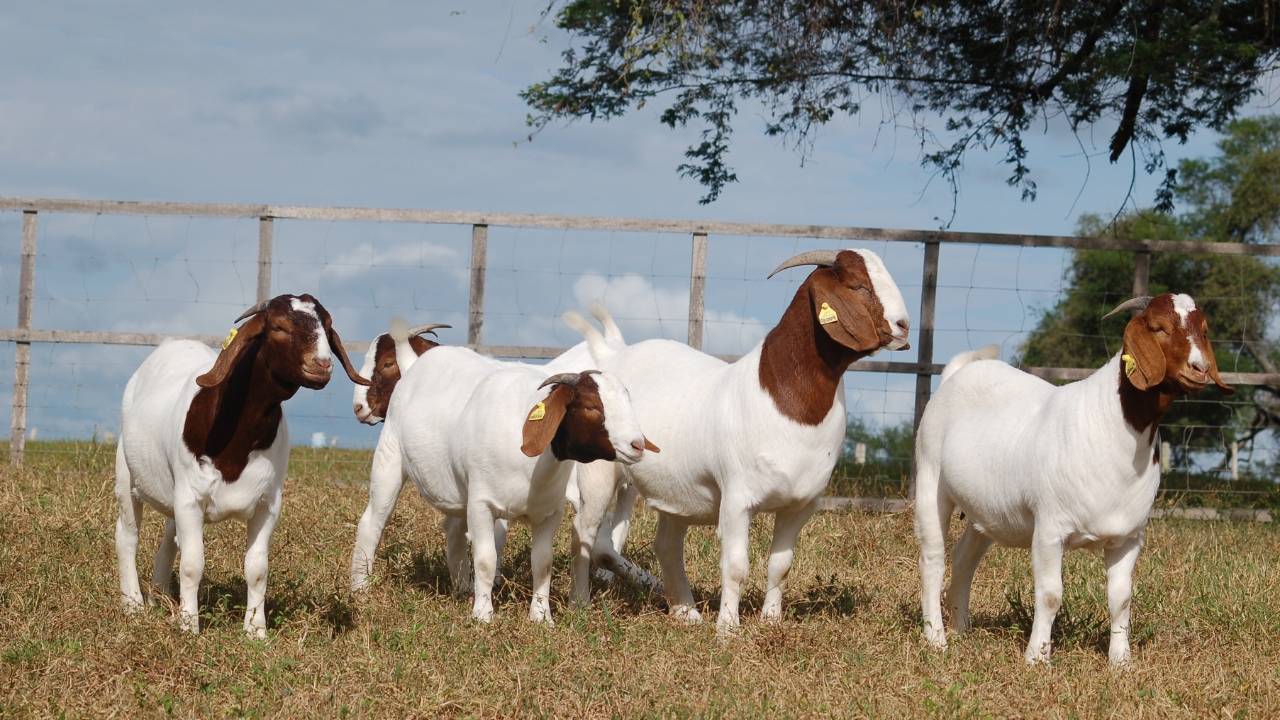
A well-managed breeding program can bring in steady cash, whether you’re raising cattle, goats, pigs, or even rabbits. Quality genetics make all the difference—buyers want animals with strong bloodlines, good health, and solid confirmation for breeding or production.
To get top dollar, be selective with breeding stock and cull anything that doesn’t meet high standards. Registering your animals with breed associations can also increase their value. Even if you don’t want to run a full-scale breeding operation, selling a few extra kids, piglets, or calves each season can help offset feed costs and put money back in your pocket.
Selling Raw or Processed Milk
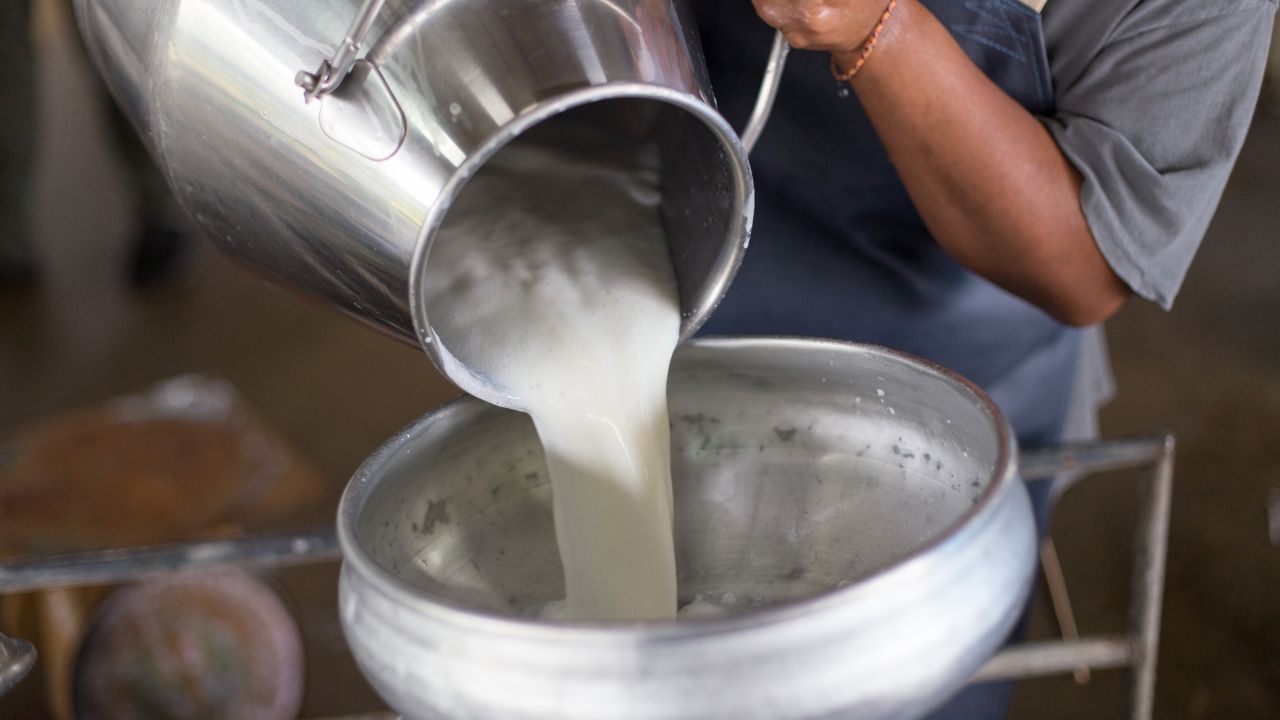
Dairy cows and goats can provide a valuable product, but selling milk comes with regulations. Some states allow direct raw milk sales, while others require it to be sold as pet milk or processed into cheese, butter, or yogurt. No matter the rules, there’s always demand for high-quality, farm-fresh dairy.
Goat milk, in particular, has a niche market, especially for people with dairy sensitivities. If you don’t want to deal with selling liquid milk, homemade cheeses and other dairy products often fetch a higher price per gallon of milk used. Keeping milking animals healthy and on a strict sanitation routine is key to making a good profit.
Selling Fiber from Sheep, Goats, or Rabbits
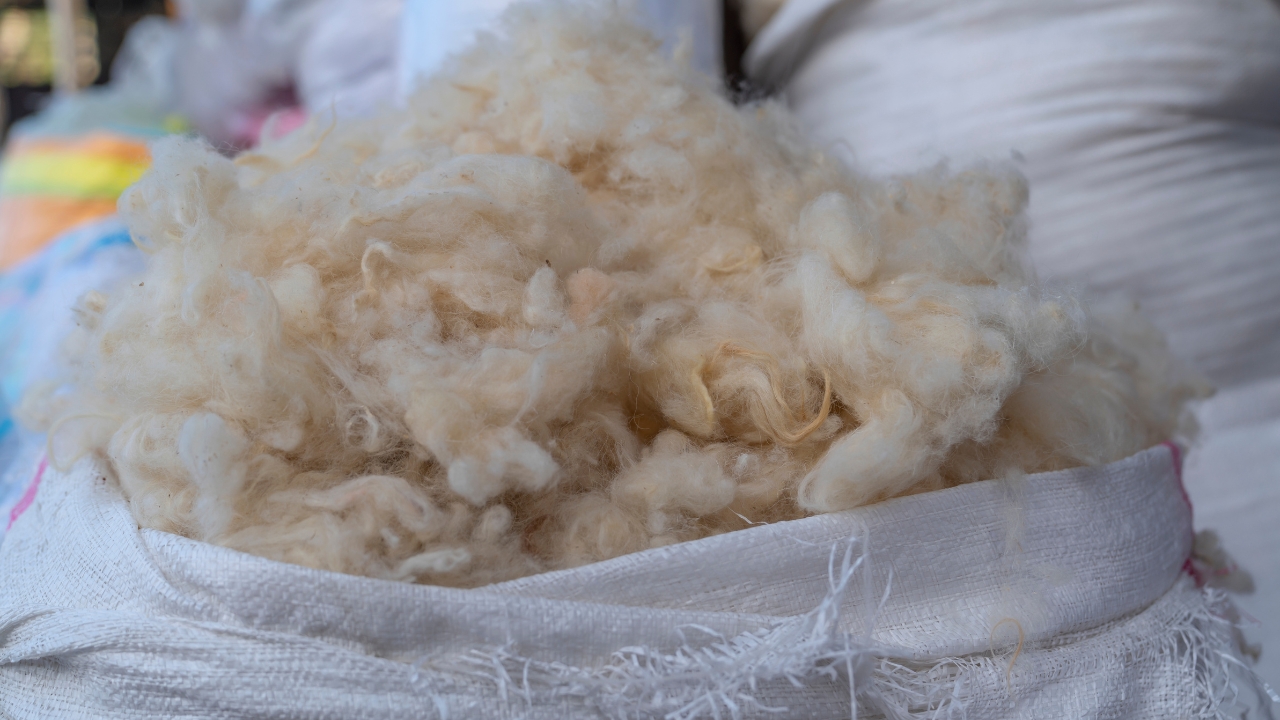
If you’ve got fiber animals like sheep, Angora goats, or Angora rabbits, their wool or mohair can be a steady source of income. High-quality fiber sells to hand-spinners, knitters, and fiber artists who want raw fleece, roving, or finished yarn.
Shearing and processing fiber takes some work, but well-maintained animals with clean, soft fleece bring in higher prices. If you don’t want to deal with processing the wool yourself, many fiber mills will do it for a fee, turning raw fiber into sellable yarn. If you’re raising fiber animals, good genetics and proper nutrition make a big difference in fleece quality.
Raising Bees for Honey and Wax
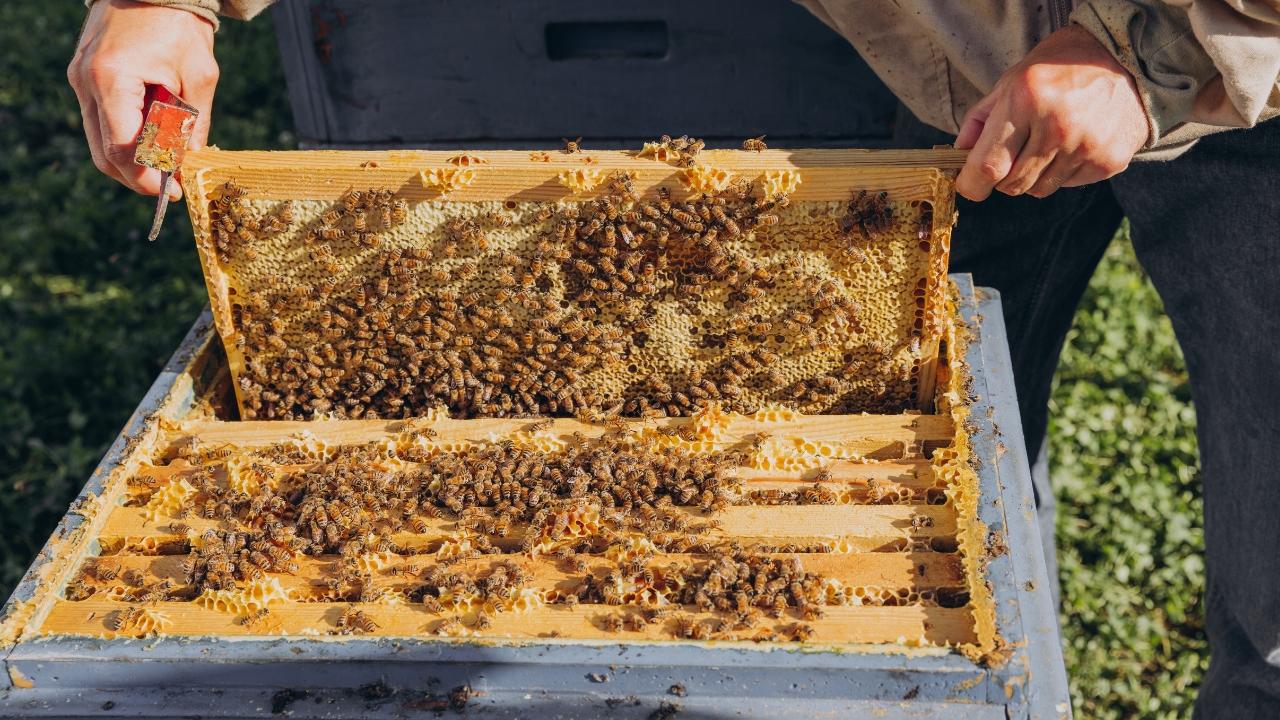
Beekeeping isn’t just a hobby—it’s a solid way to make money if you do it right. Honey is the obvious moneymaker, but beeswax can be just as profitable when turned into candles, lip balms, or lotion bars. Raw, unfiltered honey also sells at a premium compared to the grocery store brands.
Getting started takes some investment in hives, bees, and protective gear, but once your colonies are established, they require less day-to-day work than other livestock. Local honey is always in demand, and with colony numbers declining in the wild, having your own hives also helps with pollination on your farm.
Boarding Animals

If you’ve got extra barn space or pasture, boarding animals—especially horses—can bring in steady monthly income. Many horse owners don’t have their own land and are willing to pay for a good place to keep their animals.
Basic boarding includes shelter, feeding, and pasture access, but offering full-service boarding with daily care and stall cleaning brings in higher rates. Goats and sheep are sometimes boarded, too, especially for people who don’t want to keep breeding stock year-round. Just make sure you have solid fencing and clear contracts so you don’t end up responsible for someone else’s neglected animals.
Selling Manure and Compost

Most people don’t think of manure as a money-maker, but gardeners and organic farmers sure do. Well-composted animal manure is a high-value soil amendment that improves plant growth and fertility. If you’ve got livestock, you’ve got a renewable resource that’s in demand.
Horse, chicken, and rabbit manure are some of the best for composting and sell well at farmers’ markets or to local gardeners. Even if you’re not selling bagged compost, offering bulk manure pickup or delivery can bring in extra income. Instead of letting it pile up, turn waste into profit.
Renting Out Grazing Animals
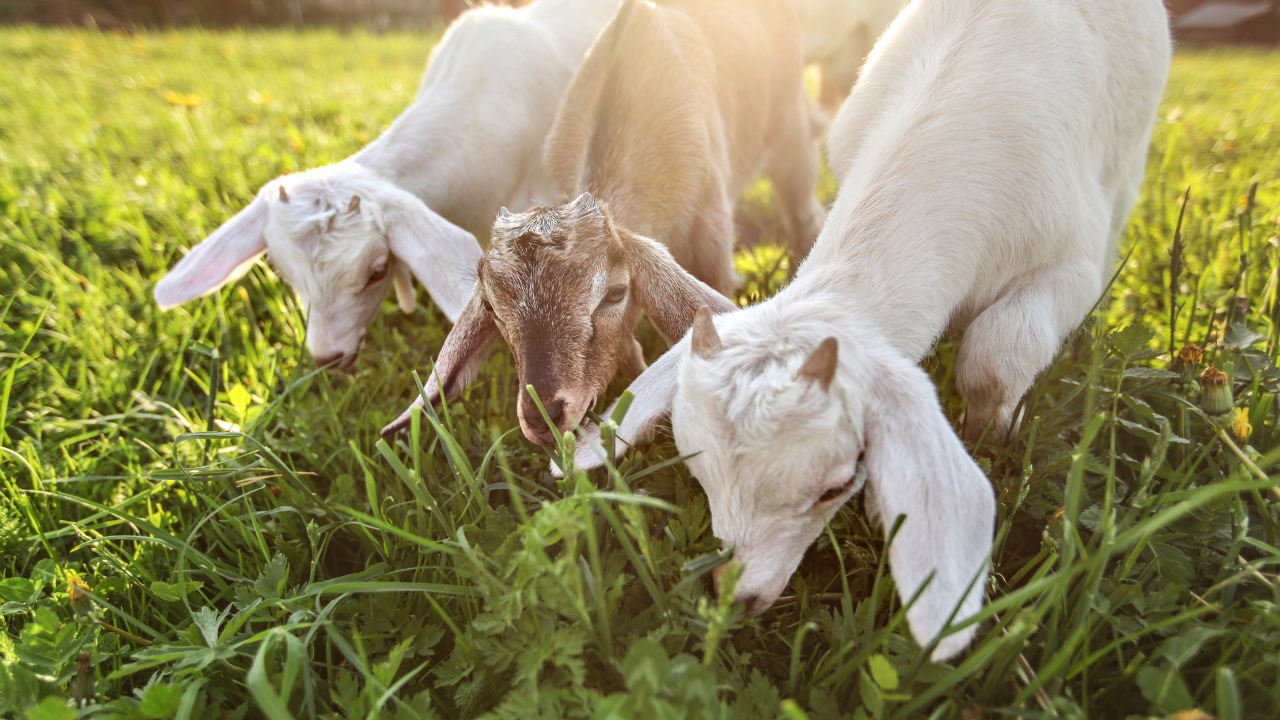
Goats and sheep aren’t just good for meat or milk—they’re also great at clearing brush, and people will pay to have them do it. Renting out goats for land clearing has become a popular business, especially in areas dealing with overgrown fields or wildfire prevention.
Sheep can also be used for targeted grazing to control invasive plants. If you’ve got a solid fencing setup and are comfortable moving animals around, grazing services can be a profitable side business. The key is managing transport, temporary fencing, and making sure animals stay where they’re supposed to.
Selling Fertilized Eggs or Hatching Chicks
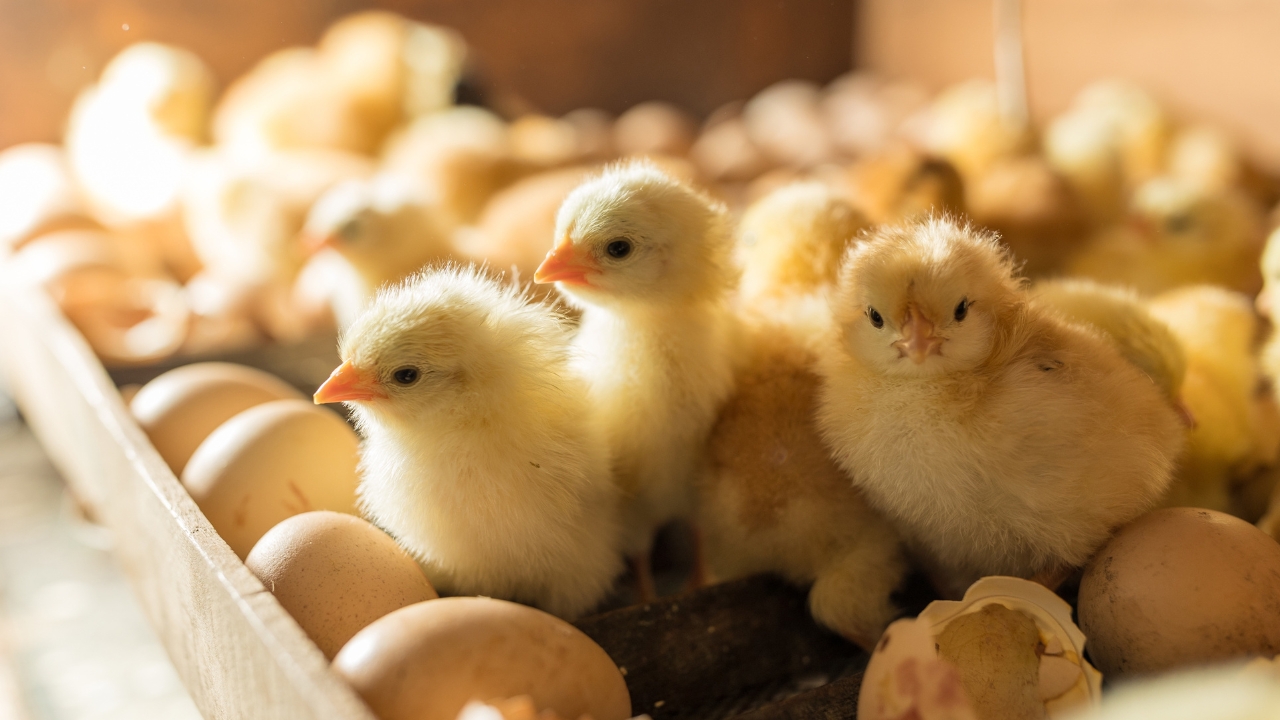
Backyard chicken keeping has taken off in recent years, and many people want to hatch their own chicks rather than buy from big hatcheries. Selling fertilized eggs or day-old chicks can be a profitable way to make money from a breeding flock.
Rare or heritage breeds tend to bring in the most money, especially if they’re known for strong egg production or unique feather patterns. If you’ve got an incubator, hatching chicks yourself can bring in even more profit. A small, well-managed breeding program can turn a handful of birds into a steady side income.
Like Fix It Homestead’s content? Be sure to follow us.