10 Things That Make a Front Door Look Expensive
Photo credit: David Papazian/Shutterstock.com
You can paint the house, mow the yard, and still have the entry feel a little cheap if the front door area is beat up or thrown together. Most of the “expensive” look is just clean lines, tight gaps, and hardware that works the way it should. A weekend of small fixes can change the whole first impression.
1. Straight, Even Door Reveal Gaps
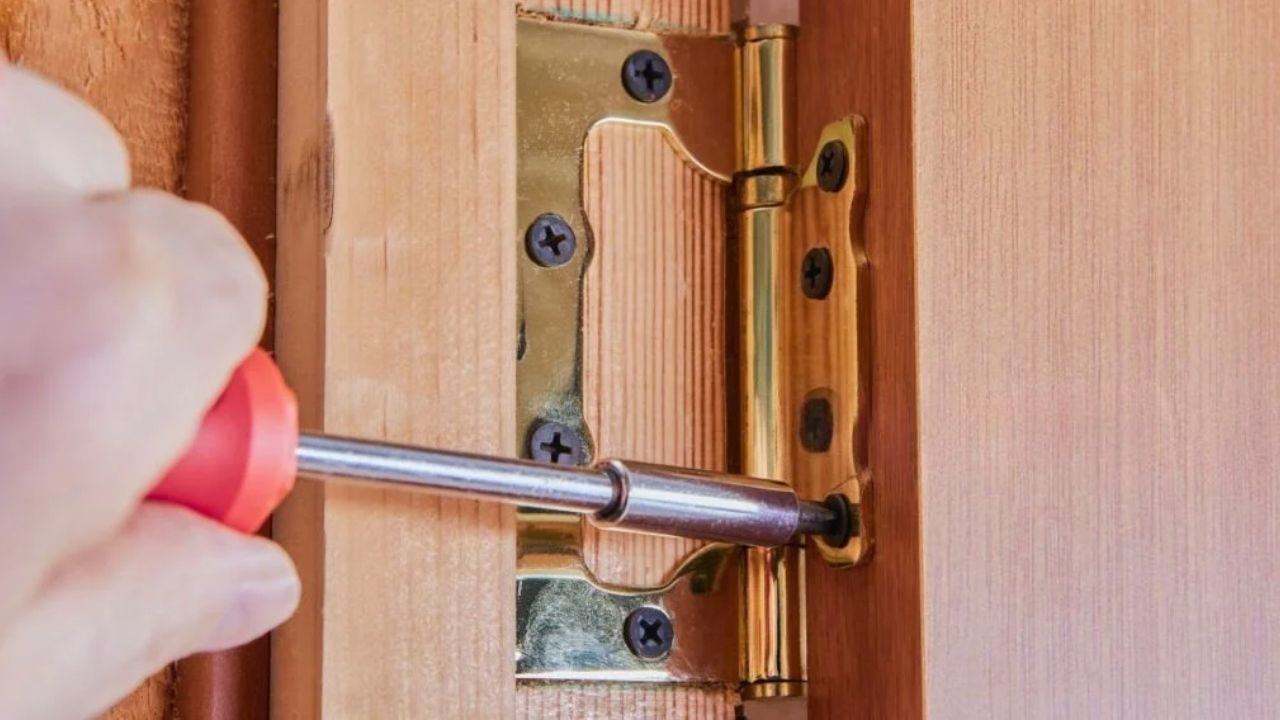
If the gap around the door is uneven, people notice it even if they can’t name it. A door that rubs, sticks, or shows a wide gap at the top corner reads as worn out. It also lets in drafts and water, which means the problem gets worse every season.
Start with the hinges. Tighten hinge screws, and if they spin, replace one screw in each hinge leaf with a longer one that bites into framing. If the slab is sagging or the frame is out of square, that’s where a good carpenter earns their money, but a lot of “bad door” complaints are just loose hardware.
2. One Good Coat Of Door Paint
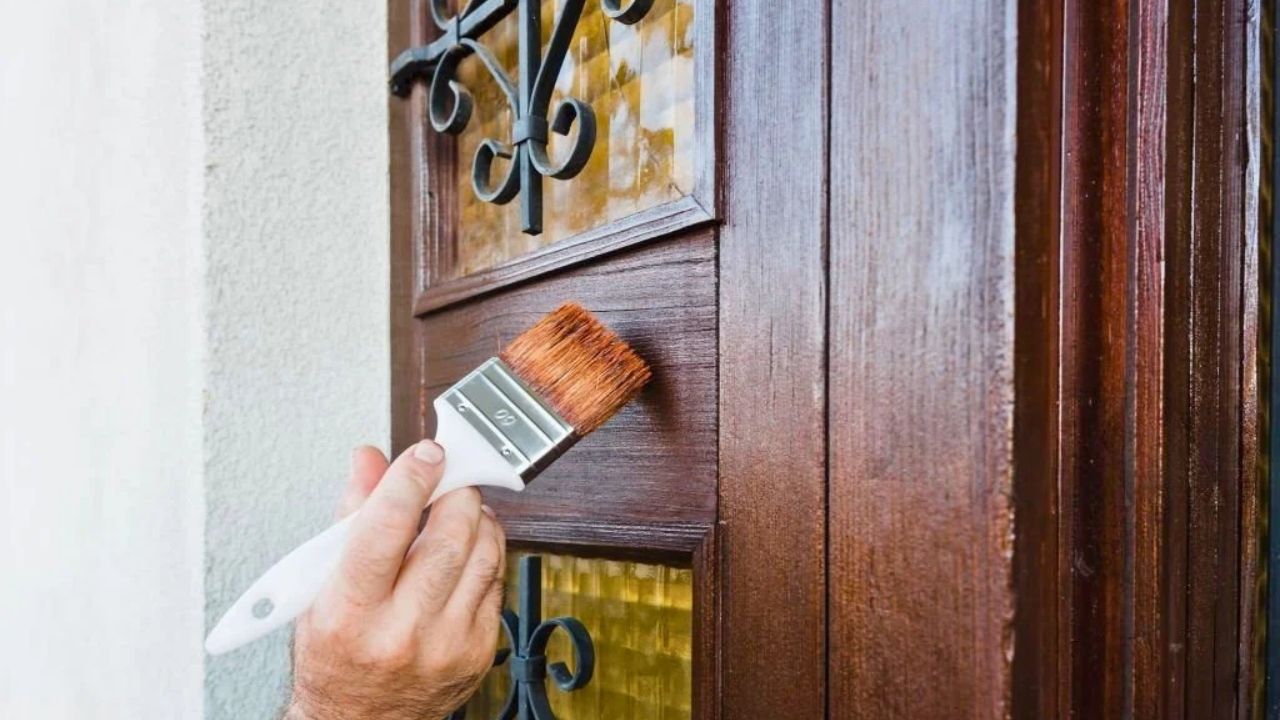
Cheap paint jobs fail in two ways, brush marks and edges that look like they were cut in with a butter knife. Sun hits the door hard, and the face starts chalking or peeling while the rest of the porch looks fine. A tired door color drags the whole entry down.
Do the prep that nobody wants to do. Wash it, scuff sand the glossy spots, and scrape anything loose until you hit sound paint. Use a quality exterior paint, a good angled brush for the panels, and a small foam roller for the flats so it lays down smooth.
3. Real Weatherstripping, Not Cracked Foam

That old foam tape gets crunchy and falls off right when the first cold snap hits. Then the door rattles in the wind, you get dust lines at the threshold, and the latch feels sloppy. A tight, quiet close feels expensive because it feels solid.
Replace the perimeter seal with proper kerf-in or high-quality adhesive weatherstrip that matches your jamb style. At the bottom, check the door sweep and the threshold adjusters if you have them. You want contact all the way across, not so tight that the door takes a shoulder to shut.
4. Heavy, Properly Sized House Numbers
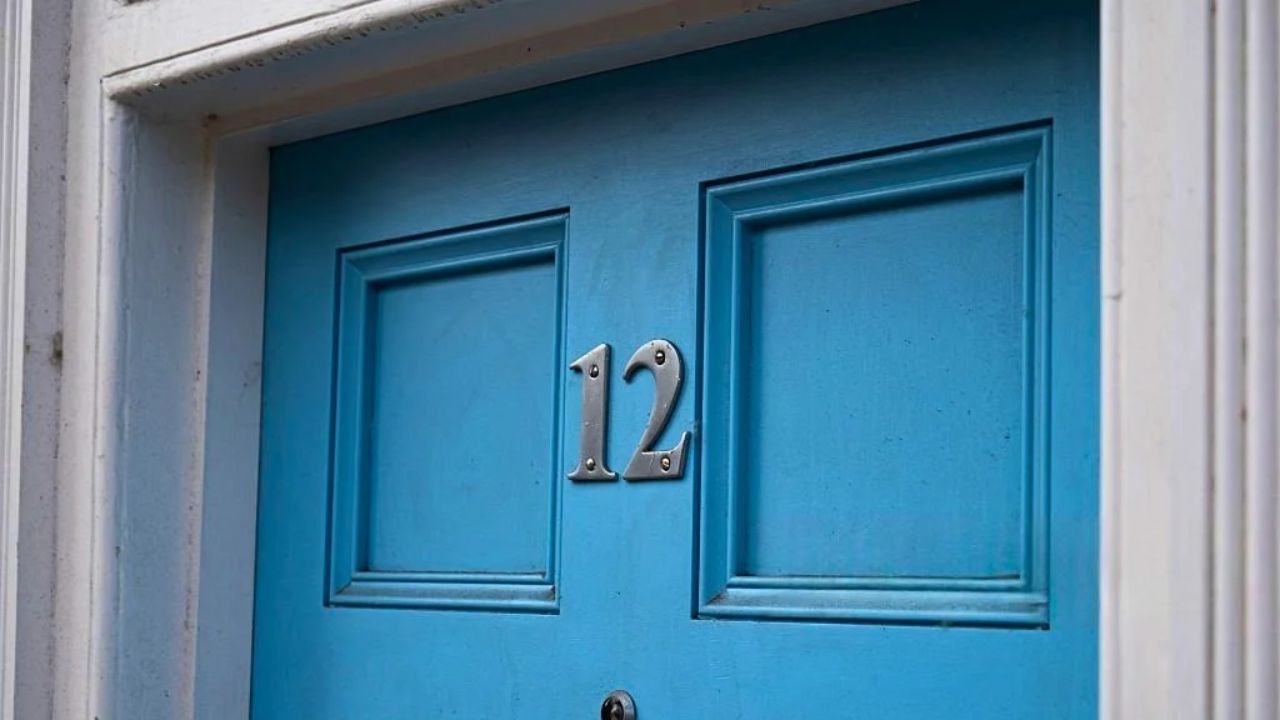
Tiny plastic numbers stuck to siding look like an afterthought, and they’re hard for delivery drivers to see. If you ever need emergency services, visibility matters more than style. This is one of the easiest upgrades that still feels intentional.
Go larger than you think, and mount them level. Use a tape measure, a pencil line, and a small level, then pre-drill so you don’t split trim. If you’ve got rough stone or uneven siding, mounting to a clean backer board can look sharper than fighting the surface.
5. A Doorbell That Looks Purposeful
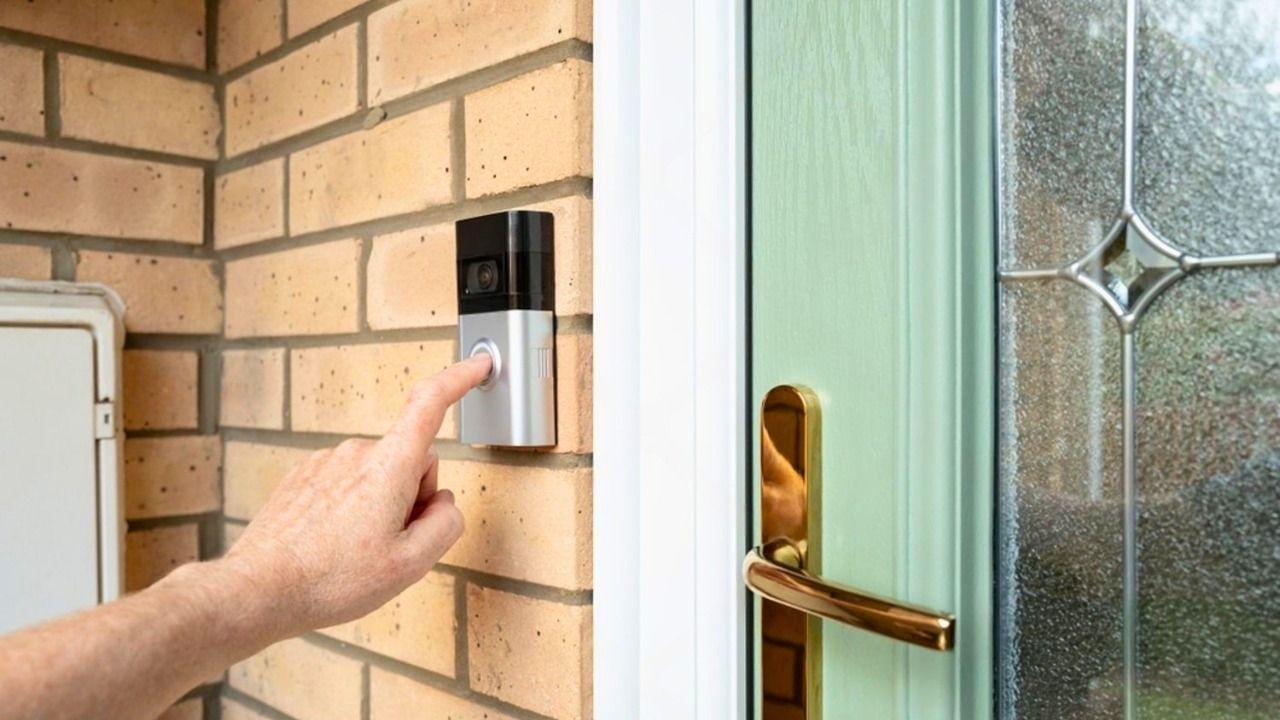
A crooked doorbell with paint drips around it screams “patched.” A fancy camera doorbell won’t help if it’s mounted sideways on a splintered shim. The entry feels better when the little parts look like they belong there.
If you’re staying wired, shut off the breaker, confirm power is off, and replace the button and cover plate so it sits flat. If you’re going wireless, hide the old wire ends properly behind a blank plate, or have an electrician cap them in the box if things are messy. Clean, centered placement beats gadgets.
6. Solid Hardware With Matching Finish
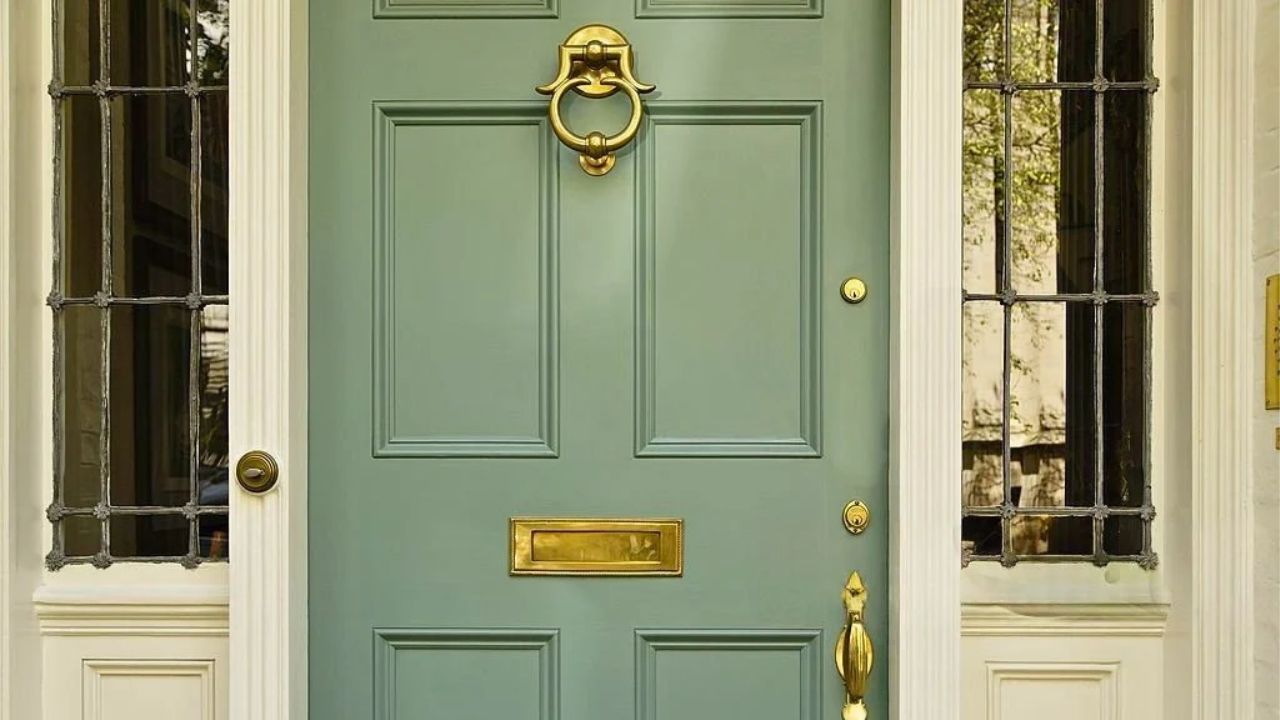
Mismatched finishes look like you grabbed whatever was on sale, and worn knobs make the door feel old even if the slab is fine. A lockset that wobbles or a latch that doesn’t catch clean is also a security issue. This is one spot where spending a bit more usually shows.
Pick a finish and stick to it for the knob, deadbolt, and any handle set. Make sure the backset matches your door prep before you buy, and don’t force screws if they’re cross-threading. If the strike plate is chewed up, replace it and adjust it so the latch hits dead center without slamming.
7. Clean Glass And Tight Glazing Putty
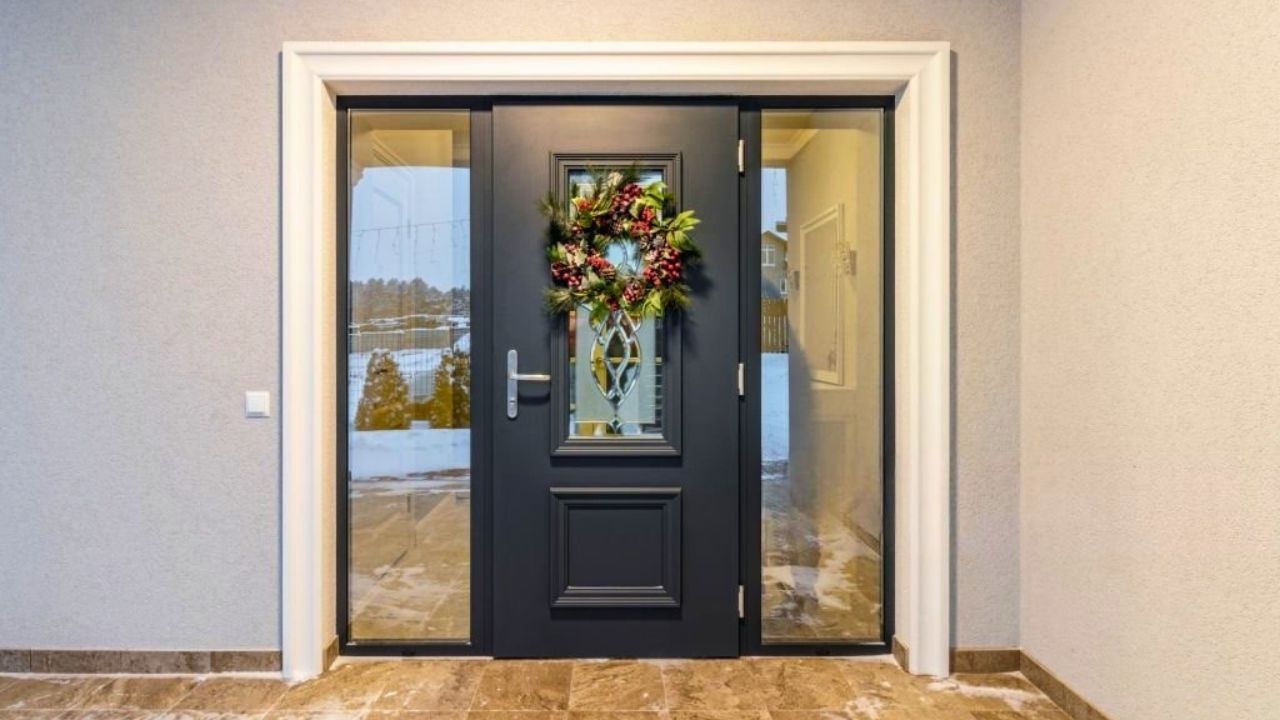
Cloudy sidelights and dirty glass make the whole entry look tired, even on a nice house. If you’ve got true divided lights or old wood sash near the door, failing glazing putty looks rough up close and lets water into the wood. You’ll see peeling paint and soft spots next.
Wash the glass, then inspect the edges. Loose putty needs to be scraped and redone before it turns into rot, and that job takes patience and dry weather. If you’re not comfortable working with old windows or you suspect lead paint, hire it out and save yourself a headache.
8. A Porch Light With Warm, Even Output
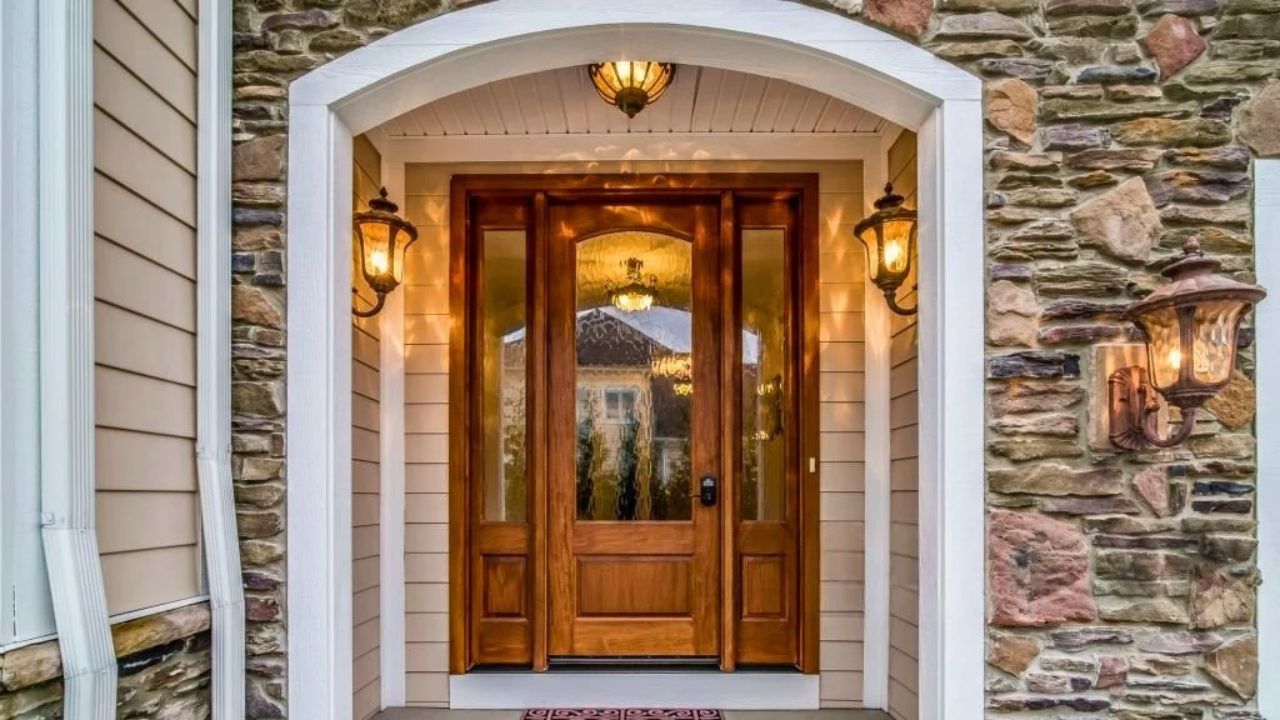
Blue-white bulbs make an entry feel harsh and cheap, and they draw every bug in the county. A fixture that throws light straight into your eyes does not help you find keys or see the step. Good light makes the door look better at night and makes the area safer.
Use a warm bulb and clean the globe. If the fixture is rusty or full of water, replace it with something sized to the space, not a tiny sconce floating on a big wall. Any new wiring beyond swapping a fixture is a job for someone who knows the code, and permits apply in a lot of places.
9. A Tight, Quiet Storm Door Close
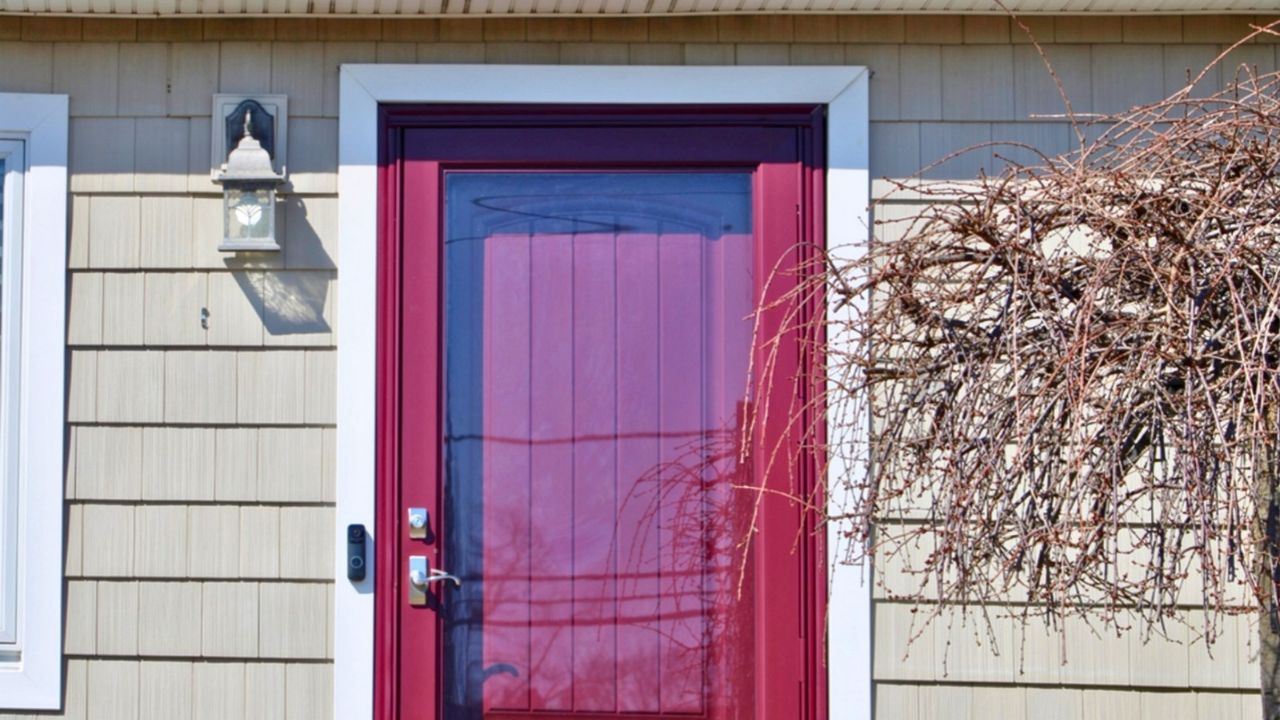
A storm door that slaps shut and rattles in the wind kills the vibe. People hear it before they see it. Bent frames, missing bumpers, and a closer that’s leaking oil make the entry feel like a rental.
Adjust the closer so it shuts firm but not fast, and replace the worn-out one if it won’t hold. Add new bumpers and check the latch alignment so it catches without a shove. If the storm door is mostly fine, a tune-up is enough and cheaper than replacing the whole thing.
10. Clean Threshold And Trim Caulk Lines
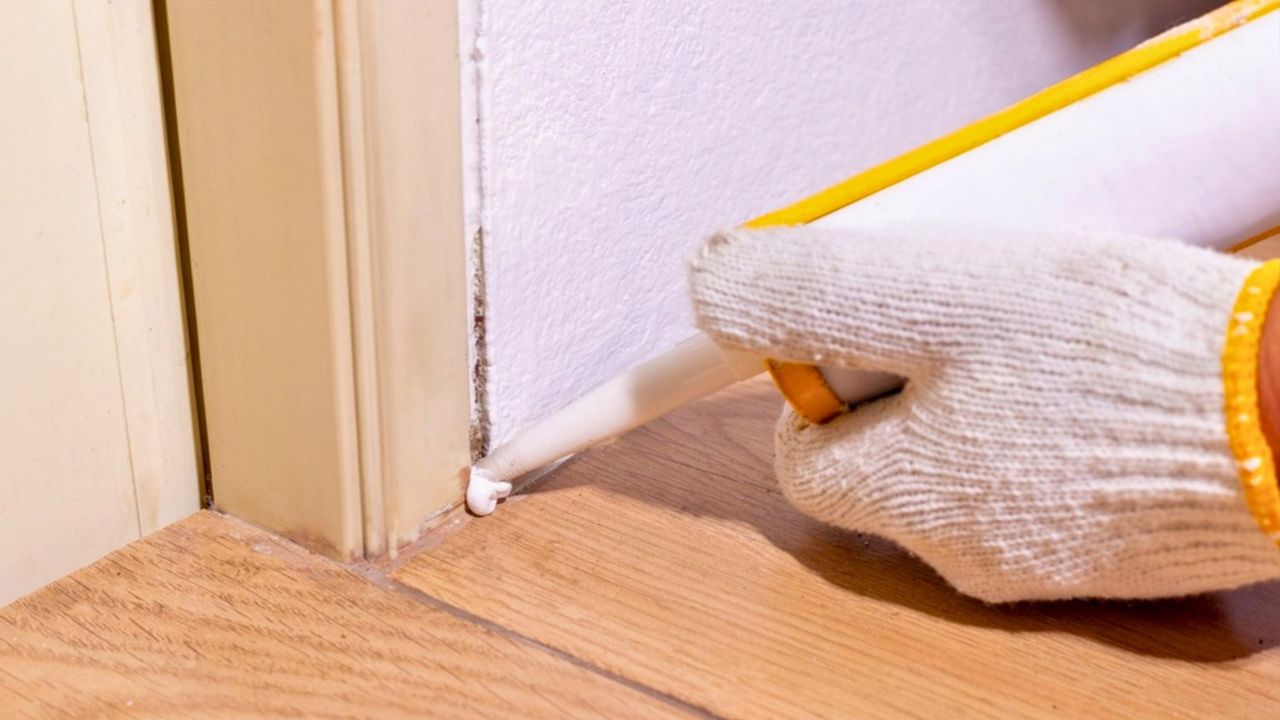
Caulk is where a lot of DIY jobs go to die. Thick, wavy beads, gaps at the corners, and old caulk with mildew streaks make everything look sloppy. Water follows those failures straight into trim and subfloor.
Cut out the bad caulk with a utility knife, clean the joint, and re-caulk with an exterior-rated product. Tool the bead with a wet finger or a caulk tool and stop before it gets messy. Honest exception, if your trim is perfectly tight and flashed right, you don’t need to caulk every seam just because you can.
Pick one or two fixes that bug you every time you walk in the door, and do them all the way instead of halfway. A front entry looks high-end when it’s clean, aligned, and works without noise. The best part is most of this is time and care, not fancy materials.
Like Fix It Homestead’s content? Be sure to follow us.