10 Things You Should Never Let Your Kids Play With Around the House
Kids are curious by nature, and that’s not a bad thing. But around the house, there are more hazards hiding in plain sight than most people realize. Just because something’s within reach doesn’t mean it’s safe to play with. From everyday tools to seemingly harmless household items, here are the ones you’ll want to either lock up or move out of reach before they turn into a real problem.
Batteries
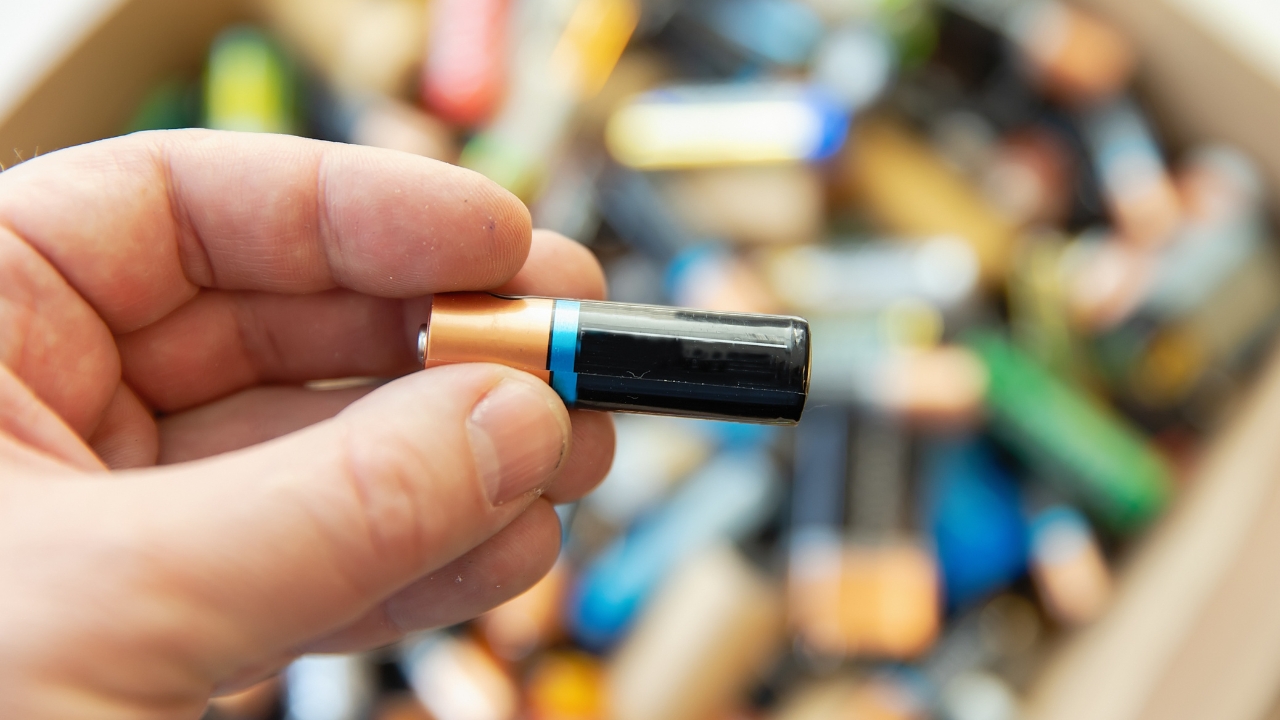
Small batteries—especially button batteries—are incredibly dangerous if swallowed. They’re found in remotes, toys, key fobs, and hearing aids, and kids can pop them in their mouths before you even notice.
The acid can burn through tissue in minutes, and even regular alkaline batteries pose a serious choking hazard. Keep all batteries locked away or up high, and make sure battery compartments on toys are screwed shut and not cracked.
Detergent Pods
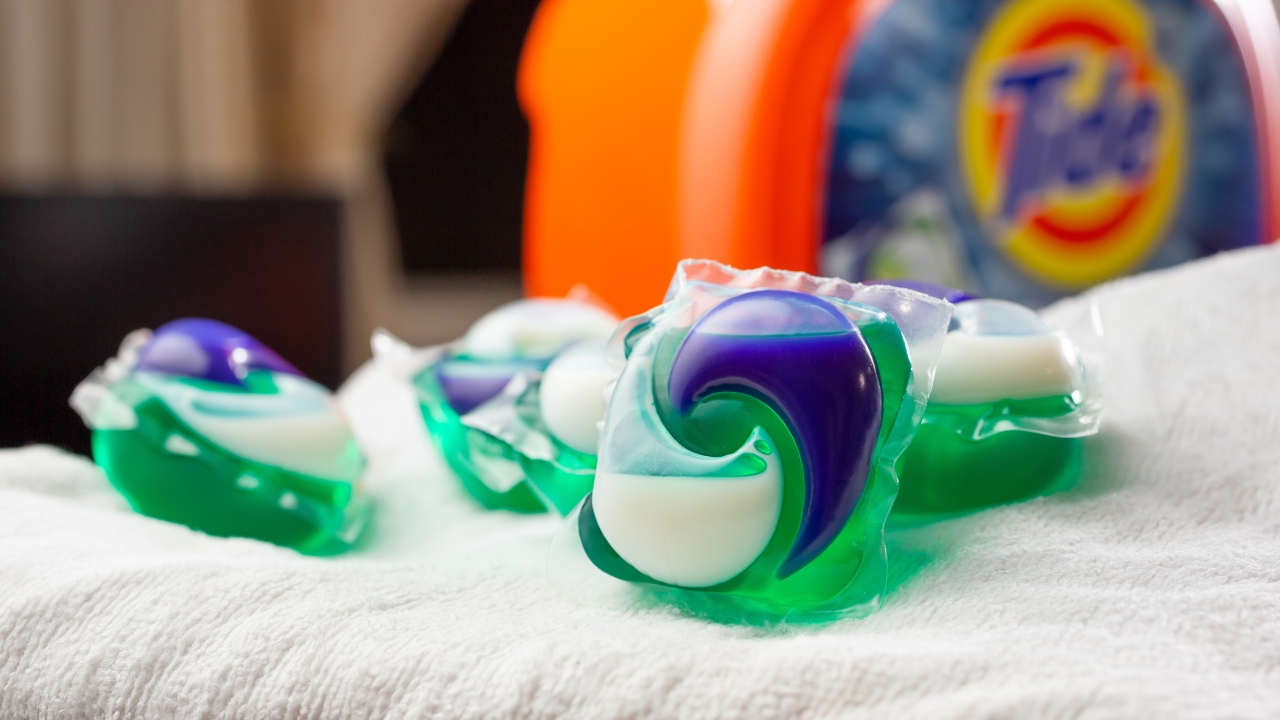
They may look like colorful little toys or candy, but laundry and dishwasher pods are packed with toxic chemicals. If a child bites into one or gets the liquid on their hands or eyes, it can be life-threatening.
Even older kids don’t always understand how dangerous these are. Keep pods stored in their original container with a child-safe lid, and don’t leave even one sitting out during chores.
Plastic Bags
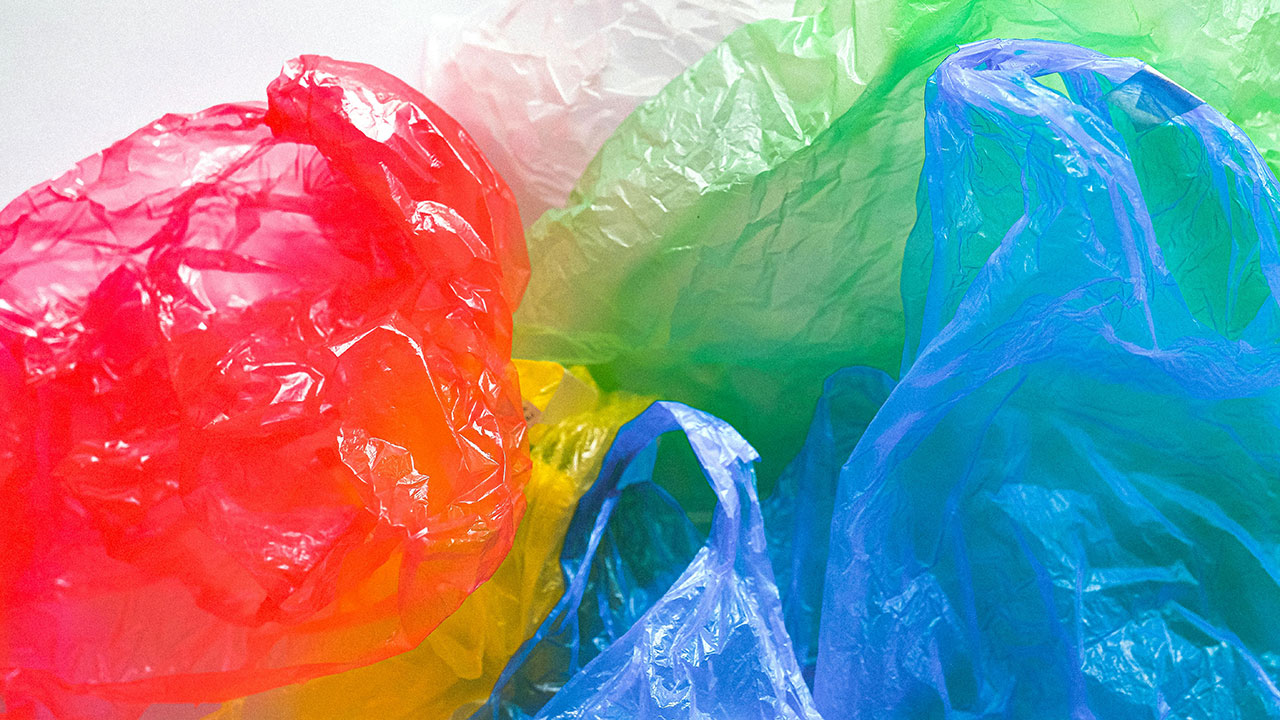
It only takes a few seconds for a plastic bag to become a suffocation hazard. Kids may use them to play pretend, carry things around, or wear them like clothing. All of that comes with risk.
Store plastic grocery bags in a cabinet with a child lock, or ditch them entirely in favor of reusable bags. Trash bags should also be stored out of reach—not left hanging over the edge of a bin.
Coins

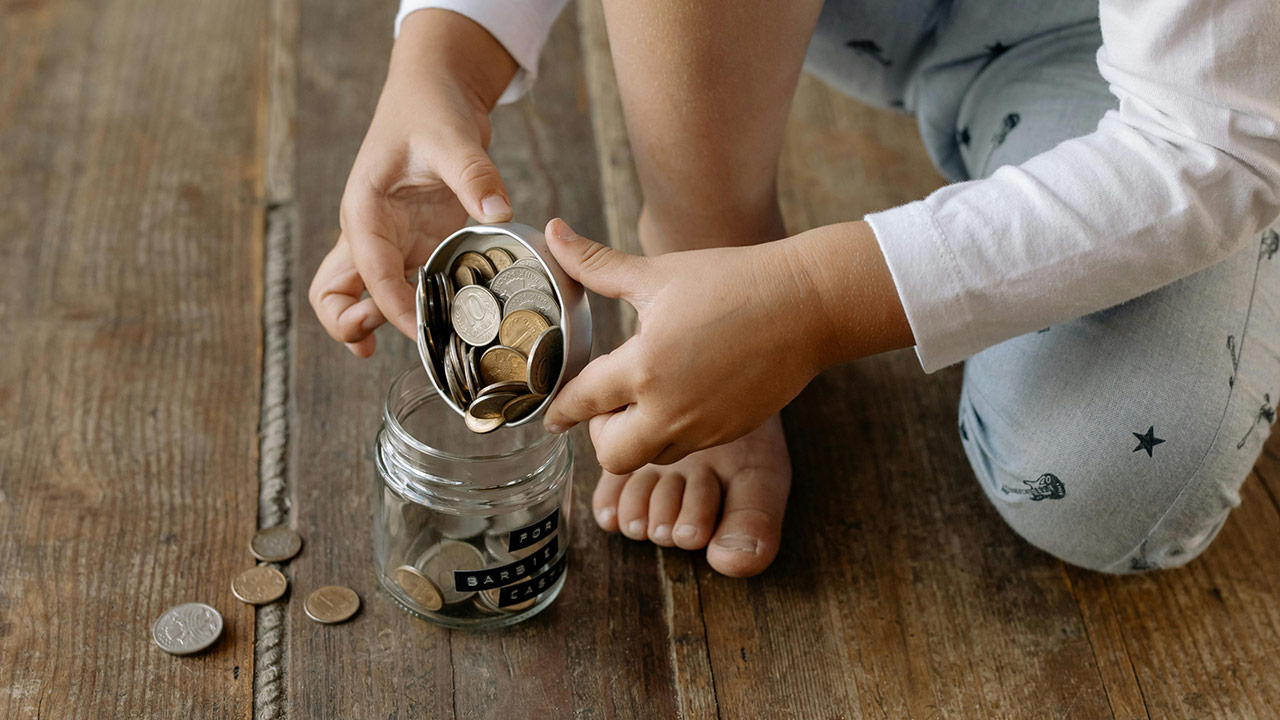
Coins are one of the most common choking hazards for toddlers and preschoolers. They’re shiny, they fit in small hands, and they’re usually easy to find on countertops, dressers, or between couch cushions.
Even if your child is past the age of mouthing toys, coins can still slip down the throat or get lodged in the esophagus. Make a habit of checking your floors and furniture, especially if you’ve had guests.
Tools
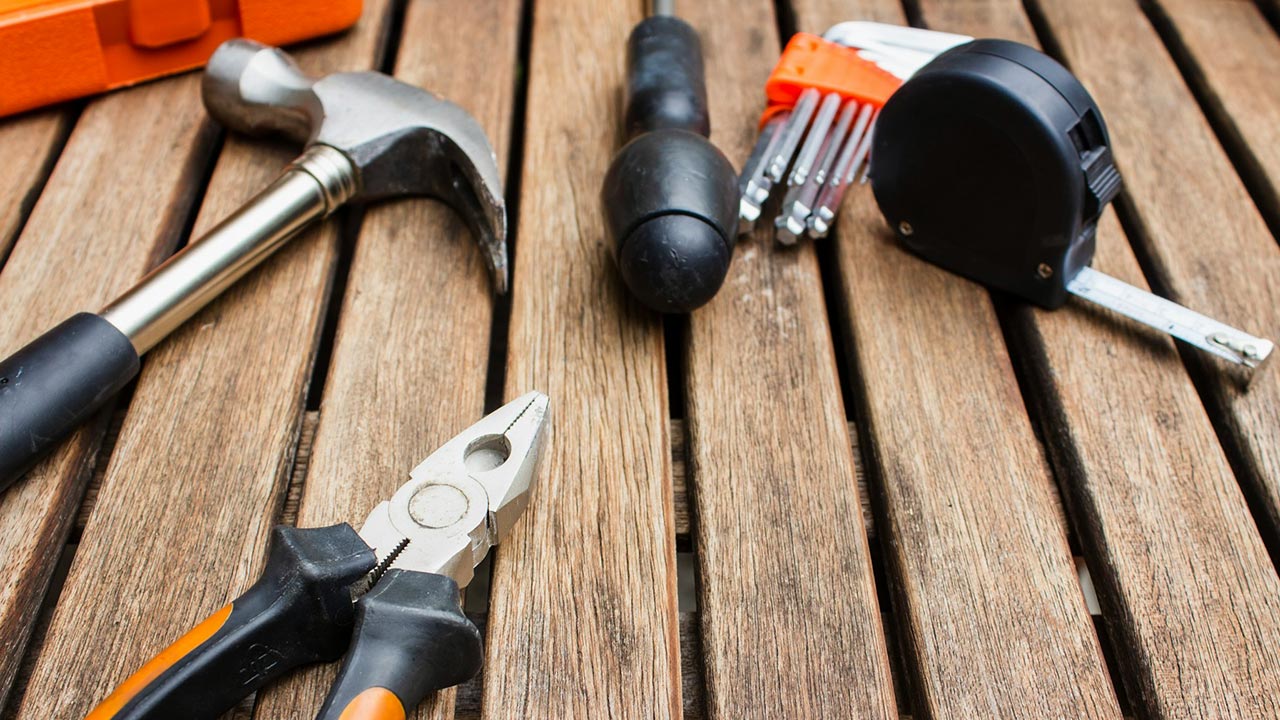
Even small hand tools like screwdrivers, pliers, or tape measures can lead to cuts, pinched fingers, or worse. Kids love to copy what they see you doing, and if you’ve been working on a project, they may think the tools are fair game.
Store tools out of reach in a locked cabinet or garage. Don’t leave them on the counter or coffee table “just for a second”—kids are faster than you think.
Magnets
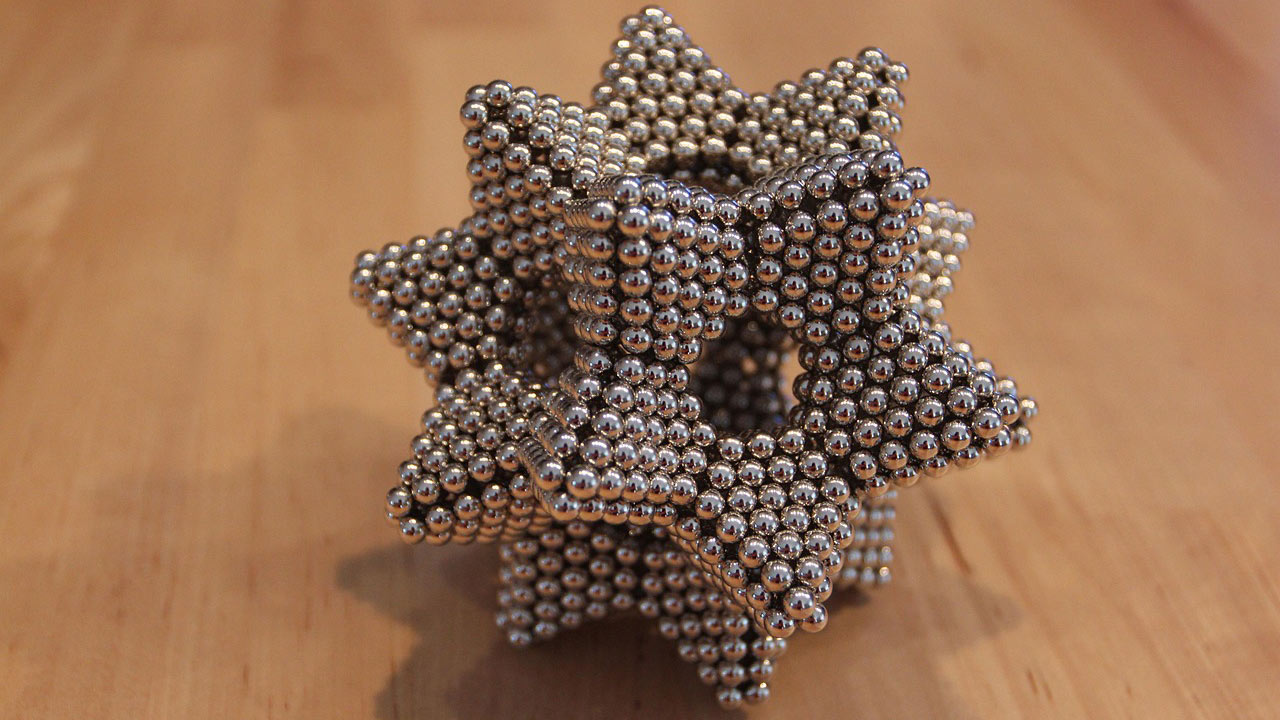
High-powered magnets, like the ones found in some desk toys or magnetic building sets, can be deadly if swallowed. If more than one is ingested, they can attract each other through the intestinal walls, leading to serious damage.
Even refrigerator magnets can pose a risk depending on their size and strength. Stick with large, kid-safe options and keep adult magnetic items tucked away.
Hair Ties and Rubber Bands
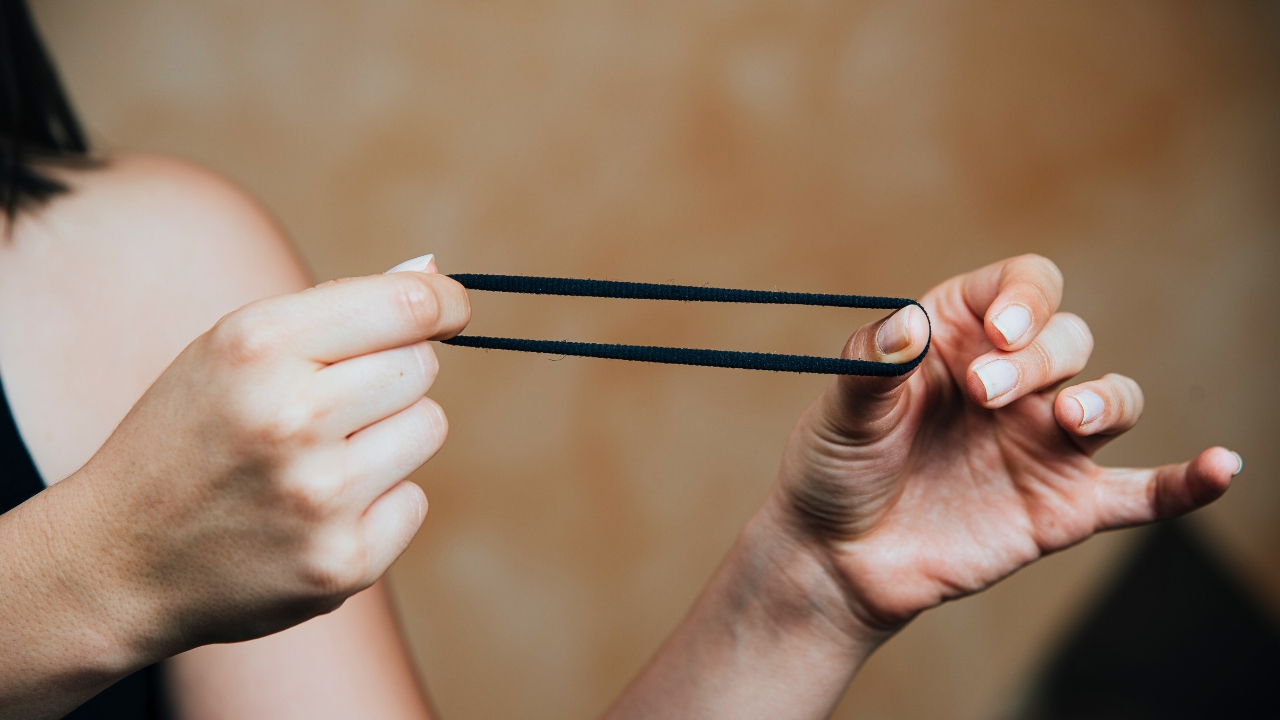
It sounds harmless, but hair ties and rubber bands can be wrapped too tightly around fingers, wrists, or even pets. In worst cases, they can cut off circulation or snap and hit the face or eyes.
You’ll often find toddlers wearing them like jewelry or using them to “decorate” things. Keep them stored in a bathroom drawer or container with a lid, and don’t leave extras sitting out.
Heavy Blankets or Pillows
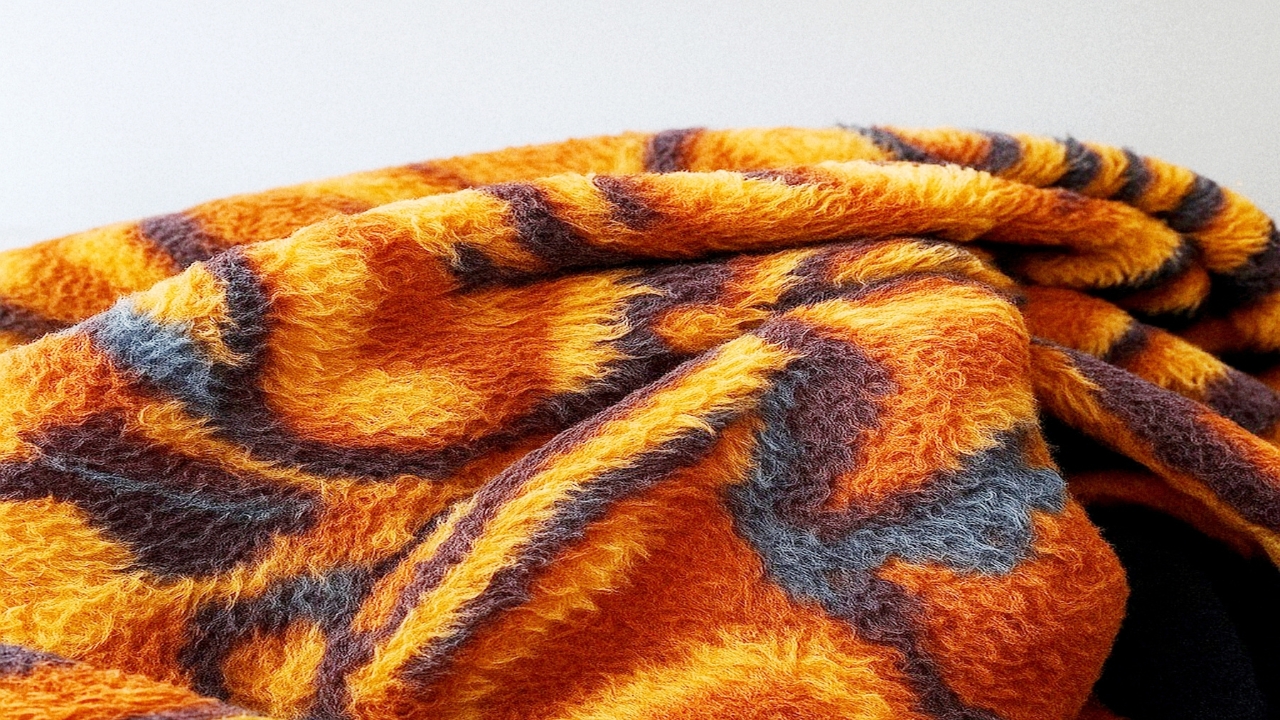
Kids love to build forts or hide under piles of blankets, but weighted or oversized items can cause suffocation or make it hard for a child to get out if it shifts.
This is especially risky for toddlers and young kids who don’t yet have the strength or awareness to free themselves. Stick to lighter blankets and limit how many soft items are accessible in their play space.
Phone Chargers and Cords
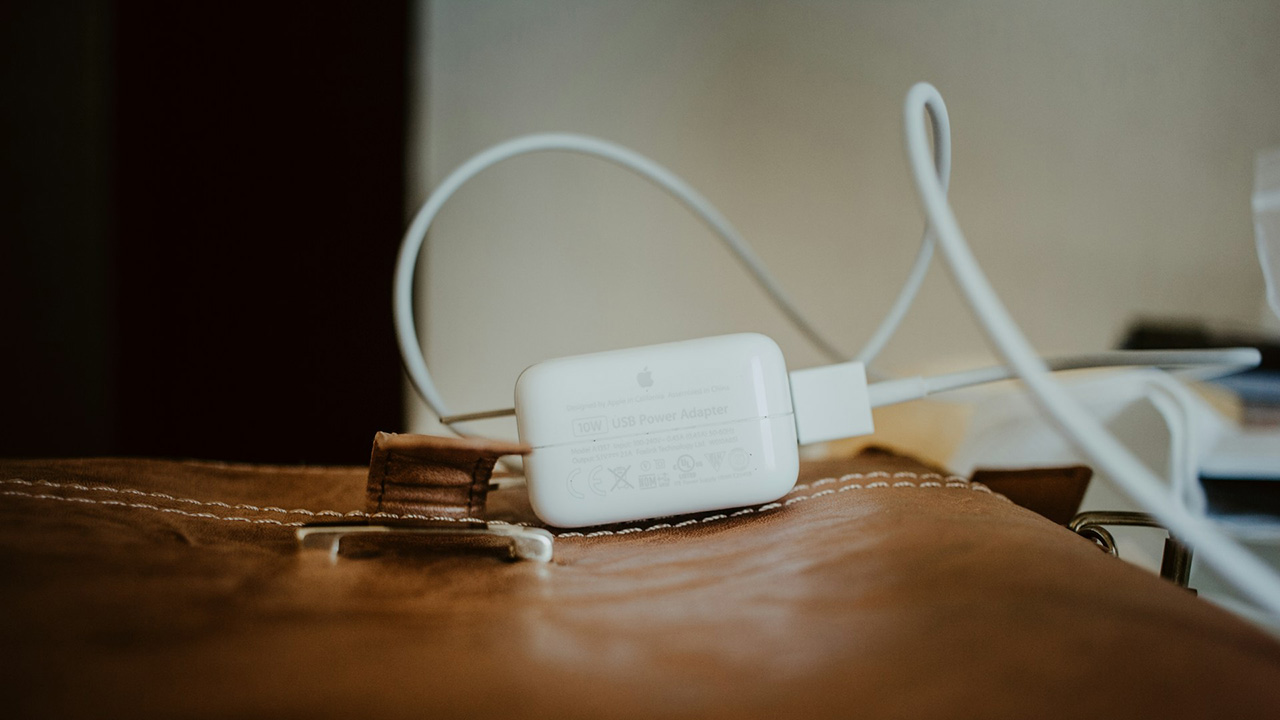
Loose cords and chargers can cause tripping, strangulation, or burns if they’re plugged in. Some kids will even put the ends in their mouths—especially the USB side—which can deliver an electrical shock if connected to a power block.
Unplug cords when not in use, and store them in drawers or behind furniture. Don’t let chargers dangle from outlets where kids can tug on them or play with the ends.
Houseplants
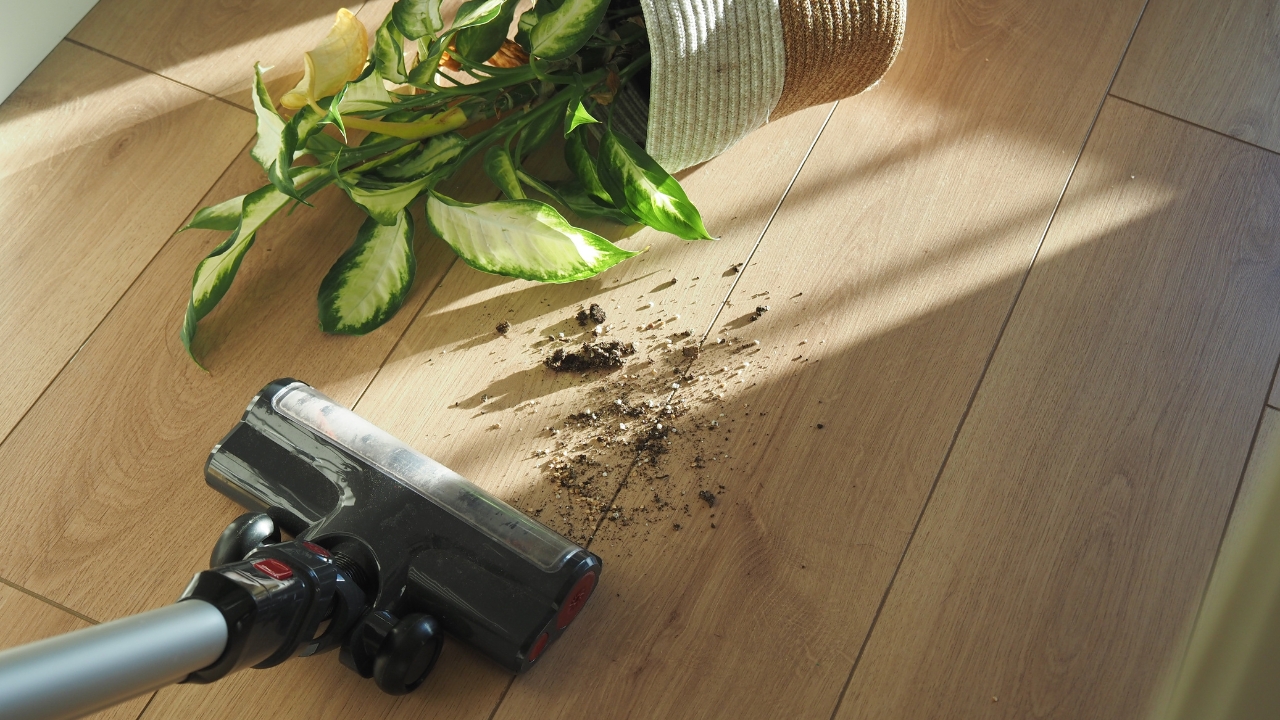
It’s easy to overlook, but many common houseplants are toxic if chewed on or ingested. Peace lilies, pothos, and philodendrons are a few that can cause mouth irritation, vomiting, or worse.
Even nontoxic plants can become choking hazards if a child starts pulling at leaves or trying to eat dirt. If you want plants indoors, make sure they’re kid-safe and placed out of reach.
*This article was developed with AI-powered tools and has been carefully reviewed by our editors.