10 Foods That Turn Disappointing After You Freeze Them
Photo credit: Ahanov Michael/Shutterstock.com
Freezers are great for meal prep, stretching your grocery budget, and cutting down on food waste. But not everything belongs in there. Some foods change texture, flavor, or quality once they’re frozen—and once that damage is done, there’s no fixing it. If you’ve ever pulled something out of the freezer and wondered why it looks or tastes off, this list might explain why.
Eggs in the Shell

Freezing raw eggs in their shell can cause the liquid inside to expand and crack the shell. That opens the door to bacteria or freezer burn, which makes them unsafe to eat. Even if they don’t crack, the texture changes once thawed.
If you need to freeze eggs, crack them into a freezer-safe container and whisk lightly before storing. You can freeze them whole or separate the yolks and whites—it all depends on what you’ll use them for later.
Watery Produce (Like Lettuce and Cucumbers)

High-water vegetables don’t bounce back after being frozen. Lettuce, cucumbers, radishes, and similar produce turn soggy, limp, and flavorless when thawed. They lose their crunch and structure because the water inside forms ice crystals that rupture cell walls.
These are best stored fresh and used quickly. If you’ve got extra, try making a salad, tossing them into sandwiches, or pickling before they go bad—just don’t toss them in the freezer and expect them to survive it.
Cream-Based Sauces
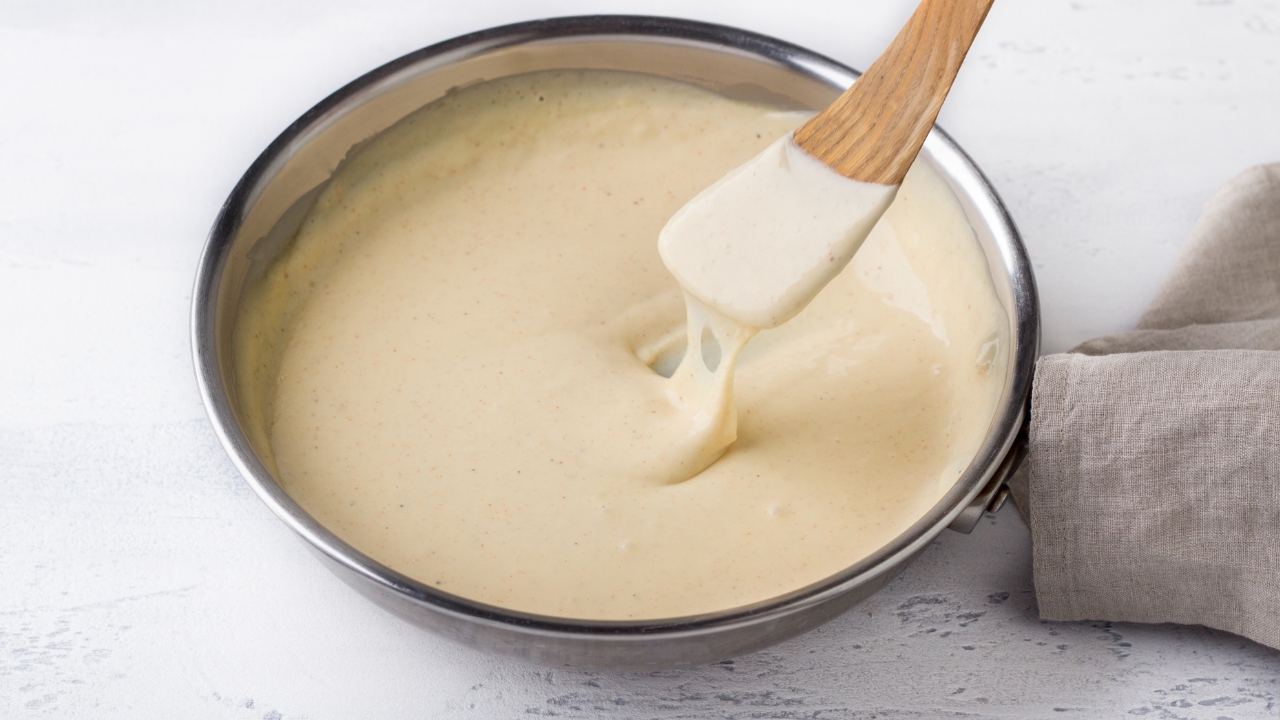
Freezing cream-based sauces like Alfredo, béchamel, or homemade cheese sauce usually ends in separation. The fat and water break apart when thawed, leaving you with a gritty, oily mess that won’t smooth out no matter how much you stir.
If you’re prepping freezer meals, make the sauce fresh when you reheat. You’ll get way better results than trying to salvage a frozen-and-thawed version that lost its texture.
Milk in Plastic Jugs
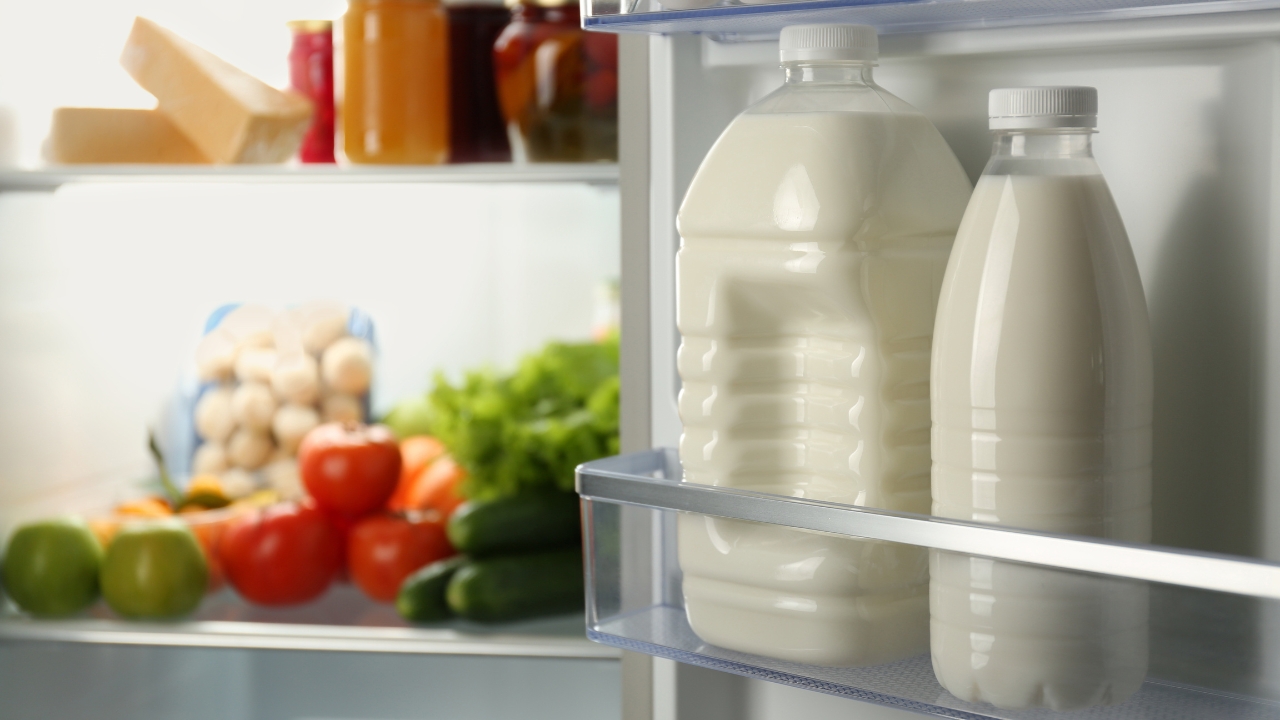
Freezing milk isn’t unsafe, but it can get messy fast. Plastic jugs tend to crack or warp when the liquid expands, and even if the container holds up, thawed milk tends to separate and take on a grainy texture.
If you do freeze milk, pour a little out first to make room for expansion and use a freezer-safe container. Shake well after thawing and use it within a few days for cooking or baking rather than drinking.
Fried Foods
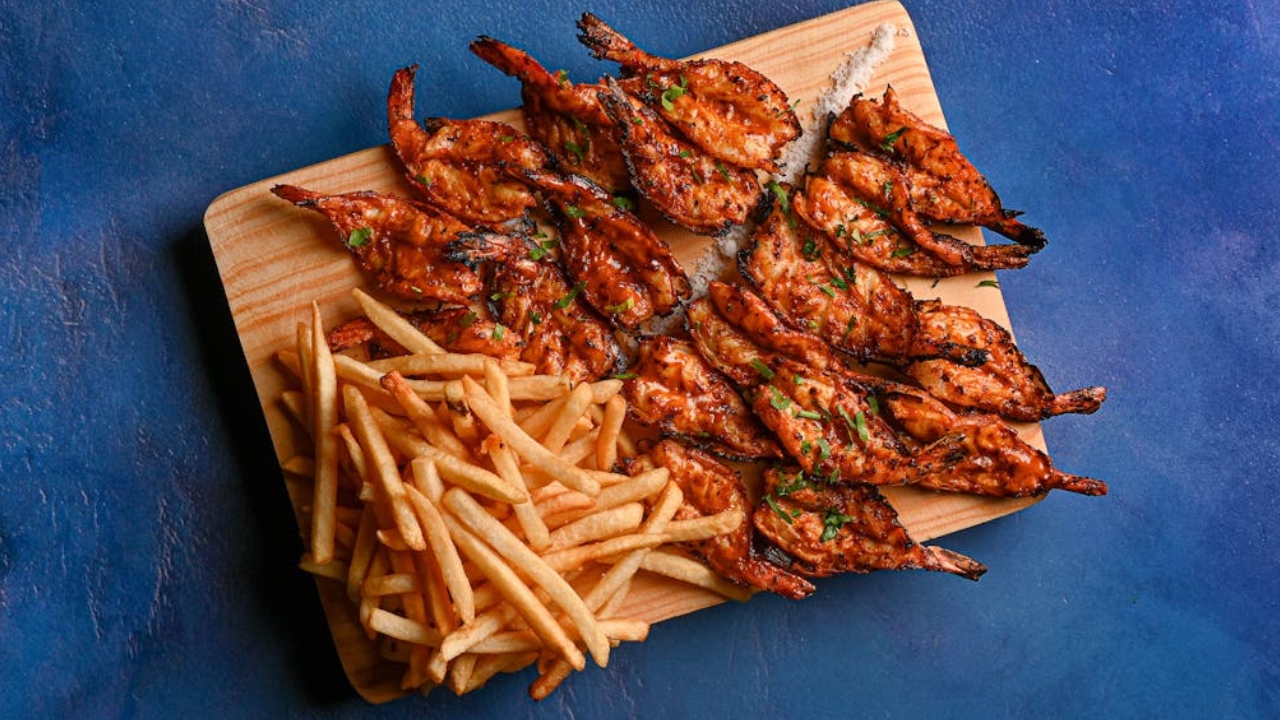
That crispy coating you love? It turns soggy in the freezer. Fried foods lose their crunch and reheat unevenly, especially if they weren’t cooled and packaged properly in the first place.
If you’re storing leftovers, skip the freezer and eat them within a few days. Reheat them in the oven or air fryer to revive some of that texture. But freezing fried chicken or fries? Not worth the letdown.
Soft Cheeses

Freezing cheeses like brie, cream cheese, ricotta, or goat cheese changes the texture completely. They become crumbly, watery, or grainy—definitely not what you want for spreading or snacking.
Harder cheeses like cheddar or mozzarella freeze better, but for soft cheese, try using it up in pasta, dips, or baking. The fridge will give you more time than the freezer without wrecking the quality.
Cooked Pasta
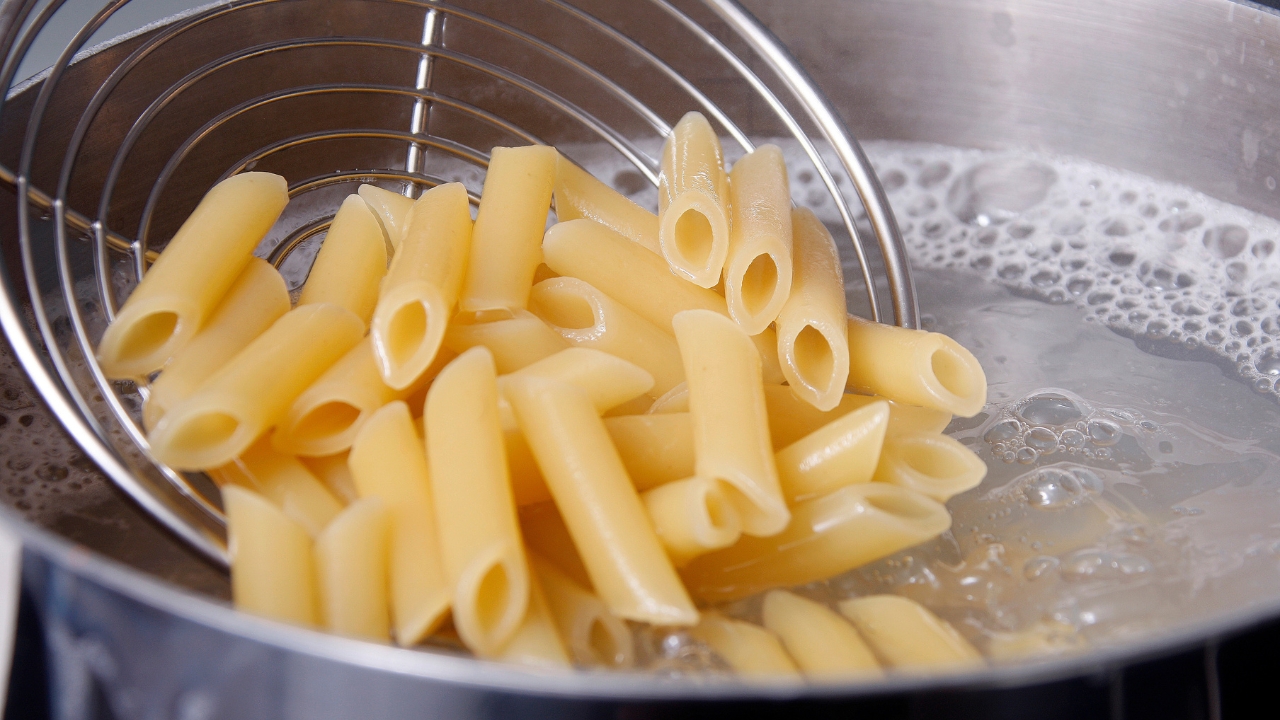
Freezing already-cooked pasta tends to make it mushy when reheated, especially if it was fully cooked before freezing. The texture turns gummy, and sauces don’t cling the same way.
If you want to prep pasta ahead, cook it al dente, toss with a little oil, and freeze it separately from the sauce. Then reheat in boiling water for a better finish before serving.
Raw Potatoes

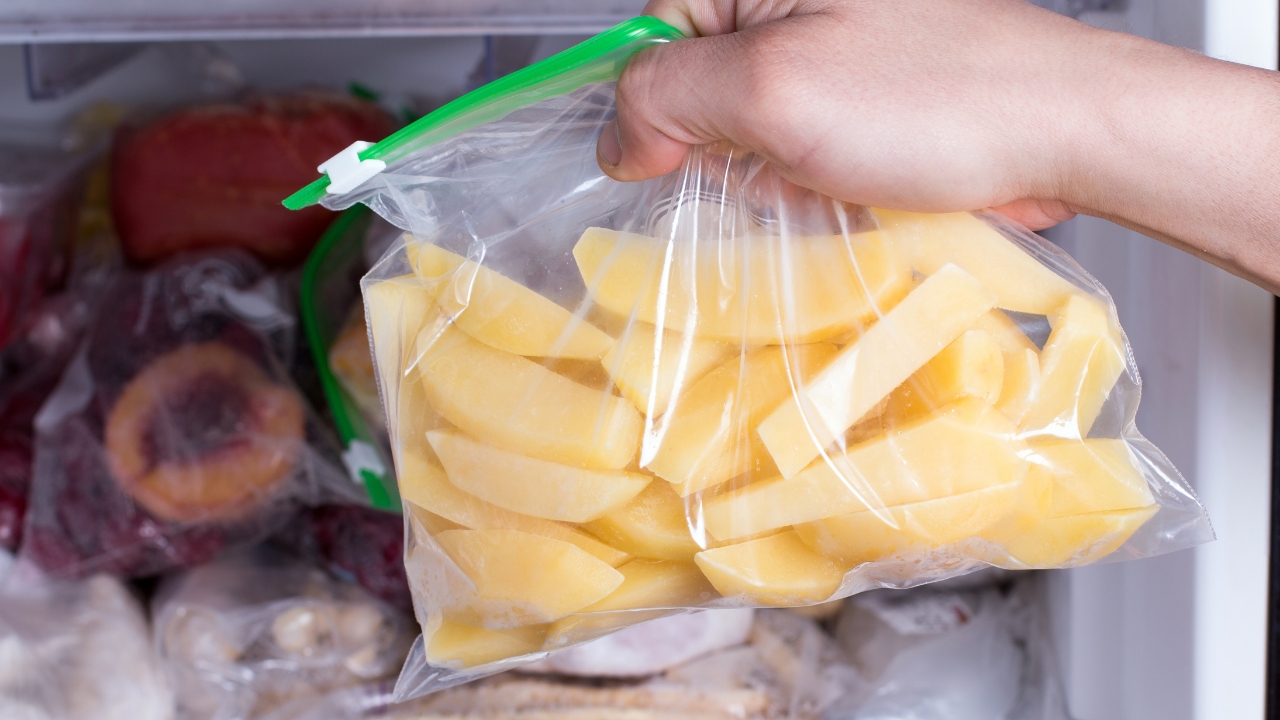
Raw potatoes don’t freeze well at all. They darken, turn mushy, and get weirdly sweet due to changes in starch. Even if you cube or slice them first, you’ll still end up with an unpleasant texture.
If you need to freeze potatoes, blanch them first. Or cook them fully and freeze mashed or roasted instead. That way, they’ll hold up better when reheated.
Yogurt

Yogurt can technically be frozen, but when you thaw it, it separates and takes on a gritty texture. The flavor is usually fine, but the texture isn’t great unless you’re tossing it into a smoothie.
If you do freeze it, stir well after thawing and use it in cooking or baking where texture doesn’t matter. For eating by the spoonful, stick to fresh.
Coffee

Freezing coffee grounds or beans may seem like a good idea, but the moisture in the freezer can mess with flavor and aroma. Plus, if the container isn’t airtight, it can absorb odors from other frozen foods.
Store your coffee in a cool, dark cabinet instead. Use an airtight container and only buy what you’ll use in a few weeks to keep it fresh and flavorful.
Like Fix It Homestead’s content? Be sure to follow us.