10 Trees That Drop the Most Mess on a House
Photo credit: knelson20/Shutterstock.com
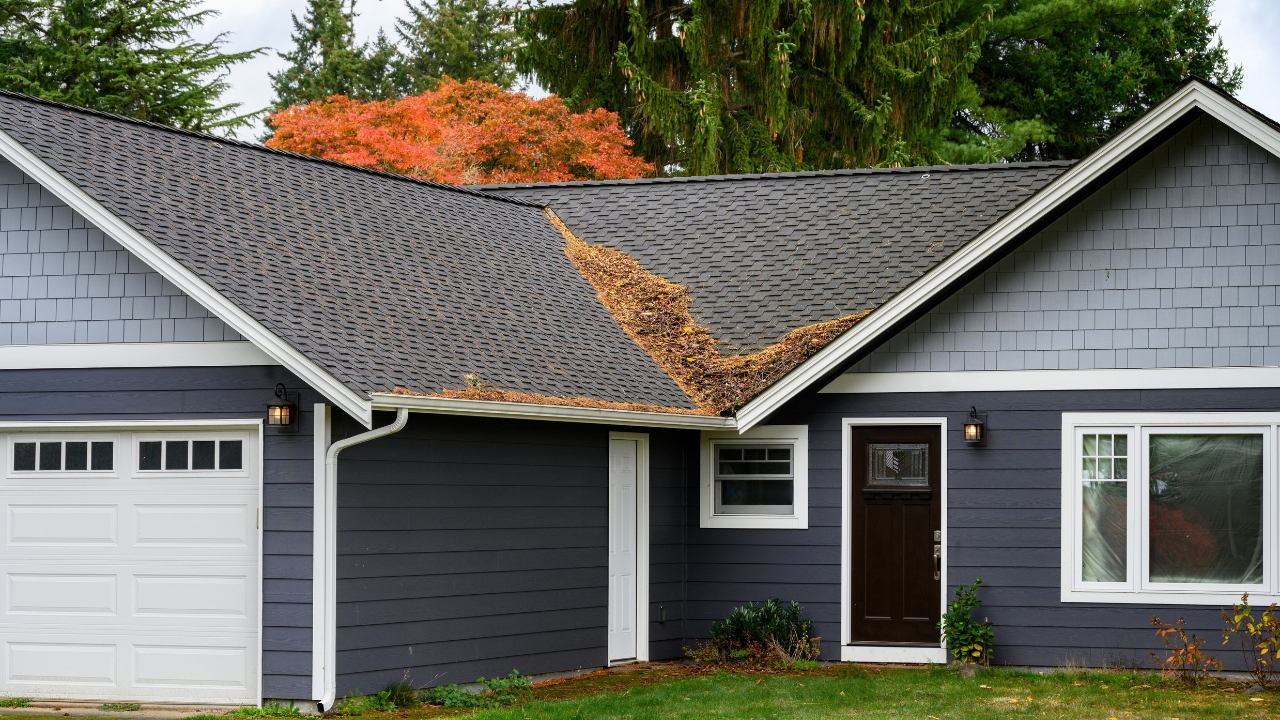
You can love shade and still hate what shade trees do to a roof. The mess isn’t just ugly, it clogs gutters, stains siding, dents shingles, and feeds moss where you least want it. If you’re tired of climbing ladders every weekend, the tree species over your house matters more than most people think.
1. Silver Maple That Sheds Constant Twigs
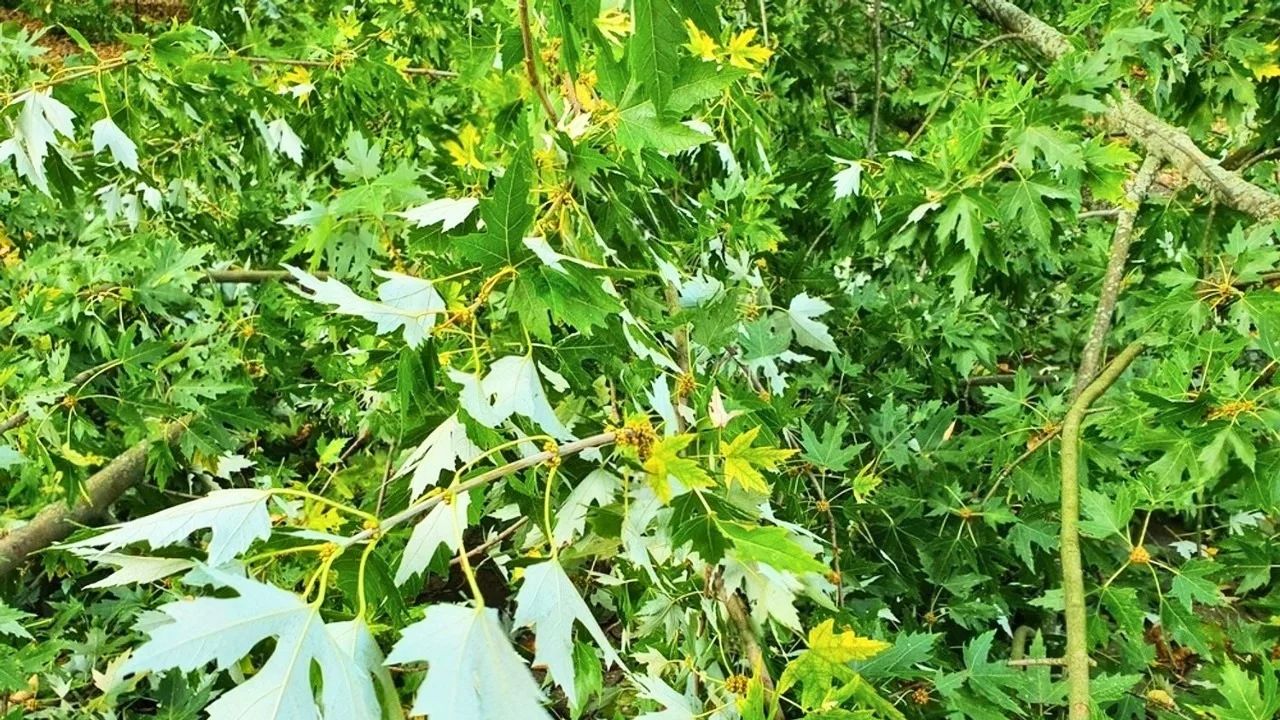
Silver maple grows fast and breaks fast. A little wind turns it into a steady rain of small branches, seed helicopters, and shredded leaves that wedge into every gutter corner. You’ll hear it on the roof first, that dry tick-tick, then you’ll find piles in the valleys and behind chimneys.
If you already have one, stop trying to “clean your way out” of the problem. Get it pruned by an arborist every few years to reduce long, weak limbs over the roof, and ask for a crown clean and end-weight reduction. If the tree leans toward the house or has big included bark crotches, removal is often cheaper than repeated roof work.
2. Sweetgum With Spiky Gumballs Everywhere
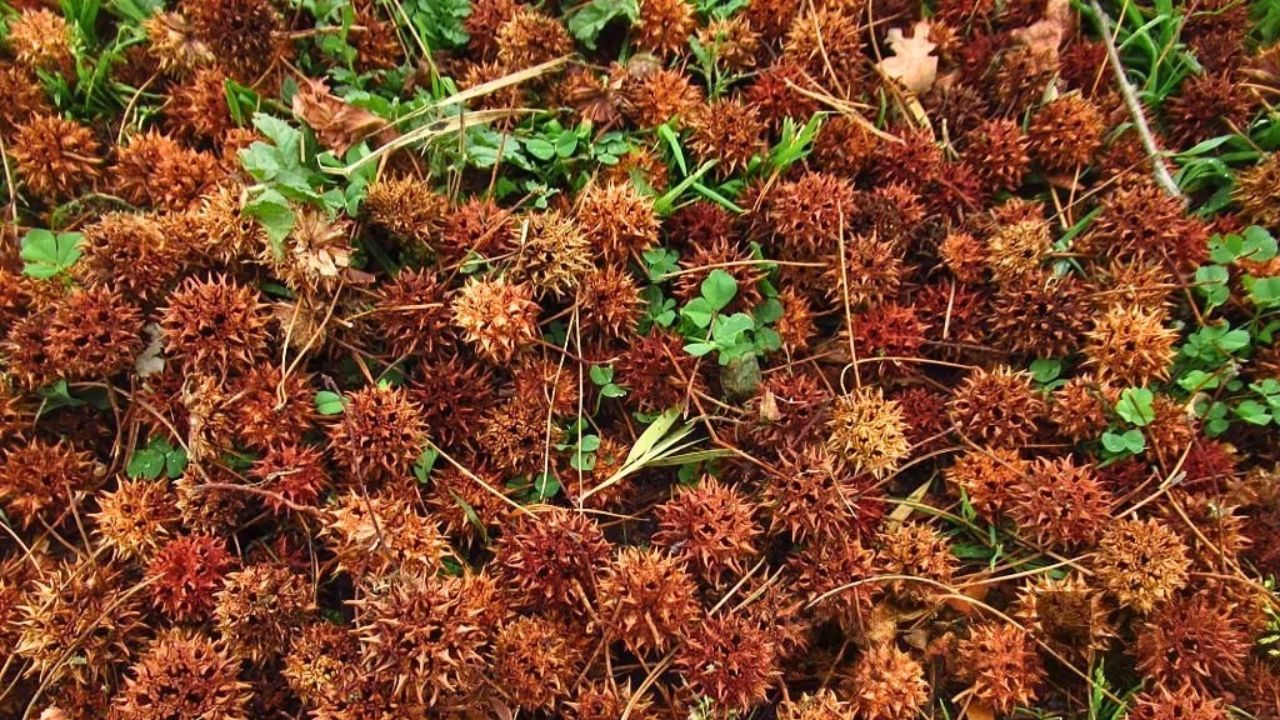
The gumballs aren’t cute once they start rolling off the roof like marbles. They clog downspouts, dent soft landscaping, and turn walkways into an ankle-rolling hazard. If the tree hangs over your driveway, you’ll also hear them pinging off car roofs all fall.
Raking doesn’t solve it because they keep dropping after you think the season is done. A tarp under the drip line helps in open yard areas, but near a house it’s awkward and catches water. If you can’t remove the tree, regular limb reduction away from the roof and a downspout screen will cut the damage, but you’ll still be picking gumballs out of places they don’t belong.
3. White Pine Needles That Mat And Trap Moisture
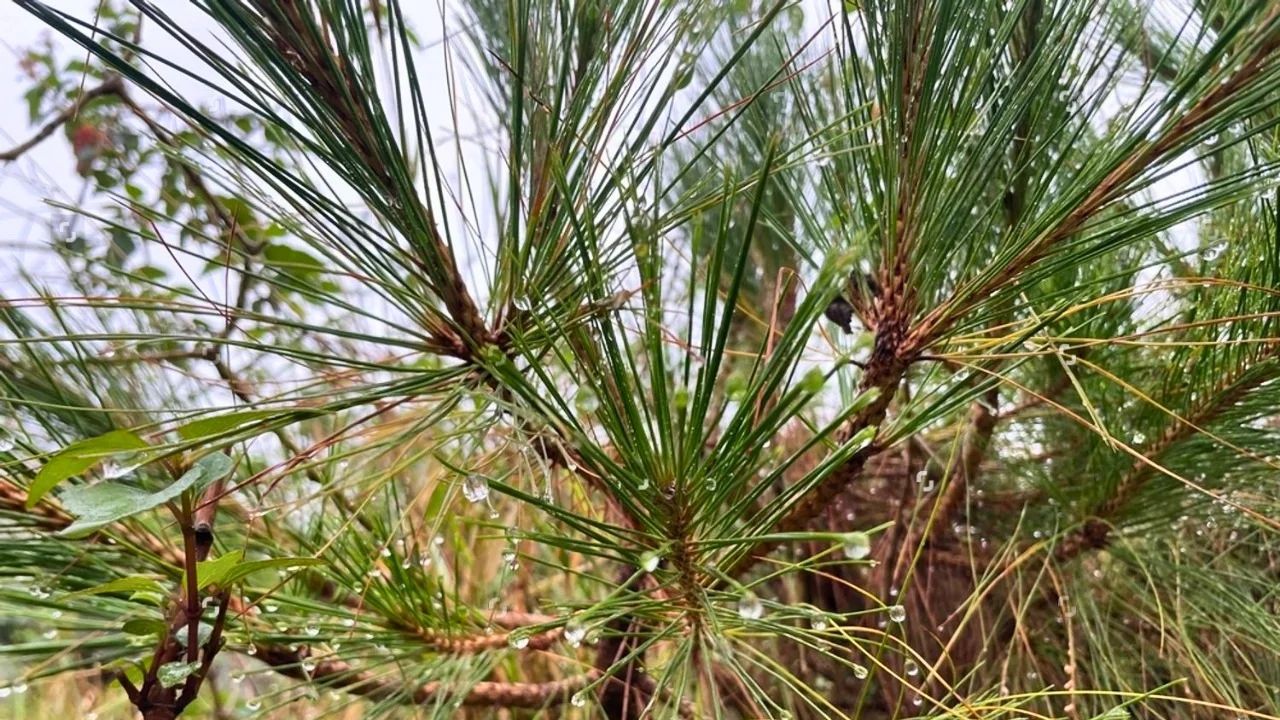
Pine needles look harmless until they pack into a thick felt in roof valleys. That mat holds water, slows drying after rain, and makes a perfect bed for moss. Needles also sneak through many gutter guards and build up like compost in the bottom of the trough.
Blowing needles off works, but only if you do it often and you do it safely. A leaf blower from a ladder is a bad trade. Use a roof rake from the ground where you can, or pay for a seasonal roof blow-off and gutter cleanout. If you install guards, pick a style you can still access and flush, because pine will find the weak spots.
4. Cottonwood Fluff That Clogs Every Screen
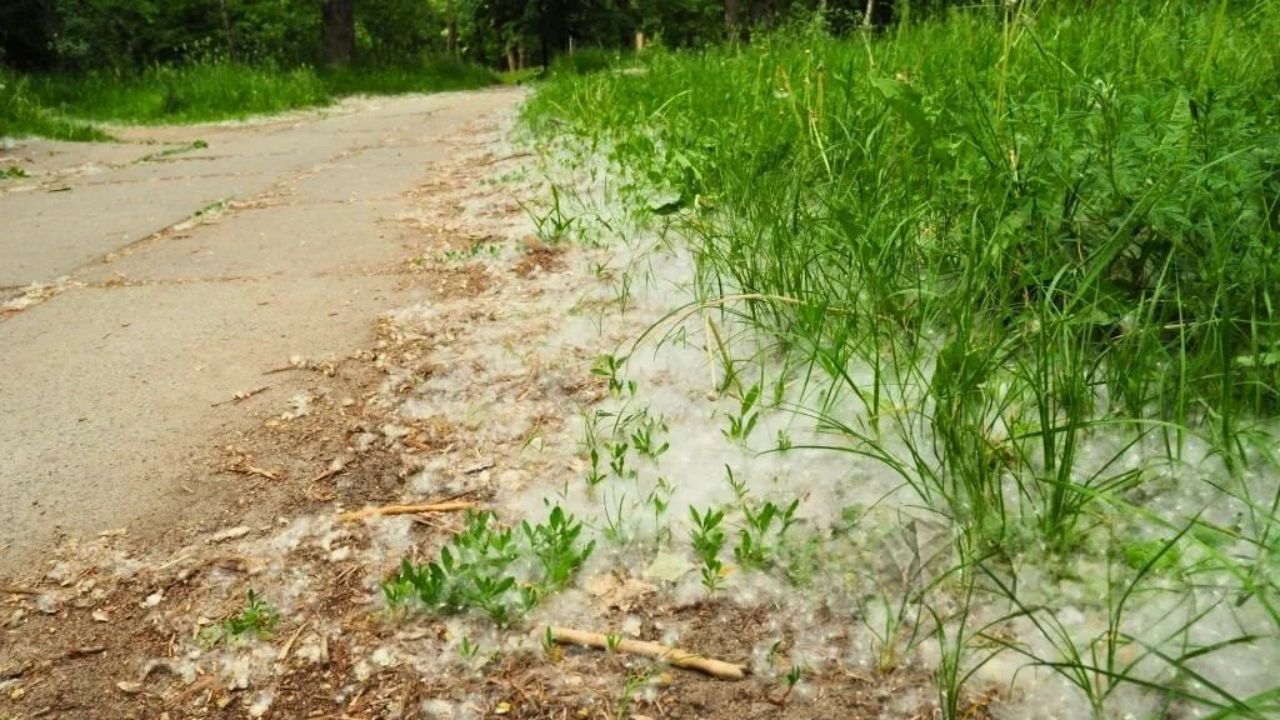
Late spring hits and it looks like snow. Cottonwood fluff drifts into soffit vents, sticks to window screens, and mats up on wet shingles. Then it dries, gets brittle, and blows into gutters where it turns into a spongy plug.
The frustrating part is timing, the fluff comes fast and heavy, then it’s gone. During that window, rinse screens and gutters more often instead of waiting for one big cleanup. If the cottonwood is close enough that fluff piles on the roof, it’s also close enough that roots and suckers will start messing with sidewalks and drain lines over time.
5. River Birch That Drops Bark Strips
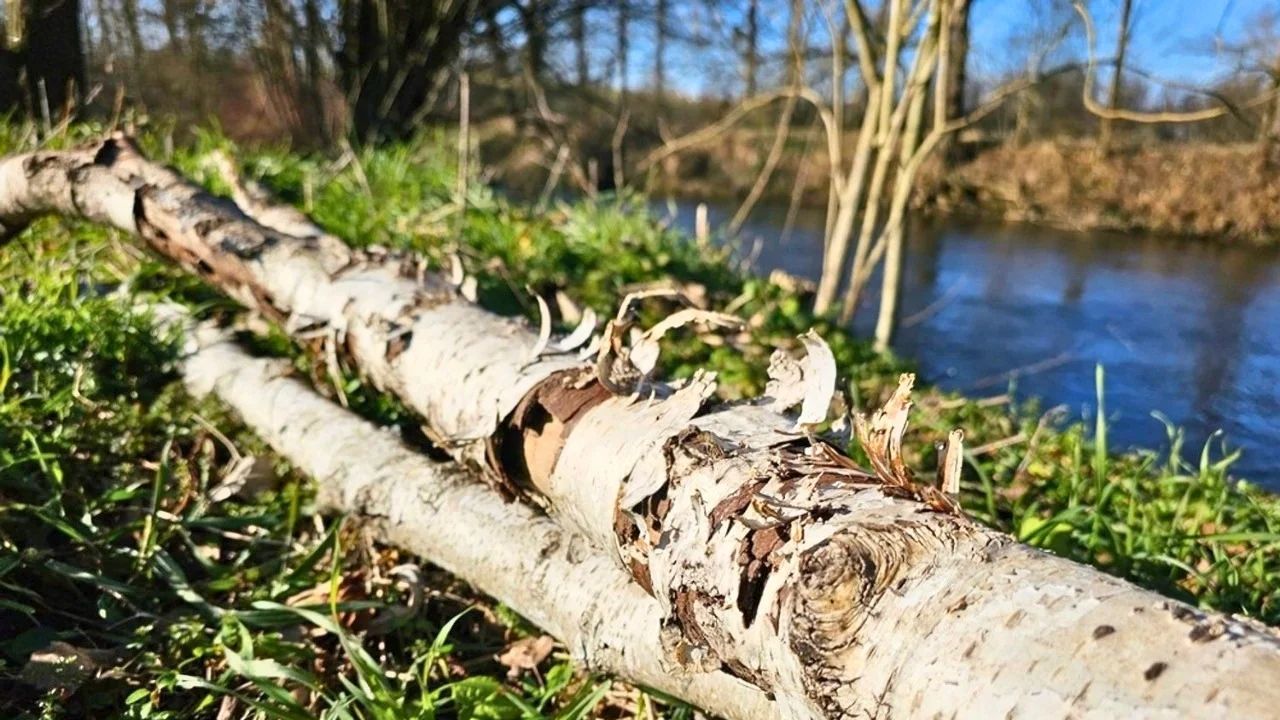
River birch peels on purpose, and those curly bark strips land in valleys and against skylights like little roof shingles. They catch water, they trap grit, and they stain lighter shingles and decks. After a rain, they stick like wet paper.
Many people blame “dirty gutters” when the real issue is bark bridging the downspout inlet. Cleanouts go quicker if you use a gutter scoop and a bucket, not just a hose. If you’re planting new, keep river birch away from the house and over hardscape, it’s a better yard tree than a foundation tree.
6. Oaks That Dump Leaves And Acorns
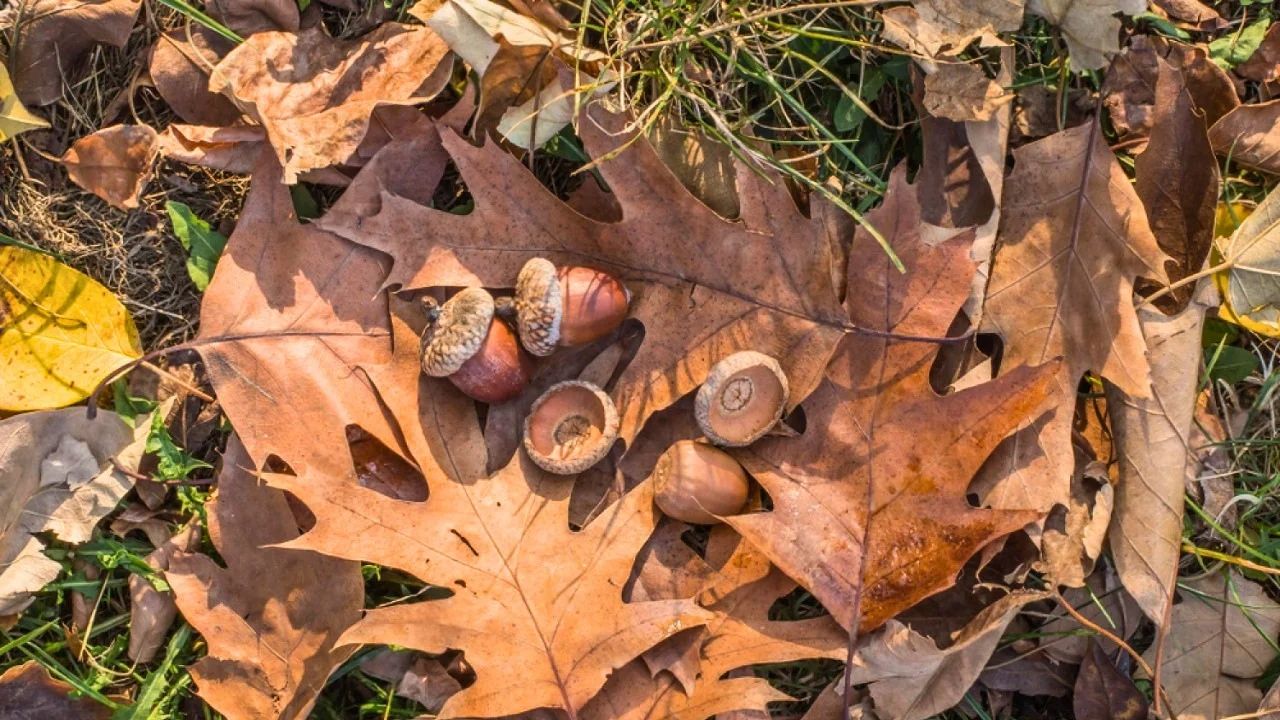
Oak leaves don’t float out of gutters like maple leaves. They curl, lodge, and pile up, then you get overflow that rots fascia boards and stains siding. Add acorns and you’ve got little hard projectiles that dent aluminum gutters and make a racket on metal roofs.
Some oaks also drop in two waves, a heavy fall drop and another later when the dead leaves finally let go. If you have an oak over the house, plan two cleanings, not one. For big mature oaks, don’t top them and don’t hack them back, that creates more weak wood. Hire a qualified arborist and keep the work focused on clearance and deadwood.
7. Bradford Pear That Splits And Stinks
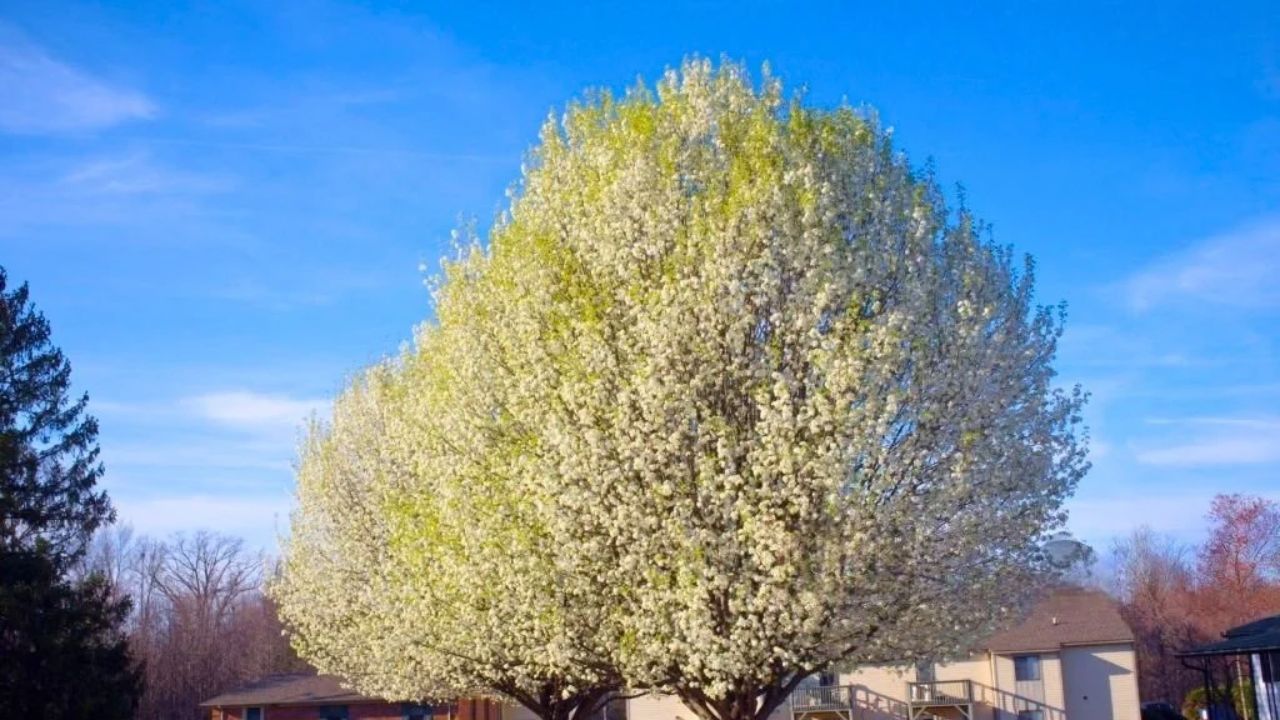
These trees love to self-destruct. A moderate storm can tear out a main limb, and it doesn’t take much for that limb to punch shingles, gutters, or a porch roof. The spring flowers also smell awful, and the petals turn into a slick paste on steps and decks when it rains.
If you have one within striking distance of the house, removal is a smart move, even if it still looks healthy. If you can’t remove it yet, reduce risk by taking weight off long limbs and clearing anything that hangs over bedrooms and entryways. This is a job for a pro, the wood splits unpredictably under tension.
8. Sycamore That Paints Everything Tan
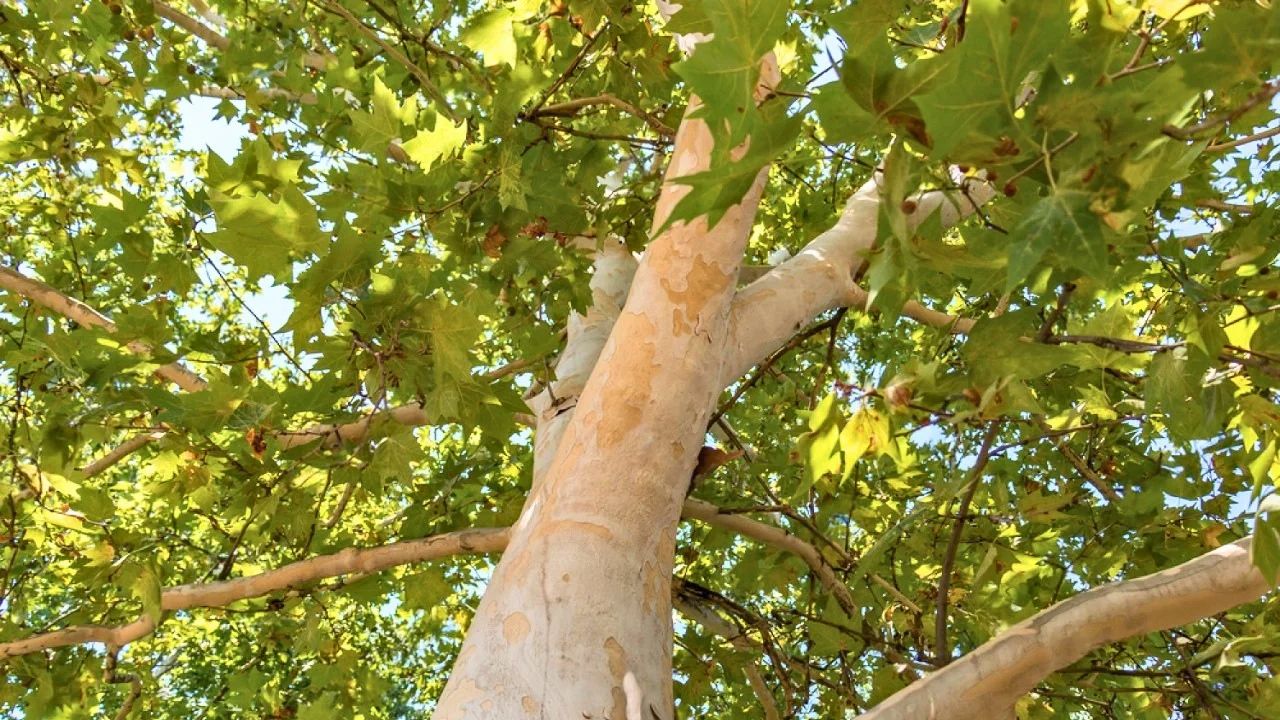
Sycamore and plane trees shed bark in flakes and plates. Those pieces blow into corners, behind downspouts, and into gutter seams where they hold moisture. The fine fuzz and dust from leaves and seed balls can also streak siding after a hard rain.
Gutter guards help some here, but only if you still clean the roof and valleys. If your house sits under a sycamore canopy, schedule a quick rinse of siding once or twice a year and keep an eye on caulk joints around windows. Dirt held against trim is a fast way to peel paint.
9. Black Walnut That Drops Heavy Nuts
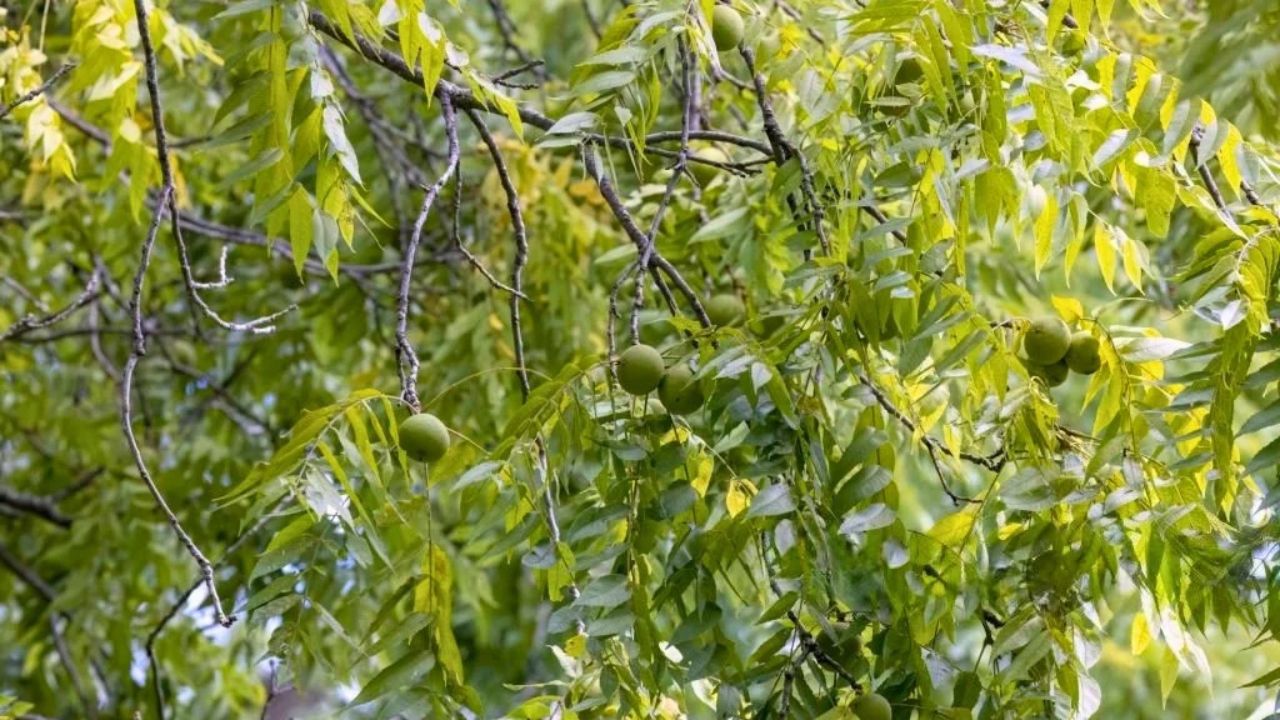
Walnut trees don’t make the most volume of debris, but what they drop is heavy. Those green cannonballs thump the roof, dent soft gutters, and explode on decks and patios into a staining mess. Squirrels also haul walnuts onto roofs and chew them open right where you don’t want more grit.
If the tree is valuable for shade or nuts, an exception applies, it can be worth keeping if it’s far enough away that nuts don’t reach the roof. Overhang is the problem. If it’s close, limb removal back from the roofline reduces impact, and a simple routine of picking up nuts before they rot will keep the yard from smelling like fermenting fruit.
10. Honey Locust That Sheds Tiny Leaflets
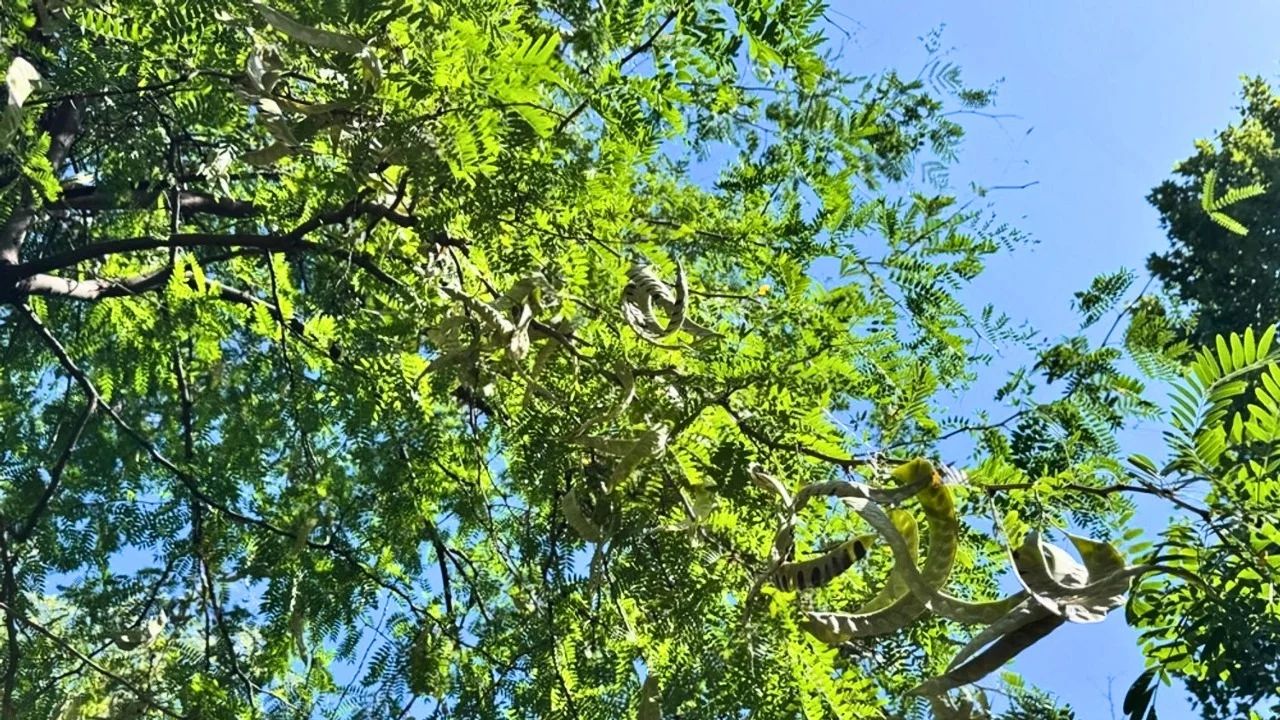
Honey locust leaflets are small enough to slip through a lot of gutter screens. They act like confetti, packing into corners and downspouts until water starts spilling over the edge. If you’ve ever pulled a downspout elbow off and found it jammed solid with little bits, this is a usual suspect.
The fix isn’t fancy. Add cleanout access at the bottom of downspouts, and flush them with a hose a few times each fall. If you’re replacing gutters, consider larger downspouts or a second downspout on long runs so the system has less chance to choke.
A messy tree isn’t always a bad tree, but the wrong one over a roof gets expensive fast. Before you plant anything new, look up mature size and what it drops, then place it so the canopy won’t reach shingles in ten years. If a mature tree already hangs over your house, a good arborist can usually buy you time, and sometimes that’s all you need.
Like Fix It Homestead’s content? Be sure to follow us.