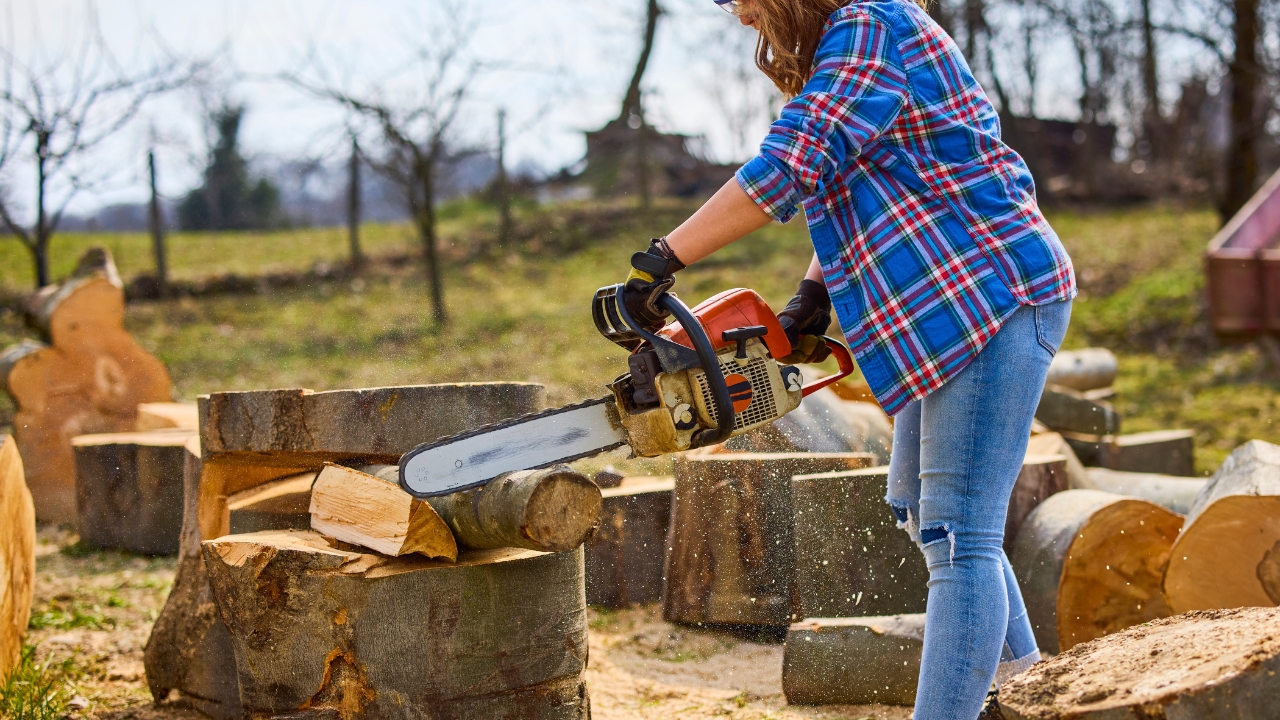
10 Chainsaw Habits That Make Cutting Firewood More Dangerous
Photo credit: Cristian Zamfir/Shutterstock.com
Cutting firewood feels simple until it suddenly isn’t. Most close calls come from small habits that build up, a little hurry here, a little “good enough” there. Clean up those habits and the work gets calmer, the saw lasts longer, and you go home with all your parts.
1. Cutting When You’re Tired Or Cold
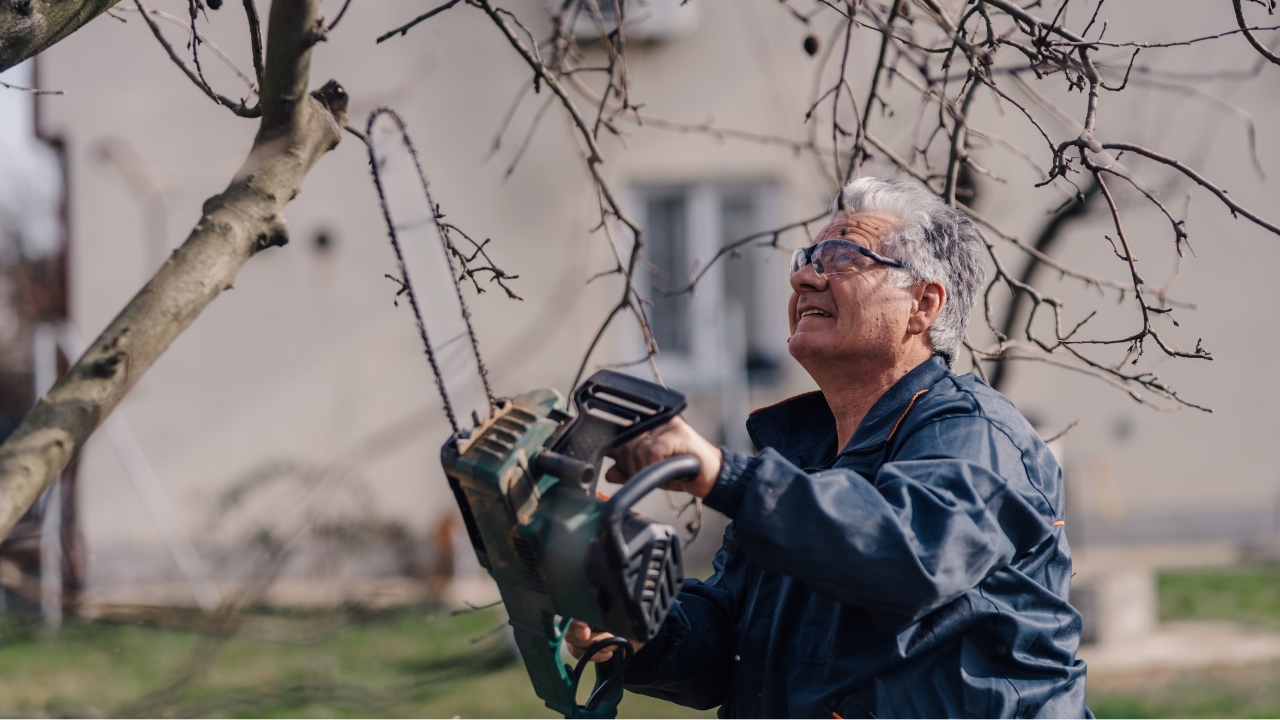
The risky part shows up late in the day, when your hands are numb and your brain is already thinking about supper. You start reaching farther, bracing logs with your boot, or taking cuts from a weird angle just to finish the pile. That’s when kickback and slips happen.
Set a hard stop before you start, like “two tanks of gas” or “one battery.” If it’s below freezing, plan shorter sessions and keep a pair of dry gloves in your coat pocket. If you catch yourself staring at the cut like it’s taking forever, you’re done for the day.
2. Running A Dull Chain Too Long
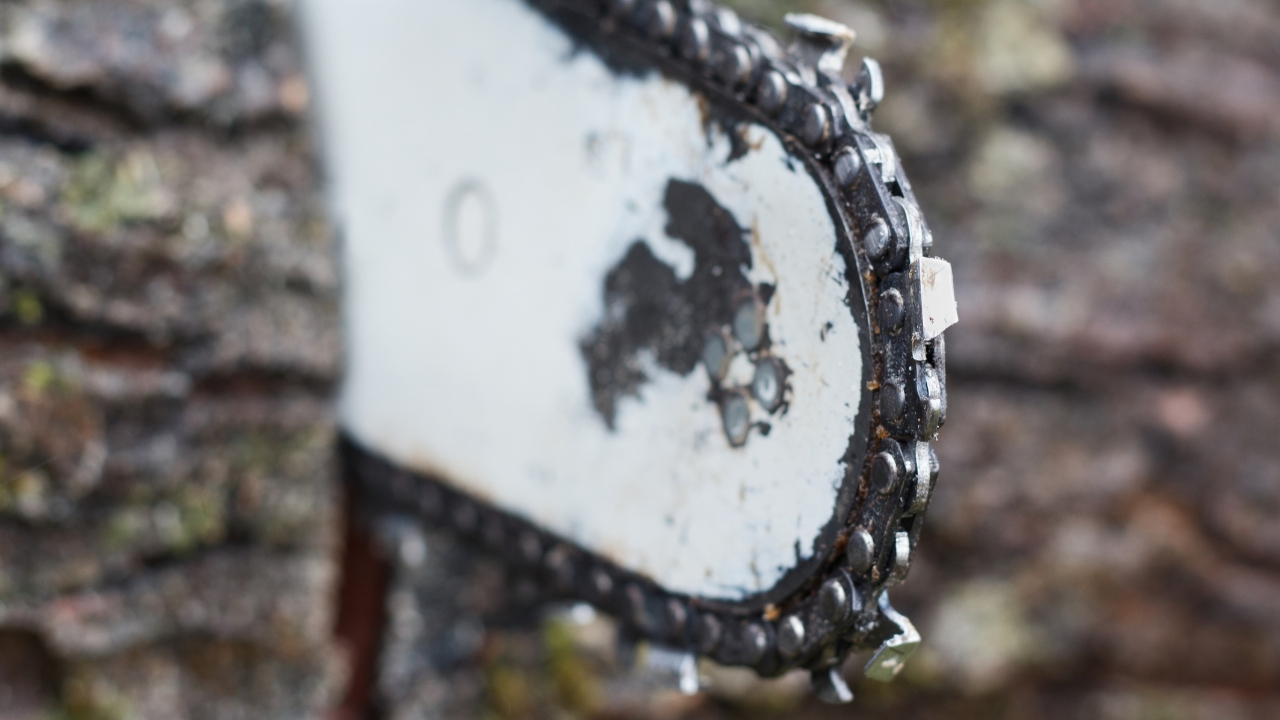
A sharp chain throws chips. A dull chain makes dust, squeals, and forces you to lean on the saw. Pushing a dull chain is how people lose control, and it’s hard on your bar, clutch, and shoulders.
Touch up the chain before it gets bad. A few minutes with the right file and a depth gauge beats fighting the saw for an hour. If you’ve hit dirt, a rock, or a nail in a yard tree, stop and sharpen right then or swap to a fresh chain.
3. Skipping Helmet, Chaps, And Eye Protection
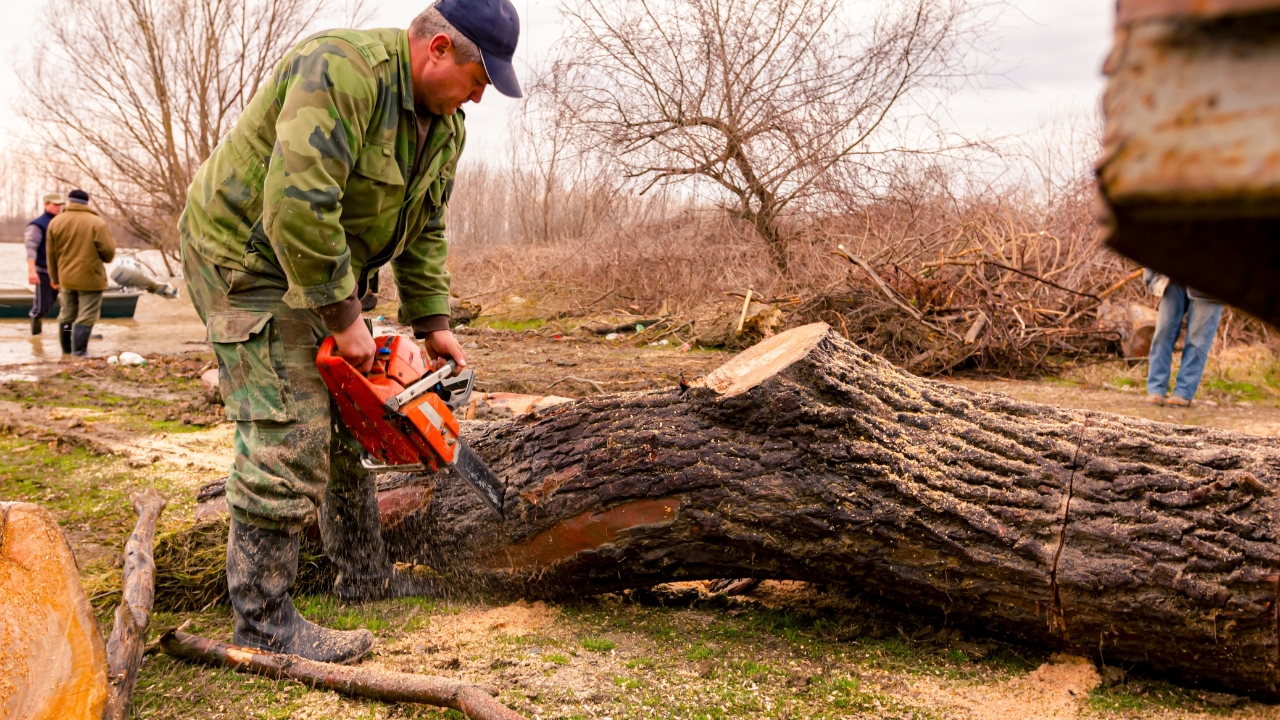
People grab “just one log” without the gear, and that’s the log that rolls, binds, or spits a chip straight back. Safety glasses also keep you from blinking at the wrong moment, which is a real thing when you’re watching a cut and the saw jumps.
At a minimum, wear eye protection and hearing protection every time. If you’re bucking on the ground or working through a pile, chainsaw chaps and a helmet with a face shield are worth owning. If chaps feel like overkill for light limbing, that’s the honest exception, but only if the saw stays well away from your legs and the footing is solid.
4. Holding The Saw One Handed
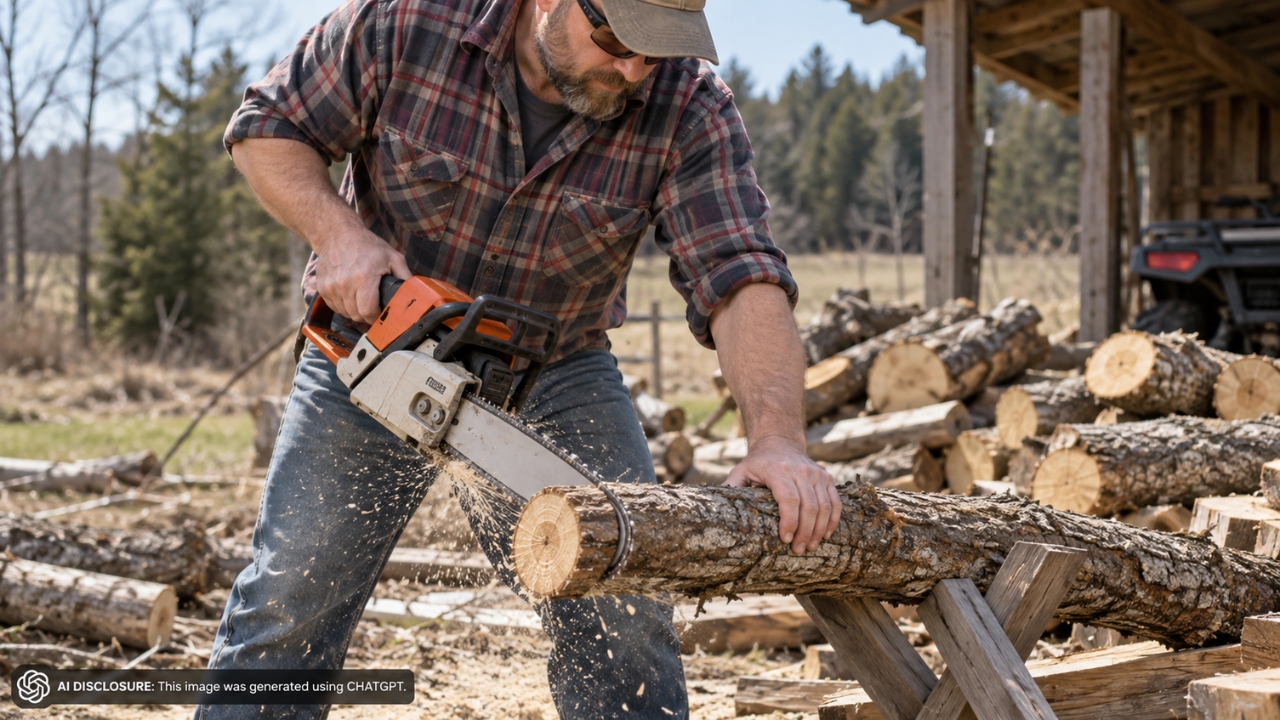
It happens when you’re trying to steady a round with your free hand, or you’re reaching out to nip off a small limb. One-handed cutting is how the bar nose finds something and the saw snaps back before you can react.
Keep both hands on the saw any time the chain is moving. If the piece won’t sit still, fix the piece, not your grip. Use a cant hook, a peavey, wedges, or just roll the log to a flatter spot.
5. Cutting With Your Feet Too Close
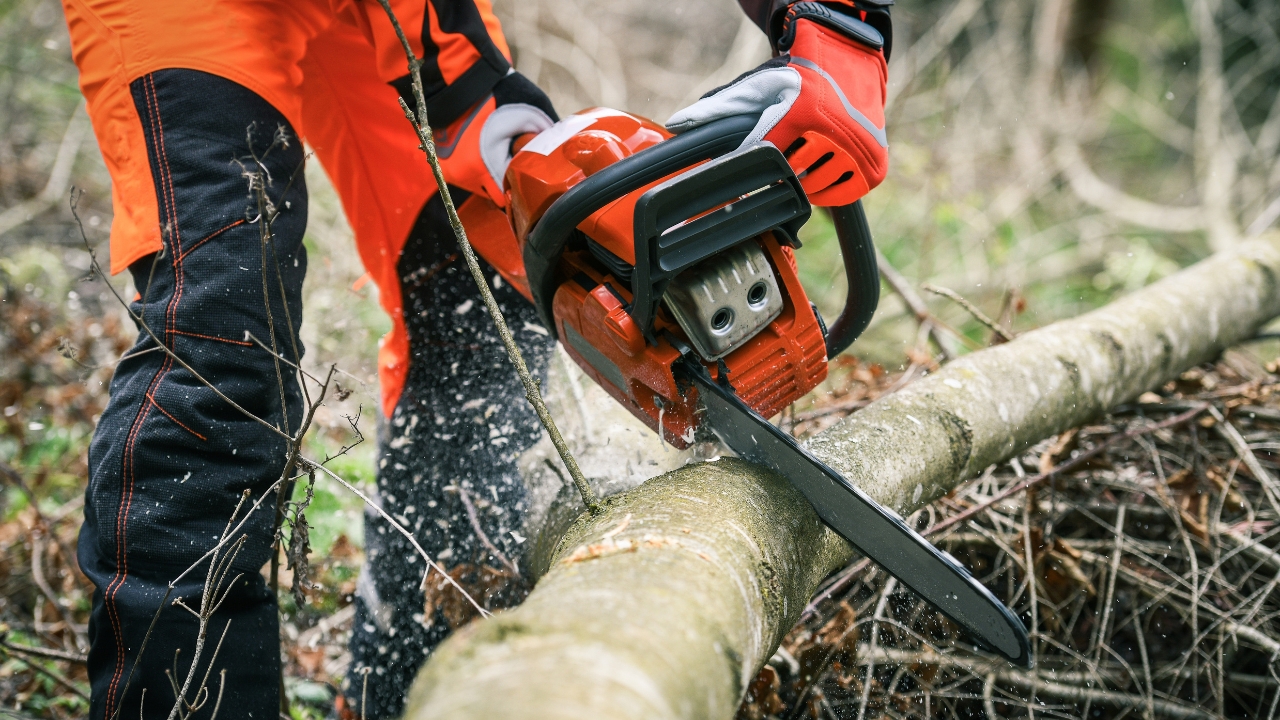
The common “firewood stance” is a leg on each side of the log, bent over, saw between your boots. When the cut finishes, the round can roll, your balance shifts, and the chain is right there near your shin.
Stand to the side of the cut, not straddling it. Put the log up on a bucking stand, old pallets, or another log so you’re not chasing it around on uneven ground. If you have to cut on the ground, set the piece so it can’t roll toward you and keep your feet back.
6. Letting Logs Sit On Bare Dirt
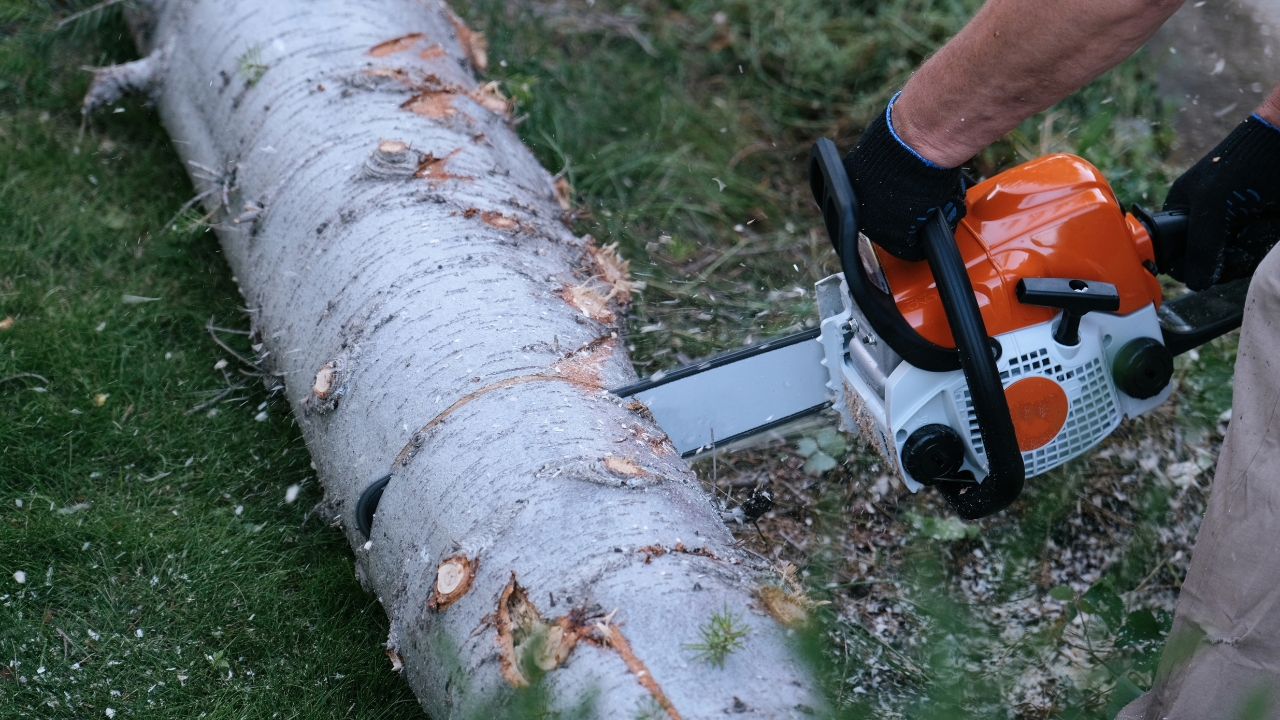
Dirt is a chain killer. One tiny kiss of soil and your sharp edge is gone, then you start pushing and getting frustrated. That frustration turns into sloppy body position and rushed cuts.
Get the wood up off the ground before you buck it. Even a couple scrap 4x4s or smaller logs as runners helps. If the only way is on the ground, leave a little “hinge,” roll the log, and finish the cut from the clean side instead of slicing straight into the dirt.
7. Freeing A Pinched Bar By Yanking
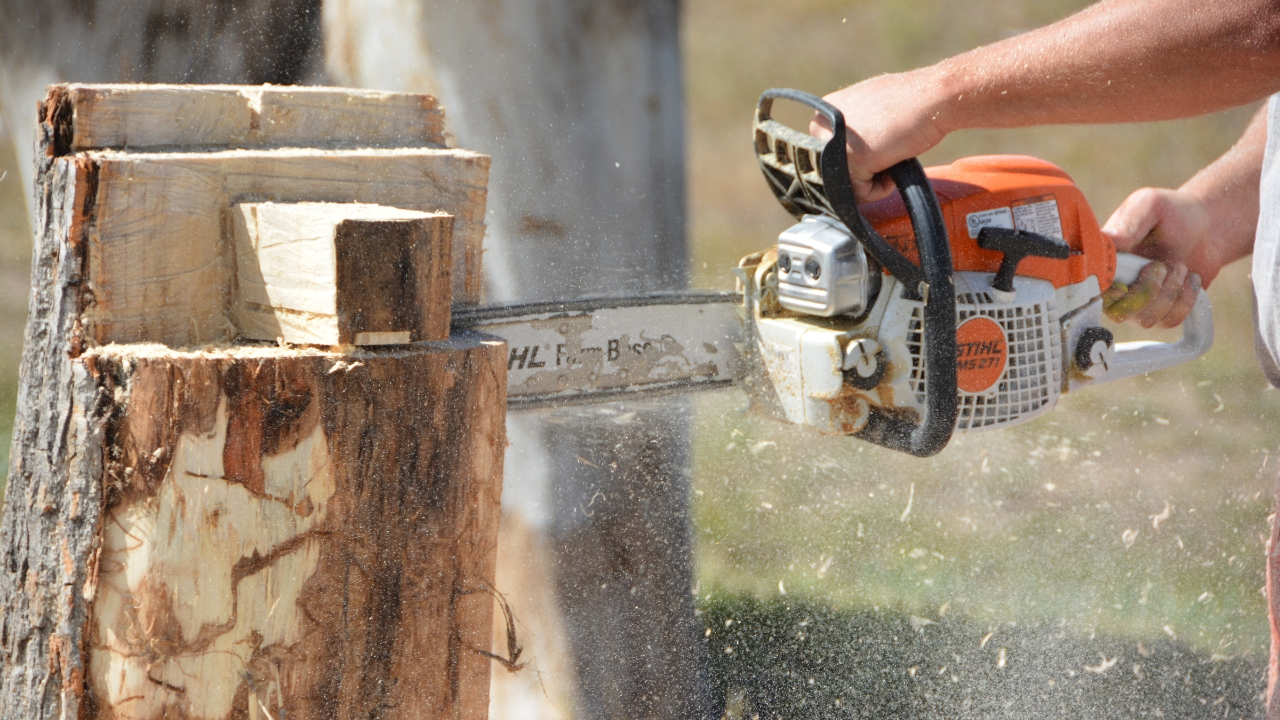
When the kerf closes and traps the bar, the bad habit is to twist, yank, and rev the throttle. That can bend the bar, stretch the chain, and when it finally pops free the saw jumps in whatever direction the wood wants.
Carry plastic wedges and a small axe or hammer in your kit. Shut the saw off, set the chain brake, and wedge the cut open. If the log is under tension and you can’t read it, that’s a good time to step back and reset the piece with a cant hook instead of forcing the saw.
8. Guessing At Tension And Compression Wood
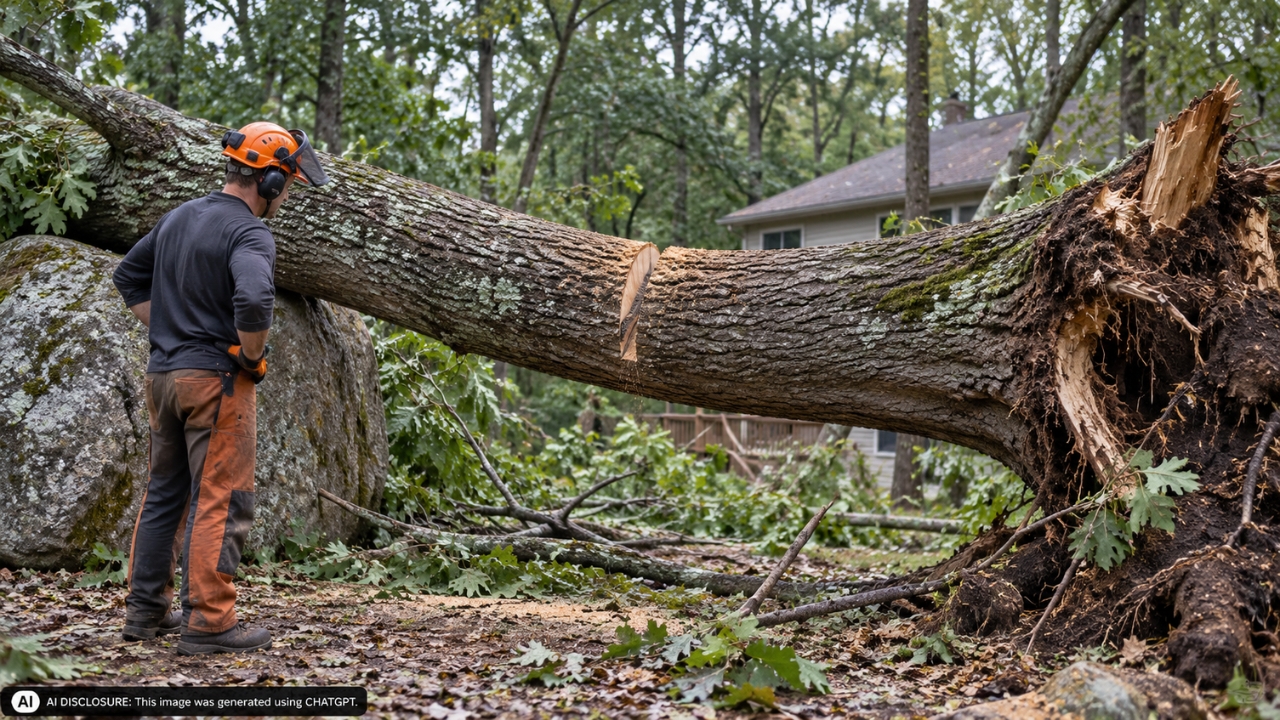
Storm-down trees and leaning trunks don’t behave like straight rounds on flat ground. The wood fibers are loaded like a spring, and the cut can close fast, split, or kick a section sideways. Sometimes it gives a warning creak, sometimes it doesn’t.
Look at how the log is supported. If it’s bridged between two points, the top is usually in compression and the bottom in tension, and the kerf will try to close from the top. Start with a shallow relief cut on the compression side, then finish from the tension side so the cut opens instead of grabs.
If the log is tangled, hung up, or under obvious load, it can be smarter to leave it for a pro with the right gear. Hospital bills cost more than a cord of firewood.
9. Mixing Fuel Wrong Or Storing It Badly
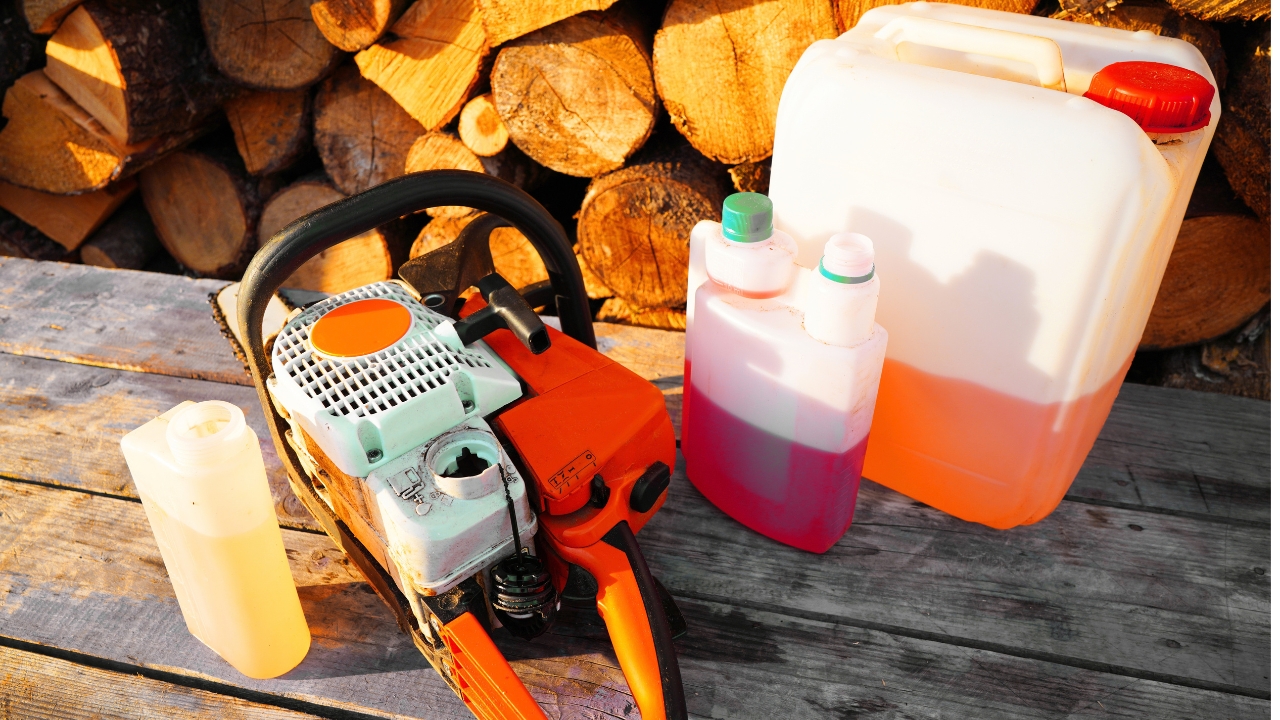
Bad fuel makes a saw hard to start, surges at idle, and dies in the cut. That leads to extra pulls, more fiddling, and more chances to do something dumb like drop-starting or cutting while annoyed. Old mix can also gum up the carb and lines, which turns into a shop visit.
Use fresh gas and the right 2-stroke mix, measured, not eyeballed. If you only cut a few weekends a year, buy less fuel more often and store it in a proper fuel can out of the sun. For battery saws, don’t leave packs in a hot truck or on a freezing porch, they don’t like either one.
10. Cutting Alone Without A Simple Check-In Plan
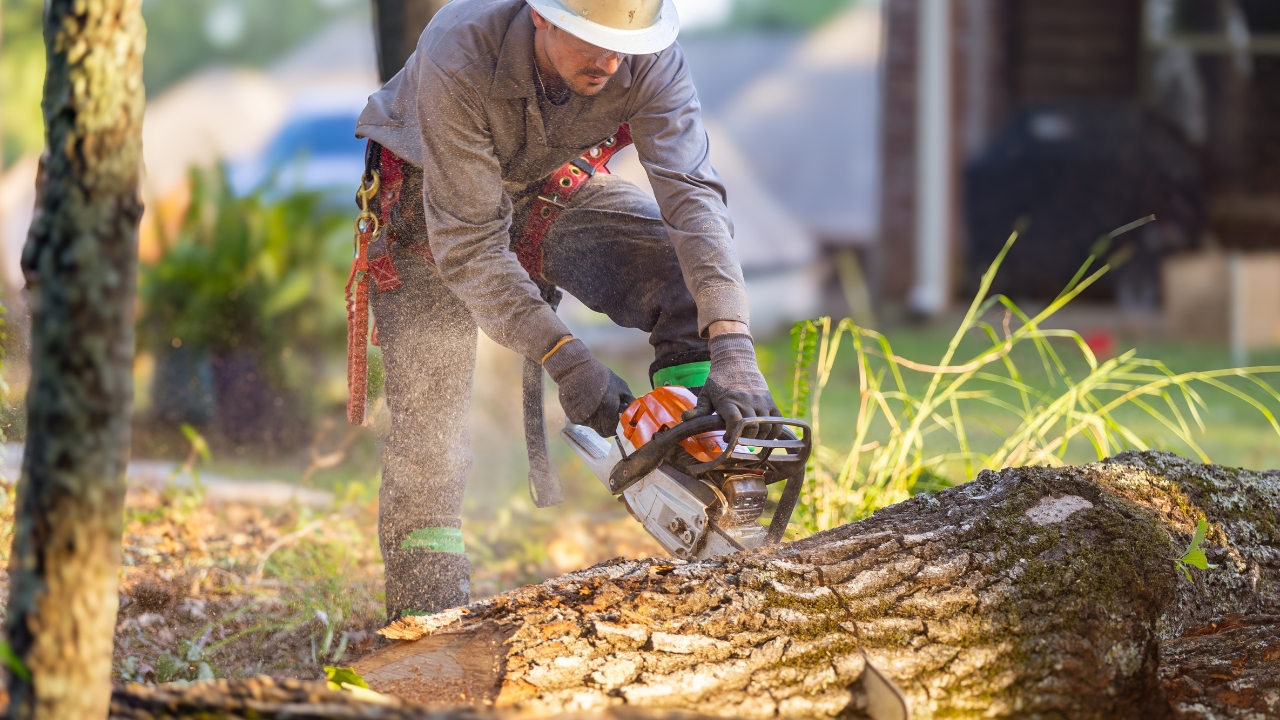
Working solo feels normal on a homestead, but chainsaw work is different. If you slip, get pinned, or take a hit from a falling limb, there may not be time to crawl back to the house.
At least tell someone where you’ll be and when you’ll check back. Keep a charged phone on your body, not on the tailgate. If you’re out of service, a basic routine like “text before and after” or having a neighbor expect you at a certain time is simple and effective.
Firewood season is long, and the goal is to still enjoy it when the stack is done. Slow down, set up the work so the wood behaves, and treat maintenance like part of the cutting, not something you’ll get to later.
Like Fix It Homestead’s content? Be sure to follow us.