10 ways your yard becomes a hazard in bad weather
Photo credit: Artazum/Shutterstock
When storms roll in, most people worry about the roof or the power lines — but the yard can cause just as much damage. Poor drainage, loose debris, or unstable trees can turn a normal thunderstorm into an expensive mess in minutes.
The trouble is, many of these problems go unnoticed until bad weather exposes them. Taking the time to spot and fix these hazards before the next storm can save your property — and your wallet — from serious damage.
Overgrown trees near the house

Branches hanging over your roof or power lines are a major hazard when wind or ice hits. They can snap without warning, pulling down wires or crashing through shingles.
Trim trees regularly, especially those close to the house. Check for weak limbs or signs of rot before storm season starts. A few hours of pruning now is much cheaper than repairing a caved-in roof later.
Poor drainage around the foundation
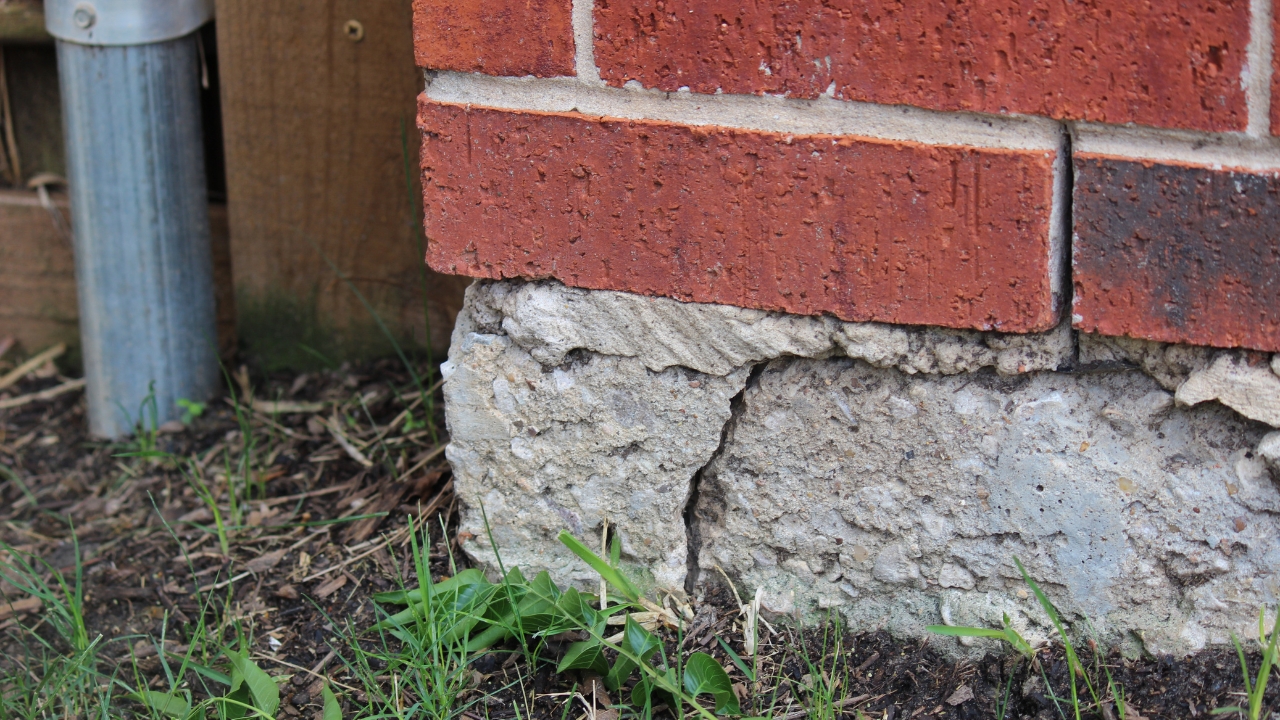
If your yard slopes toward your house instead of away from it, heavy rain can push water straight into your foundation. That leads to erosion, flooding, and long-term structural issues.
Make sure gutters direct water several feet away from the house, and consider adding a French drain or regrading problem areas. A little drainage work now keeps thousands of gallons of runoff where it belongs — outside.
Loose patio furniture and decor

Outdoor chairs, umbrellas, and decorations turn into dangerous projectiles in high winds. Even lightweight planters can cause serious damage if they’re lifted and thrown around.
When a storm’s on the way, secure or bring inside anything that could move. It takes five minutes to clear the yard, but it can prevent hours of cleanup or costly window repairs afterward.
Clogged gutters and downspouts

Blocked gutters don’t just overflow — they can dump water directly against your siding or into your basement. During a storm, that backup adds unnecessary weight and increases the risk of water damage.
Clean your gutters at least twice a year and after heavy leaf fall. Check that downspouts are clear and extending away from your home. Keeping water flowing freely is one of the easiest ways to avoid storm-related damage.
Unsecured fences or gates
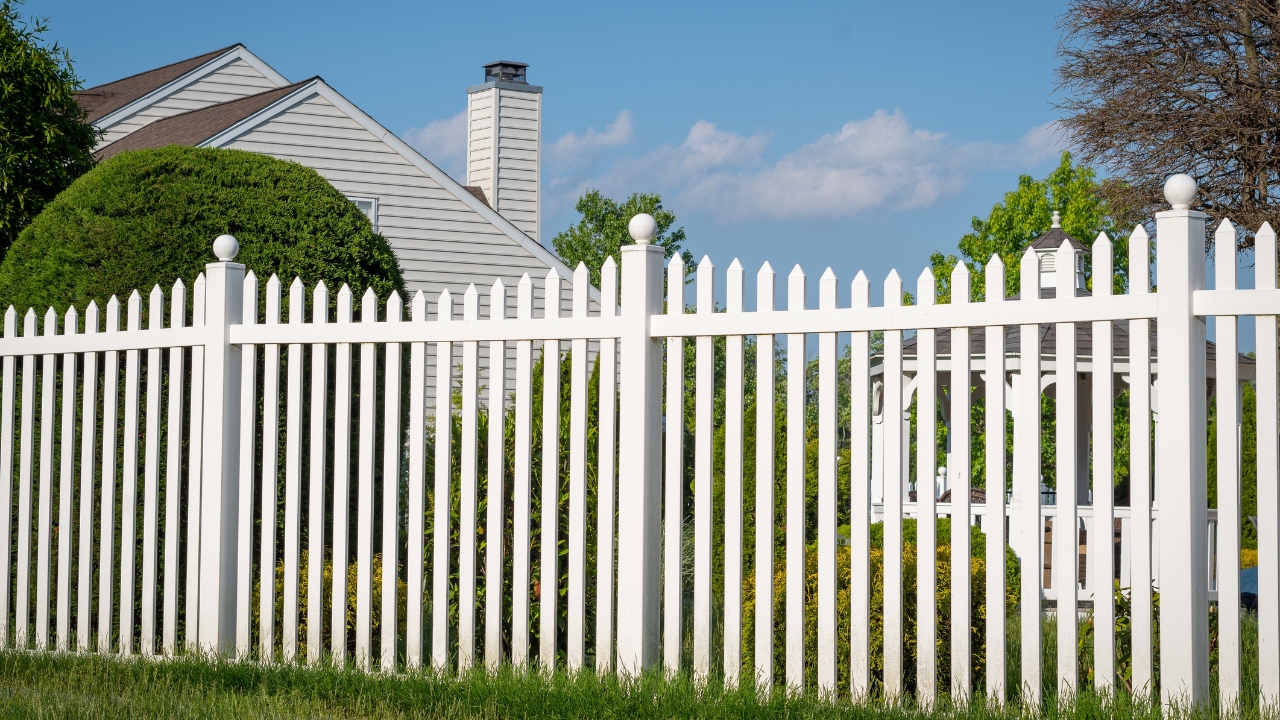
A loose fence post or swinging gate might not seem like a big deal until strong winds hit. A weakened section can collapse, damaging nearby property or injuring someone.
Walk your fence line after big temperature swings or rain. Tighten hinges, replace rusted hardware, and reinforce posts before the next storm. Solid fencing stands up far better when the weather turns rough.
Low-hanging power lines over trees
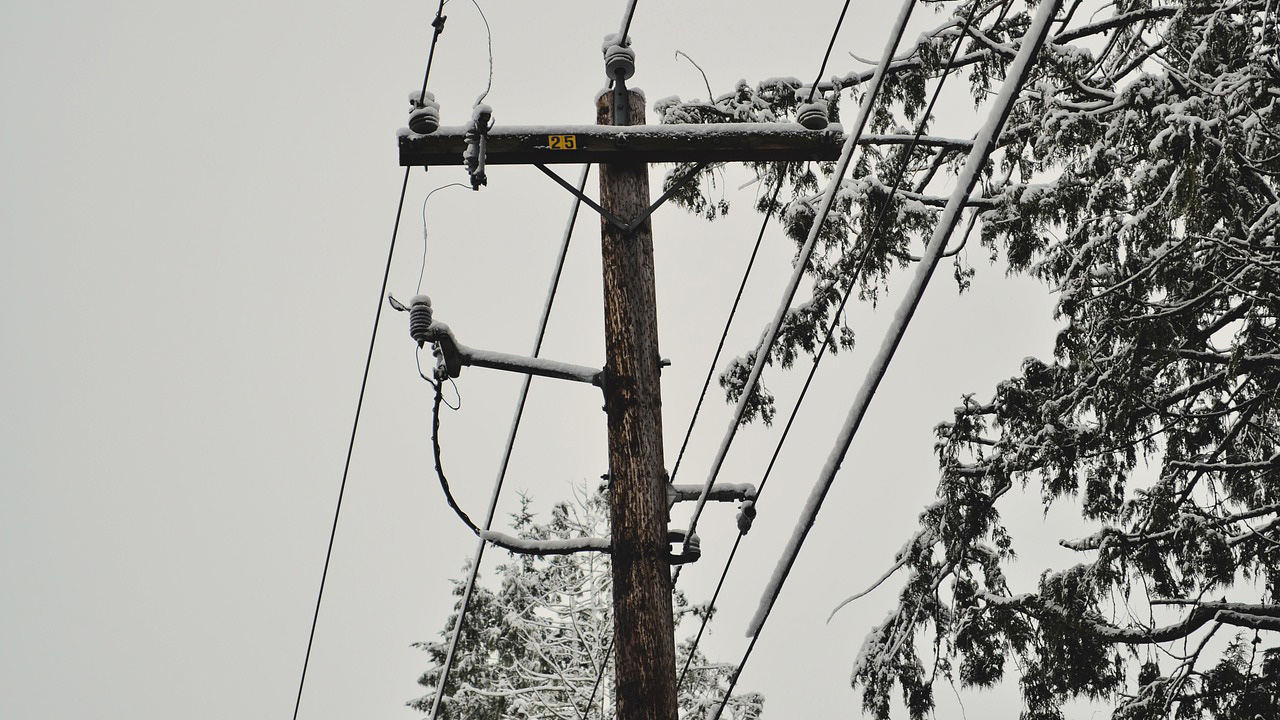
If tree branches are touching or growing too close to power lines, they can cause outages or sparks during a storm. It’s one of the most common reasons for electrical failures after high winds.
Never trim around power lines yourself — call your utility company. They’ll safely clear the area and prevent future problems. Keeping that space open also reduces the chance of fires during dry storms.
Piles of leaves and yard debris
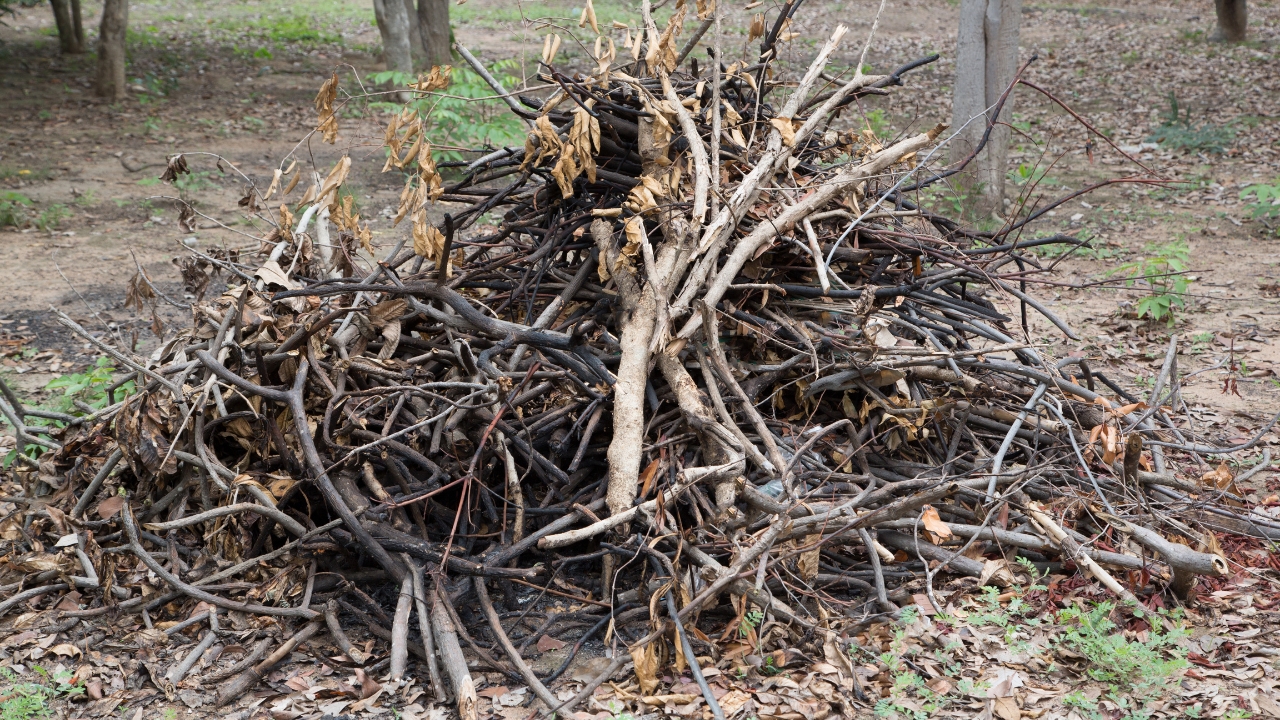
Leaves, sticks, and mulch piles block drainage paths and trap water near your foundation. They also become slippery hazards when wet, creating fall risks for anyone walking outside.
Clear away debris before heavy rain, especially around drains or low spots. If you compost, keep your pile far from the house so runoff doesn’t bring moisture back toward the foundation.
Weak or uneven trees
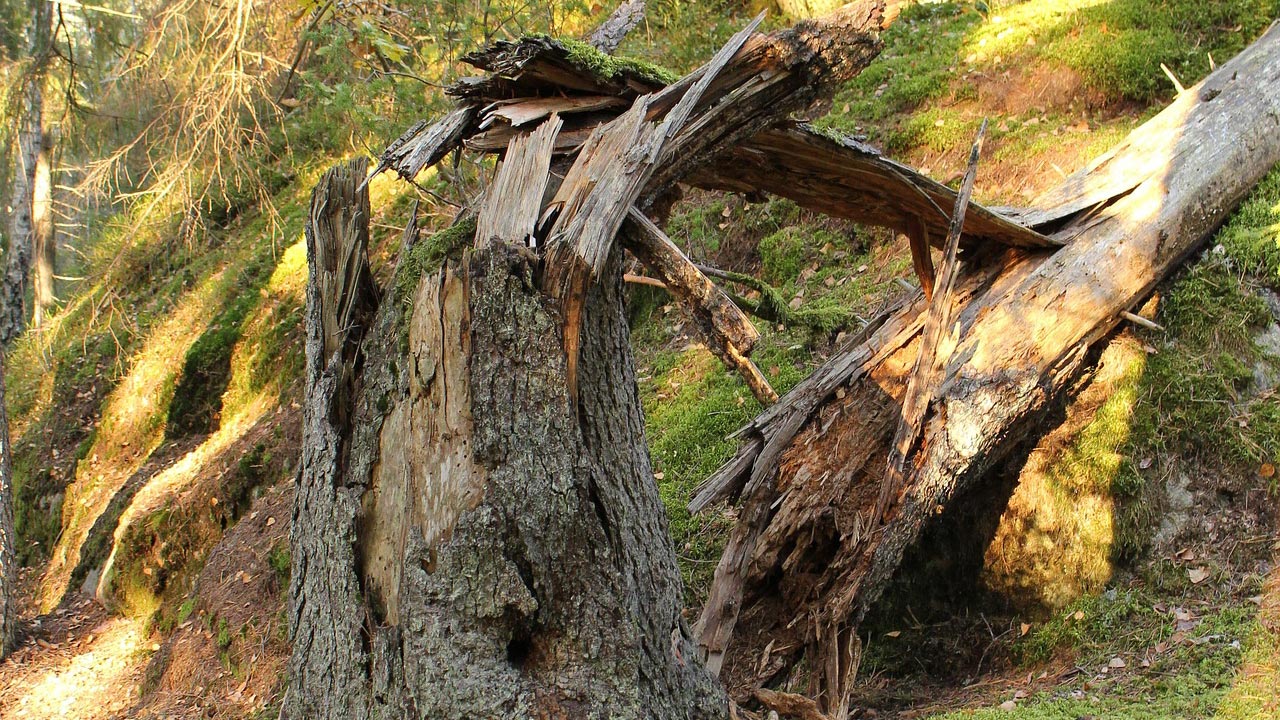
Trees with hollow trunks, exposed roots, or a visible lean are more likely to fall during windstorms. Even a healthy-looking tree can have hidden rot that makes it unstable.
Inspect your trees each season or have a professional check them. Removing one before it falls costs far less than repairing what it could crush.
Outdoor electrical connections
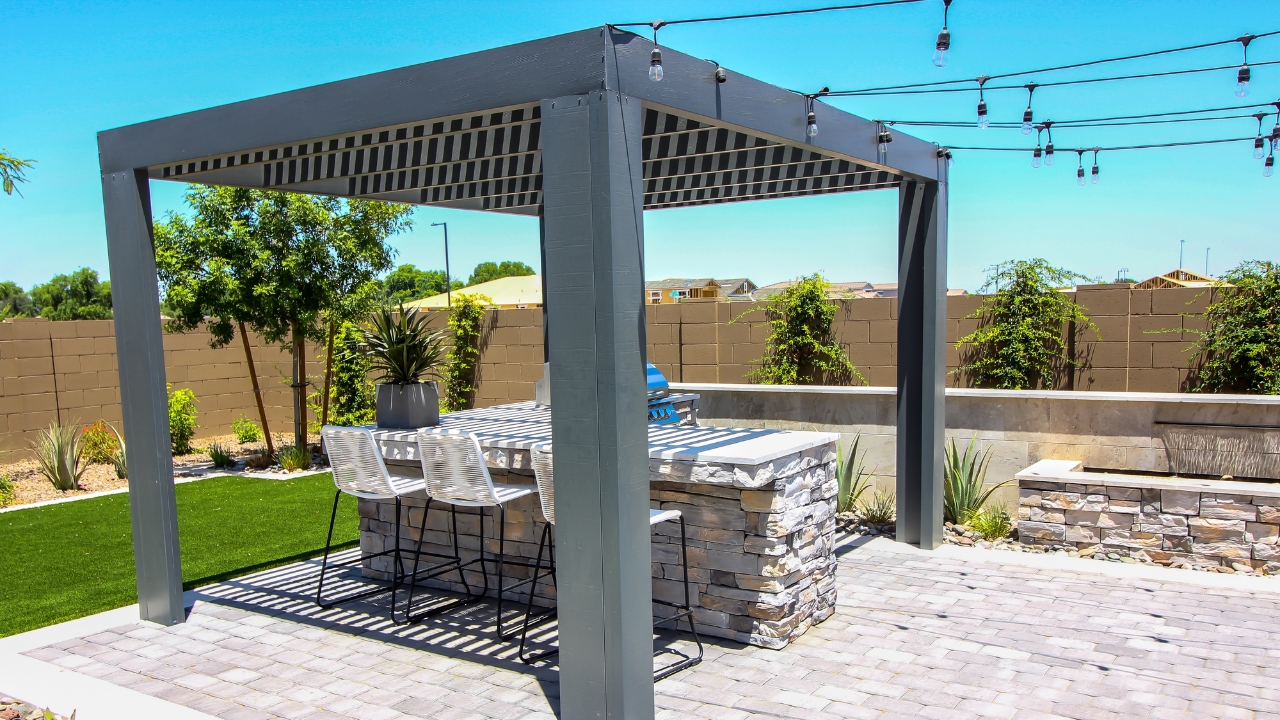
Extension cords, outlets, and lighting meant for temporary use often get left outside long after summer ends. When rain hits, those exposed connections can short out or spark fires.
Use only weather-rated outdoor outlets with covers and unplug anything that isn’t rated for all-season use. A quick check before bad weather hits can prevent dangerous electrical issues.
Inadequate grading in low spots
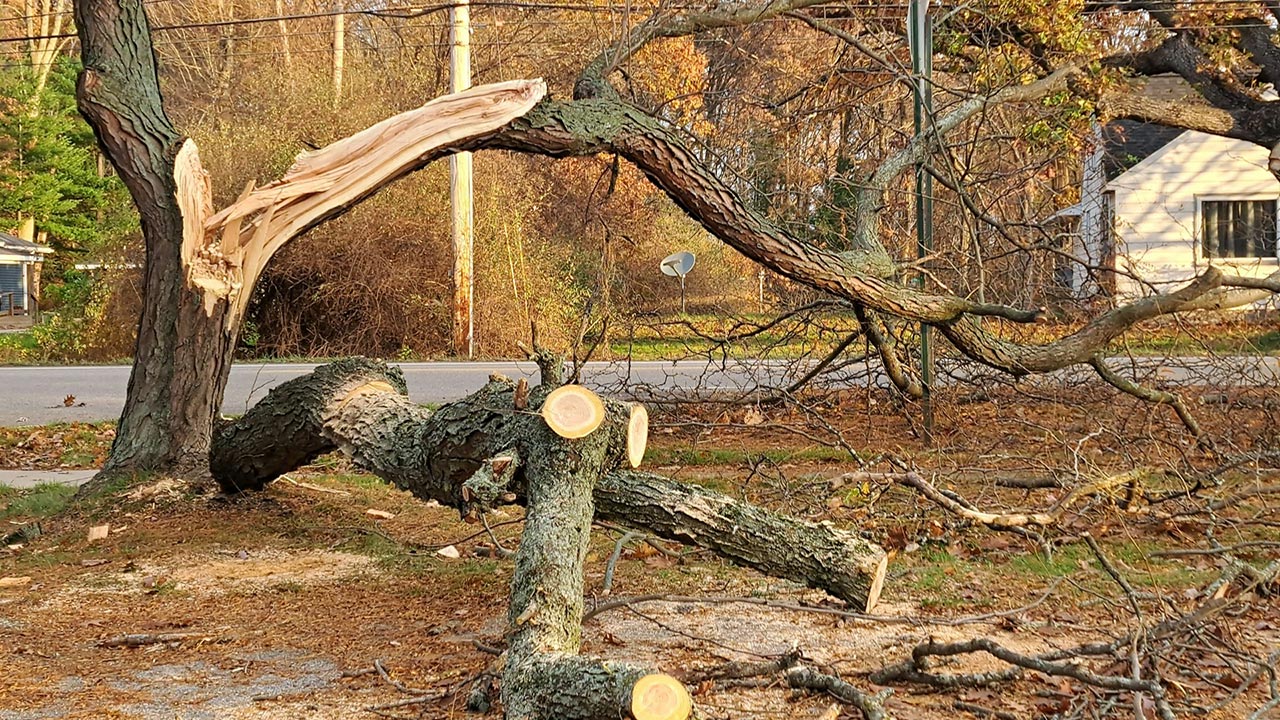
Flat or sunken areas in your yard collect water during storms and can quickly turn into muddy pits or mini ponds. Over time, that standing water attracts mosquitoes and weakens your soil structure.
Add fill dirt or regrade low spots so rainwater flows toward a proper drainage route. It’s a small project that makes a big difference in preventing erosion and long-term lawn damage.
*This article was developed with AI-powered tools and has been carefully reviewed by our editors.