11 Fast-Growing Livestock That Will Start Producing Quickly
Getting into livestock means playing the long game, but not all animals take years to start producing. If you want quick results, you need animals that grow fast, reproduce efficiently, or start providing food and income in a short amount of time. Whether you’re raising meat, eggs, or something more specialized like honey or fiber, some livestock give you a return much faster than others.
The key is picking animals that match your setup. Some thrive on pasture, while others do better in smaller spaces. Feed costs, housing, and overall care also play a role in how quickly you’ll see results. If you want livestock that pull their weight sooner rather than later, these are the best options to consider.
Meat Chickens (Broilers)
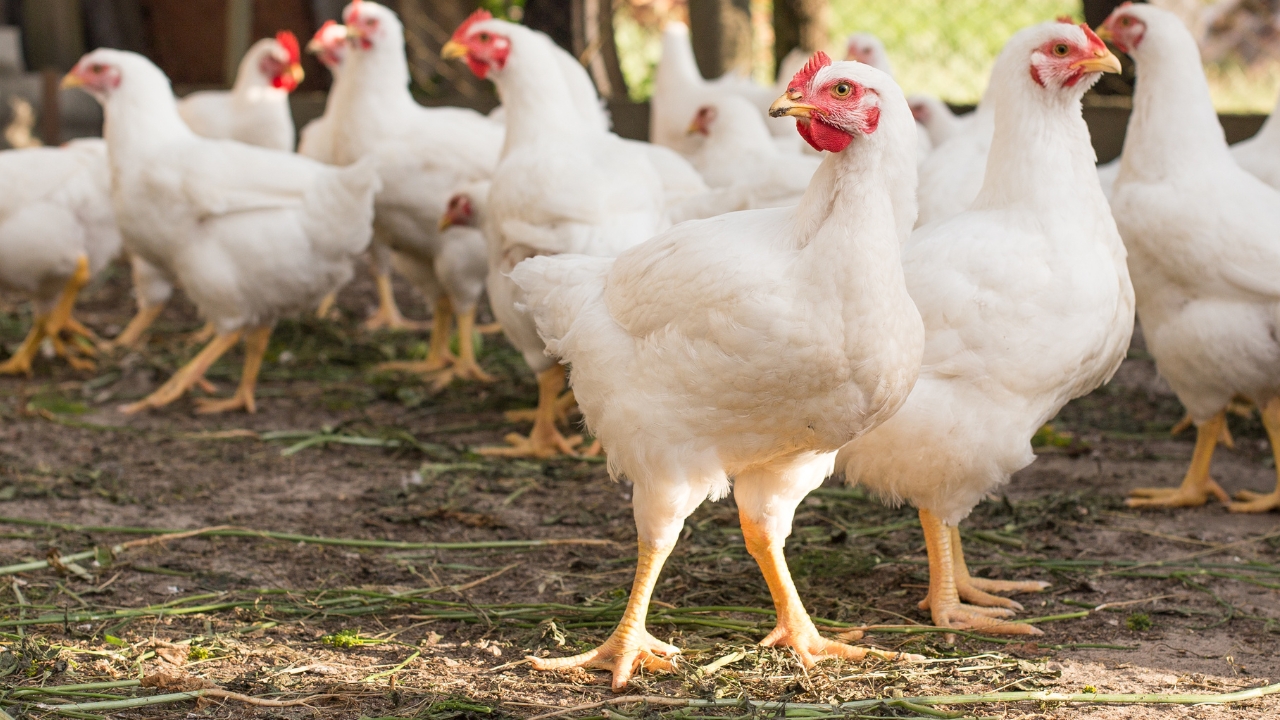
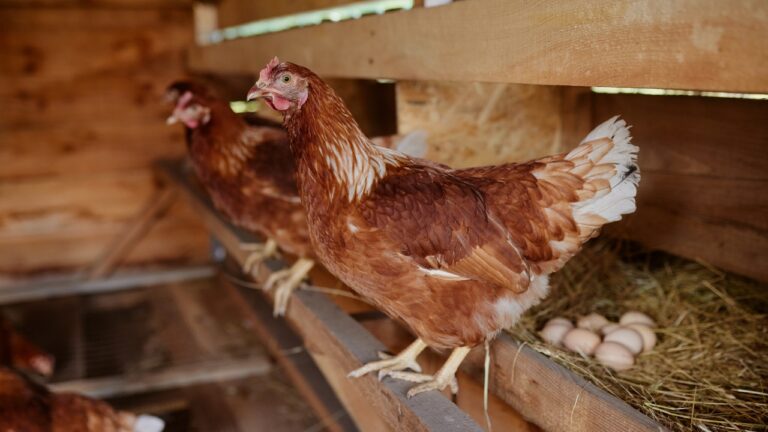
If you want a fast turnaround on homegrown meat, broiler chickens are the way to go. Cornish Cross, the most common breed, reaches processing weight in as little as six to eight weeks. They put on weight fast and convert feed efficiently, making them one of the most cost-effective meat sources.
The key to raising healthy broilers is good feed, clean water, and proper management. Since they grow so fast, they can have leg and heart issues if overfed, so controlled feeding is important. They don’t forage well, so expect to provide most of their nutrition. With the right setup, you can raise multiple batches per year for a steady meat supply.
Rabbits
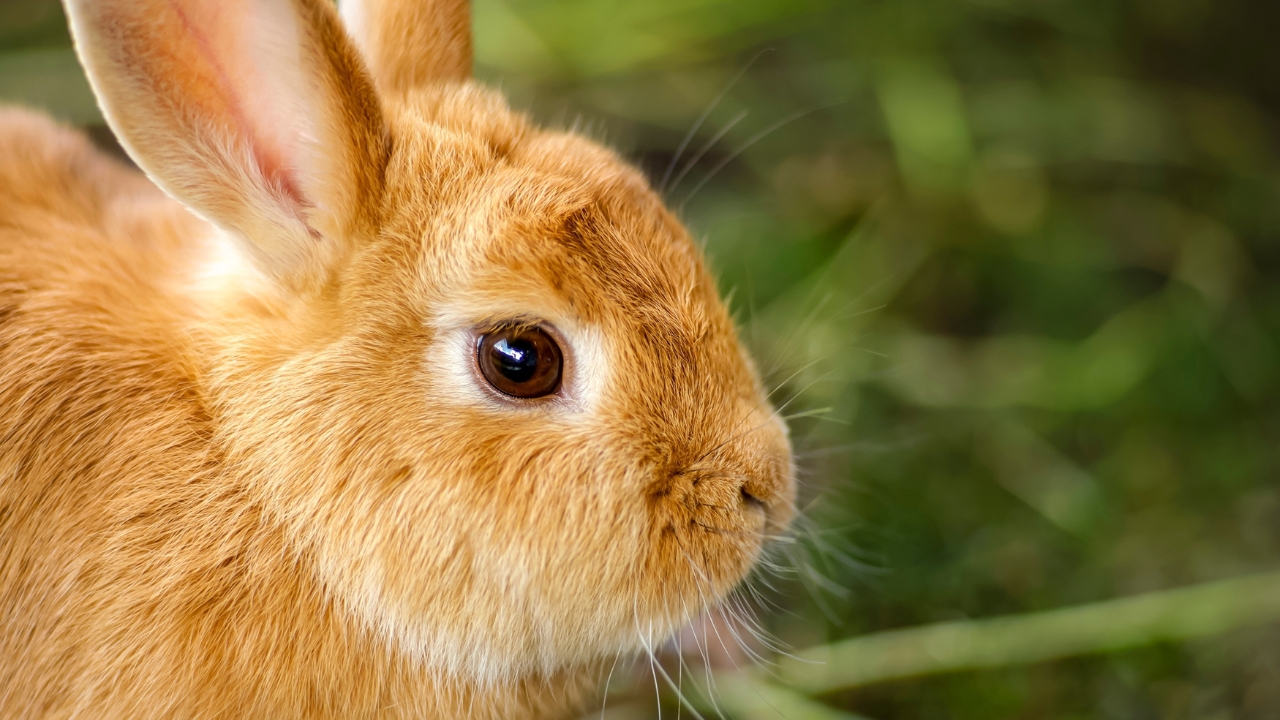
Rabbits are one of the best small livestock options for quick meat production. A single doe can have six or more litters per year, with each litter averaging six to eight kits. Those kits grow fast and can be processed at about eight to twelve weeks old, depending on breed and feed quality.
New Zealand Whites and Californians are the go-to breeds for meat production. Rabbits take up little space, require minimal investment, and can be raised in hutches or colony setups. Their manure is also a great fertilizer, making them a dual-purpose addition to a homestead. If you’re looking for high protein with low feed costs, rabbits are a solid option.
Quail
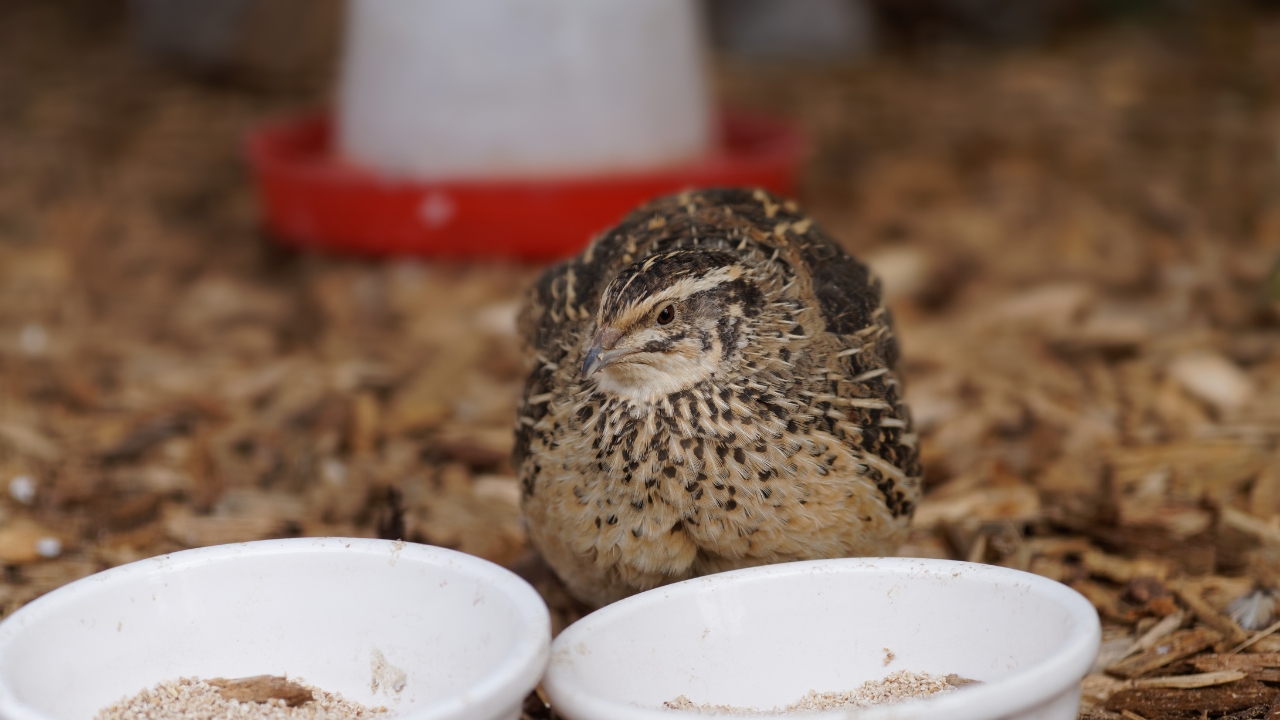
Coturnix quail are one of the fastest-producing birds you can raise. They start laying eggs at just six weeks old, and unlike chickens, they lay almost daily. They also mature quickly for meat, reaching a good processing weight at eight to ten weeks.
Quail don’t take up much space and can be raised in stacked cages or aviaries. They eat less feed than chickens but still produce high-quality eggs and lean meat. Since quail eggs are considered a delicacy in many markets, there’s good profit potential in both meat and egg production.
Ducks

Ducks grow fast and are excellent for both eggs and meat. Some breeds, like Pekins, are ready for processing in about eight weeks and can reach weights of six to eight pounds. If you’re looking for eggs, breeds like Khaki Campbells and Indian Runners start laying around five to seven months old and often outlay chickens.
Ducks require more space than chickens and prefer access to water, but they’re hardy and less prone to disease. Their eggs are larger and have a longer shelf life than chicken eggs, making them popular with bakers and specialty markets. Raising ducks can be a great way to diversify your homestead production.
Pigs
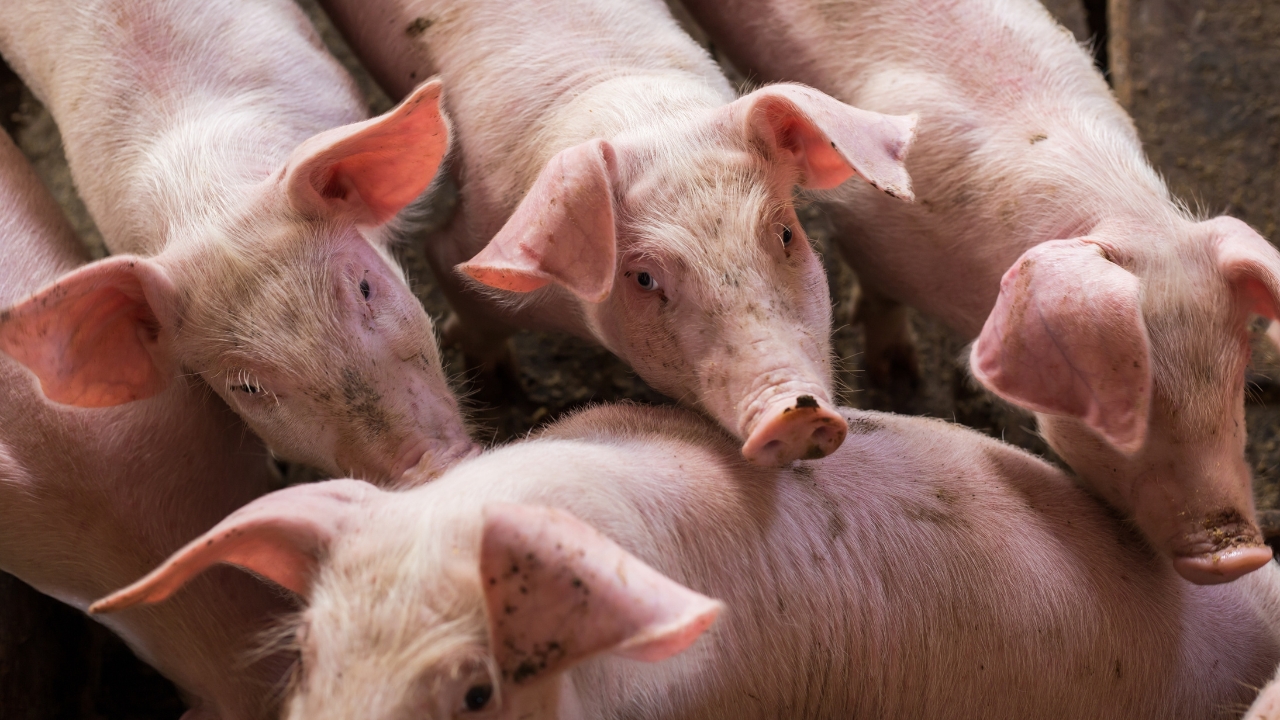
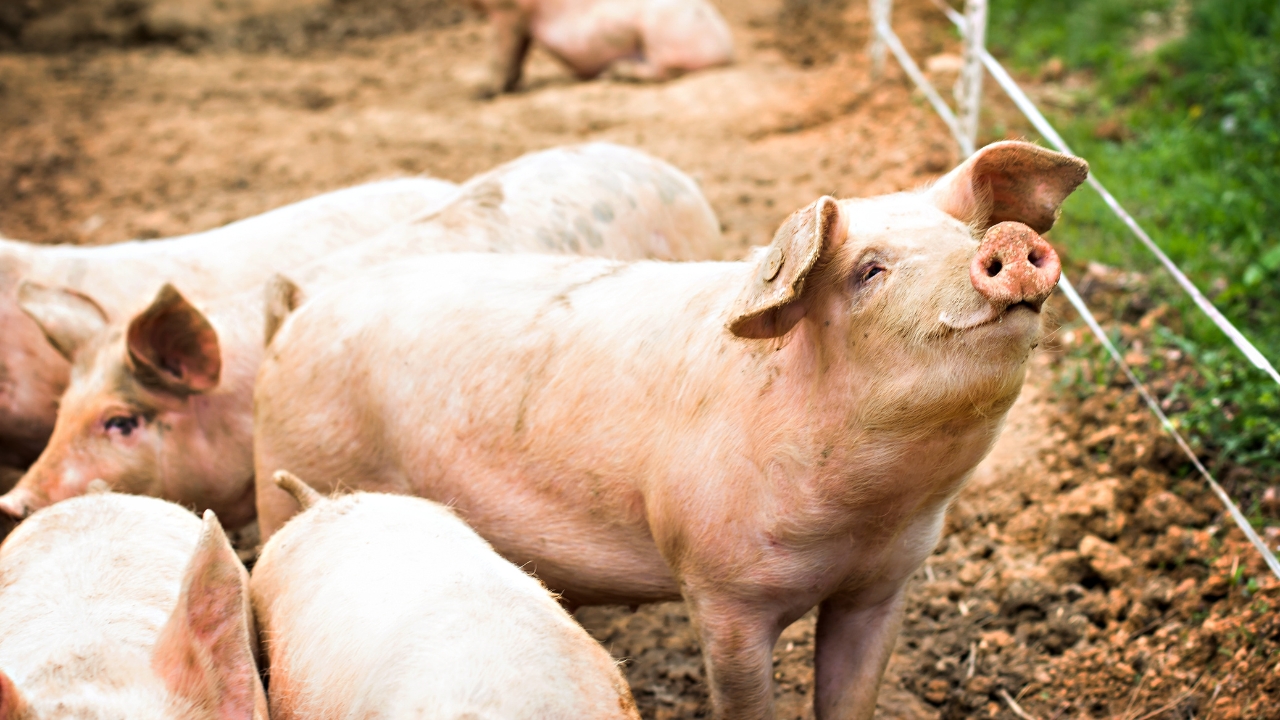
Pigs grow fast and can reach market weight in as little as five to six months, depending on breed and feeding. Breeds like the Yorkshire, Duroc, and Berkshire are popular for their fast growth and quality meat. If you have the space and resources, pigs are one of the most profitable livestock to raise.
They’ll eat a wide variety of food, but a balanced diet is key for proper growth. Pasture-raised pigs can supplement their diet by foraging, reducing feed costs. Since they reproduce easily, keeping a breeding pair or small herd can provide a consistent meat supply or income through piglet sales.
Goats (Meat Breeds)
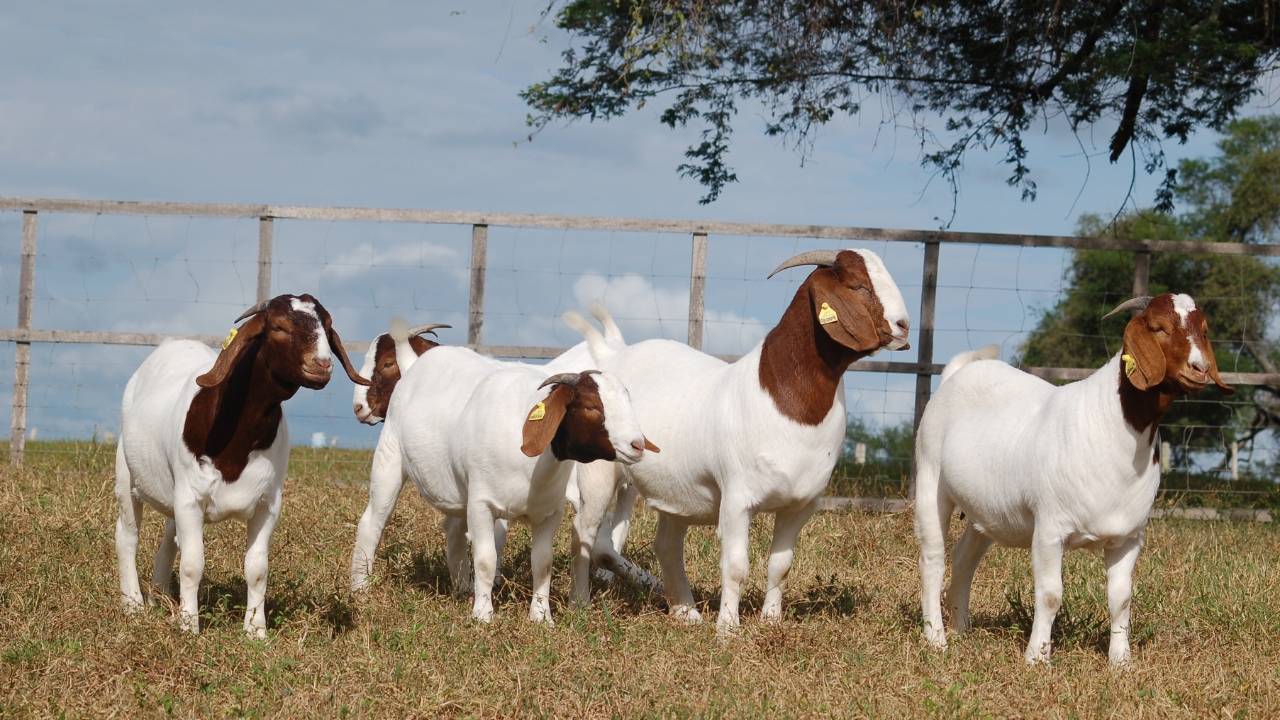
Meat goats, like Boer and Kiko breeds, grow fast and can be processed as early as six months old. They require less land than cattle, making them a great option for small-scale meat production. Goats are also excellent at clearing overgrown land, which means they can serve more than one purpose on a homestead.
They thrive on browse rather than traditional pasture, so if you’ve got brushy areas, they’ll do well. While goats are hardy, they do need strong fencing—if there’s a weak spot, they’ll find it. If you’re looking for a low-maintenance meat source, goats are worth considering.
Sheep (Meat Breeds)

Sheep grow fast, with lambs reaching market weight in six to nine months. Hair sheep breeds like Katahdins and Dorpers are especially popular for meat since they don’t require shearing. They do well on pasture alone, keeping feed costs down compared to grain-fed livestock.
Sheep are easier to contain than goats and tend to be lower maintenance. They also produce a secondary income stream if you choose to sell wool or lambskins. Whether you’re raising them for personal consumption or sale, meat sheep offer a solid return in a relatively short time.
Turkeys (Broad-Breasted Varieties)

If you want a fast-growing meat bird that’s bigger than a chicken, broad-breasted turkeys are the way to go. They reach processing weight in about 16 to 20 weeks, with toms often hitting 30 pounds.
Turkeys require more space than chickens but are surprisingly easy to raise. They do well on pasture, supplementing their diet with forage. If you time it right, you can raise turkeys for the holiday market, where demand is high, and prices are better.
Geese
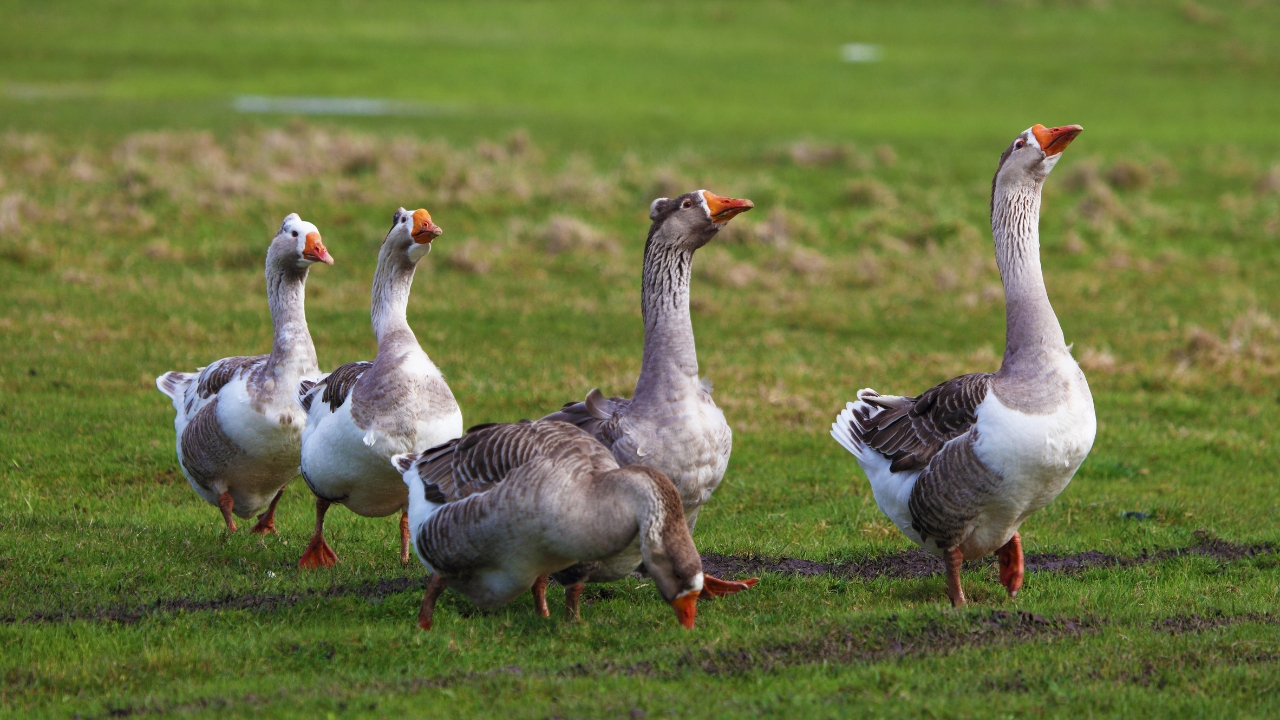
Geese grow quickly, with some breeds reaching processing weight in eight to twelve weeks. They require little supplemental feed when raised on pasture and are excellent foragers, making them cost-effective to keep.
Geese are also known for their strong natural defenses—they’re loud and will alert you to intruders, which adds a layer of security to a farm. If you’re raising them for meat, consider breeds like Embden or Toulouse. If you want eggs, African or Chinese geese are more productive layers.
Bees
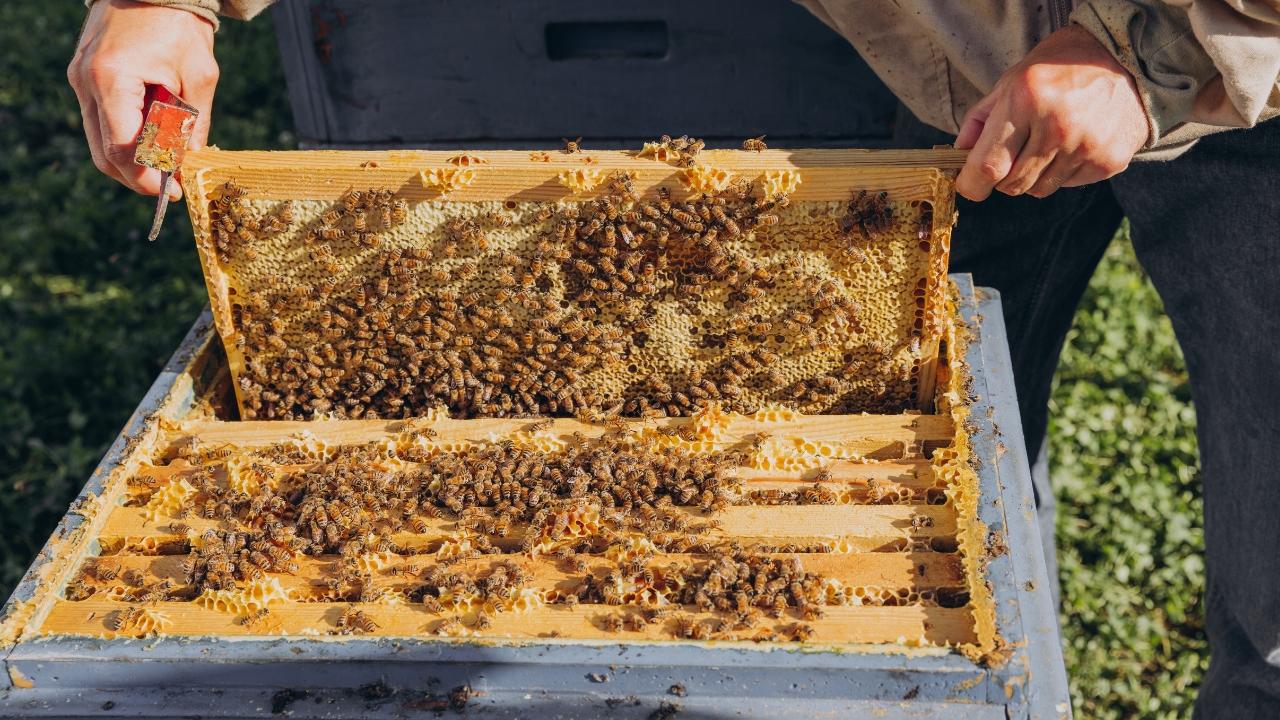
While bees aren’t livestock in the traditional sense, they produce honey and wax that can bring in real income. A well-managed hive can start producing honey in its first season, depending on conditions. Bees also provide pollination benefits, which can improve garden and orchard yields.
Beekeeping requires an initial investment in hives and protective gear, but once established, it’s a relatively low-maintenance operation. Honey, beeswax, and even bee pollen have strong markets, making this a profitable addition to a homestead.
Coturnix Quail

Coturnix quail are bred for rapid growth and egg production. They mature in about six weeks and start laying eggs shortly after, making them one of the fastest-producing livestock. Their small size means they require little space, and they can be raised in stacked cages or aviaries.
They produce consistently, laying an egg almost every day under the right conditions. Because quail eggs are popular in specialty markets and restaurants, there’s a high demand for both eggs and meat. If you want a low-space, high-return livestock option, quail are a great choice.
*This article was developed with AI-powered tools and has been carefully reviewed by our editors.