11 Landscaping Choices People Notice Before the House
Photo credit: Annie Japaud/Pexels.com
You can mow the lawn and call it done, but the front yard is what sets the tone. People clock the big shapes, the edges, and the stuff that looks like it’s been ignored for months. The good news is most of it is fixable in a weekend, with the right priorities.
1. Overgrown Walkway And Driveway Edges
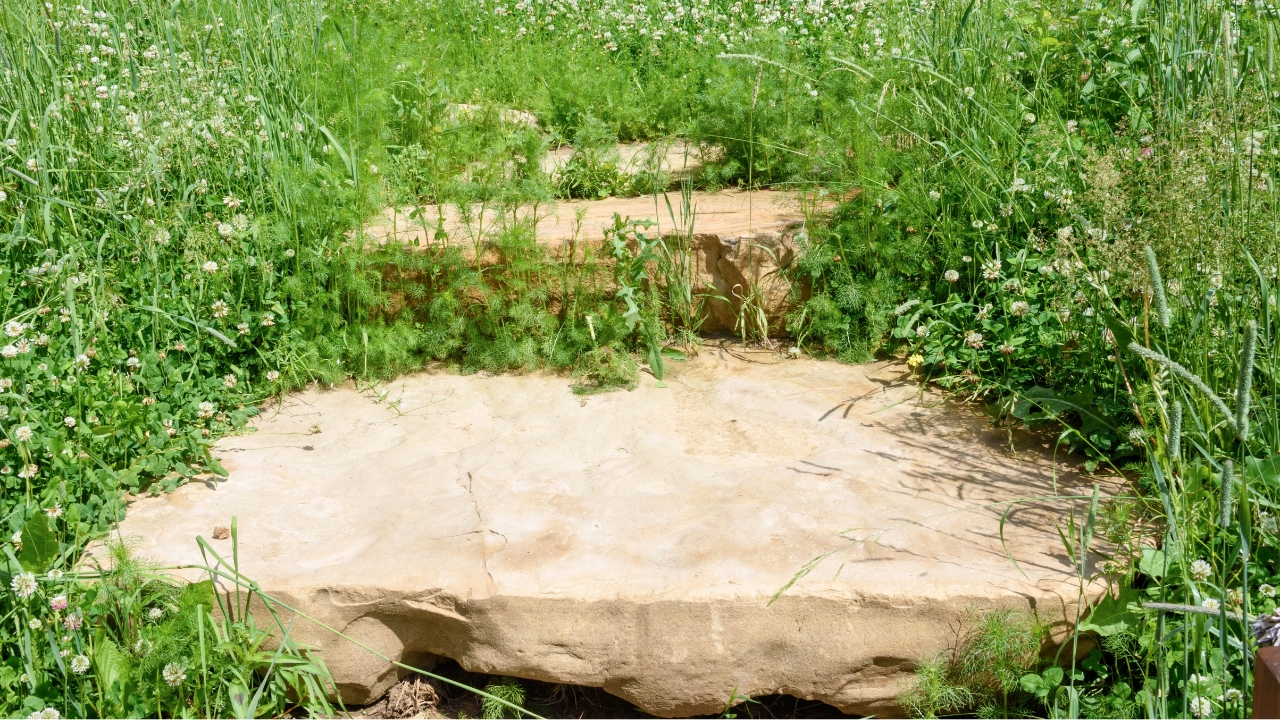
Nothing says “behind on chores” like grass creeping over concrete. It makes the whole place look smaller and a little neglected, even if the house is spotless. It also holds moisture against the edge and can speed up cracking in freeze and thaw areas.
Cut a clean line with a half-moon edger or a string trimmer held vertical, then blow the clippings off the hardscape. If you want it to stay sharp longer, install a simple metal or plastic landscape edging strip and keep it just a hair above grade. A clean edge is one of the cheapest, fastest upgrades you can do.
2. Mulch Piled Against The Siding
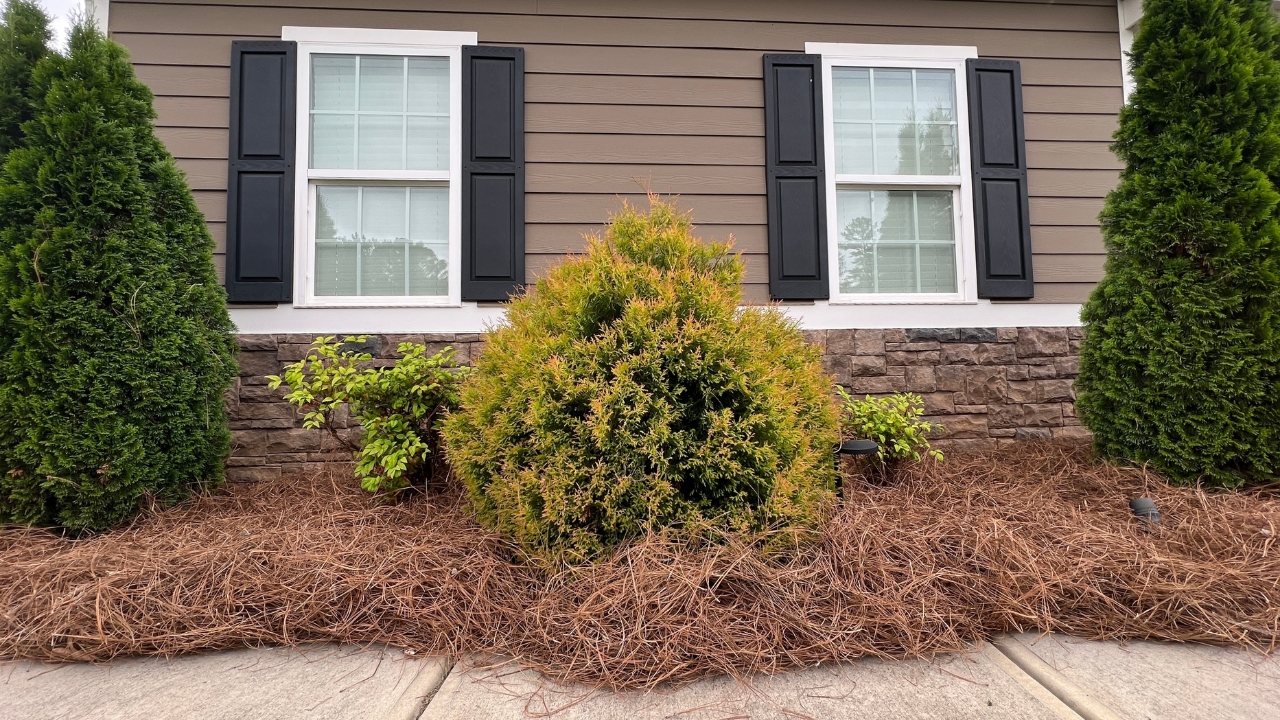
That volcano mulch ring around shrubs looks tidy for about a week, then it turns into rot and bugs. Piling mulch against siding traps water, invites carpenter ants and termites, and can stain or warp wood trim. It also smothers the plant’s crown.
Rake mulch back so there’s a few inches of bare space around the trunk and keep it below the bottom edge of siding. Aim for a flat, even layer, not a mound. If the bed looks thin after pulling it back, add more mulch farther out, not higher up.
3. Patchy Lawn From Dull Mower Blades
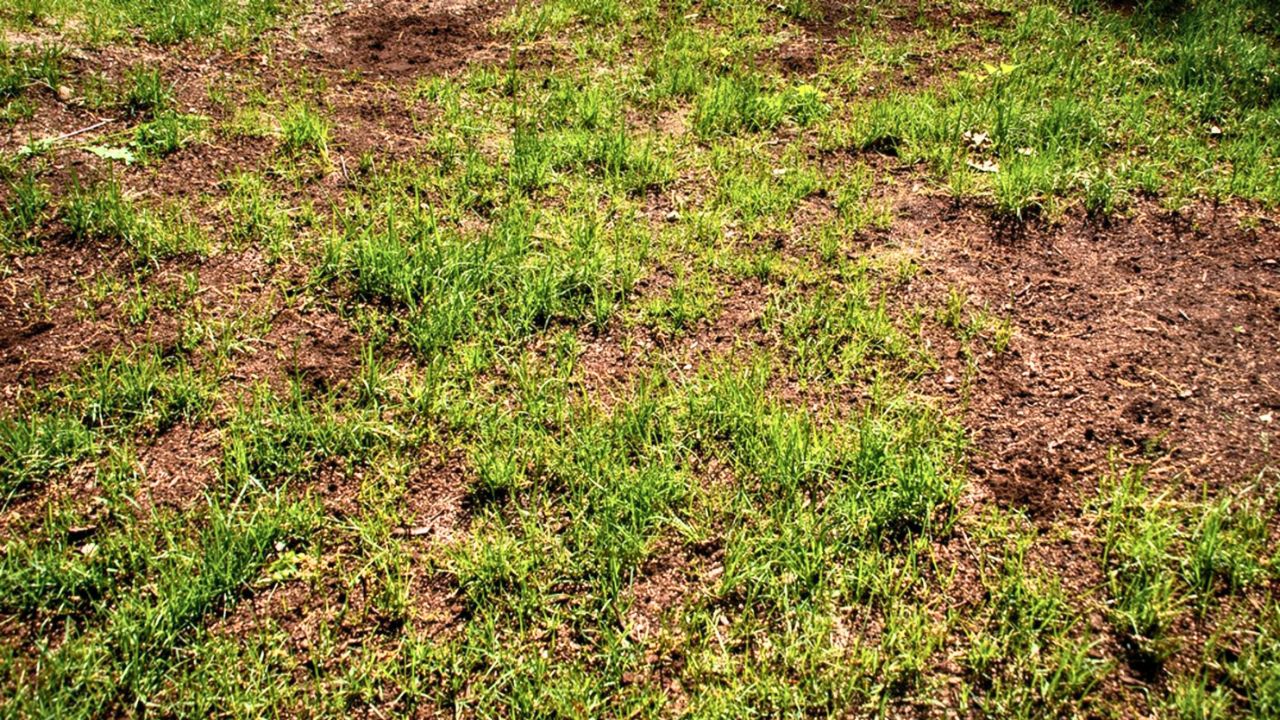
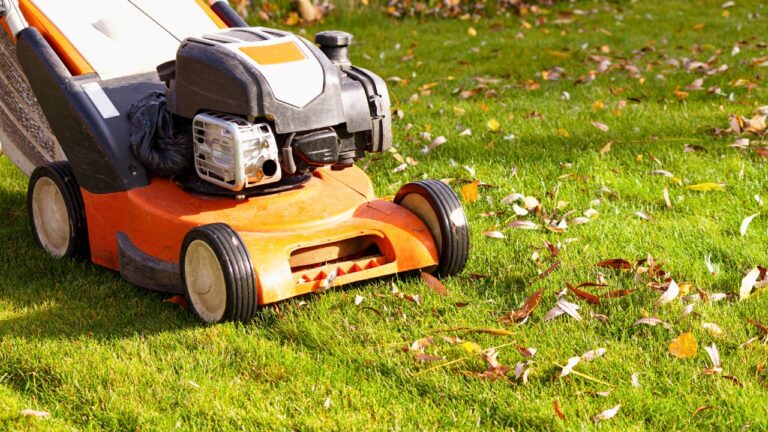
If your lawn looks frayed and pale a day or two after mowing, the blade is tearing grass instead of slicing it. The tips turn brown, the yard looks dusty from the street, and the grass gets stressed fast in summer heat. People notice that ragged look before they notice the paint color on the front door.
Sharpen the blade a couple times a season, more if you hit sticks, gravel, or roots. Pull the plug wire on a gas mower or remove the battery on an electric mower before you tip it. If you don’t have a bench grinder, a file works fine, it just takes longer.
4. Shrubs Blocking Windows And Walks

Big foundation shrubs are a classic, but they turn into a green wall if you keep shearing the outside. Windows get dark, the entry feels tight, and you end up with bare sticks inside the plant. It also creates hiding spots near doors and ground-floor windows, which is a real safety issue.
Instead of trimming everything into a box, thin shrubs by cutting a few older stems down low so light can get in. Step back and keep the walkway clear by at least a couple feet. If a shrub is planted too close to the house and needs constant hacking, dig it out and replace it with something that stays smaller, or move it in fall when it’s cooler.
5. Cheap Solar Lights In Random Clumps

Those bargain solar stake lights fade, tip over, and start looking like yard litter. When they’re spaced randomly, the front yard feels busy and unfinished, like the plan changed halfway through. In winter, they often stop charging well and you’re left with dead plastic spikes.
If you want lighting, commit to fewer fixtures placed with purpose, at the walkway turns, steps, and the house numbers. Clean the panels a few times a season and push them into firm soil so they stand straight. Honest exception, if you only need a little light for a party or a short-term fix, the cheap ones are fine, just pull them when they start looking rough.
6. Weeds Sprouting Through Cracks
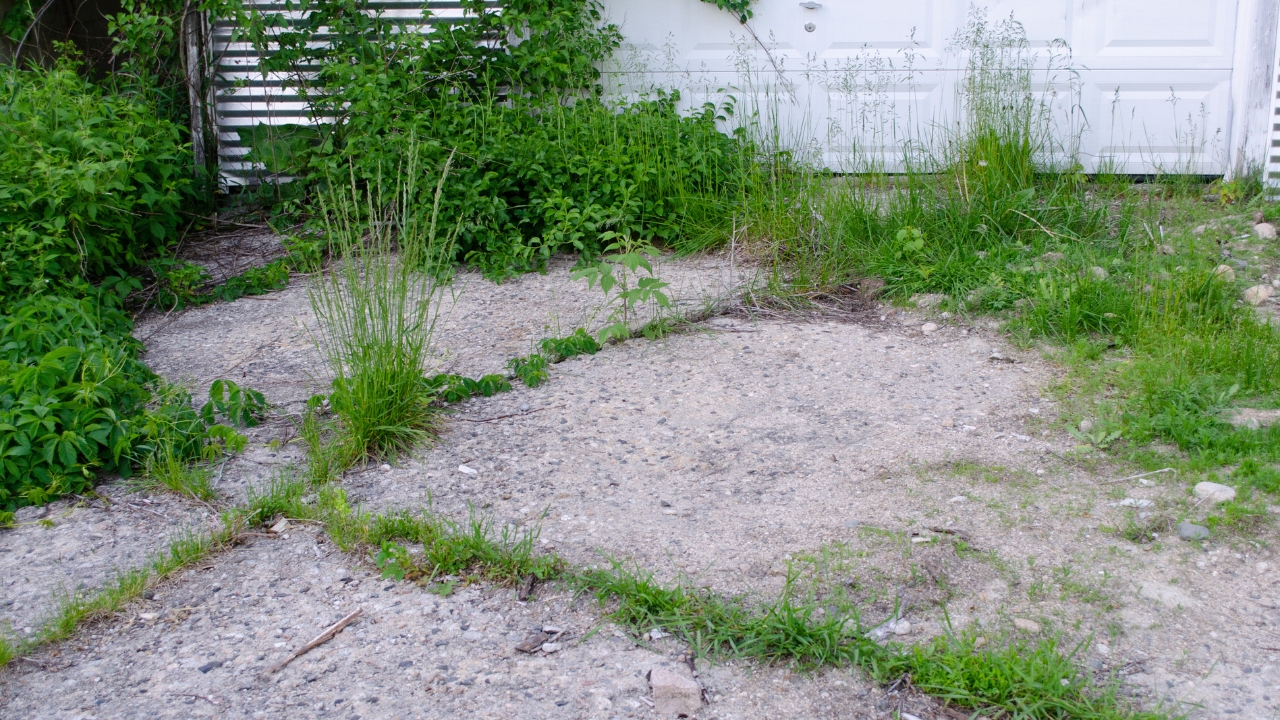
Weeds in sidewalk and driveway cracks read as neglect from the curb. They also widen cracks by holding moisture and prying at the edges as roots grow, especially in older concrete. Once you see a line of green, you can’t unsee it.
Pull small weeds after a rain when the soil is soft, or use a crack weeding tool to pop them out with the roots. For longer-term results, clean the crack out and fill it with the right product, backer rod and self-leveling sealant for wider gaps, polymeric sand for pavers. Skip the salt trick, it kills nearby plants and chews up masonry.
7. Beds With No Clear Border Line
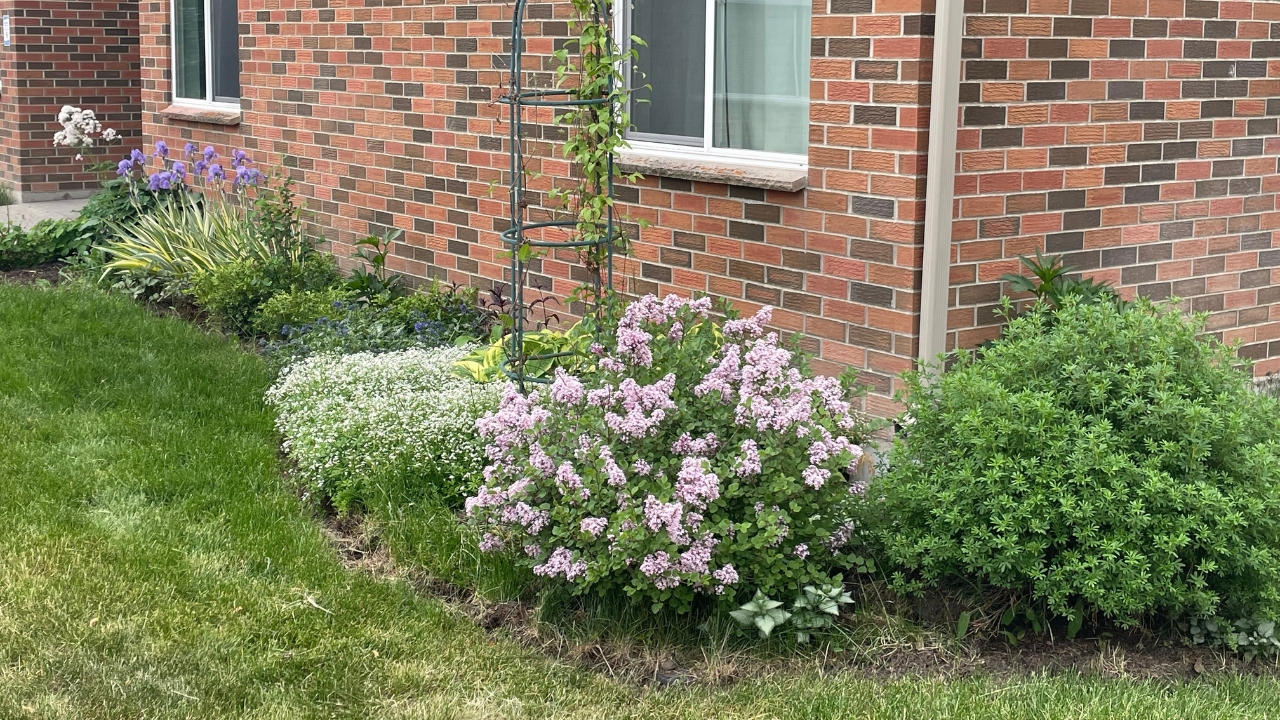
A flower bed that just fades into lawn looks messy even when it’s weed-free. Mowing gets harder, mulch wanders, and grass slowly invades the bed. The eye wants a clean edge to follow.
Cut a shallow trench edge with a spade and keep that curve simple, wide arcs look better than squiggles. If you install edging, set it correctly so it doesn’t heave up after a frost. A crisp border makes basic plantings look planned.
8. Downspouts Dumping Water At The Front

If the downspout spits water right by the stoop or foundation, you get splash marks on the siding, muddy ruts in the mulch, and ice right where you walk in winter. Over time, that runoff can settle the soil and make the front bed sink. People see the stains and the dead spots before they notice your new shrubs.
Add an extension and move water out to a safe area that drains away from the house. If you’re burying a drain line, call for utility locates first and follow local rules. When grading is wrong or water keeps coming back toward the foundation, it’s worth paying a landscaper or drainage contractor to re-slope it properly.
9. Dead Or Stressed Street Trees

A struggling tree out front makes the whole property feel tired. Dead limbs also drop without warning, and that’s not a DIY shrug. A big tree failing over the driveway or walkway is a safety and money problem.
Start with basics, water deeply during dry spells, keep string trimmers away from the trunk, and don’t pile mulch against the bark. If you see large dead branches, cracks in the trunk, or the tree leaning more each year, call a certified arborist. Pruning big limbs and removals are not weekend projects.
10. Garbage Cans And Gear In View
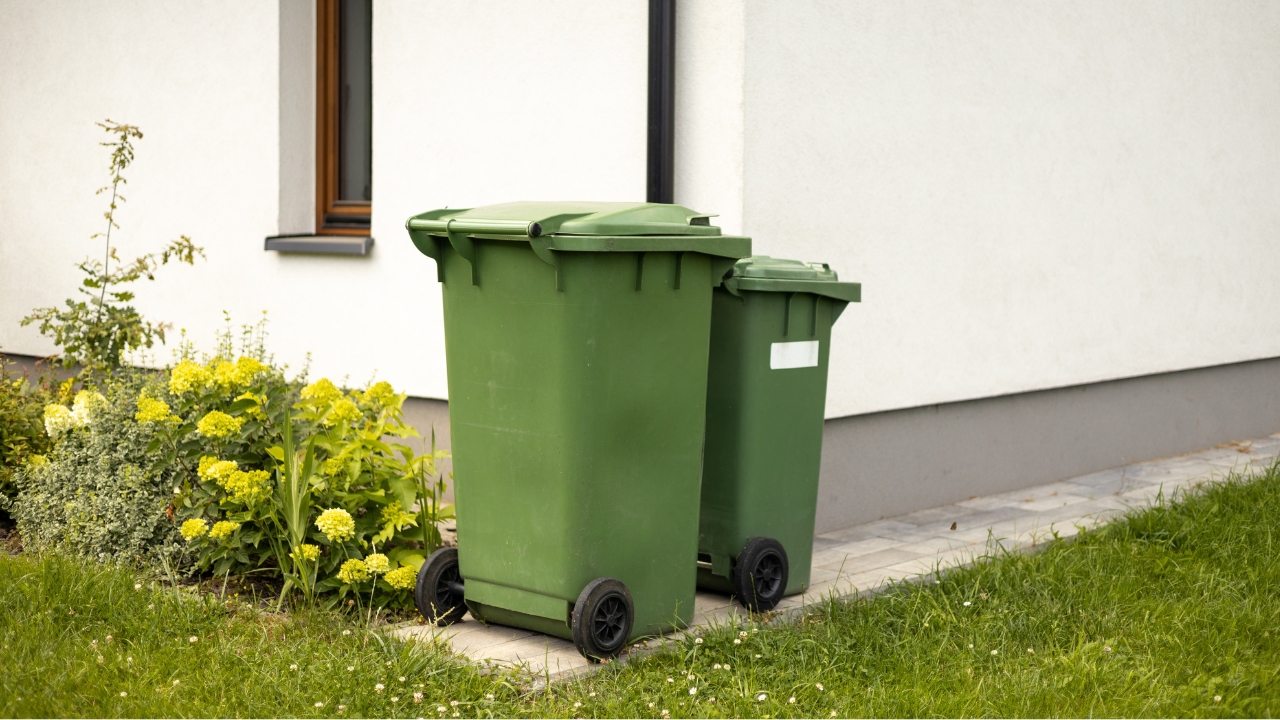
Trash bins, hoses, and kid toys parked by the front steps make the yard feel cramped and chaotic. Even a nice landscape looks cheaper when the first thing you see is a line of cans. It’s a habit issue more than a landscaping issue.
Hide the mess with a simple screen, a short section of fence, or a lattice panel with a vine, placed so you can still roll the cans out easily. Keep hoses on a reel or hanger on the side of the house, not draped across the porch. If you rent and can’t build, a couple tall planters can do the job.
11. Busy Plant Mix With No Simple Pattern
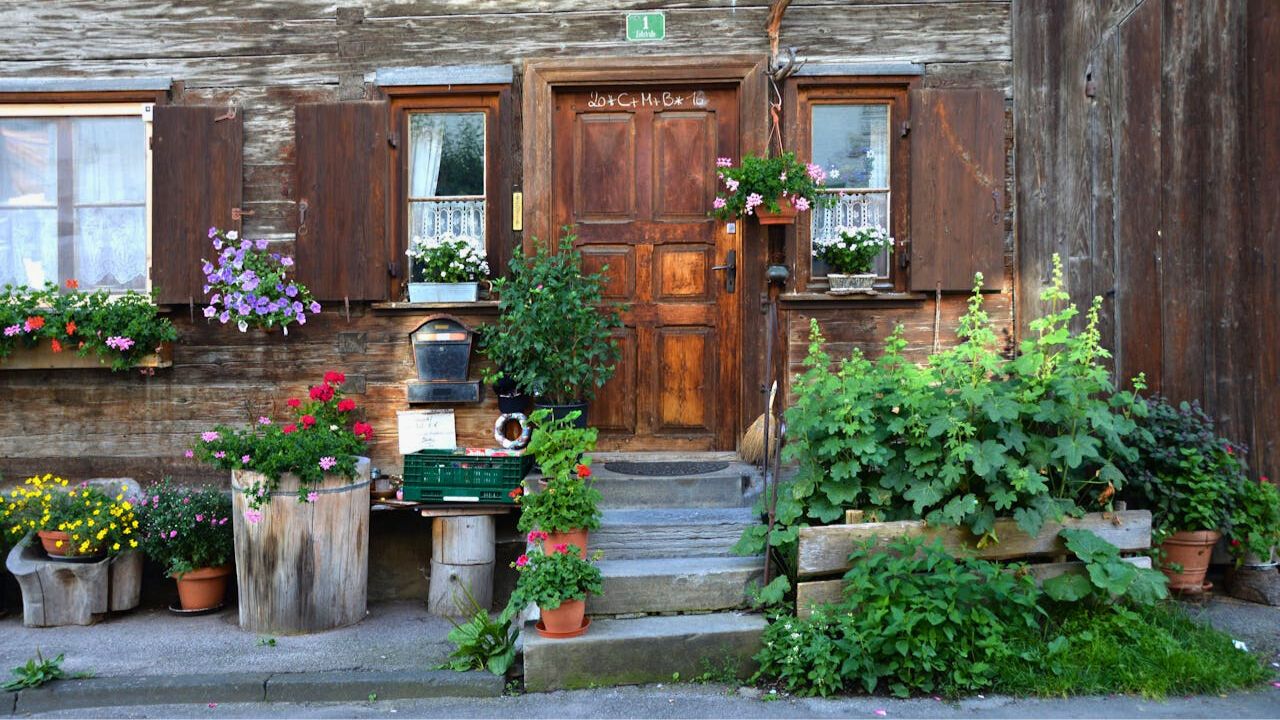
Buying one of everything at the garden center sounds fun, then it looks like a yard sale in plant form. Too many colors and textures in small clumps reads as clutter from the street. It also makes upkeep harder because every plant wants different water and pruning.
Pick a small palette and repeat it. Use larger groups of the same plant, then fill gaps with a plain groundcover or mulch until things grow in. If you already have a mixed bed, edit it over a season by moving duplicates together and removing the stuff that never looks good.
If you want the quickest payoff, clean the edges, fix the water flow, and simplify what’s closest to the walkway. Those changes don’t require fancy plants, just a little intent and a couple hours when the weather cooperates.