11 Things People Never Check Until Water Gets In
Photo credit: Pixel-Shot/Shutterstock.com
Water has a way of finding the one weak spot you forgot about. Most days you don’t notice because everything is dry, quiet, and “good enough.” Then a heavy rain, a frozen night, or a backed-up drain shows you what was ignored.
1. Gutter Joints That Drip Behind
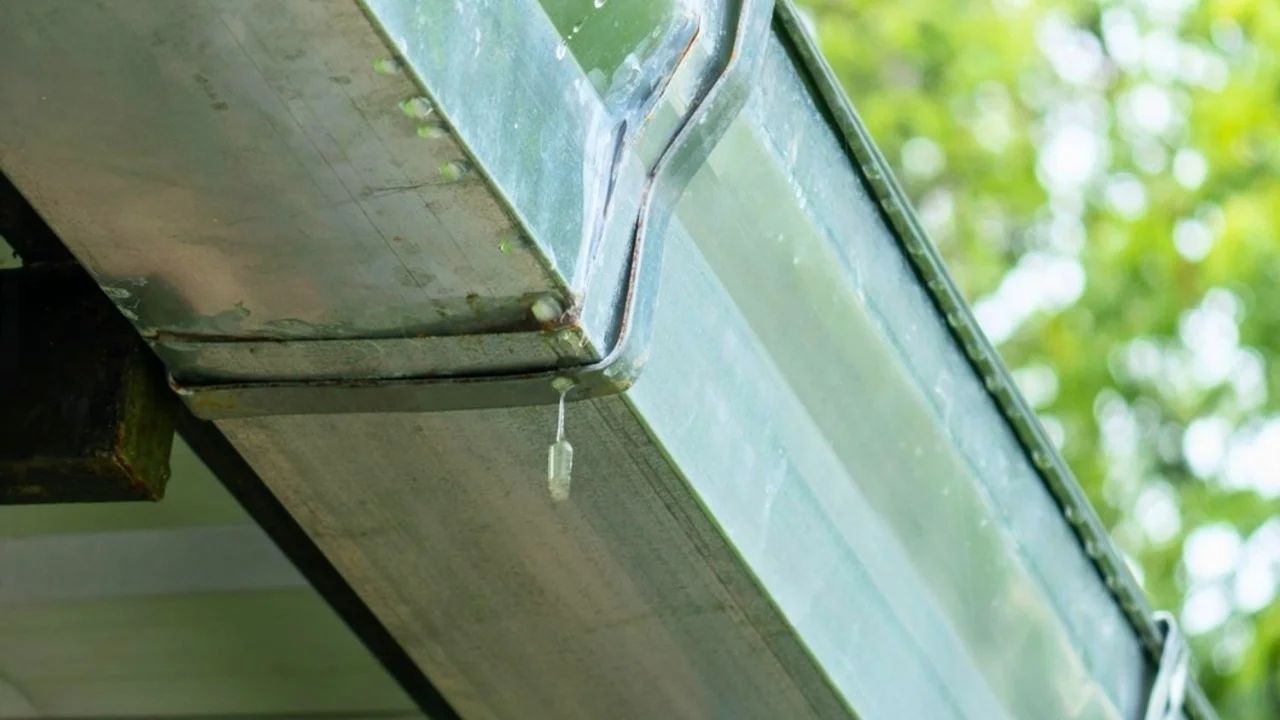
You clean leaves out, feel proud, and call it done. But the leak usually isn’t the clog, it’s the seam that drips behind the gutter and rots the fascia board. You’ll see water streaks, peeling paint, or a soft edge where you nail the gutter hanger.
On a dry day, run a hose on the roof for a few minutes and watch the joints. Tighten loose hangers, replace missing screws, and reseal suspect seams with gutter sealant made for wet conditions. If water is spilling over the back, add a drip edge or rehang the gutter so it tucks under the roofing edge, not just near it.
2. Downspouts Dumping At The Foundation
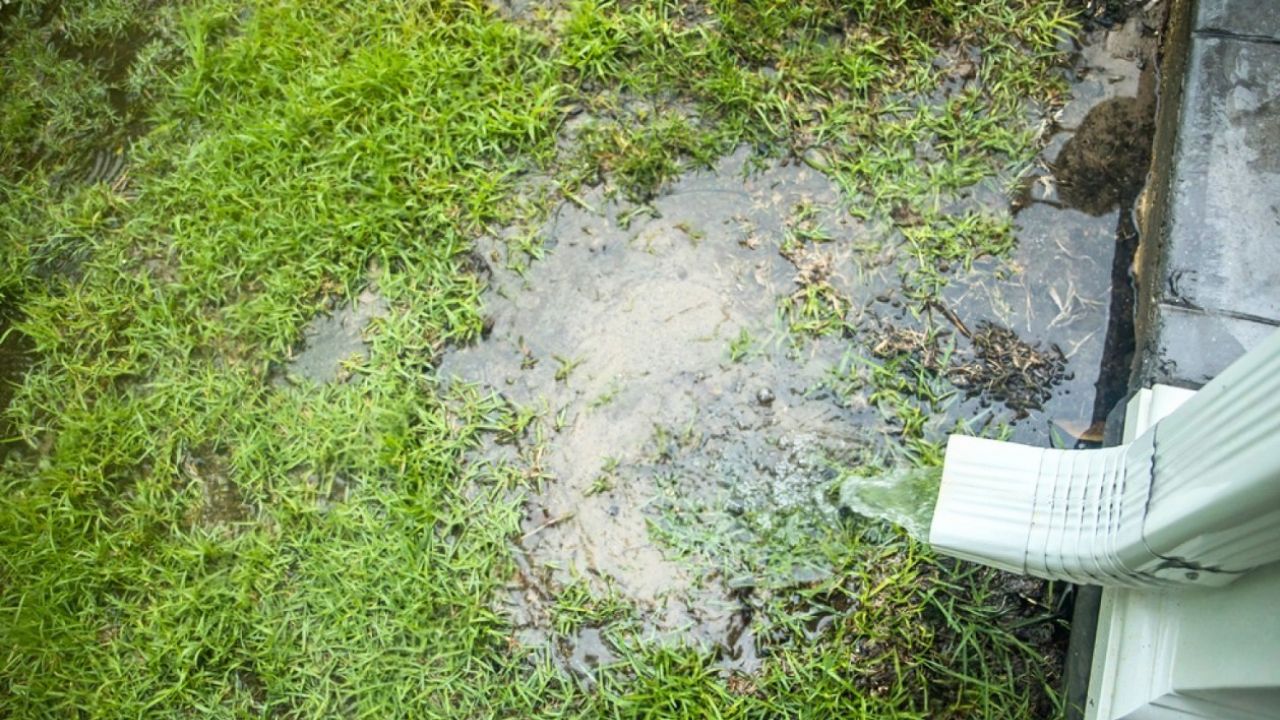
Short downspouts are common because they’re easy. They also dump hundreds of gallons right where you don’t want it, next to the basement wall or crawlspace. After the storm, you get a wet corner, that musty smell, or efflorescence on the inside block wall.
Extend the discharge at least several feet away, more if your yard slopes toward the house. A simple elbow and extension works, or use a solid drain pipe to daylight on a downslope. Skip the cheap corrugated black flex pipe if you’ll be mowing around it forever, it kinks and clogs, but it’s fine for a temporary fix while you plan a better run.
3. Grade Sloping Toward The House

Water doesn’t need a hole, it just needs time. If the soil, mulch, or rock is higher at the foundation than a few feet out, runoff parks against the wall and seeps down. This shows up as puddles along the sill plate line, wet crawlspace vapor barrier, or basement dampness that comes and goes with rain.
Regrade so the soil drops away from the house for the first several feet. Use a shovel, a landscaping rake, and a level on a long board, it’s not fancy. Keep soil below siding and weep holes, and don’t bury the bottom edge of wood trim.
4. Window Well Drains Packed With Silt
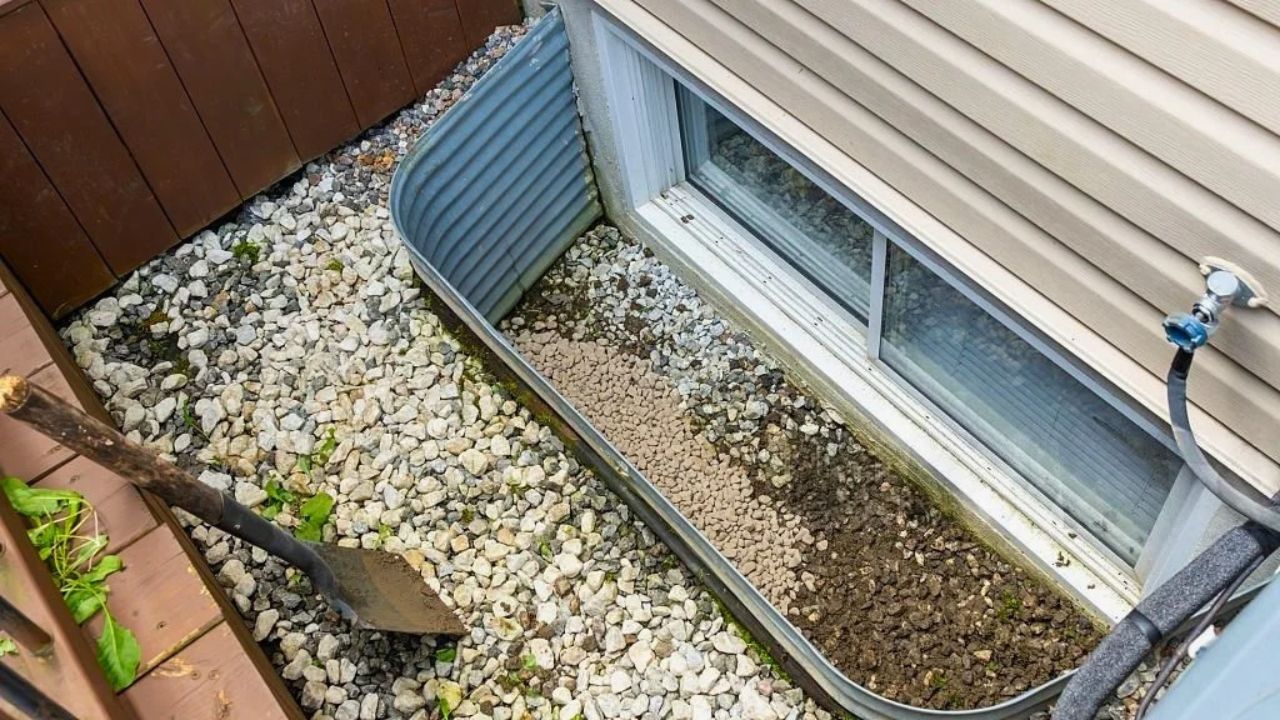
Window wells look fine until they turn into buckets. Leaves, soil, and mulch wash in, the drain clogs, and the next big rain pushes water right up against the window frame. You find it later as wet carpet, bubbling paint, or a stained basement window stool.
Pull the grate, scoop out debris, and flush the drain with a hose. If it doesn’t take water, it needs a real cleaning and sometimes a new line, which can be a bigger dig than people expect. Before digging, call your utility locate number, and if the window is below grade with chronic flooding, a drainage pro is worth paying.
5. Caulked Exterior Gaps With No Backer Rod
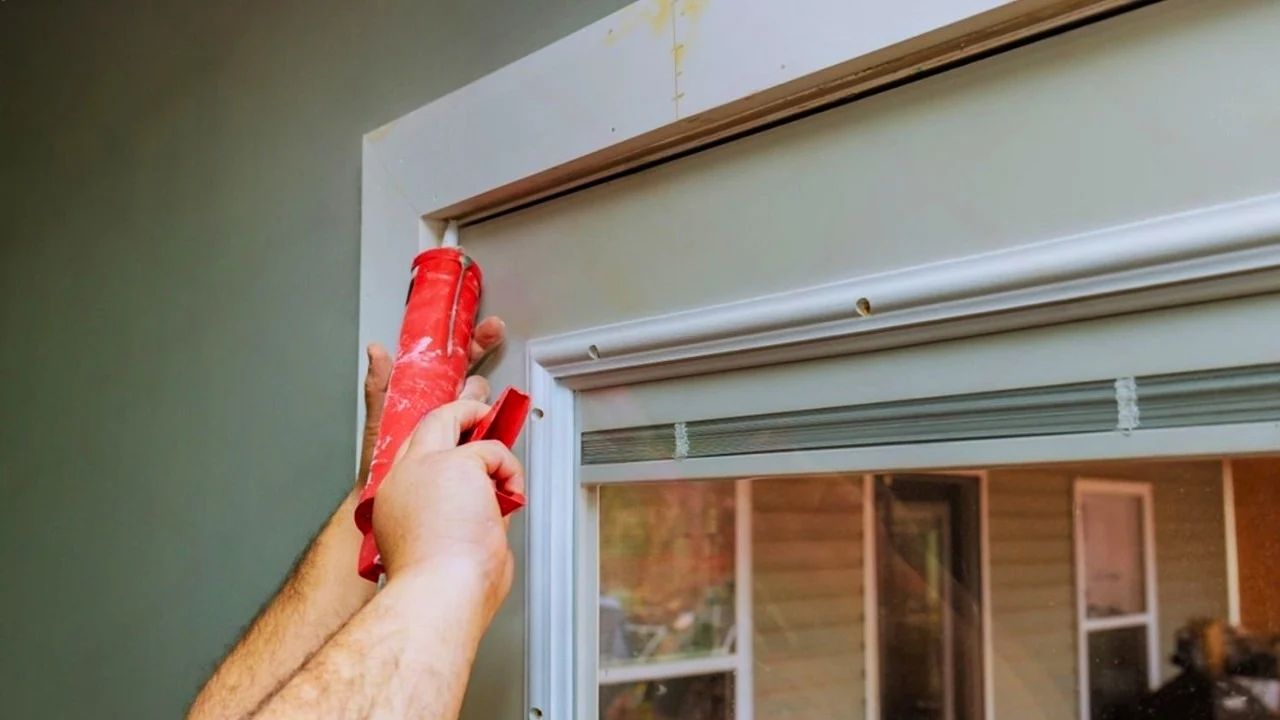
Caulk feels like a cure-all, so people smear it into a deep crack and walk away. A thick blob fails fast because it can’t flex right, and it pulls loose from one side. Then water gets behind trim, around doors, and into the wall cavity where you won’t see it until the drywall stains.
For wide gaps, push in foam backer rod first so the sealant bridges properly instead of filling a canyon. Use an exterior-rated sealant, not painter’s caulk, and cut the tip small so you’re not laying down a rope. If the gap keeps opening, you’re chasing movement, not a missing bead.
6. Roof Flashing At Chimneys And Walls
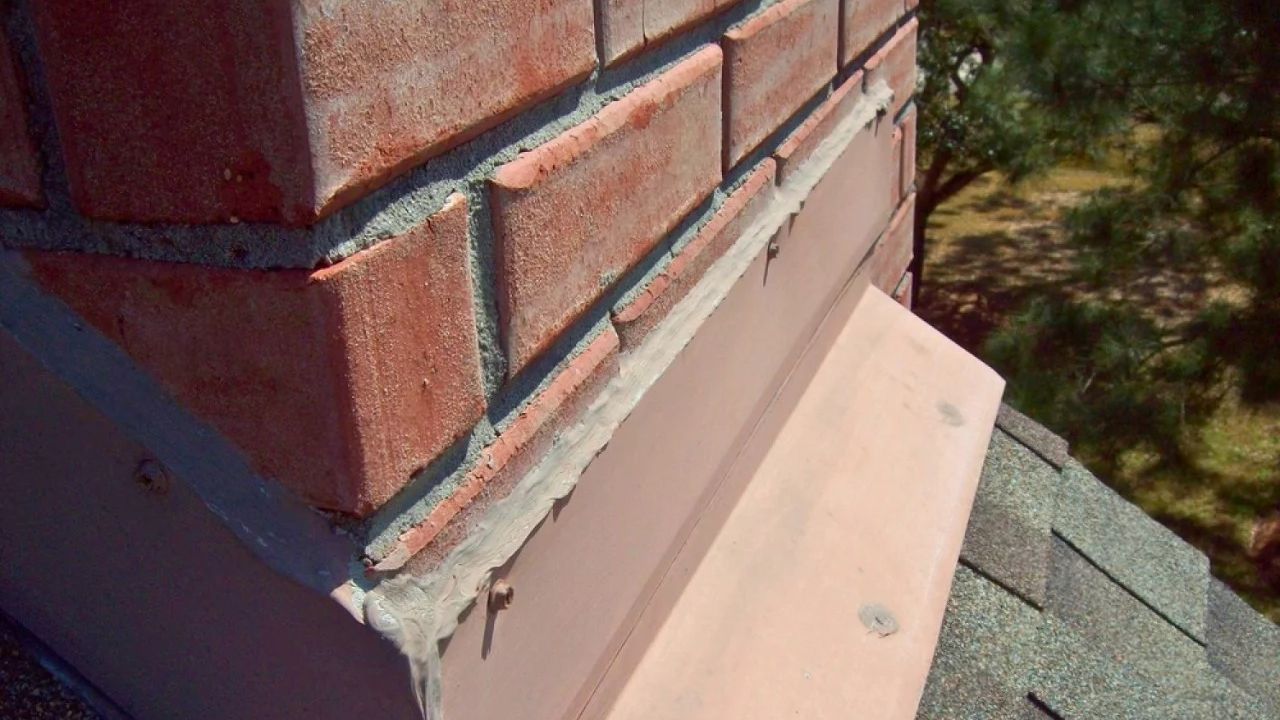
Shingles get all the attention, but flashing is the part that keeps water from running sideways into your house. The first hint is often a stain on the ceiling a few feet from the chimney, or wet drywall at a sidewall after wind-driven rain. By the time you see it inside, the sheathing has already been taking a beating.
This is not the place for a tube of tar and a hope. Proper step flashing, counterflashing, and kick-out flashing at the bottom of a roof-to-wall joint need to be right, and local codes apply. If you’re not comfortable on a roof or you’re dealing with masonry, call a licensed roofer, it’s cheaper than rebuilding rot.
7. Sump Pump That Never Gets Tested
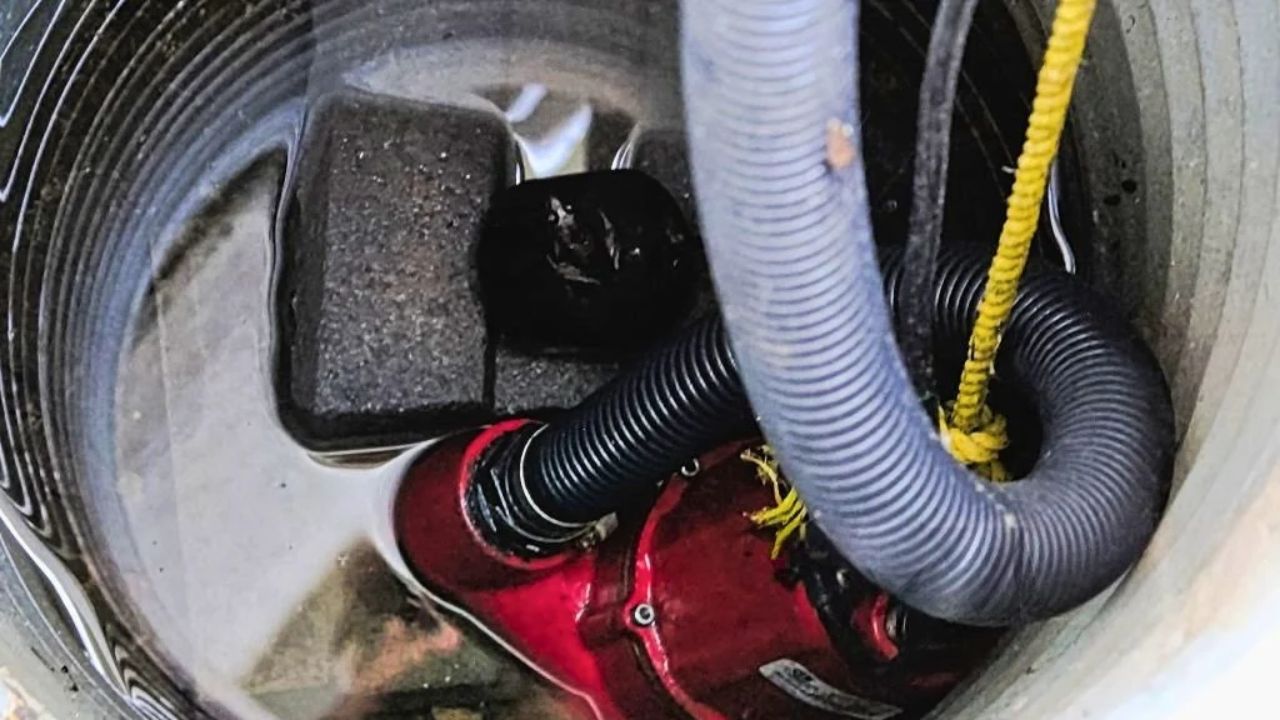
If your sump runs only during storms, it’s easy to assume it’s fine. Then the power flickers, the float sticks, or the discharge line is frozen, and the pit fills to the top. You hear nothing until you hear water.
Pour a bucket of water into the pit and watch it cycle. Check that the check valve isn’t hammering and that the discharge is moving water outside, not just vibrating a pipe. If you rely on a sump to protect finished space, a battery backup can make sense, but keep expectations realistic and test it too.
8. Frozen Or Leaking Hose Bibs
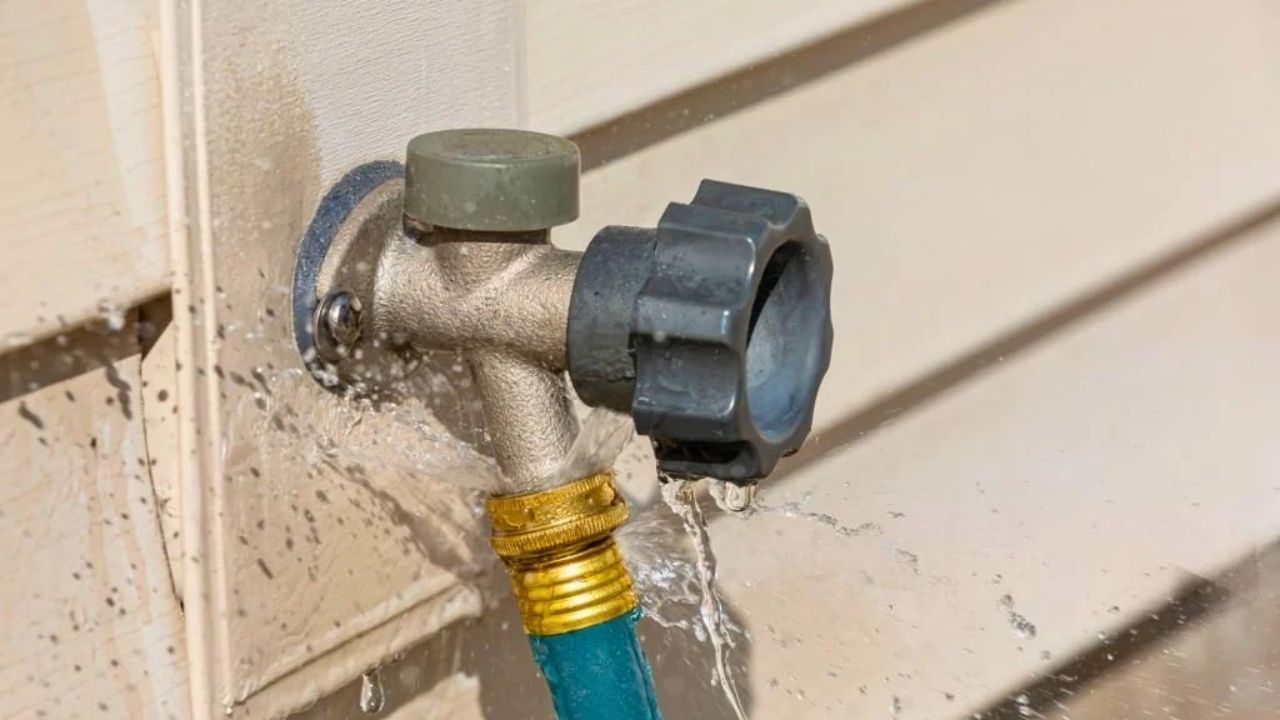
The first cold snap doesn’t always do the damage, the first thaw shows it. A split pipe can sit quietly in the wall until you turn on the spigot, then water runs inside the cavity for minutes before you notice. That’s when insulation is soaked and the sill plate starts to darken.
Before freezing weather, shut off the interior valve if you have one, then open the outside faucet to drain. Remove hoses and splitters, they hold water against the valve body. If you don’t have a shutoff and you’re in a cold zone, have a plumber install one or swap to a frost-free bib, that work is inside the wall and worth doing clean.
9. Washing Machine Hoses Past Their Prime
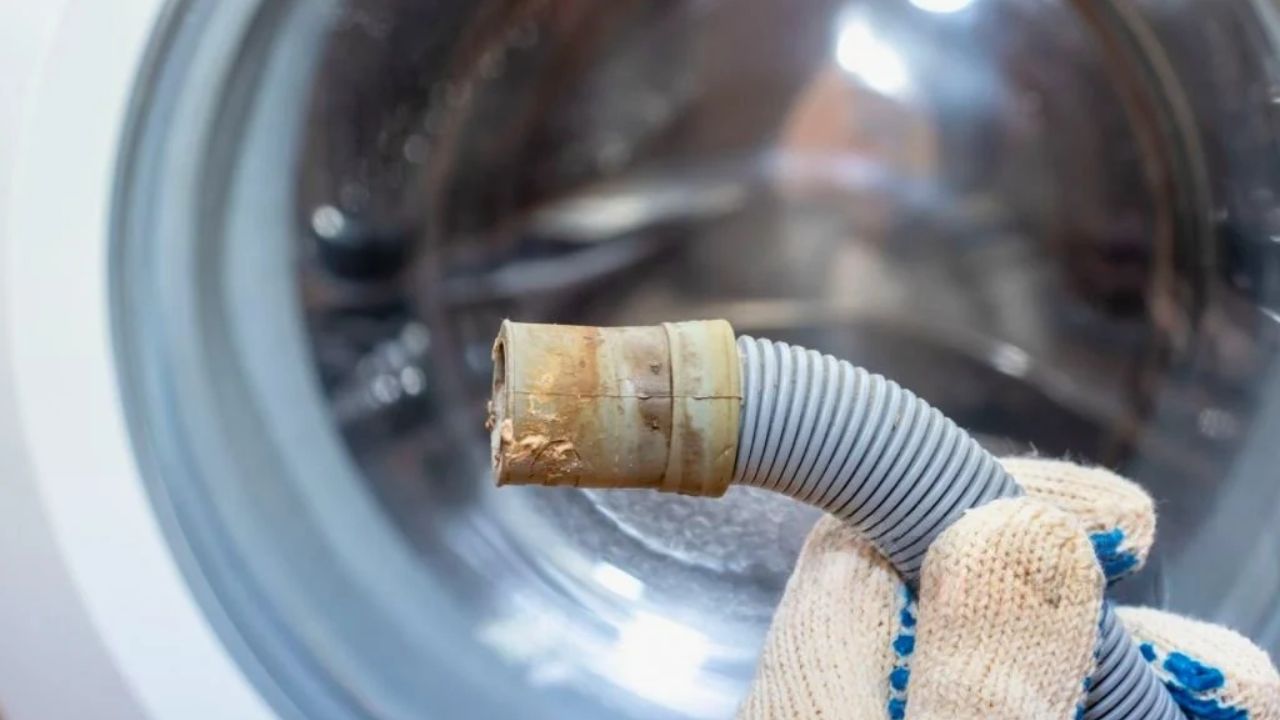
Rubber washer hoses don’t look scary until they burst. When they go, they don’t drip, they spray full pressure, and a laundry room can flood fast. It’s one of the more expensive “simple” failures because water finds baseboards, drywall, and the room below.
Swap old hoses for braided stainless versions and replace them on a schedule, not when they fail. If you’re gone all day, shut the supply valves when you leave, it’s a habit that pays off. A laundry pan and drain help too, but only if that drain actually goes somewhere safe.
10. Main Shutoff Valve Nobody Can Turn
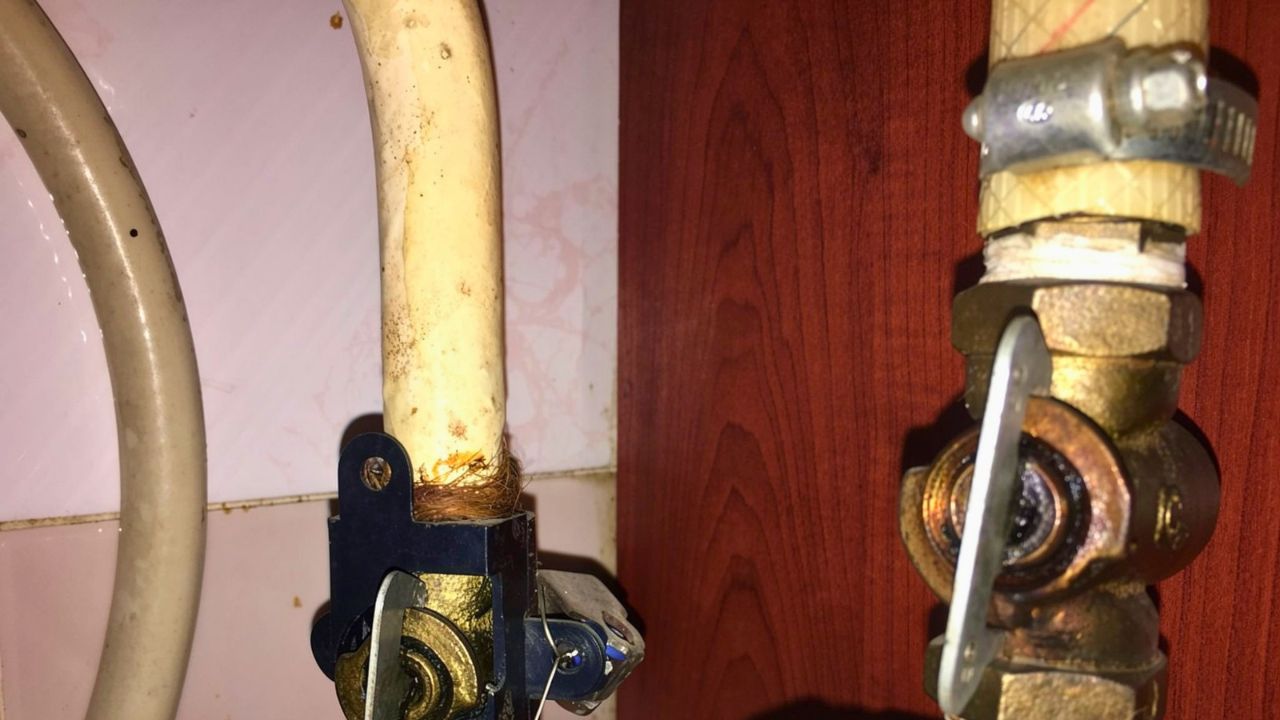
In an emergency, a stuck valve turns a small leak into a long one. People only discover it’s seized when the water is already running and the handle won’t budge. Then you’re hunting a curb stop with a flashlight and wet socks.
Find the main shutoff now and make sure you can operate it. If it’s an old gate valve, consider replacing it with a ball valve, and that is usually a plumber job unless you’re set up to solder or crimp and can shut water off at the street. Keep the area clear, and keep the right wrench nearby for the curb box if your town allows homeowner access.
11. Septic Lids And Cleanouts After Heavy Rain
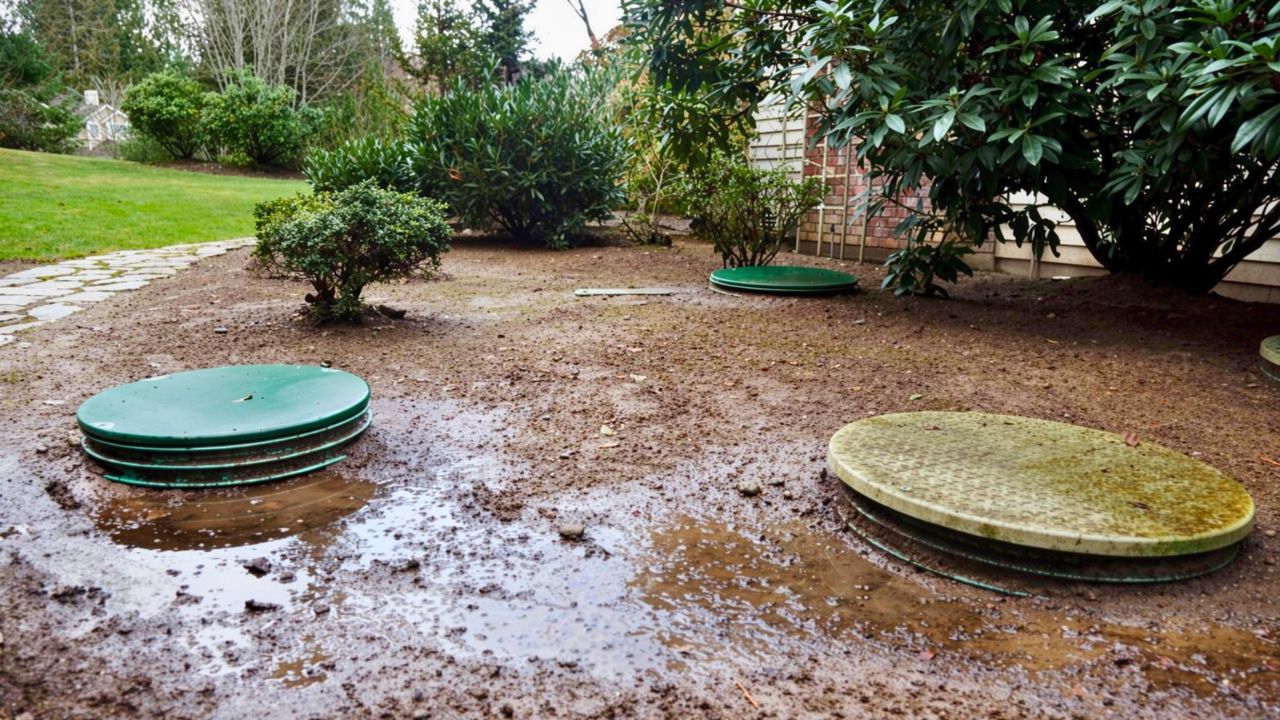
On septic or even a long private sewer run, surface water can sneak in through cracked lids, missing riser gaskets, or low cleanouts. You notice it as gurgling drains, a wet patch that shouldn’t be wet, or a tank that seems “full” for no reason. It can also wash soil into the tank, which is a slow, expensive mess.
Keep lids intact and at grade, not buried under a foot of dirt you forget about. Don’t seal a septic lid with random caulk and call it good, use proper risers and gaskets made for that system. Any work around the tank, baffles, or lines is a job for a licensed septic contractor in many areas, and permits can apply.
Pick one dry weekend and go hunting for the boring stuff: seams, slopes, valves, and drains. Most water problems start small and loud, then turn quiet and rotten. Catch them while the fix is still a tube of sealant, a shovel, or a half-hour with a wrench.
Like Fix It Homestead’s content? Be sure to follow us.