11 Things You Should Never Run on a Small Generator
Photo credit: JarizPJ/Shutterstock.com
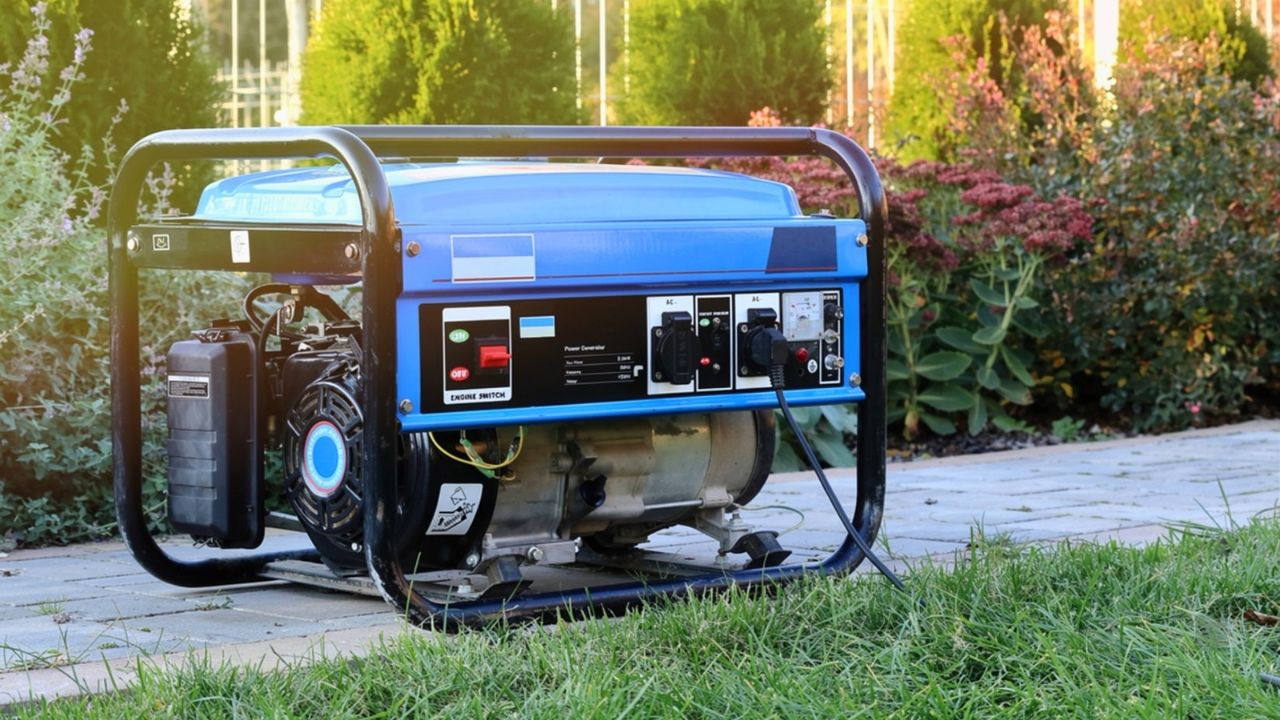
A small generator feels like freedom until you plug in the wrong load and it bogs down, surges, or quits. Most of the trouble comes from two things, too much starting wattage and messy power. Treat a little unit like a big one and you can cook a motor, ruin electronics, or spend a pile of fuel for almost nothing.
1. Central Air Conditioner Or Heat Pump
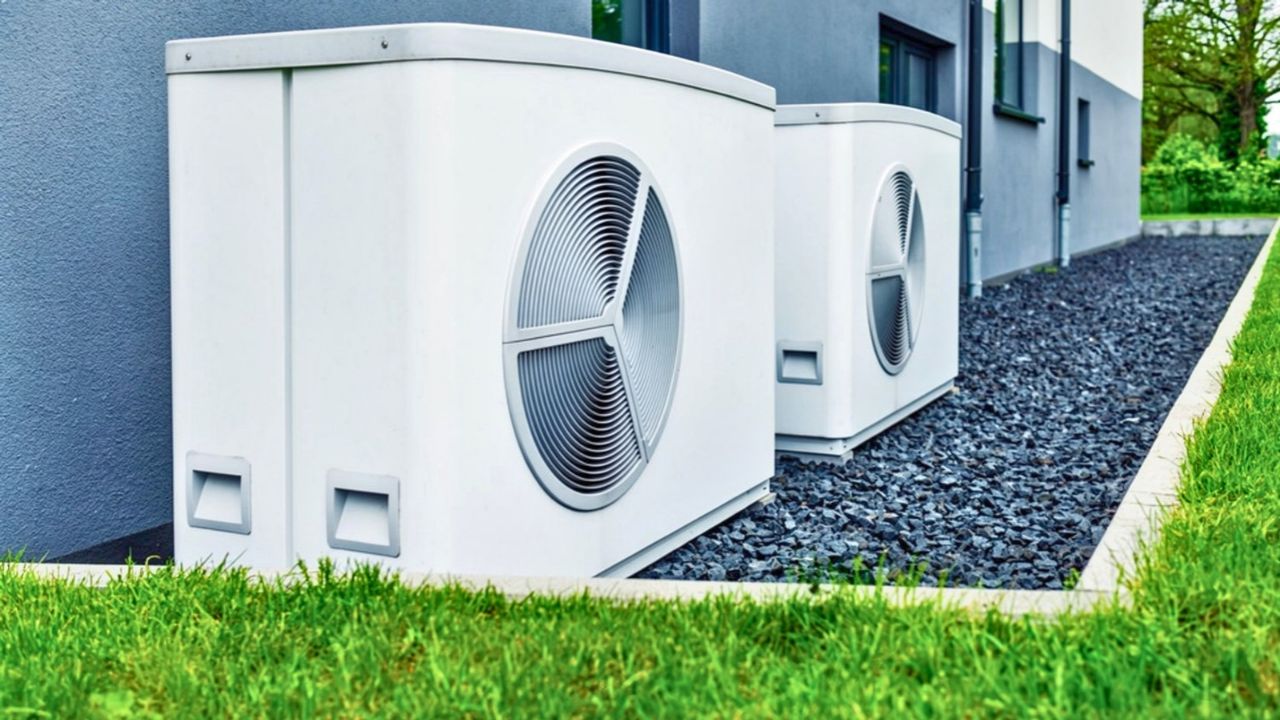
This is the classic dream plug, and it’s a great way to make a small generator sound like it’s chewing rocks. Compressors need a big hit of starting power, then they cycle on and off all day. A small generator hunts and surges, which is hard on the compressor and hard on the generator’s windings.
If you need cooling, run fans, close blinds, and cool one room. If you’re set on running central HVAC during outages, that’s a job for a properly sized generator and a transfer switch installed to code, usually with help from a licensed electrician. Soft-start kits exist for some systems, but they still don’t turn a tiny generator into a whole-house setup.
2. Electric Water Heater Elements
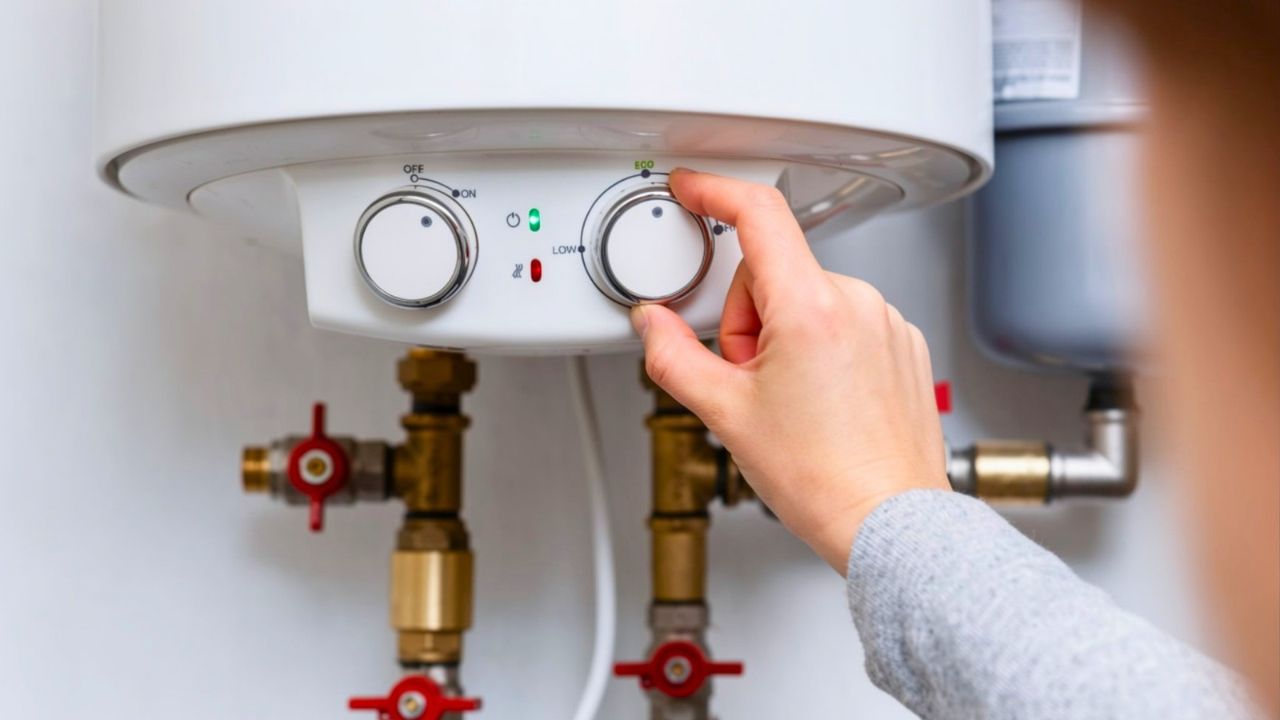
An electric tank water heater looks harmless until you do the math. One element can pull around 3,000 to 5,500 watts, and some heaters can run more than one element depending on the design. A small generator will either trip, stall, or sit there guzzling fuel just to make lukewarm water.
Switch to “off” at the breaker and heat water another way. A propane camp stove outside, a grill side burner, or a simple kettle for sponge baths gets you through. If you have a gas water heater, the generator load is usually just the blower or igniter, which is a totally different story.
3. Electric Oven, Range, Or Cooktop
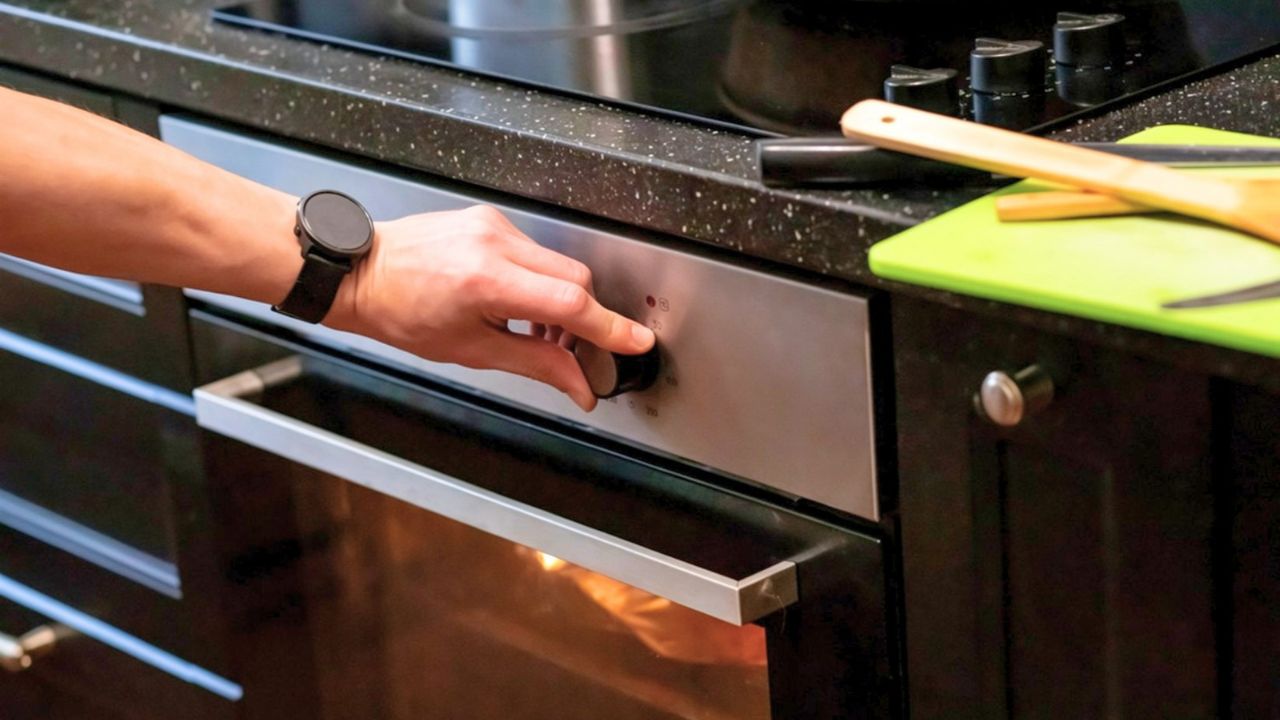
Resistance heat is a generator bully. A single stove burner can pull 1,500 watts, and the oven can pull several thousand more, then cycle and spike. That’s a lot of fuel burned to bake one pan of something.
Cook outside on propane, charcoal, or a camp stove. If you need indoor cooking, use a small microwave for short bursts, but only if the generator can handle its surge. An old-fashioned percolator on a propane flame beats a generator-powered electric coffee maker every time.
4. Clothes Dryer Heating Cycle
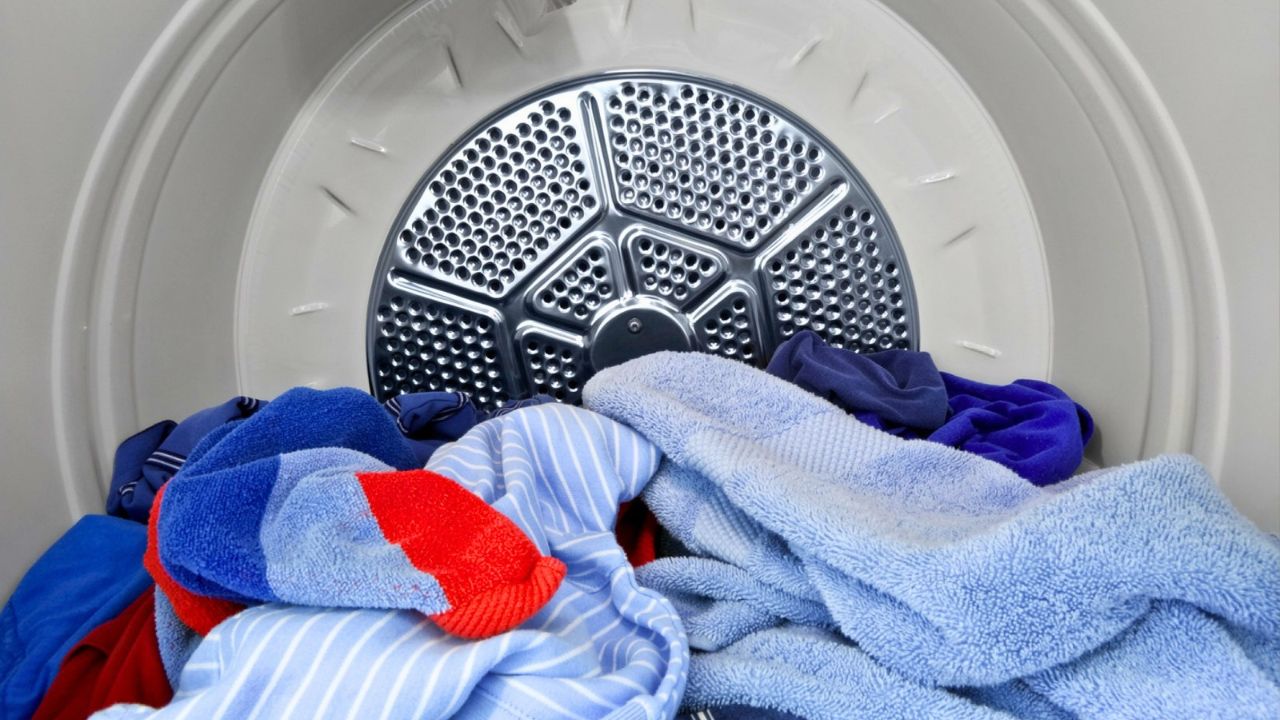
The tumble motor alone might be manageable, but the heating element is not. When the heat kicks in, a small generator drops RPM, lights dim, and the breaker may pop. Even if it “runs,” you’re paying in fuel to remove water that you could remove with time and air.
Use a rack, a clothesline, or a box fan. In winter, a dehumidifier helps if you already have enough generator for it, but most small units won’t love that load either. Laundry can wait a day or two, and your generator will thank you.
5. Well Pump Without Planning
/Shutterstock.com
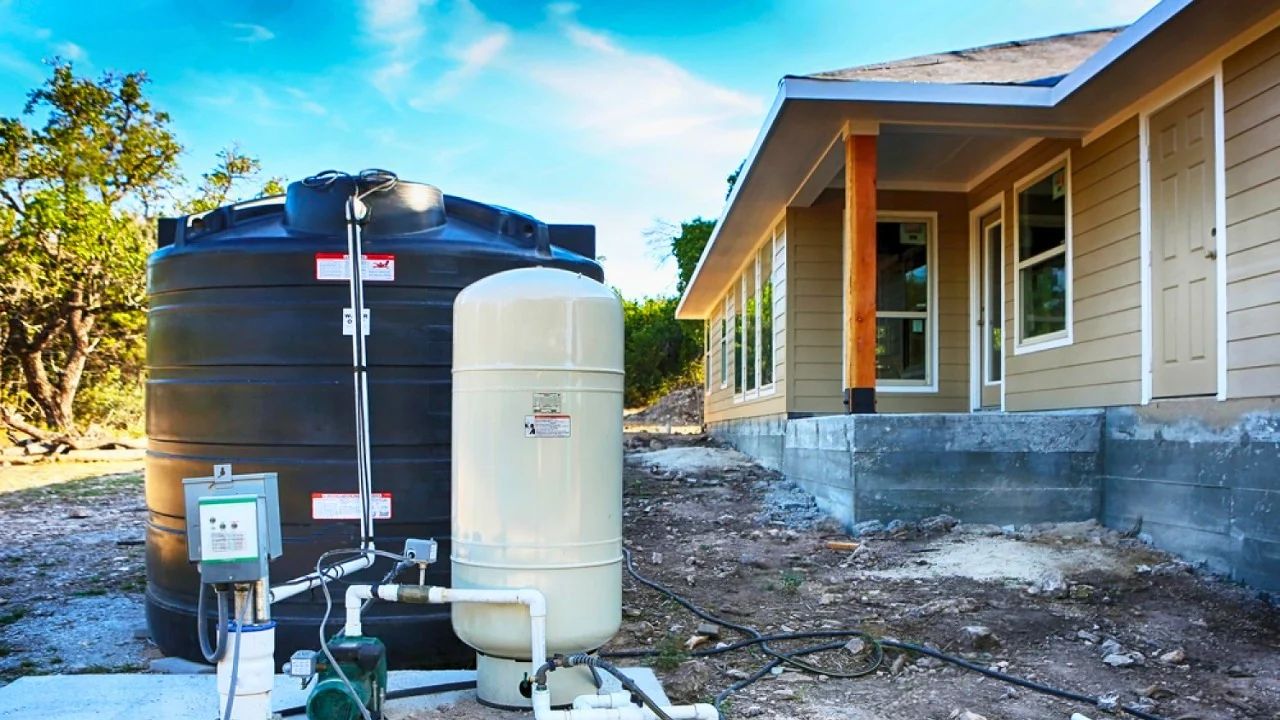
If your well pump is on a standard 120-volt plug and it’s small, it might run fine. Many aren’t. A 240-volt deep well pump has a hard start and can pull a lot more than the label suggests when it kicks on, especially if the pressure tank is low and it has to run a long cycle.
Don’t guess. Check the pump plate, the breaker size, and whether it’s 120 or 240. If it’s 240 or hardwired, stop and call an electrician about a proper inlet and interlock or transfer switch. In the short term, store water in clean containers before storms, and use the generator for a small transfer pump from a cistern or tote if you have one.
6. Space Heaters And Electric Baseboards
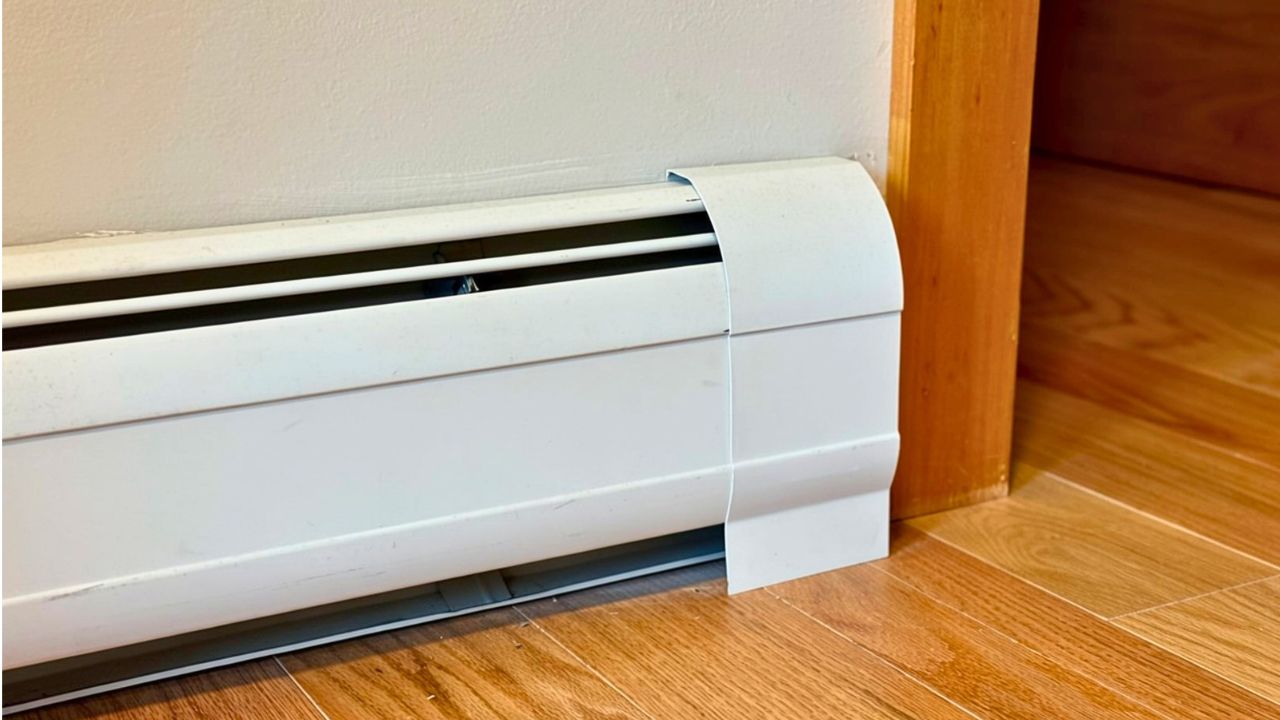
Plug-in space heaters are a fast way to overload a small generator. Most are 1,500 watts on high, and that’s a steady draw. Add a fridge cycling on and a few lights and you’re suddenly in the dark listening to a tripping breaker.
Heat with what was meant to make heat, like a properly vented wood stove, pellet stove, or approved indoor-safe propane heater with a CO alarm. If you have a furnace, the blower load is often reasonable, and the generator can run the heat without making the heat. If any gas work or venting changes are involved, bring in a licensed pro.
7. Big Air Compressors And Shop Welders
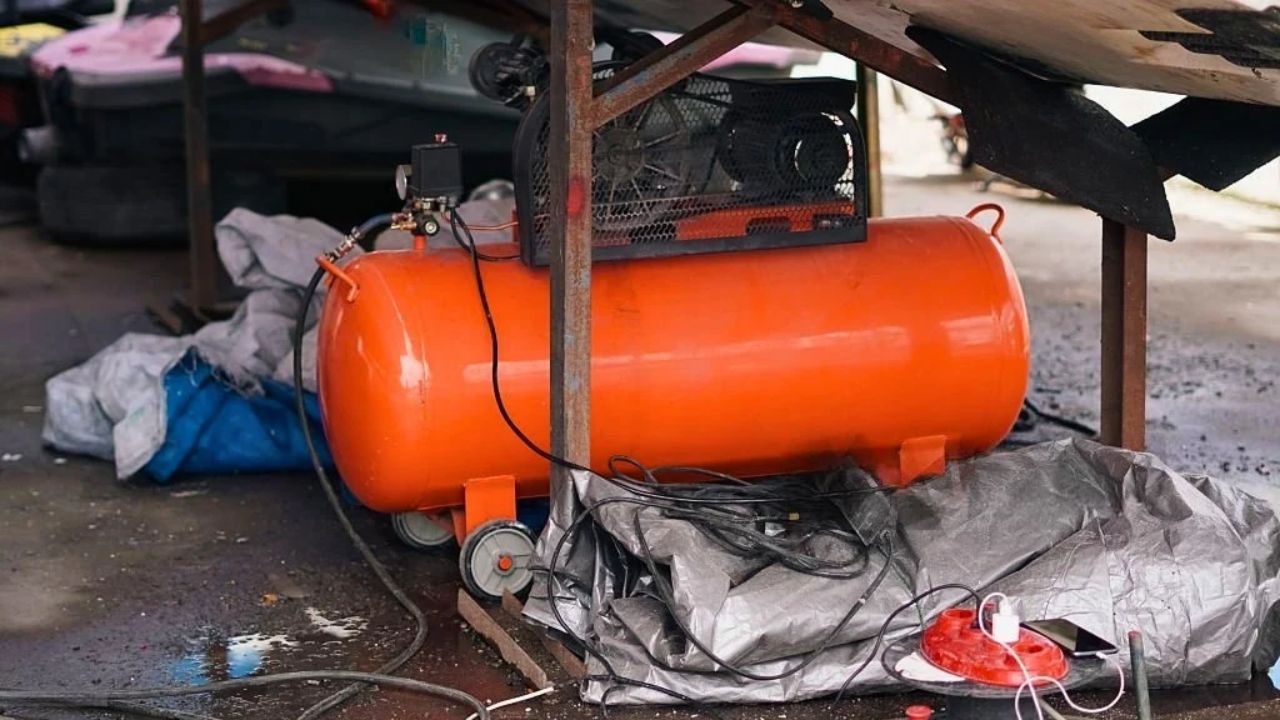
Trying to run a 60-gallon compressor or a welder off a small generator is mostly wasted effort. The motor startup pulls huge current, the generator voltage sags, and the motor sits there groaning. You can cook a capacitor or burn contacts in a hurry.
If you need air, use a small pancake compressor, a battery inflator, or a manual pump for tires. For welding, wait until grid power is back, or use a welder and generator sized for each other. If the job can’t wait, that’s when paying a mobile welder makes sense.
8. Sump Pump With No Backup Plan
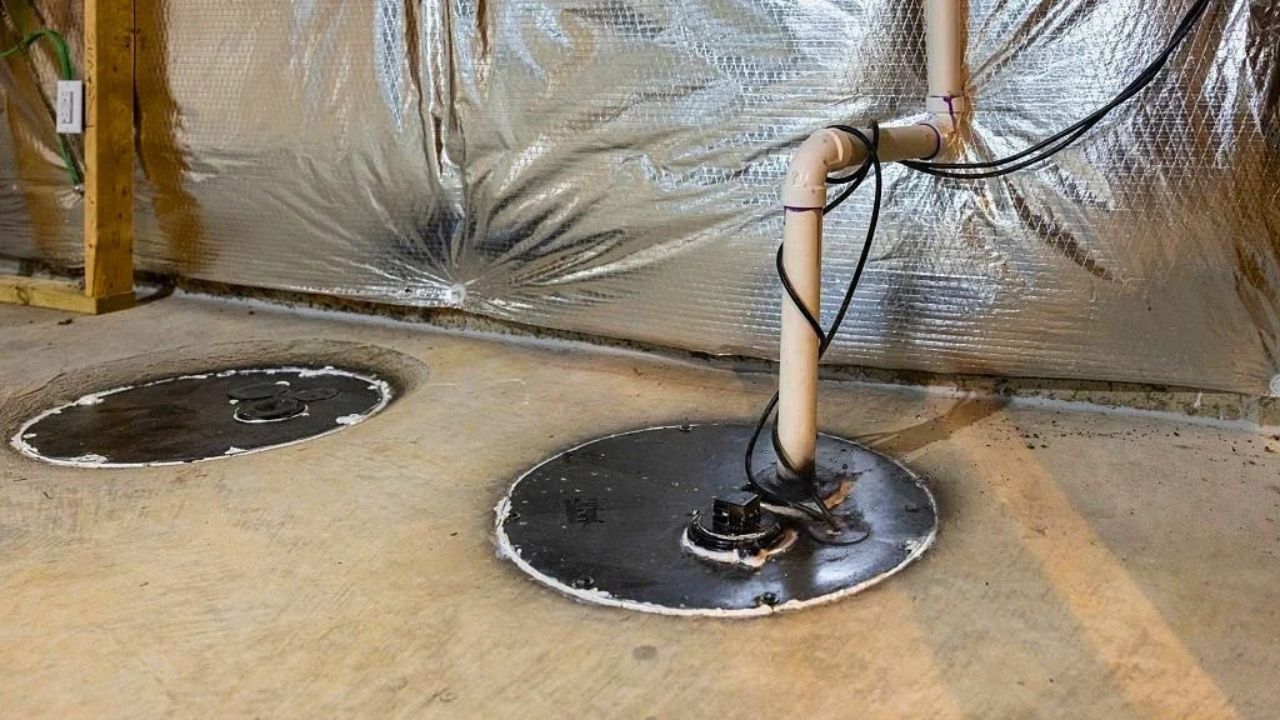
A sump pump seems like it belongs on generator power, and sometimes it does. The problem is timing. Storms knock out power when groundwater is high, and the pump starts every few minutes. A small generator can keep up for a while, then you run out of gas at 2 a.m. and the pit fills fast.
Have a second plan that works while you sleep. A battery backup sump system is boring until it saves the finished basement. If you want the generator to support the pump, test it on a dry day, then set a refuel schedule and keep fuel stored safely in approved cans.
9. Sensitive Electronics Without Clean Power

Some small generators put out choppy voltage and wandering frequency, especially the cheap open-frame types. Computers, routers, smart TVs, and modern gaming consoles can freeze, restart, or slowly get damaged by dirty power. It’s not always immediate, which makes it even more frustrating.
If you need to keep electronics alive, run an inverter generator or put a good UPS between the generator and the device. The UPS can ride through the generator’s little hiccups and give you time to shut down clean. Exception: a basic phone charger is usually fine, and it’s one of the best uses of a small generator during an outage.
10. Refrigerator And Freezer Both At Once

A small generator can often handle one fridge or one freezer, but two compressors starting near the same moment is where people get burned. The generator lugs down, the lights flicker, and one or both compressors stall. Repeated hard starts shorten compressor life, and then you have a dead appliance after the storm.
Rotate instead. Run the freezer for an hour, then switch to the fridge, and keep the doors shut the rest of the time. Use a simple appliance thermometer so you’re not guessing, and don’t run long skinny extension cords that make the compressor work harder.
11. Anything Through A Backfed Outlet
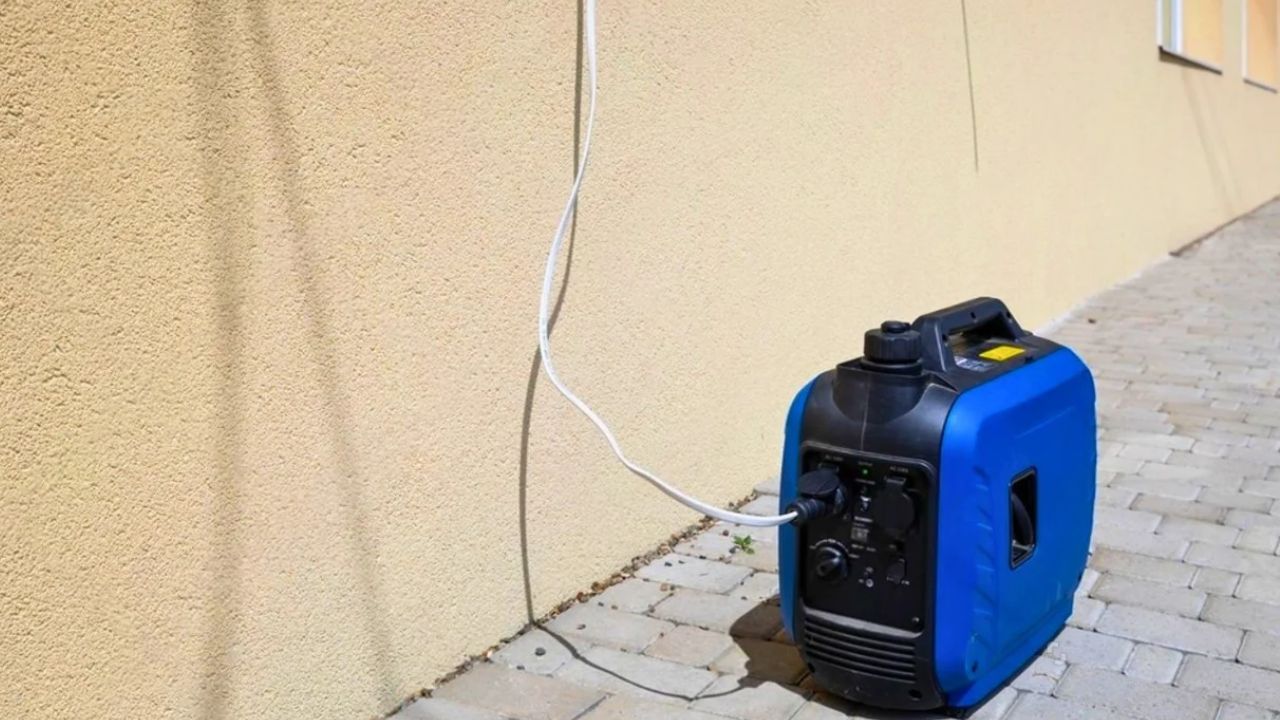
If you plug a generator into a wall outlet to “power the house,” stop. Backfeeding can energize lines you think are dead, and it can kill a lineman or a neighbor with a downed line. It also bypasses normal breaker protection in ways that can cook wiring inside your walls.
The right setup is a transfer switch or an interlock kit with a proper inlet, installed to local code. That’s an electrician job for most people, and permits are often required. Until then, run extension cords to the loads you need, and keep them heavy gauge and out of puddles.
Small generators do their best work on simple, steady loads and short runs, not whole-house comfort. If you match the machine to the job, it starts easier, burns less fuel, and lasts longer. When you need more than that, the fix is planning and wiring, not wishful plugging-in.
Like Fix It Homestead’s content? Be sure to follow us.