12 DIY Landscaping Ideas You’ll Probably Regret
Photo credit: OksAks/Shutterstock.com
DIY landscaping can save you money and be really satisfying—until it backfires. Some ideas sound good in theory but don’t hold up once they’re out in the weather, under foot traffic, or left to grow for a season or two.
Before you pour time, effort, and supplies into a project, it’s worth knowing what tends to flop. These common DIY landscaping ideas seem popular but often turn into more trouble than they’re worth.
Building a Fire Pit Too Close to the House
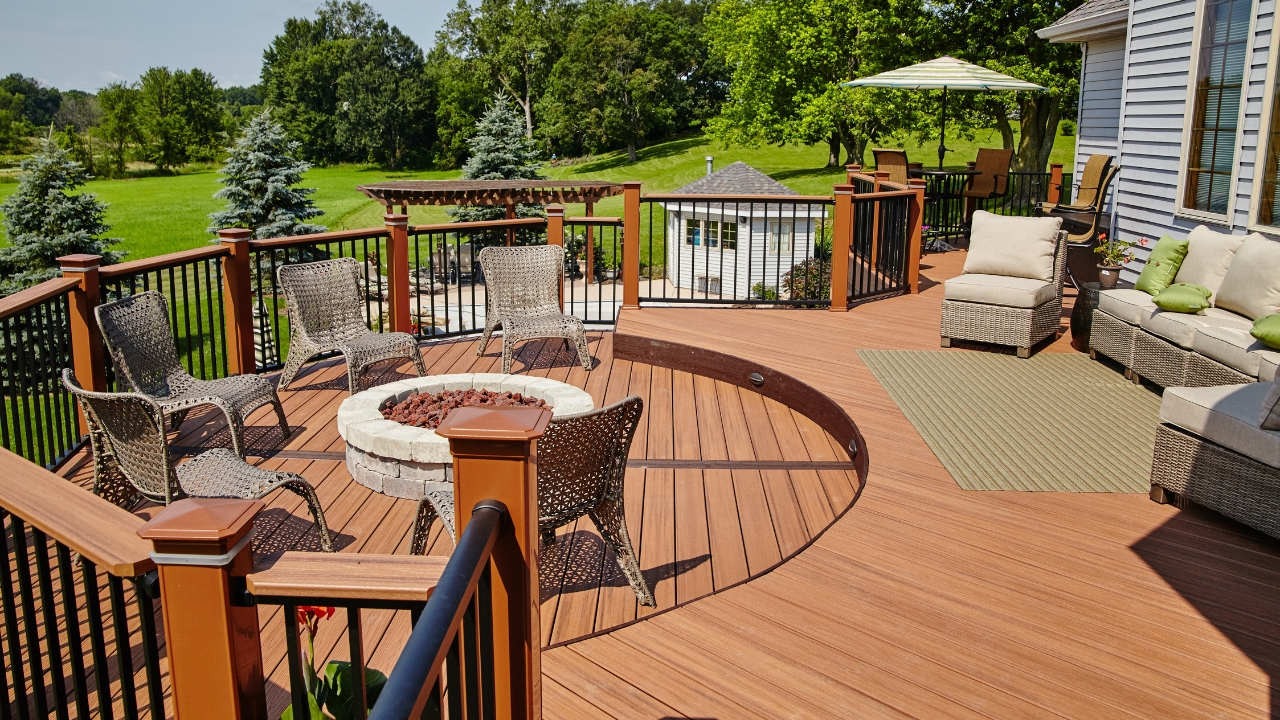
It’s easy to underestimate how much space a fire pit actually needs. Putting one right off your patio or near a wooden fence might look convenient, but it’s a safety risk. Plus, the heat, smoke, and soot can damage nearby siding or plants. Always check local codes and give it plenty of breathing room—regret usually kicks in after the first windy night.
Using Old Pallets as Planters
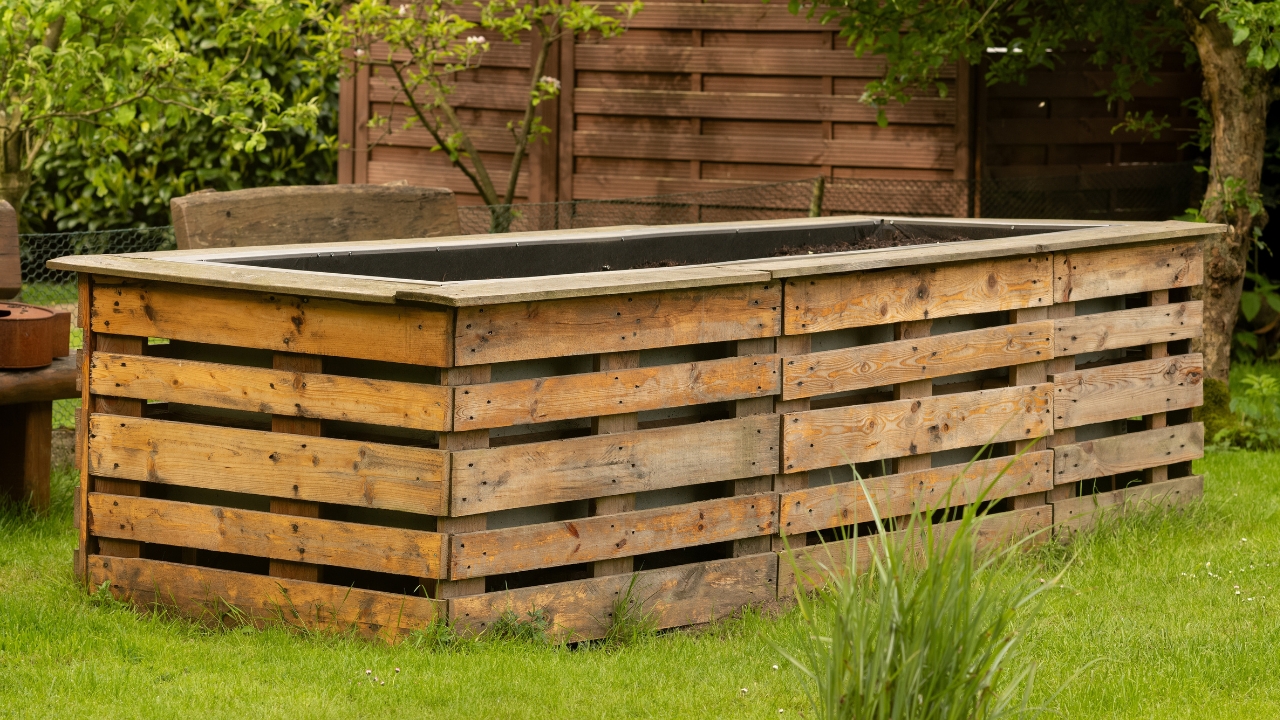
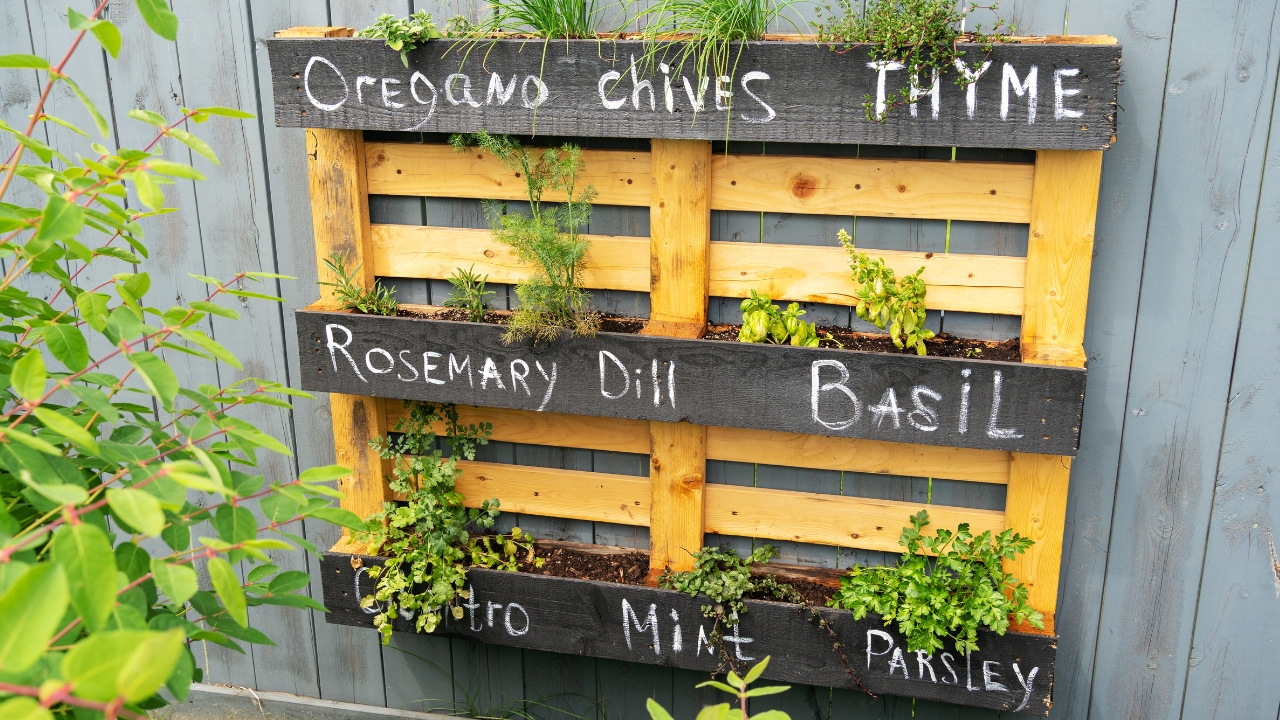
Pallet projects are everywhere online, but not every pallet is safe to use in your yard. Many are treated with chemicals or have absorbed who-knows-what during shipping. Even if they look clean, they often break down quickly outdoors. If you’re using wood for planters or vertical gardens, untreated cedar or redwood will hold up better and be safer for your plants.
DIY Concrete Stepping Stones Without a Base
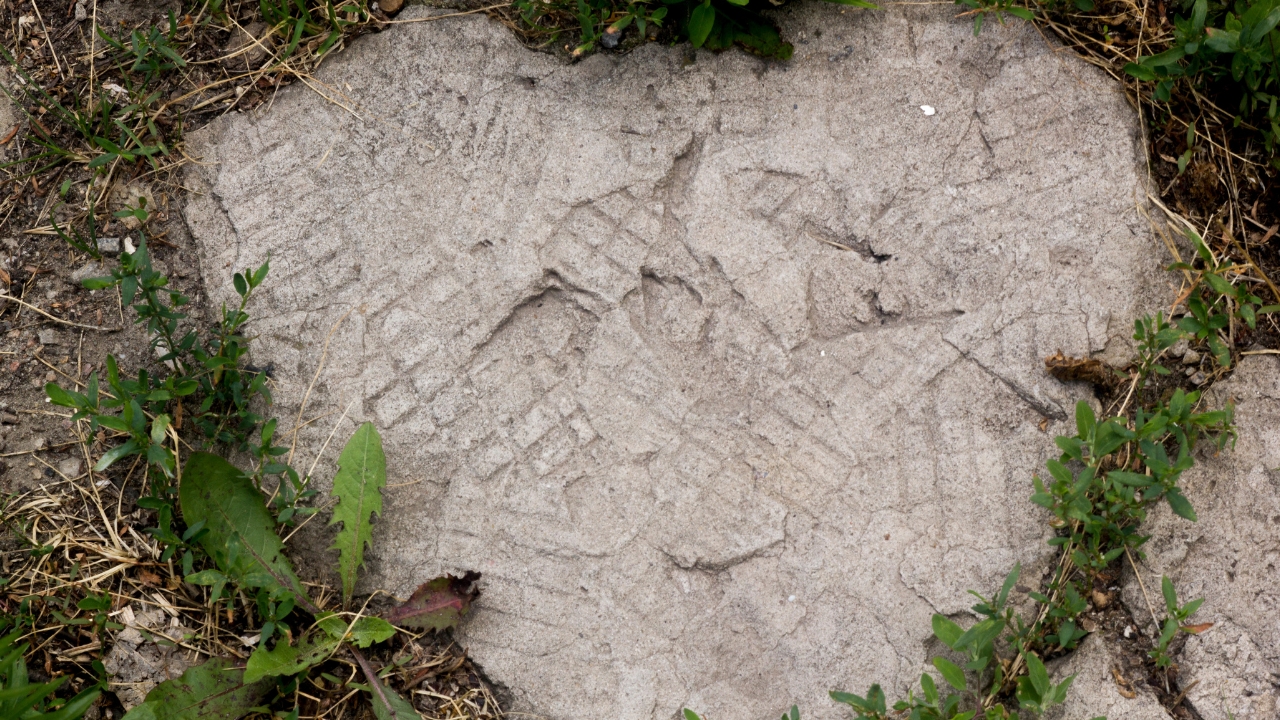
Pouring concrete stepping stones right onto grass or dirt seems easy—until they start sinking, shifting, or cracking. Without a proper gravel or sand base, they won’t stay level for long. It ends up being more of a trip hazard than a finished path. Taking the time to prep the ground properly makes a huge difference in how long the project lasts.
Making a Gravel Patio Without a Border
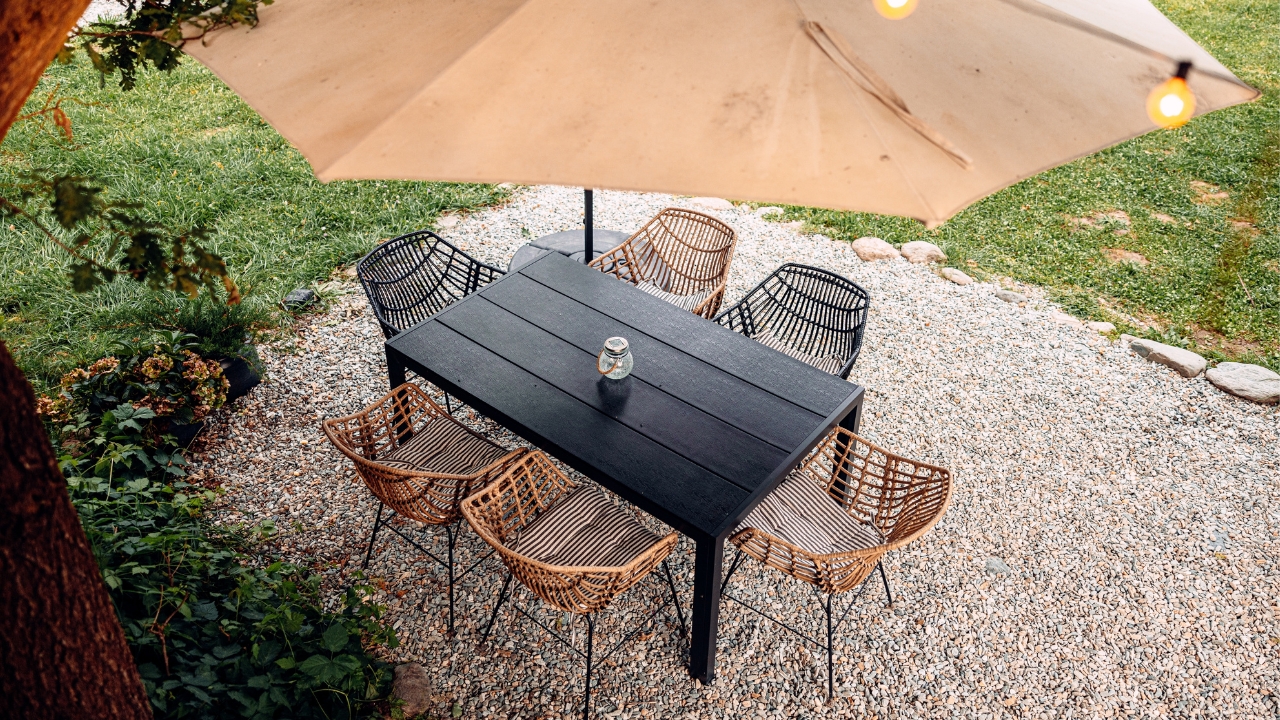
Gravel patios seem low-effort, but skipping the edging is a mistake. Without a solid border, the gravel spreads into your lawn or flower beds every time it rains or gets walked on. Eventually, you’re left with a messy edge that’s hard to clean up. A simple metal or stone edge keeps everything in place and makes it look intentional.
Planting Trees Too Close to the House
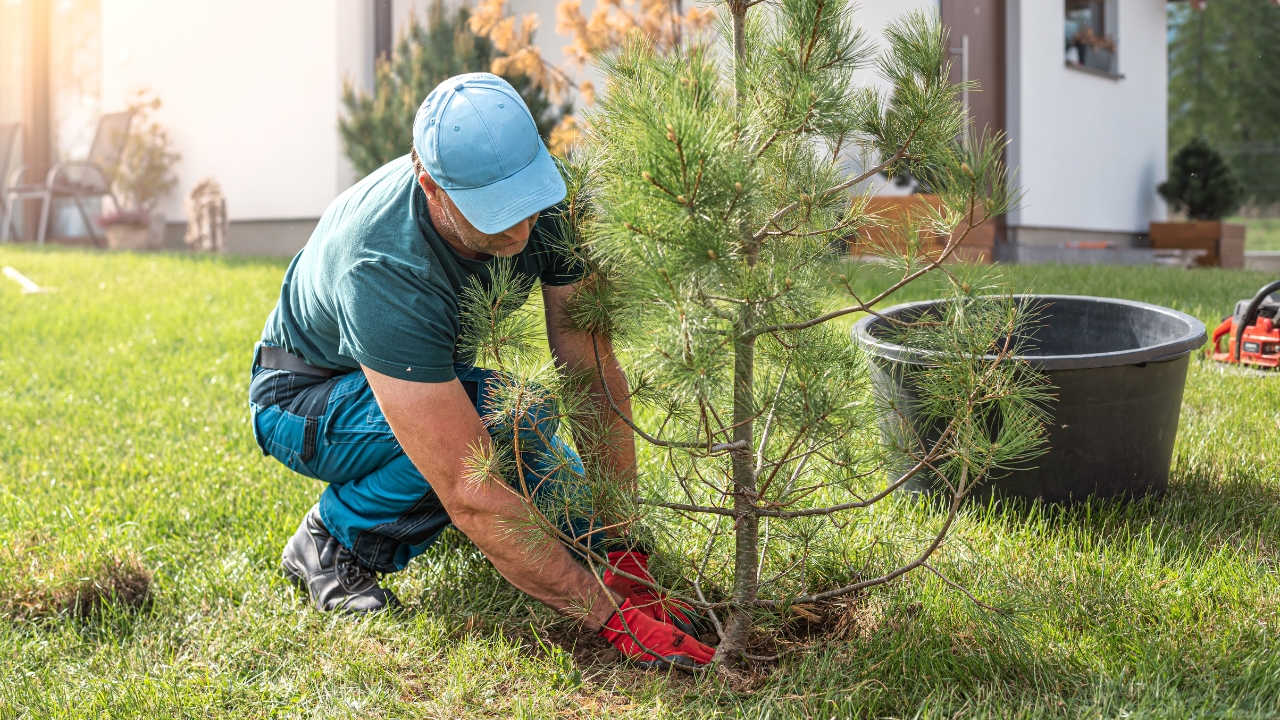
Tiny saplings are easy to underestimate. What starts as a cute tree in the front bed can become a foundation problem in ten years. Roots spread, limbs reach for the roof, and suddenly that DIY planting turns into an expensive removal job. Before you dig, research the mature size and give it the space it actually needs.
Using Landscape Fabric Under Mulch
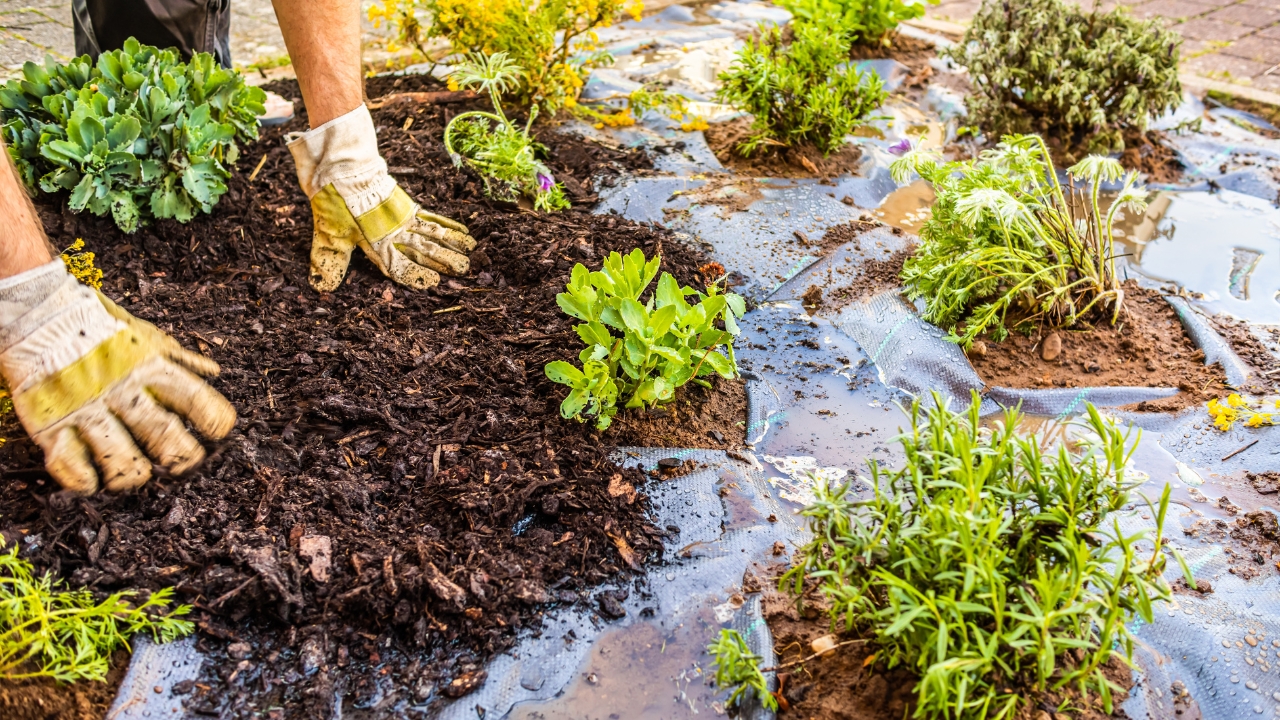
At first, it seems smart—put down fabric, stop the weeds. But over time, mulch breaks down into soil, and weeds take root right on top of the fabric anyway. When it’s time to refresh your beds, you’re left pulling up a shredded, buried mess. A thick layer of mulch or natural weed barriers usually works better and is easier to maintain.
Trying to Level a Yard Without Equipment
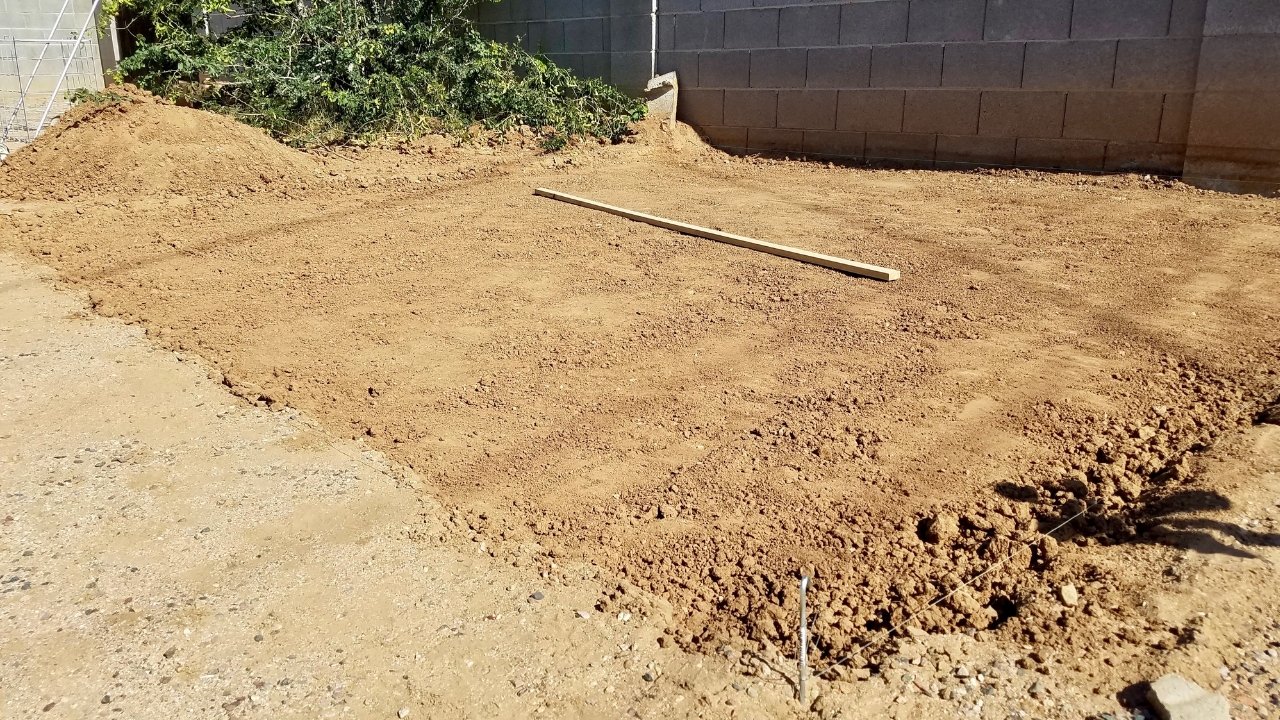
Grabbing a shovel and raking out a slope might seem doable, but leveling a yard by hand is tough, especially if drainage is involved. If you get the slope wrong, you could cause water to pool near your foundation or in low spots. It’s one of those projects that looks easy online but usually needs more tools—and more experience—than expected.
Stacking Loose Stones for a Retaining Wall
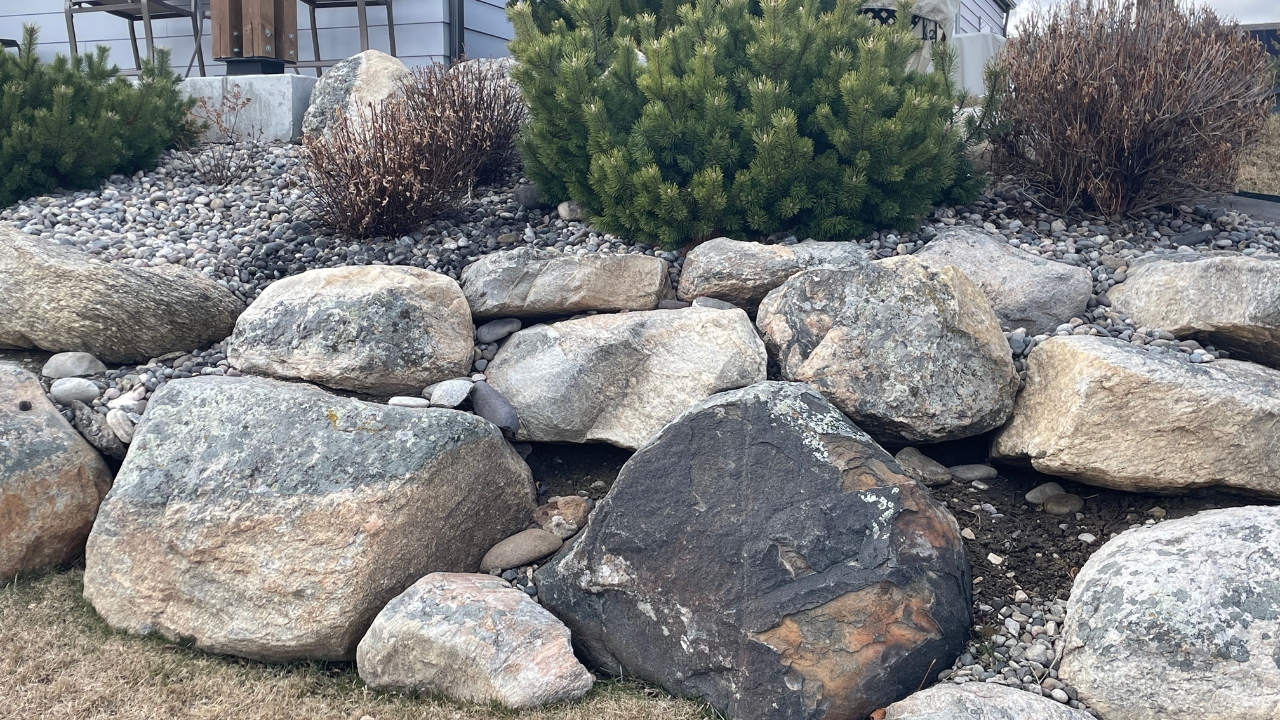
Loose stones might look rustic, but without proper footing or mortar, they’re not going to stay put. Rain, gravity, and even just time will cause them to shift and collapse. If you’re holding back any amount of soil, you need proper support underneath. Dry-stacked walls can work, but they take more prep than most DIYers plan for.
Installing Fake Turf Without Leveling First
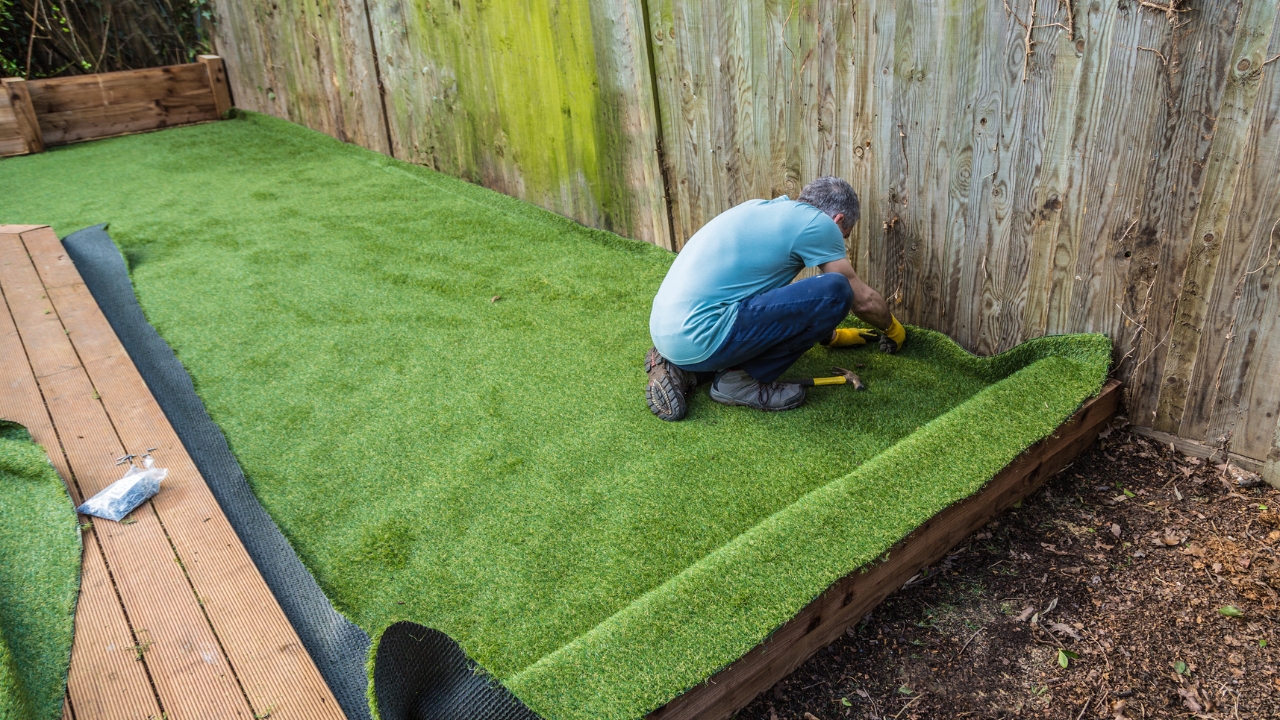
Artificial grass needs a perfectly smooth base, or it ends up looking lumpy and unnatural. Skipping the base layer, drainage, or compacting step is a guaranteed way to ruin the look. Once it’s rolled out, fixing it is way harder than getting it right from the start. A rushed turf install is one of the easiest regrets to spot from the street.
Overloading the Yard with DIY Decor
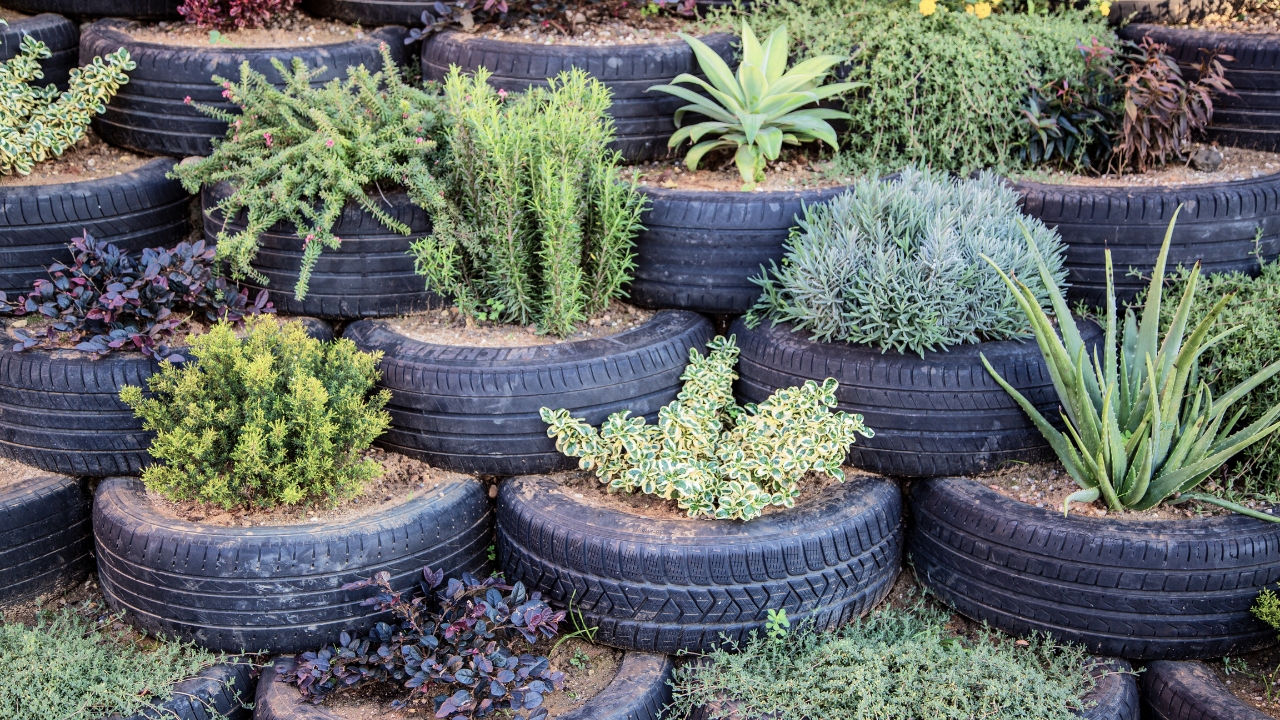
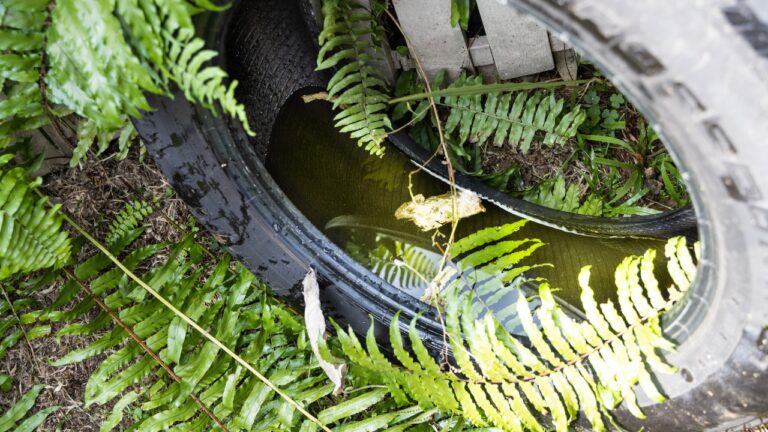
It’s tempting to try every cute idea you see on Pinterest—wine bottle borders, painted rocks, tire planters—but piling too many trends together usually makes a yard look cluttered. Too much decor distracts from the actual landscaping and tends to age poorly. A few well-done features work better than trying to cram everything into one space.
Using Cheap Solar Lights Everywhere
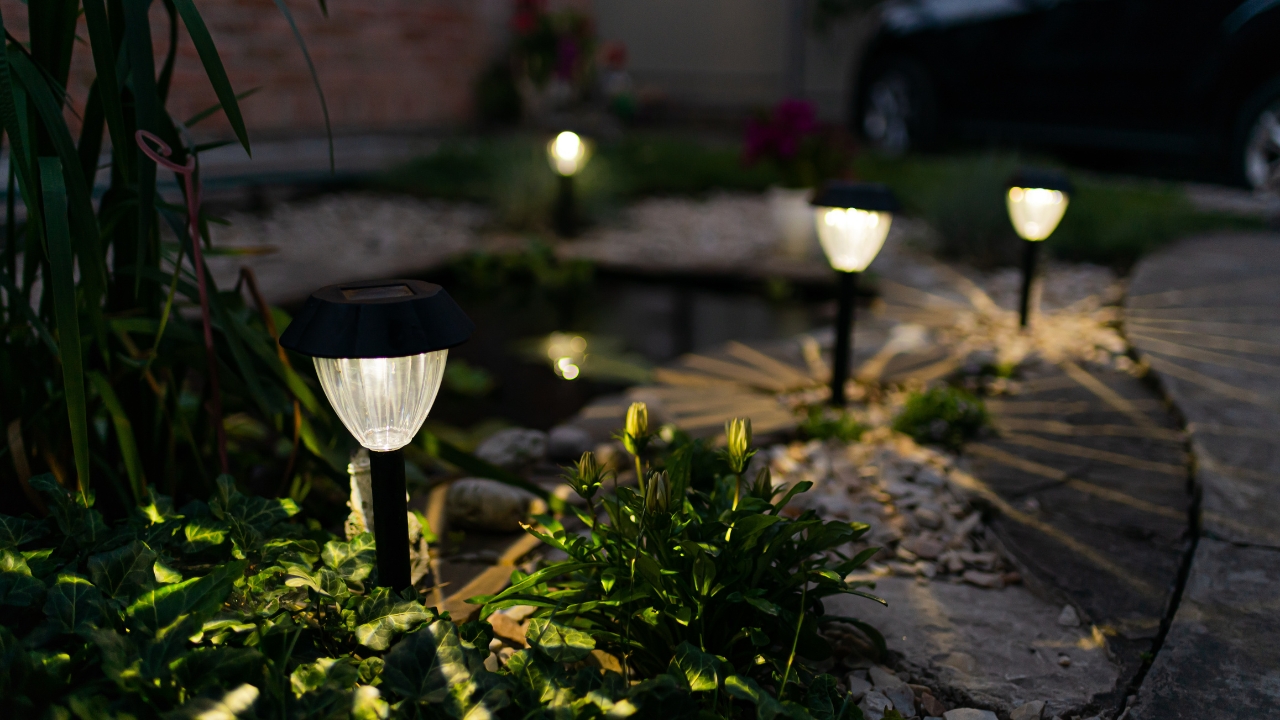
Those inexpensive solar path lights look nice for about a week. Then one stops working, another leans sideways, and they start looking more like lawn clutter than lighting. Most don’t last long and barely put out any real light. If you want to light up your yard, fewer high-quality fixtures will do a better job and look more polished.
Spray Painting Rocks or Pavers
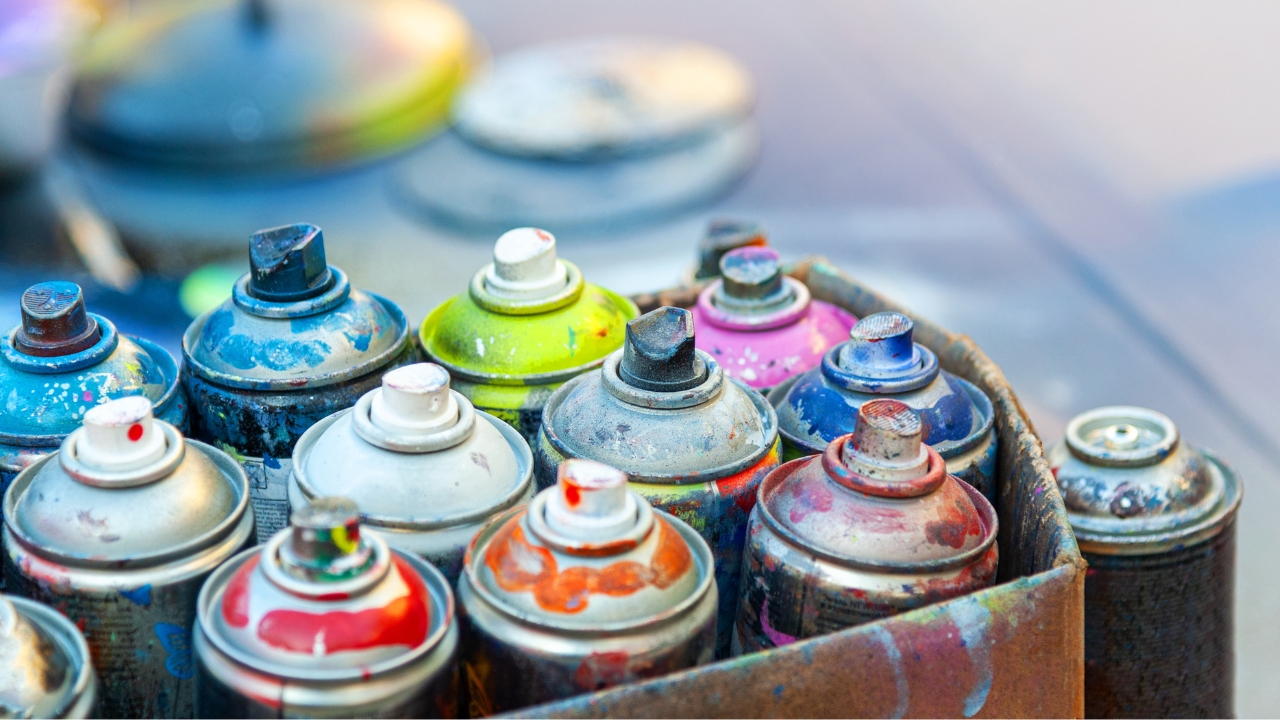
Painting outdoor stone or concrete sounds like an easy upgrade, but the paint usually doesn’t hold up. Between UV rays, rain, and foot traffic, it chips and fades fast. Once that happens, it’s hard to fix without redoing the whole thing. If you want a change in color, choose materials that are made that way—not coated in it.
Like Fix It Homestead’s content? Be sure to follow us.