The 10 Most Toxic Weeds Hiding in Your Yard Right Now
Photo credit: Stillgravity/Shutterstock.com
Not all weeds are just annoying—some of them can be dangerous. A few of the most common ones found in yards across the U.S. are actually toxic to humans and animals, even if they don’t look like much. You might be walking past them without realizing the risk.
Whether it’s skin irritation, stomach trouble, or something more serious, these are the weeds worth recognizing and removing as soon as you can. If you’ve got kids, pets, or livestock, it’s even more important to know what’s growing out there.
Poison Hemlock

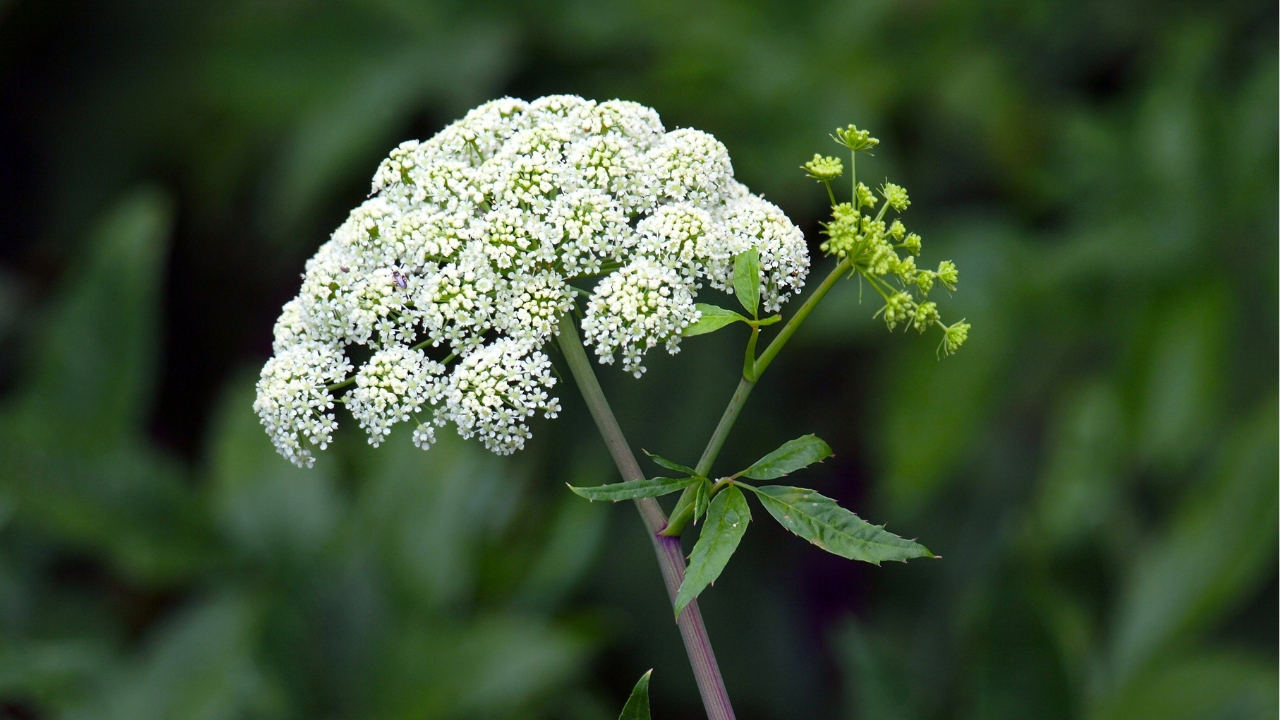
Poison hemlock is one of the deadliest plants in North America, and it shows up along fences, ditches, and untended corners of yards. It looks a bit like wild carrot or parsley, which makes it even more dangerous.
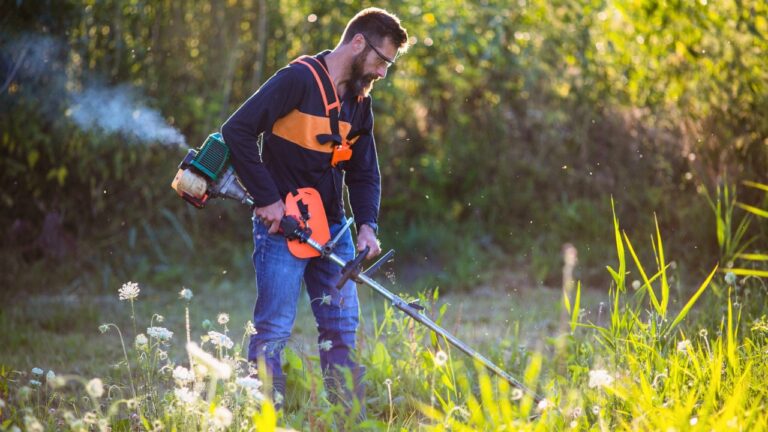
Every part of this plant is toxic, and even touching it can irritate your skin. If it’s ingested—even in small amounts—it can cause respiratory failure. Wear gloves, bag it up, and never mow it down.
Foxglove
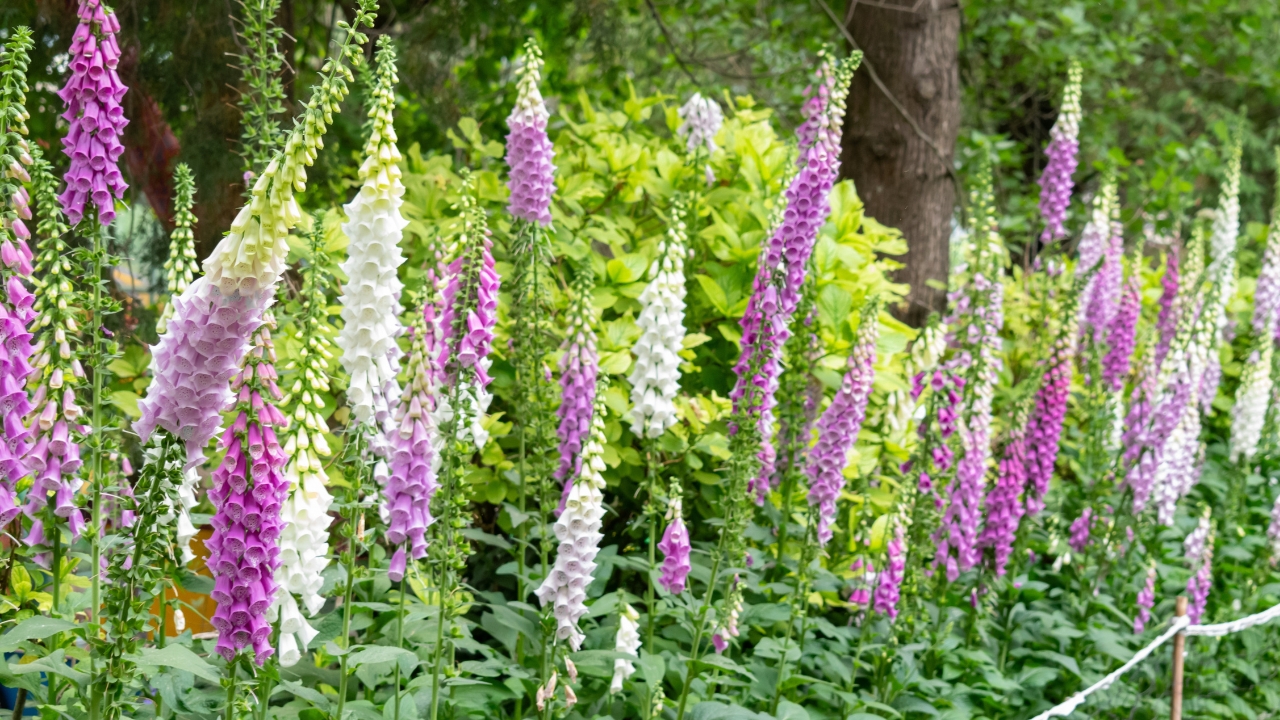
Foxglove is often planted intentionally because of its tall, pretty flowers—but every part of the plant is poisonous. It contains cardiac glycosides, which affect heart function if ingested.
Even a small amount can cause serious issues in kids or pets, including nausea, slowed heart rate, and confusion. If you love the look, keep it fenced off or plant it in areas well out of reach.
Jimsonweed
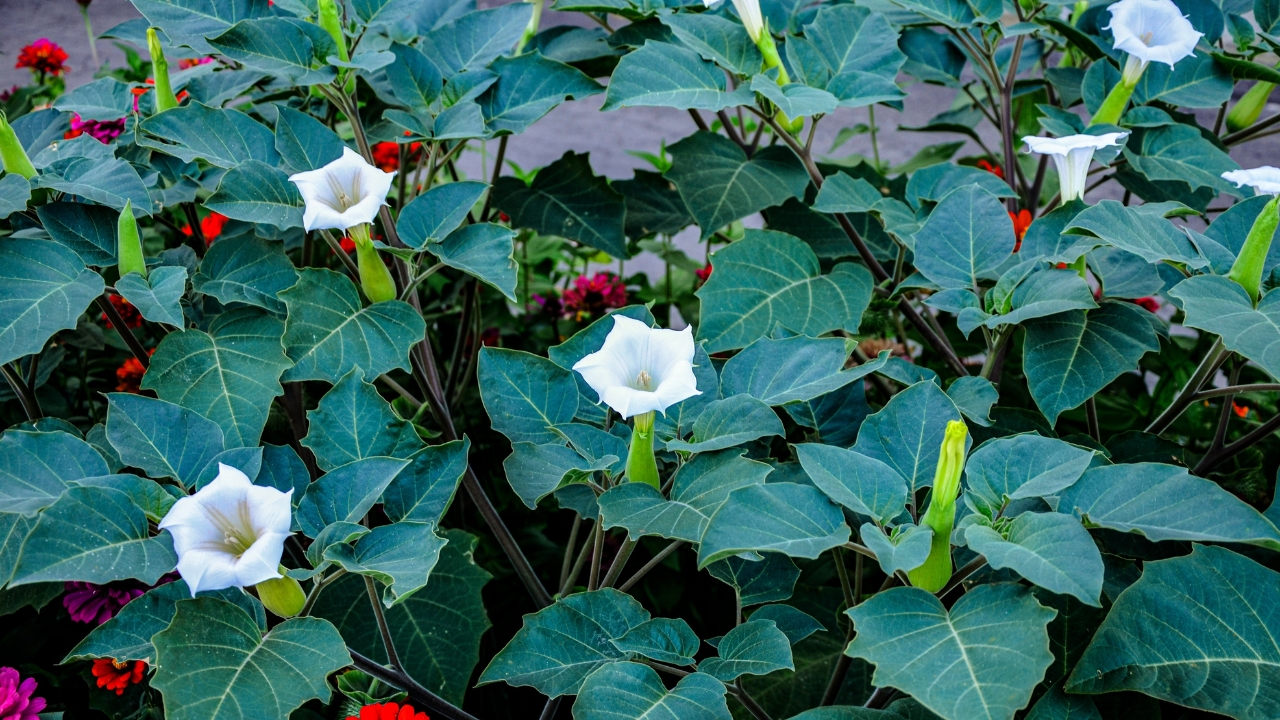
Jimsonweed, also called devil’s trumpet, grows fast in disturbed soil and spreads easily. It has large, trumpet-shaped flowers and spiky seed pods that can look interesting—but the whole thing is highly toxic.
Ingestion can cause hallucinations, fever, seizures, or even death. It’s not safe for pets, livestock, or people, and it’s worth pulling as soon as you spot it.
White Snakeroot
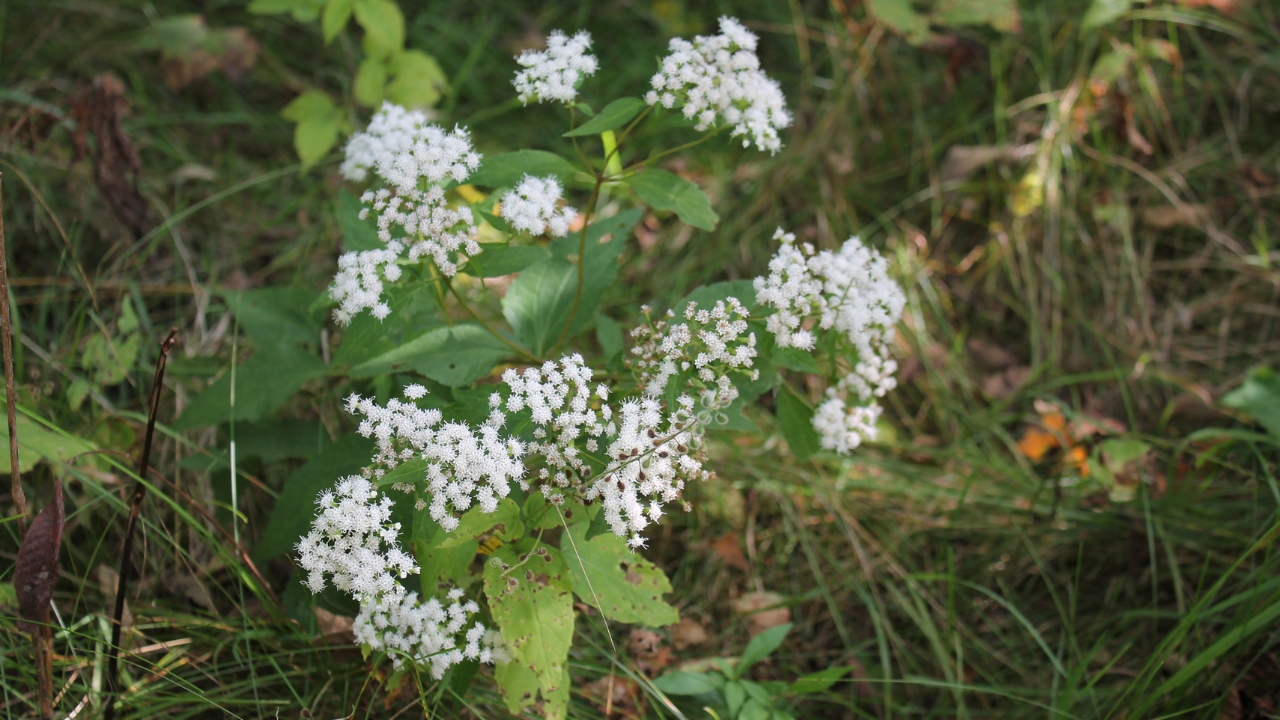
White snakeroot grows in shady areas and can be a real problem for livestock. If animals eat it, the toxins pass through their milk and meat—which is how humans historically got “milk sickness.”
It’s less of an issue for most suburban yards today, but still worth removing if you see it. Look for clusters of small white flowers on tall stems in late summer.
Nightshade (Deadly and Black)
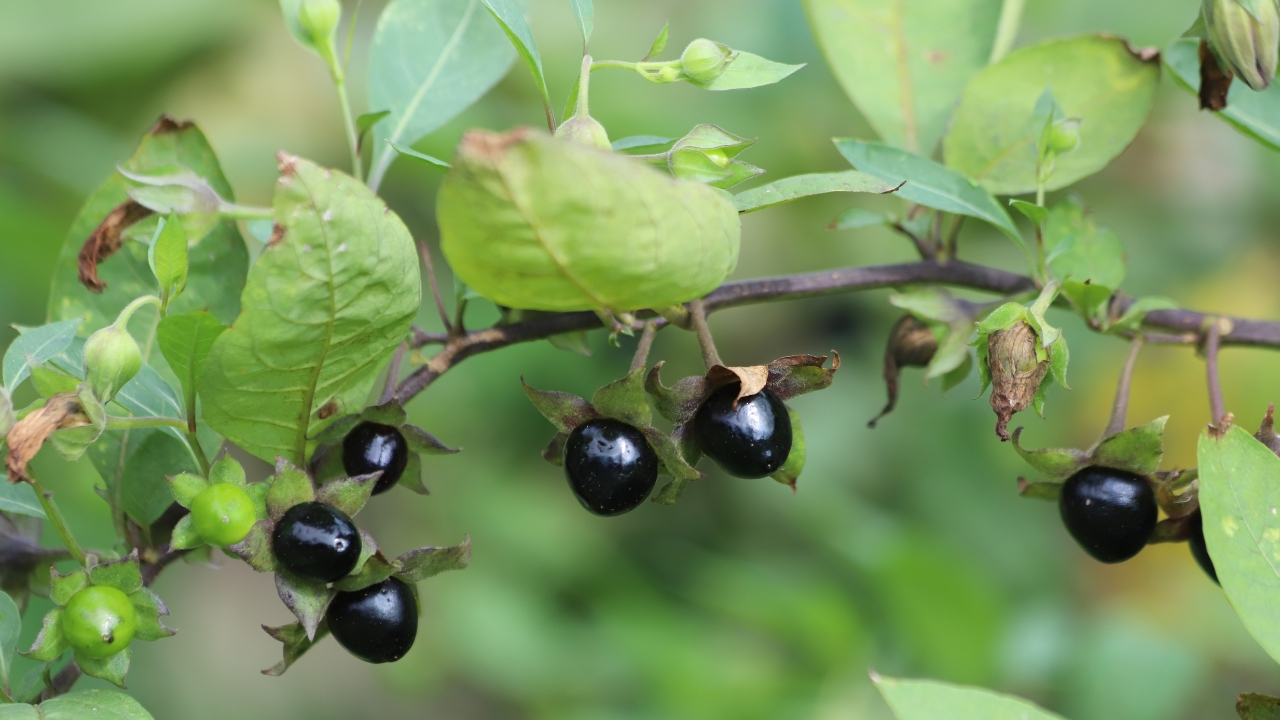
Several nightshade species show up in gardens, especially in warmer areas. They often have small purple flowers and shiny berries that change from green to black as they ripen.
The berries look tempting to kids and pets but are highly toxic. Even a handful can cause vomiting, weakness, and slowed breathing. Don’t compost this one—bag it and toss it.
Water Hemlock
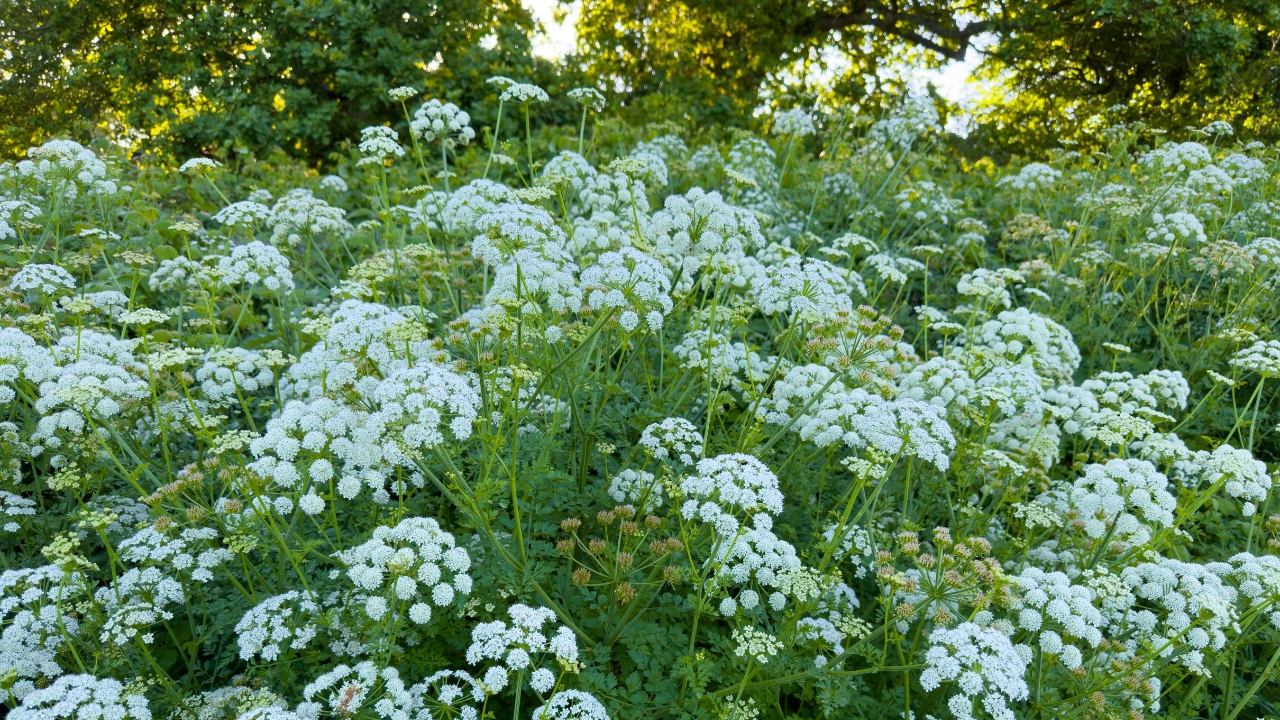
Often confused with poison hemlock, water hemlock is another extremely toxic plant that grows in wet, marshy areas. It has white umbrella-shaped flowers and hollow stems with purple streaks.
The roots are especially dangerous and can cause violent seizures if eaten. If you find this near your yard or along a creek, it’s best to have it professionally removed.
Pokeweed
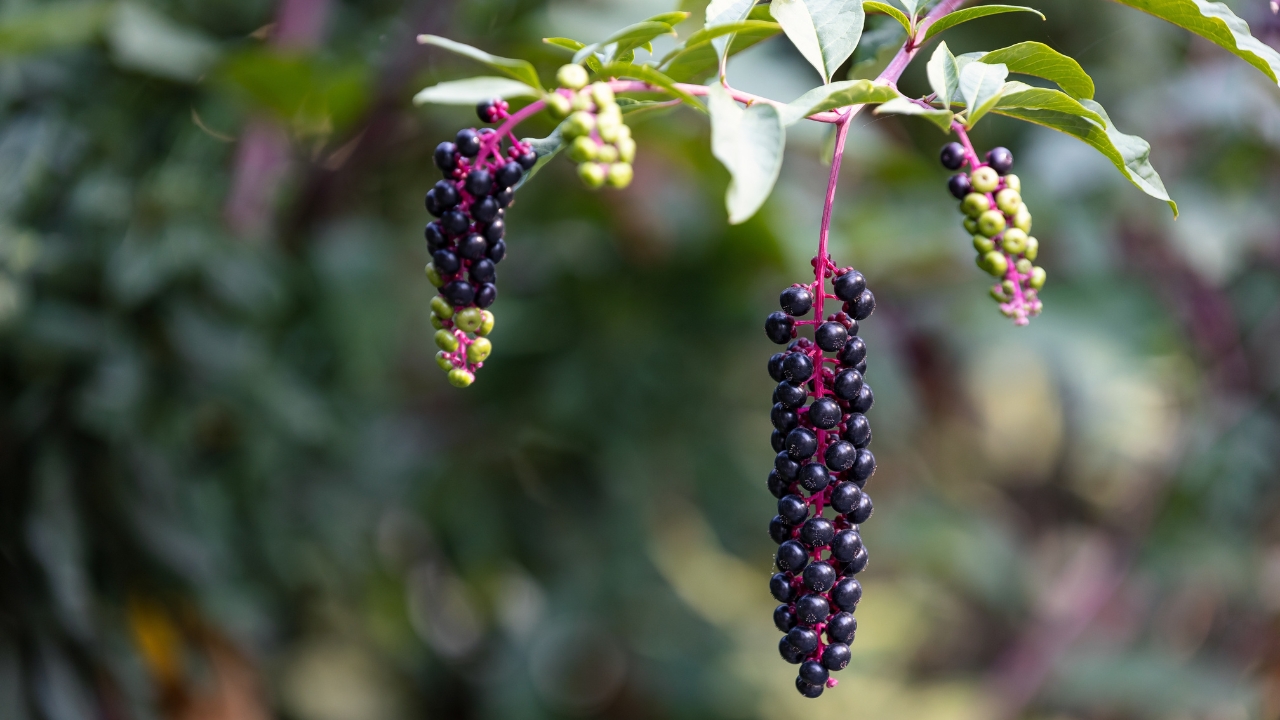
Pokeweed is easy to spot once it gets big—purple stems, long clusters of dark berries, and large leaves. It can grow several feet tall and looks a bit tropical.
The roots, berries, and leaves are toxic, especially to kids and pets. Birds can eat the berries without issue, but the rest of us shouldn’t. Always wear gloves when digging it up.
Spurges (Especially Euphorbia Species)

Spurge spreads low across flower beds and lawns and can look harmless—but the milky sap it produces can cause skin irritation and, if ingested, stomach upset or worse.
It’s especially common in dry, sunny areas and grows fast. The sap can also irritate eyes, so wear gloves and avoid breaking the stems while removing it.
Ragwort

Ragwort has clusters of small yellow flowers and is often found in neglected fields or along roadsides. It contains alkaloids that are toxic to the liver if ingested—especially for grazing animals.
It doesn’t usually appeal to pets, but it’s still worth getting rid of. It spreads by seed and can quickly take over open areas if ignored.
Poison Ivy
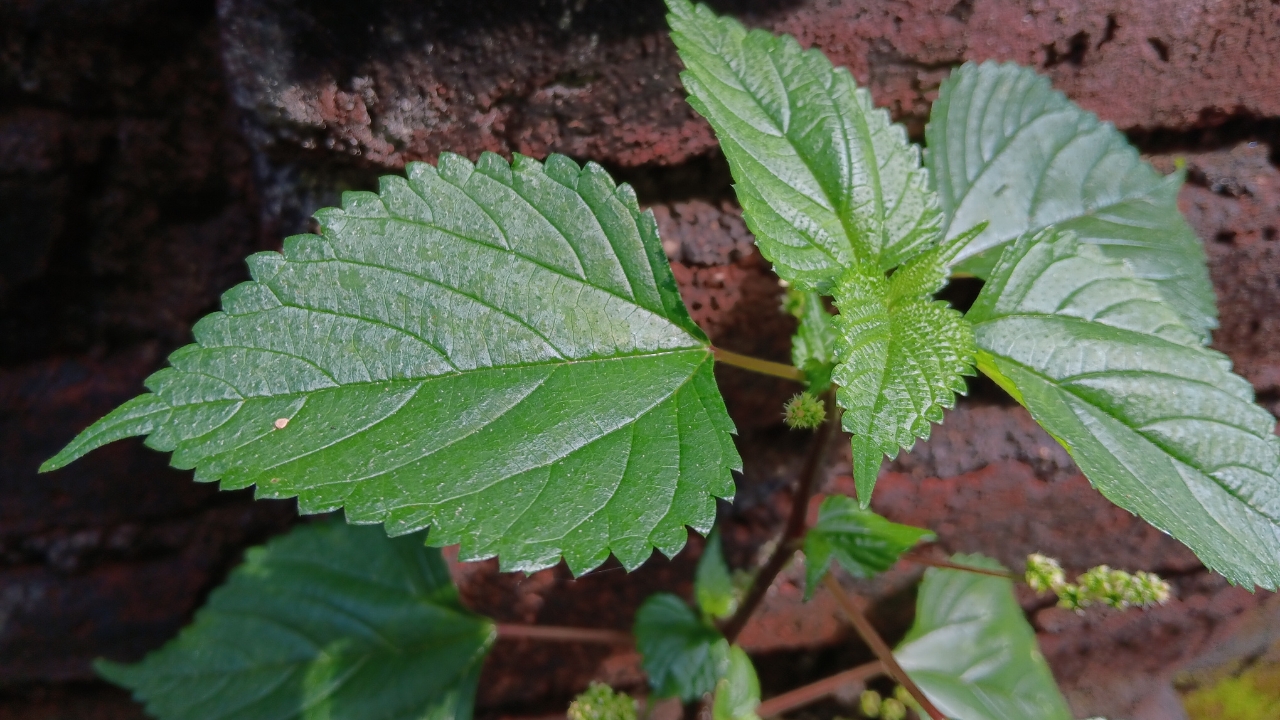
It’s the classic one, but worth mentioning because so many people still misidentify it. “Leaves of three, let it be” still applies. Poison ivy causes itchy rashes and blistering on contact with the oils in its leaves.
The plant can climb, sprawl, or grow upright depending on its location. Wear gloves and wash up thoroughly if you come into contact. Even dead vines can cause a reaction.
Like Fix It Homestead’s content? Be sure to follow us.