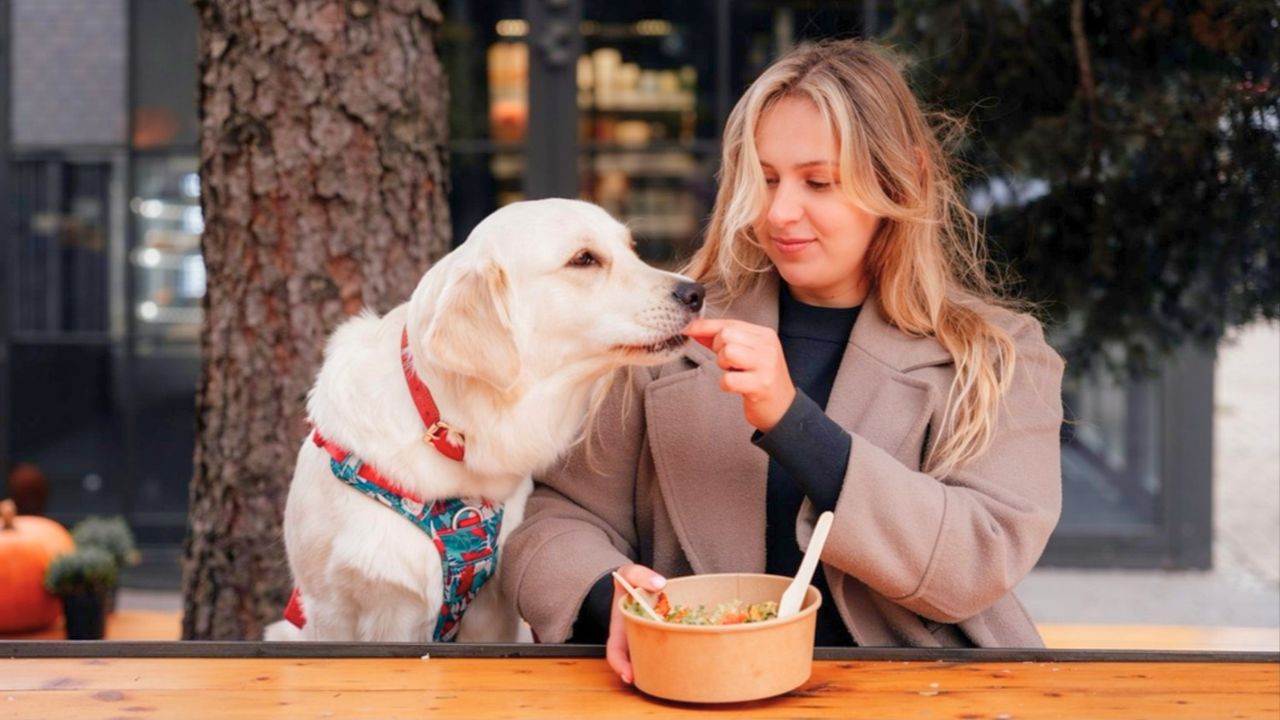
12 Foods That Are Safe to Share With Your Dog
Photo credit: Iryna Inshyna/Shutterstock.com
You’re cooking dinner, cleaning up the cutting board, and your dog is planted right at your feet like a furry mop with opinions. Sharing a bite can be fine, but only if you know what’s actually safe and what turns into a late-night panic. Stick to plain foods, skip seasonings, and keep portions small so you don’t trade a sweet moment for an upset stomach.
1. Plain Cooked Chicken Bits
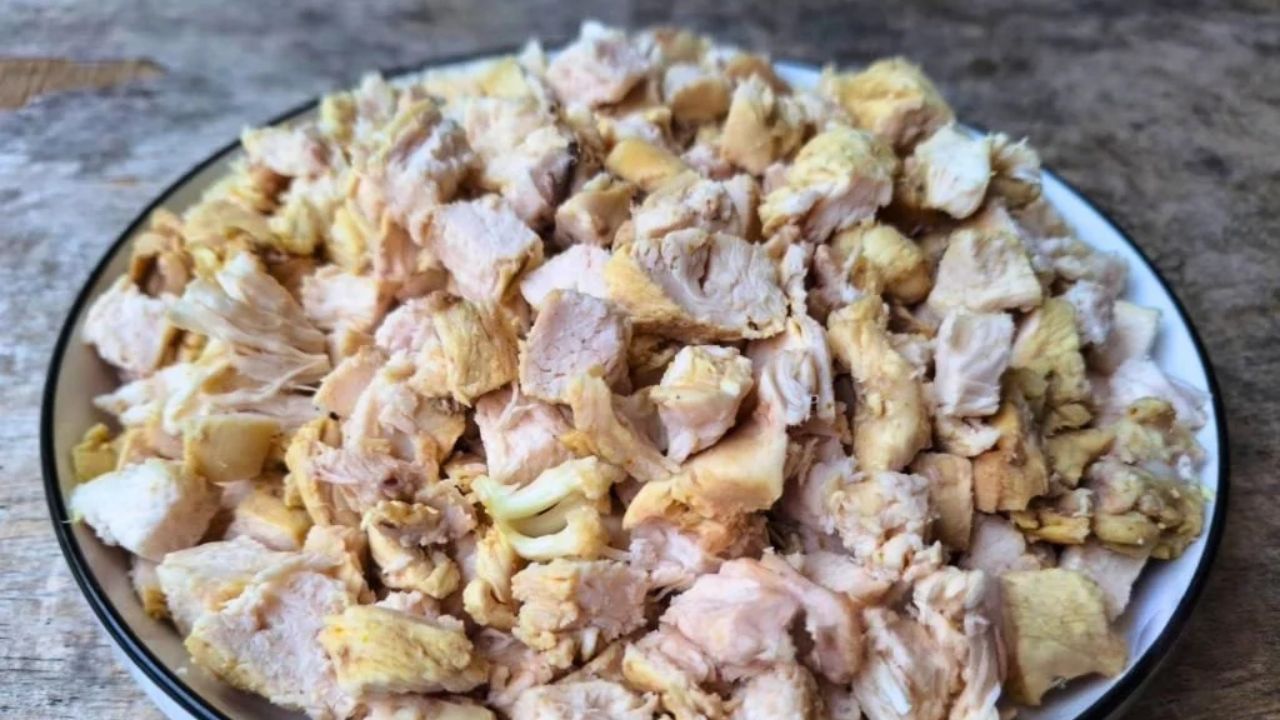
People mess this up by sharing the seasoned stuff. Garlic, onion powder, spicy rubs, and greasy pan drippings are where trouble starts, not the chicken itself. Give your dog a couple bite-size pieces of plain cooked chicken, no skin, no bones, no sauce.
If you’re meal-prepping, set aside a small plain piece before you season the rest. Rotisserie chicken seems handy, but it’s usually salty and seasoned all the way through, so save it for humans. If your dog has a sensitive gut, start with a tiny piece and see how it goes.
2. Scrambled Eggs With No Butter
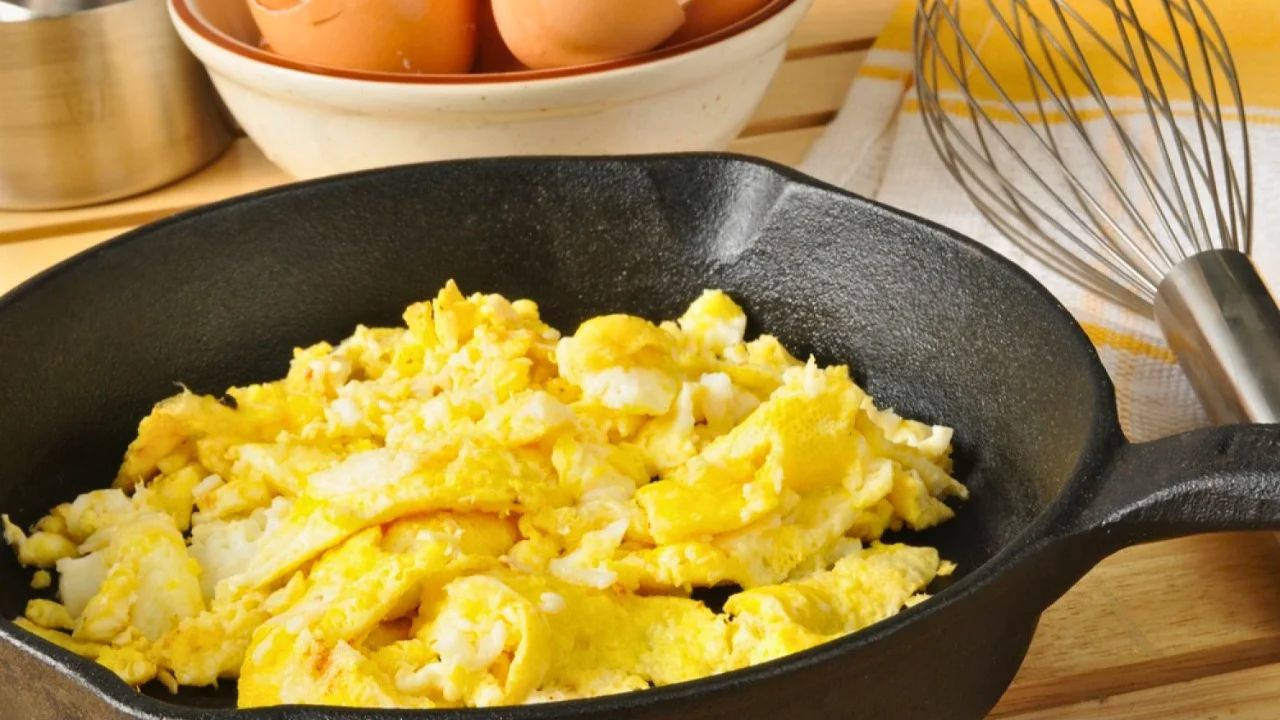
Eggs are cheap, quick protein, and most dogs handle them well. The problem is how people cook them, with butter, bacon grease, cheese, and salt. Scramble or hard-boil an egg plain and share a small portion.
If you’ve got backyard hens, this is a solid way to use odd-shaped eggs that don’t sell well. Skip raw egg feeding unless your vet has already cleared it for your situation, since raw diets are their own can of worms. Cooked is simple, clean, and hard to mess up.
3. Carrot Sticks For Crunchy Snacks
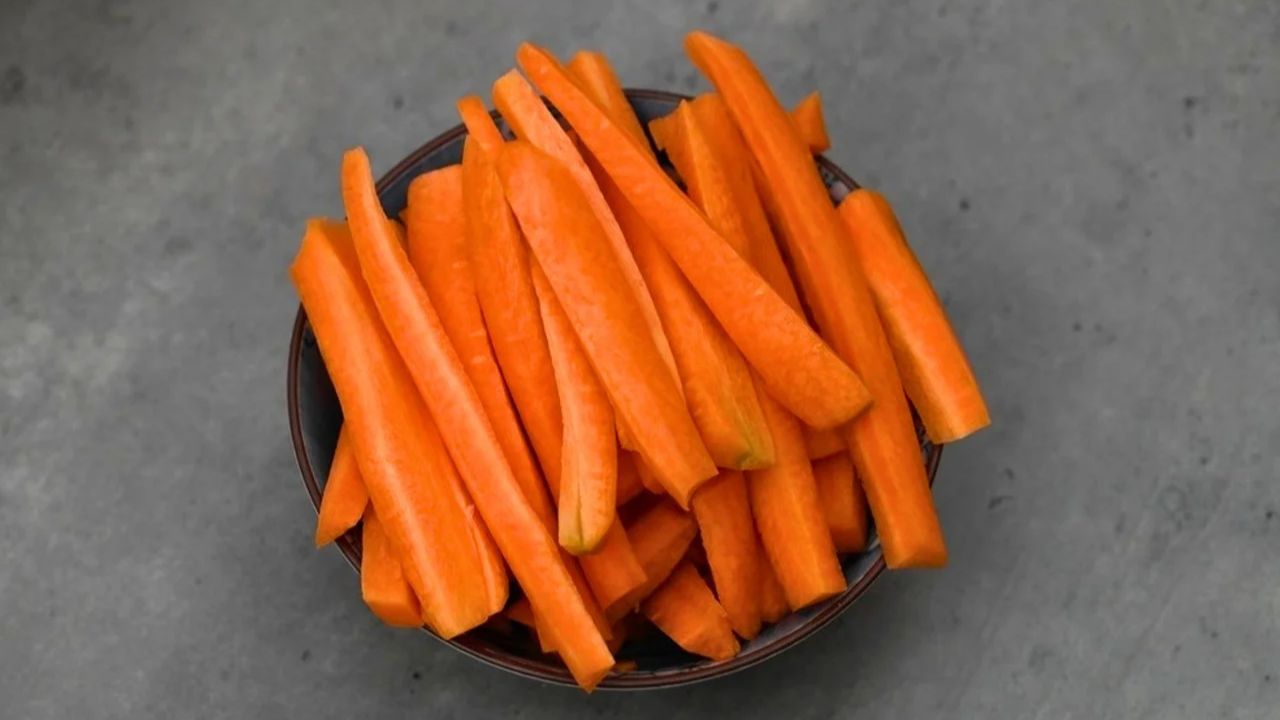
If your dog loves to chew, carrots are one of the safest “kitchen floor” treats around. They’re low-calorie and don’t leave your hands greasy. Cut them into sticks or coins that match your dog’s size so they don’t try to swallow a big chunk.
In summer, a cold carrot from the fridge can take the edge off a bored dog while you’re out watering or mending fence. Baby carrots are fine, just watch the choking risk for gulpers. No ranch dip, no seasoning, just carrot.
4. Green Beans From The Garden
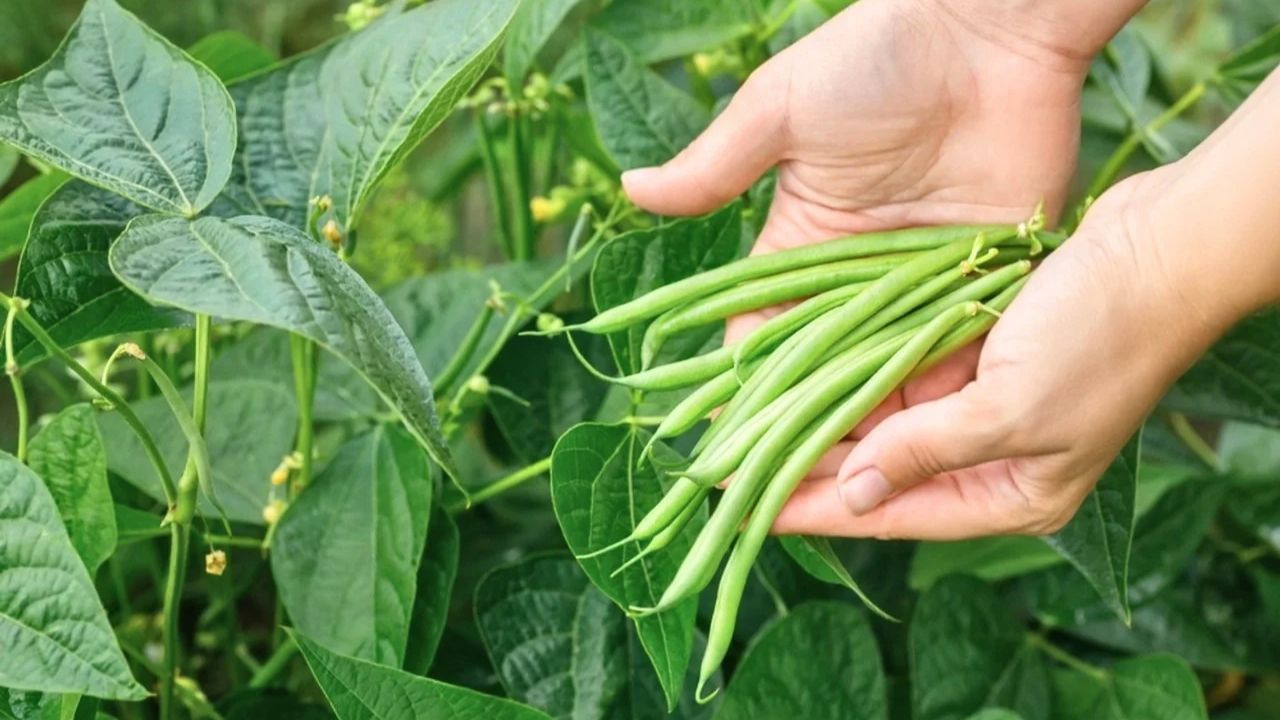
Green beans are a good answer when your dog wants volume more than calories. Give them raw, steamed, or lightly cooked, plain. If you’re using canned, pick no-salt-added and rinse them to knock down the sodium.
Skip beans cooked with onions, bacon, or a ham hock. That pot liquor smells amazing to a dog and tends to end badly. If you dehydrate green beans as treats, keep them dry and store them like any other dehydrated food so they don’t mold.
5. Plain White Rice For Upset Days
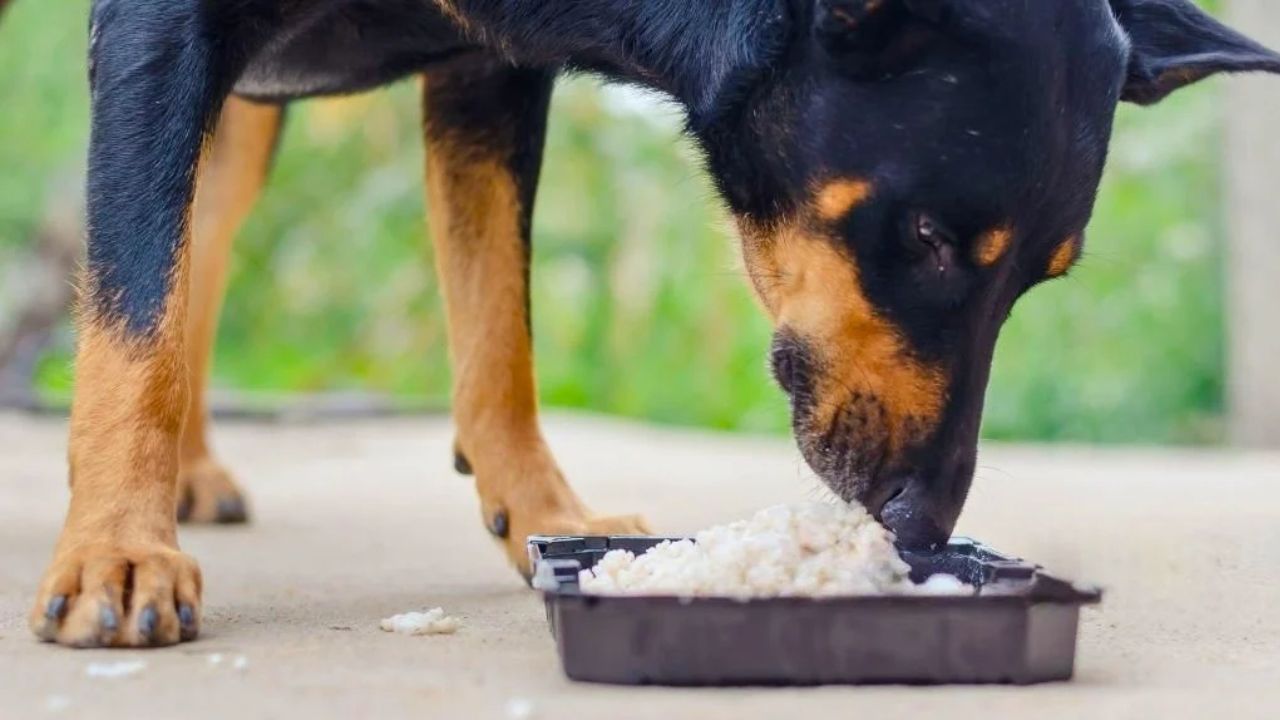
Rice is one of those pantry staples that comes in handy when your dog’s stomach is off, or when you need a bland add-on. Cook it plain, no butter, no bouillon, no garlic. A small scoop mixed into their normal food is usually enough.
Don’t treat rice like a free-for-all just because it’s bland. Too much can pack on calories, and some dogs get gassy. If your dog is vomiting, has bloody stool, or seems weak, call your vet instead of trying to “feed through it.”
6. Plain Pumpkin, Not Pie Filling
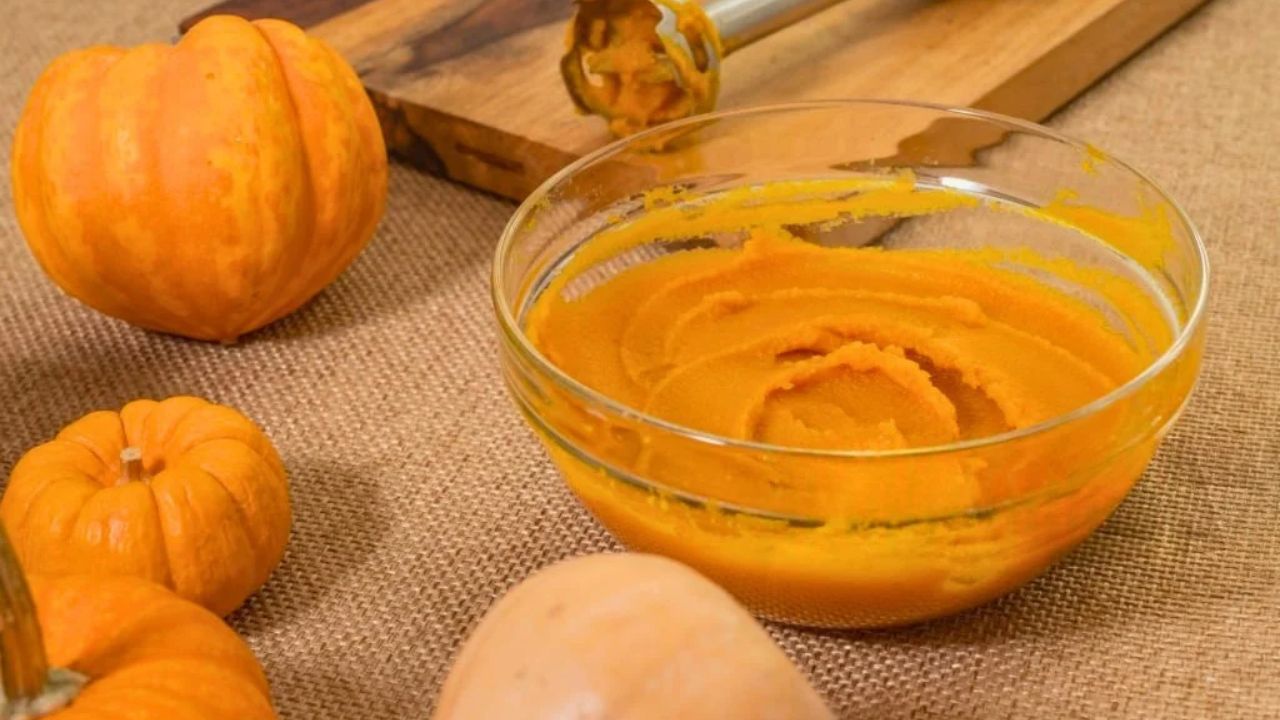
Pumpkin is a classic for dogs, but the can matters. You want plain pumpkin puree, not pumpkin pie mix with sugar and spices. A spoonful mixed into food is plenty for most dogs.
This is a nice homestead move in fall if you’ve got extra cooking pumpkins, just roast and mash them without spices and freeze in ice cube trays. The cheap option is fine here, store-brand canned pumpkin works. Keep it simple and it does the job.
7. Blueberries As Tiny Training Treats
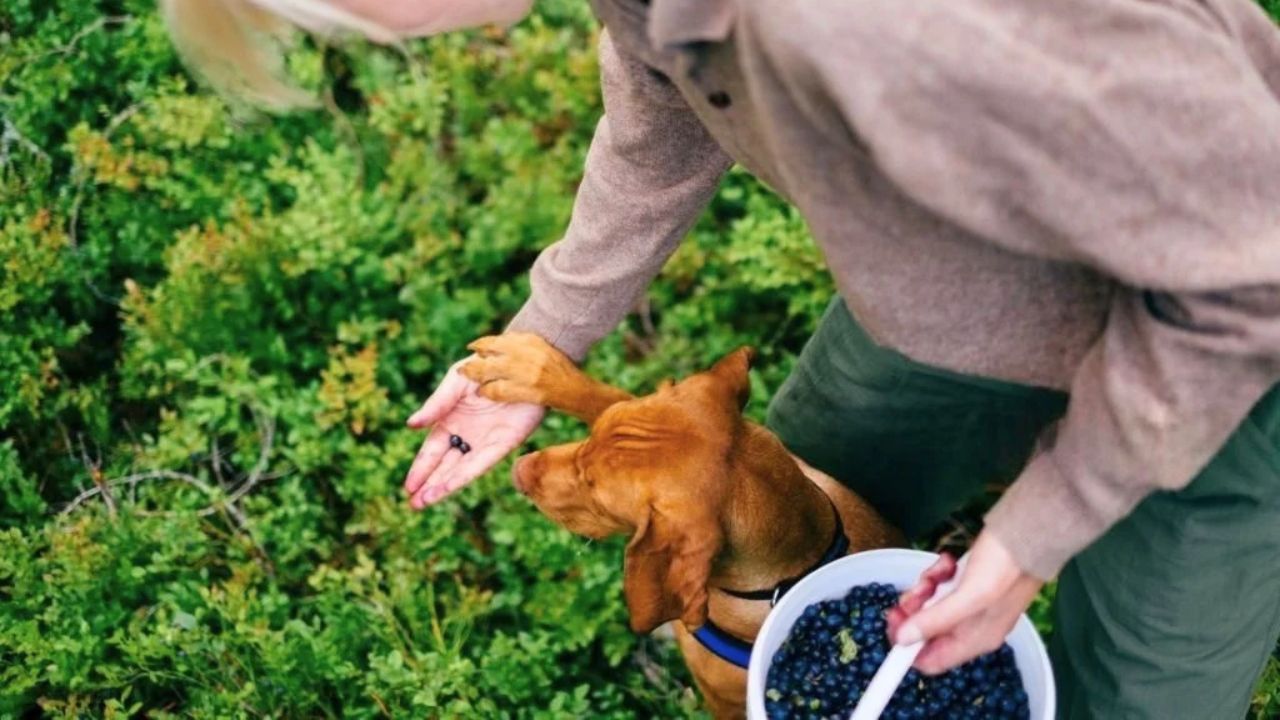
Blueberries are small, clean, and easy to hand out without getting your pockets greasy. A few berries make good training rewards, especially when you’re working near the garden gate or trying to keep a dog focused around visitors. Fresh or frozen both work.
Don’t dump a whole bowl into the dog just because fruit feels harmless. Too much can cause loose stool, and a purple mess on the floor is its own problem. Start with a few and see how your dog handles it.
8. Apple Slices Without Seeds
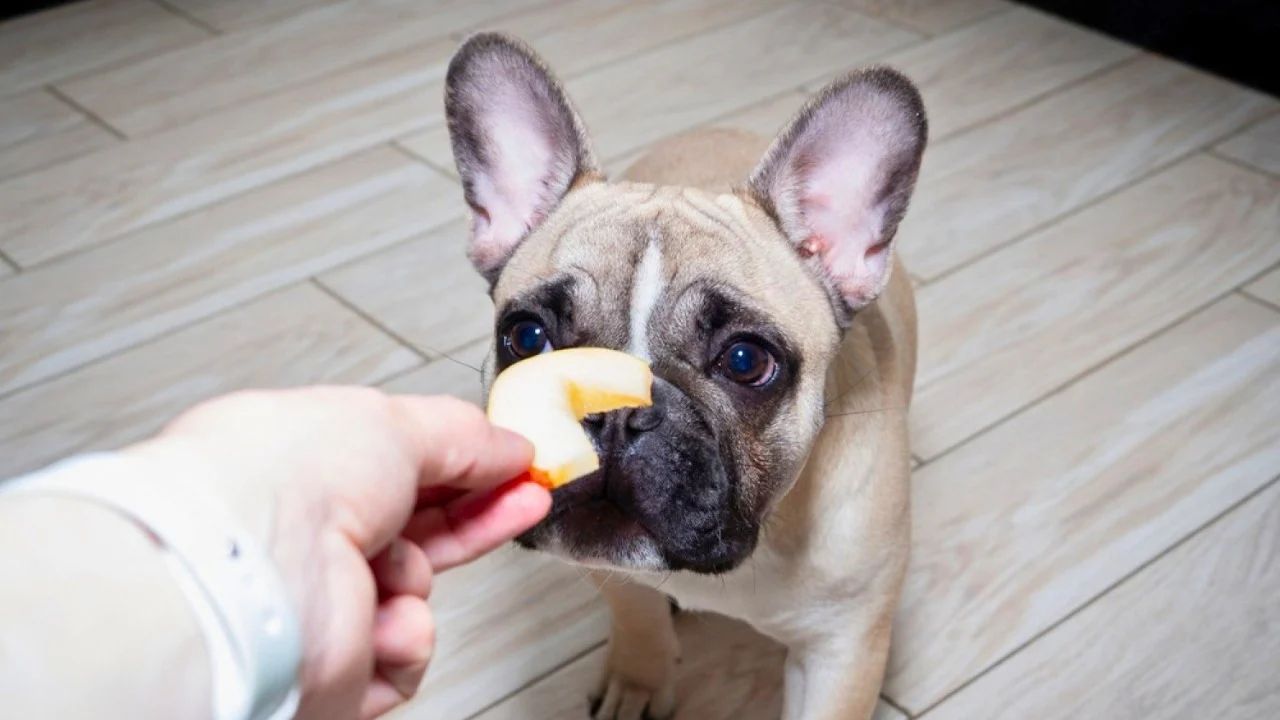
Apples are fine for most dogs, but the core and seeds are where people get sloppy. Slice the apple, remove seeds, and skip the core. Leave the skin on if your dog handles it well, or peel it if they tend to get gassy.
What you don’t want is apple scraps from pie prep, because those often include sugar, cinnamon, and sometimes raisins in the same workspace. Keep dog pieces separate on the cutting board. If you compost cores, get them straight into a lidded bucket so your dog doesn’t go dumpster-diving.
9. Plain Yogurt In Small Licks
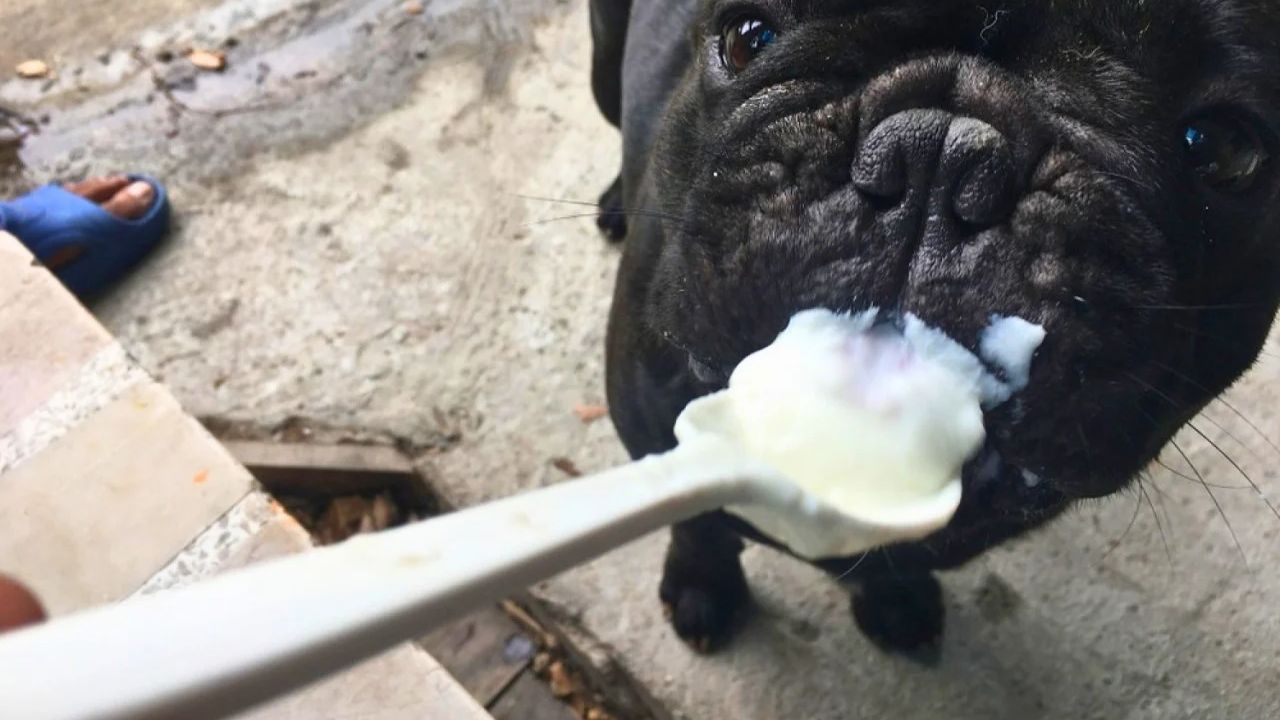
A spoonful of plain yogurt can be an easy treat, especially if your dog likes cold foods. Choose plain, unsweetened yogurt with no xylitol or artificial sweeteners, and skip anything with fruit-on-the-bottom. Many dogs handle a few licks just fine.
Here’s the honest exception, not every dog can do dairy. If your dog gets gas or diarrhea after dairy, don’t force it because the internet says “probiotics.” There are other ways to treat your dog that won’t stink up the house.
10. Sardines Packed In Water
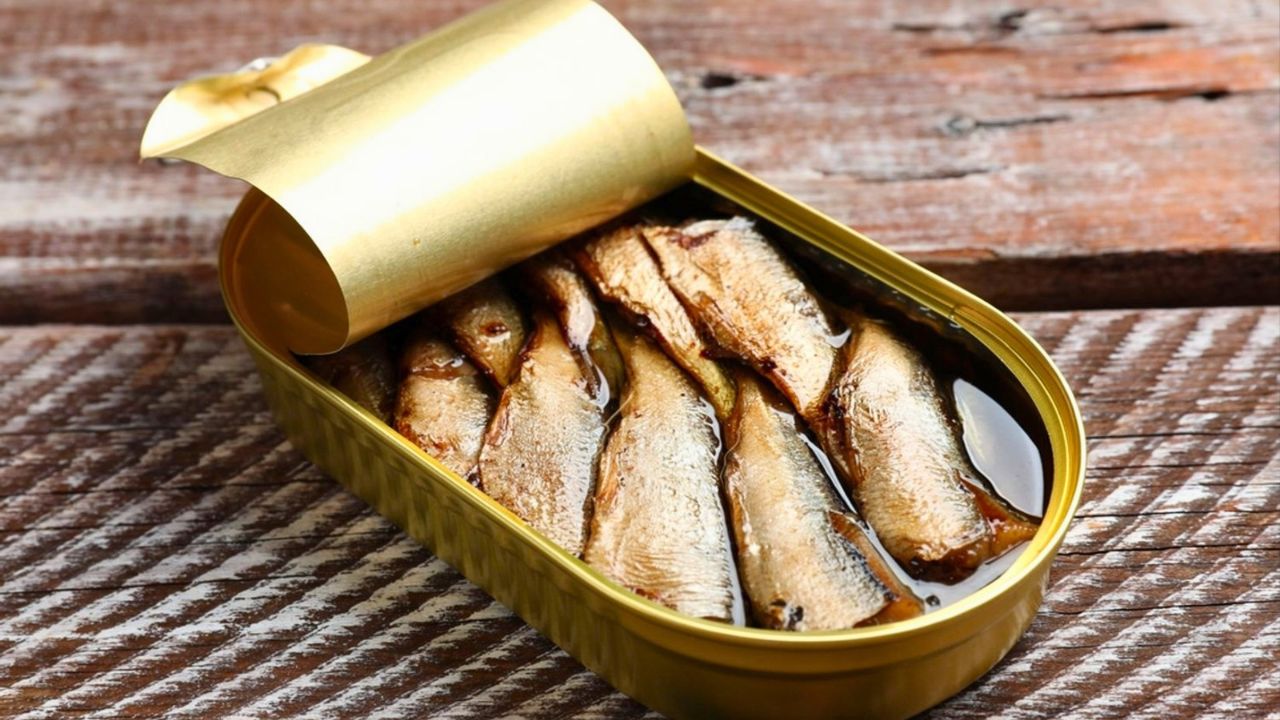
This one surprises people, but sardines can be a solid add-on for dogs, especially when coats get dry in winter. The key is plain sardines in water, not in spicy sauce, not with lemon and pepper, and not the salty ones. Share a small piece, not the whole can.
Open the can outside or right by the trash, because the smell lingers. Rinse the fish if it seems salty. If your dog has a history of pancreatitis or needs a low-fat diet, check with your vet before making oily fish a habit.
11. Cooked Sweet Potato Chunks
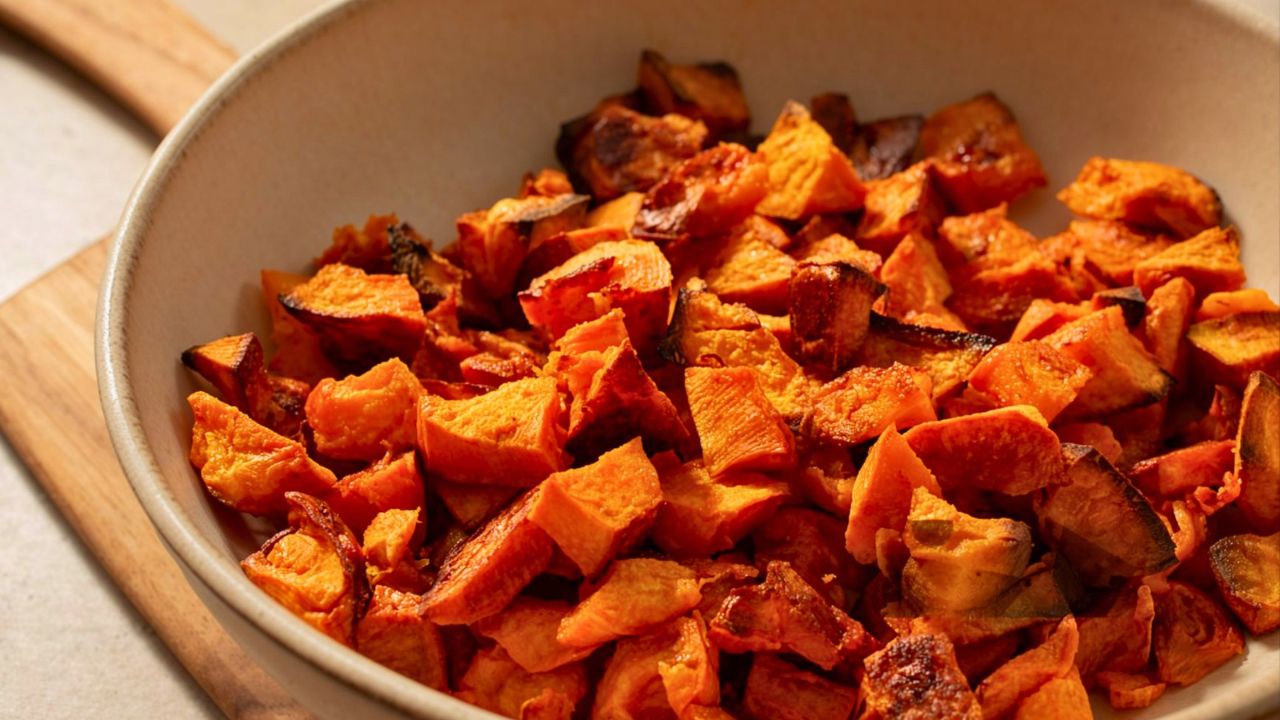
Sweet potato is dog-friendly when it’s cooked plain. Roast, steam, or microwave it and offer small chunks, with the skin removed if it’s tough or chewy. Skip the marshmallows, butter, brown sugar, and all the holiday stuff.
If you dehydrate sweet potato slices for treats, cut them evenly so they dry all the way through. Half-dry chews can mold in a jar and that’s a mess you don’t want. Store them cool and dry, and toss any that smell off.
12. Oatmeal Cooked With Water
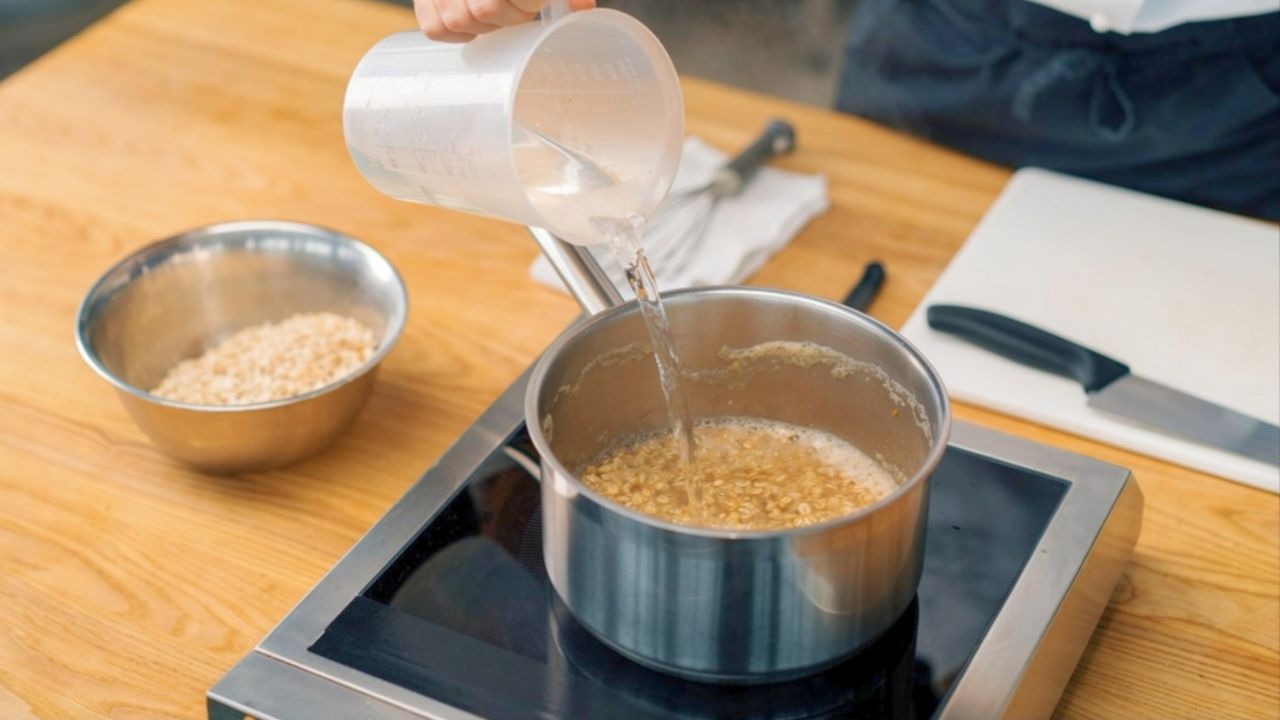
Oatmeal is a decent share food when you need something gentle and filling. Cook it with water, not milk, and don’t add sweeteners. Let it cool so your dog doesn’t burn their mouth, then offer a couple spoonfuls.
Flavor packets are not dog food. They’re loaded with sugar and sometimes artificial sweeteners. Plain oats are cheap, and you can keep a container in the pantry for both you and the dog.
Any new food can cause trouble if you hand over a big serving all at once, so keep it boring and keep it small. If your dog has allergies, weight issues, or a health condition, treat people food like a tool, not a habit. When in doubt, toss the scraps in the compost and give your dog a proper treat instead.
Like Fix It Homestead’s content? Be sure to follow us.