Best Compact Tractors for People With a Few Acres
Photo credit: meunierd/Shutterstock.com
A few acres sounds small until you start moving gravel, cleaning stalls, cutting trails, and dragging logs out of the back corner. The right compact tractor turns those jobs into normal weekend work instead of an all-day grind. The wrong one sits, leaks, or feels sketchy on a slope.
1. Right Size For Your Real Jobs
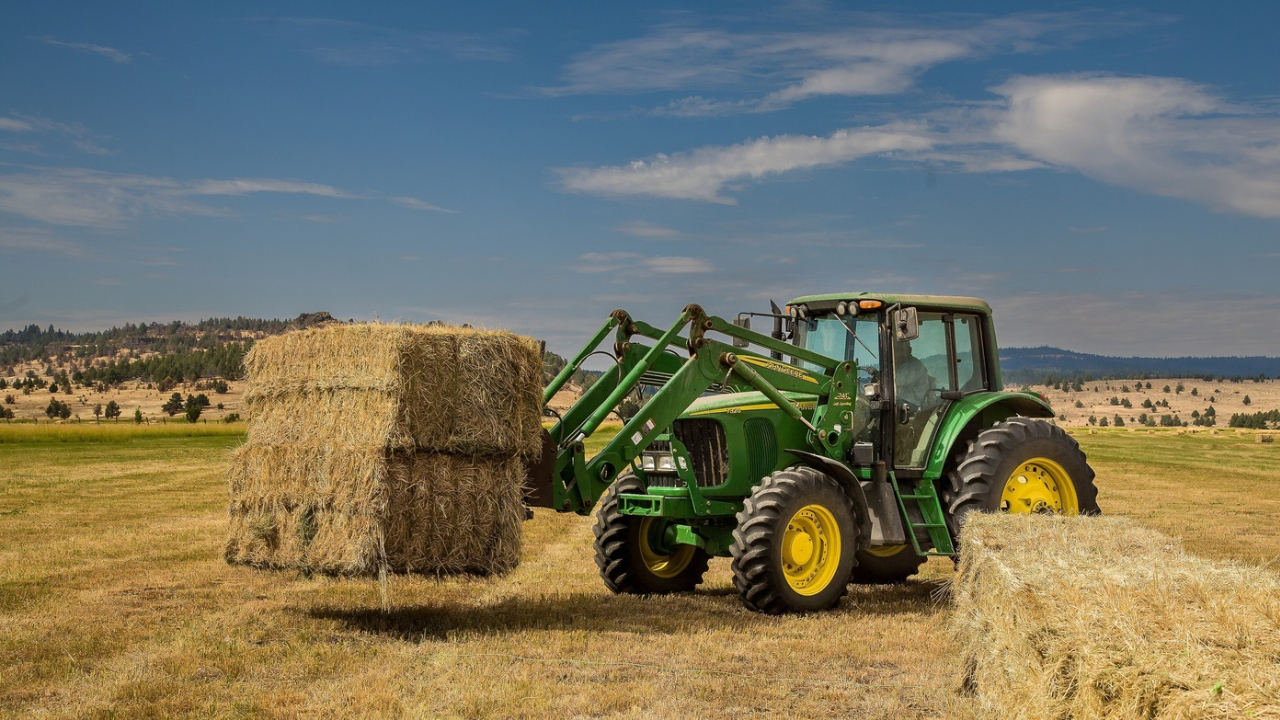
People buy on horsepower and end up with a tractor that can’t lift what they actually handle. If you’re moving round bales, loading wet manure, or placing pallet loads, lift capacity and loader breakout force matter more than a big number on the hood. A small frame tractor can run out of stability before it runs out of engine.
Think in attachments and weights, not acreage. Match the tractor’s loader lift at the pins and at 19.7 inches forward, because that second number is what you feel with a bucket or pallet forks. If you’re mostly mowing and grading a driveway, smaller is fine, but don’t pretend you won’t end up moving dirt.
2. Loader That Feels Tight And Strong
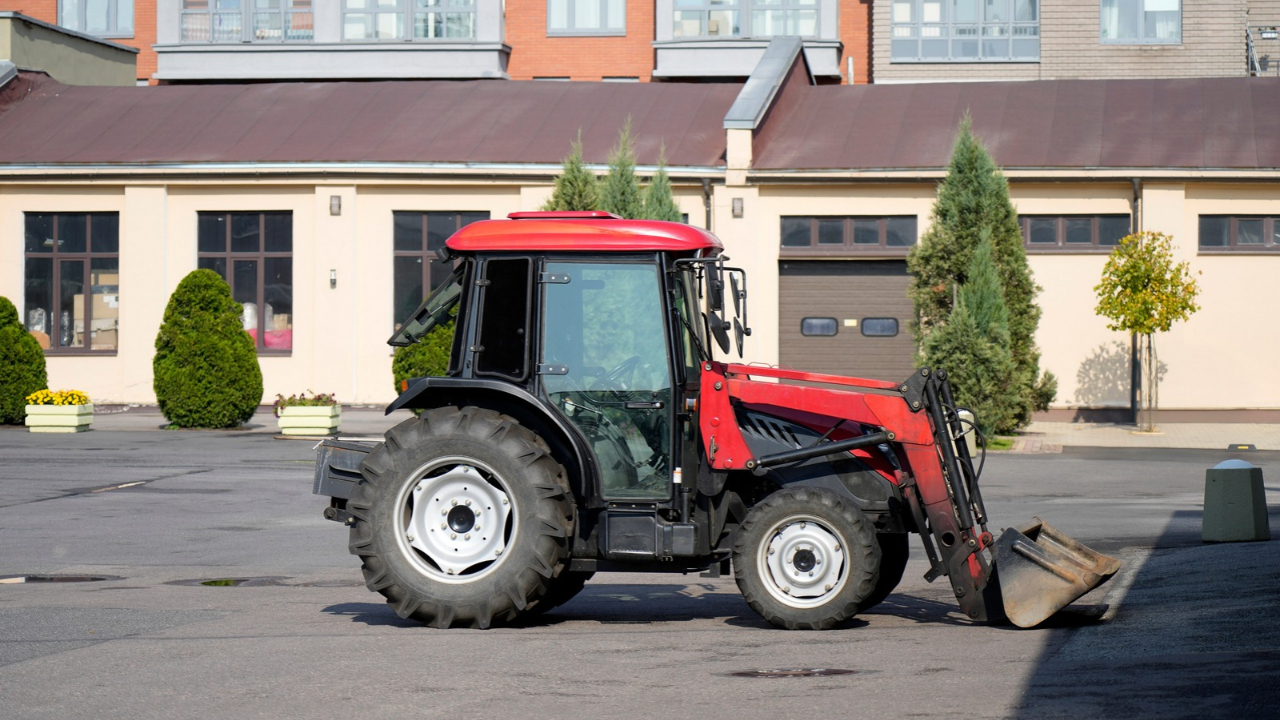
A compact tractor without a good front-end loader is a missed chance. You’ll notice it when the bucket chatters, the pins get sloppy, or the lift feels slow even at higher RPM. Loose loader arms and worn bushings make every job harder and louder.
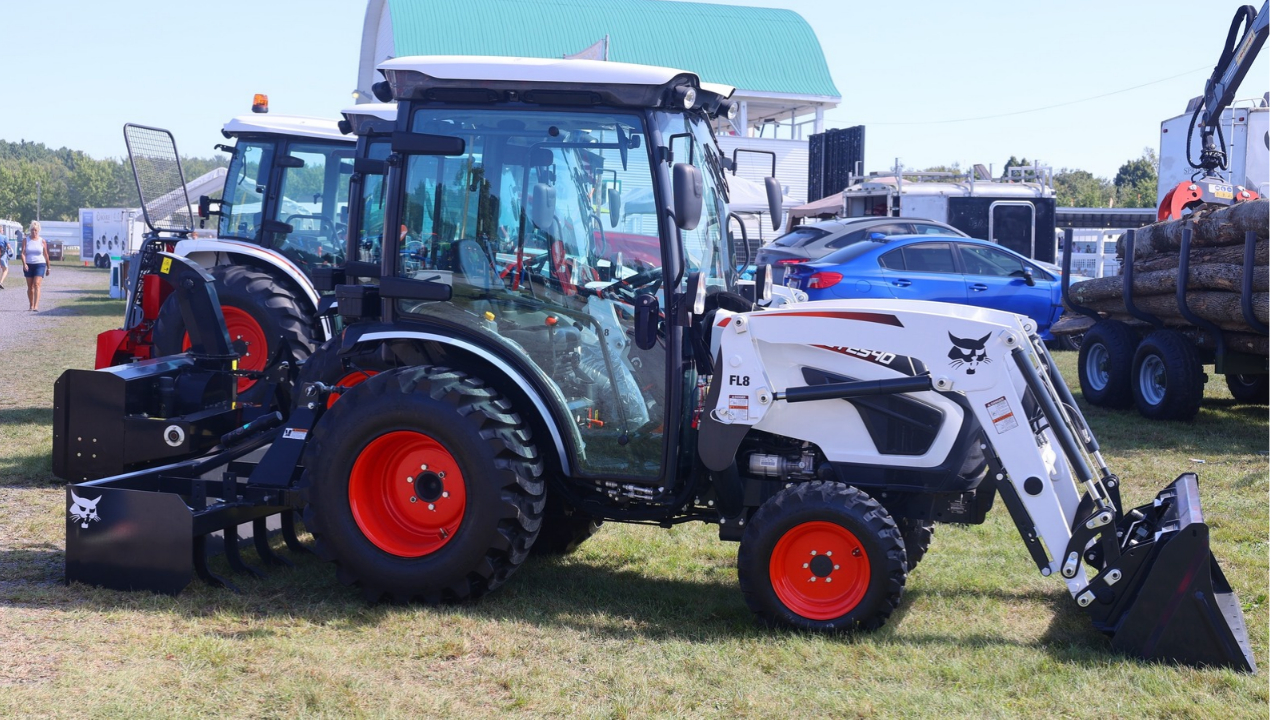
Look for a loader that comes as a matched setup from the tractor maker, with proper joystick placement and quick-attach compatibility. Check that the quick-attach is the common skid-steer style so you can use pallet forks, a grapple, or a snow pusher without hunting down odd brackets. When you test drive, curl the bucket into a pile and listen for strain or hydraulic whine.
3. Hydrostatic For Stop-And-Go Chores
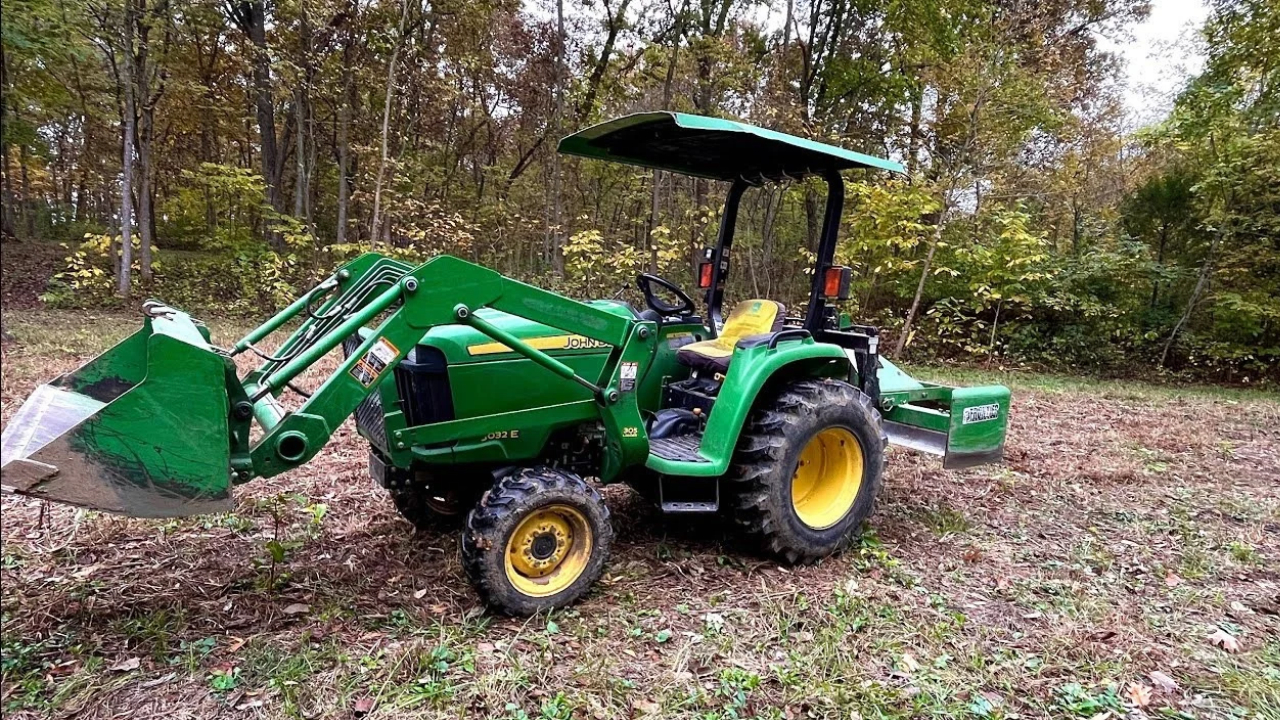
If your days are lots of forward, reverse, inching up to a fence line, and backing into tight spots, hydrostatic drive is hard to beat. It lets you feather speed without clutching, which matters when you’re working around buildings, gates, and animals. You’ll also be more likely to hop on for a ten-minute job, which is half the point of owning a compact tractor.
Gear drive still has a place. If you’re doing long pulls, steady field work, or you want simpler mechanical guts, a shuttle shift or gear tractor can be a good buy and sometimes cheaper used. The exception is snow removal in tight drives, hydrostatic wins there for most people.
4. Four-Wheel Drive That Actually Bites

Two-wheel drive looks tempting until you hit wet grass, loose gravel, or a mild slope with a loaded bucket. Then you’re spinning, digging ruts, and wishing you’d spent the extra money. On a few acres, traction is your whole day.
Get 4WD, and check the front axle and steering stops for leaks or slop, especially on used units. Add ballast before you decide the tractor is “weak.” Loaded rear tires, wheel weights, or a ballast box can transform how it climbs and how it stops.
5. ROPS And Seat Belt You’ll Use
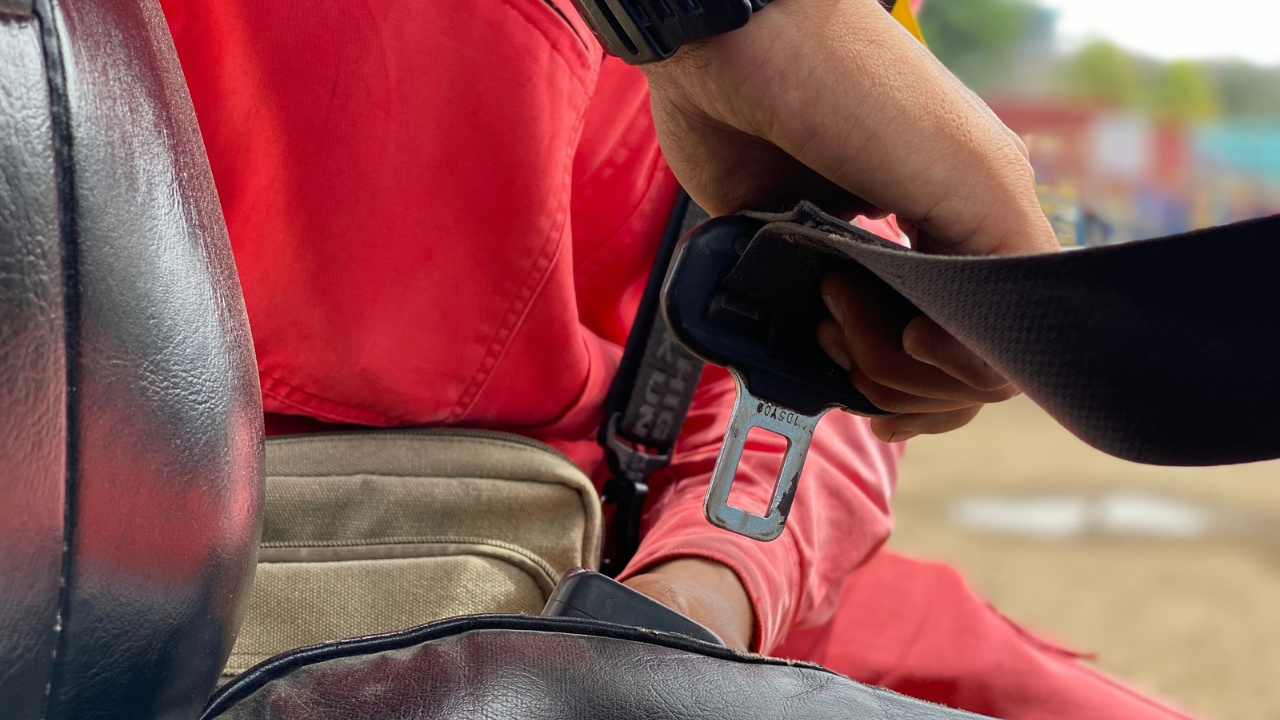
Rollover protection is not a feature you admire once and forget. Compact tractors flip quicker than people expect, usually with a raised load, a hidden hole, or a sideways slope while turning. The scary part is how normal it feels right until it doesn’t.
Buy a tractor with a foldable ROPS if you’ll be working under branches or in a low barn, because you’ll actually leave it up the rest of the time. Wear the seat belt when the ROPS is up, that’s what keeps you inside the safe zone. If you need to work on steep ground, choose wider stance options, keep loads low, and skip the hero turns.
6. Quick-Attach And Standard Attachments
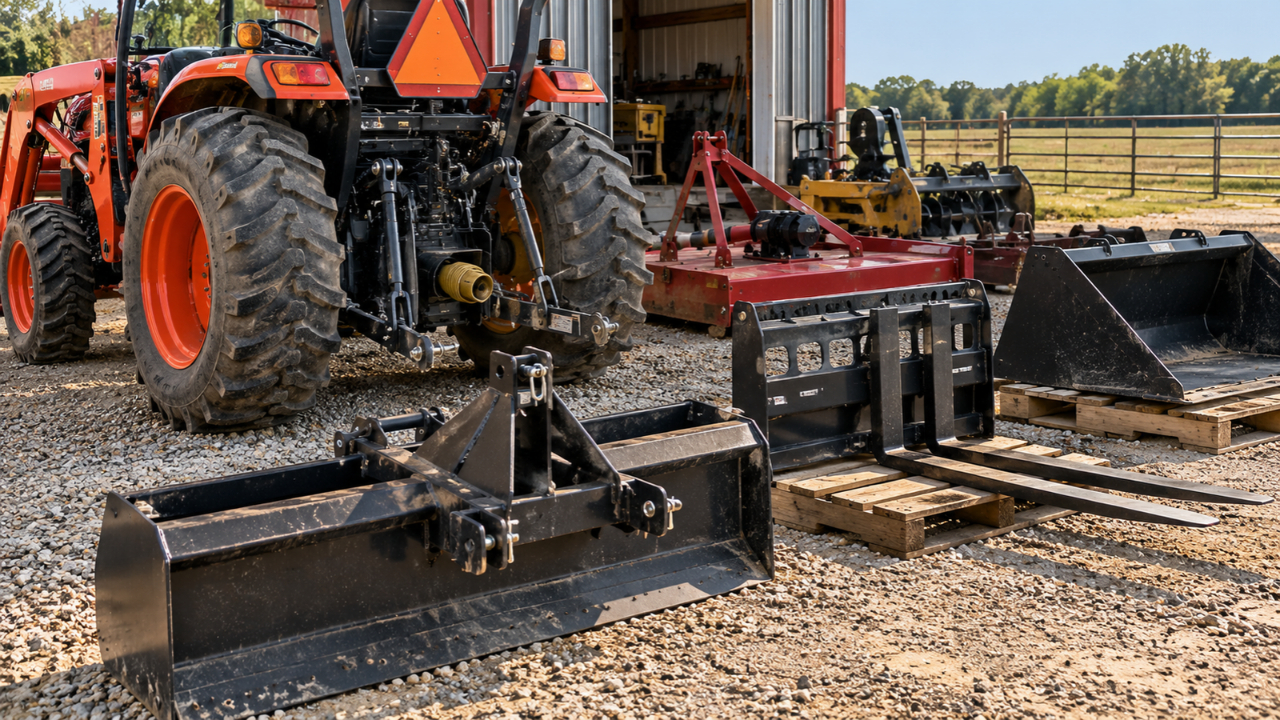
Buying a tractor that takes oddball attachments is a slow bleed of time and money. You’ll find a used blade or a set of forks cheap, then realize it won’t fit without an adapter that costs more than the deal. Or the PTO shaft length is wrong and you’re back to measuring and swapping driveline parts.
A Category 1 three-point hitch covers most compact work, and a standard 540 PTO keeps attachment choices wide. For the front, the common skid-steer quick-attach is the easy path. If the tractor you’re eyeing has a proprietary coupler, negotiate for the attachments you want up front or keep shopping.
7. Tires Chosen For Your Ground
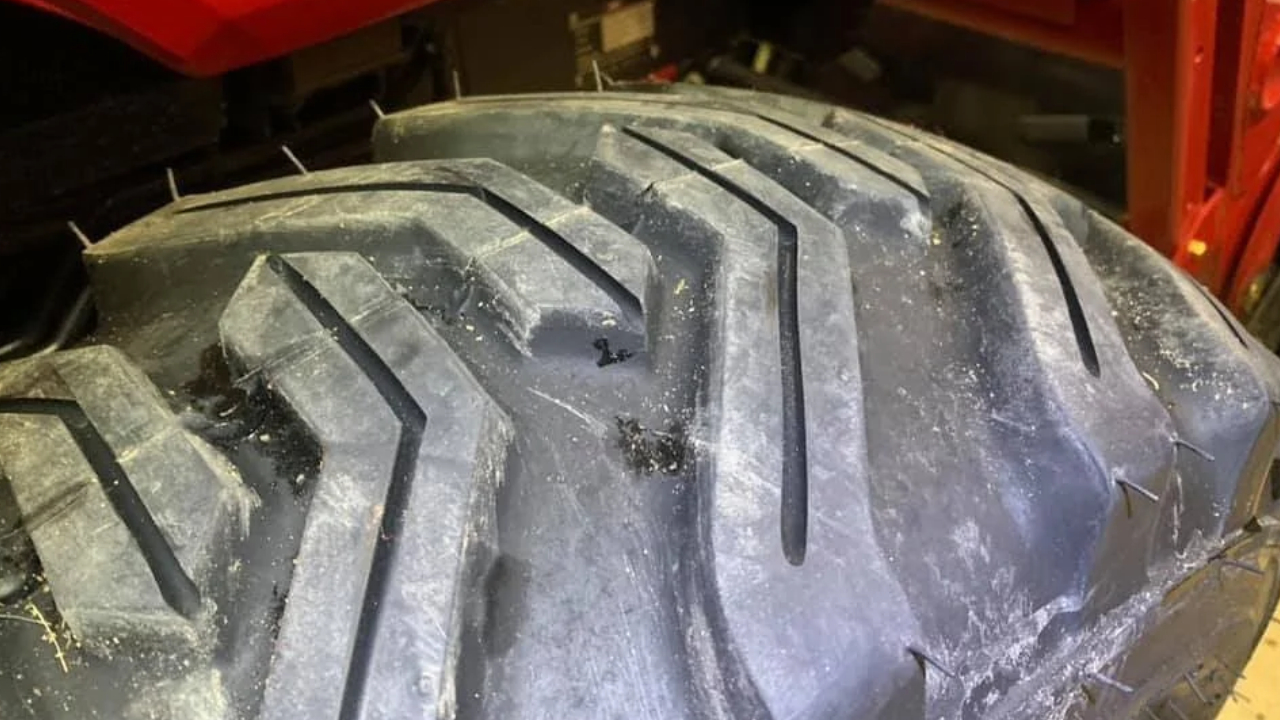
Ag tires pull like a tractor should, but they can tear up a lawn and rut soft areas. Turf tires are gentle, but they spin when you’re trying to climb a damp hill with a load. Industrial R4 tires split the difference and show up on lots of compact tractors for a reason.
Pick tires based on your hardest season, not your nicest one. If spring means mud and driveway repairs, traction wins. If you’ll be mowing around the house weekly, turf tires plus chains in winter can be the better compromise.
8. A Dealer Who Stocks Parts Nearby

A compact tractor is only “reliable” if you can get filters, hydraulic hoses, and a random sensor without waiting a month. Downtime hits hardest when the pasture gate is down, the drive washed out, or you have hay to move before rain. This is where brand loyalty turns into plain logistics.
Before you buy, call the nearest dealer and ask what they keep on the shelf for that model line. Ask about routine service parts, not fancy upgrades. A strong local dealer can make a less popular brand a smart buy, and a weak dealer can ruin a good one.
9. Used Hours That Match Maintenance Proof
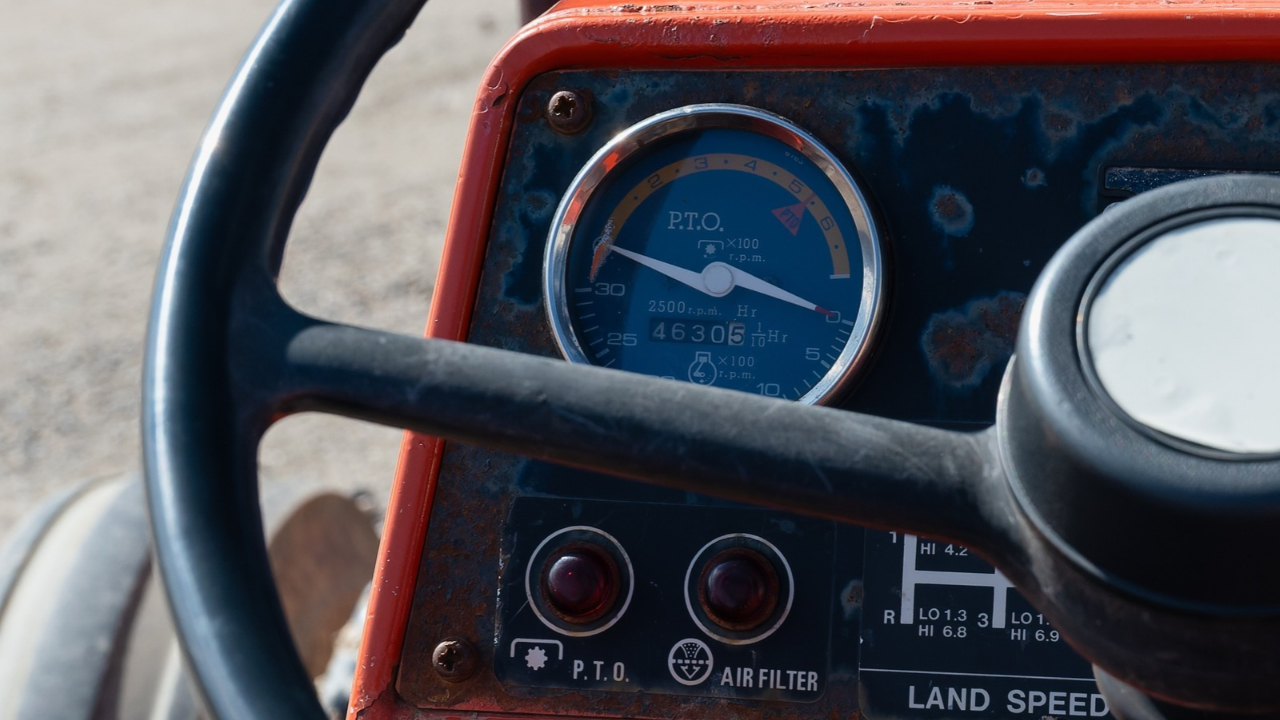
Hour meters lie, and low hours can still mean hard life. A tractor that sat outside for years can have dry seals, corroded electrical connections, and milky hydraulic fluid from condensation. You’ll hear it as squeals, rattles, and a tired starter.
Ask for service records, or at least look for signs of care, clean oil, greased pins, intact hoses, and a loader that doesn’t look like it fought rocks for a living. Check for blow-by at the breather, look for hydraulic leaks around couplers, and test 4WD engagement. If the seller won’t let you run it long enough to get warm, walk.
10. PTO Power For Mowers And Tillers
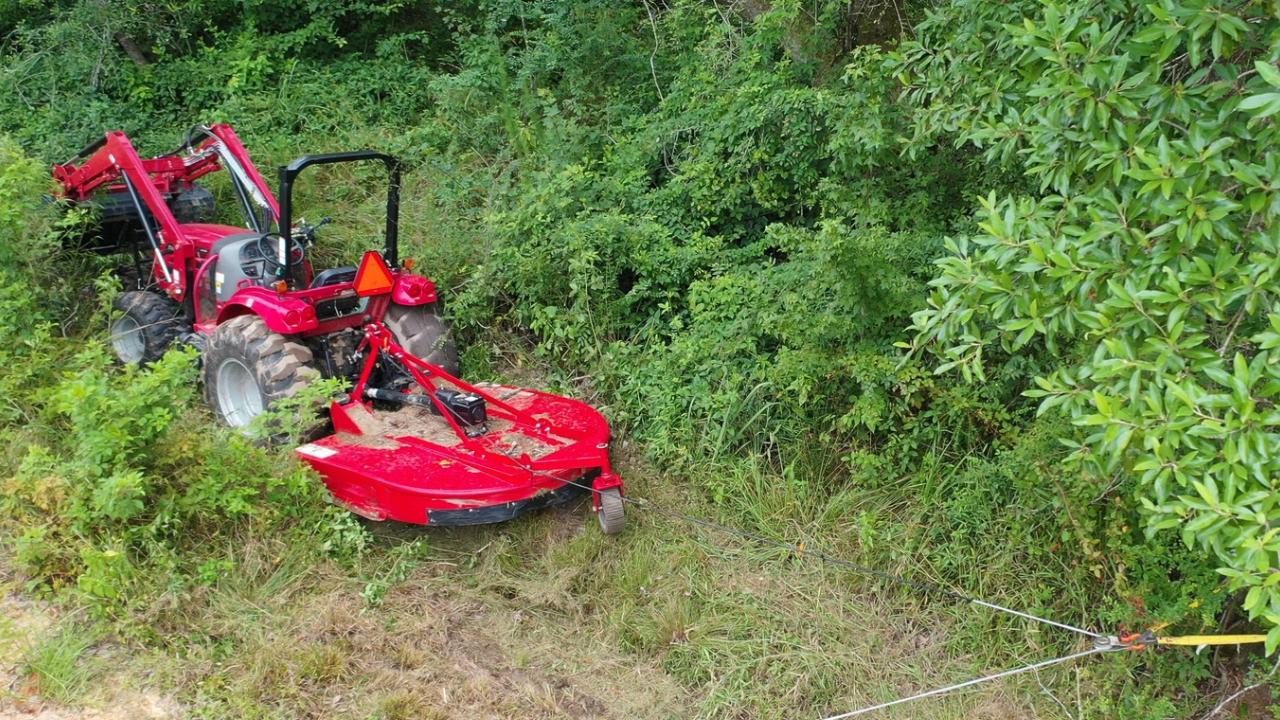
Engine horsepower sells tractors. PTO horsepower runs your brush hog, finish mower, snow blower, and tiller. If you undersize PTO power, you’ll bog down in tall grass and spend extra passes listening to the engine labor.
Match the implement width to your PTO rating and your terrain. A 5-foot brush hog behind a small compact can be perfect on flat ground and frustrating in thick saplings or hilly cuts. If mowing is your main job, a mid-mount mower can cut beautifully, but a rear finish mower is easier to remove when it’s time to switch to a blade or tiller.
11. Comfortable Controls For Long Saturdays
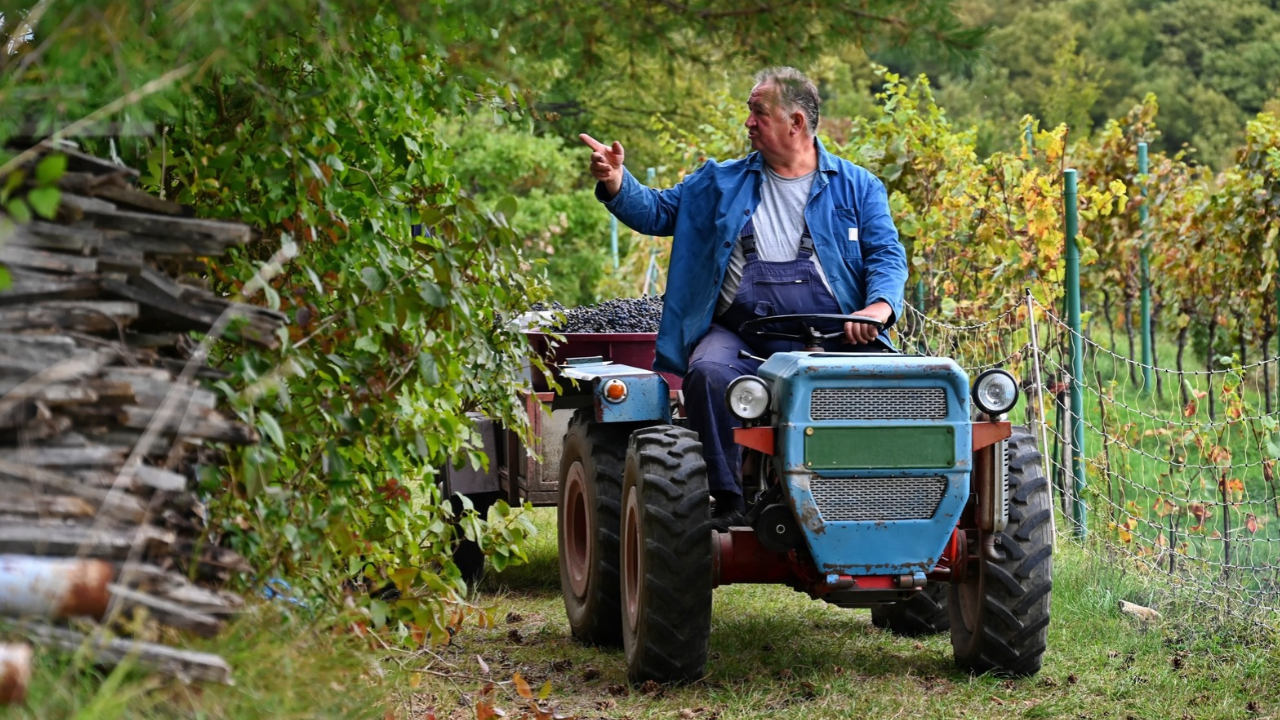
If the seat is bad and the pedals are awkward, you’ll quit early or you’ll be sore for two days. That sounds minor until you’re grading a driveway for three hours, looking over your shoulder, bouncing on washboard. Comfort is not luxury, it’s fatigue management.
Sit on it with boots. Check visibility to the loader edge, the position of the 3-point controls, and how easy it is to get on and off when you’re opening gates. Good steps, a grab handle, and a flat operator platform matter more than shiny paint.
12. Room For Implements And Covered Storage
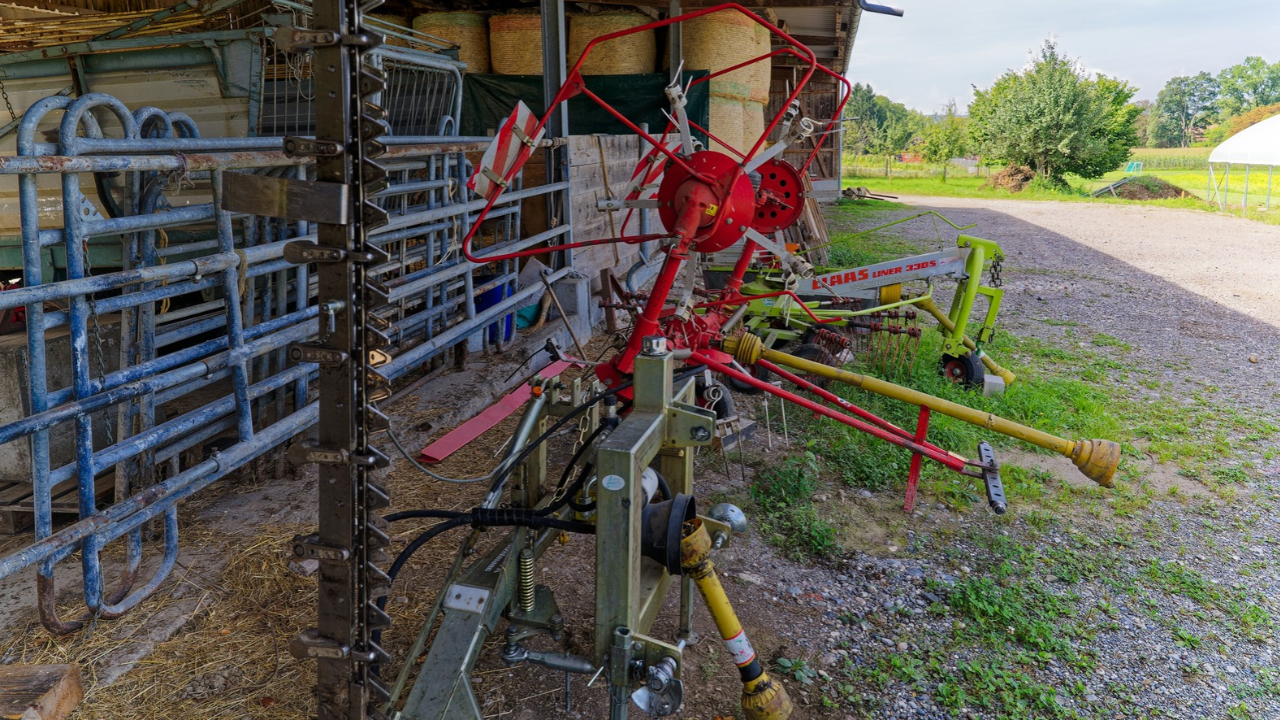
People budget for the tractor and forget the rest. A compact tractor earns its keep with implements, and those implements need a dry place to live. Leaving a rotary cutter in weeds all summer is how you end up with a seized tailwheel, rotten PTO guard, and a nest in the gearbox area.
Plan a spot for a blade, mower, forks, and a ballast option right away, even if it’s a simple pole shed or a tarp setup done right. If you can’t store it under cover, at least protect the seat, keep the battery maintained, and park on a firm pad so it’s not sinking into mud every rain.
Once you’ve narrowed it down, spend time on a test drive that includes loader work, tight turns, and a short hill if you have one. A compact tractor should feel predictable, not twitchy or strained. If it feels right in your hands and you can get parts without drama, it’ll get used.
Like Fix It Homestead’s content? Be sure to follow us.