12 Shrubs That Look Good Without Any Real Work
Photo credit: Svechkova Olena/Shutterstock.com
You can spend a whole Saturday pruning, feeding, and babying shrubs that still look ragged by August. Or you can plant the kind that holds its shape, shrugs off bad soil, and doesn’t punish you for missing a week with the hose. If your goal is a yard that looks cared for without turning yard work into a second job, start with shrubs that behave.
1. Boxwood For Clean Edges
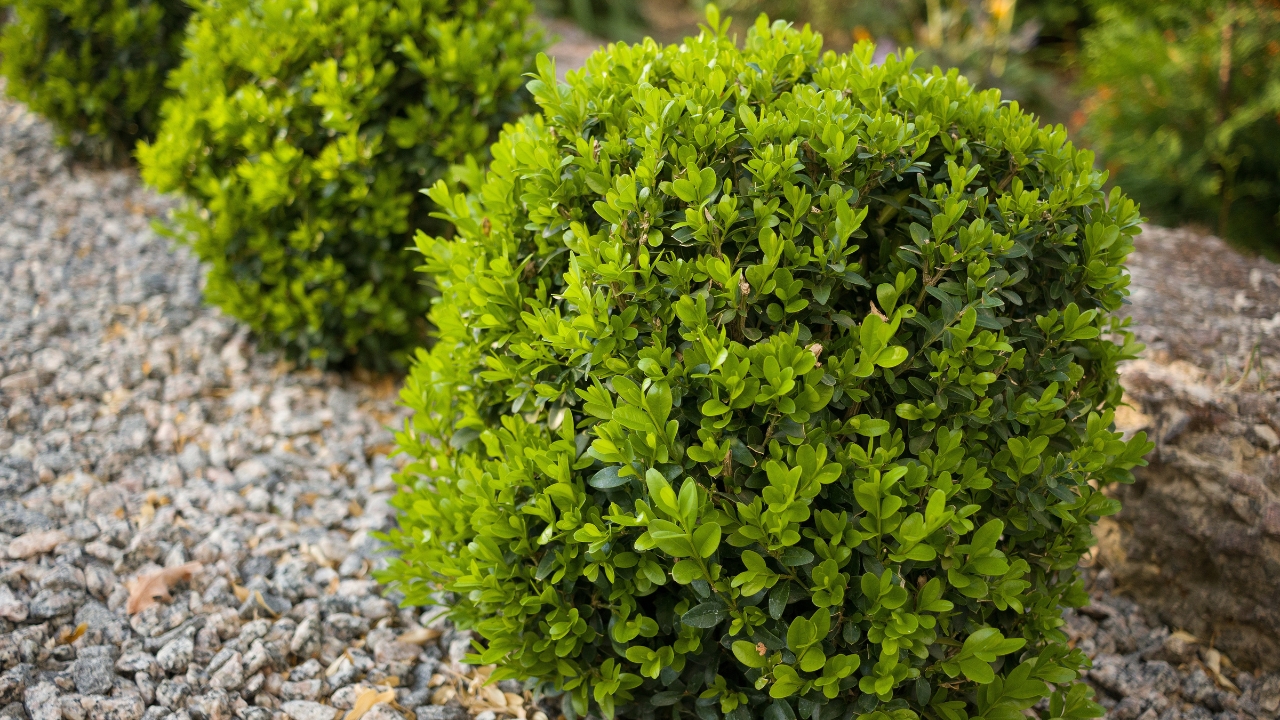
Boxwood gives you that tidy, “finished” look around a walk or porch without much fuss. It stays green, keeps a dense shape, and rarely needs more than a light trim once or twice a year. Put it where it gets sun to part shade and decent drainage.
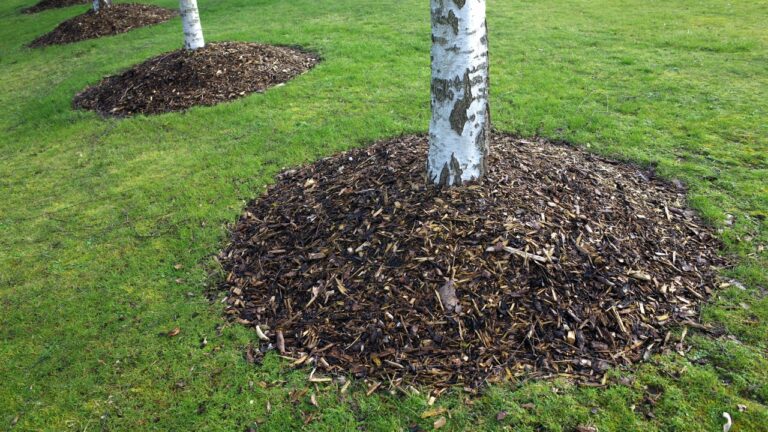
The big mistake is planting it too tight to the house and then letting it rub siding and trap moisture. Keep a little air gap and don’t pile mulch up against the stems. If winter burn is common where you live, tuck it out of harsh wind or use a burlap screen the first year.
2. Spirea That Flowers On Its Own
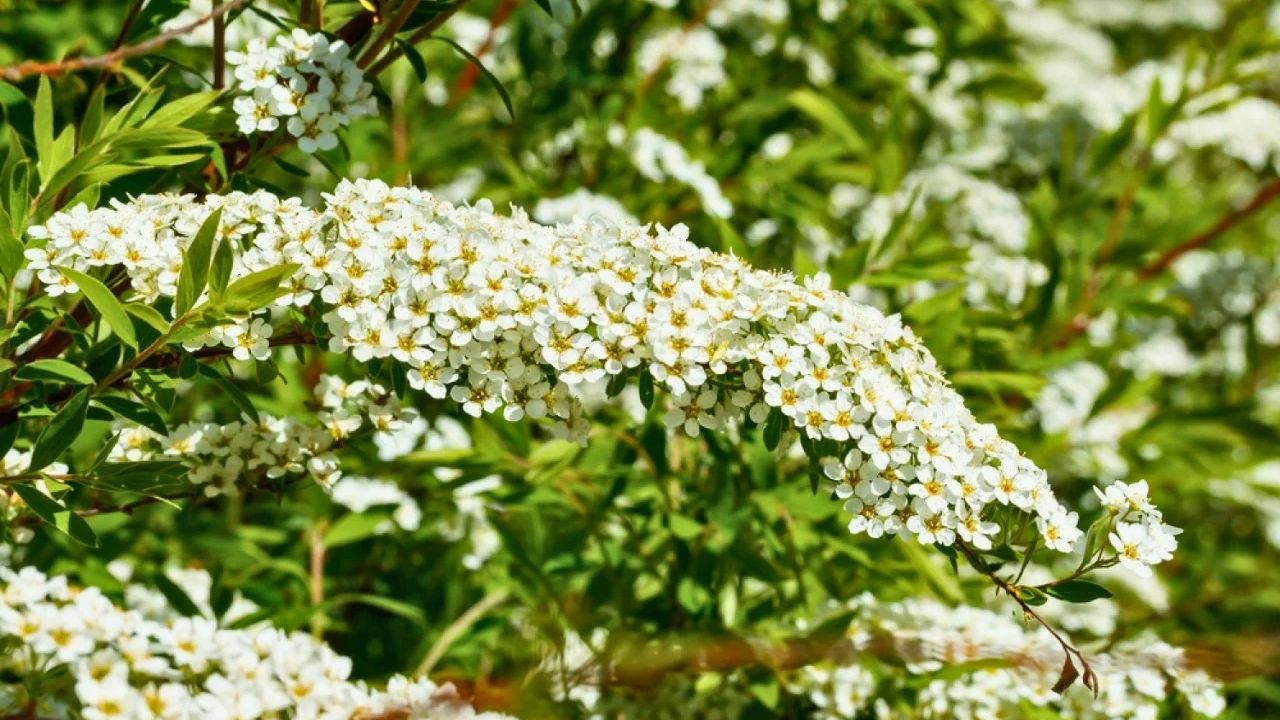
Spirea is one of those shrubs that looks like you planned it, even if you didn’t. It throws reliable spring or summer blooms, then sits there looking neat with very little input. It handles average soil, road dust, and the kind of watering schedule that happens when you remember.
Don’t overthink pruning. If it gets leggy, cut the whole thing back by about a third right after it blooms, or do a hard renewal cut in late winter every few years. Skip constant little snips, they just make a tight outer shell and a dead middle.
3. Ninebark For Tough Spots
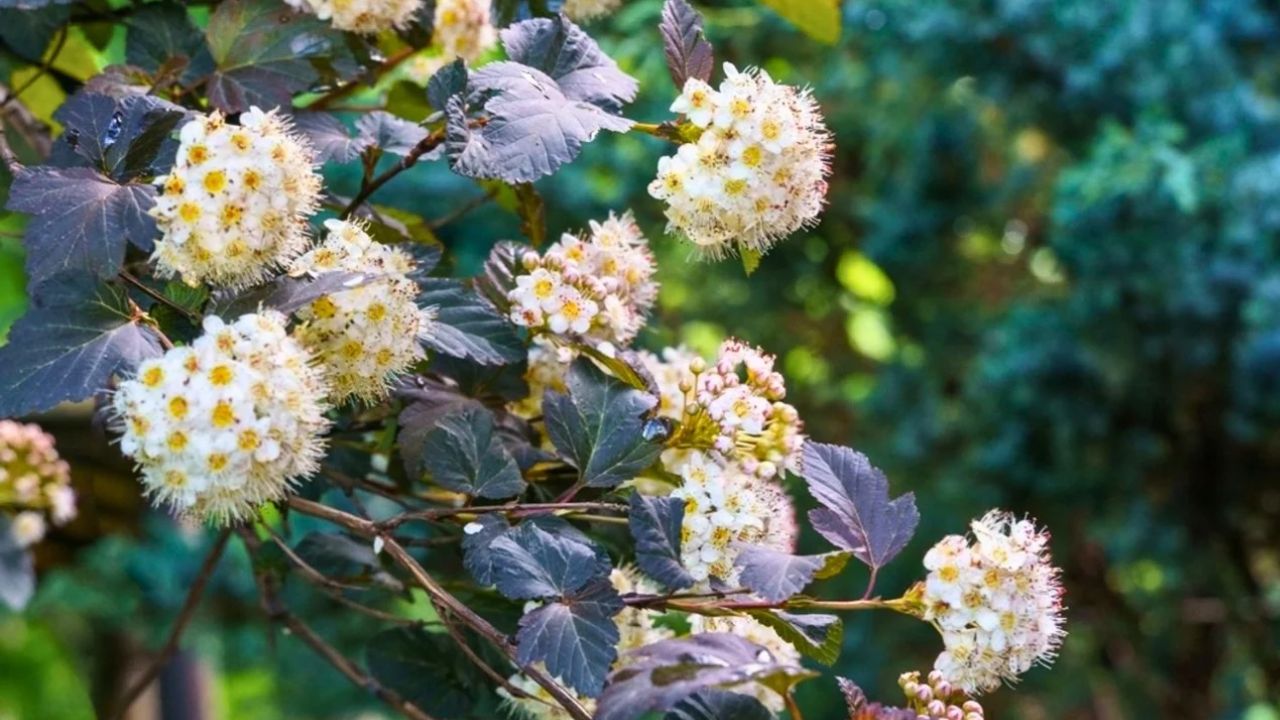
If you’ve got a hot, dry strip by the driveway or a slope you don’t want to baby, ninebark earns its keep. It’s rugged, fast-growing, and has bark that peels in winter, so it still looks interesting when everything else is brown. Many types also bring purple or amber leaves so you get color without flowers.
Give it room. People cram it into a “foundation plant” space, then spend years fighting it with hedge trimmers. Plant it where it can get wide, and once a year remove a few older stems at the base to keep it from turning into a thicket.
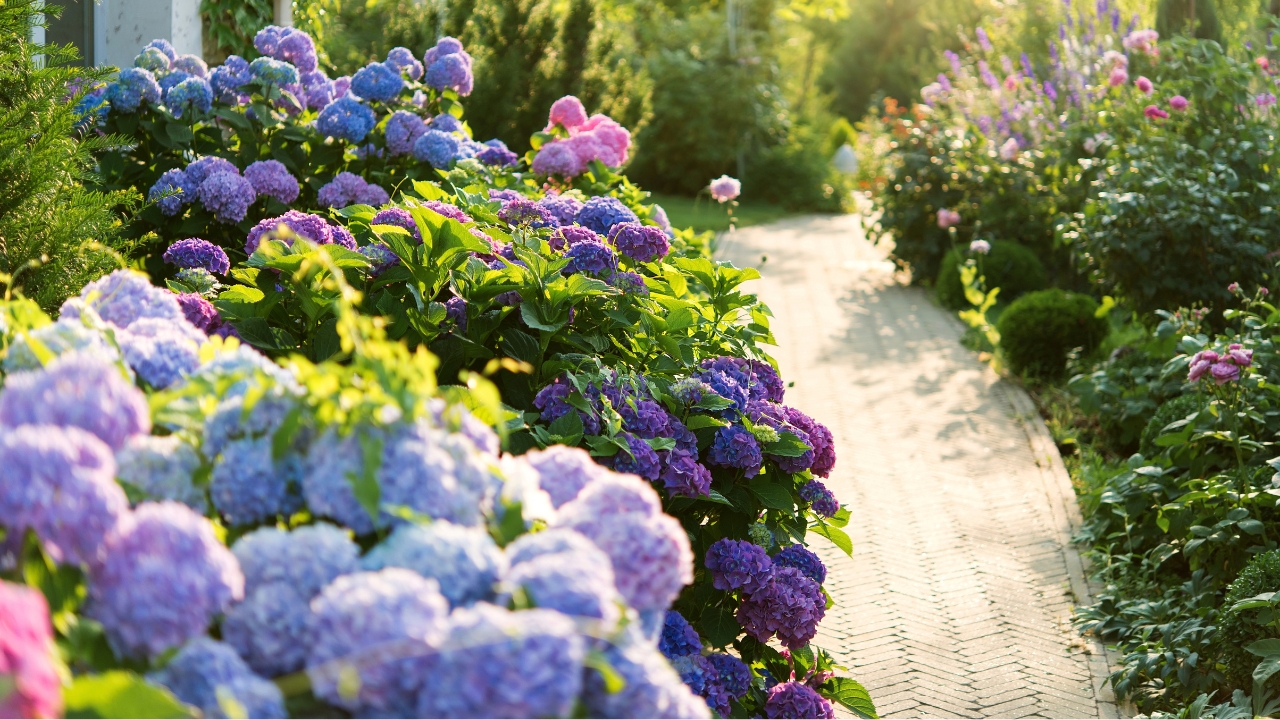
4. Hydrangea That Matches Your Climate
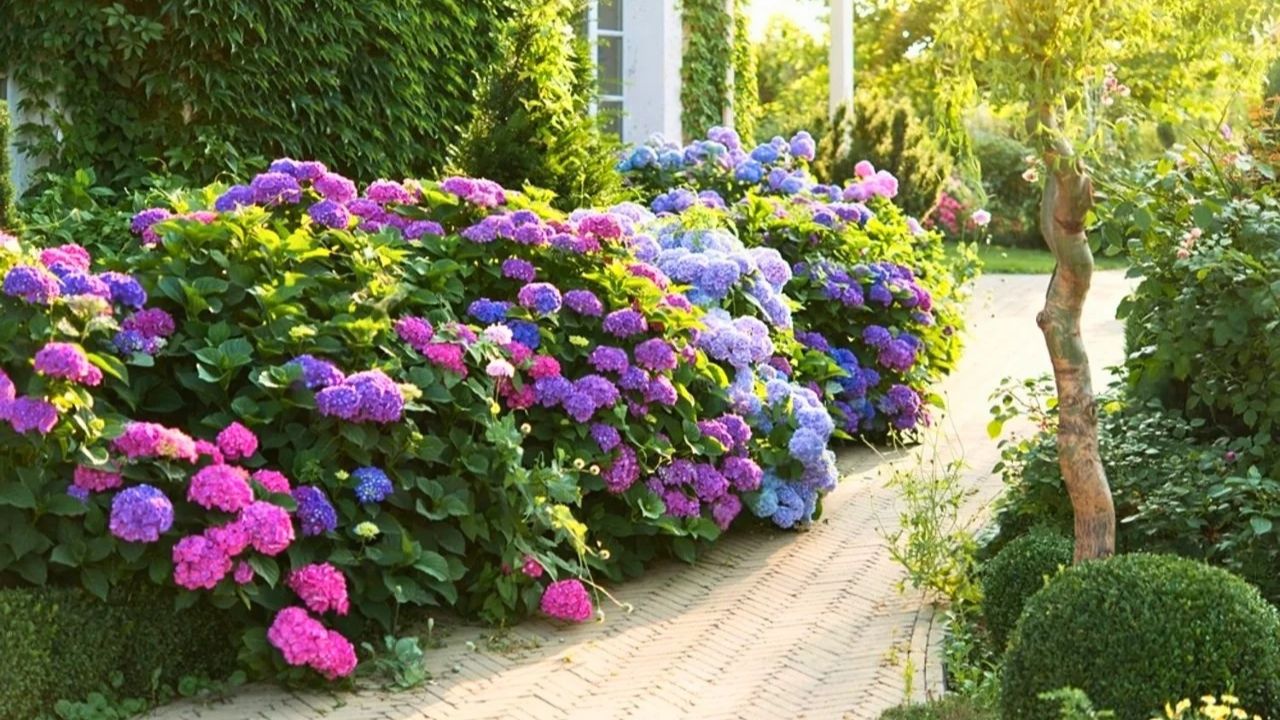
Hydrangeas get a bad rap because the wrong kind in the wrong place turns into a stick with two leaves and no blooms. Pick a type that fits your winters and sun. Panicle hydrangeas handle more sun and bloom on new wood, so a cold spring won’t wipe out the show.
Don’t dump high-nitrogen lawn fertilizer near them, you’ll get leaves and no flowers. Water deeply during dry spells the first season, then back off. If you want to prune, do it in late winter for panicles, and go easy on bigleaf types unless you know exactly when they set buds.
5. Inkberry Holly For No-Fuss Green
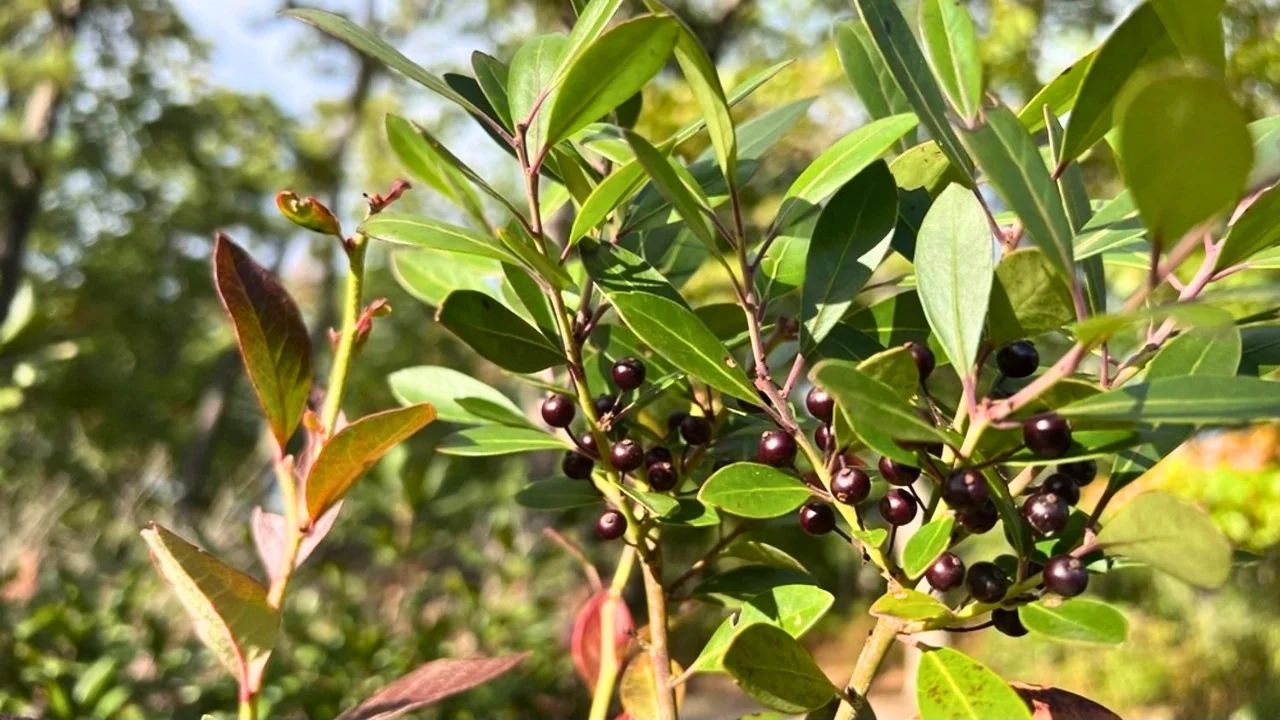
Inkberry holly gives you an evergreen look without the prickly attitude of many hollies. It’s a solid choice for wetter soils where other shrubs sulk, and it stays presentable even when you’re not out there sculpting it. In mild winters it holds its color well.
The only real work is keeping it from getting thin at the bottom. Skip the hedge-trimmer “box” routine and do selective cuts, removing a few taller stems to force new growth lower down. If you want berries, you need a male plant nearby, but it still looks good without them.
6. Dwarf Alberta Spruce That Stays Put
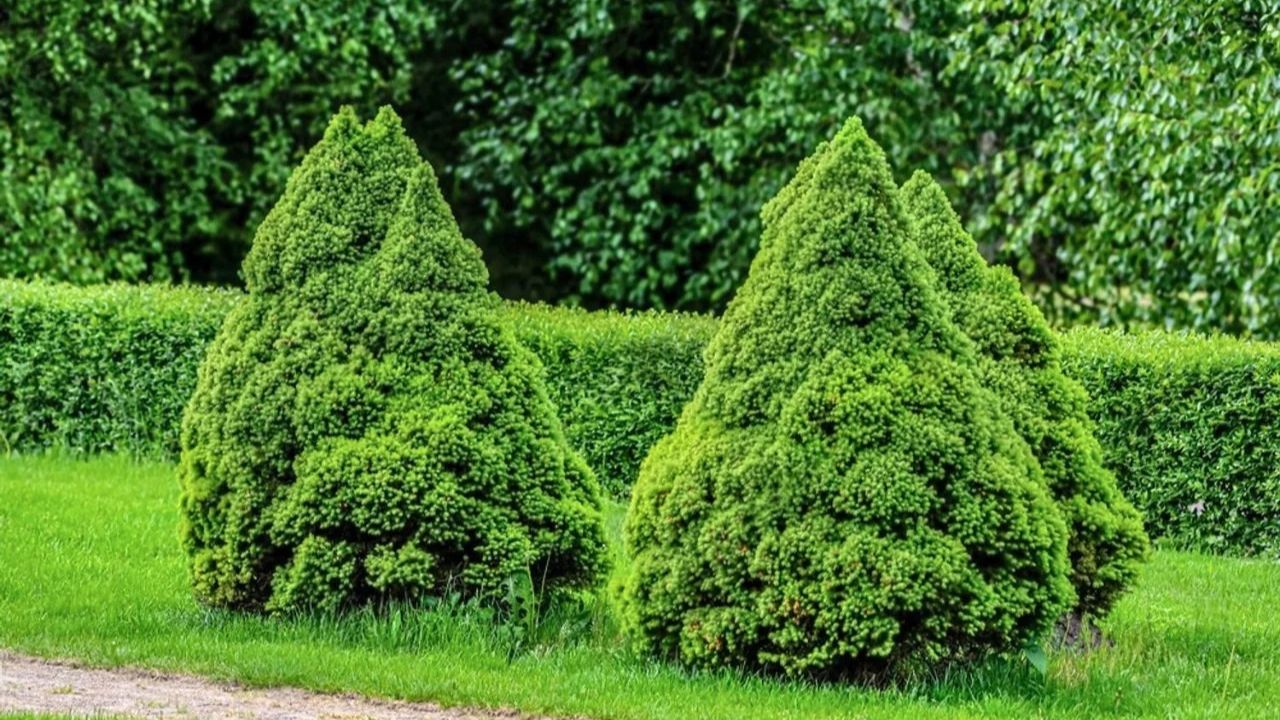
Need something that looks like it was clipped by a pro, but you don’t want to clip anything? Dwarf Alberta spruce grows slowly and keeps that cone shape on its own. It works well by a front step, at a corner, or in a bed that needs winter structure.
Give it sun and decent drainage, then mostly leave it alone. If it gets a dead patch inside, don’t panic and start shearing. Pick out the dead bits by hand and check that mulch isn’t piled onto the trunk, which invites rot and stress.
7. Viburnum With Real Disease Resistance
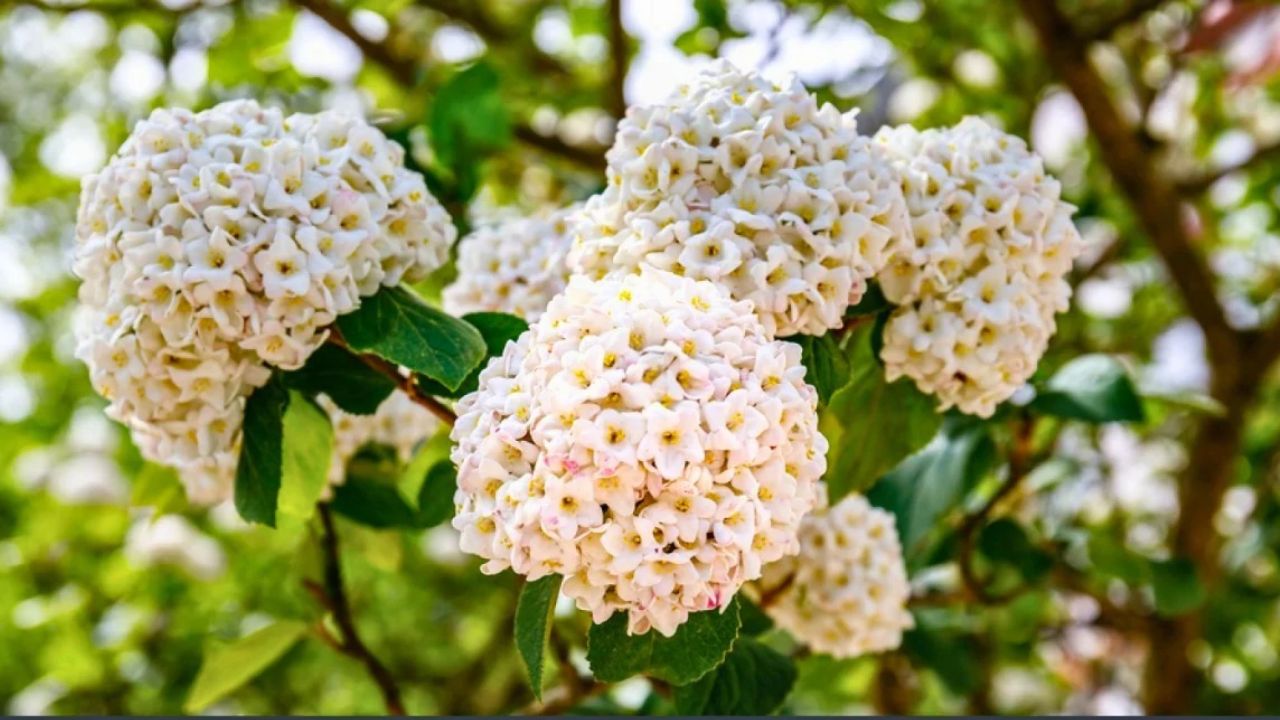
Viburnums can be “plant it and forget it” shrubs, but only if you pick a type that does well where you live. Some handle shade, some love sun, and many give you spring flowers plus berries for birds. The good ones grow into a full shape without constant pruning.
What ruins viburnum is planting a susceptible variety and then acting surprised when it looks chewed up all summer. Ask a local nursery which viburnums stay clean in your area and avoid bargain plants with spotted leaves. If it outgrows the spot, thin a few stems at the base instead of shearing the whole outside.
8. Forsythia For Early Color On Zero Effort
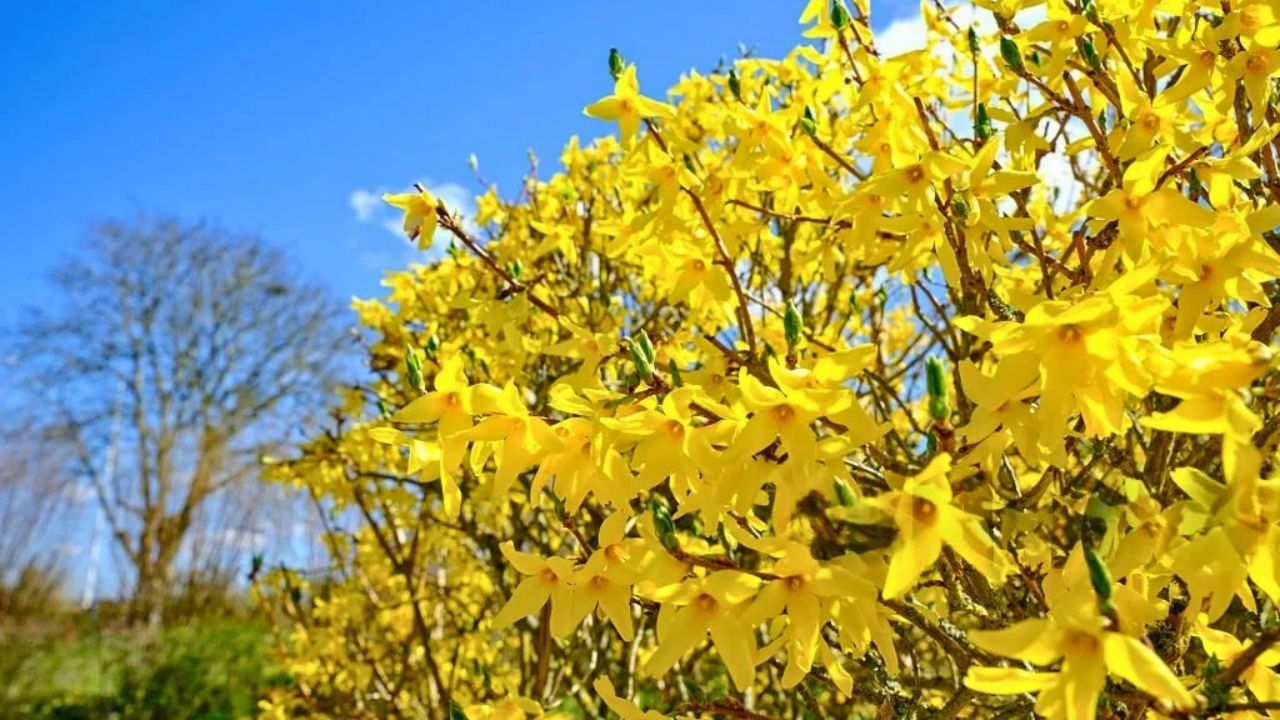
Forsythia is blunt and cheerful. It blooms when you’re sick of looking at mud, and it doesn’t care if you forgot to do anything last year. Put it where you can enjoy that early yellow without staring at the bare sticks the rest of the season.
One cut right after flowering keeps it from turning into a tangled fountain. If you cut it in fall or late winter, you’ll cut off the buds and lose the show. If you’ve got room and don’t mind the size, the cheap option is fine here, no fancy cultivar required.
9. Potentilla For Heat And Bad Soil
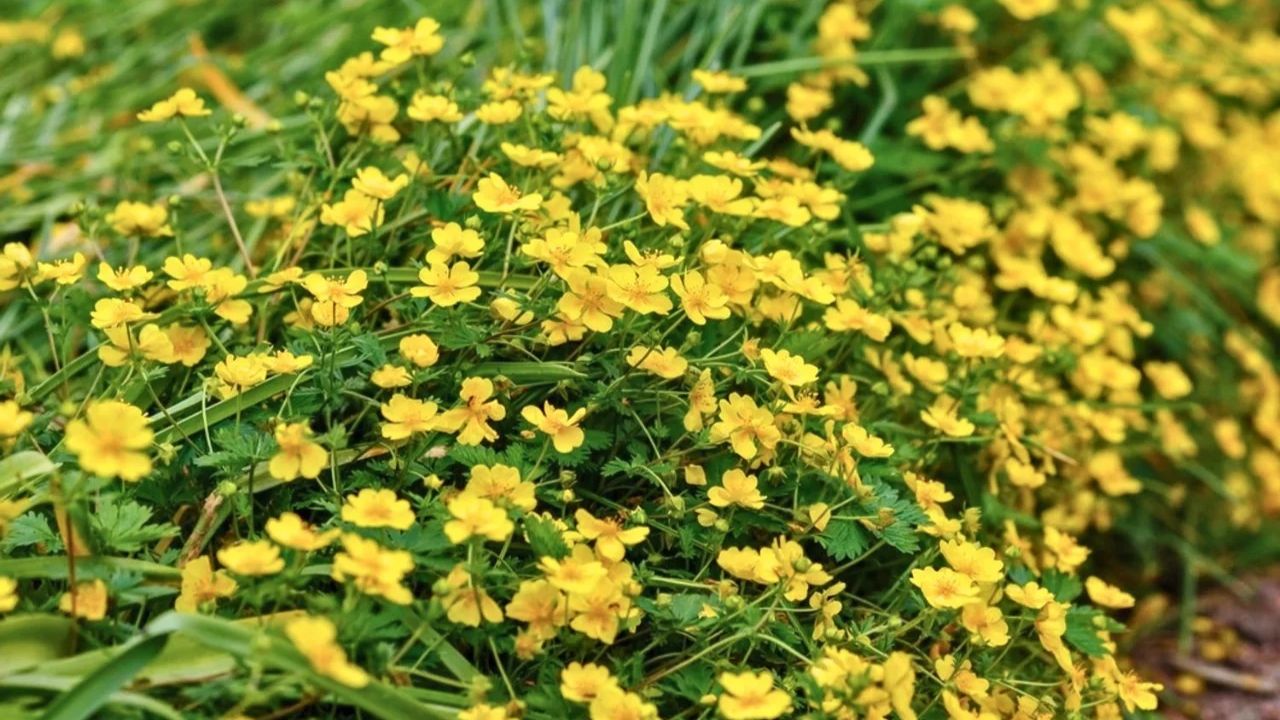
Potentilla is a workhorse for spots that bake in summer. It flowers for a long stretch, stays compact, and doesn’t throw a fit over sandy soil or a missed watering. If you’ve got a rental, a roadside edge, or a yard you’re still fixing, it’s a smart placeholder that still looks intentional.
It can look tired after years, so every few seasons cut it back hard in early spring to refresh it. Don’t fertilize it much, rich soil makes it floppy. If you hate the look of winter sticks, plant it behind something evergreen and let it do its thing.
10. Juniper That Covers Ground And Mistakes
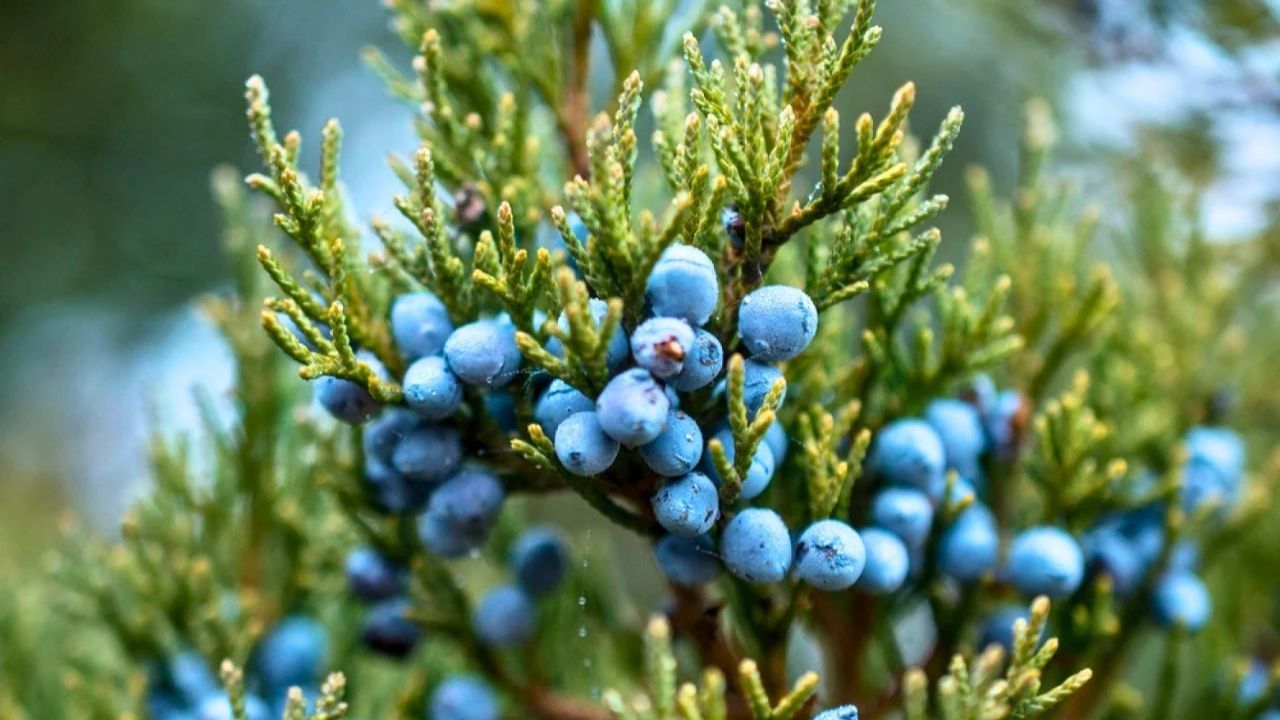
Nothing fills a slope and stops weeds like a low, spreading juniper. It handles drought once established and doesn’t need pruning unless it’s crawling into a walkway. You get year-round color and you stop fighting erosion with bags of mulch that wash away.
The common failure is planting it where it stays wet, especially in heavy clay. That’s when it starts thinning and browning from the inside. Plant it high, don’t bury the crown with mulch, and water the first season, then let it toughen up.
11. Fragrant Sumac For Slopes And Shade
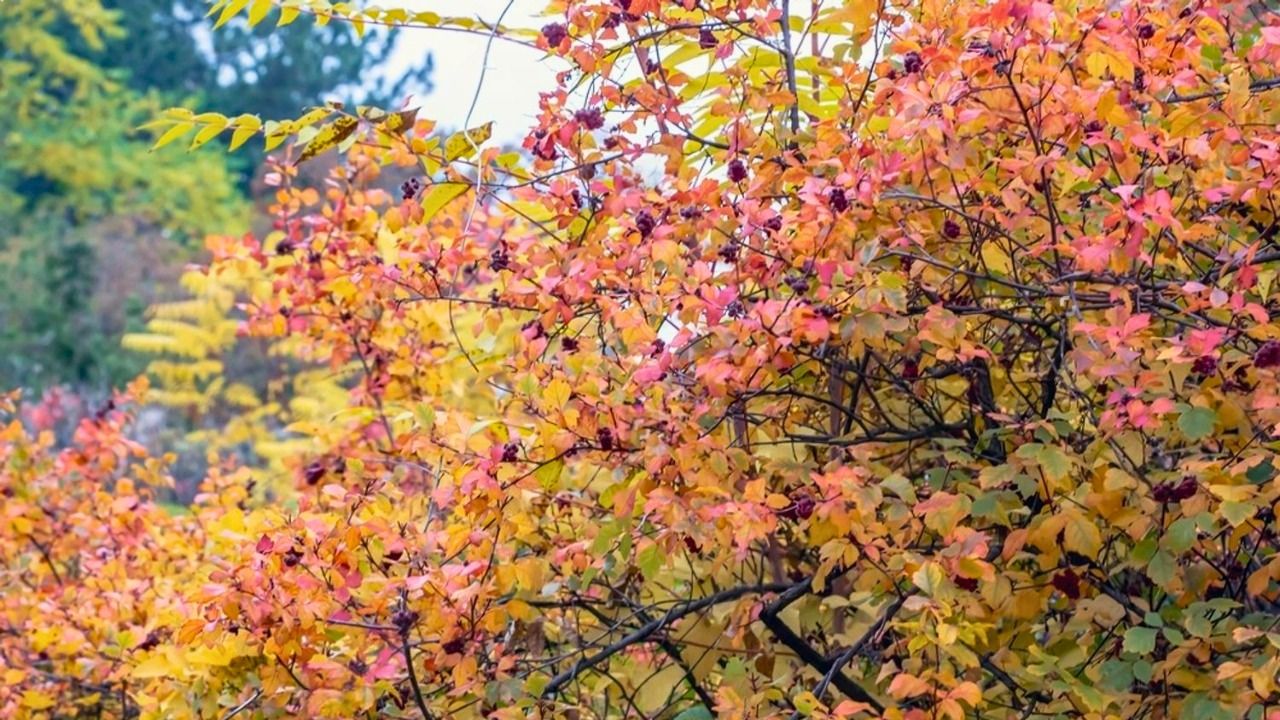
This one surprises people. Fragrant sumac is native in many areas, shrugs off poor soil, and forms a low, spreading shrub that stabilizes banks. Fall color can be great, and it doesn’t ask for much.
It will spread, so don’t put it in a tiny bed where you’ll be ripping out runners every year. Use it where you want a living groundcover and you’re fine with it knitting together into a mass.
12. Aronia For Birds And Zero Drama
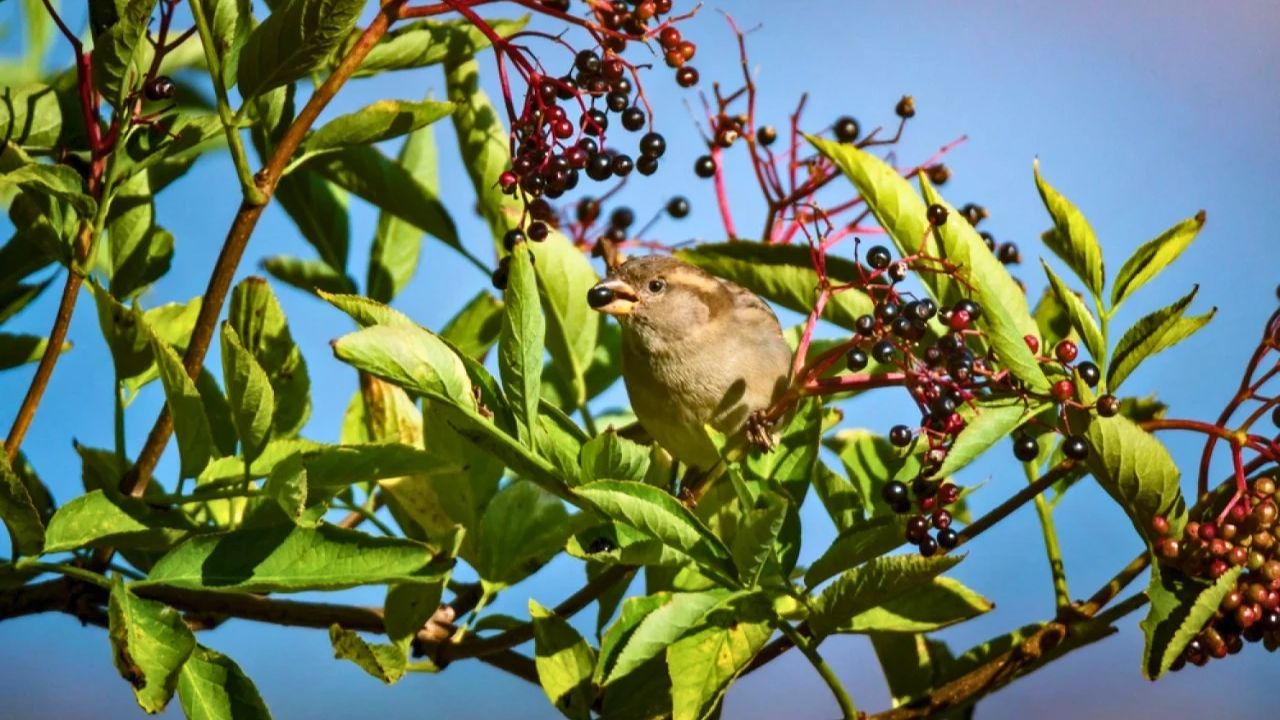
Aronia, also called chokeberry, is one of the easiest shrubs to keep looking decent all year. Spring flowers, glossy leaves, and berries that hang on and bring birds. It tolerates wet spots better than many ornamentals and still handles average yard soil.
Skip the constant shaping. If it gets too dense, take out a few older stems at ground level in late winter and you’re done. The berries can drop and stain on hard surfaces, so don’t plant it right over a light-colored patio where you eat in fall.
Planting “easy” shrubs doesn’t mean planting anywhere and walking away. Give them the right light, don’t bury trunks in mulch, and water well the first season so roots actually move into the soil. After that, the best work you can do is leaving them alone long enough to look settled.
Like Fix It Homestead’s content? Be sure to follow us.