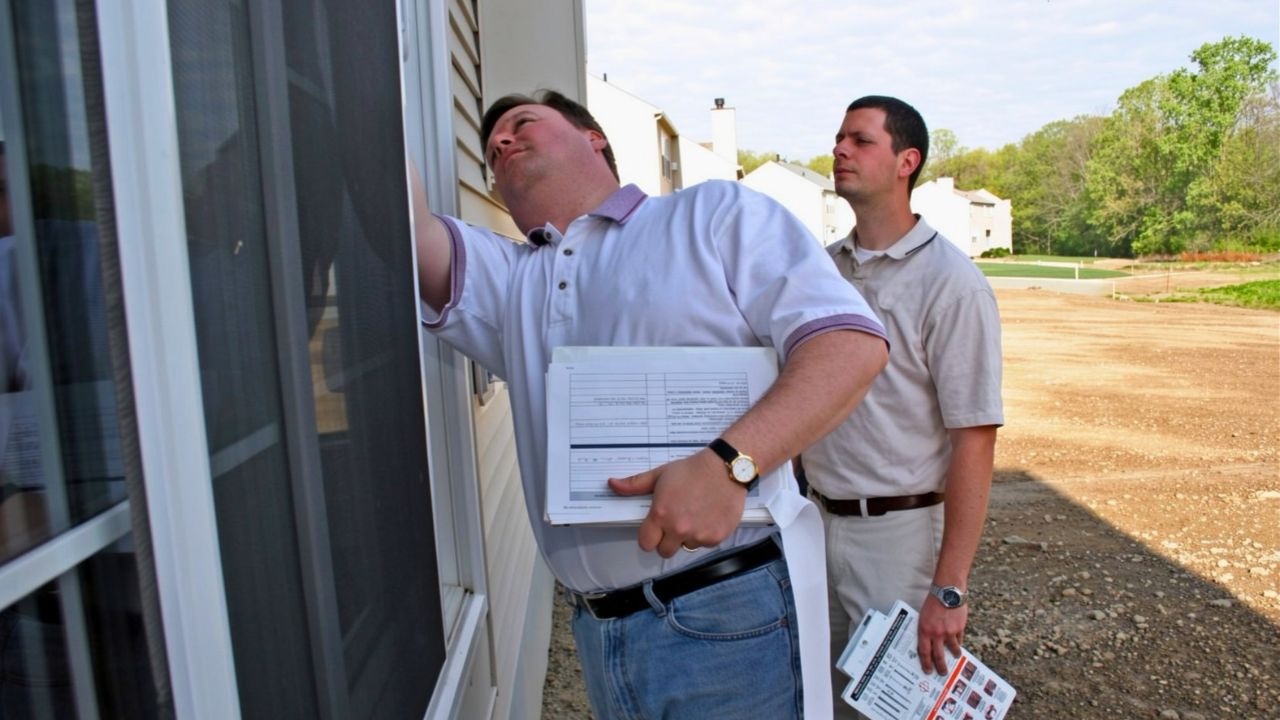
11 Things Home Inspectors Find in Almost Every House
Photo credit: ftwitty/istock.com
Most houses aren’t falling apart, they’re just full of small misses that stack up. A home inspector walks in with a flashlight, a moisture meter, and a habit of looking where nobody else looks. The same issues show up again and again because they’re easy to ignore until they get expensive or dangerous.
1. Downspouts Dumping Water By The Foundation
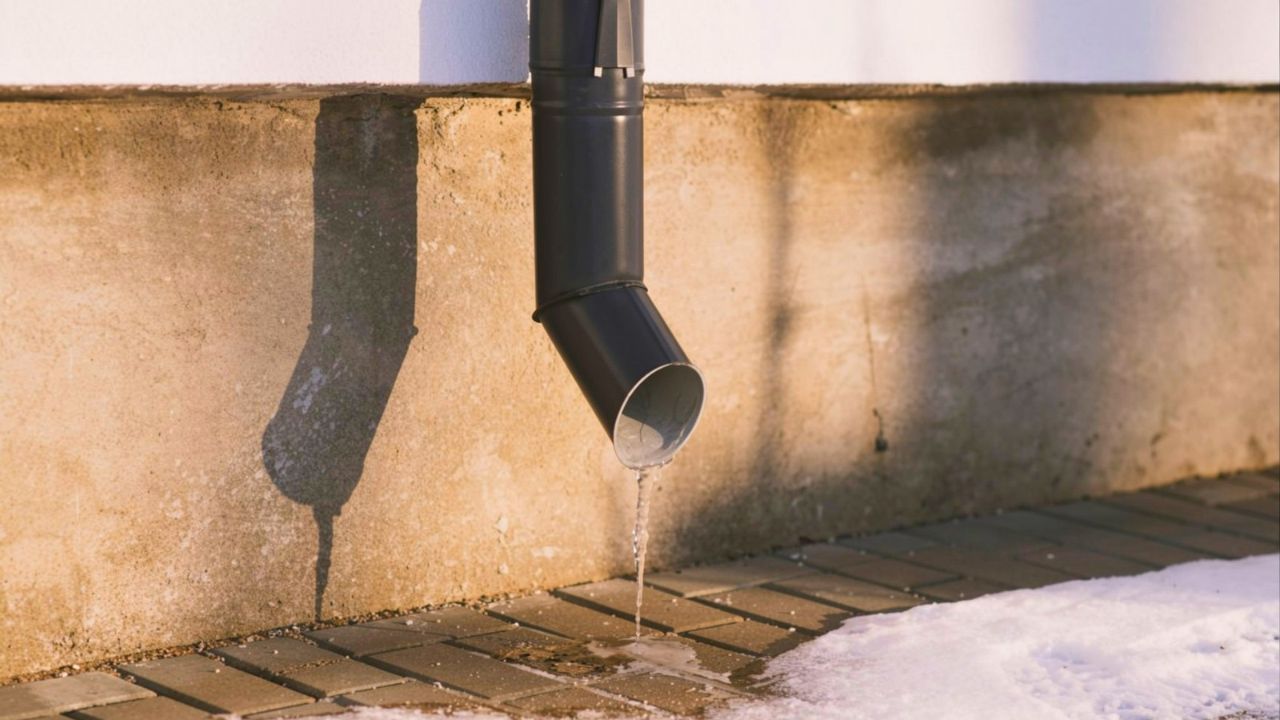
It rains, the gutter fills, and the downspout blasts water right at the base of the house. That’s how you get wet basements, musty crawlspaces, and cracked slabs that keep moving. You’ll see splash marks, muddy trenches, or a strip of dead grass where the water hits.
Fixing it is usually cheap and unglamorous: add a downspout extension, a splash block, or solid pipe that runs the water well away from the house. Keep the discharge pointed downhill and away from walkways that ice up in winter. If you’re burying a drain line, call 811 for utility locates and keep the line sloped so it actually drains.
2. Missing Or Rusted Gutter Hardware
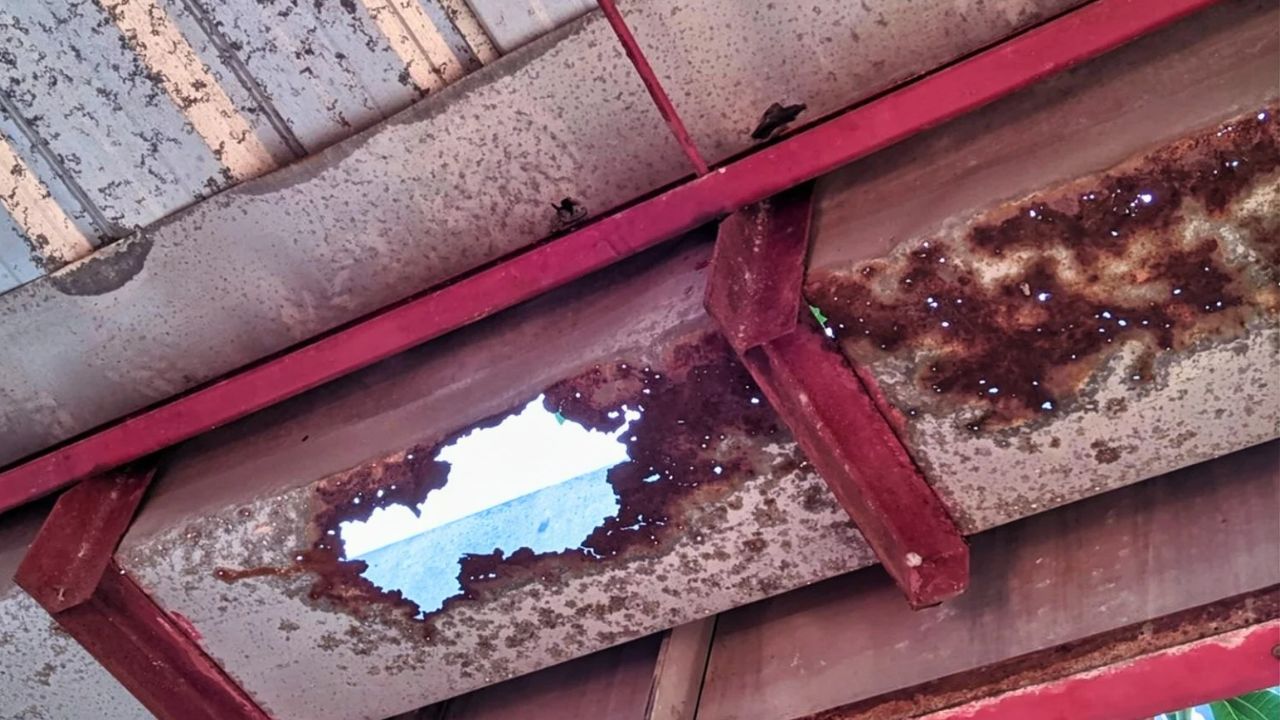
People don’t notice gutters until they’re overflowing like a waterfall. Loose hangers, bent sections, and rusted seams lead to drip lines down the fascia and rot on the edge of the roof. Sometimes the gutter is “there,” it just isn’t pitched right anymore.
A ladder, a nut driver, and a handful of new hangers usually gets you back in business. Clean the muck out first so you can see what’s failing. If the fascia board is already soft, stop and plan on replacing wood before you screw new hardware into mush.
3. Reverse Polarity And Open Grounds
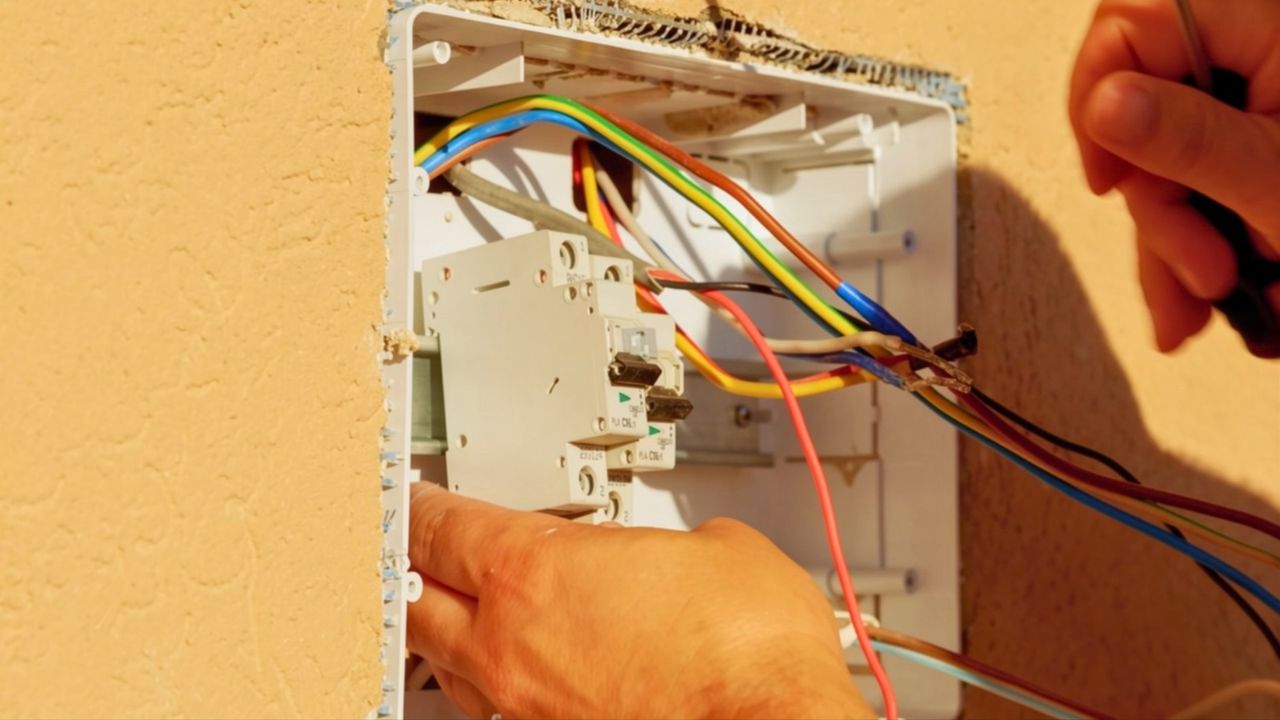
That three-light outlet tester finds problems fast, and inspectors use it everywhere. Reverse polarity, open ground, and loose receptacles show up a lot, especially in older homes with DIY updates. Sometimes the outlet “works” but the wiring is wrong, which can make metal parts of appliances energized in a fault.
If you’re comfortable replacing a receptacle, shut off the breaker and verify power is off with a tester, not just a light switch. If the box has old brittle wiring, aluminum wiring, or no ground conductor, it’s time for a licensed electrician. This is one of those items where guessing costs more than hiring it out.
4. Double Tapped Breakers And Panel Mess

Another classic is a crowded electrical panel with two wires jammed under one breaker lug that isn’t rated for it. Inspectors also find missing knockouts, messy neutrals, and mystery circuits labeled “lights?” in pencil. None of it feels urgent until something overheats or you can’t shut off the right circuit.
Do not work inside a live panel. If you’re not trained, this is a pro job, and sometimes it triggers a permit depending on your area. The fix can be as simple as moving a wire to its own breaker or adding a properly sized subpanel, but it needs to be done to code and torqued correctly.
5. One Leaky Shutoff Under A Sink
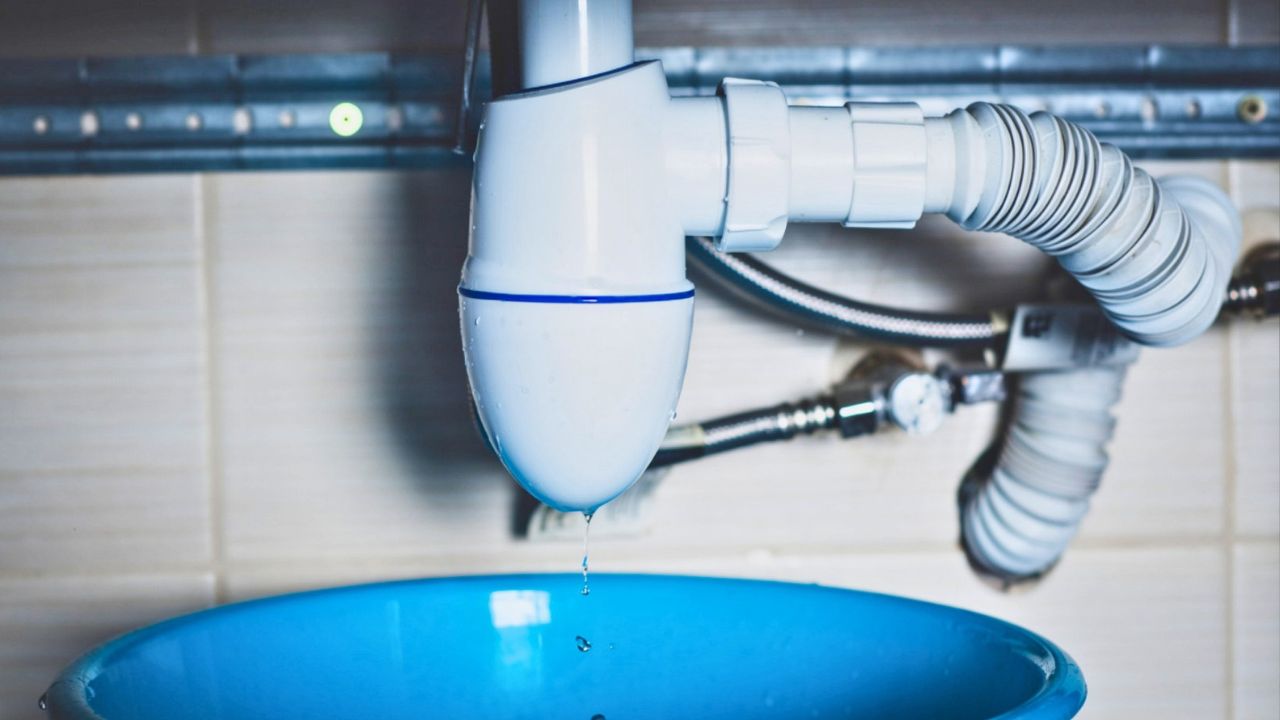
That slow drip under the kitchen sink is almost a tradition. It stains the cabinet floor, swells particleboard, and grows that sour smell you can’t scrub out. Inspectors also see corrosion on the supply stops and little mineral “stalactites” on compression nuts.
Start by drying everything and checking for fresh water after you run the faucet and the dishwasher. Many leaks are a worn supply line or a drain slip-joint washer that needs a snug turn with channel-locks, not a gorilla twist. If the shutoff won’t close or the valve stem weeps, replacing the stop is usually worth it, but shut off the main first and be ready for old pipes that don’t forgive rough handling.
6. Bathroom Caulk With Gaps And Mold
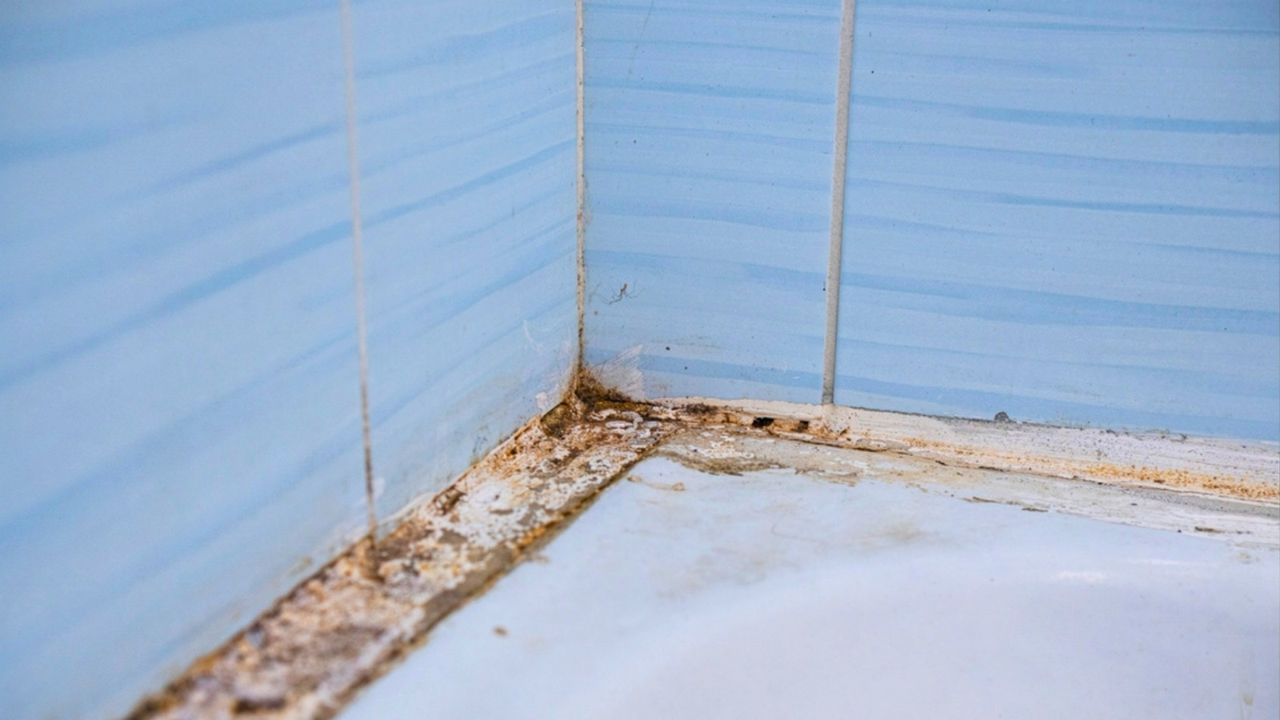
Bathroom caulk fails quietly. Water slips behind the tub or shower, soaks the drywall, and you don’t see the damage until tiles feel loose or the base is spongy. Inspectors spot gaps at the tub lip, cracked grout lines, and soft trim at the floor.
Scrape the old caulk out, let the area dry, and use a mildew-resistant kitchen and bath caulk. A cheap plastic caulk tool makes a cleaner bead than a wet finger. If the wall already flexes or you can push the tub surround in, stop caulking and start looking for rot.
7. Attic Insulation Pulled Back At Eaves
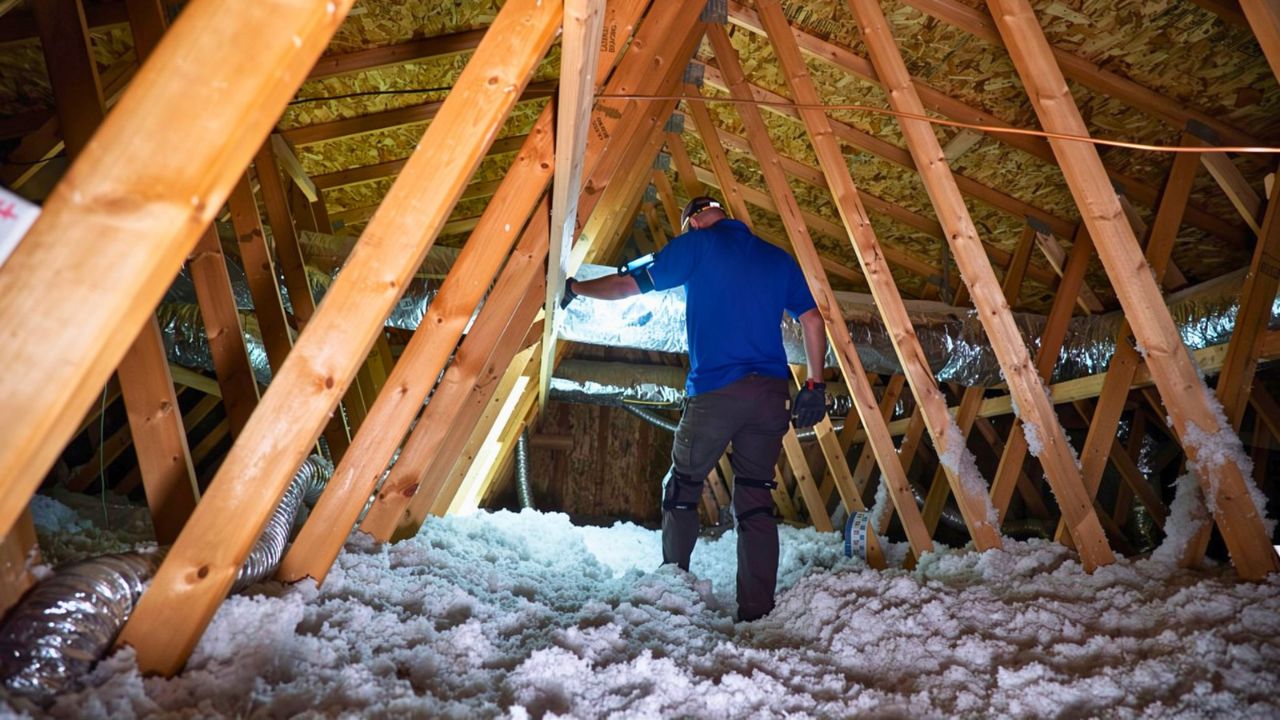
In winter, your roof tells on you. Snow melts in strips, you get ice dams, and the attic feels like a wind tunnel. Inspectors often find insulation shoved aside near the eaves, or packed tight into soffits where it blocks ventilation.
You want both, insulation and airflow. Add baffles at the eaves to keep a clear air path from soffit to attic, then lay insulation back without crushing it. If you have knob-and-tube wiring or unknown wiring buried in insulation, get it checked before you add more.
8. Bath Fans Venting Into The Attic
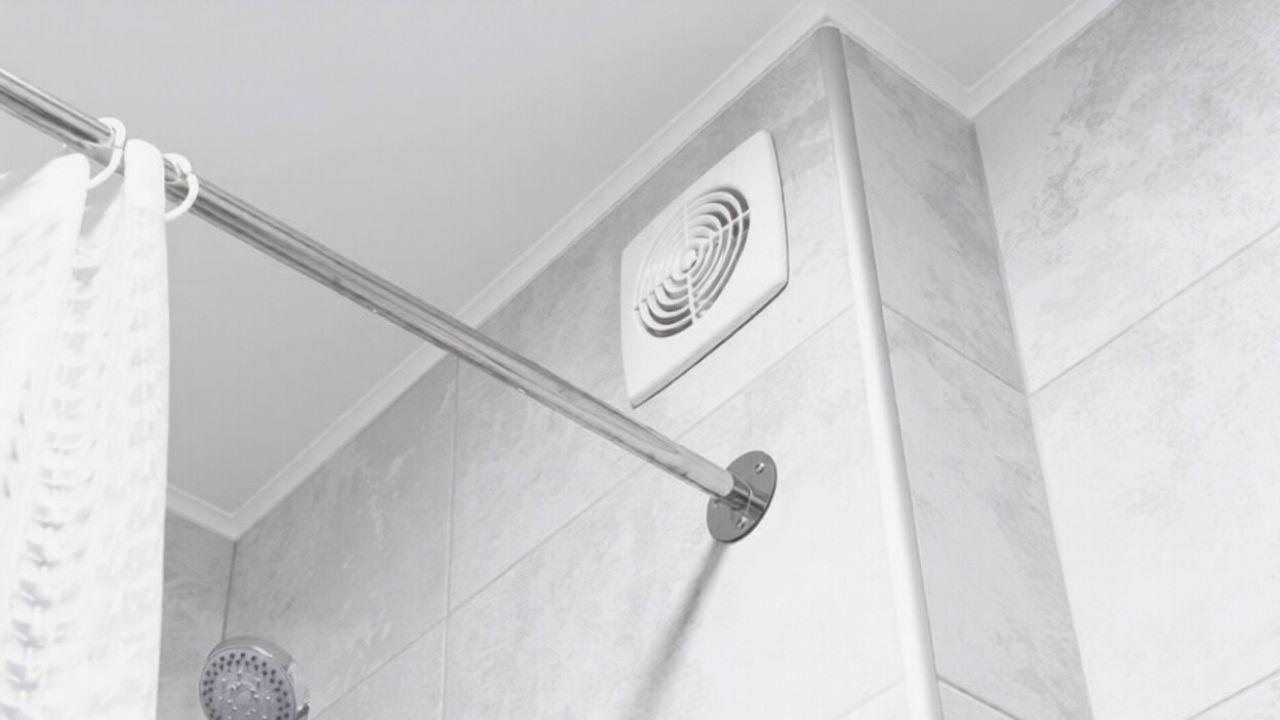
That steamy shower air has to go outside. A surprising number of fans dump moisture into the attic, or they’re connected to a flexible duct that’s fallen off. Then you see black spotting on roof sheathing, rusty nails, and insulation that looks like it’s been rained on.
Run a duct to a proper exterior vent, seal the joints with foil tape, and insulate the duct in cold climates so it doesn’t sweat. Keep the run as short and straight as you can. If you’re cutting a new roof or wall vent and you’re not comfortable with flashing details, pay a roofer, a bad hole in the roof is a long-term headache.
9. Dryer Ducts Full Of Lint And Turns

Dryers get blamed for being slow, but the duct is usually the problem. Inspectors find crushed flex hose, long runs with multiple elbows, and lint packed into the termination hood outside. Besides wasting power, lint buildup is a fire risk.
Clean the duct at least seasonally, more if you run laundry nonstop. Replace flimsy foil flex with smooth metal duct where possible and keep the route short. If the vent exits on a roof or high wall, hire it out, ladders and awkward angles are how people get hurt.
10. Handrails That Wiggle Or Are Missing

Stairs are where little issues turn into real injuries. A loose handrail, missing stair rail, or a guard that’s too low shows up in a lot of houses, especially older ones and finished basements. Inspectors grab and shake, and if it moves, it fails.
Fasten rails into framing, not just drywall, using proper brackets and long screws. If you can’t hit studs, add blocking from the other side or open a small section and fix it right. This is one repair where “good enough” is not good enough.
11. Loose Toilets And Failing Wax Rings
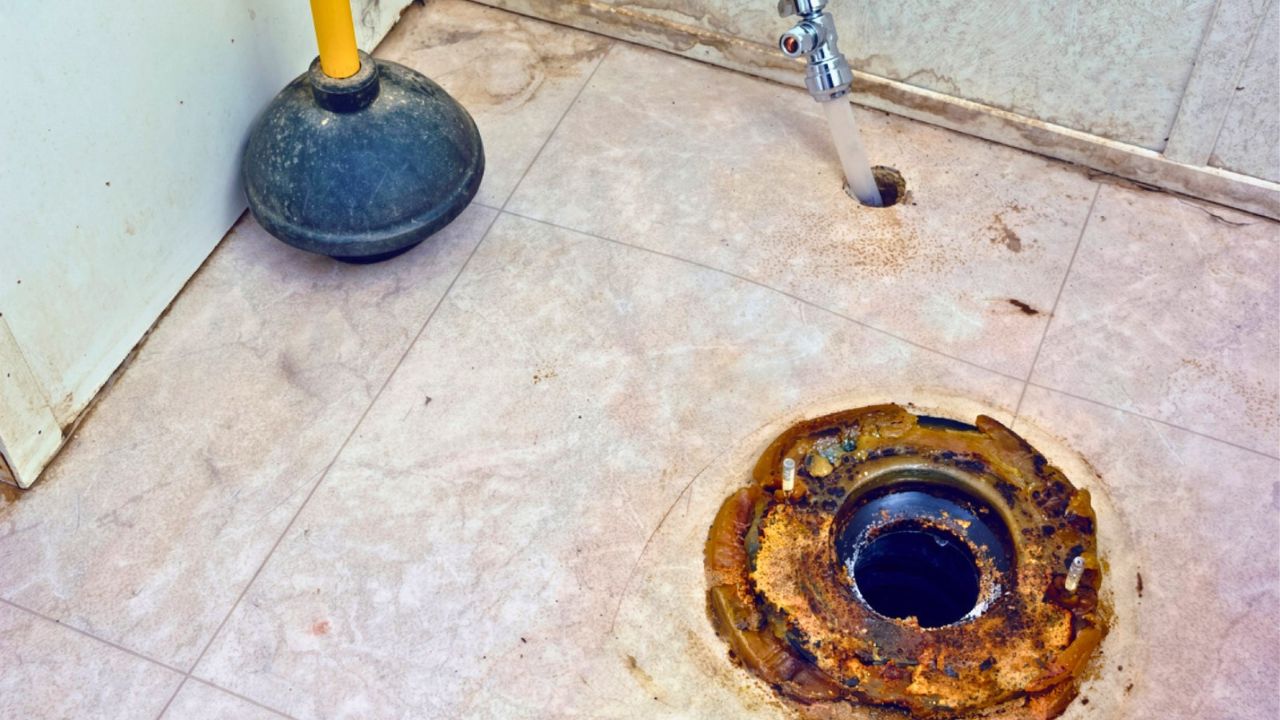
If the toilet rocks even a little, the seal is on borrowed time. That leads to water on the subfloor, hidden rot, and sometimes a stained ceiling below. Inspectors also look for cracked caulk around the base and soft flooring at the front of the bowl.
The common advice is to caulk the toilet to the floor, but don’t use caulk as glue. The toilet needs to be solid first, with tight closet bolts and shims if the floor is uneven. An exception: leaving a small gap in the caulk at the back can make a future leak show itself instead of trapping water under the toilet.
Walk through your place with a flashlight on a rainy day and again on a cold morning. The goal isn’t perfection, it’s catching the small stuff before it turns into carpentry, mold cleanup, or an emergency call on a holiday weekend.
Like Fix It Homestead’s content? Be sure to follow us.