
12 Things to Do Before the Power Goes Out
Photo credit: Nicoleta Ionescu/Shutterstock.com
The lights don’t usually flicker at a convenient time. Power drops when the freezer’s full, the weather’s ugly, and your phone battery is already low. The best move is to do a few small chores while everything still works, so you’re not scrambling in the dark.
1. Fill Every Water Container You Own
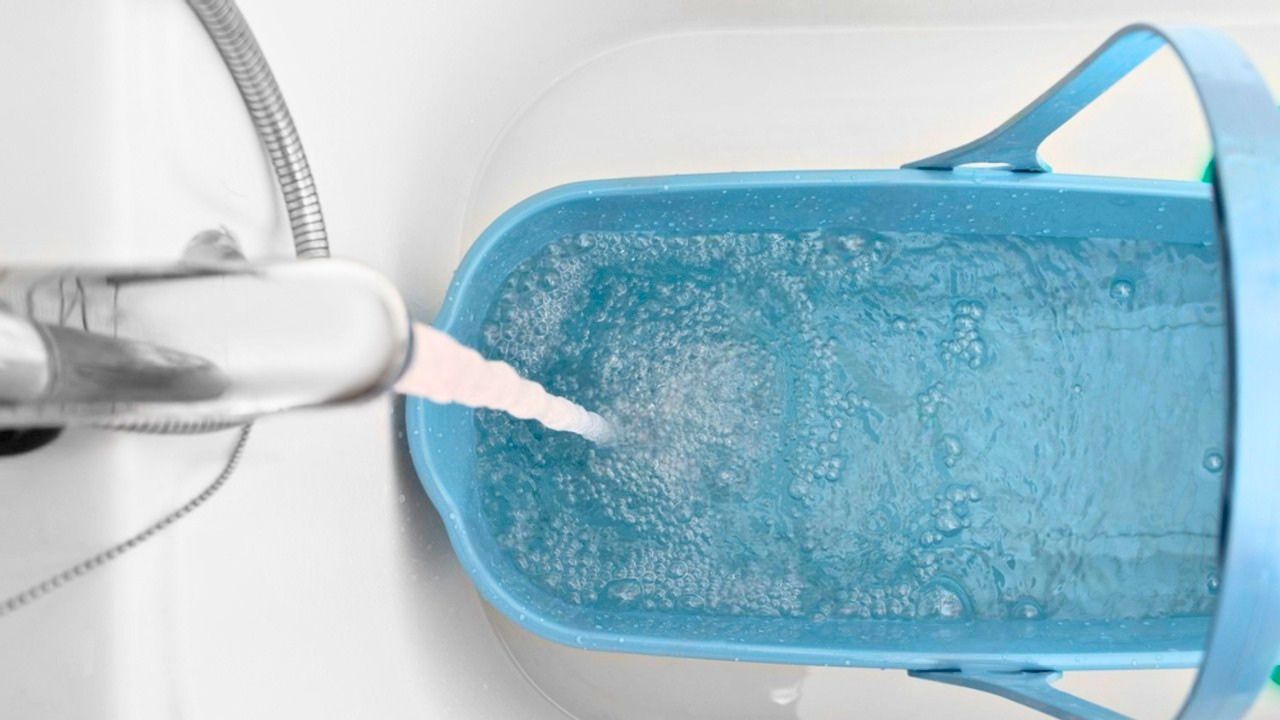
The first thing that bites people is water. City pressure can fade during widespread outages, and wells stop the second the pump loses power. Fill clean jugs, stockpots, pet bowls, and a couple buckets for flushing toilets and washing up.
While the tap still runs, top off your bathtub too if a storm’s coming. It’s not drinking water, but it’s perfect for toilet tanks and sponge baths. If you’re on a well, also fill a few extra containers for livestock, since hauling water by hand gets old fast.
2. Set the Freezer to Its Coldest
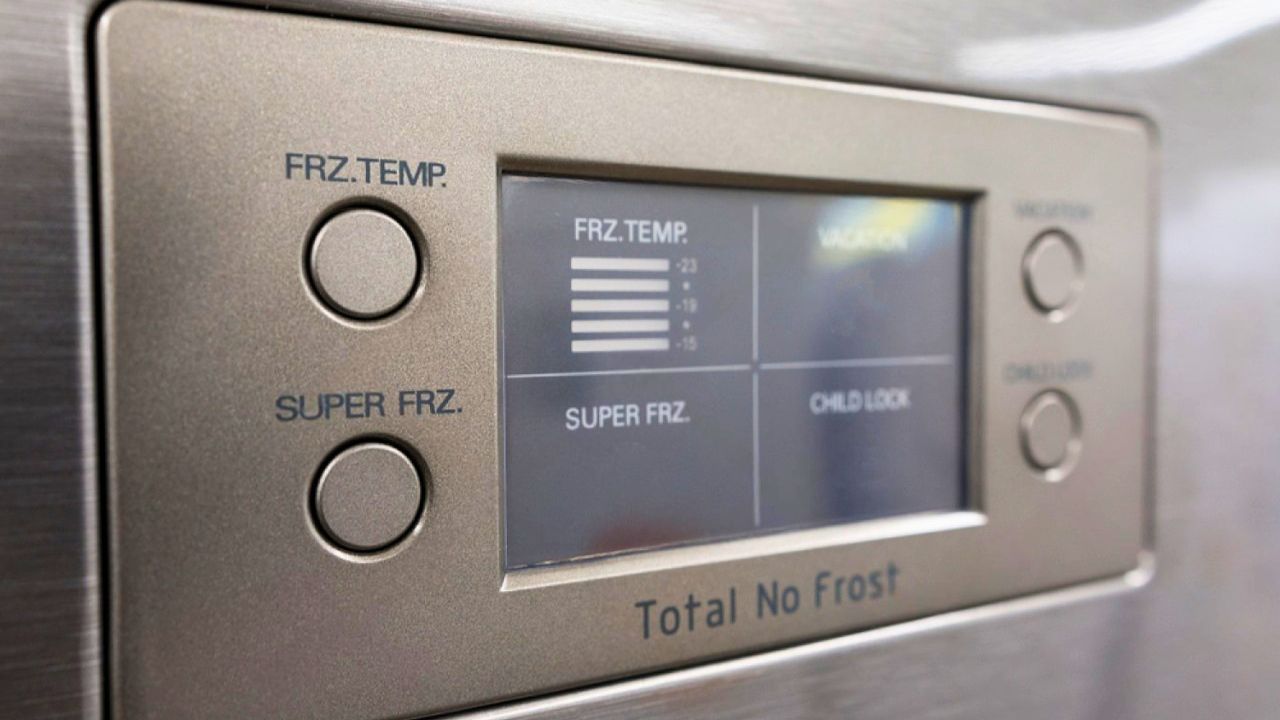
You don’t get many cheap advantages during an outage, but this is one. Turn the freezer down a notch or two and give it time to pull the temp lower before the power drops. A colder “starting line” buys you more safe time.
Then stop opening the doors. Tape a note on the fridge that says “DO NOT OPEN” if kids or guests are around, because people wander and peek without thinking. If you have empty space, pack it with bottles of water you froze ahead of time.
3. Freeze Water Jugs for Ice Blocks
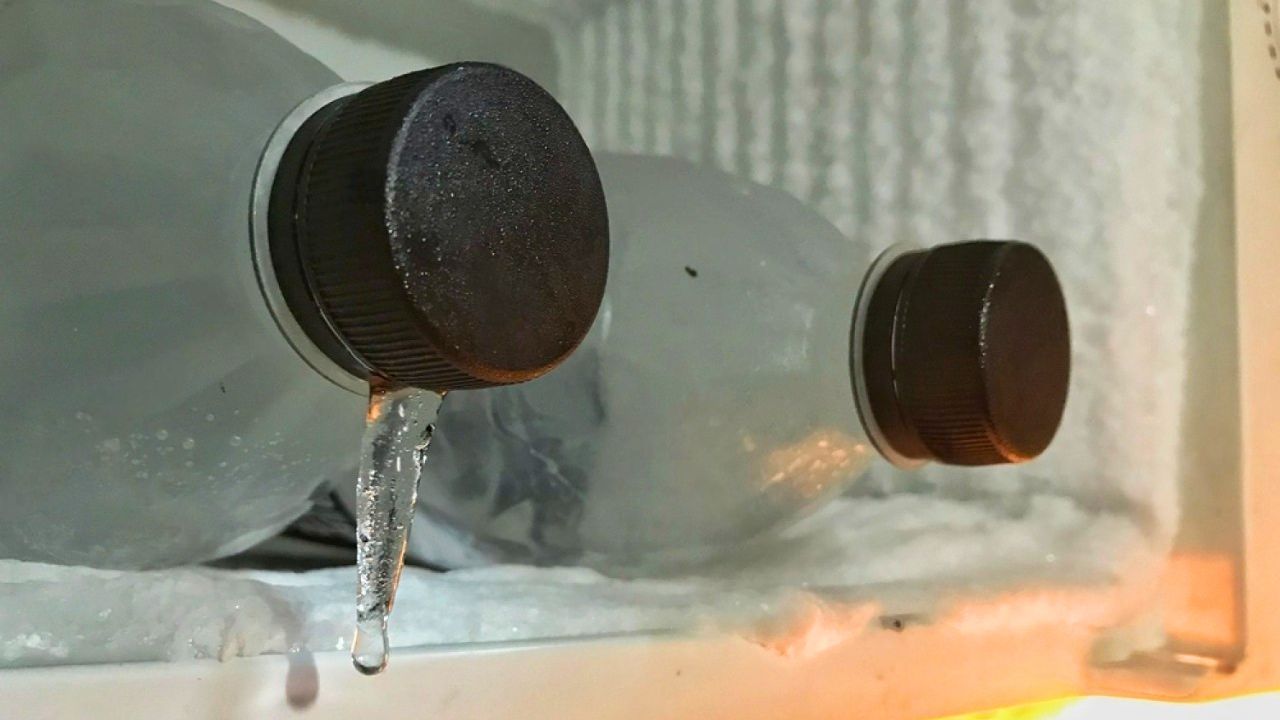
Bag ice disappears quick, and the last-minute store run turns into a parking lot fight. Freeze gallon jugs or reused plastic bottles now, leaving headspace so they don’t split. Big blocks melt slower than cubes and keep food colder without flooding the fridge.
Move a few blocks to the fridge section right before the outage if you have warning. Set them in a tray or roasting pan to catch sweat. You’ll be glad you did when the milk and leftovers are still cold tomorrow.
4. Check Sump Pump and Floor Drain
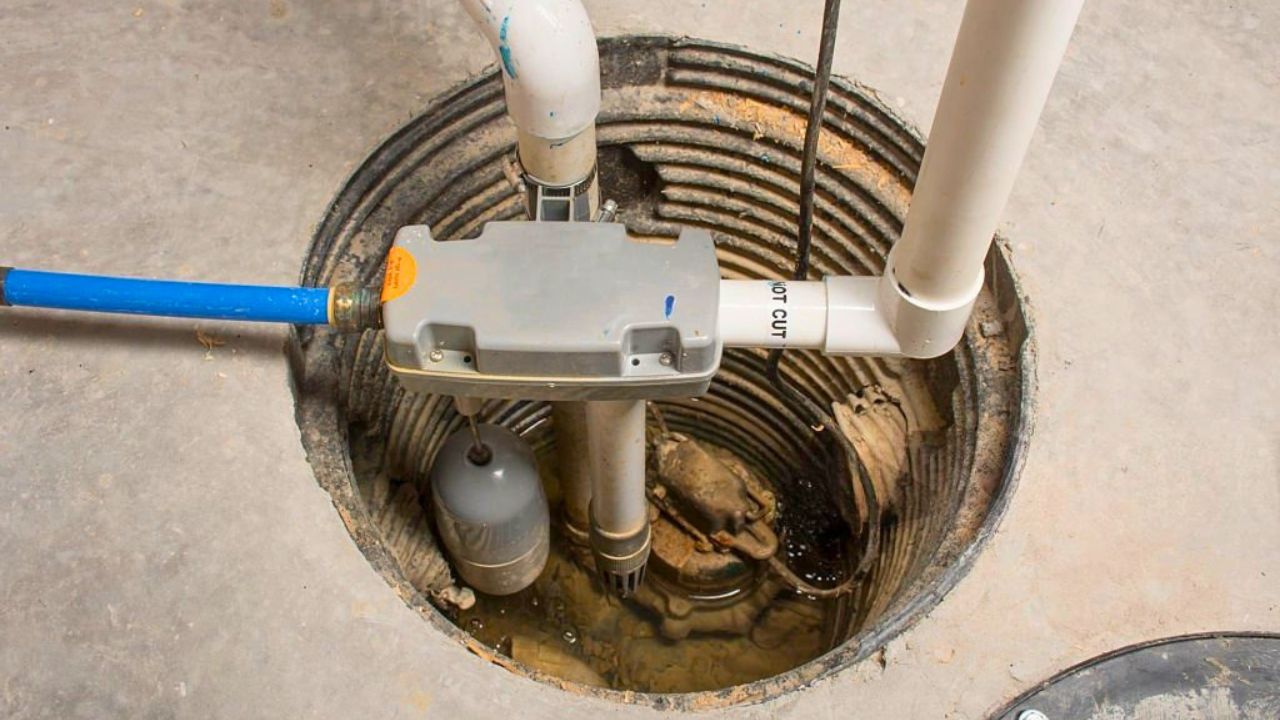
Heavy rain and outages love the same calendar. If your sump pump quits during a storm, the basement can go from “fine” to “soaked” in an hour. Pour a bucket of water into the sump pit and see if the float kicks on and the pump actually moves water out.
If the pump sounds angry, rattles, or short cycles, fix it while you can still see what you’re doing. Battery backup sump systems can help, but they aren’t magic. If the discharge line is frozen, clogged, or dumping right next to the foundation, even a perfect pump won’t save you.
5. Test Flashlights and Headlamps Now
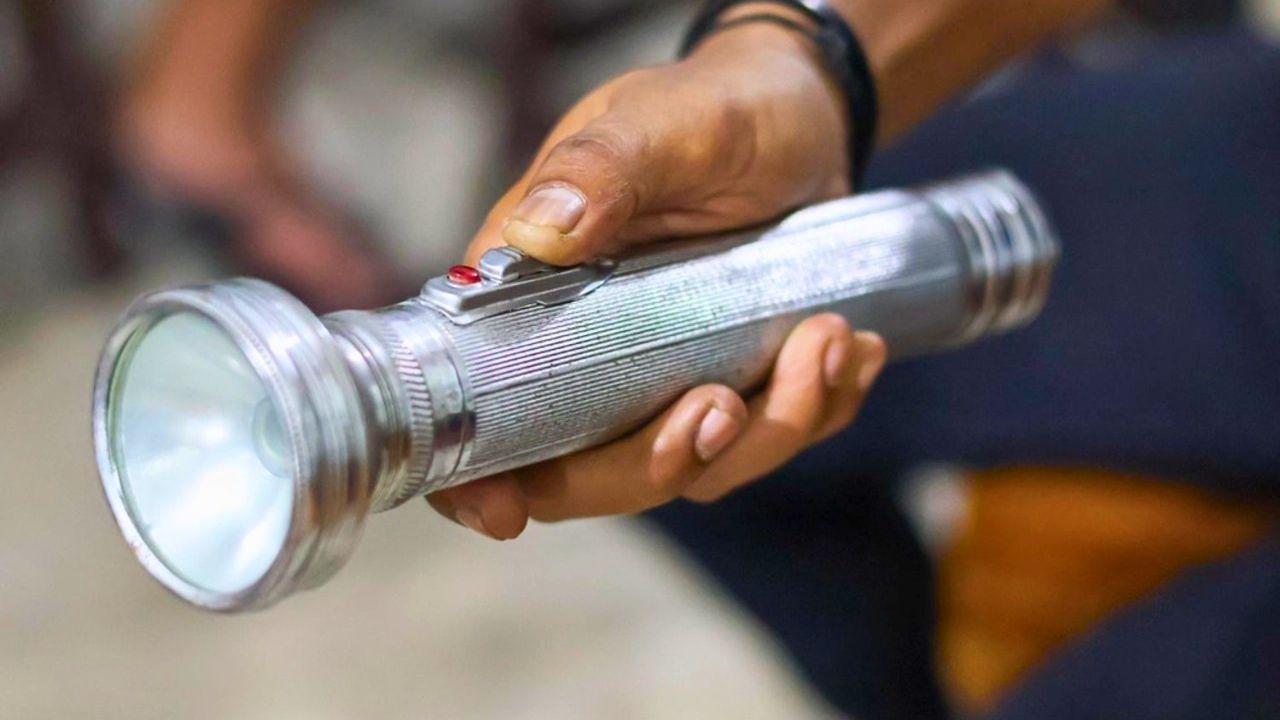
Dead batteries are the most common “prep” failure there is. Pull every flashlight, headlamp, lantern, and work light out of drawers and check them. Replace batteries, clean corroded contacts, and toss the lights that only work when you smack them.
Put one light in the same spot every time, like the kitchen junk drawer or a hook by the back door. Headlamps beat flashlights for cooking, carrying water, and changing a fuse in the dark. Keep one with the first-aid kit too.
6. Put Fuel in Vehicles and Cans
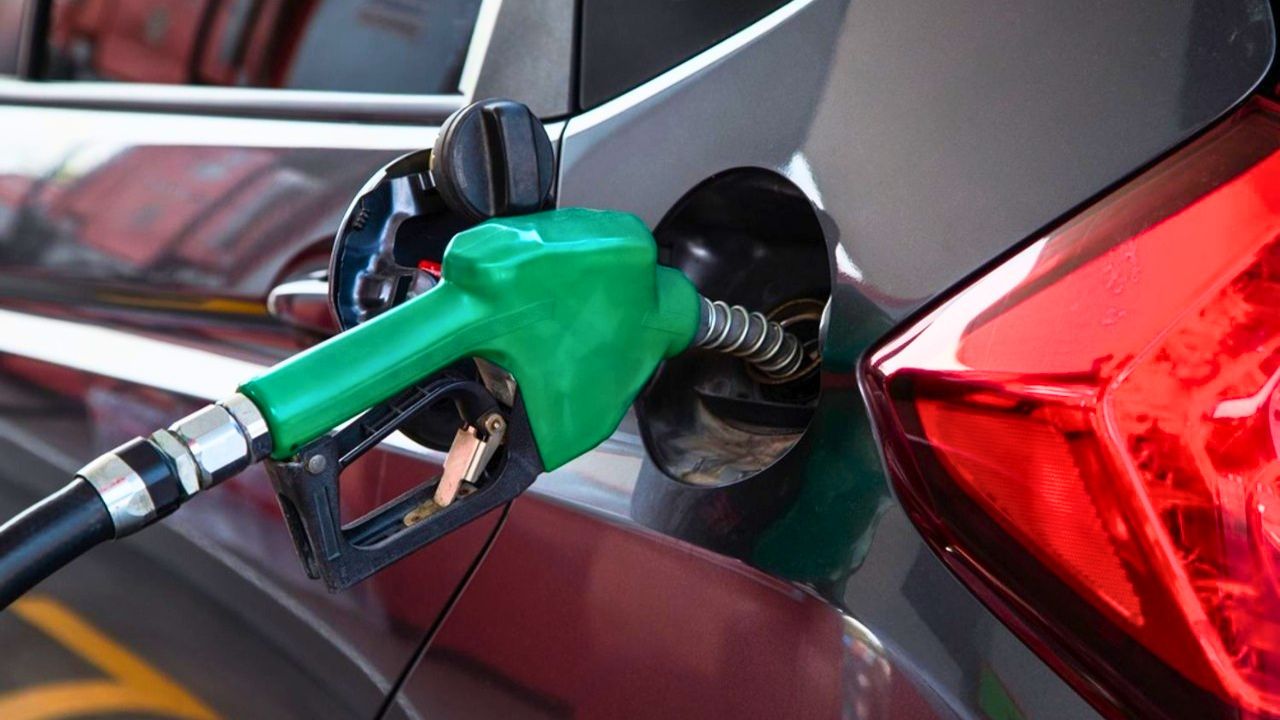
Gas stations can’t pump without power, even if the tanks underground are full. If you wait until everyone else is topping off, you’re stuck in line or out of luck. Fill your vehicles, and if you use a generator, fill approved gas cans while the station’s still running.
Store fuel safely, outside living spaces, away from ignition sources, and follow local rules. Label the cans so old fuel doesn’t get dumped into something that matters. If you don’t own a generator, a full tank still matters for heat, charging, and getting to supplies.
7. Stage an Extension Cord and Power Strip
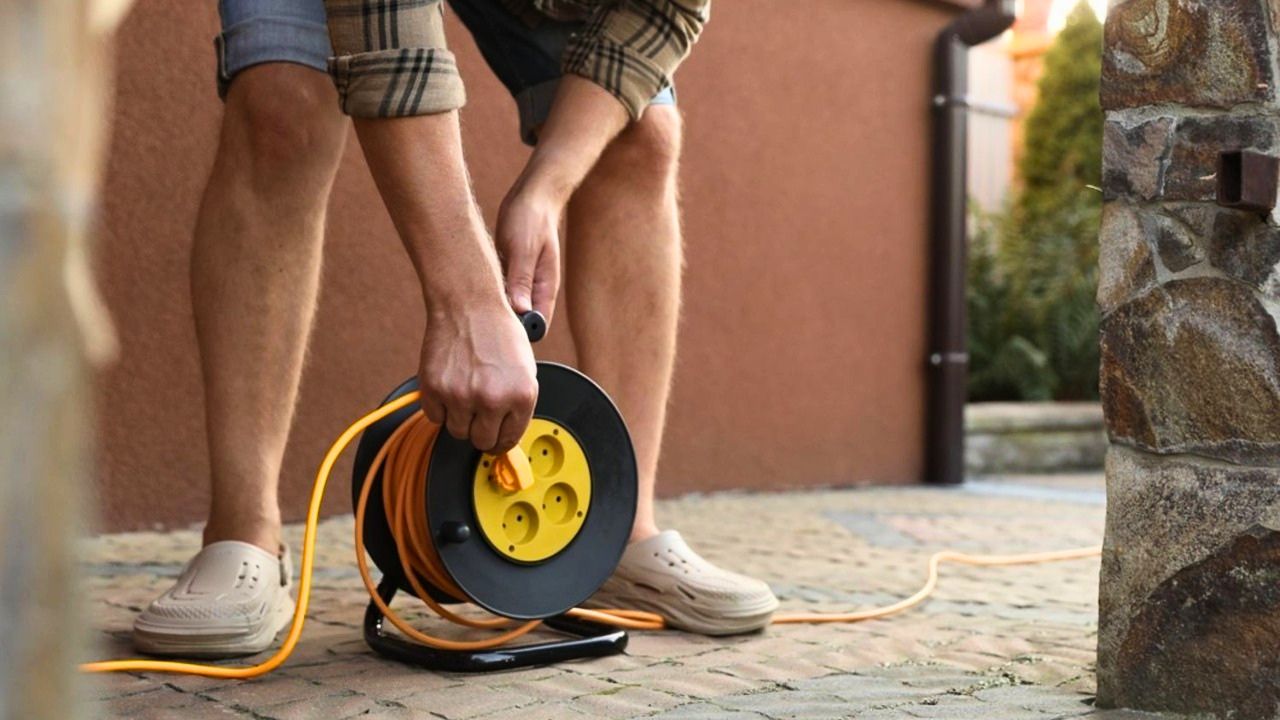
When the power goes out, people start dragging cords like spaghetti through the house. That’s how cords get pinched in doors, tripped over, and run under rugs. Pick one or two heavy-duty extension cords now, uncoil them, and put them where you’ll actually use them.
If you plan to run a generator, think through the route before it’s raining sideways. Generators stay outdoors, far from windows and doors. For any home backup feed that ties into your panel, you need the right inlet and an interlock or transfer switch installed to code by a licensed electrician.
8. Charge Everything, Then Charge Again
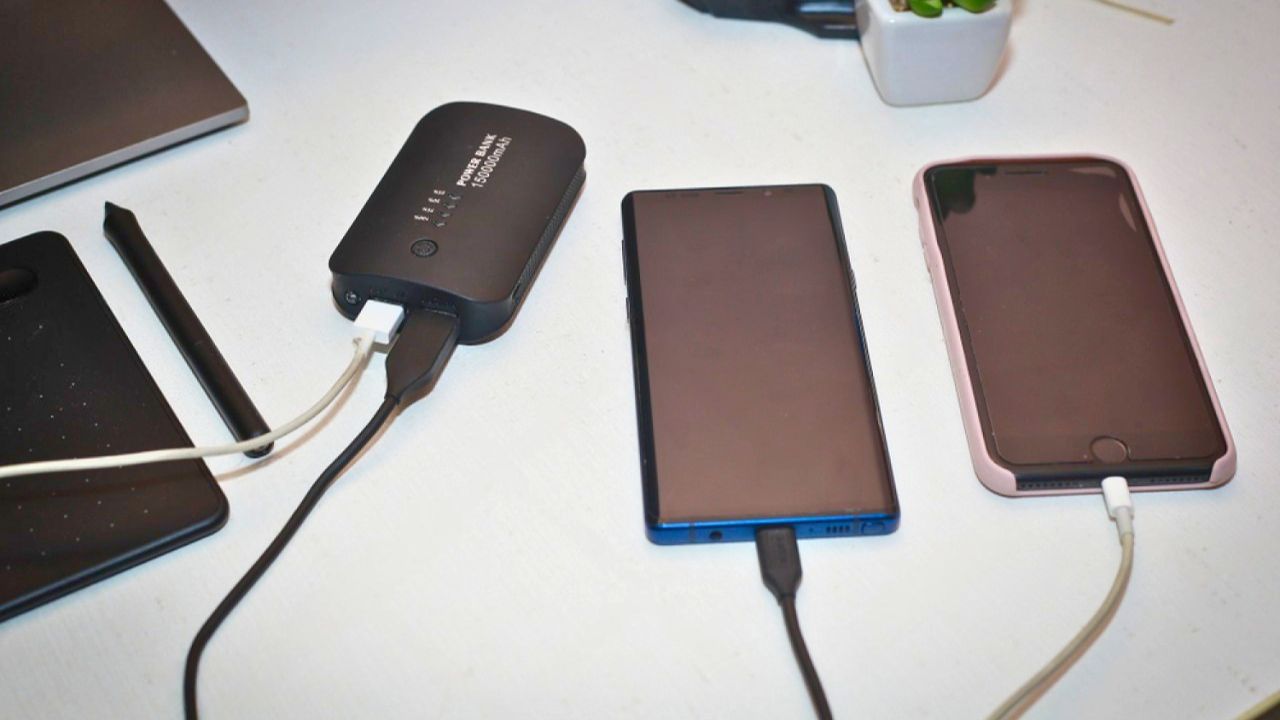
Don’t stop at phones. Charge battery banks, cordless tool batteries, lanterns, laptops, radios, and the old tablet you can use for downloaded maps and manuals. If your power tool batteries share a platform, one charged pack can run a fan, a light, or a small inverter for a while.
Here’s the honest exception: those tiny keychain battery banks are fine for a short outage if your only goal is one emergency call. They’re cheap and better than nothing. Just don’t pretend they’ll run a phone for days.
9. Set Aside Cash and Paper Copies

Card readers need power and internet. So do ATMs, a lot of the time. Pull a small amount of cash for fuel, food, and a hardware run, and put it somewhere you can find without turning the house upside down.
Print or write down the numbers you’ll want when your phone is dead. Utility outage line, insurance, your electrician, your well guy, and a nearby contact. Toss a paper map in the glove box too, since GPS apps don’t help much when your phone’s at 2 percent.
10. Do One Load of Laundry and Dishes

This one sounds boring, and that’s why it matters. Dirty dishes pile up fast when you’re hand-washing by flashlight, and wet towels are gold during storms. Run the dishwasher, wash a load, and dry it all while you’ve got power.
Then fill the sink with hot soapy water and leave it there if the outage is near. It gives you a quick wash station for hands and utensils. Keep the bleach and a clean rag nearby for counters.
11. Check Your Garage Door Release
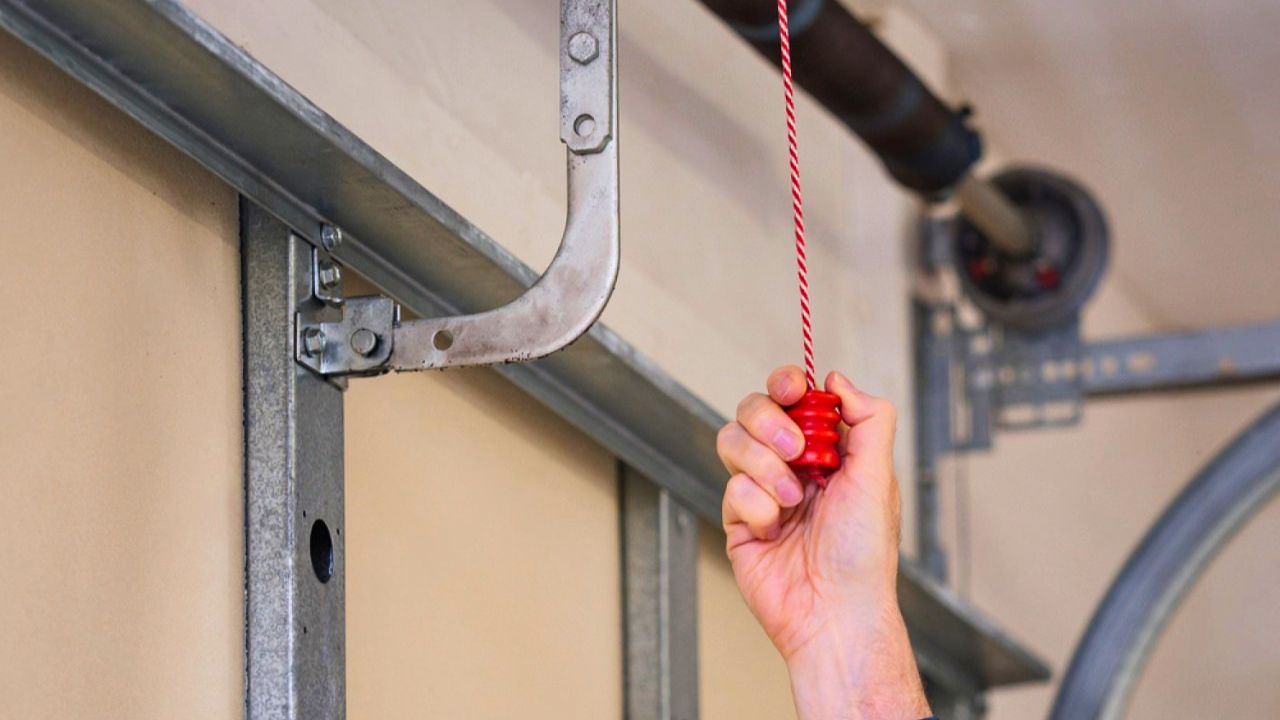
Can you get the car out when the opener won’t run? Many people find out the hard way that the emergency release cord is missing, tied up, or the door is so out of balance it takes two people to lift. Pull the release and lift the door by hand to see how it behaves.
If the door slams down, the springs need attention, and that’s a pro job. Don’t mess with torsion springs. Lubricate rollers and hinges if they squeal, and clear clutter so you’re not stepping over tools in the dark.
12. Shut Down Sensitive Electronics Properly
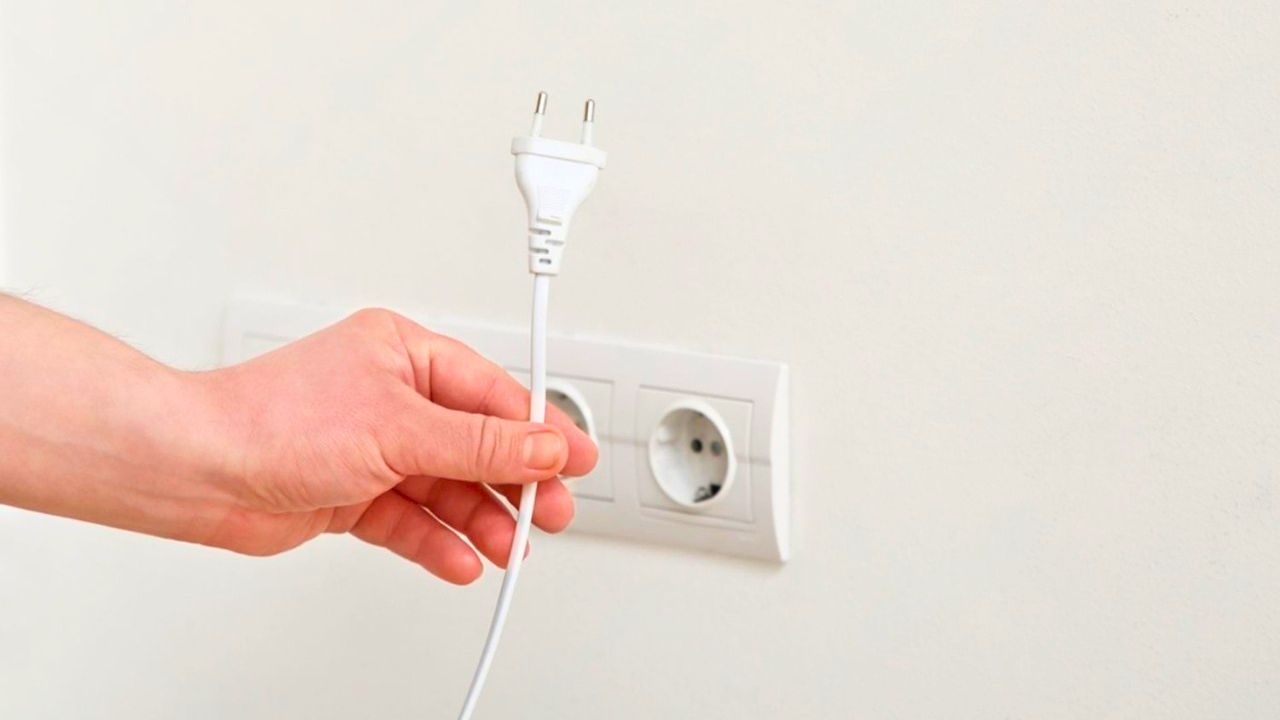
Outages aren’t always clean. Lights flicker, voltage sags, then it comes back with a surge that finishes off a modem, TV, or furnace control board. If you have a few minutes of warning, power down computers, unplug sensitive electronics, and flip off power strips.
If your well pump, furnace, or septic has alarms and controls, check the manuals now so you know what “normal” looks like when power returns. A whole-house surge protector is worth considering, but even then, unplugging the most expensive stuff is still the simplest protection.
Once the power drops, your job gets smaller if you did these chores early. You’ll spend less time chasing supplies and more time keeping food cold, water available, and the house safe until the grid catches up.
Like Fix It Homestead’s content? Be sure to follow us.
- Man Says He Found Out the Fence He Paid For Wasn’t Actually on His Property
- Woman Says Her Neighbor Started Taking Mulch From Her Delivery Pile Before She Could Even Spread It
- I made Joanna Gaines’s Friendsgiving casserole and here is what I would keep
- What Caliber Works Best for Groundhogs, Armadillos, and Other Digging Pests?