6 Goats That Eat First and Ask Questions Later
Photo credit: Lens Hitam/Shutterstock.com
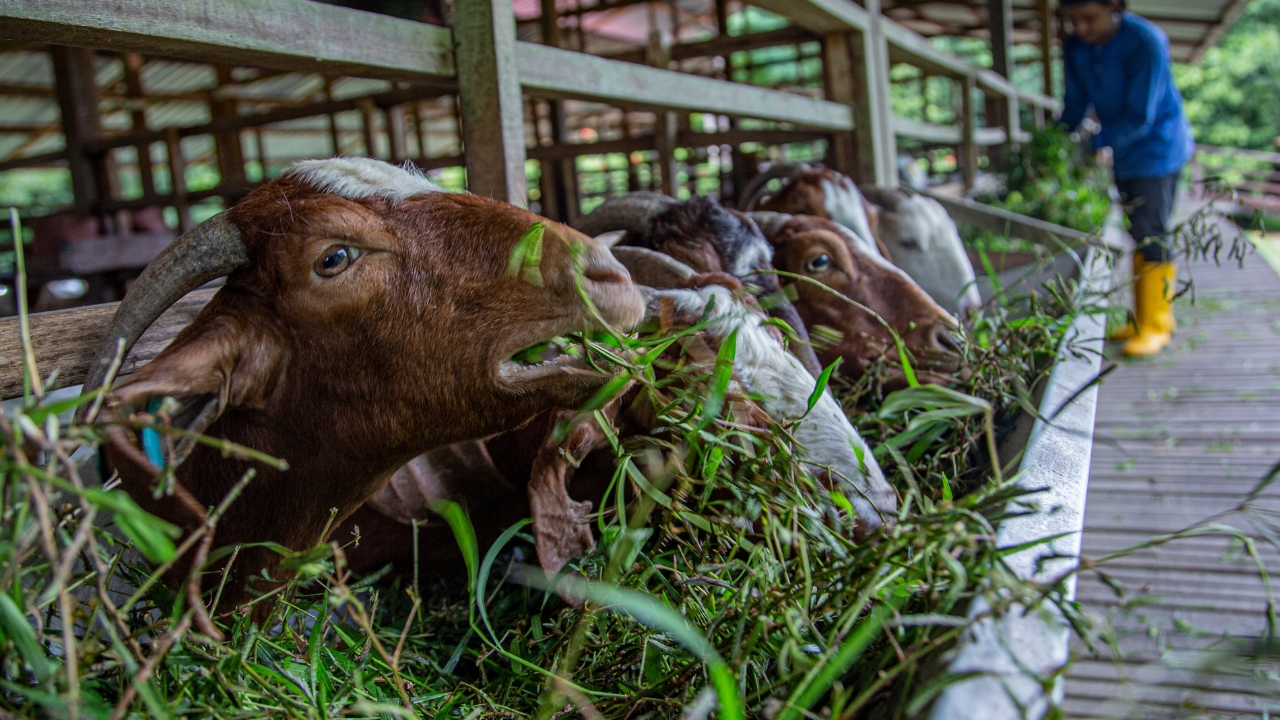
Some goats treat every new object, smell, and sound as a potential snack. They don’t hesitate—they just go for it. These are the animals that will have their heads in the feed bucket before you’ve even set it down and will test fences if there’s something green on the other side. While that enthusiasm makes them excellent for clearing land, it also means you have to be mindful about what they can access.
Goats like this can handle a wide range of forage and are often hardy enough to thrive in less-than-perfect pasture. But if you’re not careful, they’ll strip your orchard or sample your garden without a second thought. Secure feed storage and regular pasture rotation are must-haves.
Boer
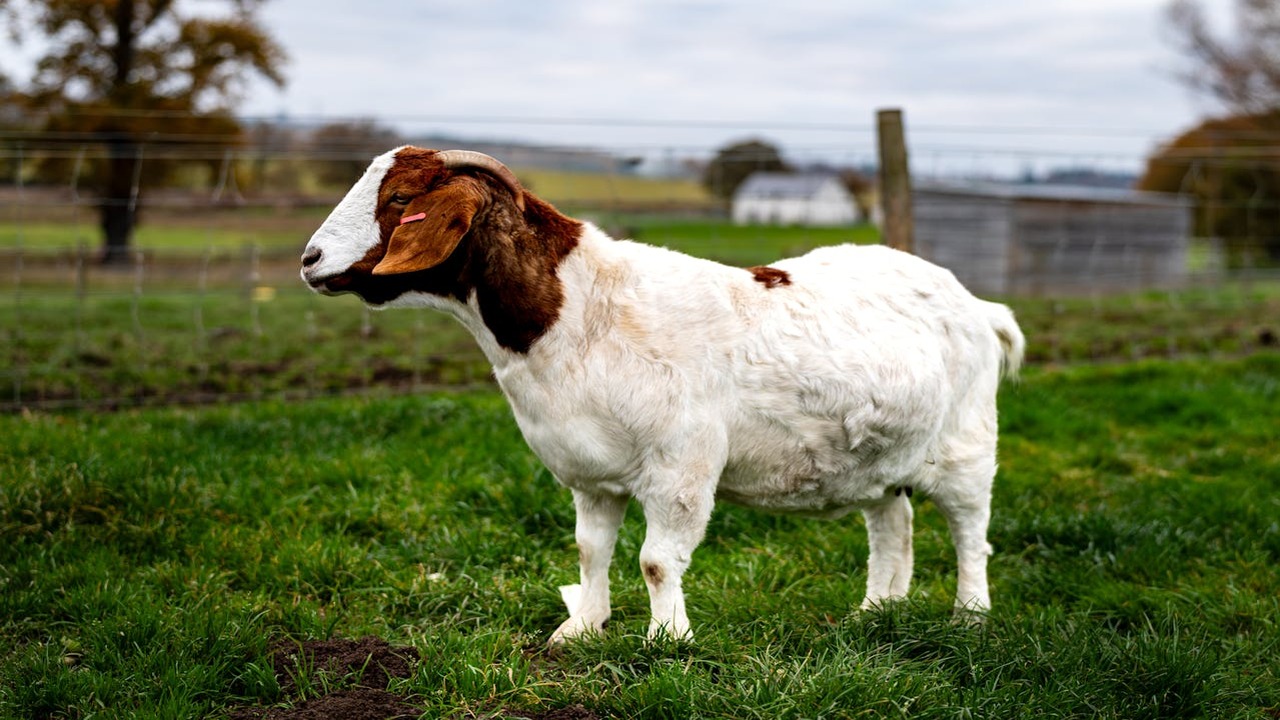
Boers are known for their solid build and steady appetites. They’ll head straight to feed, even if you’re still in the middle of pouring it. They also tend to investigate anything that looks remotely edible—brush, low branches, and sometimes even your shirt hem.
Because of their strong growth and willingness to eat almost anything, Boers can finish well on pasture. Still, you need to watch their grain intake; overfeeding can lead to health issues like bloat or acidosis.
Nubian

Nubians aren’t shy about telling you when they think it’s mealtime. They have loud, carrying voices and will follow you across the pasture if they think food is coming. Their long, floppy ears and expressive faces make it hard not to laugh, even when they’re being pushy.
These goats also have a knack for stretching up on their hind legs to reach higher forage, sometimes pulling down branches to share with the rest of the herd. It’s impressive—and a reminder to keep them away from young trees you want to protect.
Nigerian Dwarf
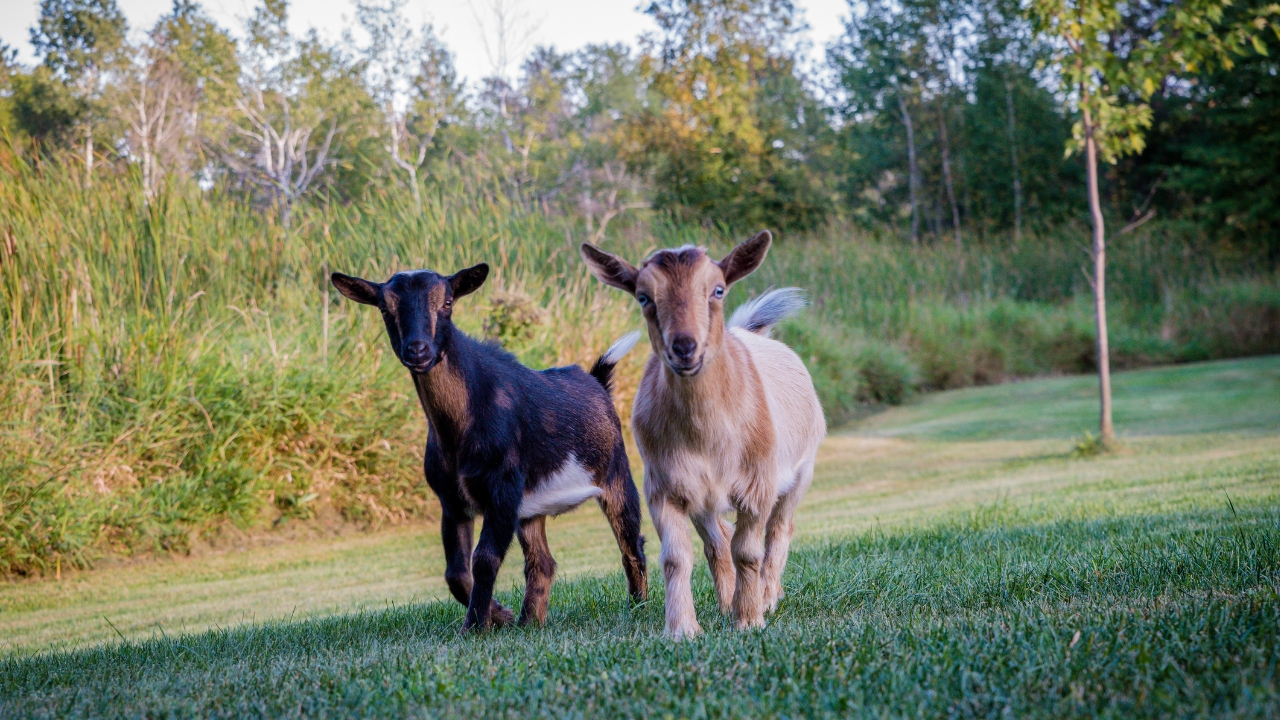
Don’t let their size fool you—Nigerian Dwarfs are quick, determined eaters. They’ll wiggle into tight spaces at the feeder and have no problem holding their ground against larger goats when it comes to food.
They’re also excellent browsers, making short work of weeds and brush. That small size helps them reach places bigger goats can’t, which is great for land clearing but can also mean they get into feed bins if you’re not careful.
Kiko
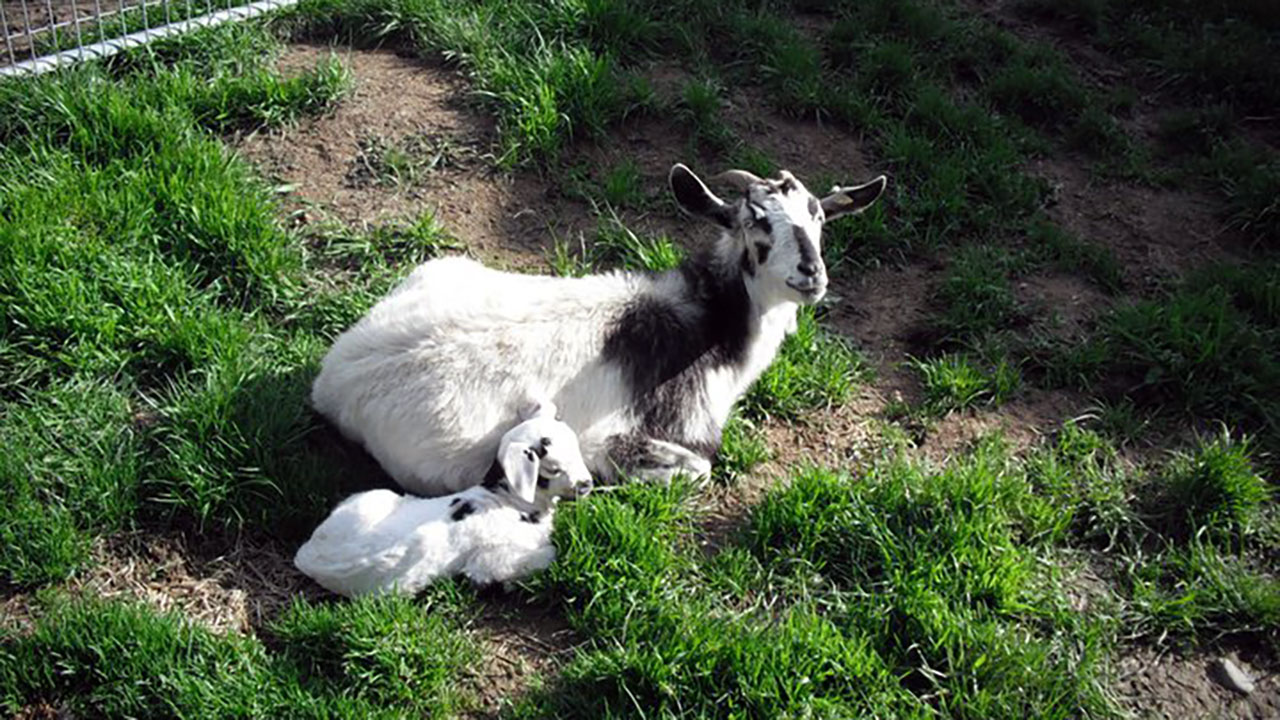
Kikos are built for survival and efficiency. They’ll eat a wide range of plants and adapt to different grazing conditions without much fuss. They move fast toward any new source of forage and will keep going until they’ve covered every available area.
Their strong foraging instinct is a plus for managing rough land, but it can make them hard to contain if the grass looks greener on the other side of the fence. Keeping them rotated through fresh pasture keeps them focused where you want them.
Alpine

Alpines are athletic, alert, and quick to investigate anything edible. They’re equally comfortable grazing on grass or stretching up to strip leaves from shrubs and trees. Their curious nature makes them excellent foragers, but it also means they’ll try to “help” during feeding by sticking their noses right into your bucket.
They adapt well to different climates and feed sources, which makes them reliable producers—but they do best when given enough variety to satisfy that constant search for new snacks.
Spanish Goat

Spanish goats are tough, resourceful, and not picky about their meals. They’ll happily clear dense brush, climb into rough terrain, and graze on plants other breeds ignore. Their ability to thrive on poor forage makes them a low-maintenance choice for land management.
However, that same resourcefulness means they’ll test fences and gates if they spot food elsewhere. If you keep Spanish goats, you’ll want solid perimeter fencing and a plan for moving them before they run out of browse in one area.
*This article was developed with AI-powered tools and has been carefully reviewed by our editors.