7 Animals That Refuse to Be Herded
Photo credit: l i g h t p o e t/Shutterstock.com
Not every animal will follow the group or respond to herding. Some don’t have the instinct, while others simply prefer to make their own choices. That can be frustrating if you’re expecting them to move with the rest.
If you keep animals like this, plan for different handling methods. They’ll need time, trust, and sometimes food rewards to cooperate.
Goat
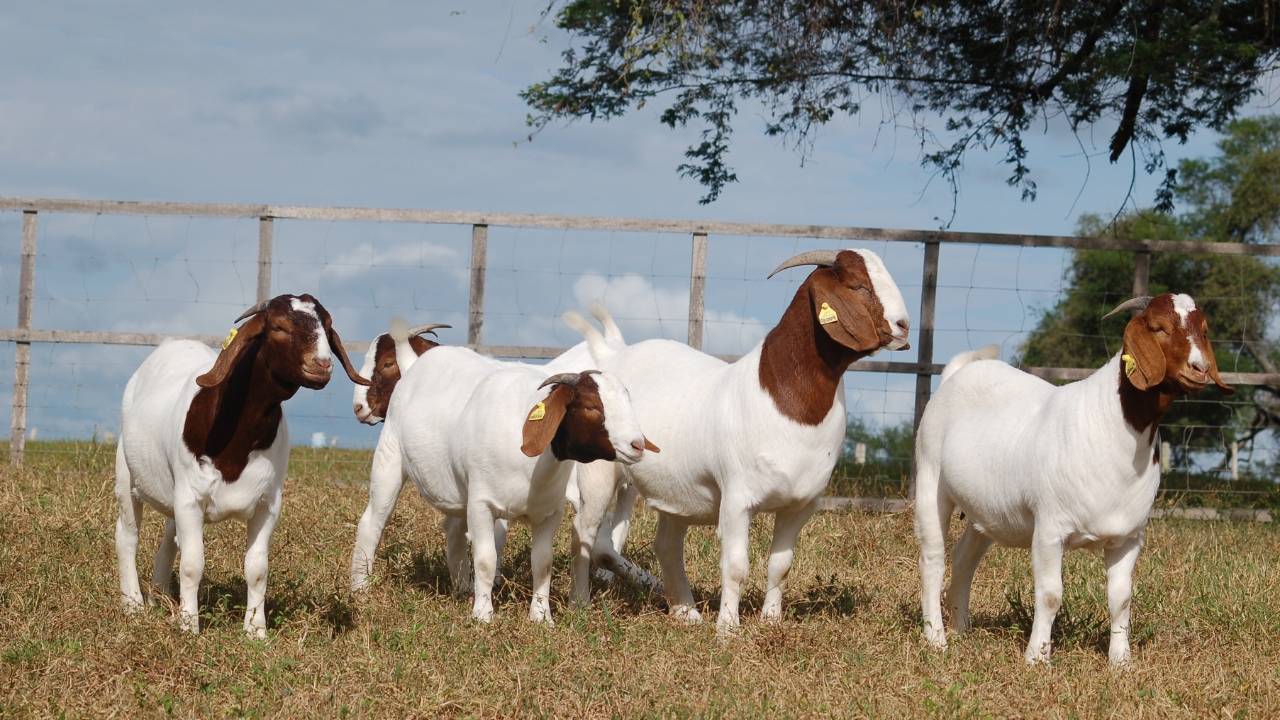
Goats don’t herd like sheep—they scatter, dodge, and climb when they feel pressured. They’ll often head in the opposite direction from where you want them.
Patience and a feed bucket go a lot further than pushing from behind.
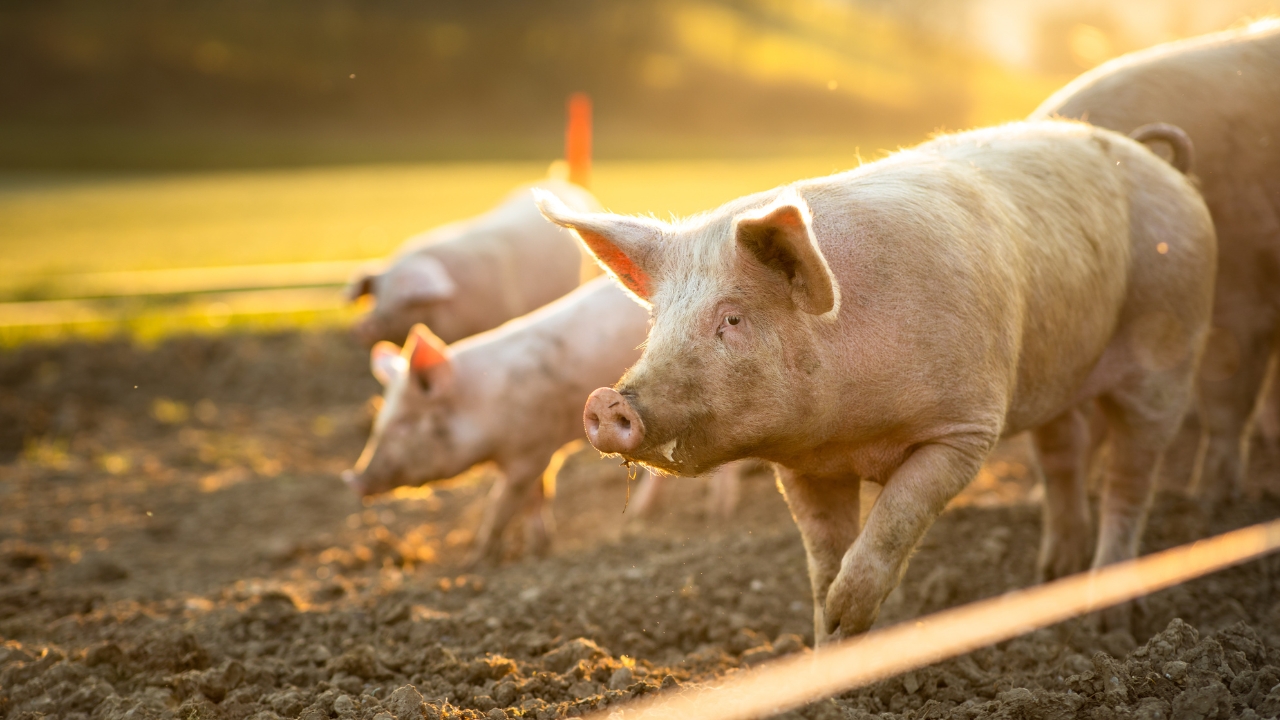
Pig
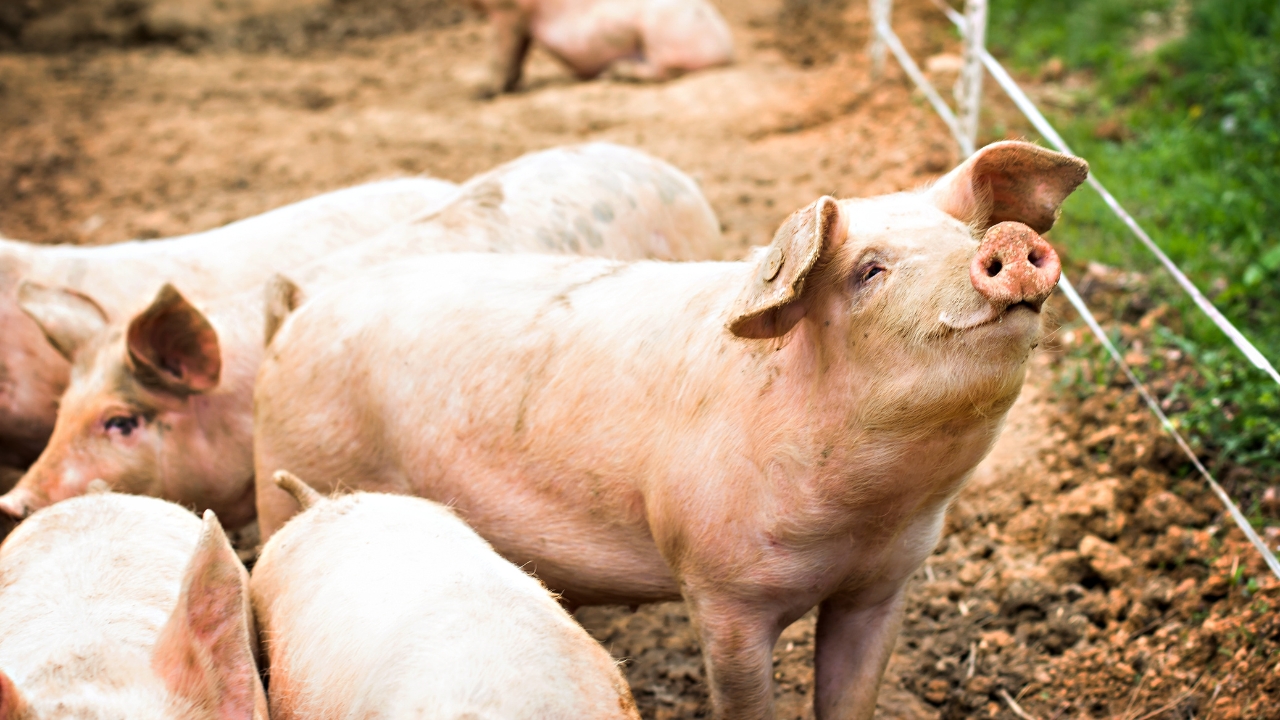
Pigs move on their own timeline. They’ll stop to sniff, root, or nap in the middle of being moved.
The easiest way to “herd” them is to lead with something they want, like feed or a treat.
Cat
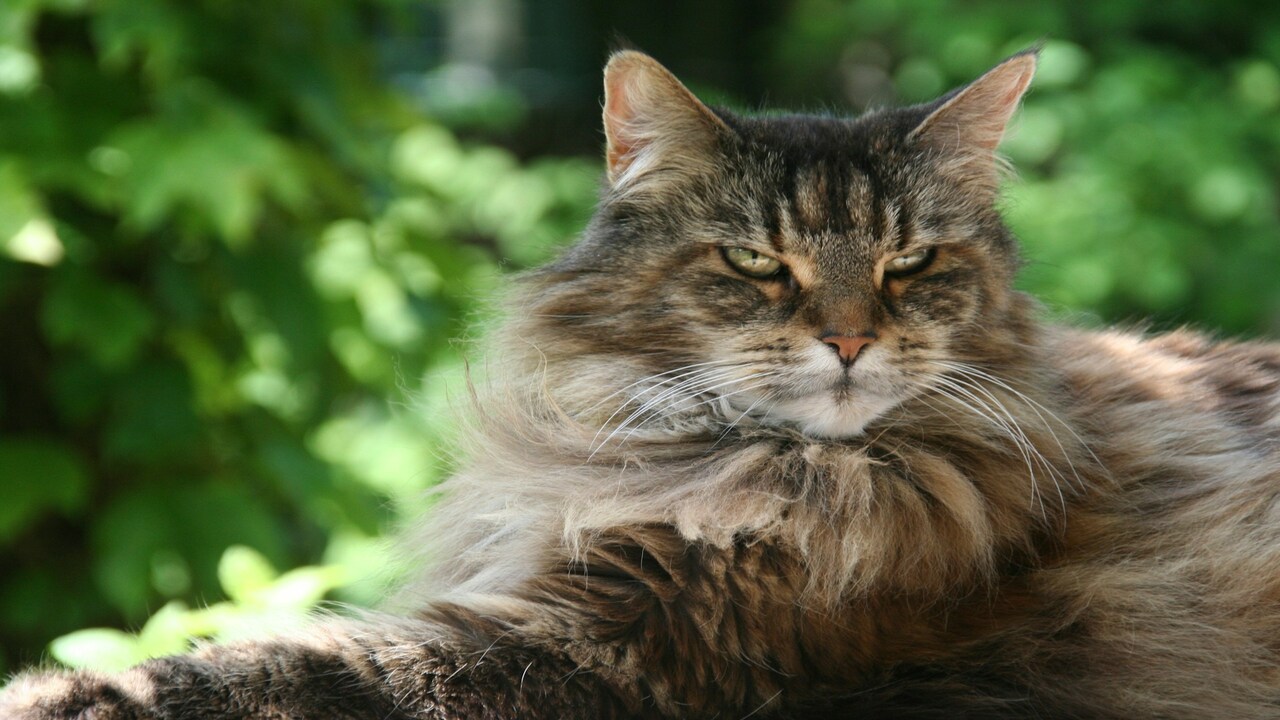
Cats aren’t herd animals at all. Try pushing them toward a goal, and you’ll likely watch them disappear.
They’ll come when it suits them, not when it suits you.
Turkey

Turkeys can be herded in small groups, but they’re quick to break off and wander. They get distracted easily and don’t always follow the leader.
Moving them requires slow, steady pressure and no sudden movements.
Llama

Llamas tend to watch rather than follow. They’ll stand back and observe until they’re ready, then move at their own pace.
They can be led individually, but group herding is rarely smooth.
Donkey
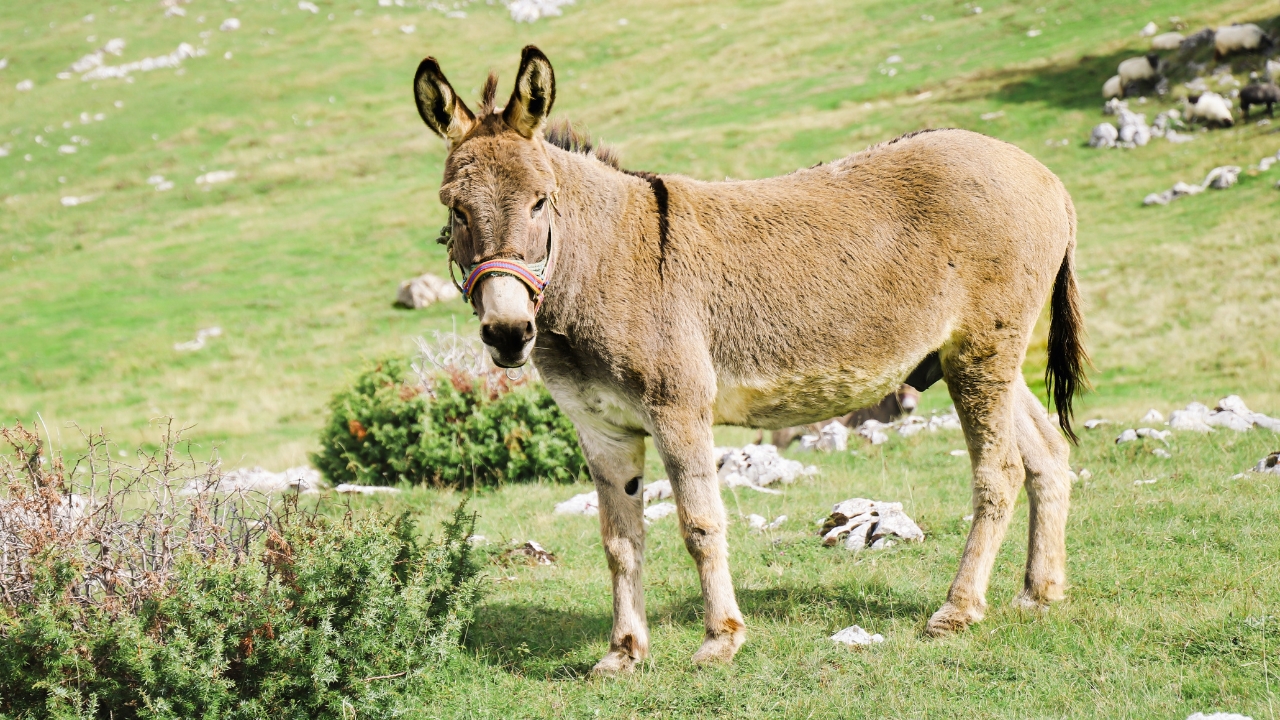
Donkeys think before they move, and if they don’t see the point, they’ll stand still. Pressure often makes them more stubborn.
Leading them with trust and clear direction works better than trying to push them along.
Rabbit
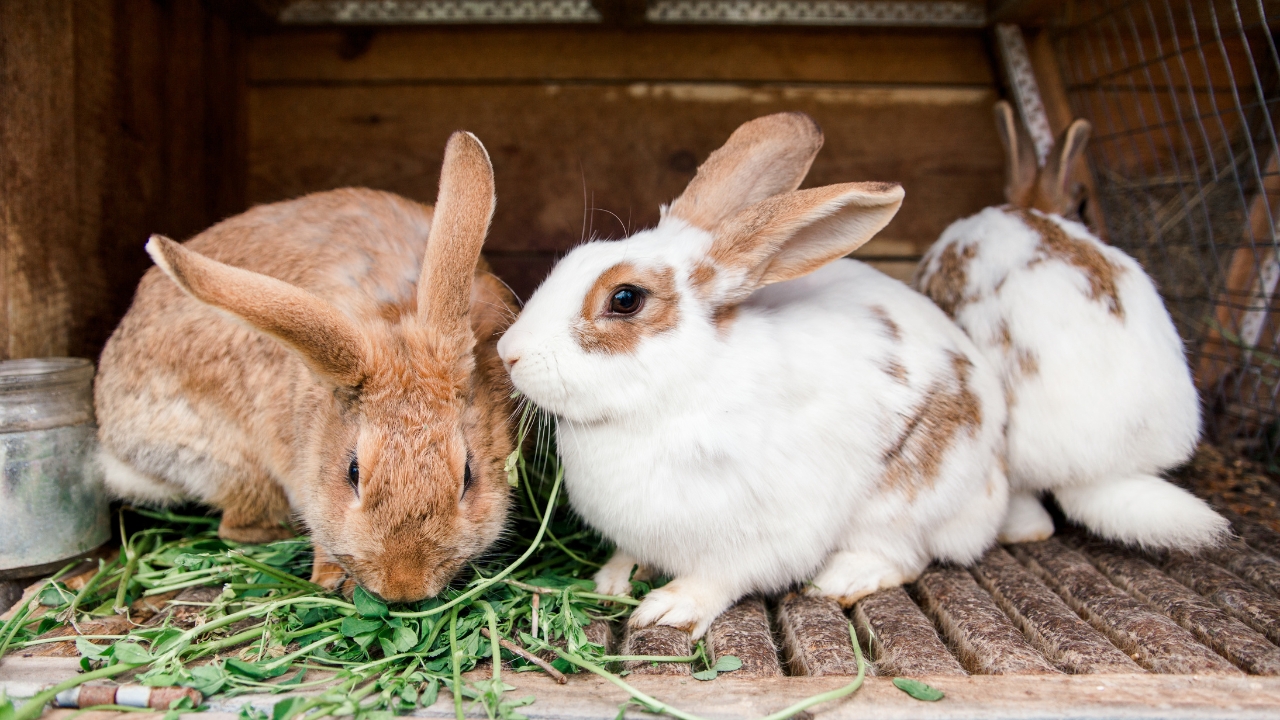
Rabbits scatter under pressure and can squeeze through spaces you didn’t think they’d fit.
They’re better caught with quiet, deliberate handling than by trying to guide them in a group.
*This article was developed with AI-powered tools and has been carefully reviewed by our editors.