7 Easy Ways to Extend the Life of Your Outdoor Faucets
Photo credit: Harold Diaz Lara/Shutterstock.com
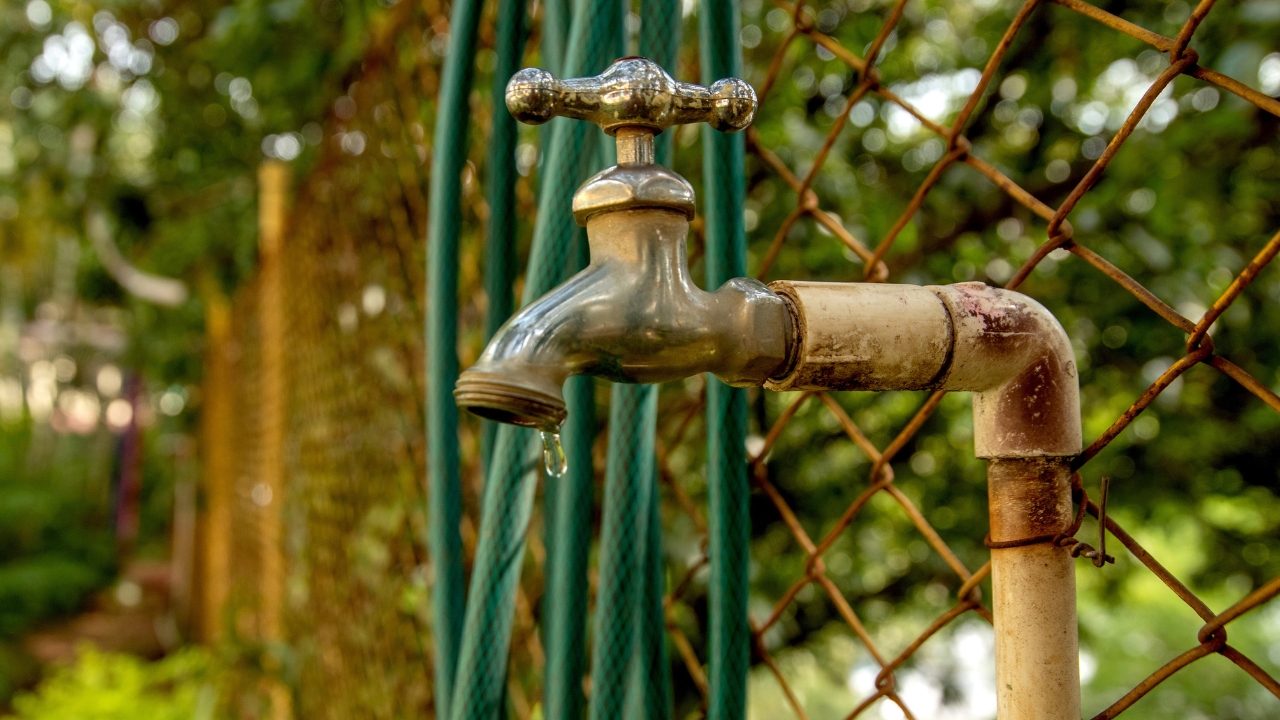
Outdoor faucets get more use than most people realize, and they’re often the first point of failure in a water system.
Whether it’s hoses being yanked, pressure being left on, or exposure to the weather, outdoor spigots take a beating. But a few smart habits can keep them working longer—and save you from dealing with unexpected leaks, corrosion, or cracked pipes later on.
These fixes don’t take much time, but they make a big difference.
Always Turn Off the Hose at the Source

Leaving a hose pressurized puts constant stress on your faucet and its washers. Over time, that pressure wears out the internal parts and shortens the life of the entire unit.
It also raises the chances of a surprise leak or pipe split, especially when temperatures swing. Shut it off at the spigot when you’re done using it—even if the hose nozzle has a shutoff of its own.
Use a Vacuum Breaker to Prevent Backflow
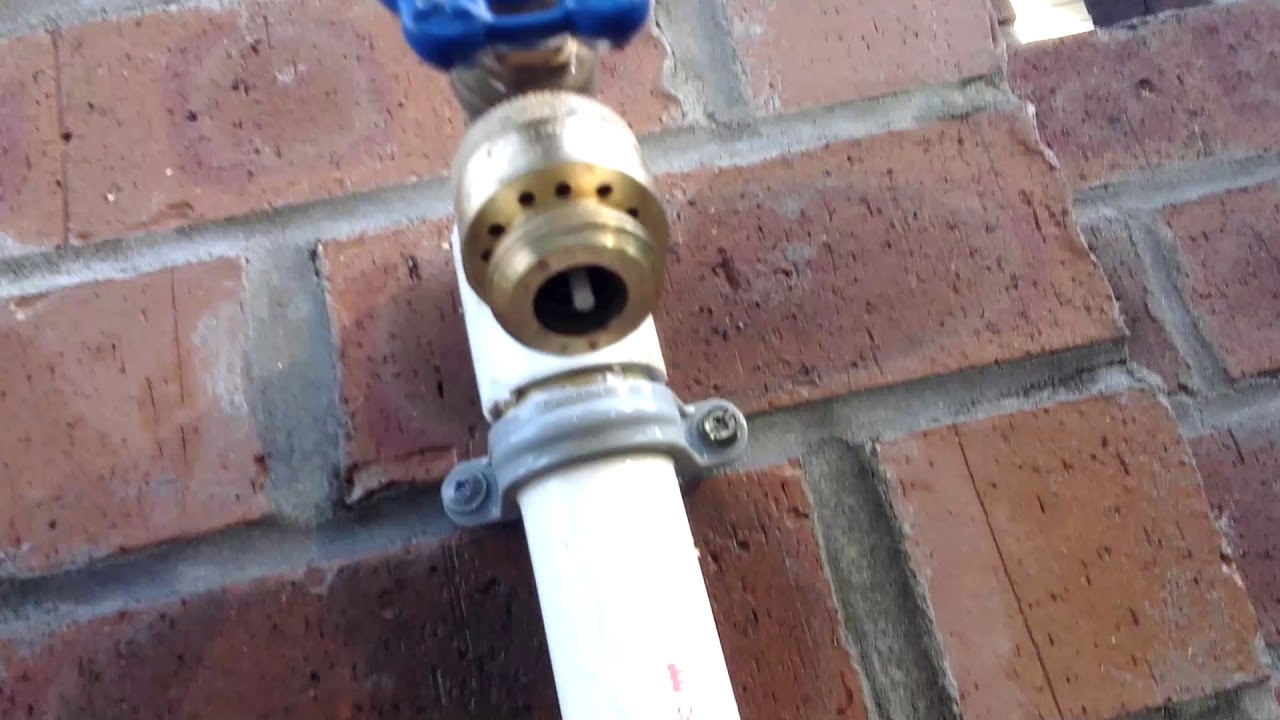
Installing a vacuum breaker on your outdoor faucet keeps dirty water from being pulled back into your home’s water system. This protects your water quality and your faucet parts.
When backflow happens, it adds pressure and debris where it doesn’t belong. That puts unnecessary strain on valves and seals. A cheap vacuum breaker can stop that and extend the faucet’s lifespan.
Don’t Let Heavy Hoses Pull on the Faucet
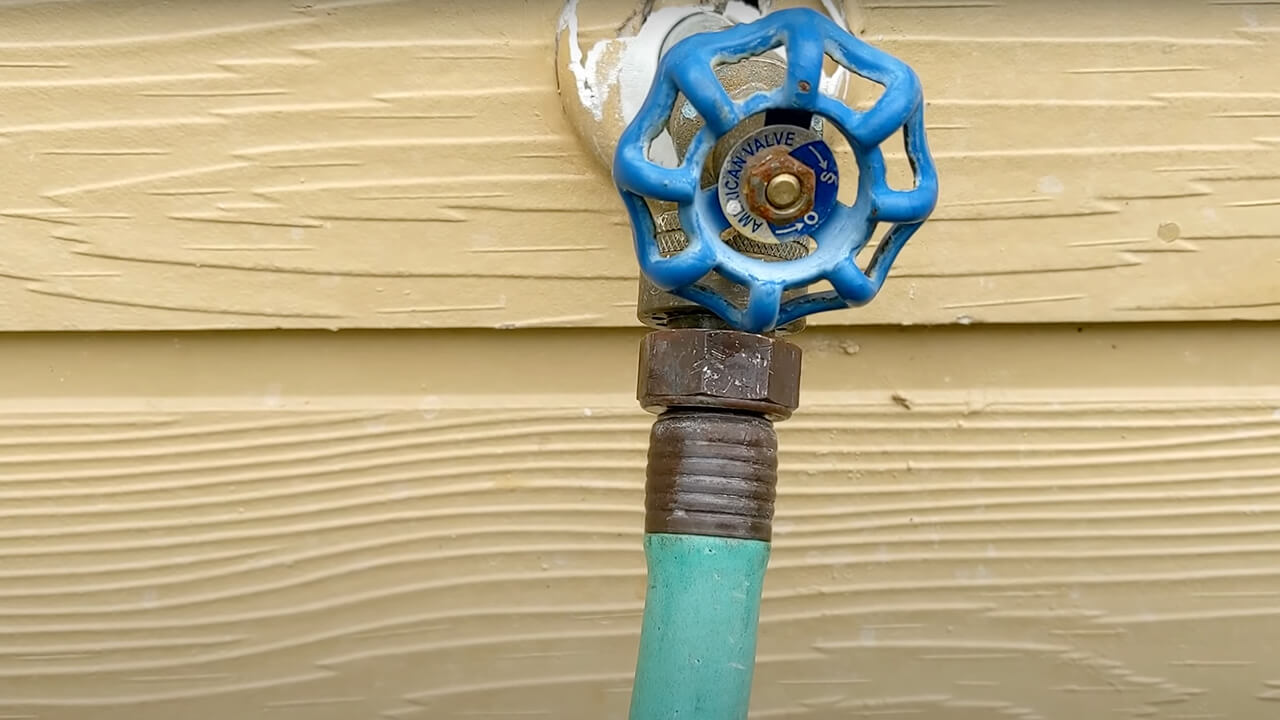
When hoses get left dangling, especially if they’re long or full of water, that constant weight can bend or strain the connection. Eventually, that stress can lead to slow leaks or a snapped pipe.
Use a hose hanger or reel to take the weight off the faucet. It’s a small change, but it’ll prevent long-term damage and keep your setup working better.
Keep the Area Around the Spigot Clear
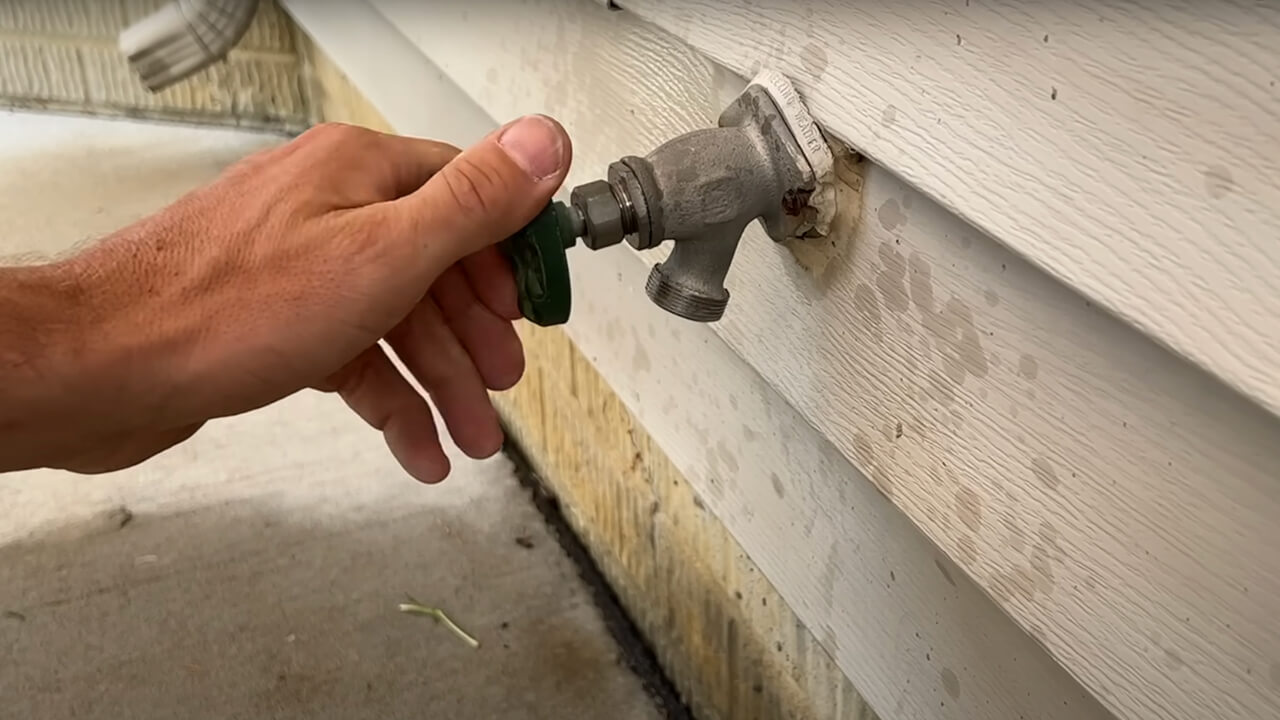
Shrubs, mulch, and dirt crowding the faucet can hold moisture and trap heat, which speeds up rust and corrosion. Insects and rodents also like to nest in those tight, damp areas.
Give the faucet some space. Keeping it exposed to air helps it stay dry and lets you spot issues sooner. Plus, it’s easier to access when you need to turn the water off fast.
Wrap the Faucet in Winter—Even in Mild Climates

Cold snaps can happen anywhere, and even in warmer regions, one hard freeze can crack a pipe or fitting. Don’t assume you’re in the clear based on location.
A foam cover or even an old towel and bag can help protect your faucet when temps drop. It’s a cheap step that can keep you from dealing with costly freeze damage later.
Use a Y-Splitter to Prevent Overuse of the Faucet Threads

If you’re constantly screwing and unscrewing different hoses or timers, you’re wearing down the threads on your spigot fast. A Y-splitter lets you leave attachments connected and just turn them on or off as needed.
This keeps the faucet threads from getting stripped and makes switching tasks easier. Look for one with metal threads if you want it to hold up longer.
Check for Leaks Often and Fix Them Early
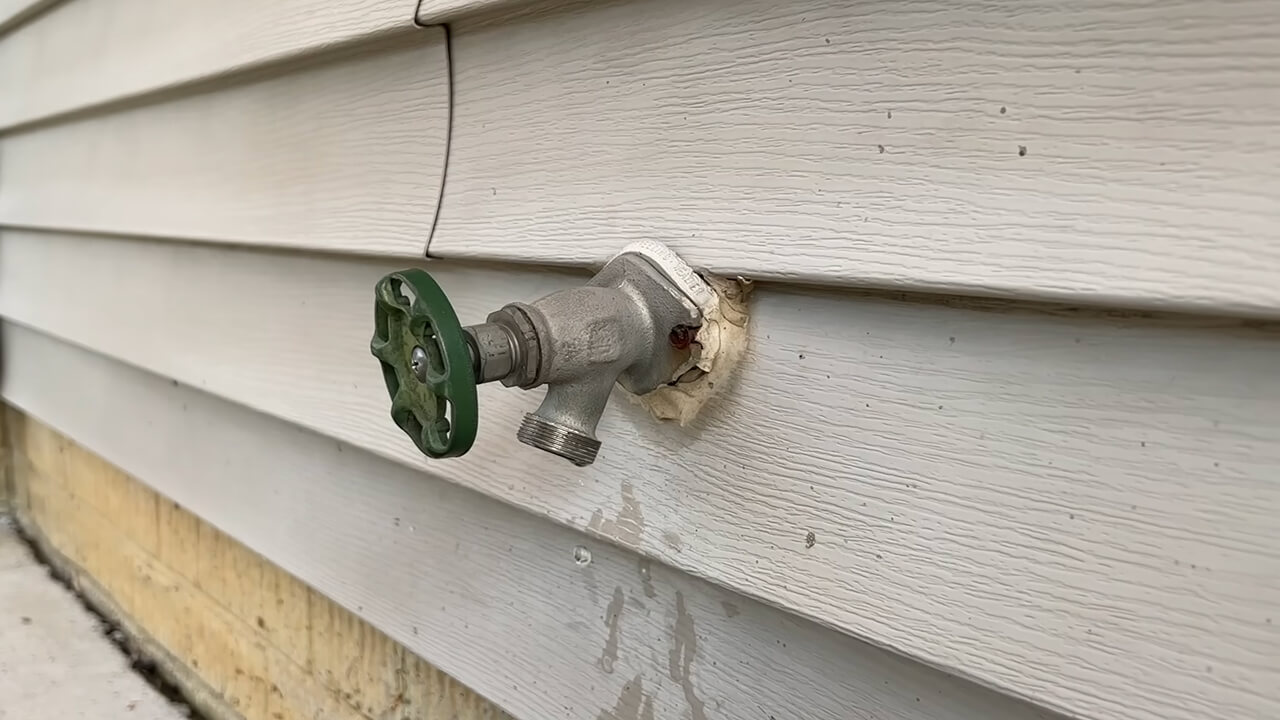
A slow drip might not seem like a big deal, but it’s often a sign that something’s starting to wear out. Ignoring it can lead to worse problems inside the wall or underground.
Check for leaks at the handle, threads, and base. If something’s loose or dripping, tighten it or swap out a washer now instead of waiting until it’s a mess.
*This article was developed with AI-powered tools and has been carefully reviewed by our editors.