7 Plants That Beg Snakes to Come Into Your Yard
Photo credit: Brent Sullivan Photos/Shutterstock
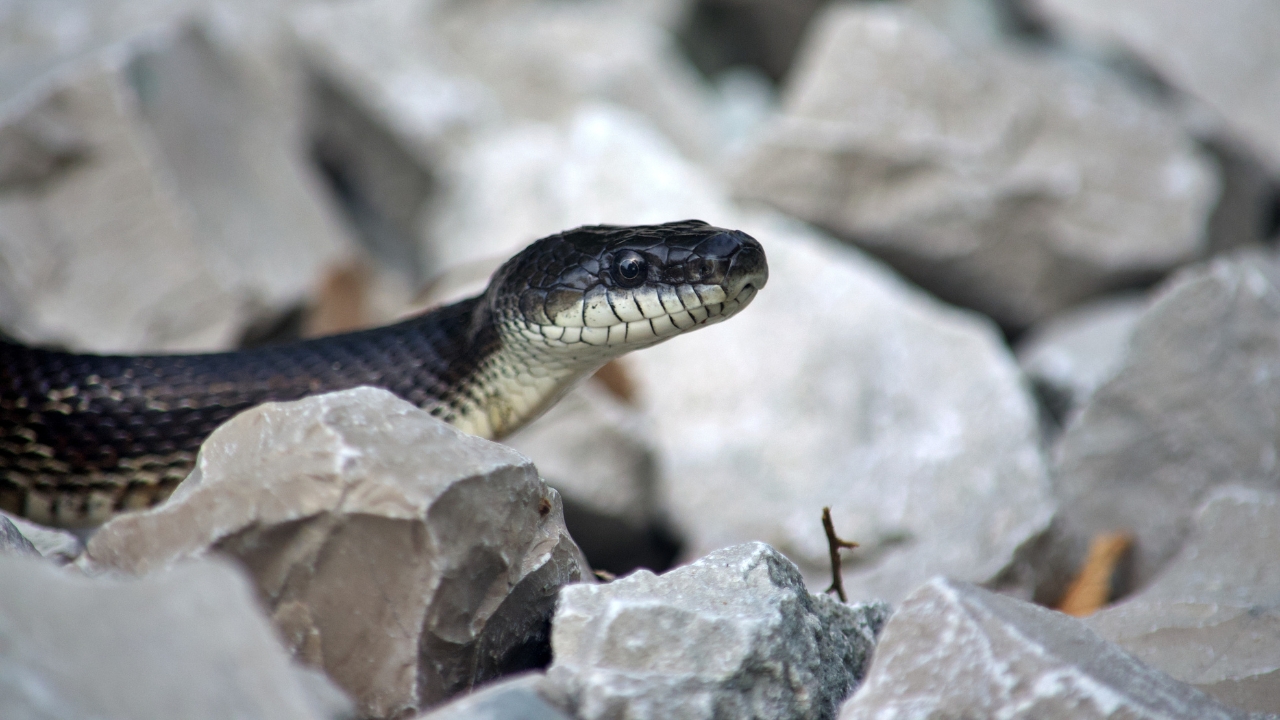
Snakes aren’t always there by chance. Certain plants actually make your yard more appealing to them—either by offering shade, shelter, or attracting their food. If you’re tired of surprise snake sightings, it’s worth taking a closer look at your landscaping. You might be growing a welcome mat without even realizing it.
Dense Groundcovers
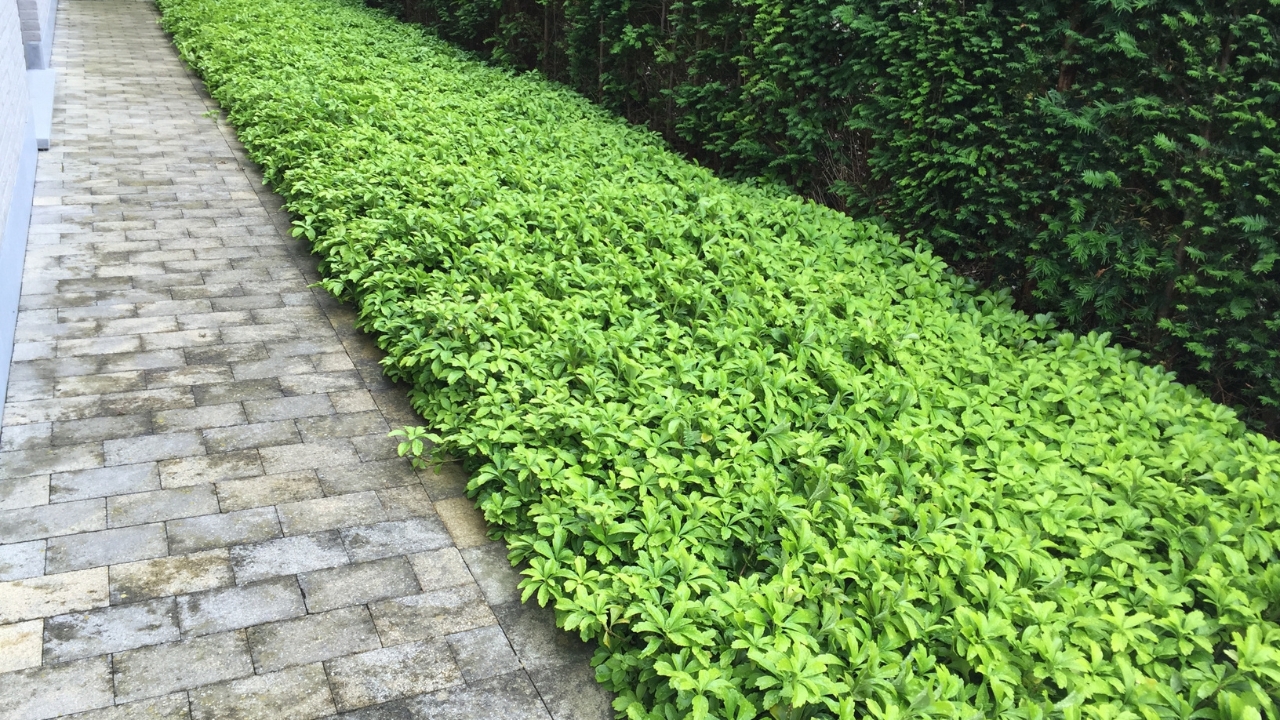
Low, dense groundcovers like English ivy or pachysandra create the perfect hiding spot for snakes. These plants form thick mats close to the soil, where snakes can hide undisturbed during the heat of the day. If you’re seeing more snakes, check for overgrown patches of these.
Even if the rest of your yard is trimmed, patches of these groundcovers can turn into snake hotspots fast. Trim them back often, or consider replacing them with lower-risk plants that still cover the ground without creating thick tangles.
Ornamental Grasses
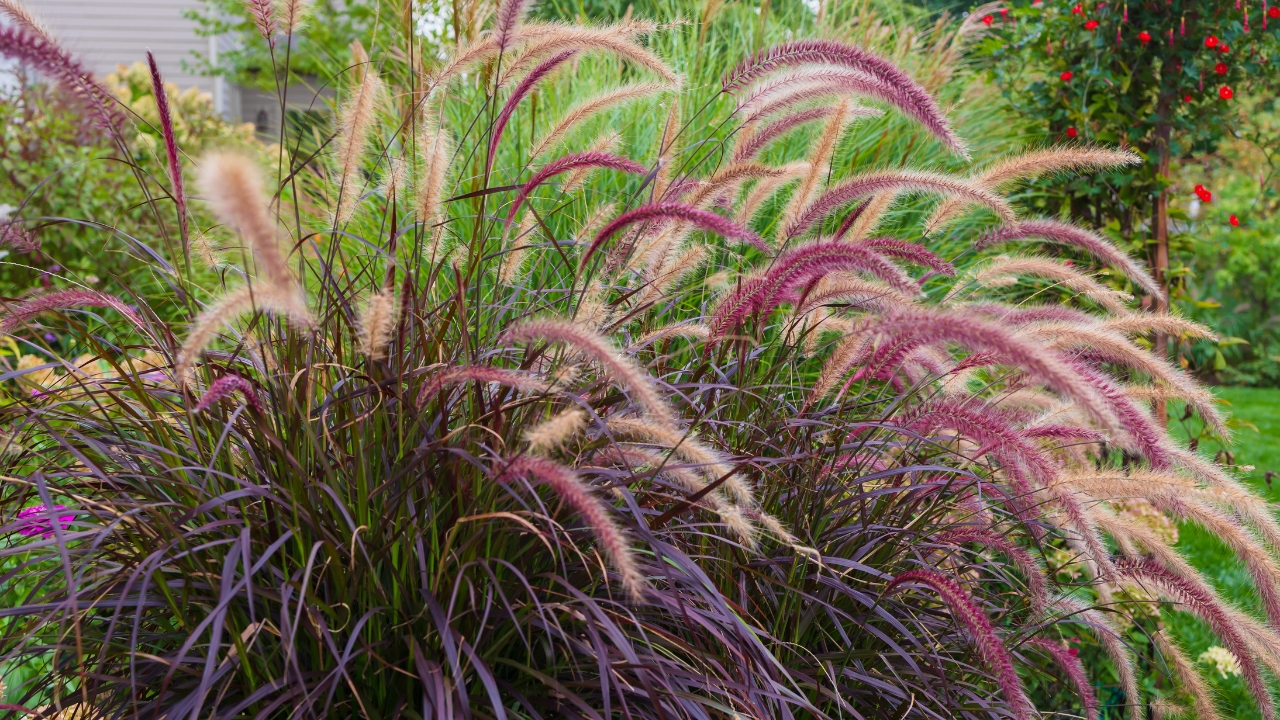
Tall, clumping grasses like pampas grass and fountain grass give snakes cover and shade. They also attract small prey like lizards and insects, which makes these grasses an even bigger draw for snakes. Once snakes find a food source and a place to hide, they’re more likely to stick around.
Cutting these grasses way back each season can help, but if they’re planted near the house or porch, it’s worth rethinking the placement. Try keeping grassy plants farther out where you can monitor them more easily.
Shrubs With Low-Hanging Branches
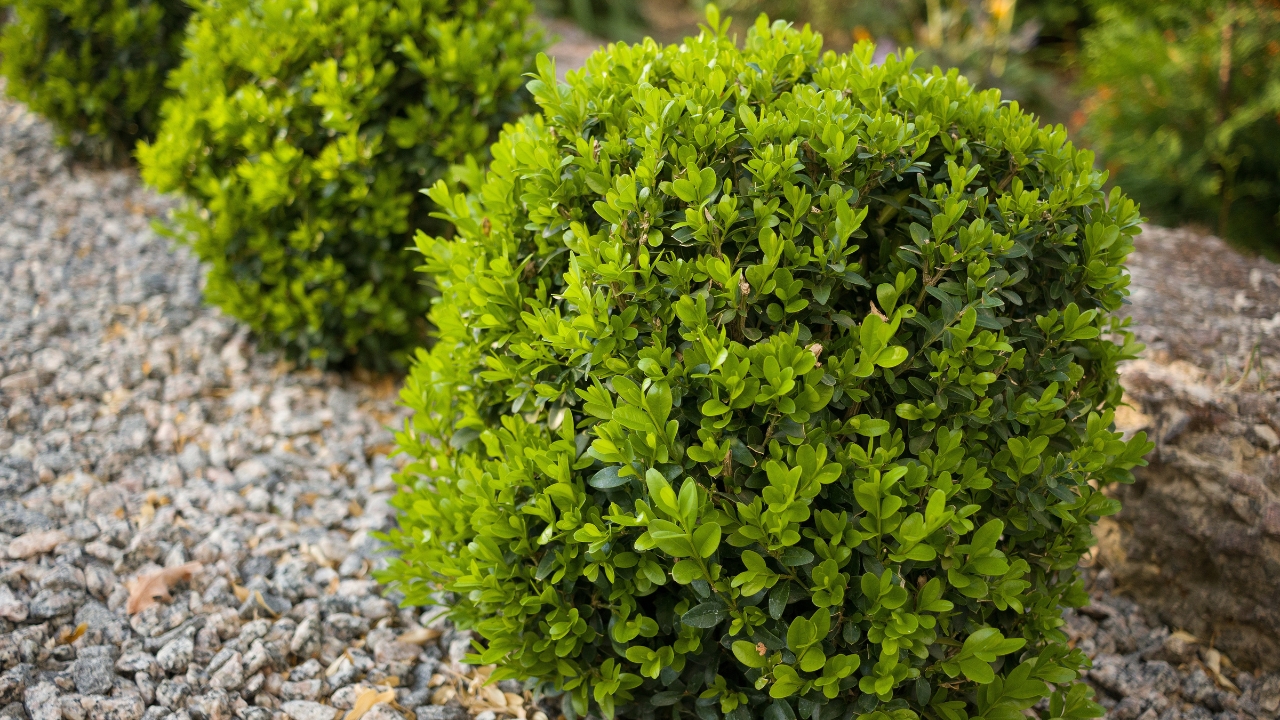
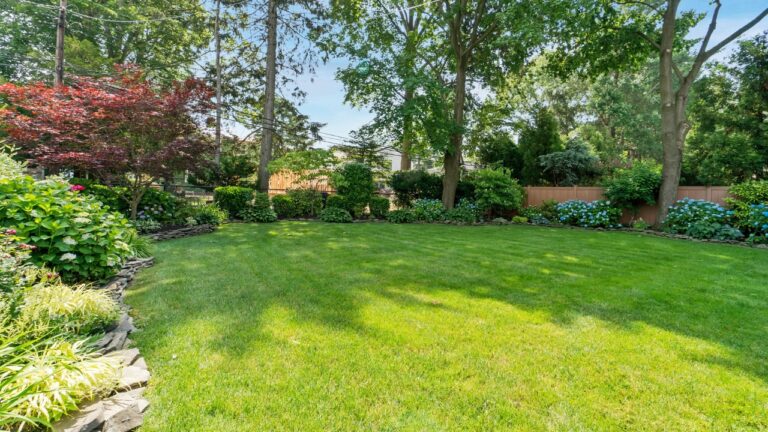
Snakes prefer cover, and shrubs that reach all the way to the ground give them exactly that. Boxwoods, hollies, and similar bushes with dense lower foliage are common hiding spots. They’ll curl up in the shade and stay out of sight until the coast is clear.
If you’ve got these types of shrubs along your walkway, trim the lower branches to reduce shade near the ground. It helps discourage snakes and keeps things looking a lot cleaner, too.
Mulched Beds With No Traffic
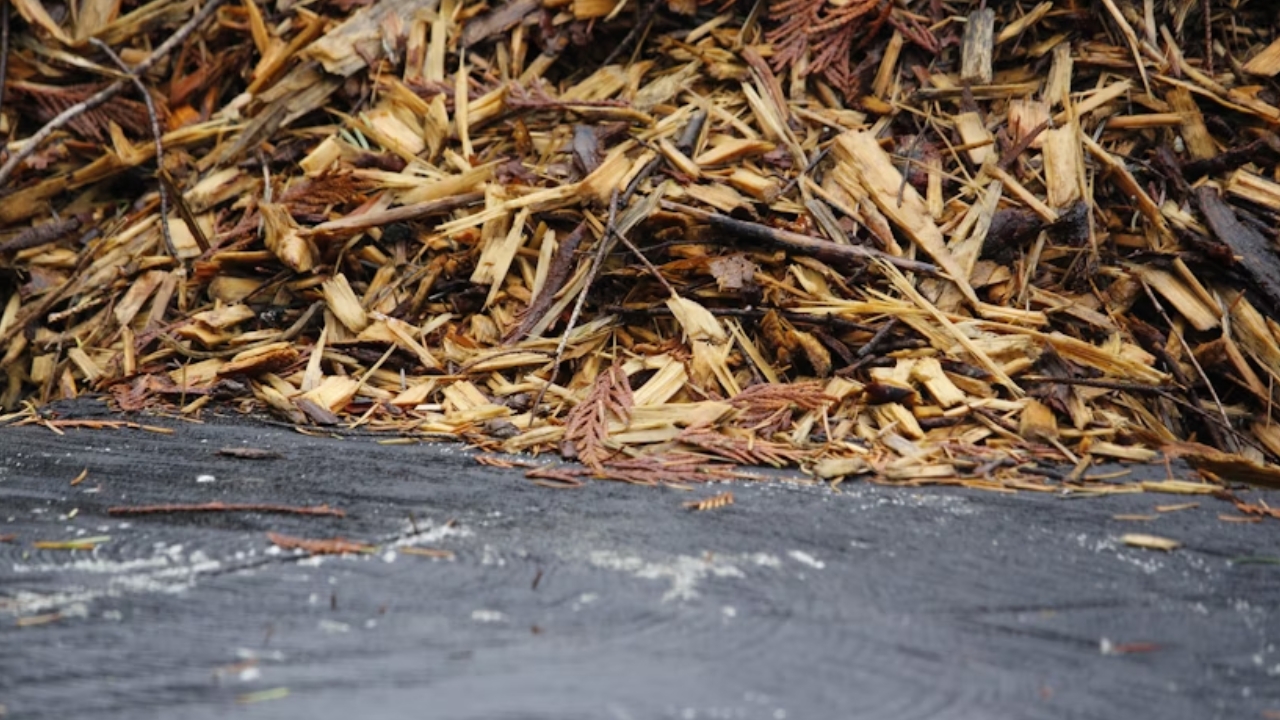
Thick mulch keeps moisture in—and that means frogs, bugs, and rodents. All of which are snake food. If you rarely walk through your flower beds, snakes can move in without anyone noticing. It’s even worse if the mulch is deep and rarely turned.
Try to keep your mulch no deeper than three inches and break up old mulch that’s compacted. If possible, use rock mulch near your house to reduce the risk altogether.
Bird-Feeding Areas
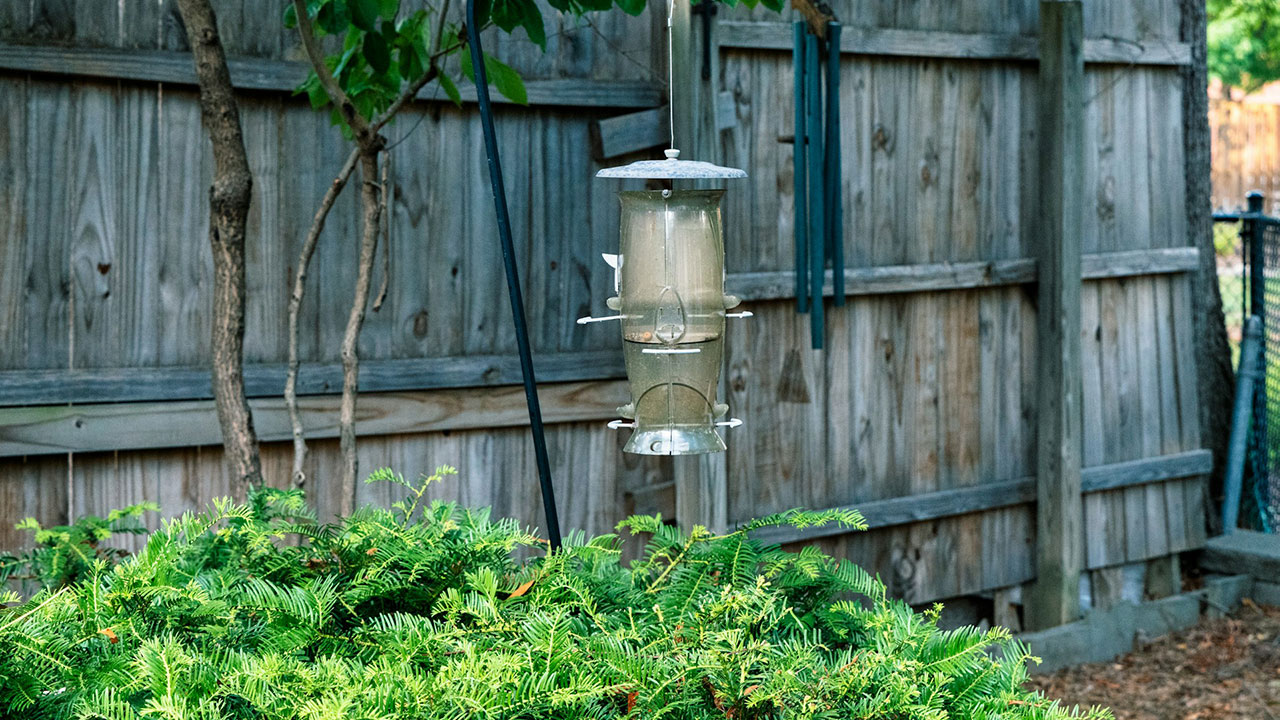
It sounds harmless, but scattered birdseed attracts rodents—and rodents attract snakes. Feeders hung above flower beds or near thick plants are even riskier, since snakes can stay hidden while waiting for prey to show up.
If you want to keep feeding birds, try hanging your feeder out in the open and clean up any fallen seed regularly. The less food sitting on the ground, the better your chances of avoiding both rodents and snakes.
Compost Piles
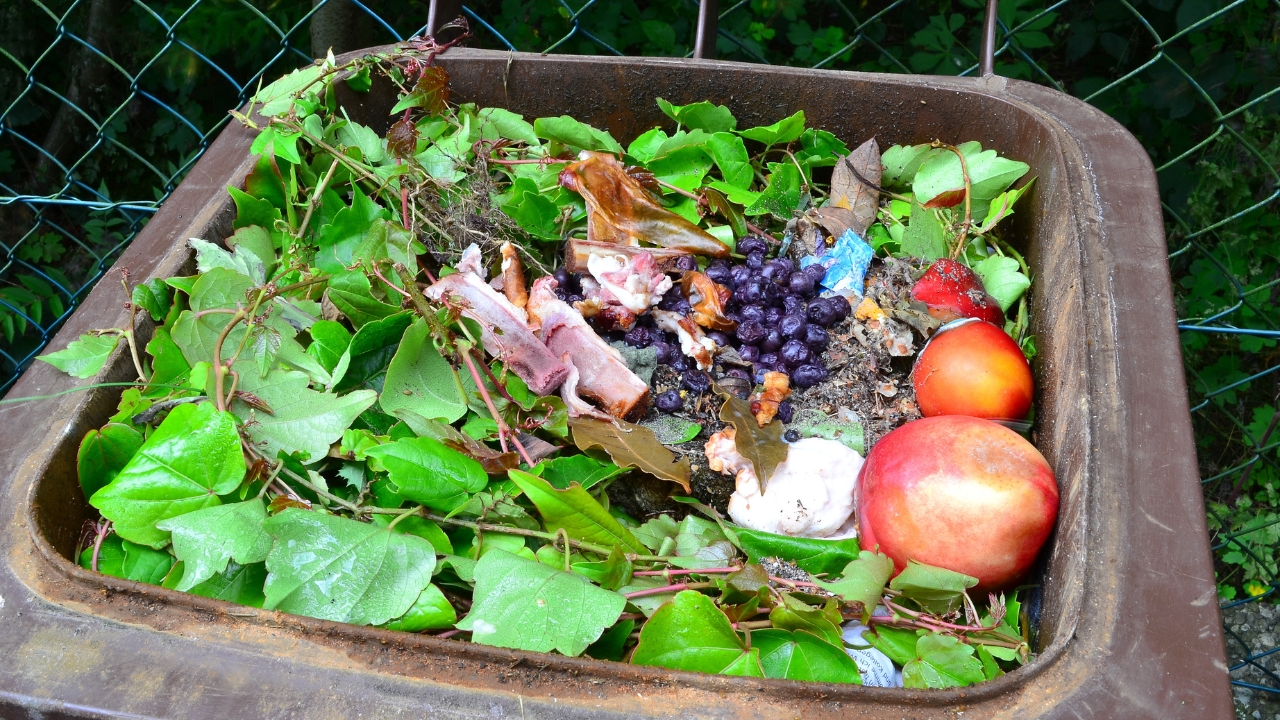
Compost piles are warm, moist, and full of insects and rodents. That makes them a jackpot for snakes. If your pile is close to the house or surrounded by plants, you’ve got even more reason to be cautious.
Keep compost far away from living areas and turn it often. A sealed bin is an even better option if snakes have been a problem in the past.
Rock or Wood Piles Near Vegetation
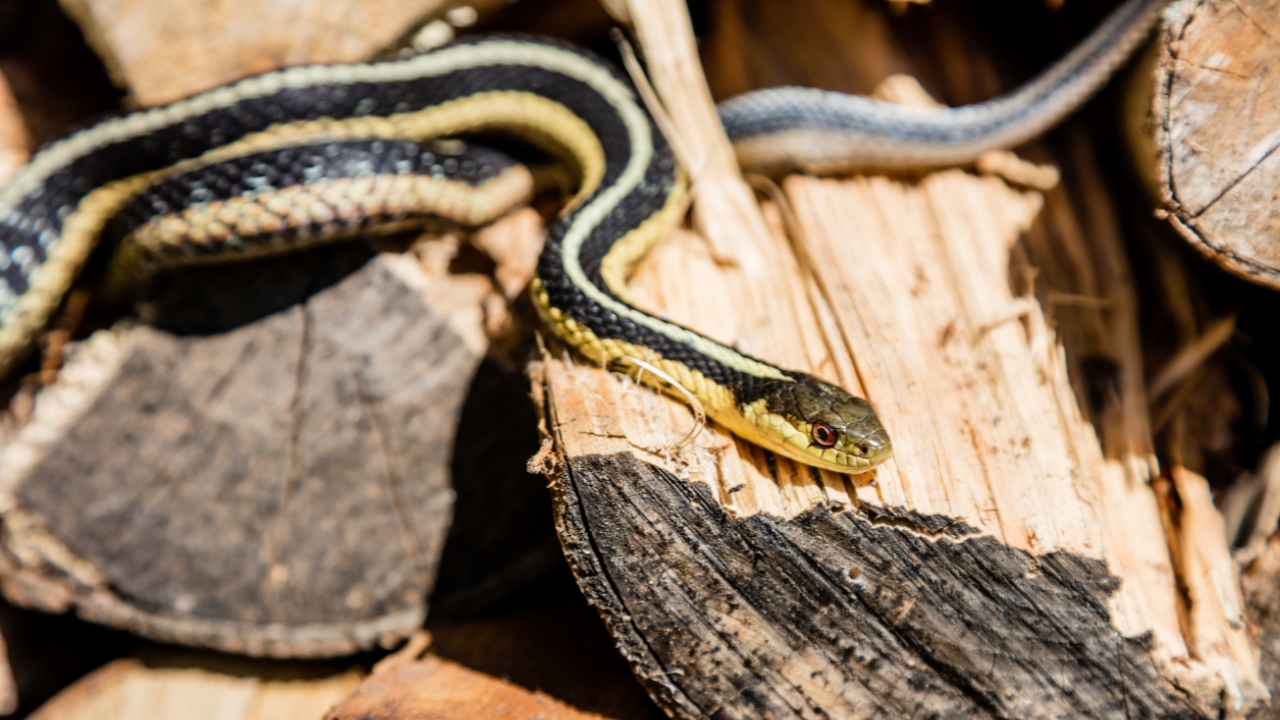
Stacked stones or firewood next to shrubs or fences are a perfect spot for snakes to shelter. The more overgrowth nearby, the more comfortable they’ll be staying hidden there. Snakes use these piles to warm up in the morning and cool off in the heat.
Keep piles off the ground using a rack or pallet, and don’t store them right next to thick plants. A little spacing makes a big difference in keeping snakes out.
*This article was developed with AI-powered tools and has been carefully reviewed by our editors.
Like Fix It Homestead’s content? Be sure to follow us.