7 smoke detector mistakes that matter more in winter—and how to fix them
Winter quietly raises the stakes for every smoke detector in your home, just as you spend more time indoors with heaters running and windows sealed. The season’s dry air, temperature swings, and heavier reliance on appliances all magnify small mistakes that might not matter as much in July but can turn critical in January. If you tighten up a few habits now, you can turn your detectors from background noise into a real line of defense.
This guide walks through seven common missteps that become more dangerous in cold weather and shows you how to correct each one with simple, practical changes. You will not need special tools or advanced electrical skills, only a willingness to look more closely at the devices that stand between a minor scare and a life‑altering fire.
1. Letting winter air fool your detectors
Cold weather changes how air moves through your home, and that can confuse the very sensors you rely on. When warm indoor air hits colder surfaces or pockets of chilly air near doors, windows, or uninsulated ceilings, it can create tiny drafts and temperature layers that push smoke or steam in unexpected directions. If your detectors sit in the wrong spot, those currents can delay when smoke reaches them or cause nuisance alarms that you start to ignore.
Professionals who focus on seasonal safety point out that a winter smoke detector check is not just about pressing the test button, it is about understanding how your heating patterns and insulation affect airflow. Guidance from The Importance of a Winter Smoke Detector Check for Safety explains that when warm indoor air hits colder areas, it can change how quickly smoke reaches a sensor and why a detector near a drafty window might behave differently in January than in June. You can counter that by walking your home on a cold day, noting where you feel drafts or temperature swings, and relocating detectors away from those spots so they monitor the air you actually breathe, not the air leaking under a door.
2. Ignoring batteries and aging sensors when you need them most
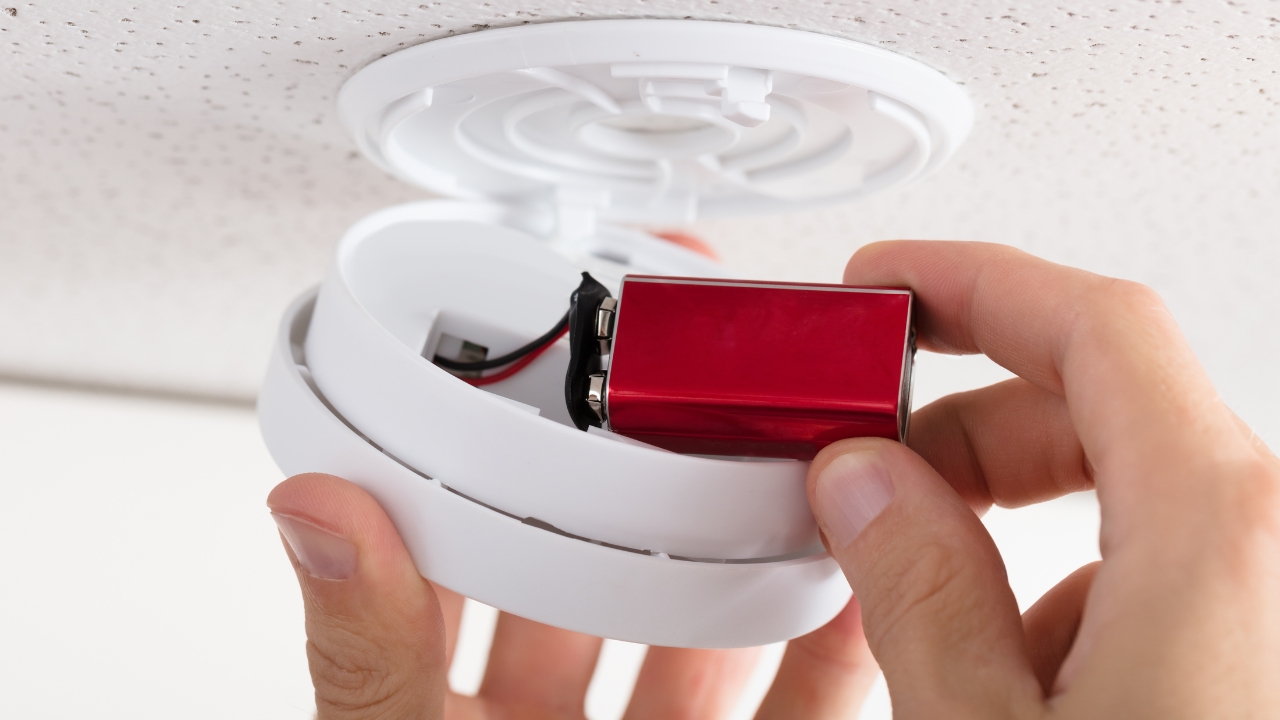
Winter is when you lean hardest on furnaces, fireplaces, and space heaters, yet it is also when many people discover their smoke detectors have weak batteries or worn‑out sensors. Low temperatures can sap battery performance, especially in older 9‑volt units, and a detector that chirps once and then goes quiet can lull you into thinking the problem has resolved itself. In reality, that silence often means the device has simply stopped trying to warn you.
Fire safety experts stress that smoke detector maintenance is a year‑round job, but they also highlight winter as the riskiest season for home fires because heating equipment and holiday wiring add so many ignition sources. Reporting on Winter Fire Safety and Protecting Your Home During the Riskiest months underscores that sensors can degrade over time, even if the device still powers on, which is why you should replace most units after about ten years and swap batteries on a set schedule instead of waiting for a chirp. Treat the start of heating season the way you treat a vehicle’s winter prep: change batteries in every detector, check the manufacture date on the back, and budget to replace any unit that has quietly aged out of its reliable life.
3. Placing detectors where winter habits block or confuse them
How you live in your home shifts in cold weather, and your smoke detectors need to keep up. You close interior doors to hold heat, move furniture away from drafty walls, and bring in humidifiers, air purifiers, and drying racks that were not there in summer. Each of those changes can block a detector’s vents, redirect airflow, or add steam and dust that trigger false alarms.
Winter fire guidance that looks at the whole home environment notes that people often underestimate how much their seasonal routines affect safety devices. When you follow advice on winter smoke detector checks, you are encouraged to walk room by room and see your detectors the way smoke would: are they hidden behind a tall bookcase you slid over to block a draft, or mounted right outside a bathroom where hot showers in a closed‑up house create constant steam? Adjusting placement by even a few feet, such as moving a hallway detector away from a bathroom door or lifting a bedroom unit higher on the wall, can reduce nuisance alarms and ensure smoke has a clear path to the sensor when it matters.
4. Forgetting how much extra fuel and wiring winter adds
Cold months bring a surge of ignition sources that simply are not present in warmer weather. You plug in space heaters, run electric blankets, light candles, and keep ovens and stovetops working overtime for holiday meals. Each device adds both heat and electrical load, and if something goes wrong, your smoke detectors are the last line between a contained incident and a spreading fire.
Seasonal safety reporting on While winter is described as the riskiest season for home fires, the same guidance emphasizes that detectors only help if they are positioned to catch problems where they are most likely to start. That means adding or relocating units near living rooms where portable heaters run, near basements with furnaces and laundry equipment, and close to attached garages where you might use tools or store fuel. Think of your detectors as a network that should cover every place you introduce extra heat or wiring in winter, not just the traditional hallway outside bedrooms.
5. Treating nuisance alarms as an excuse to disable protection
Winter is prime time for nuisance alarms, and that can tempt you to silence or even remove detectors. Closed windows trap cooking smoke, long showers in a tightly sealed bathroom create lingering steam, and dry air stirs up dust that can settle inside a sensor. When a detector screams every time you sear a steak or run a hot bath, it is understandable to reach for the broom handle and hit the silence button, but doing that repeatedly without fixing the cause is one of the most dangerous winter habits you can develop.
Experts who focus on The Importance of regular checks warn that nuisance alarms are often a symptom of poor placement, contamination, or aging components rather than a reason to give up on the device. Guidance tied to a Winter Smoke Detector Check for Safety explains that cleaning vents with a vacuum, moving a detector a few feet away from a kitchen doorway, or upgrading to a model with better discrimination between steam and smoke can dramatically cut false alarms. Instead of pulling the battery, treat every nuisance alert as a prompt to adjust location, clean the unit, or replace an outdated sensor so you keep full protection without constant interruptions.
6. Skipping a winter test of interconnected and smart systems
Many newer homes and renovated apartments now rely on interconnected smoke detectors or smart alarms tied to apps like Google Home, Apple Home, or Ring. Those systems are powerful in winter, when a fire in a basement or garage might otherwise go unnoticed until smoke reaches the main living areas. If one detector senses trouble, it can trigger every alarm in the house and send a notification to your phone, which is especially valuable when you are asleep behind closed doors or away visiting family.
However, interconnected systems only work as designed if you test them under the same conditions you live in during winter. Safety guidance that highlights smoke detector maintenance in the riskiest season notes that sensors can degrade over time and that wiring or wireless links can fail silently. When you follow the kind of winter fire safety advice outlined in Winter Fire Safety, you are urged to press the test button on one unit and confirm that every other detector sounds, then verify that your phone receives an alert if your system supports it. Doing that once at the start of heating season, and again before major holidays when you may be away overnight, ensures that a single point of failure does not leave part of your home unprotected.
7. Treating winter checks as optional instead of routine
The most common winter mistake is not a technical flaw but a mindset. Many homeowners treat smoke detectors as set‑and‑forget devices, installed once and then ignored unless they chirp. Winter, with its higher fire risk and harsher conditions for electronics, exposes how fragile that approach is. A detector that has quietly gathered dust, lost battery strength, or aged past its prime is least likely to perform well at the exact moment you need it.
Seasonal safety experts argue that you should treat winter checks as a non‑negotiable part of home maintenance, on par with servicing your furnace or checking your car’s antifreeze. The Importance of scheduling a Winter Smoke Detector Check for Safety is framed as a way to make sure your detectors are always ready, not just technically installed. Combine that with the reminder from Dec guidance on Protecting Your Home During the Riskiest months that sensors can degrade over time, and a clear routine emerges: once each winter, test every unit, replace any that are older than a decade, refresh batteries, clean vents, and reassess placement based on how you actually live in cold weather. That rhythm turns seven seasonal mistakes into seven quick habits that quietly stack the odds in your favor.
Like Fix It Homestead’s content? Be sure to follow us.
- Man Says He Found Out the Fence He Paid For Wasn’t Actually on His Property
- Woman Says Her Neighbor Started Taking Mulch From Her Delivery Pile Before She Could Even Spread It
- I made Joanna Gaines’s Friendsgiving casserole and here is what I would keep
- What Caliber Works Best for Groundhogs, Armadillos, and Other Digging Pests?
*This article was developed with AI-powered tools and has been carefully reviewed by our editors.