7 Ways to Homestead When You Don’t Own Land
Photo credit: Ashley-Belle Burns/Shutterstock.com
You don’t need acreage to live more self-sufficient. A lot of people think homesteading has to start with a big piece of land, but that’s not the case. We’ve known people who started building skills and producing food from apartments, townhouses, and rental homes. The key is using what you’ve got and learning how to make the most of it.
Here are seven ways to homestead, even if the land’s not yours—yet.
Grow Food in Containers
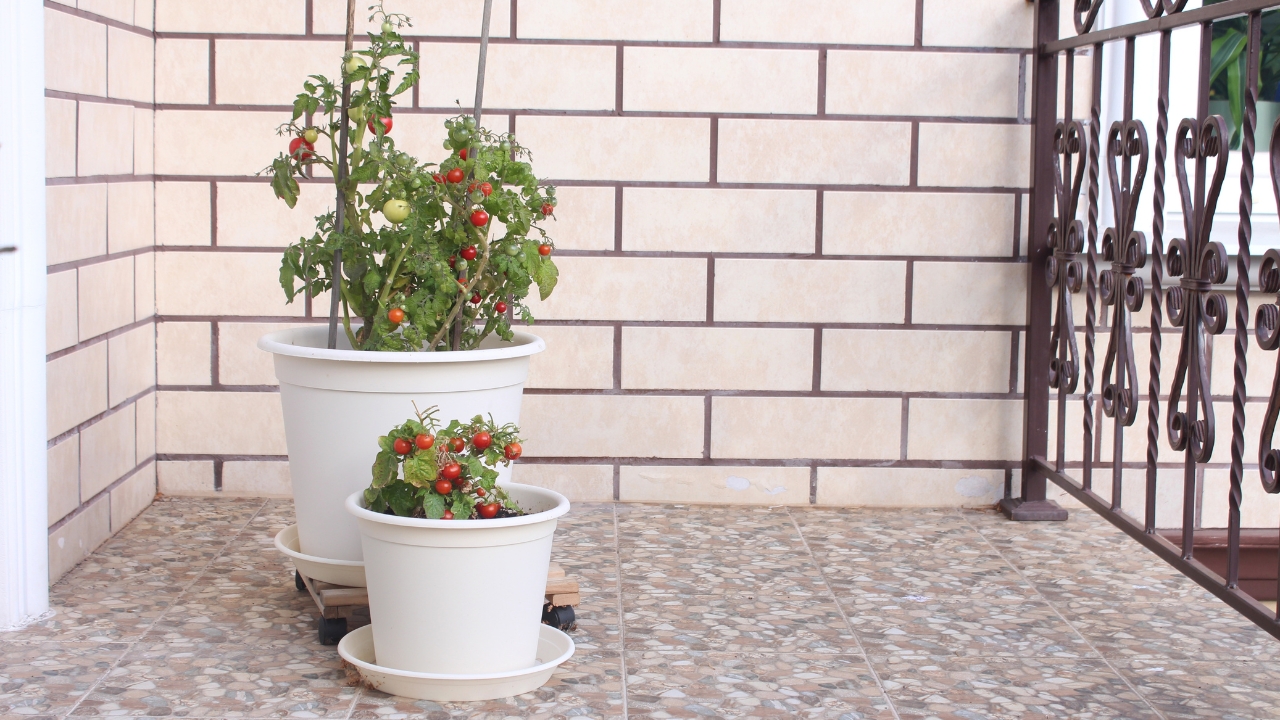
You can grow more than you’d think with a few buckets, pots, and some good dirt. Tomatoes, peppers, greens, and herbs all do well in containers if they get enough sunlight.
Stick them on your porch, patio, or a sunny window if you’re indoors. As long as they drain well and get watered regularly, you’re in business. It’s a good way to practice before you ever till a garden plot.
Learn to Can and Preserve

Canning, dehydrating, and fermenting are all solid homesteading skills you can use no matter where you live. You don’t need to grow the food yourself—you can buy it in bulk or get it from local farmers.
Stocking your pantry with shelf-stable food is a big step toward being more self-reliant. Once you know how to preserve a harvest, you’ll waste less and depend less on the grocery store.
Keep a Freezer Pantry
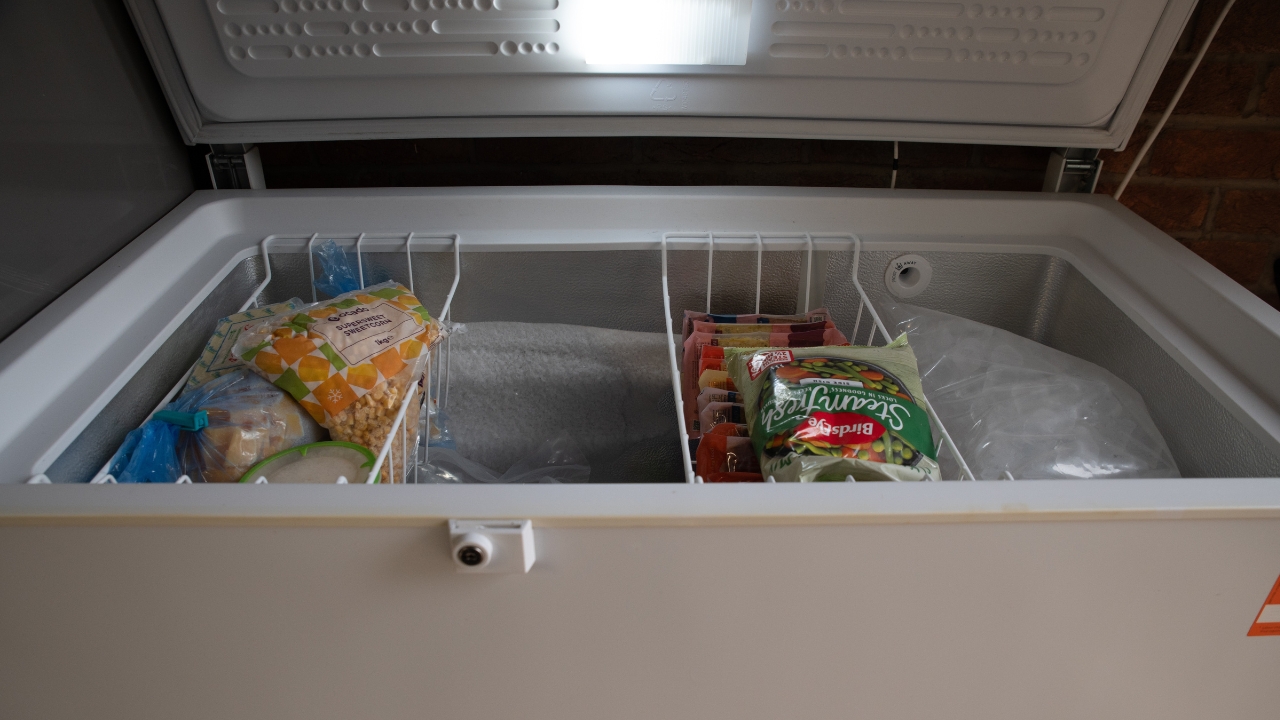
If canning’s not your thing yet, a chest freezer can still help you build food storage. Buy meat when it’s on sale, freeze leftover veggies for broth, or stock up on bread and butter when you’ve got the space.
Even in a small rental, a deep freezer can make a huge difference. Just keep it organized so things don’t get buried and forgotten. Vacuum sealing helps cut down on freezer burn and wasted food.
Make Use of Local Resources

Look for community gardens, produce co-ops, or u-pick farms in your area. Even if you can’t grow everything at home, you can still source food locally and store it yourself.
Some places even offer garden plots you can rent for the season. It’s a good way to get your hands in the dirt without needing a backyard of your own. Plus, you’ll meet folks who are doing the same thing.
Learn to Cook from Scratch

Homesteading starts in the kitchen just as much as in the garden. The more you cook from scratch, the more control you have over your food and your budget.
Start simple—bread, broth, basic meals with whole ingredients. It’s not about being perfect; it’s about learning how to feed yourself without relying on processed junk. That skill will serve you no matter where you end up living.
Raise Small Livestock (If Allowed)
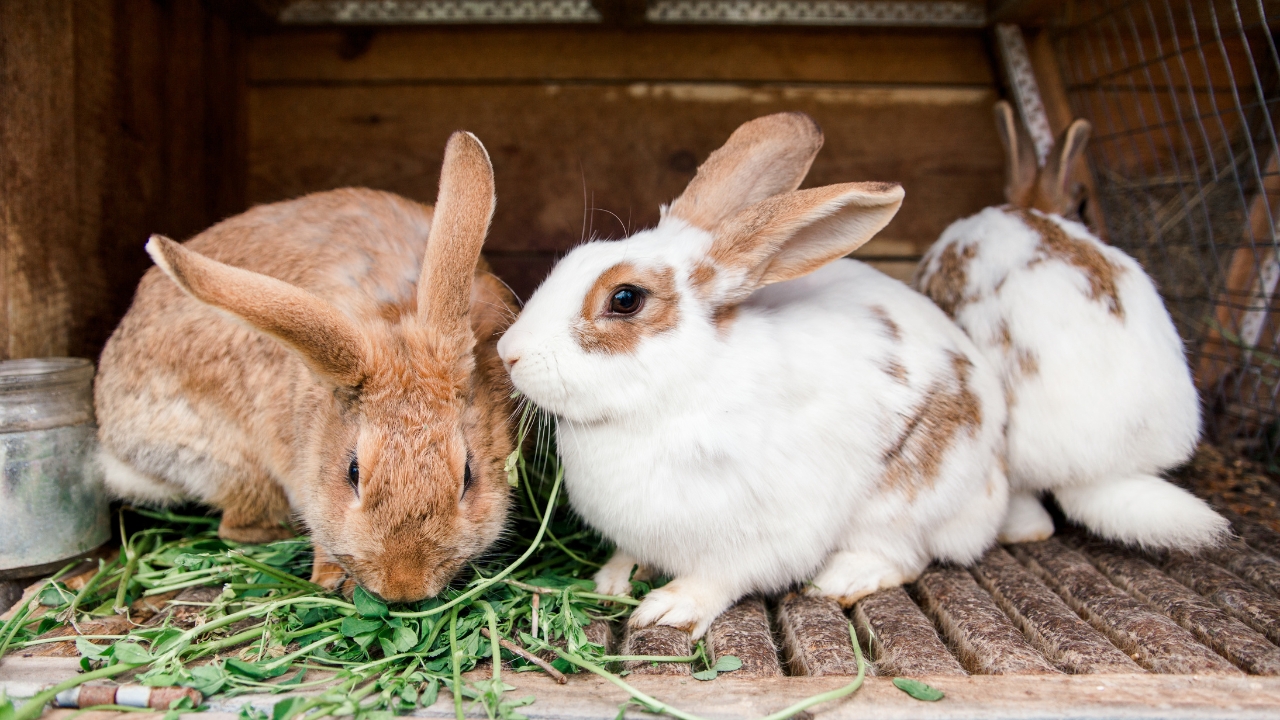
Depending on where you live, you might be able to keep quail, rabbits, or even chickens. They don’t need much space, and they give back in a big way—eggs, meat, or manure for compost.
Always check your local ordinances, especially if you’re renting. And keep things clean and quiet so neighbors don’t complain. If you’re smart about it, small livestock can fit into city or suburban life without much fuss.
Build Skills That Transfer Later

Even if you can’t do everything now, there’s a lot you can learn while you wait. Practice sewing, woodworking, herbal medicine, food preservation, and basic repairs.
Homesteading is less about where you live and more about how you live. The more skills you’ve got under your belt, the more prepared you’ll be when you do get land. Use this time to get ready.
Like Fix It Homestead’s content? Be sure to follow us.