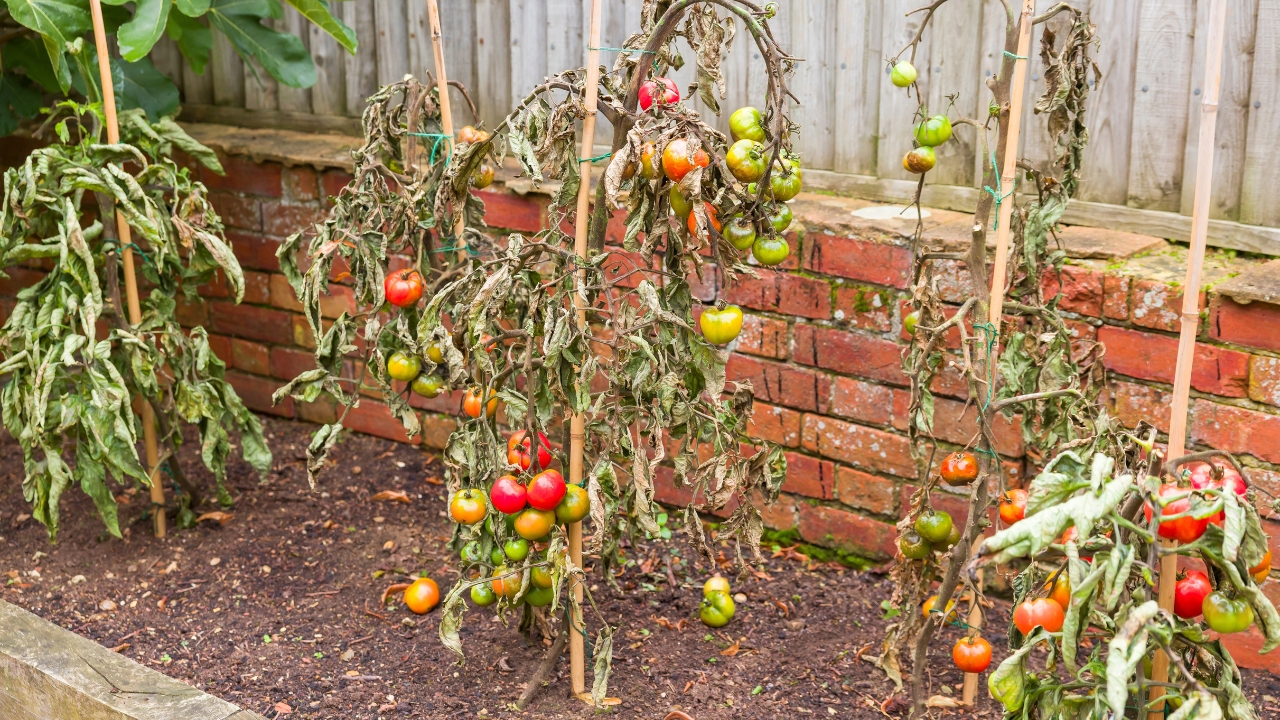
10 Mistakes That Will Cost You an Entire Harvest
Photo credit: Paul Maguire/ Shutterstock.com
There’s nothing worse than putting in months of work only to come up short when it’s time to harvest. We’ve had seasons where everything looked fine—until it wasn’t.
Turns out, you can lose an entire crop from one mistake. Some of these are easy to avoid once you know what to watch for, but others sneak up if you’re not paying attention.
Here are 10 mistakes that can wipe out your harvest and how to stay ahead of them.
Planting Too Early
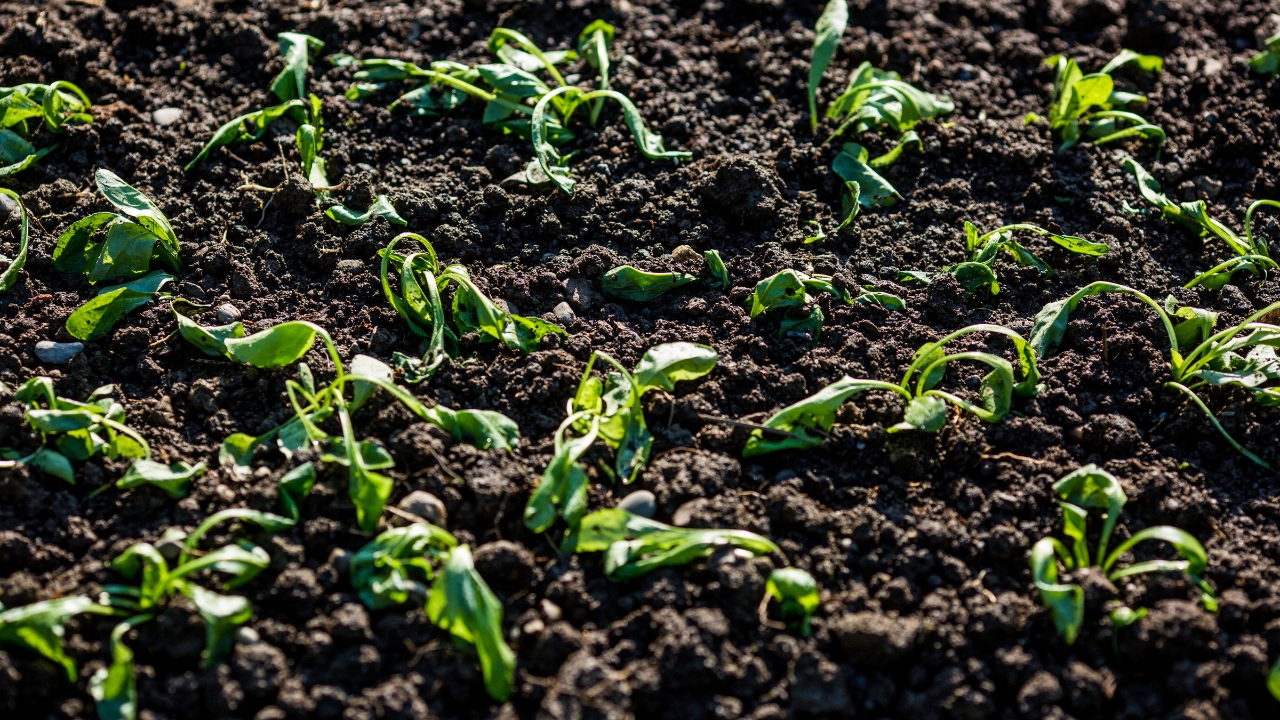
Getting excited and planting before the soil warms up can backfire fast. Seeds won’t germinate right, or seedlings will just sit there struggling—or worse, rot.
We’ve lost early crops to cold snaps and poor starts just because we jumped the gun. Waiting an extra week or two for the right conditions is better than replanting the whole bed.
Skipping Soil Prep
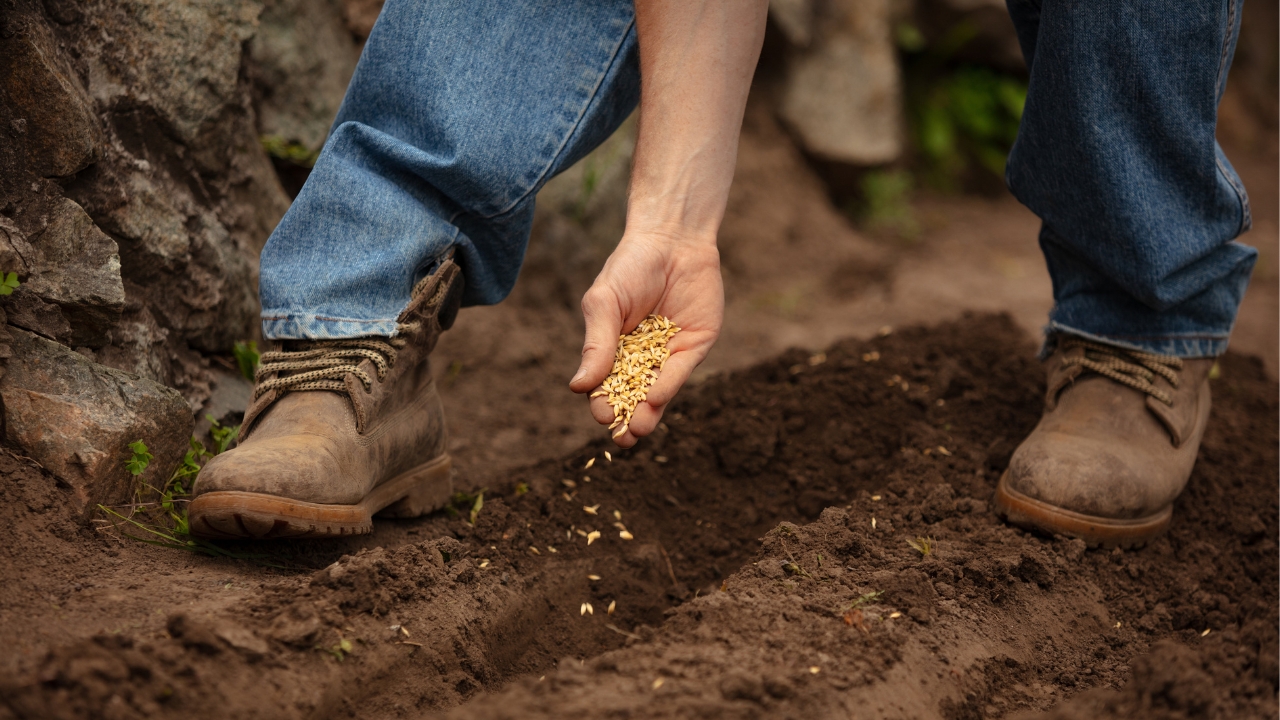
Throwing seeds into tired soil might work for a few sprouts, but you won’t get a real harvest. Poor soil means weak roots, stunted growth, and low yields.
We’ve learned to feed the soil before planting—compost, aged manure, or even a soil test if something feels off. Healthy soil is the foundation for everything.
Overcrowding Your Plants
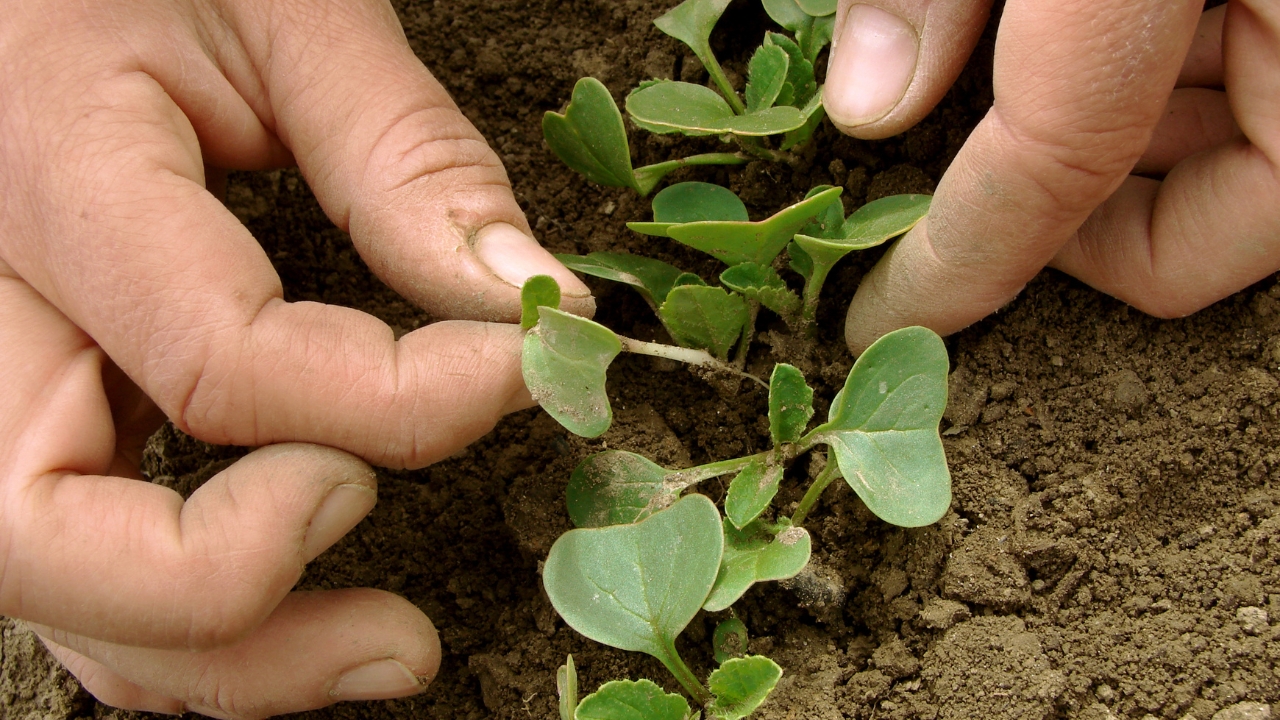
Cramming too many plants into a space might feel productive, but it usually backfires. Airflow suffers, disease spreads fast, and the plants fight for nutrients.
We used to let seedlings get too close “just to see what happens”—and it rarely ended well. Now we stick to spacing guidelines, even if it feels too roomy at first.
Not Keeping Up With Weeds
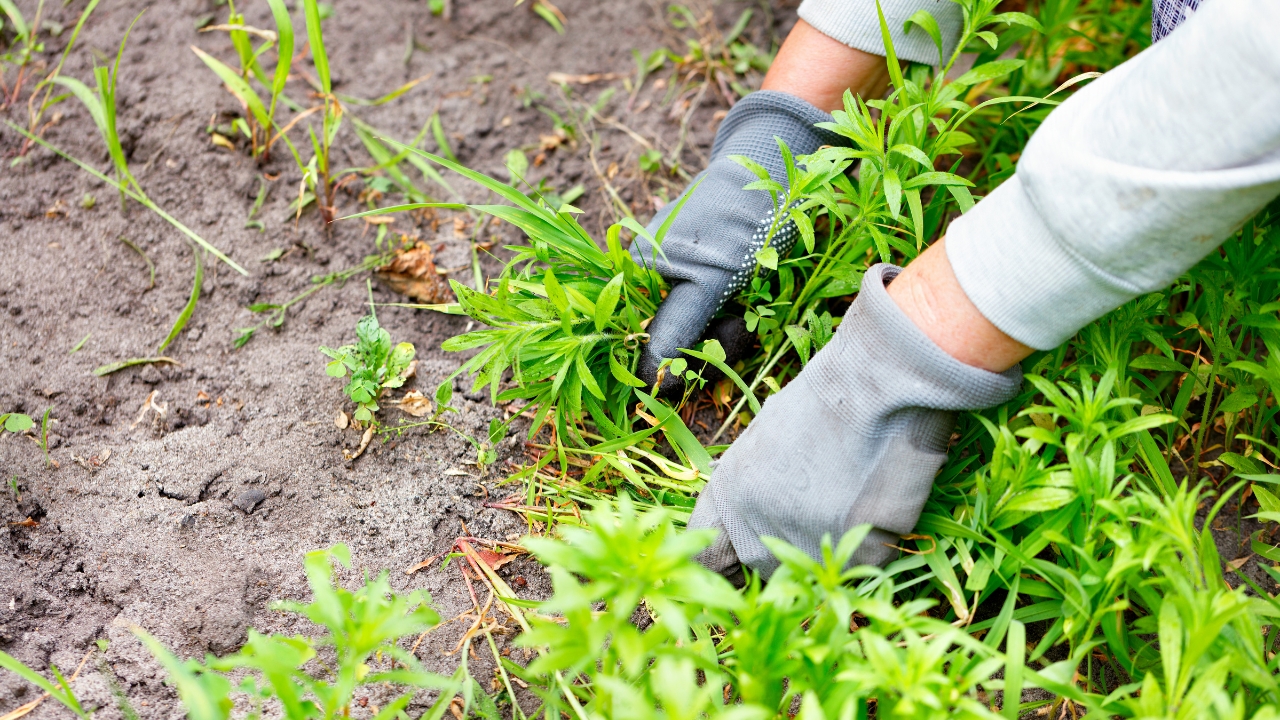
Weeds are more than a nuisance—they steal water, nutrients, and light. If they take over early, they’ll choke out your crops before they even get going.
We’ve lost entire rows of beans to weedy competition. Staying ahead of weeds in the first few weeks makes a massive difference in how strong your plants grow.
Inconsistent Watering

Too much water leads to rot and disease. Too little, and plants get stressed or shut down completely. Inconsistent watering does both.
We try to water deeply and consistently, especially during flowering and fruiting. A dry spell followed by a flood can split tomatoes, ruin melons, and stress out just about everything.
Ignoring Pests Until It’s Too Late

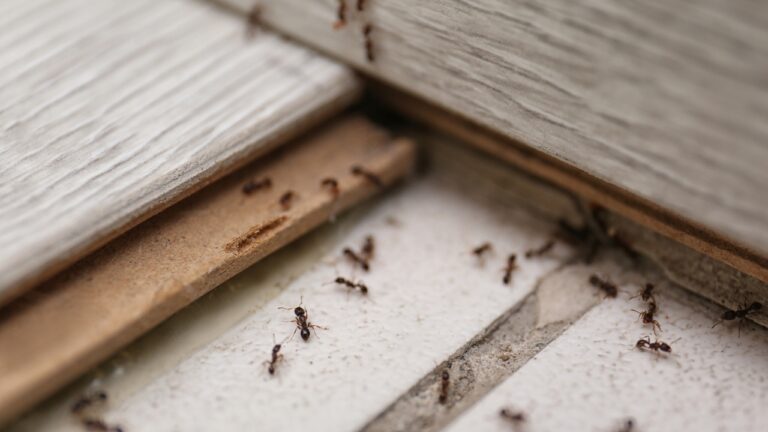
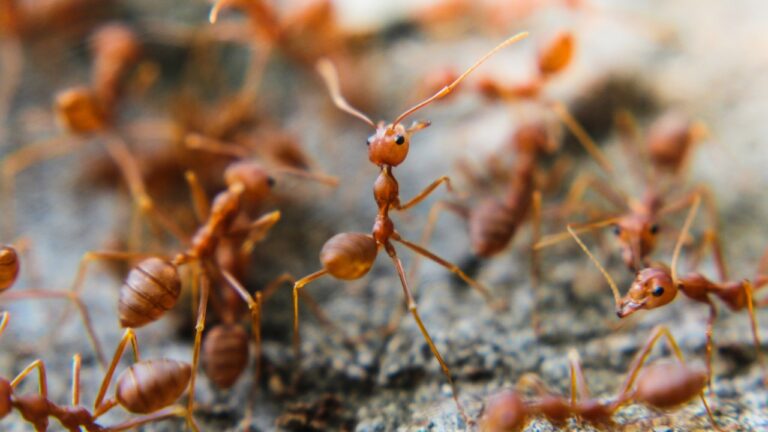
A few chewed leaves might not seem like a big deal—but if you don’t check under those leaves, things can spiral fast. Caterpillars, aphids, and beetles can wipe out a crop overnight.
We walk our garden every couple of days during peak season. Catching problems early gives you a fighting chance without needing harsh sprays or drastic action.
Letting Disease Spread

Powdery mildew, blight, and wilt don’t go away on their own. If you see signs of disease and don’t act fast, it can take out whole plants—or the entire bed.
We prune affected leaves, increase airflow, and remove anything that’s beyond saving. Composting diseased plants is a mistake we only made once.
Harvesting Too Late
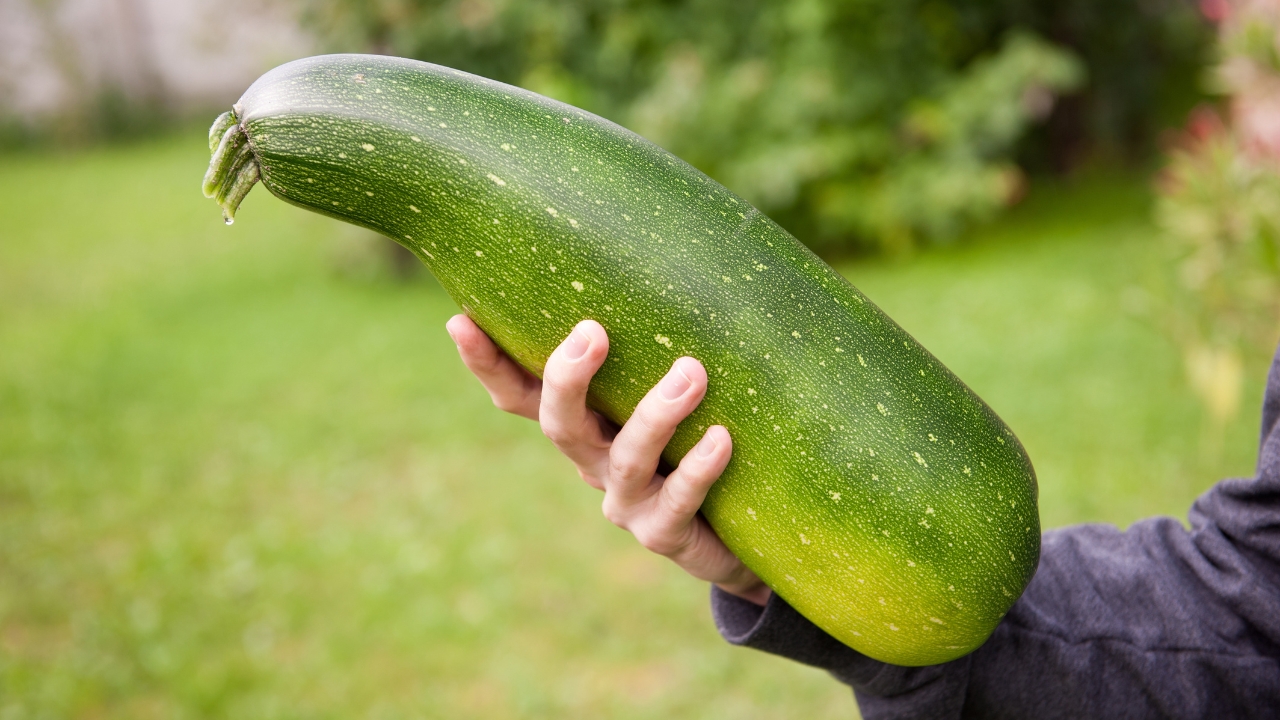
Waiting too long to harvest can ruin a crop. Beans get tough, zucchinis turn to baseball bats, and lettuce bolts and turns bitter.
We try to pick when things are ripe, not “after one more day.” Regular harvesting keeps plants producing and helps avoid waste. If you’re unsure, pick one and taste it.
Not Supporting Heavy Growers

Tomatoes, melons, and pole beans all need structure. If you don’t stake or cage them early, you’ll be dealing with broken vines, rotting fruit, and tangled messes later.
We learned to set up support systems before the plants need them. It’s easier to train a young plant than fix a collapsed one.
Forgetting to Fertilize Mid-Season
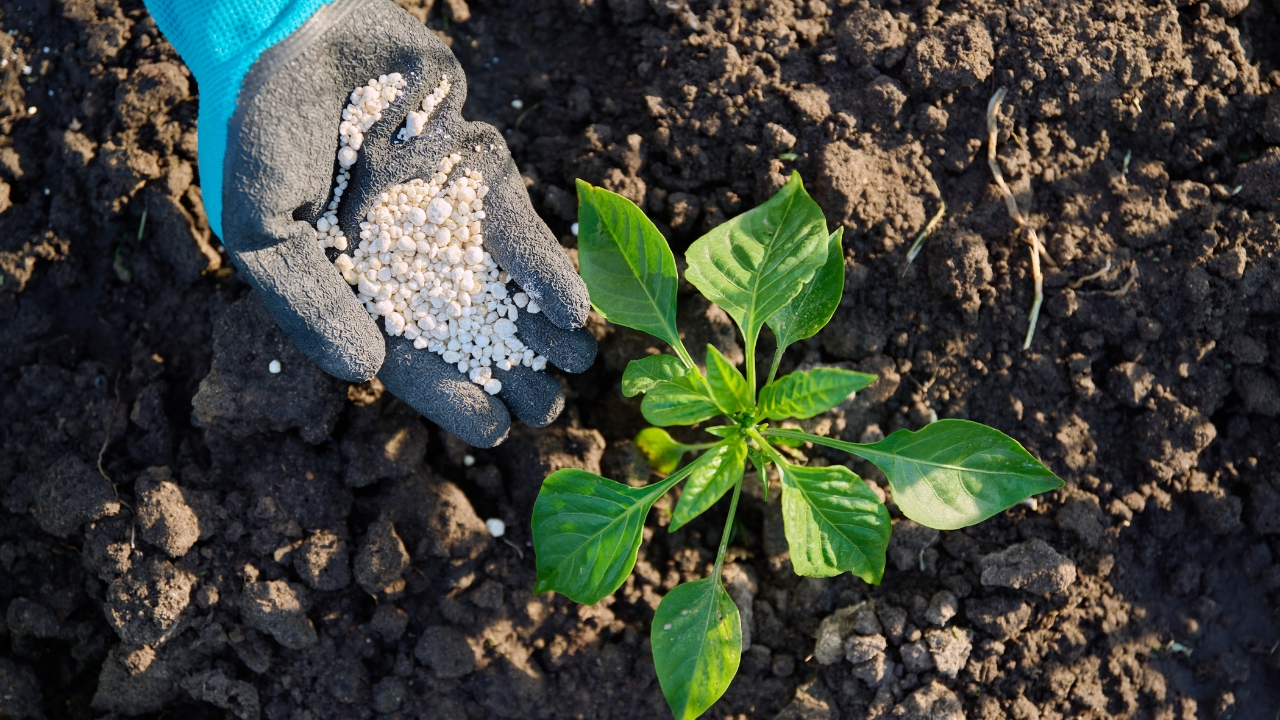
A lot of crops run out of steam halfway through the season if they don’t get a boost. If you forget to feed them when they’re fruiting, you’ll get smaller harvests—or nothing at all.
We side-dress with compost or liquid feed when things start to flower. A little attention mid-season can double your yield and keep plants going strong.
Like Fix It Homestead’s content? Be sure to follow us.