8 Backyard Mistakes That Make Ticks More Likely to Stick Around
Photo credit: nechaevkon/Shutterstock.com
Ticks don’t need much to make themselves at home. If you’ve got grass, shade, or animals nearby, they’re already interested. But there are a few common backyard habits that make your space way more attractive to them than it needs to be. And the problem is, once they show up, they don’t leave quietly.
If you’ve been dealing with bites—or want to avoid them altogether—start by fixing these yard mistakes that keep calling ticks in closer.
Letting the Grass Get Too Long
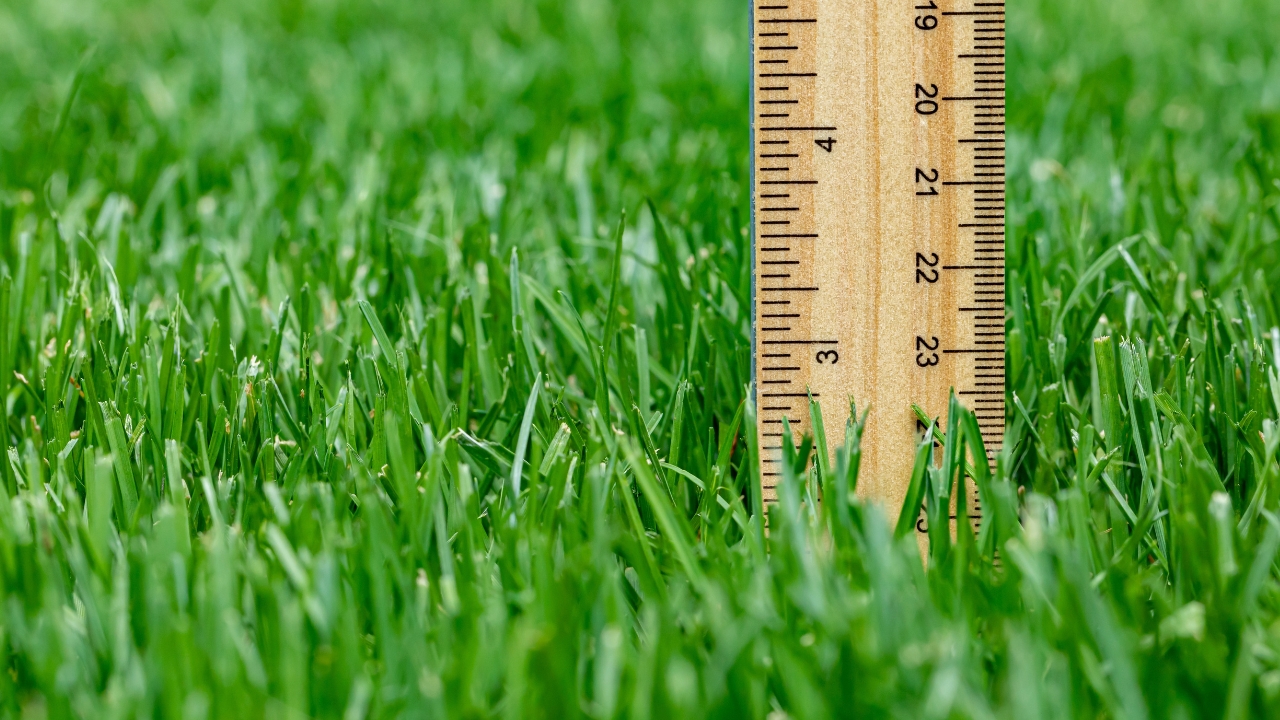
Ticks thrive in tall grass. It gives them shade, moisture, and an easy place to wait for their next host.
Mowing regularly makes your backyard less comfortable for them. Don’t let it grow over 3–4 inches, especially around the edges where you might not walk as much. Even one untrimmed section near a fence or under a tree can become a hotspot.
Not Cleaning Up Leaf Litter
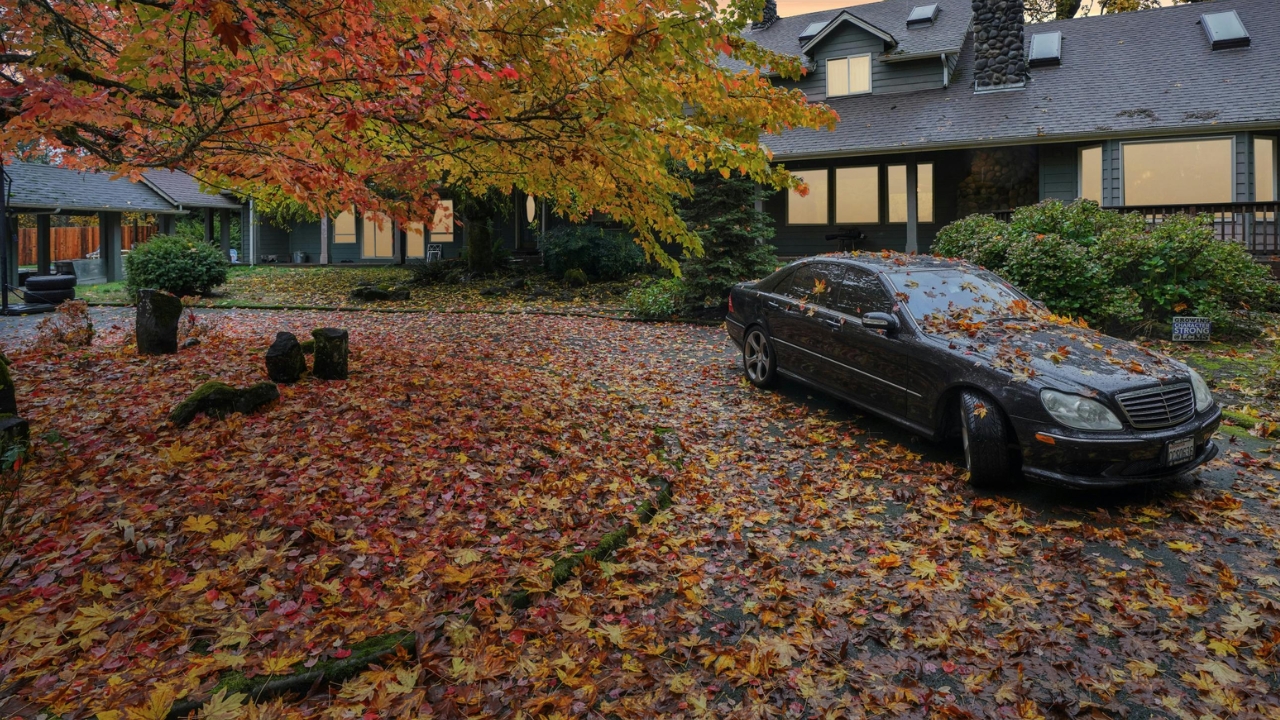
Old leaves might seem harmless, but they hold moisture and stay cool underneath, which ticks love.
Leaving piles to break down on their own might feel natural, but it’s basically a welcome mat. Rake them up—especially near walkways, fences, and under trees. Compost them properly or get them off the property if you want to stop giving ticks free shelter.
Storing Firewood Too Close to the House

Stacked firewood attracts rodents, and rodents attract ticks. They don’t stay in the woodpile, either—they wander out into the yard.
If you burn wood, make sure your pile is at least 20 feet from your house and raised off the ground. That extra space makes it harder for ticks to spread from the pile to your patio or siding.
Letting Pets Roam Through the Brush

If your dog or cat roams through the treeline or tall weeds, they’re likely bringing ticks back with them. And once they’re on your pet, it doesn’t take long for them to move to you or the house.
Keep pets in the short grass when possible. If they wander through high grass or woods, check them afterward—even behind the ears and between the toes.
Skipping a Tick Barrier
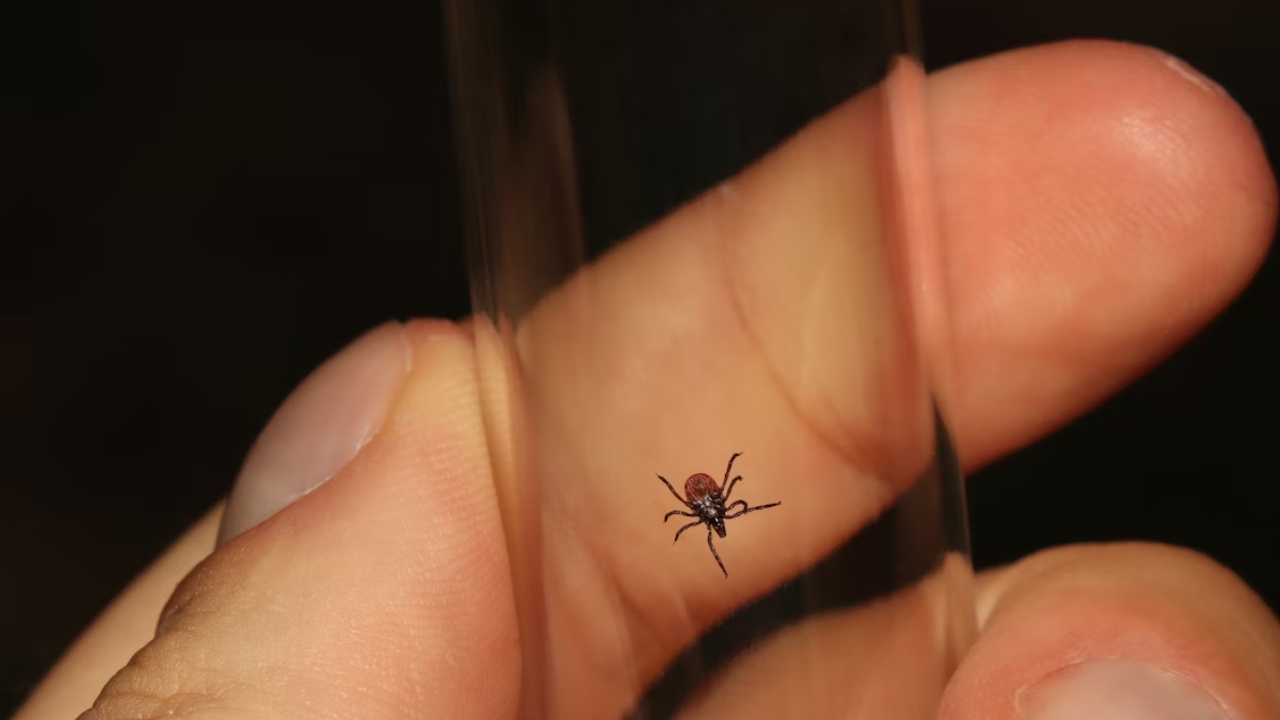
Ticks don’t usually cross clean, dry surfaces. A gravel or mulch border between your lawn and any wooded area can actually slow them down.
It doesn’t have to be fancy—just a two- to three-foot strip around the edges of your yard. That little change gives you a better chance of keeping them from crawling in from the woods or tall weeds nearby.
Letting Bird Feeders Spill Over

Birds can carry ticks, and when feeders spill seed, it brings in more animals—including mice and squirrels that are major tick carriers.
If you use feeders, keep the ground underneath clean. Sweep up extra seed and don’t let it pile up. You can also use a tray or baffle to keep the mess contained.
Ignoring Shaded Seating Areas

Ticks don’t like sun, so shaded benches, hammocks, or swings can easily become spots they hang around.
Keep those areas trimmed and clean underneath. Don’t let vines, weeds, or branches overgrow where you sit. Even a small brush pile near a shaded corner can create the perfect hideout.
Not Treating for Ticks

If you live in a tick-prone area and you’ve already seen them in your yard, you might need to treat the space directly.
There are pet-safe sprays and granules that help reduce the tick population. If you’re dealing with a big problem, call a professional to treat the yard perimeter and problem areas. Regular mowing and clean-up help, but sometimes they need extra backup.
Like Fix It Homestead’s content? Be sure to follow us.